
Call Us
+86 136 6007 9809
Call Us
+86 136 6007 9809

Jul. 12, 2024
Stainless steel screws are widely recognized for their excellent corrosion resistance, strength and durability. They are commonly used in automotive manufacturing, marine equipment, food processing machinery, medical devices, construction projects and industrial equipment.
However, many users believe that stainless steel screws are completely rust-free. In reality, stainless steel is corrosion-resistant, not corrosion-proof.
Under certain environmental conditions, improper material selection, incorrect installation or excessive loading, stainless steel screws may experience:
Surface corrosion
Rust formation
Stress corrosion cracking
Screw fracture
Reduced fastening performance
Understanding the causes of stainless steel screw failure helps engineers select the correct material grade and fastening solution.
Juxin Fasteners provides professional 304 stainless steel screws, 316 stainless steel screws, stainless steel socket head screws, stainless steel hex head screws and customized stainless steel fasteners for global OEM applications.
For technical support:
Email: info@juxinfasteners.com
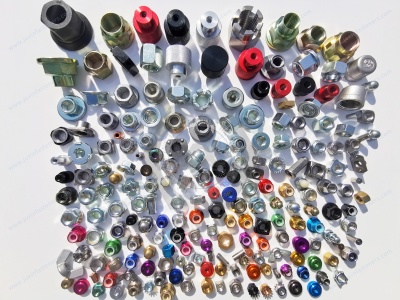
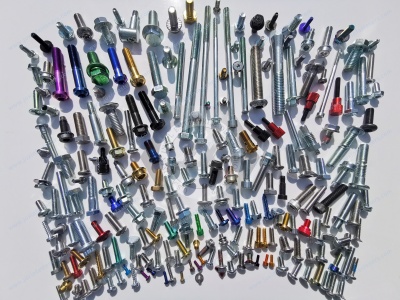
Although stainless steel has excellent corrosion resistance, long-term exposure to extreme environments can damage the protective oxide layer.
Common harsh environments include:
High humidity
Salt spray
Marine atmosphere
Chemical exposure
Outdoor weather conditions
For example:
A standard 304 stainless steel screw performs well in general industrial environments, but it may not be suitable for continuous exposure to seawater.
For marine applications, engineers normally select:
316 stainless steel screws
because they provide superior resistance against:
Chloride corrosion
Salt water
Chemical environments
Choosing the wrong stainless steel grade is one of the main reasons for corrosion problems.
304 stainless steel screws are widely used because of their:
Good corrosion resistance
Excellent mechanical properties
Cost efficiency
Typical applications:
Industrial machinery
Food equipment
Electrical cabinets
General manufacturing
316 stainless steel screws contain molybdenum, which improves resistance against:
Salt water corrosion
Chemical attack
Industrial pollution
Recommended applications:
Marine equipment
Chemical processing equipment
Pharmaceutical machinery
Outdoor structures
201 stainless steel screws have lower nickel content and are generally suitable for:
Indoor applications
Low-corrosion environments
They are not recommended for:
Marine applications
High humidity environments
Chemical exposure
Stainless steel corrosion may occur when the protective surface layer is damaged.
Common causes include:
During manufacturing or installation, carbon steel particles may attach to stainless steel surfaces.
These particles can create electrochemical corrosion points.
Mechanical damage may remove the passive oxide layer and expose the metal surface.
Oil, dust and industrial residues may combine with moisture and create corrosive conditions.
To improve corrosion resistance, stainless steel screws are often treated with:
Passivation treatment
Cleaning process
Surface protection coatings
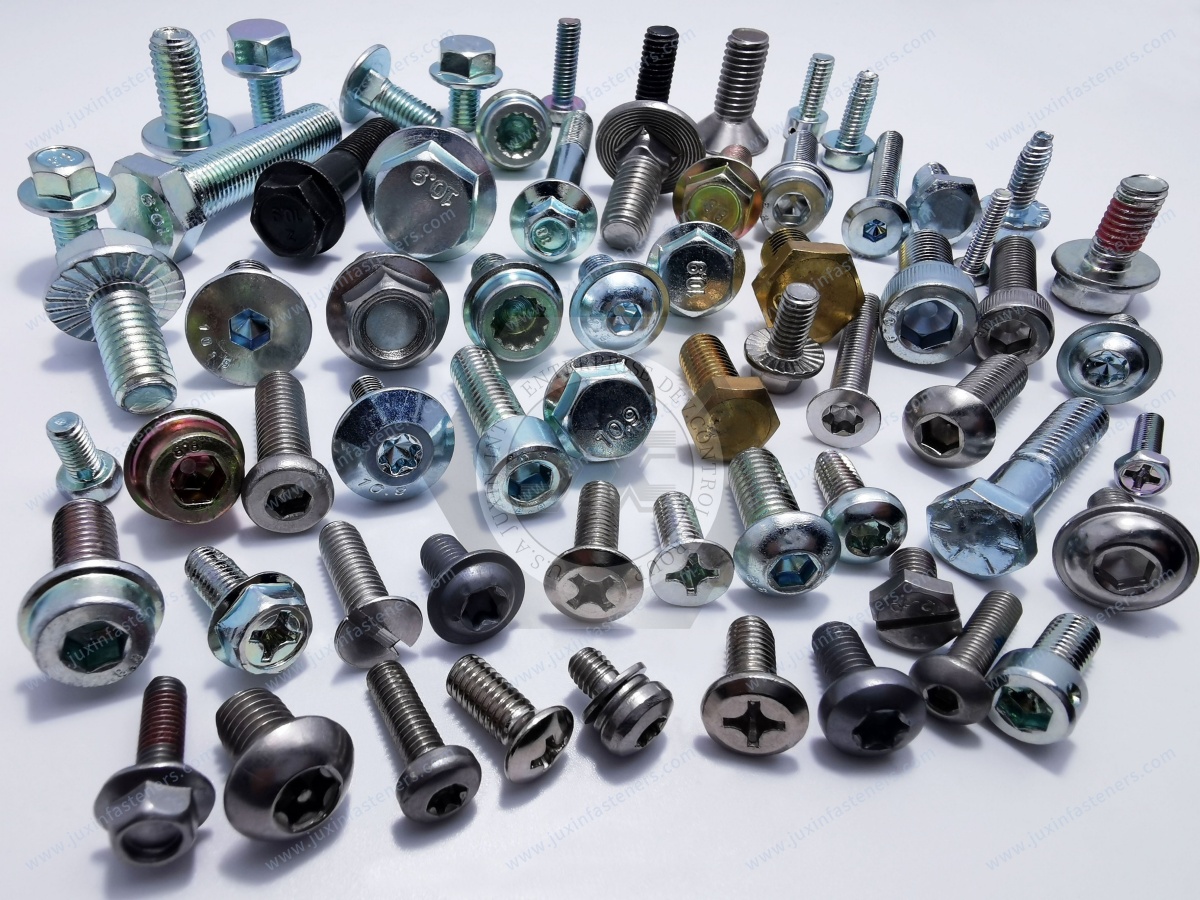
Passivation is an important surface treatment process for stainless steel fasteners.
During passivation:
Free iron contaminants are removed
A protective chromium oxide layer is restored
Corrosion resistance is improved
Passivated stainless steel screws are commonly used in:
Food processing equipment
Medical devices
Pharmaceutical machinery
Cleanroom applications
Common products:
Passivated 304 stainless steel screws
Passivated 316 stainless steel screws
Stainless steel socket head screws
Stainless steel flange screws
Although stainless steel screws have excellent durability, fracture may occur under certain conditions.
The main causes include:
The mechanical performance of stainless steel screws depends on raw material quality.
Low-quality stainless steel wire may contain:
Excess impurities
Incorrect chemical composition
Poor mechanical properties
This can reduce:
Tensile strength
Fatigue resistance
Breaking torque performance
Juxin Fasteners uses controlled raw materials to ensure stable:
Chemical composition
Mechanical properties
Production consistency
Incorrect manufacturing processes may cause screw failure.
Potential issues include:
Incorrect cold heading process
Improper thread forming
Head eccentricity
Insufficient corner radius design
Excessive material stress
Professional screw manufacturing requires accurate control of:
Wire processing
Heading process
Thread rolling
Heat treatment
Inspection
Over-tightening is another common reason for stainless steel screw fracture.
During installation:
Excessive torque may exceed the screw's tensile strength
Thread damage may occur
Head breakage may happen
Engineers should select proper:
Screw grade
Torque specification
Installation method
Torque testing is recommended for critical applications.
Automotive applications require fasteners with:
Vibration resistance
Corrosion protection
Long service life
Stainless steel screws are used in:
Vehicle components
Battery systems
Electronic modules
Interior assemblies
Recommended products:
Stainless steel flange screws
Stainless steel socket head screws
304 / 316 stainless steel fasteners
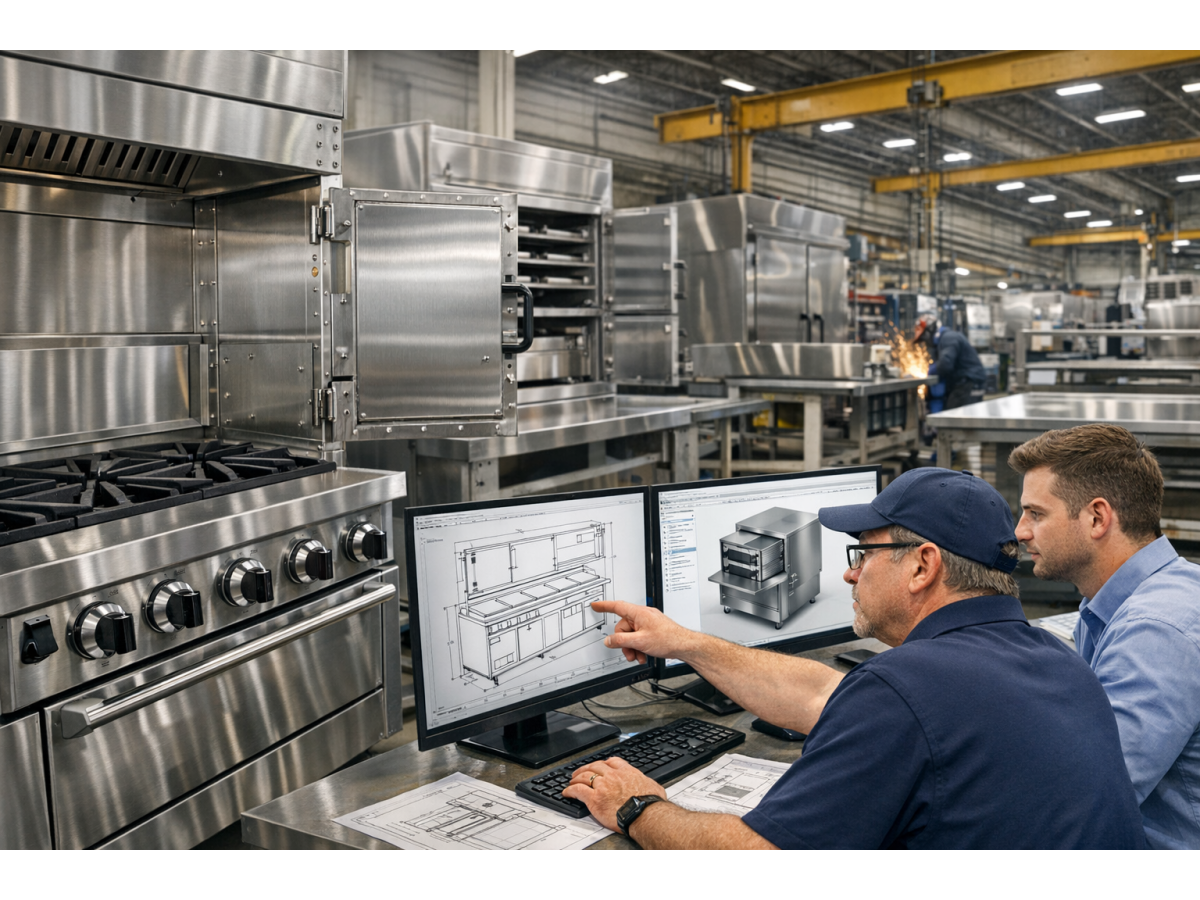
Food equipment requires:
Hygienic surfaces
Corrosion resistance
Easy cleaning
Recommended:
304 stainless steel screws
316 stainless steel screws
Passivated stainless steel fasteners
Applications:
Commercial kitchen equipment
Food machinery
Beverage processing systems
Marine environments are among the most challenging applications.
Fasteners must resist:
Salt water
Humidity
Chloride corrosion
Recommended:
316 stainless steel screws
Applications:
Ship equipment
Marine structures
Offshore systems
Medical applications require:
High cleanliness
Corrosion resistance
Reliable fastening performance
Stainless steel screws are used in:
Medical devices
Laboratory equipment
Pharmaceutical machines
Engineers should consider the following factors:
Choose according to environment:
| Application | Recommended Material |
|---|---|
| General industrial use | 304 Stainless Steel |
| Food equipment | 304 / 316 Stainless Steel |
| Marine environment | 316 Stainless Steel |
| Chemical environment | 316 Stainless Steel |
Options:
Passivation
PTFE coating
Special corrosion-resistant coating
Avoid:
Excessive tightening
Thread damage
Stress concentration
Quality control should include:
Material verification
Dimensional inspection
Mechanical testing
Torque testing
Surface inspection
Juxin Fasteners supplies customized stainless steel fastening solutions for global OEM customers.
Our stainless steel fastener products include:
Stainless Steel Screws
Stainless Steel Socket Head Screws
Stainless Steel Hex Head Screws
Stainless Steel Flanged Button Head Screws
Stainless Steel Self-Tapping Screws
Custom Stainless Steel Fasteners
Materials:
SUS304 / 18-8 Stainless Steel
SUS316 Stainless Steel
A2 Stainless Steel
A4 Stainless Steel
Industries:
Automotive
Food Equipment
Medical Equipment
Marine
Industrial Machinery
Construction
Electrical Equipment
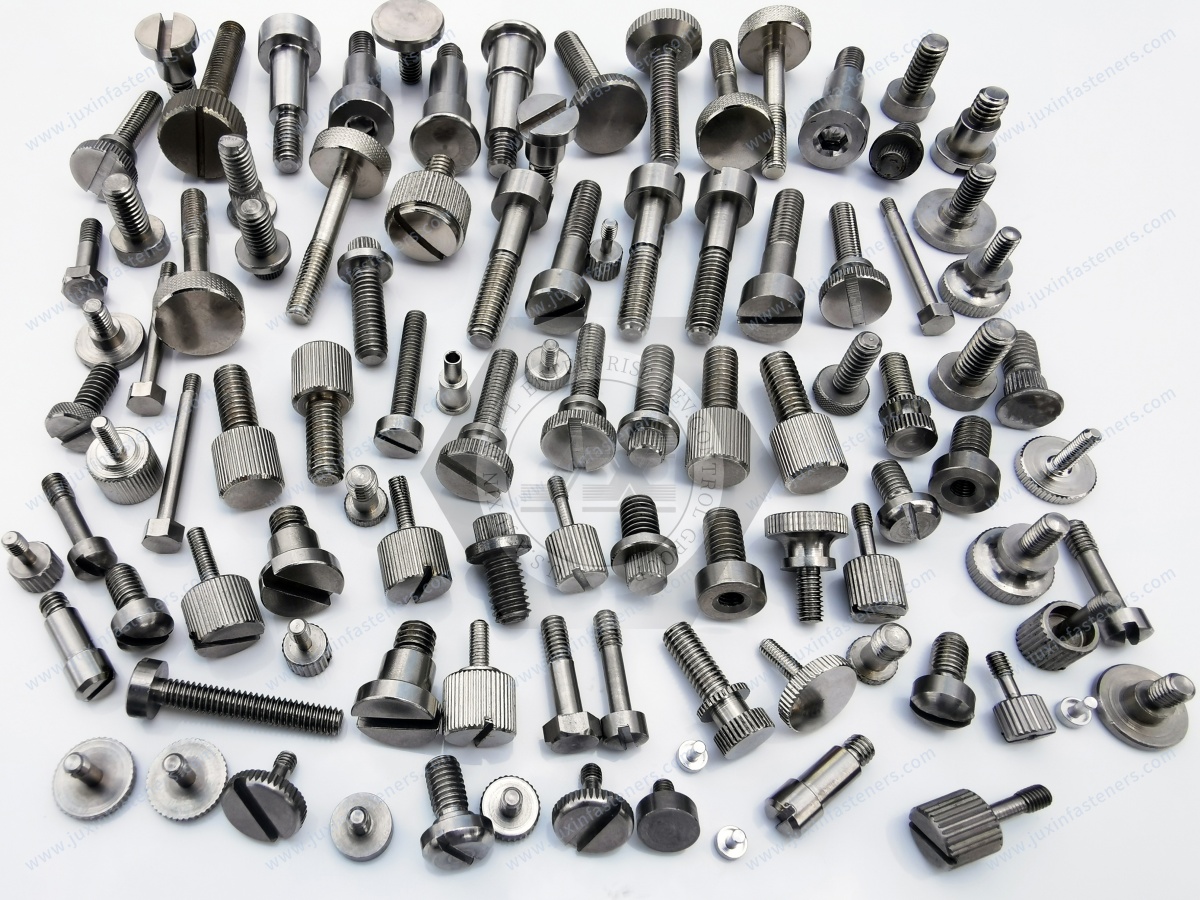
Stainless steel screws provide excellent corrosion resistance and mechanical performance, but correct material selection and proper application are essential.
Rust, corrosion and fracture problems can usually be prevented by:
Selecting the correct stainless steel grade
Using proper surface treatment
Controlling installation torque
Choosing a reliable fastener manufacturer
Juxin Fasteners provides professional 304 and 316 stainless steel screw solutions for industrial customers worldwide.
For stainless steel fastener quotation and engineering support:
Email: info@juxinfasteners.com
Website: https://www.juxinfasteners.com
 MORE NEWS
Sep. 27, 2026
Sep. 27, 2026
Sep. 27, 2026
Contact Us
Tel.:
+86 020 8621 0320
+86 020 3121 6067
E-mail:
Technical Support:
Navigation
SEND INQUIREY