Call Us
+86 136 6007 9809
Call Us
+86 136 6007 9809

Mar. 30, 2026
Triangular Drive Security Screws: OEM Design, Installation and Industrial Applications
Industrial equipment manufacturers often need fastening systems that allow authorized maintenance while discouraging casual tampering and unauthorized access.

This requirement is common in electrical enclosures, industrial machinery, electronics, transportation equipment and publicly accessible installations.
Conventional Phillips, slotted, hex socket and six-lobe screws can generally be operated with widely available tools.
Where restricted access is important, a specialized drive recess may provide an additional level of protection.
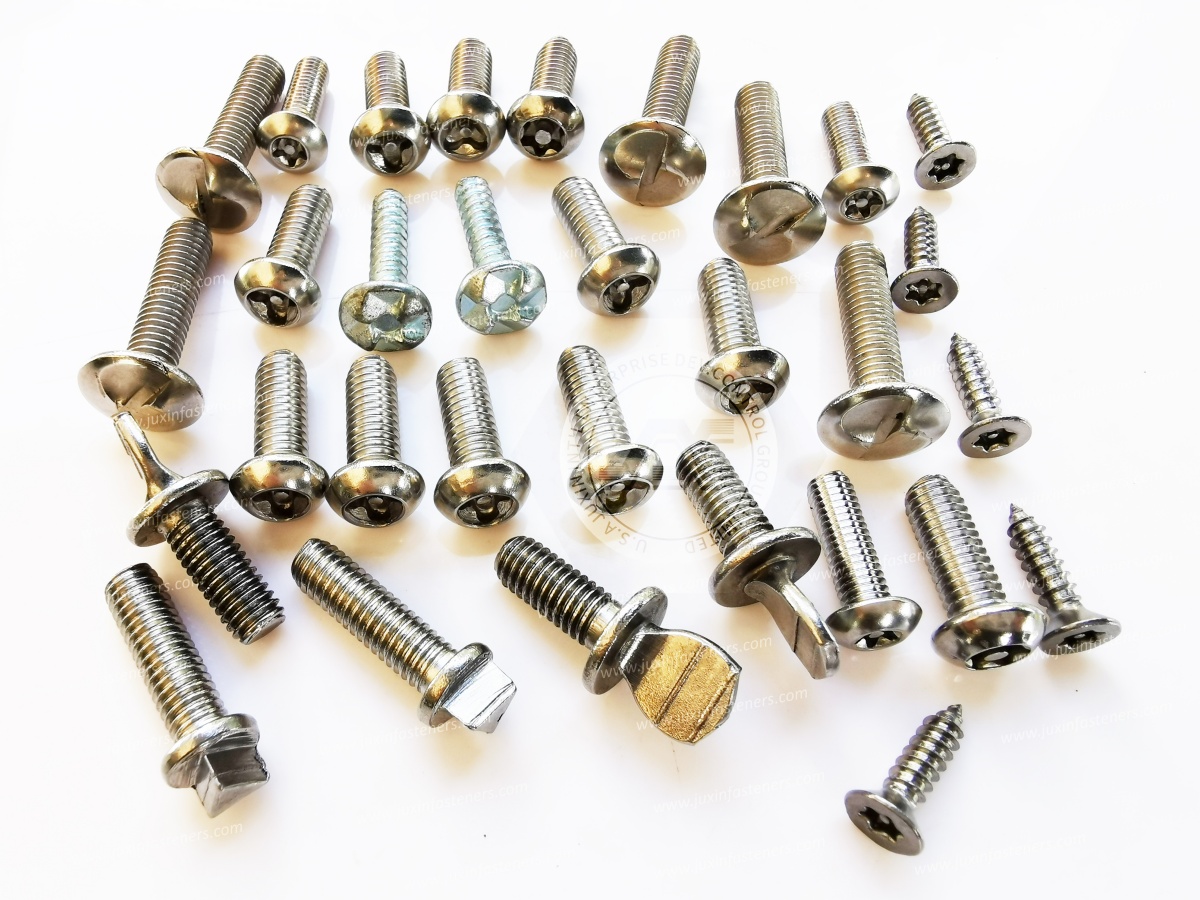
Triangular drive machine screws, also called triangle recess security screws or triangular socket screws, use a three-sided drive recess designed to engage a matching triangular driver.
These screws can be specified with different head styles, thread dimensions and materials according to the application.
For OEM engineers, the main selection criteria include drive geometry, head configuration, thread engagement, mechanical loading and corrosion exposure.
For manufacturing engineers and production managers, driver engagement, installation torque, assembly cycle time and production consistency are equally important.
For procurement managers and supplier development teams, sourcing decisions also involve drawing compliance,
material specifications, driver availability, MOQ, lead time and long-term supply planning.
Juxin Fasteners welcomes inquiries for triangular drive machine screws and drawing-specific industrial security fastening components.
What Are Triangular Drive Machine Screws?
A triangular drive machine screw is a threaded fastener with a three-sided recess intended to transmit installation and removal torque through a matching tool.
Unlike conventional screw drives, the triangular recess is less likely to engage properly with common screwdrivers.
The security benefit comes primarily from restricted tool compatibility rather than from a special locking action within the thread.
Typical Product Characteristics
Three-sided internal drive recess
Matching triangular driver
Machine screw thread
Application-specific head geometry
Stainless steel or carbon steel material options
Standard or drawing-specific dimensions
Triangular Drive vs Triangular Head
These terms should not automatically be treated as identical.
A triangular drive screw typically refers to a screw with an internal triangular recess.
A triangular head screw may refer to a fastener with an externally shaped triangular head.
The required tool engagement and head dimensions differ.
Engineering Recommendation
When preparing an OEM drawing or RFQ, specify whether the required feature is an internal triangle recess or an external triangular head.
How Triangular Drive Security Screws Work
The triangular recess engages a driver with corresponding geometry.
When the tool is correctly seated, rotational force is transferred to the screw.
The screw then develops clamp load through the threaded connection, subject to the joint design and tightening conditions.
Controlled Access
A matching driver is generally required for reliable installation and removal.
Reduced Casual Tampering
The nonstandard drive may discourage attempts to open equipment using common tools.
Authorized Maintenance
Where the design permits removal, maintenance personnel can use the specified driver to access the assembly.
Important Security Limitation
Triangular drivers are commercially available.
Therefore, triangular drive screws should be considered tamper-resistant rather than tamper-proof.
Their effectiveness depends on the equipment design, driver accessibility and required level of protection.
Triangular Recess Geometry and Driver Compatibility
The drive recess is the defining characteristic of a triangular security screw.
Its geometry determines how the driver engages and transfers torque.
Critical Design Characteristics
Triangle profile
Recess size
Recess depth
Corner geometry
Manufacturing tolerances
Driver clearance
Remaining material beneath the recess
Why Driver Fit Matters
Poor engagement may cause:
Tool slippage
Recess deformation
Incomplete tightening
Excessive driver wear
Assembly delays
Difficult maintenance removal
Information Gain: Nominal Triangle Size Alone May Be Insufficient
Two triangular drive screws may appear similar but use different recess profiles or dimensional tolerances.
A driver that engages one design may not properly engage another.
Engineering Recommendation
For custom triangular drive screws, define the drive geometry using an approved drawing and identify the compatible driver specification.
Driver Engagement Depth
Adequate engagement depth helps distribute torque through the recess.
However, increasing recess depth also reduces the material remaining beneath the drive feature.
This creates a design tradeoff between:
Driver engagement
Head height
Head strength
Manufacturing feasibility
Engineering Recommendation
Validate drive depth and head geometry together, particularly for compact screw heads.
Triangular Drive vs Conventional Screw Drives
| Drive type | Tool requirement | Tamper-resistance consideration | OEM selection factor |
|---|---|---|---|
| Phillips | Common Phillips driver | Limited casual tamper resistance | General assembly |
| Slotted | Common flat-blade driver | Limited casual tamper resistance | Simple access |
| Hex socket | Common hex key | Limited casual tamper resistance | Established industrial tooling |
| Standard six-lobe | Common matching driver | Limited casual tamper resistance | Drive engagement and production tooling |
| Triangular recess | Matching triangular driver | May discourage casual removal | Controlled access and driver availability |
| Custom security recess | Matching specialized driver | Depends on actual design | Application-specific access control |
Important Engineering Distinction
No drive type should be assumed to provide superior installation torque without evaluating the actual recess geometry, screw material and tool engagement.
Stainless Steel Triangular Drive Screws
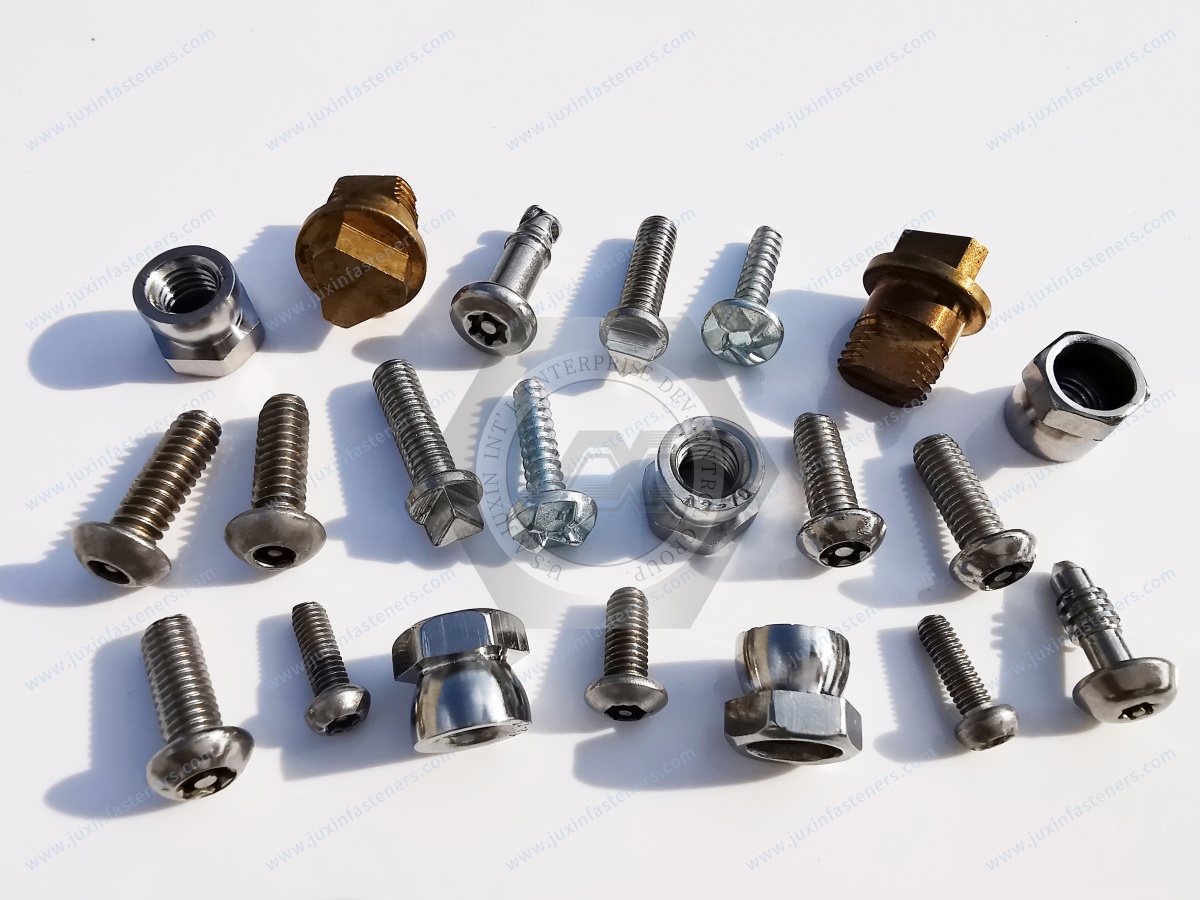
Stainless steel triangular drive machine screws may be selected for equipment exposed to moisture, humidity or corrosive environments.
Potential applications include:
Outdoor electrical equipment
Industrial control cabinets
Communication enclosures
Selected marine-related equipment
Machinery covers
A2 / 304-Type Stainless Steel
A2 stainless steel is commonly associated with general-purpose corrosion-resistant fasteners.
It may be appropriate for selected indoor and moderately exposed environments.
A4 / 316-Type Stainless Steel
A4 stainless steel may be considered where improved resistance to certain chloride-containing or chemically demanding environments is required.
Material Selection Considerations
Exposure environment
Stainless steel grade
Mechanical property requirements
Thread galling risk
Surface cleanliness
Mating component material
Important Limitation
Neither 304-type nor 316-type stainless steel is universally corrosion-proof.
Actual environmental conditions and material specifications must be evaluated.
Mechanical Property Standards
ISO 3506-1 addresses mechanical and physical properties of corrosion-resistant stainless steel bolts, screws and studs within its applicable scope.
The required material grade and property class should be identified in the product specification.
Carbon Steel Triangular Drive Screws
Carbon steel may provide an economical solution for industrial equipment where appropriate strength and corrosion protection can be achieved.
Potential applications include:
Indoor machinery
Industrial control assemblies
Equipment covers
General OEM products
Selected automotive components
Material Considerations
Steel grade
Mechanical property class
Heat treatment
Surface coating
Corrosion environment
Thread performance
Relevant Mechanical Property Standard
ISO 898-1 addresses mechanical and physical properties of specified carbon steel and alloy steel bolts, screws and studs within its scope.
Important Limitation
A carbon steel screw's mechanical property class must be confirmed from the actual specification.
The presence of a triangular drive does not establish a particular strength grade.
Surface Protection
Potential protective finishes for carbon steel fasteners include application-specific zinc-based coatings and other specified corrosion protection systems.
Coating selection should consider:
Required corrosion performance
Dimensional effects
Thread fit
Appearance
Assembly friction
Applicable environmental restrictions
For high-strength steel fasteners, coating and processing routes must also be assessed for hydrogen embrittlement risk where applicable.
Head Style Selection for Triangular Drive Screws
Triangular drive screws may be designed with different head configurations.
The appropriate style depends on clearance, appearance, bearing area and assembly access.
Pan Head
A pan head may be useful for general equipment panels and enclosures.
Button Head
A rounded button head may be selected for exposed assemblies requiring a smooth appearance.
Countersunk Head
A countersunk head may be suitable where a flush surface is required, provided that the mating countersink geometry and joint design are appropriate.
Custom Head Designs
OEM applications may require drawing-specific dimensions or special clearance features.
Engineering Recommendation
Do not assume that different head styles with the same thread size are directly interchangeable.
Head bearing geometry, recess depth and joint contact conditions may differ.
Metric and Inch Thread Selection
Triangular drive machine screws can be specified with suitable standard thread systems.
Metric Threads
Relevant references include:
ISO 261 for general-purpose metric screw thread dimensions
ISO 965 series for metric screw thread tolerances
Unified Inch Threads
ASME B1.1 covers Unified inch screw threads, including applicable UNC and UNF designations.
Nominal Diameter References
| Metric diameter | Approximate inch diameter |
|---|---|
| M3 | 0.118 in |
| M4 | 0.157 in |
| M5 | 0.197 in |
| M6 | 0.236 in |
| M8 | 0.315 in |
These values are dimensional references only.
Metric, UNC, UNF, BSW and BSF threads are not directly interchangeable.
Actual availability of a particular thread system must be confirmed against the requested product.
Engineering Recommendation
Specify the complete thread designation, thread tolerance, screw length and mating component requirements.
Installation Torque and Joint Reliability
Correct installation is essential for maintaining the required mechanical condition of a threaded joint.
The installation torque depends on:
Screw size
Material
Thread condition
Mating thread material
Surface finish
Lubrication
Joint stiffness
Under-head friction
Driver engagement
Excessive Tightening Risks
Thread stripping
Head damage
Drive recess deformation
Mating component damage
Screw fracture
Insufficient Tightening Risks
Inadequate clamp load
Joint movement
Increased loosening risk
Reduced assembly reliability
Important Engineering Limitation
A triangular drive does not inherently provide higher torque capacity than a conventional screw drive.
Its torque transmission capability must be evaluated for the actual geometry and tool combination.
Engineering Recommendation
Use validated tightening conditions rather than assuming that a nominal thread diameter determines a universal installation torque.
Stainless Steel Thread Galling
Stainless steel threaded connections may be susceptible to galling under certain installation conditions.
Potential contributing factors include:
High contact pressure
Surface condition
Material pairing
Tightening speed
Lack of suitable lubrication
Possible countermeasures may include:
Compatible lubrication
Appropriate material combinations
Controlled installation speed
Validated surface treatments
Any countermeasure should remain compatible with the equipment's operating environment.
Tamper Resistance vs Anti-Loosening Performance
This is an important distinction for OEM engineers.
Tamper resistance concerns the difficulty of operating a screw without the intended driver.
Anti-loosening performance concerns the threaded joint's ability to maintain the required clamping condition under vibration and other service loads.
These are separate functions.
A triangular drive recess does not automatically prevent vibration loosening.
Potential causes of loosening include:
Insufficient preload
Joint settlement
Transverse vibration
Thermal cycling
Improper thread engagement
Unsuitable joint stiffness
Depending on the application, suitable measures may include:
Controlled tightening
Compatible thread-locking compounds
Pre-applied locking features
Prevailing-torque nuts
Other qualified joint-retention methods
Engineering Recommendation
Where both restricted access and vibration resistance are required, validate the security drive and joint-locking strategy separately.
Repeated Assembly and Maintenance
Many industrial products require periodic inspection, maintenance or component replacement.
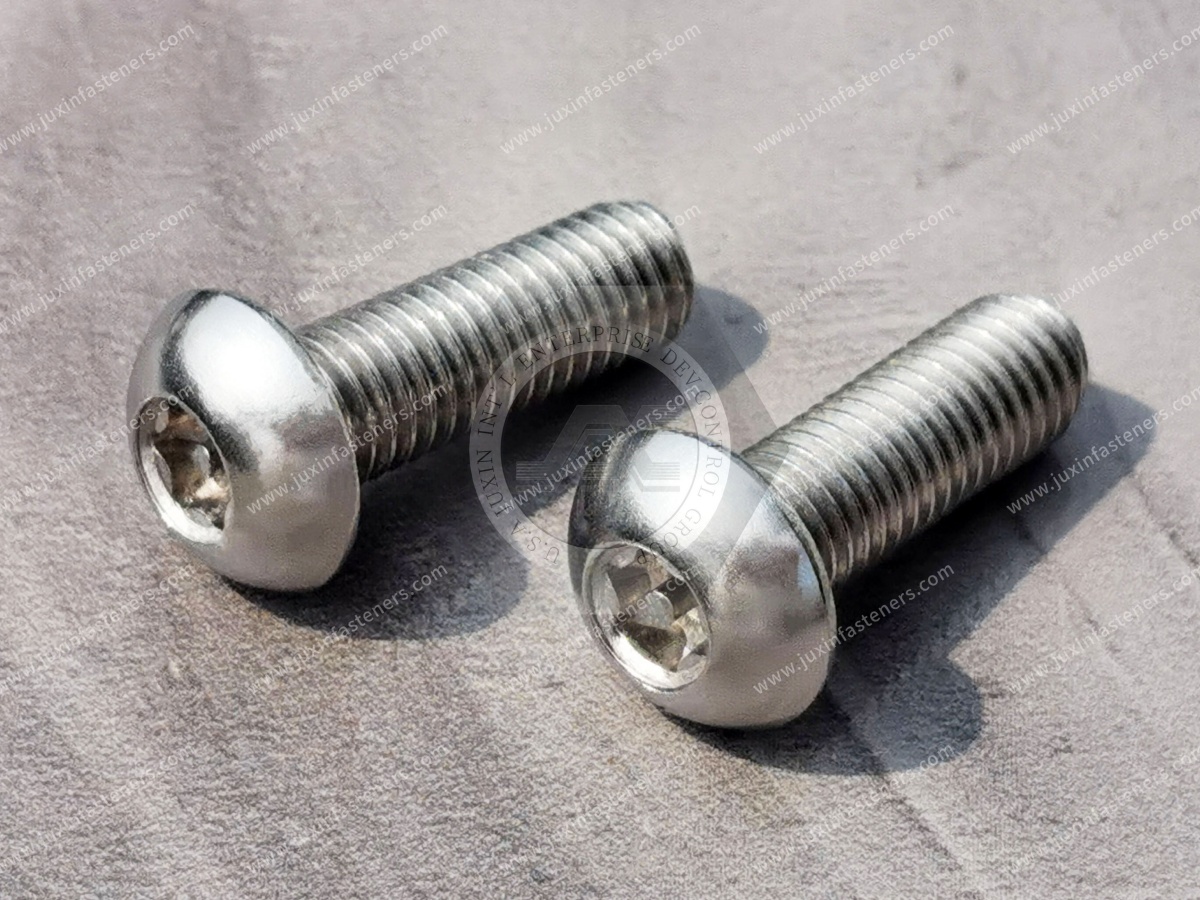
Triangular drive machine screws may support repeated removal and reinstallation when the complete fastening system is designed for such service.
Factors Affecting Reusability
Screw material
Thread condition
Drive recess wear
Mating thread condition
Tightening history
Locking features
Corrosion
Important Limitation
Repeated assembly capability is not unlimited.
Screws with damaged recesses, deformed threads or unsuitable locking features may require replacement.
Engineering Recommendation
Define inspection and replacement criteria for serviceable assemblies.
Industrial Applications of Triangular Drive Security Screws
Industrial Machinery
Potential applications include:
Equipment access panels
Control units
Protective covers
Selected machine enclosures
Restricted-access components
Engineering Priorities
Authorized maintenance
Installation repeatability
Thread strength
Corrosion protection
Vibration-related joint reliability
Important Safety Limitation
A security screw alone does not establish compliance with machinery guarding requirements.
The complete equipment safety design must be evaluated.
Automotive Applications
Potential applications include:
Interior panels
Electronic module housings
Selected access covers
Specialized equipment compartments
Noncritical enclosure assemblies
Engineering Priorities
Drive compatibility
Installation consistency
Vibration validation
Material selection
Service access
Safety-critical automotive joints require application-specific engineering approval.
Electronics and Electrical Systems
Potential applications include:
Server and networking enclosures
Industrial controllers
Communication equipment
Electrical cabinets
Electronic access panels
Engineering Priorities
Controlled access
Thread engagement
Corrosion resistance
Electrical clearance
Authorized servicing
Public and Commercial Equipment
Potential applications include:
Public utility cabinets
Transportation equipment
Outdoor control systems
Public facilities
Communication installations
Engineering Priorities
Resistance to casual tampering
Outdoor durability
Driver management
Replacement part availability
Maintenance access
Why Triangular Drive Screws Can Be Cost-Effective
For selected applications, a specialized security screw may provide a relatively simple method of discouraging casual access without adding a separate lock or enclosure mechanism.
However, cost advantages depend on the actual design.
Potential Cost Elements
Screw purchase price
Driver tooling
Installation labor
Inspection
Tool replacement
Rework
Maintenance access
Replacement fastener supply
Information Gain: Compare Installed Cost, Not Only Unit Price
A lower-priced security screw may increase assembly costs if its recess dimensions are inconsistent or the matching driver wears rapidly.
Engineering Recommendation
Compare the total cost per accepted installed assembly, including tooling, installation, inspection and rework.
Production Considerations for OEM Manufacturing
Production managers and manufacturing engineers should assess whether triangular drive screws are compatible with the intended assembly process.
Manual Assembly
Relevant considerations include:
Driver availability
Operator training
Tool alignment
Tightening consistency
Recess damage prevention
Semi-Automated Assembly
Relevant considerations include:
Driver bit compatibility
Screw presentation
Tool engagement
Torque monitoring
Rework procedures
Automated Assembly
Relevant considerations include:
Screw feeding
Orientation
Driver alignment
Cycle time
Tool wear
Inspection strategy
Information Gain: Triangular Recess Geometry Affects Production Tooling
A triangular recess may be suitable for controlled manual assembly but require additional validation for high-speed automated fastening.
Engineering Recommendation
Conduct assembly trials using the actual screw, driver and production equipment before approving a high-volume program.
Common Failure Modes and Prevention
| Problem | Potential cause | Engineering response |
|---|---|---|
| Driver slips | Incorrect tool or poor recess fit | Verify driver compatibility |
| Recess deforms | Excessive torque or insufficient geometry | Review drive design and tightening |
| Screw head cracks | Excessive load or inadequate head section | Evaluate head strength |
| Thread strips | Excessive torque or insufficient engagement | Review thread and mating material |
| Stainless steel galls | Friction and material interaction | Validate installation conditions |
| Screw corrodes | Unsuitable material or coating | Review exposure and material |
| Joint loosens | Inadequate preload or locking | Validate joint design |
| Unauthorized removal | Matching tool accessible | Review overall access control |
| Assembly time increases | Poor feeding or driver alignment | Conduct production trials |
| Maintenance becomes difficult | Driver unavailable or recess damaged | Establish service-tool plan |
Quality Control for Triangular Drive Machine Screws
For OEM applications, consistent drive geometry and dimensional accuracy are important.
Critical Inspection Characteristics
Triangular recess profile
Recess depth
Head diameter
Head height
Thread dimensions
Screw length
Material grade
Surface finish
Visible defects
Drive Compatibility Testing
Depending on the specification, testing may include:
Driver engagement checks
Installation torque trials
Recess deformation assessment
Repeated assembly evaluation
Thread Inspection
Relevant methods may include:
Thread gauges
Dimensional measurement
Mating component fit checks
Material and Surface Inspection
Depending on customer requirements:
Material documentation
Mechanical property verification
Coating inspection
Corrosion testing
Important Qualification Principle
Passing dimensional inspection does not automatically demonstrate that the fastener is suitable for a specific OEM assembly.
The complete fastening system must be validated.
Custom Triangular Drive Screws for OEM Projects
Custom triangular drive machine screws may be required when standard dimensions or materials do not meet the application.
Potential customization requirements include:
Thread dimensions
Screw length
Head geometry
Recess profile
Recess depth
Stainless steel grade
Carbon steel grade
Surface protection
Packaging
Engineering Recommendation
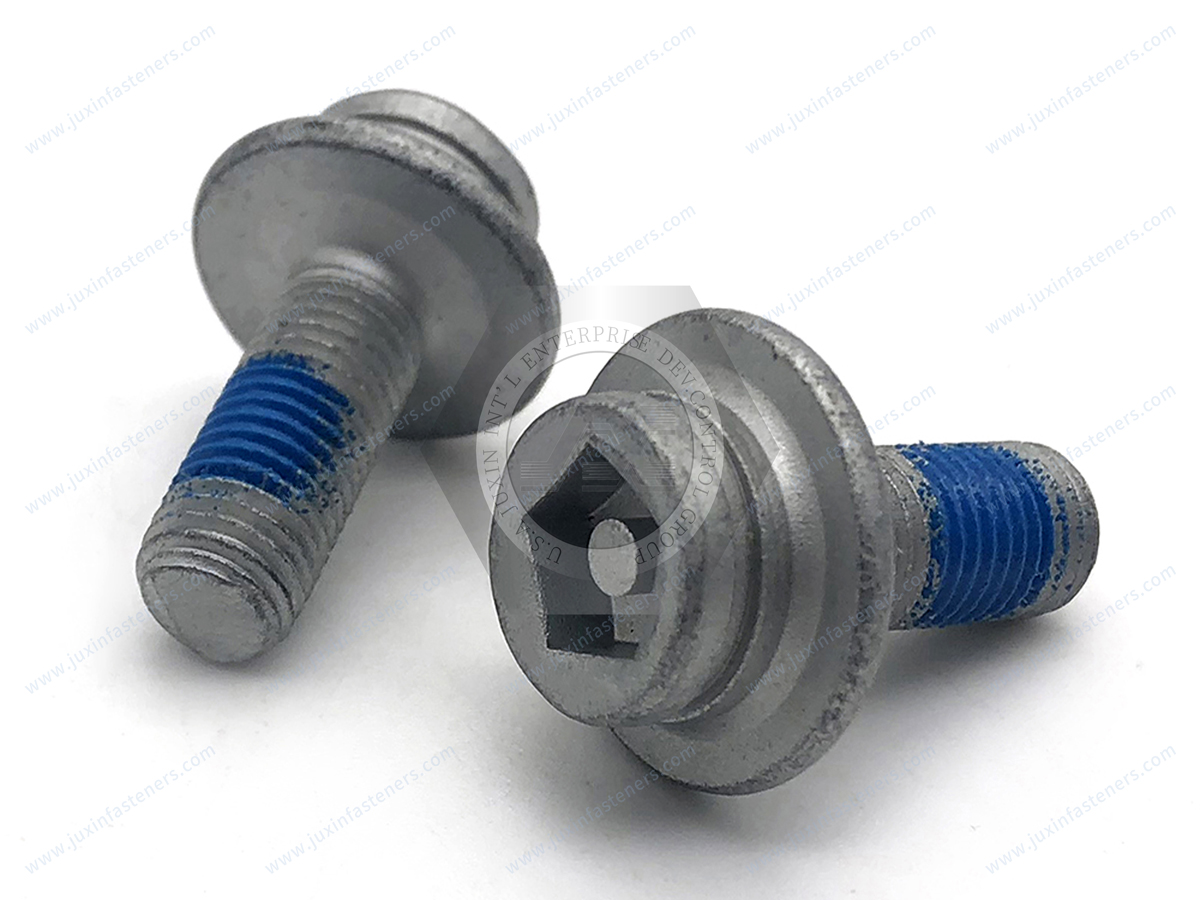
Provide a complete drawing rather than relying only on a description such as "triangle security screw."
Different triangular recess geometries may require different mating tools.
Supplier Qualification for Industrial Security Fasteners
Procurement development teams should evaluate both technical compliance and commercial suitability.
Technical Requirements
Approved drawings
Material specifications
Drive geometry
Thread dimensions
Driver compatibility
Mechanical requirements
Corrosion requirements
Manufacturing Requirements
Dimensional consistency
Inspection planning
Production traceability where required
Change control
Packaging suitability
Commercial Requirements
Prototype quantities
MOQ
Annual volume
Pricing
Lead time
Long-term supply
Driver sourcing requirements
Information Gain: Driver Availability Is a Supply-Chain Requirement
For OEM programs, the mating driver should be treated as a necessary production and maintenance component.
Before approving a custom triangular drive screw, confirm:
Matching driver specification
Production driver availability
Replacement driver sourcing
Service-tool requirements
Long-term driver support
OEM RFQ Checklist
| RFQ item | Information required |
|---|---|
| Product drawing | Part number and revision |
| Drive type | Internal triangular recess |
| Drive geometry | Profile and dimensions |
| Matching driver | Tool specification |
| Head style | Pan, button, countersunk or custom |
| Thread | Metric or specified inch system |
| Thread tolerance | Applicable requirement |
| Length | Nominal dimension and tolerance |
| Material | Stainless steel or carbon steel grade |
| Mechanical properties | Required specification |
| Surface finish | Coating or appearance requirement |
| Application | Equipment and installation location |
| Operating environment | Indoor, outdoor or corrosive |
| Tightening | Installation requirements |
| Inspection | Customer acceptance criteria |
| Samples | Prototype quantity |
| Annual volume | Forecast demand |
| MOQ | Commercial confirmation |
| Lead time | Delivery requirement |
| Packaging | Bulk or assembly-compatible |
Frequently Asked Questions
What is a triangular drive machine screw?
It is a machine screw with a three-sided internal drive recess intended to engage a matching triangular driver.
Are triangular drive screws tamper-proof?
No. They can discourage casual removal, but matching tools may be available.
Are triangular drive and triangular head screws the same?
Not necessarily. One describes an internal drive recess; the other may describe an externally shaped head.
Do triangular drive screws have higher torque capacity than Phillips or hex socket screws?
Not automatically. Torque capability depends on the actual drive geometry, material and tool engagement.
Do triangular drive screws prevent vibration loosening?
No. Vibration resistance depends on the threaded joint and any suitable locking features.
Can triangular drive screws be made from stainless steel?
Stainless steel is a relevant material option, subject to the specified grade and product requirements.
Can carbon steel triangular drive screws be used outdoors?
Potentially, with suitable corrosion protection and application validation.
Are triangular drive screws reusable?
They may be reusable when the screw, recess, threads and mating joint remain suitable for reassembly.
Can triangular drive screws be used in automated production?
Potentially, but driver engagement, feeding and installation repeatability should be validated.
What should OEM buyers provide for a quotation?
A drawing, drive specification, thread dimensions, material, quantity forecast and application requirements are important.
Juxin Fasteners: Triangular Drive Security Screws and OEM Fastening Solutions
Juxin Fasteners welcomes technical and commercial inquiries for industrial security fastening components.
Relevant product categories include:
Triangular drive machine screws
Stainless steel security screws
Carbon steel anti-tamper screws
Custom security drive fasteners
Drawing-specific industrial machine screws
Specific dimensions, materials, head styles, coatings, driver requirements, MOQ,
production arrangements and delivery schedules require confirmation against the customer's specification.
Request a Triangular Drive Machine Screw Quotation
Are you developing an industrial machine, electrical enclosure, electronic product, automotive component or public-access equipment that requires tamper-resistant fastening?
Juxin Fasteners welcomes inquiries from:
Mechanical engineers
Structural engineers
Design engineers
Manufacturing engineers
Production managers
Purchasing specialists
Procurement managers
Supplier development teams
Supply chain managers
Please provide:
Product drawing + triangular recess geometry + matching driver specification + head style + thread dimensions
+ material grade + surface treatment + installation requirements + operating environment + prototype quantity + annual forecast + inspection requirements + packaging + delivery schedule.
Our team can review your requirements and confirm suitable product options, technical feasibility and quotation conditions.
Company: Juxin Fasteners
Website: https://www.juxinfasteners.com/
Email: info@juxinfasteners.com
Send your triangular drive machine screw drawings and OEM RFQ to Juxin Fasteners for technical confirmation and quotation.
Contact Us
Tel.:
+86 020 8621 0320
+86 020 3121 6067
E-mail:
Technical Support:
Navigation
SEND INQUIREY