Call Us
+86 136 6007 9809
Call Us
+86 136 6007 9809

High-Strength Bolt Friction Control for Steel–Aluminum Body Structures
Why Friction Coefficient Matters in Lightweight Vehicle Design
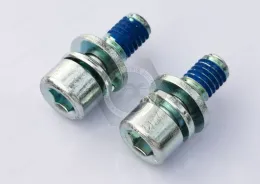
As automotive manufacturers continue to replace traditional steel components with aluminum alloys, engineers face new challenges in achieving reliable bolted connections.
Product Specification
High-Strength Bolt Friction Control for Steel–Aluminum Body Structures
Why Friction Coefficient Matters in Lightweight Vehicle Design
As automotive manufacturers continue to replace traditional steel components with aluminum alloys, engineers face new challenges in achieving reliable bolted connections.
Although aluminum significantly reduces vehicle weight, its lower hardness and different surface characteristics can substantially influence bolt tightening performance. Variations in the friction coefficient directly affect clamp load generation, preload consistency, and long-term joint reliability.
For structural joints in body-in-white (BIW), battery enclosures, chassis assemblies, and lightweight structural components, controlling friction behavior has become as important as selecting the correct fastener strength grade.
Challenges of Bolted Connections in Steel–Aluminum Structures
When a high-strength bolt is tightened, the applied torque is divided into three major components:
Thread friction
Bearing surface friction
Clamp load generation
Only a small portion of the tightening torque is converted into useful clamp force.
In steel-to-steel joints, surface hardness and contact conditions remain relatively stable throughout tightening. As a result, friction behavior is predictable, and preload variation remains within acceptable limits.
Aluminum joints behave differently.
Because aluminum is softer than steel, local surface deformation occurs more easily under bolt head pressure. The naturally formed aluminum oxide layer can also fracture during tightening, continuously changing the contact conditions.
These factors create larger variations in friction coefficients and make clamp force control more difficult.
Engineering Evaluation of Steel and Aluminum Joint Performance
Testing conducted on automotive-grade M6 Class 8.8 bolts demonstrated clear differences between steel and aluminum substrates.
The fasteners were manufactured using:
Cold forging
Thread rolling
Heat treatment
Zinc-based corrosion protection coating
Two surface conditions were evaluated:
Standard plated bolts without friction-control topcoat
Fasteners with engineered friction-control topcoat
The investigation focused on the interaction between the bolt bearing surface and the clamped material while maintaining identical steel-thread engagement conditions.
Impact of Surface Coatings on Clamp Load Performance
The results showed that friction-control topcoats dramatically improved the consistency of tightening.
For steel joints:
Friction variation remained extremely low
Clamp load remained highly consistent
Torque-to-tension efficiency improved significantly
For aluminum joints:
Friction stability improved even more noticeably
Clamp load increased substantially
Load distribution became more uniform
Without a friction-control coating, a large percentage of the tightening torque was consumed by surface friction instead of generating preload.
In some cases, clamp force was reduced by nearly two-thirds despite using the same tightening torque.
This demonstrates that selecting a bolt coating is often more critical than increasing bolt strength.
Why Aluminum Requires Special Fastener Consideration
Aluminum alloys present several unique fastening challenges:
Surface Deformation
The bearing surface beneath the bolt head can deform during tightening, changing the actual contact area.
Oxide Layer Disruption
Protective oxide films can crack under pressure, exposing softer substrate material and altering friction conditions.
Greater Friction Variation
Small differences in surface condition can create large differences in preload.
Increased Risk of Under-Clamping
If friction becomes excessive, the required clamp force may never be achieved even when the target tightening torque is reached.
The Role of Friction-Control Coatings
Modern automotive fasteners increasingly utilize engineered topcoat systems designed to provide:
Stable friction coefficients
Consistent torque-tension relationships
Improved preload accuracy
Enhanced corrosion resistance
Better assembly repeatability
For steel–aluminum applications, friction-control coatings help ensure that tightening torque is converted into clamp force rather than being lost through excessive friction.
This is particularly important in:
Electric vehicle battery systems
Aluminum body structures
Chassis assemblies
Suspension components
Crash-management structures
Lightweight structural modules
Recommended Fastener Solution for Steel–Aluminum Applications
For critical automotive joints, the following combination is recommended:
High-Strength Bolts
Select automotive-grade fasteners manufactured according to international standards such as:
ISO 898-1
ISO 4014
ISO 4017
Controlled Friction Surface Treatment
Use zinc-nickel coating or engineered topcoat systems that provide stable friction performance throughout production.
Process Validation
Verify:
Torque-to-tension relationship
Clamp load consistency
Friction coefficient stability
Joint durability under cyclic loading
Application-Specific Design
Joint stiffness, material thickness, and service environment should all be considered when selecting fasteners.
Conclusion
In lightweight vehicle structures, the biggest fastening challenge is often not bolt strength but friction control.
Steel and aluminum exhibit fundamentally different surface behaviors during tightening. Without proper surface engineering, variations in friction can significantly reduce clamp load and compromise joint reliability.
By combining high-strength automotive fasteners with optimized friction-control coatings, manufacturers can achieve stable preload, improved fatigue performance, and reliable long-term service life in modern steel–aluminum body structures.
For engineers designing lightweight vehicle platforms, friction coefficient management should be considered a core element of fastening system design rather than a secondary assembly parameter.
Product Packaging
Packaging Standard
At Juxin Fasteners, we apply standardized export packaging to ensure product protection, traceability, and compliance with international logistics requirements.
1. Standard Export Packaging
Unless otherwise specified, all products will be packed according to our factory standard export packaging, which includes:
Moisture-resistant inner protection
Poly bag or small box packing as required
Reinforced export cartons
Clear labeling with part number, specification, batch number, and quantity
Palletizing for sea or air shipment when necessary
Our standard packaging is designed to ensure safe transportation, efficient warehousing, and long-distance international shipping.
2. Customized Packaging Options
We also provide customized packaging solutions according to customer requirements, including but not limited to:
Private labeling
Customized barcodes
Specific carton dimensions
Retail packaging
Special pallet configuration
Customer-specific marking and identification
So that you know, customized packaging may involve additional costs and extended lead time depending on the complexity of the requirements.
3. Compliance & Quality Assurance
All packaging processes are controlled under our ISO 9001 quality management system to ensure consistency, traceability, and product integrity throughout the supply chain.
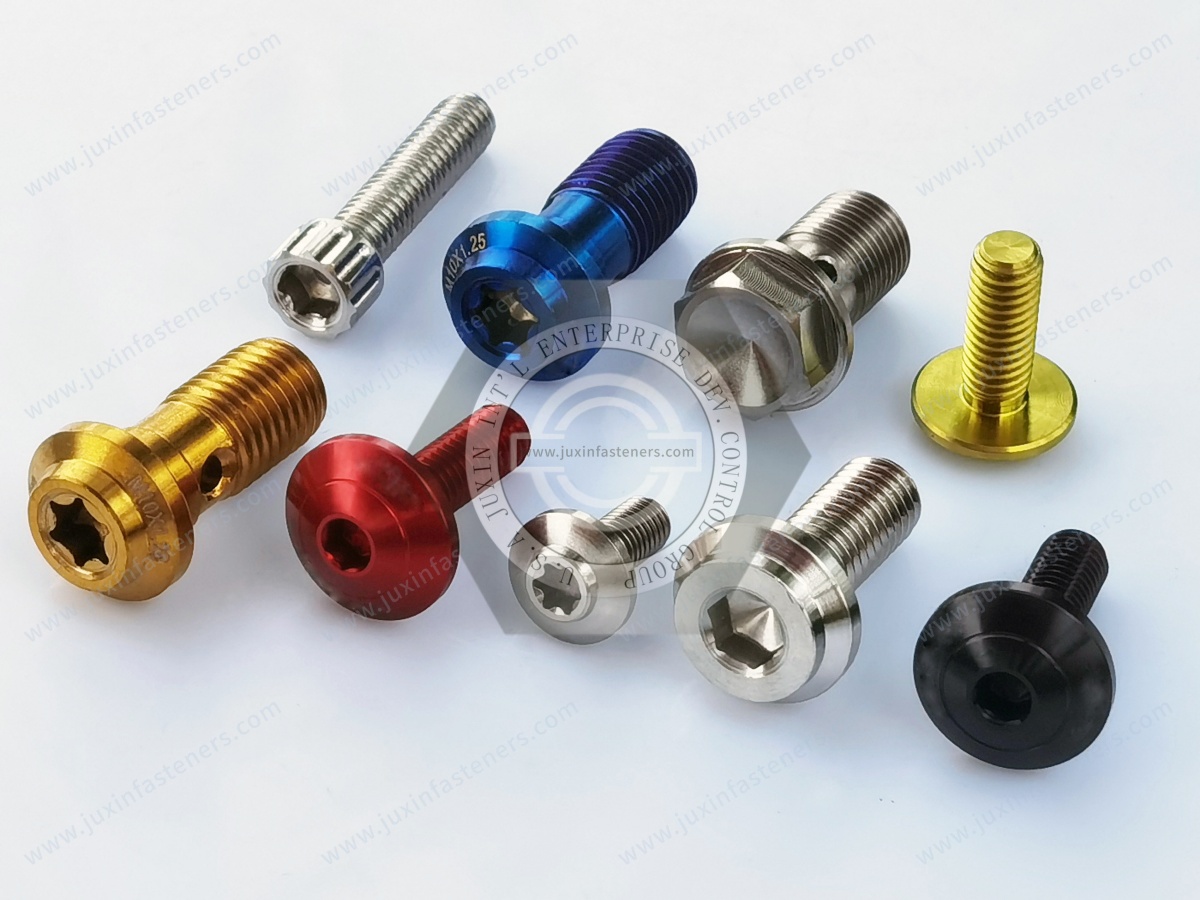
Product Pictures
Contact Us
Tel.:
+86 020 8621 0320
+86 020 3121 6067
E-mail:
Technical Support:
Navigation
SEND INQUIREY