Call Us
+86 136 6007 9809
Call Us
+86 136 6007 9809

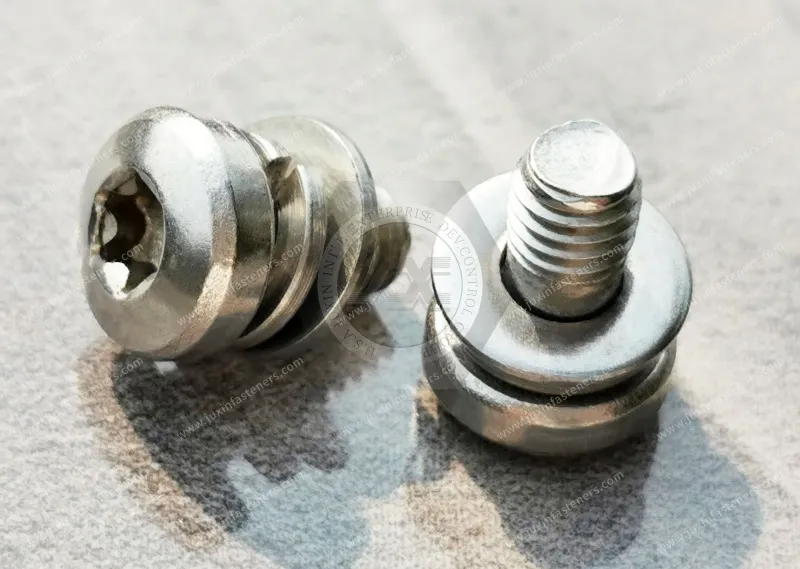
Stainless Steel Screws in Rail Transit Systems: Corrosion-Resistant Fastening Solutions for Railway Engineering
Introduction to Stainless Steel Fasteners in Rail Transit
Rail transit environments expose fastening systems to humidity, vibration, salt spray, condensation, and temperature fluctuations. From metro stations to high-speed rail infrastructure, fastening reliability directly influences operational safety, maintenance intervals, and lifecycle cost.
Product Specification
Stainless Steel Screws in Rail Transit Systems: Corrosion-Resistant Fastening Solutions for Railway Engineering
Introduction to Stainless Steel Fasteners in Rail Transit
Rail transit environments expose fastening systems to humidity, vibration, salt spray, condensation, and temperature fluctuations. From metro stations to high-speed rail infrastructure, fastening reliability directly influences operational safety, maintenance intervals, and lifecycle cost.
Stainless steel screws are commonly used in:
Rail vehicle interiors
Passenger cabin structures
HVAC assemblies
Signal systems
Battery compartments
Electrical cabinets
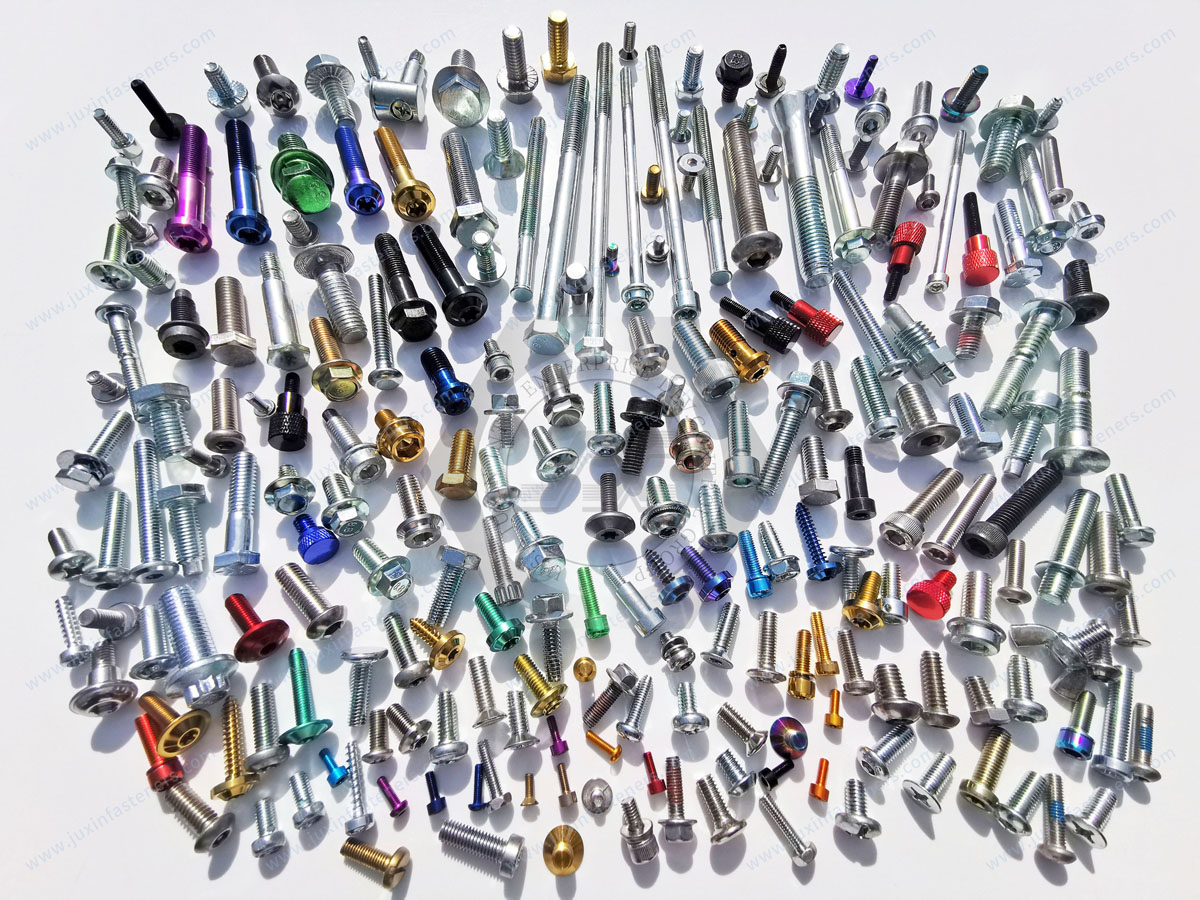
Modern rail transit fastener solutions increasingly adopt corrosion-resistant materials to improve long-term performance.
Why Stainless Steel Screws Are Important in Railway Engineering
Rail systems operate under demanding environments such as:
Coastal exposure
Underground humidity
Temperature cycling
Repetitive vibration loads
Condensation inside enclosed spaces
Traditional carbon steel fasteners may encounter corrosion and preload loss over long service periods. Stainless steel screws help improve durability and reduce maintenance requirements.
304 Stainless Steel Screws for Interior Applications
Typical uses include:
Seat mounting systems
Interior trim panels
Equipment brackets
Air-conditioning supports
Advantages:
Good corrosion resistance
Stable mechanical properties
Competitive cost
316L Stainless Steel Screws for Harsh Railway Environments
Recommended applications:
Coastal railway infrastructure
Outdoor signaling equipment
Underground metro stations
Humid operating conditions
Benefits include improved chloride resistance and extended service life.
Typical Rail Applications
Rail Vehicle Interior Assemblies
Passenger seating structures, side panels, luggage systems, and decorative modules frequently employ stainless-steel fastening technologies.
Electrical Equipment Cabinets
Electrical enclosures require corrosion resistance and reliable grounding performance.
HVAC Systems
Ventilation and air-conditioning units are subject to moisture and vibration, making stainless steel screws an effective solution.
Material Selection Strategy
Environment | Recommended Material | Application |
Interior systems | 304 Stainless Steel | Panels and brackets |
Coastal projects | 316L Stainless Steel | Outdoor equipment |
Structural joints | Alloy Steel | High-load areas |
Electrical systems | Conductive stainless materials | Grounding |
Related Engineering Resources
Rail Transit Fastener Solutions
Anti-Loosening Fasteners for Railway Vibration Control
Rivet Nuts for Rail Applications
Electrical Grounding Fasteners in Rail Systems
Thread Inserts for Lightweight Rail Structures
Conclusion
Stainless steel screws remain a key component within modern rail transit fastening systems. Proper material selection and engineering integration help improve safety, corrosion resistance, and lifecycle performance.
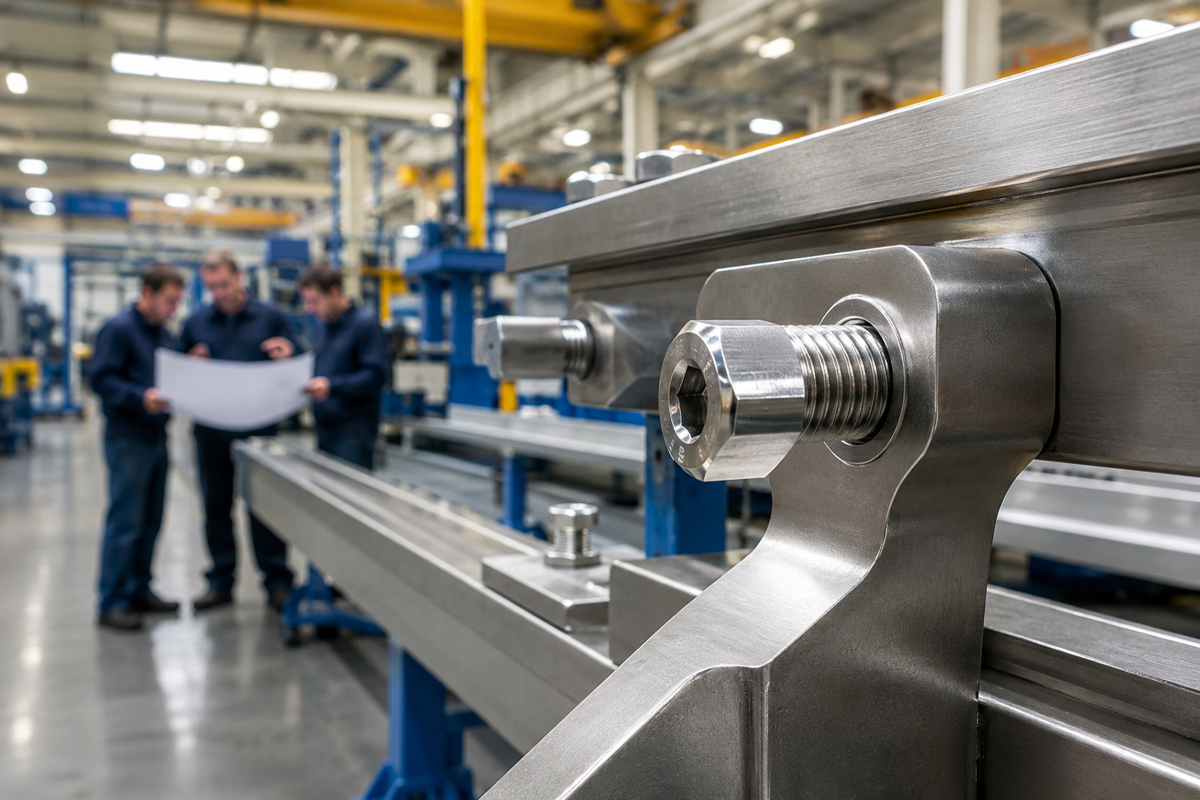
Product Packaging
Packaging Standard
At Juxin Fasteners, we apply standardized export packaging to ensure product protection, traceability, and compliance with international logistics requirements.
1. Standard Export Packaging
Unless otherwise specified, all products will be packed according to our factory standard export packaging, which includes:
Moisture-resistant inner protection
Poly bag or small box packing as required
Reinforced export cartons
Clear labeling with part number, specification, batch number, and quantity
Palletizing for sea or air shipment when necessary
Our standard packaging is designed to ensure safe transportation, efficient warehousing, and long-distance international shipping.
2. Customized Packaging Options
We also provide customized packaging solutions according to customer requirements, including but not limited to:
Private labeling
Customized barcodes
Specific carton dimensions
Retail packaging
Special pallet configuration
Customer-specific marking and identification
So that you know, customized packaging may involve additional costs and extended lead time depending on the complexity of the requirements.
3. Compliance & Quality Assurance
All packaging processes are controlled under our ISO 9001 quality management system to ensure consistency, traceability, and product integrity throughout the supply chain.
Product Pictures
Contact Us
Tel.:
+86 020 8621 0320
+86 020 3121 6067
E-mail:
Technical Support:
Navigation
SEND INQUIREY