Call Us
+86 136 6007 9809
Call Us
+86 136 6007 9809

Rail Transit Fastener Solutions for High-Reliability Transportation Systems
Engineering Connection Technologies for High-Speed Rail, Metro Systems, Light Rail, and Rolling Stock Applications
Primary Keyword: Rail transit fastener solutions
Supporting Keywords: anti-loosening fasteners, stainless steel screws, rivet nuts, rail fastening systems, thread inserts, rail vehicle fasteners, vibration-resistant bolts, railway fastening components
Product Specification
Rail Transit Fastener Solutions for High-Reliability Transportation Systems
Engineering Connection Technologies for High-Speed Rail, Metro Systems, Light Rail, and Rolling Stock Applications
Primary Keyword: Rail transit fastener solutions
Supporting Keywords: anti-loosening fasteners, stainless steel screws, rivet nuts, rail fastening systems, thread inserts, rail vehicle fasteners, vibration-resistant bolts, railway fastening components
Why Rail Transit Fastener Solutions Matter in Modern Transportation Systems
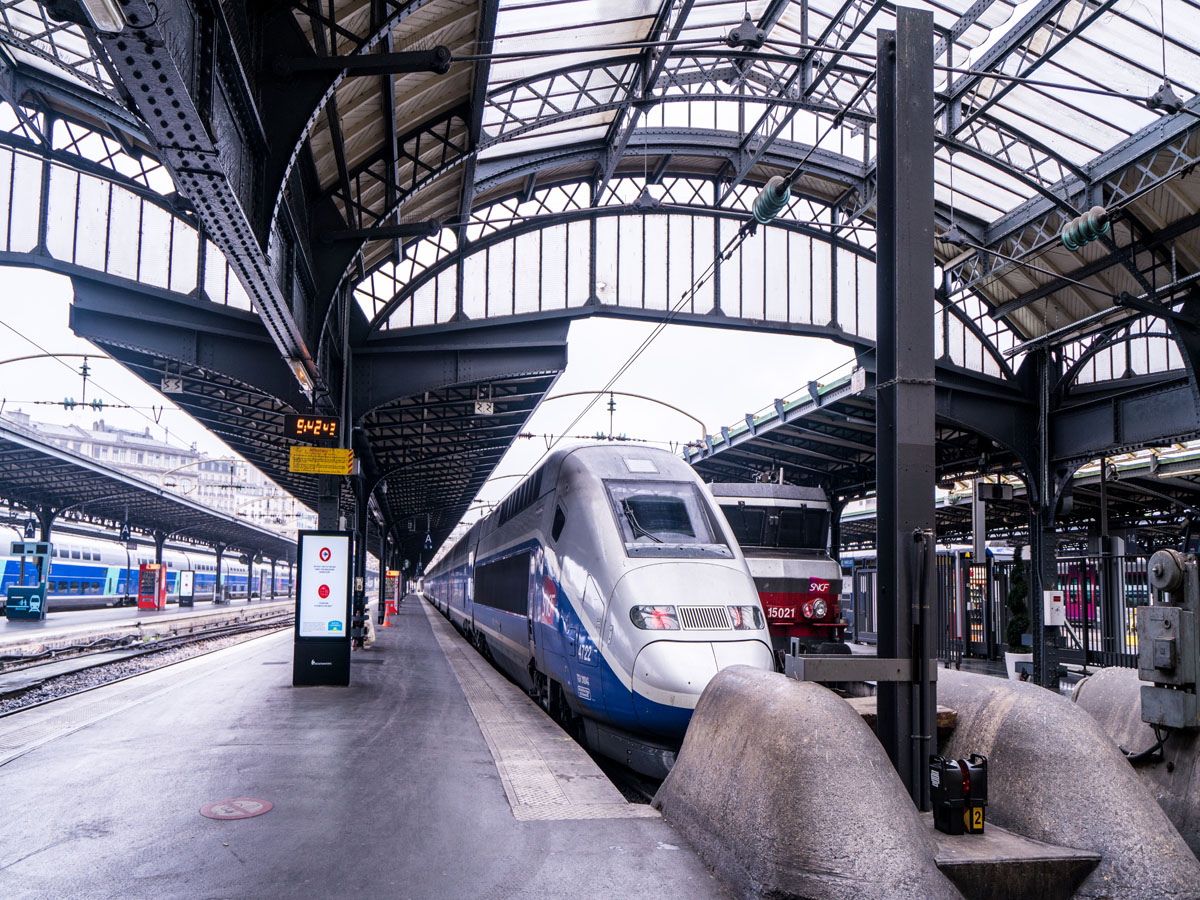
Rail transportation environments create some of the most demanding fastening conditions found in industrial engineering. High-speed trains, metro networks, light rail vehicles, tram systems, and rail infrastructure are subject to dynamic vibration, cyclic loading, temperature variations, moisture exposure, and long service intervals.
Under these conditions, standard fastening products often face risks such as:
Bolt preload relaxation caused by vibration
Structural fatigue from repetitive loads
Corrosion in coastal and humid environments
Thread wear during maintenance cycles
Limited accessibility for repair and replacement
Electrical grounding reliability requirements
Therefore, modern rail transit fastener solutions have evolved from simple component sourcing to complete engineering-based connection systems that integrate material selection, anti-loosening technology, lifecycle management, and maintenance optimization.
For railway OEM manufacturers and maintenance engineers, fastening performance directly influences:
✔ Passenger safety
✔ Structural integrity
✔ Noise and vibration control
✔ Maintenance interval extension
✔ Total lifecycle cost reduction
Engineering Challenges in Rail Fastening Systems
1. Vibration-Induced Preload Loss
Rail vehicles operate under constant excitation loads generated by:
Wheel-rail interaction
Braking systems
Track irregularities
Acceleration and deceleration cycles
High-frequency oscillation during high-speed operation
Traditional bolts may gradually lose clamping force, leading to:
Joint loosening
Increased vibration transmission
Noise generation
Structural displacement
Accelerated fatigue damage
This is why anti-loosening fasteners have become critical within advanced rail fastening systems.
Common technologies include:
Mechanical locking bolts
Serrated flange structures
Prevailing torque nuts
Wedge-lock systems
Double-nut assemblies
Thread locking inserts
2. Corrosion Resistance in Harsh Railway Environments
Rail systems frequently operate in environments exposed to:
Coastal salt spray
Tunnel condensation
Rainwater accumulation
Industrial pollution
Winter de-icing chemicals
Humidity cycling
Corrosion can reduce fastening strength and create maintenance challenges.
Recommended materials include:
Stainless Steel Screw Systems
304 Stainless Steel Screws
Suitable for:
Interior carriage assemblies
Electrical enclosures
HVAC mounting systems
Passenger cabin components
Advantages:
Good corrosion resistance
Cost-effective solution
Stable mechanical performance
316L Stainless Steel Screws
Recommended for:
Coastal railway projects
Outdoor signaling systems
Underground metro stations
High-humidity installations
Benefits:
Superior chloride resistance
Enhanced corrosion performance
Longer service life
Using optimized stainless steel screws significantly improves durability in railway applications.
3. Structural Fatigue Under Cyclic Loads
Rail structures continuously experience:
Tensile loading
Compression cycling
Dynamic shear forces
Repeated vibration stress
Critical areas include:
Bogie Systems
Fasteners must withstand severe dynamic loading while maintaining joint stability.
Car Body Structures
Lightweight aluminum and mixed-material assemblies require reliable fastening without weakening substrates.
Interior Modules
Seats, panels, equipment brackets, and HVAC systems need secure yet serviceable joints.
To reduce fatigue failures, modern rail transit fastener solutions combine:
Controlled preload design
Torque verification
Surface treatment optimization
Fatigue-resistant geometries
Thread reinforcement technology
System-Level Rail Fastening Approach
Modern railway projects increasingly demand comprehensive fastening engineering rather than the procurement of individual parts.
A comprehensive rail fastening system typically integrates the following technologies.
Stainless Steel Fastener Systems
Typical products include:
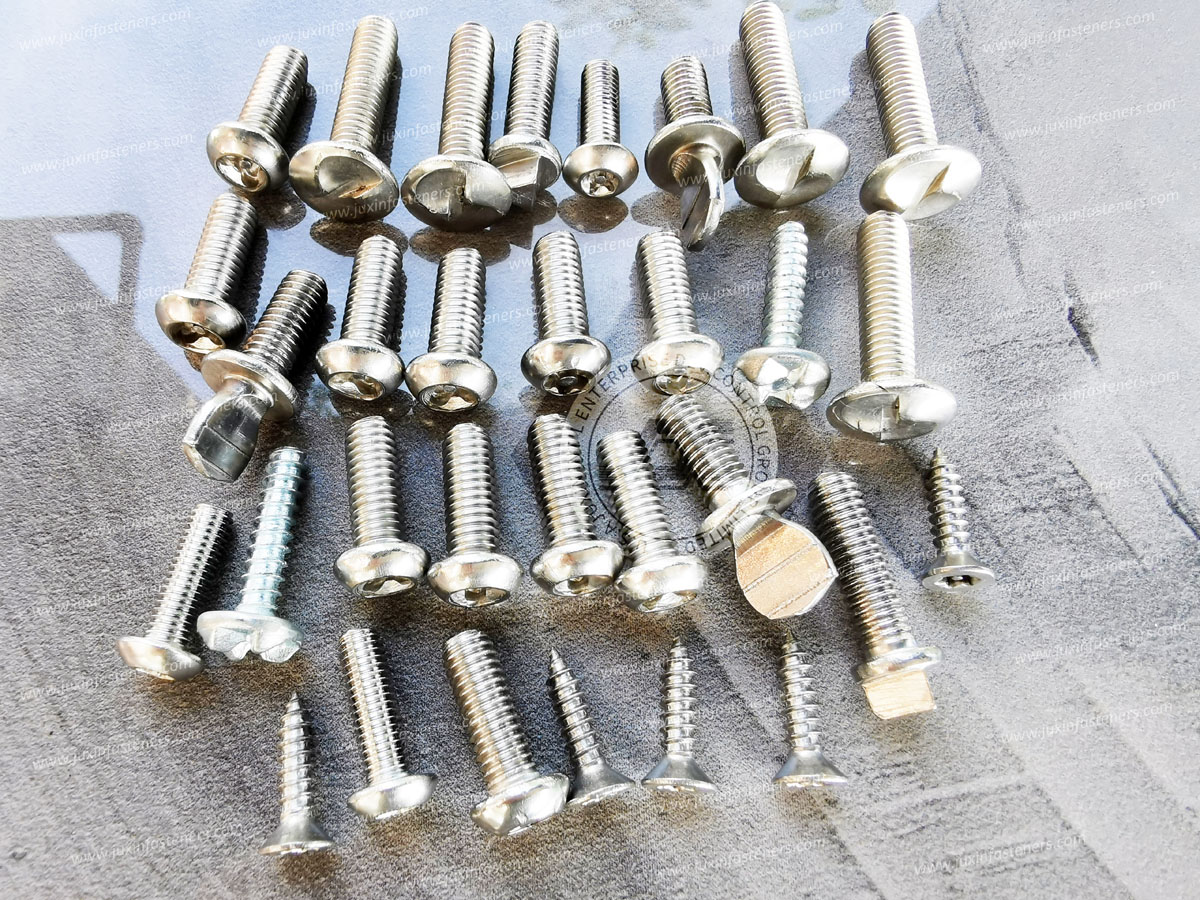
Hex socket screws
Flange bolts
Security screws
Self-clinching studs
Captive fasteners
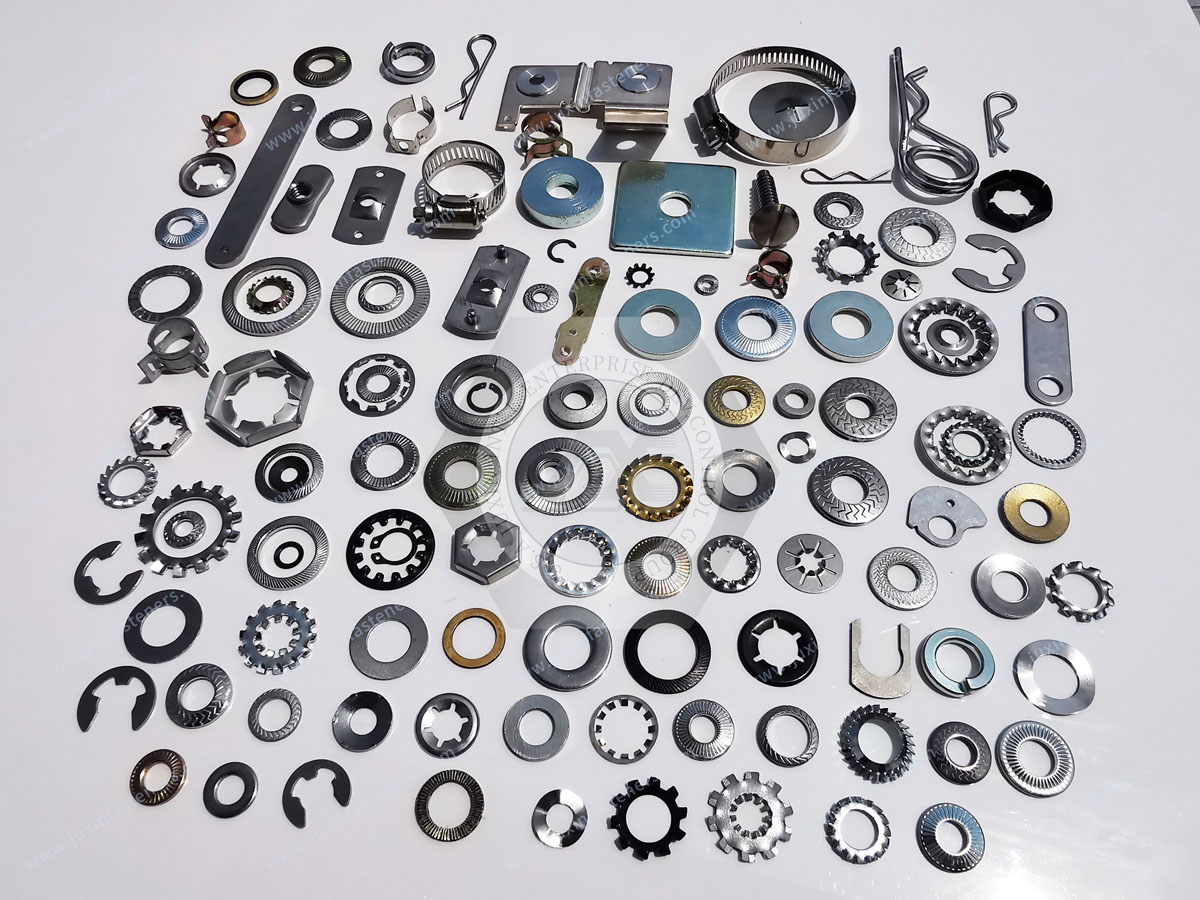
Structural washers
Applications:
Rail carriage assembly
Electrical cabinets
Signaling equipment
Battery housings
HVAC modules
Interior decorative panels
Material options:
SUS304
SUS316L
High-strength alloy steel
Surface-coated carbon steel
Anti-Loosening Fastener Technologies
Railway environments make vibration resistance a primary engineering requirement.
Common anti-loosening fasteners include:
Mechanical Locking Bolts
Designed to maintain preload during cyclic vibration.
Serrated Flange Connections
Increase friction and reduce rotational movement.
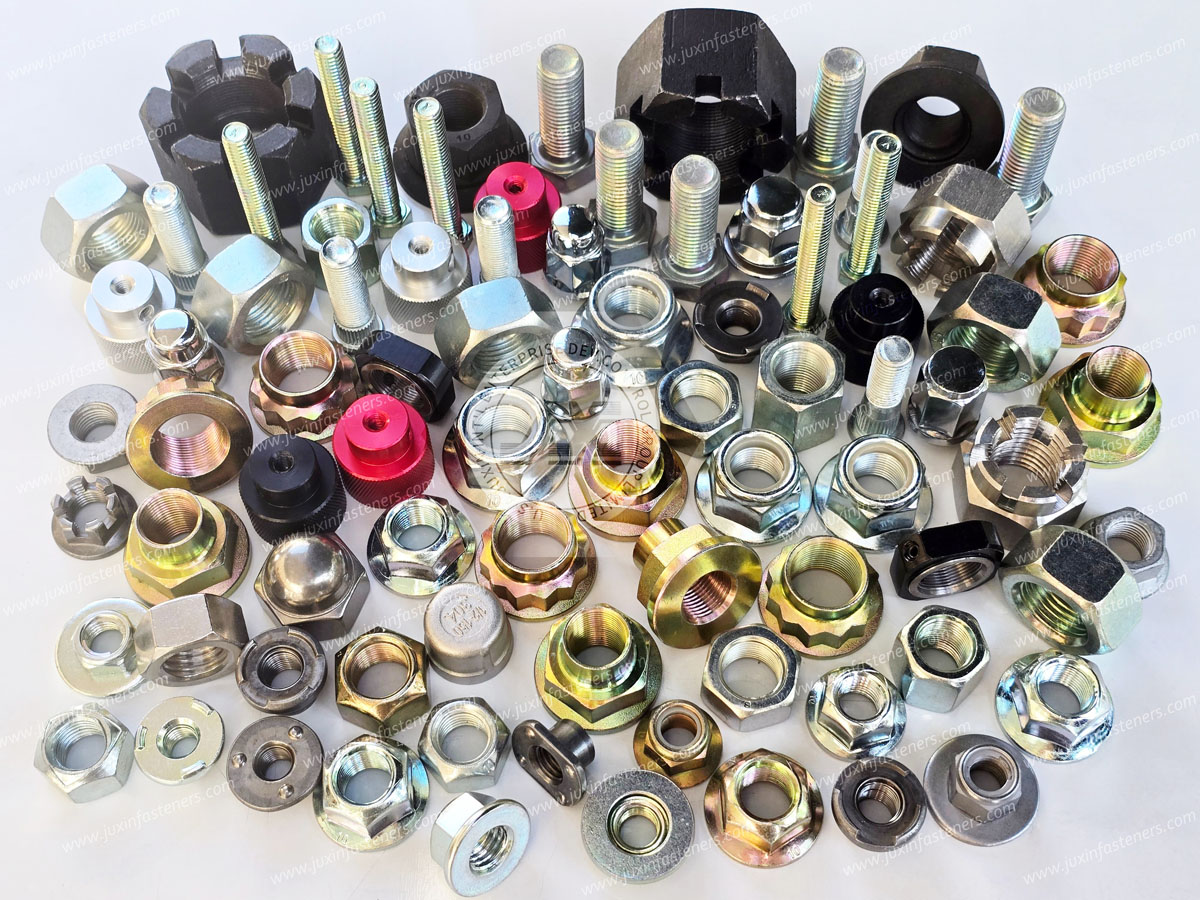
Prevailing Torque Lock Nuts
Improve vibration resistance without additional locking elements.
Wedge Lock Systems
Suitable for severe shock and dynamic loading applications.
Thread Reinforcement Inserts
Maintain thread integrity in soft materials and lightweight structures.
These technologies help improve maintenance intervals while reducing inspection frequency.
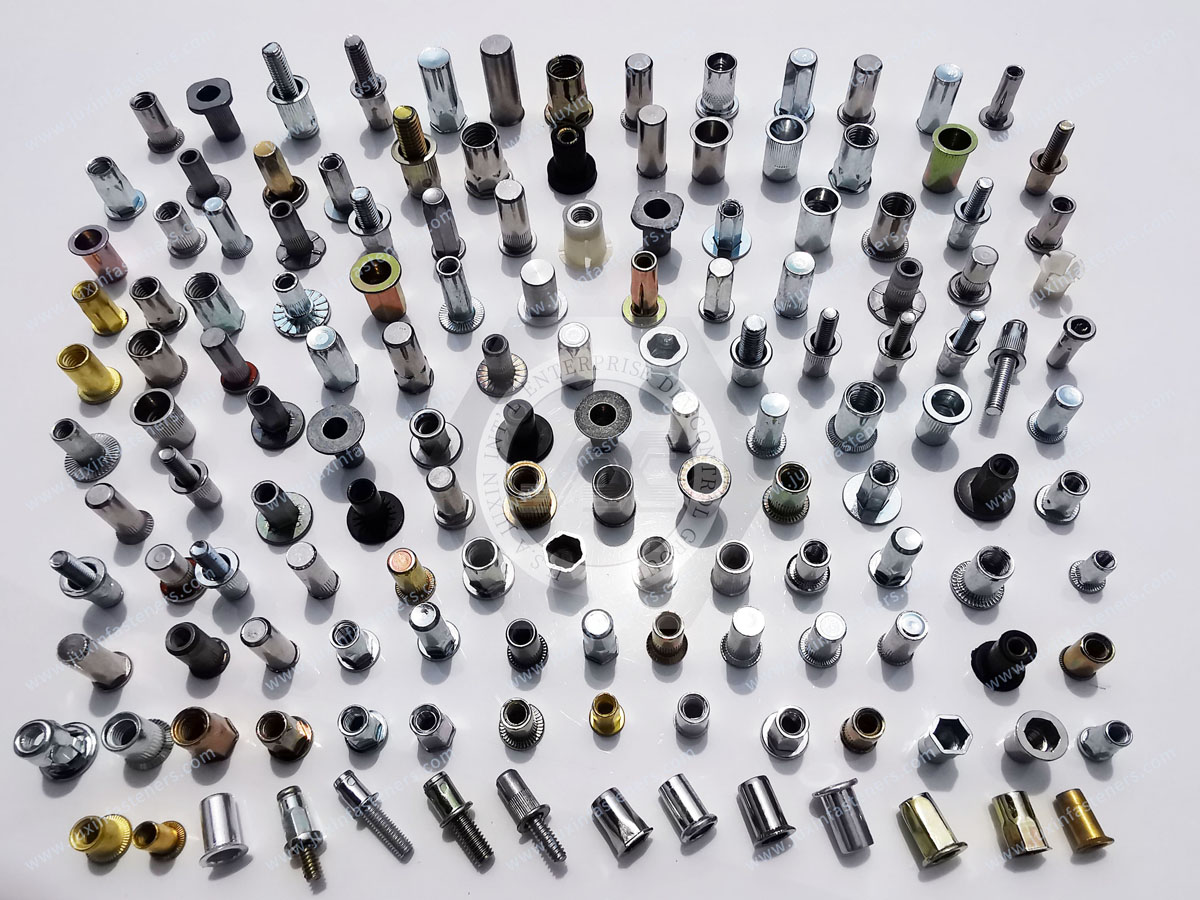
Rivet Nuts and Blind Rivet Solutions for Rail Structures
Many rail assemblies use thin-wall sections or closed profiles where backside access is unavailable.
In such cases, rivet nuts become highly effective fastening solutions.
Typical applications include:
Aluminum carriage panels
Interior equipment frames
Battery compartments
Cable routing systems
Control cabinet assemblies
Sheet metal modules
Advantages of rivet nuts:
One-side installation
Reduced welding requirement
Improved assembly efficiency
Serviceable threaded connections
Lightweight design compatibility
Available materials:
Carbon steel
Stainless steel
Aluminum alloy
Blind rivet technologies further support lightweight transportation structures.
Thread Reinforcement Systems
Repeated maintenance often damages threads in:
Aluminum structures
Thin sheet assemblies
Composite materials
Lightweight rail vehicle components
Thread reinforcement systems solve these issues using:
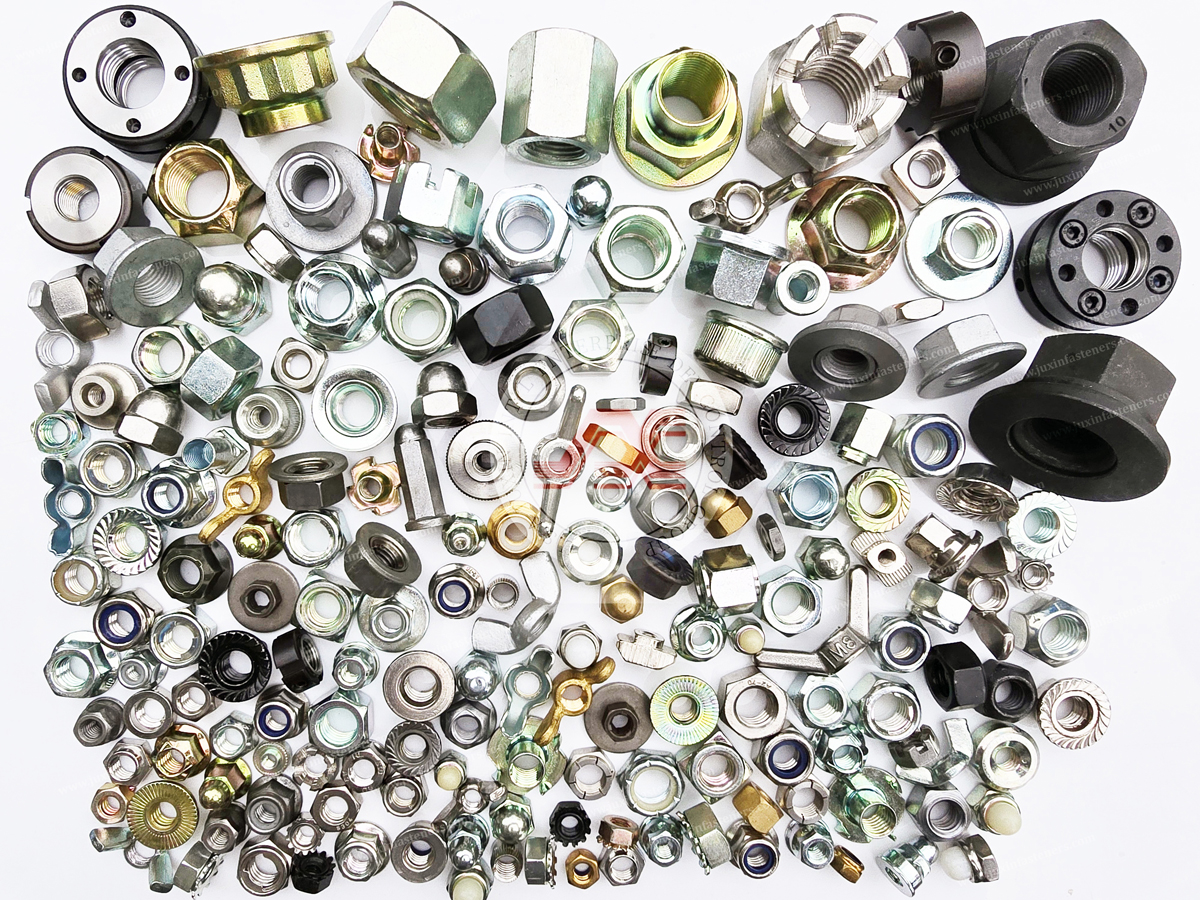
Wire thread inserts
Solid threaded inserts
Self-tapping inserts
Press-fit thread systems
Benefits:
Higher pull-out resistance
Improved wear performance
Longer maintenance cycles
Enhanced repair capability
Thread reinforcement has become an essential element within advanced rail transit fastener solutions.
Electrical Grounding Fasteners for Rail Applications
Electrical continuity is critical in:
Signaling equipment
Control systems
Battery modules
Grounding networks
EMC protection systems
Specialized grounding fasteners provide:
Reliable electrical conductivity
Corrosion resistance
Stable contact pressure
Reduced maintenance risk
Common products:
Ground studs
Weld studs
Conductive washers
Bonding screws
Ground terminals
Material Optimization Strategy for Railway Fasteners
Selecting proper materials significantly impacts reliability.
Environment | Recommended Material | Typical Application |
Interior cabin systems | 304 Stainless Steel | Seats, panels, HVAC |
Coastal rail projects | 316L Stainless Steel | Exterior equipment |
High-load structural joints | Alloy Steel Grade 8/10/12 | Bogies, chassis |
Lightweight assemblies | Aluminum + Thread Inserts | Car body structures |
Electrical systems | Conductive stainless components | Grounding modules |
Material optimization reduces lifecycle cost while improving operational safety.
Digital Torque Control and Lifecycle Traceability
Modern railway manufacturing increasingly adopts:
Digital torque monitoring
Smart assembly systems
Barcode traceability
Batch identification
Fastener lifecycle tracking
Predictive maintenance integration
Benefits include:
Improved Quality Control
Consistent preload ensures stable joint performance.
Maintenance Optimization
Traceability simplifies inspection procedures.
Reduced Downtime
Early identification prevents unexpected failures.
Compliance Support
Helps meet rail industry documentation requirements.
Recommended Rail Transit Fastener Product Portfolio
A complete rail fastening program may include:
Stainless Steel Screws
For corrosion-resistant assemblies.
Anti-Loosening Bolts
For vibration-critical structures.
Rivet Nuts
For thin-wall and blind-side installation.
Blind Rivets
For lightweight body construction.
Thread Inserts
For reinforcement and repair.
Weld Studs
For electrical grounding systems.
Structural Locking Components
For high-load safety applications.
Future Trends in Rail Transit Fastener Engineering
The rail industry is moving toward:
Lightweight vehicle platforms
Smart maintenance systems
Modular assembly architecture
High-speed vibration control
Corrosion-resistant materials
Extended lifecycle fastening strategies
As transportation systems become faster and more complex, rail transit fastener solutions will increasingly shift from component supply toward integrated engineering partnerships.
Manufacturers capable of delivering anti-loosening fasteners, stainless-steel screws, rivet nuts, thread-reinforcement systems, and complete rail-fastening systems will play a critical role in future railway development.
Related Engineering Resources
Internal Linking Recommendations for SEO Structure
Stainless Steel Screws in Rail Transit
Anti-Loosening Fastener Technology
Rivet Nuts for Rail Applications
Wheel Bolt Locking Systems
Thread Inserts Engineering Guide
Weld Stud Solutions for Electrical Grounding
Blind Rivet Technology for Lightweight Rail Vehicles
High-Speed Rail Structural Fasteners
Metro Vehicle Connection Systems
Vibration-Resistant Fastener Design
Product Packaging
Packaging Standard
At Juxin Fasteners, we apply standardized export packaging to ensure product protection, traceability, and compliance with international logistics requirements.
1. Standard Export Packaging
Unless otherwise specified, all products will be packed according to our factory standard export packaging, which includes:
Moisture-resistant inner protection
Poly bag or small box packing as required
Reinforced export cartons
Clear labeling with part number, specification, batch number, and quantity
Palletizing for sea or air shipment when necessary
Our standard packaging is designed to ensure safe transportation, efficient warehousing, and long-distance international shipping.
2. Customized Packaging Options
We also provide customized packaging solutions according to customer requirements, including but not limited to:
Private labeling
Customized barcodes
Specific carton dimensions
Retail packaging
Special pallet configuration
Customer-specific marking and identification
So that you know, customized packaging may involve additional costs and extended lead time depending on the complexity of the requirements.
3. Compliance & Quality Assurance
All packaging processes are controlled under our ISO 9001 quality management system to ensure consistency, traceability, and product integrity throughout the supply chain.
Product Pictures
Contact Us
Tel.:
+86 020 8621 0320
+86 020 3121 6067
E-mail:
Technical Support:
Navigation
SEND INQUIREY