Call Us
+86 136 6007 9809
Call Us
+86 136 6007 9809

Stainless Steel Screws in Rail Transit Fastener Solutions
High-Reliability Fastening Systems for Vibration, Corrosion, and Long-Life Rail Applications
Product Specification
Stainless Steel Screws in Rail Transit Fastener Solutions
High-Reliability Fastening Systems for Vibration, Corrosion, and Long-Life Rail Applications
I. Core Requirements and Engineering Challenges in Rail Transit Fasteners
Rail transit systems—including high-speed rail, metro, light rail, and suburban railway networks—operate under extreme conditions such as continuous vibration, alternating mechanical loads, humidity, temperature cycling, and corrosive environments (salt spray, tunnel moisture, de-icing chemicals).
Under these conditions, traditional fastening systems such as standard carbon steel screws or untreated fasteners often suffer from:
Torque relaxation and preload loss
Thread loosening under dynamic vibration
Corrosion-induced fatigue failure
Reduced maintenance intervals and increased lifecycle cost
As a result, the industry is shifting toward high-performance stainless steel screws and engineered fastening systems designed for long-term structural stability, anti-loosening reliability, and maintenance-free operation.
Today, stainless steel screws for rail transit applications have become a core component in:
Carbody structures
Bogie auxiliary assemblies
Interior cabin systems
Electrical cabinets and AFC equipment
Grounding and safety connection systems
II. Material Selection Strategy for Stainless Steel Screws
Material engineering is the foundation of rail transit fastening reliability. The most widely used stainless steel grades include:
1. SUS304 Stainless Steel Screws
General-purpose rail interior and structural fastening
Balanced corrosion resistance and mechanical strength
Suitable for dry or semi-humid environments
2. SUS316 / 316L Stainless Steel Screws
Enhanced with 2%–3% molybdenum
Excellent chloride-ion corrosion resistance (PREN > 34)
Ideal for coastal railways, tunnels, and high-humidity metro systems
Widely used in stainless steel fasteners for rail transit exterior and battery compartments
3. SUS321 Stainless Steel Screws
High-temperature resistance
Suitable for braking systems, power modules, and heat-exposed assemblies
Through vacuum heat treatment and controlled metallurgical processing, mechanical stability improves while reducing the risk of brittleness, ensuring consistent fatigue resistance across mass-production batches.
III. Precision Manufacturing and Quality Control Systems
The performance of rail transit stainless steel screws depends heavily on precision manufacturing.
Our production system integrates:
Wire drawing and cold heading forming
Thread rolling technology (improves fatigue strength by 20–30%)
Heat treatment and stress relief processes
Automated surface finishing and passivation
Key Engineering Standards:
Dimensional tolerance: ±0.01 mm
Surface roughness: Ra ≤ 0.8 μm
Full traceability under ISO / IATF quality systems
Anti-Loosening Engineering Integration:
To improve vibration resistance, stainless steel screw systems are often combined with:
Wedge-lock washers
Spring washers and conical Belleville washers
Thread-locking adhesives (pre-applied coating systems)
Anti-loosening locking nuts and structural rivet systems
This ensures long-term preload stability under rail vibration and shock load conditions.
IV. Rail Transit Application Scenarios of Stainless Steel Screws
1. Carbody Interior Systems
Used in:
Seating systems
Luggage racks
Ceiling panels
Handrails and safety handles
Recommended products:
Chamfered Hex Socket Cap Screws (M3–M8)
Stainless steel countersunk screws
Anti-loosening screw assemblies
Key benefit: clean aesthetic appearance + vibration resistance + compatibility with lightweight design.

2. Electrical Cabinets & AFC Systems
Used in:
Automatic Fare Collection (AFC) equipment
Control cabinets
Communication modules
Recommended fasteners:
Hex Head Cap Screws (M3–M20)
Stainless steel expansion bolts
Thread insert reinforcement systems
Key benefits: stable electrical grounding, corrosion resistance, and easy maintenance.
3. Bogie and Structural Assemblies
Used in:
Shock absorber mounting points
Auxiliary brackets
Load-bearing connections
Recommended systems:
High-strength stainless steel bolts
Locking bolts and anti-loosening nut systems
Structural rivets and rivet nut assemblies
Key benefit: high fatigue resistance under continuous vibration cycles.
4. Exterior and Environmental Exposure Systems
Used in:
Underbody assemblies
Roof-mounted systems
Outdoor enclosures
Recommended products:
316L stainless steel screws
Dacromet-coated fasteners
Waterproof sealed fastening systems
Key benefit: long-term corrosion resistance under salt spray and humidity.
V. Advanced Fastening Technologies and Engineering Solutions
1. Thread Insert Reinforcement Technology
Stainless steel thread inserts are widely used in aluminum rail structures to:
Prevent thread stripping
Increase load capacity
Improve repairability
Installation process:
Precision drilling and tapping
Controlled torque installation
Anti-overheating control during assembly
This solution is widely used in rail transit, aluminum body structures, and automotive-grade fastening systems.
2. Self-Tapping and Blind Rivet Systems
Used for thin-wall structures (0.5–6 mm):
Blind rivet nuts
Structural rivets
Self-tapping stainless steel screws
Advantages:
Single-sided installation
No welding deformation
High assembly efficiency (+30%–50%)
3. Anti-Loosening Engineering Systems
Rail vibration requires multi-layer anti-loosening protection:
Slotted self-locking nuts (elastic deformation locking)
Double-tooth locking washers
Wedge-lock systems
Preload-controlled torque assembly
Industry data show that over 80% of bolt failures are due to preload loss, making anti-loosening engineering critical for rail safety systems.
VI. Industry Standardization and Quality Assurance
Rail transit fastening systems must comply with:
EN 45545 (fire safety requirements)
EN 50155 (rail electronic equipment vibration standards)
ISO / IATF 16949 quality systems
RoHS / REACH environmental compliance
Quality control includes:
Salt spray testing
Vibration fatigue testing
Torque decay monitoring
Full batch traceability systems
VII. Product Portfolio Overview
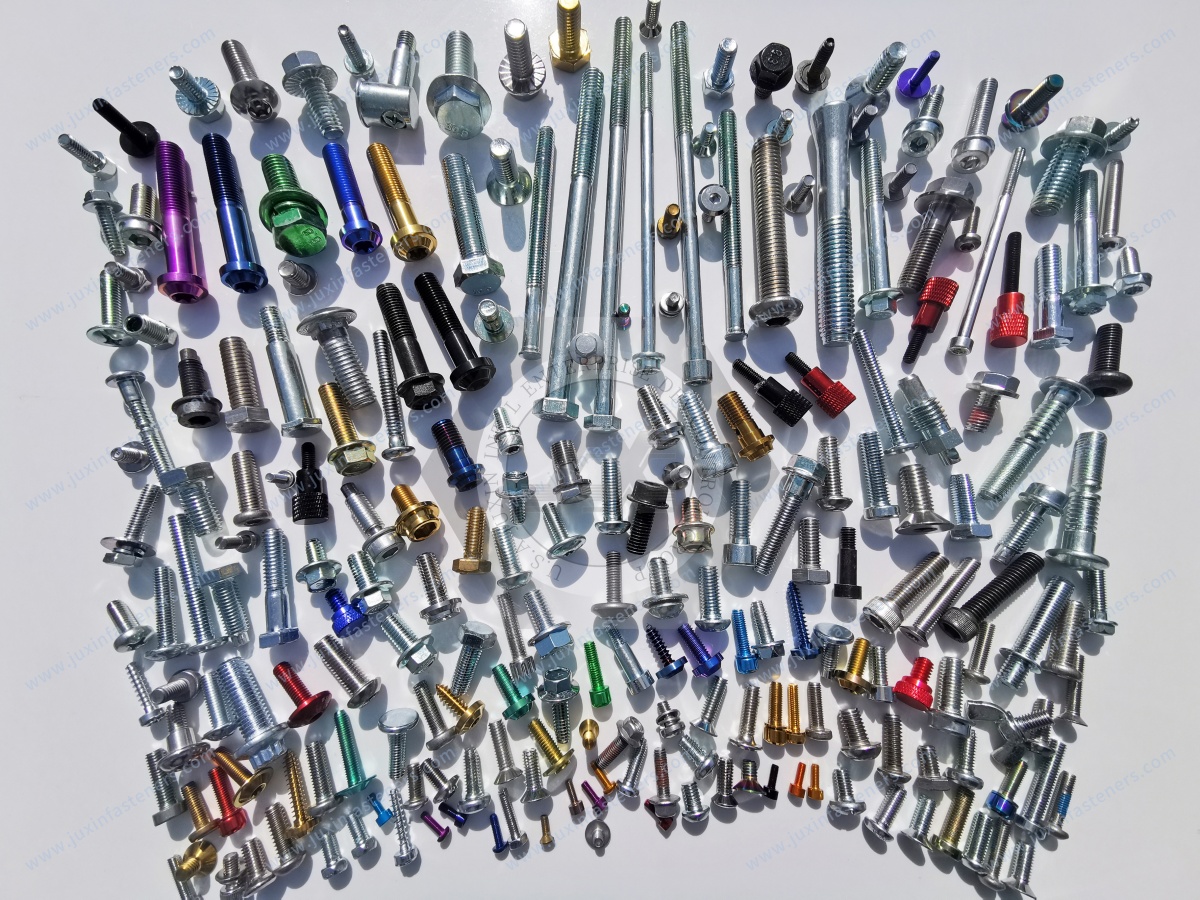
Our rail transit stainless steel fastening system includes:
Stainless Steel Screws (M1.6–M20)
Chamfered Hex Socket Cap Screws
Hex Head Cap Screws
Self-Tapping Screws (Black Zinc Plated)
Blind Rivet Nuts & Structural Rivets
Thread Inserts (Helicoil-type reinforcement)
Expansion Bolts and Anchoring Systems
Anti-Loosening Washers and Locking Nuts
Grounding Studs for electrical safety systems
VIII. Industry Trends and Future Development
The rail transit fastening industry is evolving toward:
Lightweight structural integration
High-strength stainless steel and duplex alloys
Intelligent torque monitoring systems
Digital lifecycle traceability
Maintenance-free fastening design
Future fastening systems will combine materials science, digital manufacturing, and predictive maintenance, transforming traditional fasteners into engineered structural connection systems.
Conclusion
Stainless steel screws for rail transit applications are no longer simple standard components—they are critical engineering elements that determine system safety, durability, and lifecycle cost efficiency.
Through advanced material selection, precision manufacturing, anti-loosening engineering, and system-level fastening design, modern rail transit fastening solutions deliver:
Higher structural reliability
Reduced maintenance cost
Improved safety performance
Extended service life
These technologies are essential for the next generation of high-speed rail, metro systems, and intelligent rail transit infrastructure.
Product Packaging
Packaging Standard
At Juxin Fasteners, we apply standardized export packaging to ensure product protection, traceability, and compliance with international logistics requirements.
1. Standard Export Packaging
Unless otherwise specified, all products will be packed according to our factory standard export packaging, which includes:
Moisture-resistant inner protection
Poly bag or small box packing as required
Reinforced export cartons
Clear labeling with part number, specification, batch number, and quantity
Palletizing for sea or air shipment when necessary
Our standard packaging is designed to ensure safe transportation, efficient warehousing, and long-distance international shipping.
2. Customized Packaging Options
We also provide customized packaging solutions according to customer requirements, including but not limited to:
Private labeling
Customized barcodes
Specific carton dimensions
Retail packaging
Special pallet configuration
Customer-specific marking and identification
So that you know, customized packaging may involve additional costs and extended lead time depending on the complexity of the requirements.
3. Compliance & Quality Assurance
All packaging processes are controlled under our ISO 9001 quality management system to ensure consistency, traceability, and product integrity throughout the supply chain.
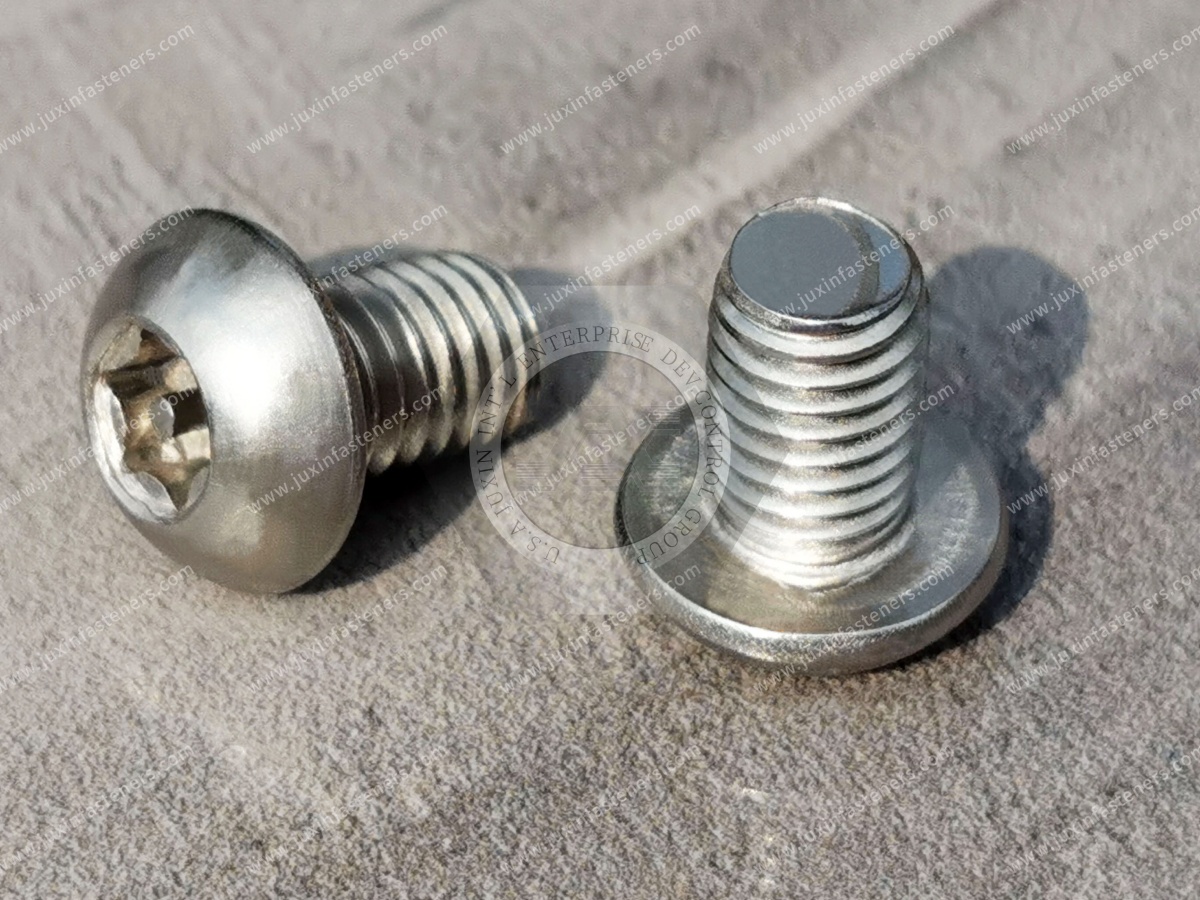
Product Pictures
Hot Products
Contact Us
Tel.:
+86 020 8621 0320
+86 020 3121 6067
E-mail:
Technical Support:
Navigation
SEND INQUIREY