Call Us
+86 136 6007 9809
Call Us
+86 136 6007 9809

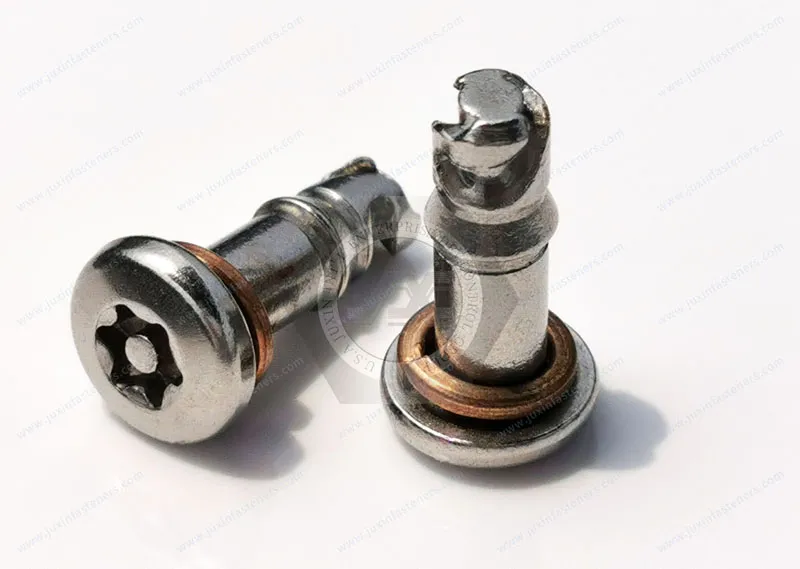
Stainless Steel Screws in Rail Transit Fastener Systems
Stainless steel screws are a core component in modern rail transit fastener systems, widely used across rail vehicle interiors, electrical systems, and structural assemblies. In high-speed rail, metro systems, and light rail vehicles, fastening reliability directly impacts safety, vibration control, and long-term maintenance efficiency.
As rail transportation continues to evolve toward higher speeds, lighter structures, and longer service cycles, the demand for corrosion-resistant and mechanically stable fastening solutions continues to increase. Among all fastening options, stainless steel screws for rail transit are one of the most widely adopted and engineering-critical components.
Product Specification
Stainless Steel Screws in Rail Transit Fastener Systems
Stainless steel screws are a core component in modern rail transit fastener systems, widely used across rail vehicle interiors, electrical systems, and structural assemblies. In high-speed rail, metro systems, and light rail vehicles, fastening reliability directly impacts safety, vibration control, and long-term maintenance efficiency.
As rail transportation continues to evolve toward higher speeds, lighter structures, and longer service cycles, the demand for corrosion-resistant and mechanically stable fastening solutions continues to increase. Among all fastening options, stainless steel screws for rail transit are one of the most widely adopted and engineering-critical components.
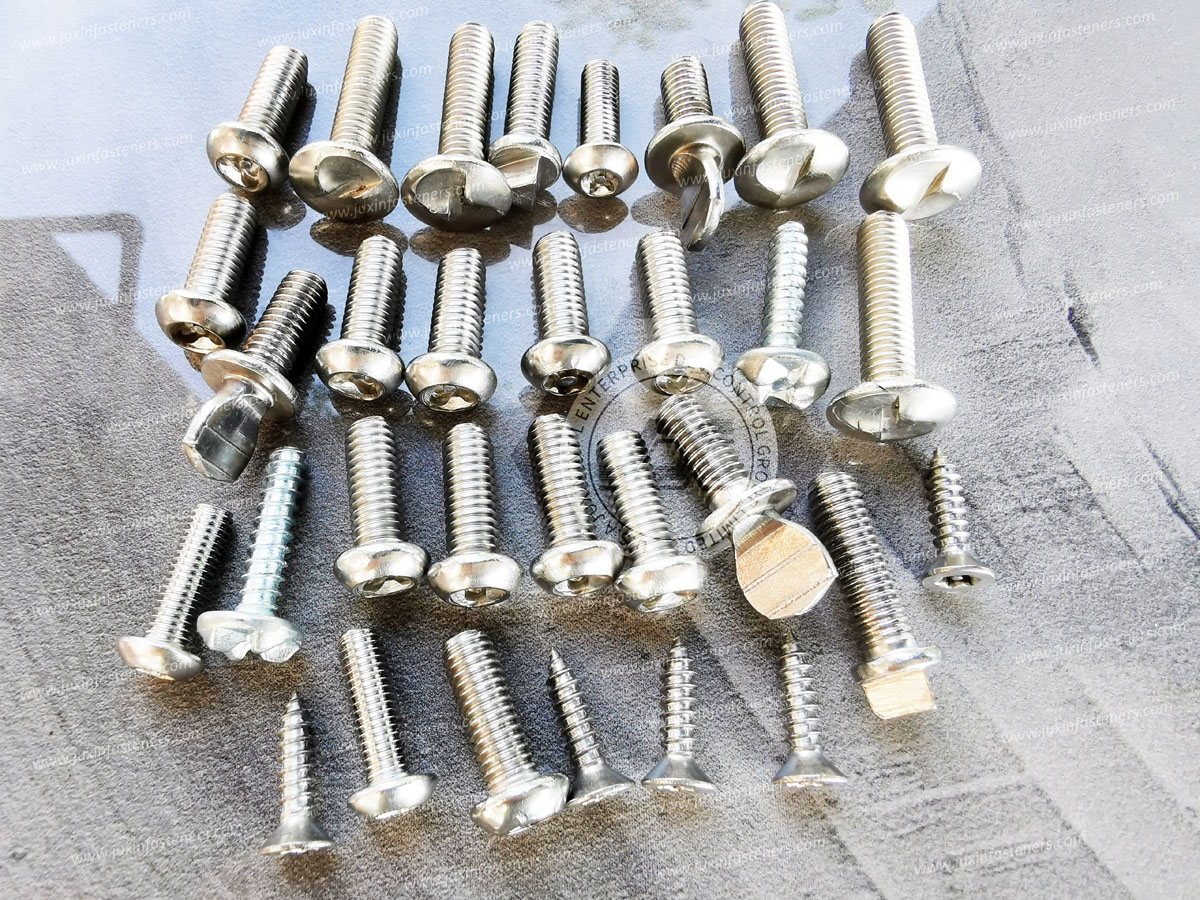
Why Stainless Steel Screws Are Essential in Rail Transit Engineering
Rail environments expose fasteners to a combination of vibration, humidity, temperature variation, and long-term cyclic loading. These conditions can significantly affect fastening performance if material selection is not properly engineered.
Stainless steel screws are preferred in rail transit applications because they provide:
Strong corrosion resistance in humid and coastal environments
Stable mechanical performance under vibration conditions
Long-term durability with reduced maintenance requirements
Compatibility with modern lightweight rail structures
In rail transit fastener systems, stainless steel screws are not only a standard component but also a key factor in ensuring lifecycle reliability.
Key Material Options for Rail Transit Stainless Steel Screws
SUS304 Stainless Steel Screws
SUS304 is the most commonly used material in rail interior systems due to its balanced performance and cost efficiency.
Typical applications include:
Passenger cabin interior structures
Luggage rack assemblies
Seat mounting systems
Decorative panels and trim components
SUS304 stainless steel screws provide good corrosion resistance and stable mechanical strength, making them suitable for general rail interior environments.
SUS316L Stainless Steel Screws
SUS316L is designed for high-corrosion environments where exposure to moisture, salt, or aggressive chemicals is present.
Typical applications include:
Coastal railway systems
Underground metro stations
Exterior-mounted electrical equipment
High-humidity service environments
Compared with standard stainless steel, SUS316L offers enhanced resistance to chloride corrosion, making it ideal for long-life rail infrastructure.
SUS321 Stainless Steel Screws
SUS321 is used in high-temperature or thermally demanding rail transit zones.
Typical applications include:
Brake system adjacent structures
High-temperature electrical zones
Engine-adjacent assemblies (where applicable)
Thermal insulation structural supports
Its stabilized composition provides improved resistance to intergranular corrosion under elevated temperatures.
Engineering Advantages of Stainless Steel Screws for Rail Transit
High Fatigue Resistance Under Vibration
Rail vehicles continuously experience vibration from wheel-rail interaction, acceleration, braking, and track irregularities. Stainless steel screws maintain structural integrity under long-term cyclic loading conditions.
Stable Torque Retention Performance
In rail transit fastener systems, maintaining preload stability is critical. Stainless steel screws provide consistent torque performance when properly paired with engineered fastening systems.
They are often used together with:
Anti-loosening washers
Locking nuts
Thread locking systems
This combination significantly reduces the risk of joint loosening under vibration.
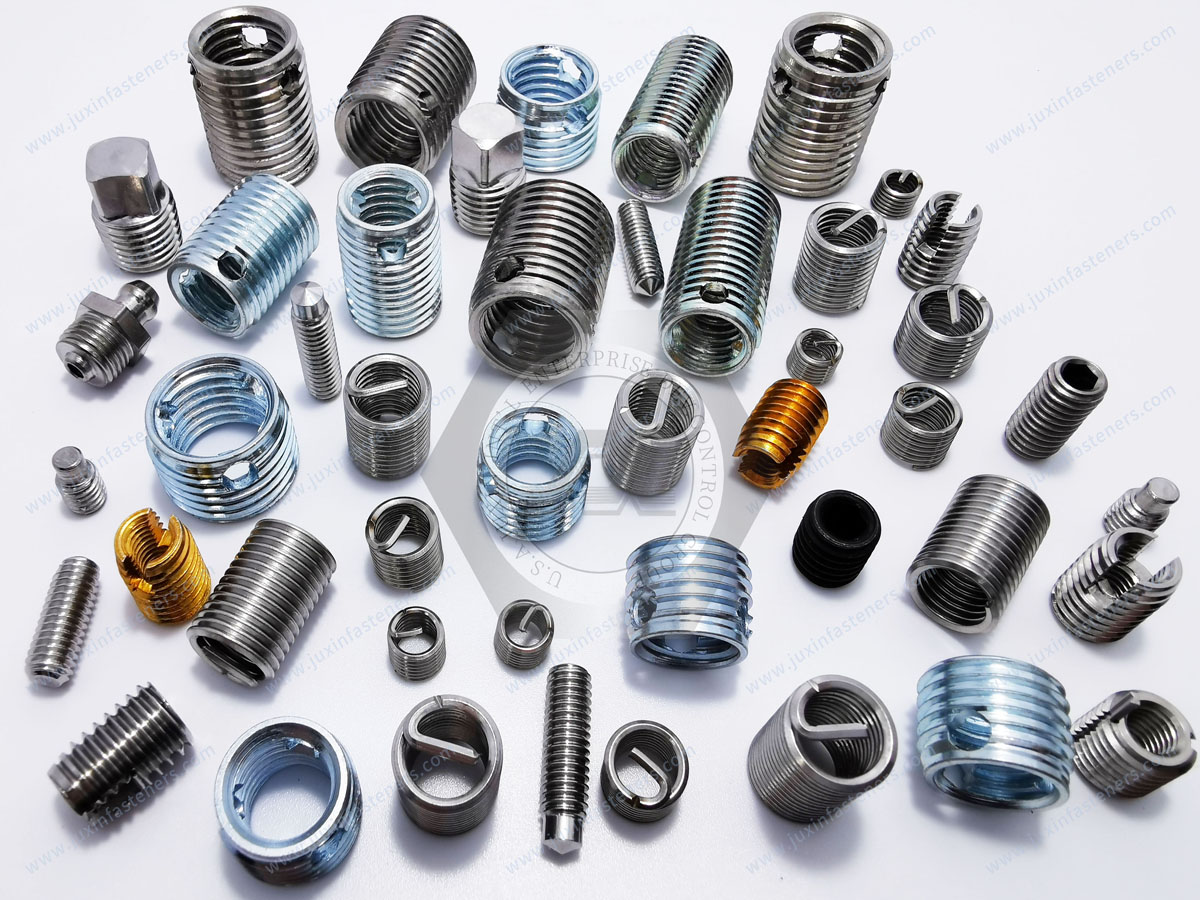
Compatibility with Anti-Loosening Fastener Systems
Stainless steel screws are fully compatible with modern anti-loosening fastener technologies, including mechanical locking structures and vibration-resistant designs.
Internal link: Anti-Loosening Fastener Technology
This system-level integration is essential in railway engineering, where safety and reliability are non-negotiable requirements.
Applications of Stainless Steel Screws in Rail Transit Systems
Luggage Rack Assemblies
Stainless steel screws are widely used in overhead luggage rack systems due to their combination of strength, corrosion resistance, and long-term stability.
Seat Frame Structures
Rail passenger seat systems require secure and vibration-resistant fastening. Stainless steel screws ensure reliable structural fixation while allowing maintenance and replacement flexibility.
Electrical Panels and Control Cabinets
Electrical systems in rail vehicles demand corrosion-resistant and electrically stable fastening solutions. Stainless steel screws are used in:
Control panels
Signal equipment housings
Power distribution cabinets
Bogie Auxiliary Components
In bogie systems, stainless steel screws are used in auxiliary structural components where vibration resistance and fatigue durability are critical.
Role in Modern Rail Transit Fastener Systems
Stainless steel screws are not standalone components in rail engineering. They are part of a larger rail transit fastener system that integrates:
Material optimization
Vibration-resistant design
Anti-loosening technology
Lifecycle engineering strategies
This system-level approach helps railway manufacturers reduce maintenance costs, improve operational safety, and extend service life.
Conclusion
Stainless steel screws for rail transit remain one of the most important fastening solutions in modern railway engineering. With excellent corrosion resistance, strong fatigue performance, and compatibility with anti-loosening technologies, they are widely used in interior systems, electrical equipment, and structural assemblies.
By selecting appropriate materials such as SUS304, SUS316L, and SUS321, railway manufacturers can optimize fastening performance across different operating environments and ensure long-term system reliability.
In advanced rail transit fastener systems, stainless steel screws are a foundational element supporting safety, durability, and engineering efficiency.
Product Packaging
Packaging Standard
At Juxin Fasteners, we apply standardized export packaging to ensure product protection, traceability, and compliance with international logistics requirements.
1. Standard Export Packaging
Unless otherwise specified, all products will be packed according to our factory standard export packaging, which includes:
Moisture-resistant inner protection
Poly bag or small box packing as required
Reinforced export cartons
Clear labeling with part number, specification, batch number, and quantity
Palletizing for sea or air shipment when necessary
Our standard packaging is designed to ensure safe transportation, efficient warehousing, and long-distance international shipping.
2. Customized Packaging Options
We also provide customized packaging solutions according to customer requirements, including but not limited to:
Private labeling
Customized barcodes
Specific carton dimensions
Retail packaging
Special pallet configuration
Customer-specific marking and identification
So that you know, customized packaging may involve additional costs and extended lead time depending on the complexity of the requirements.
3. Compliance & Quality Assurance
All packaging processes are controlled under our ISO 9001 quality management system to ensure consistency, traceability, and product integrity throughout the supply chain.
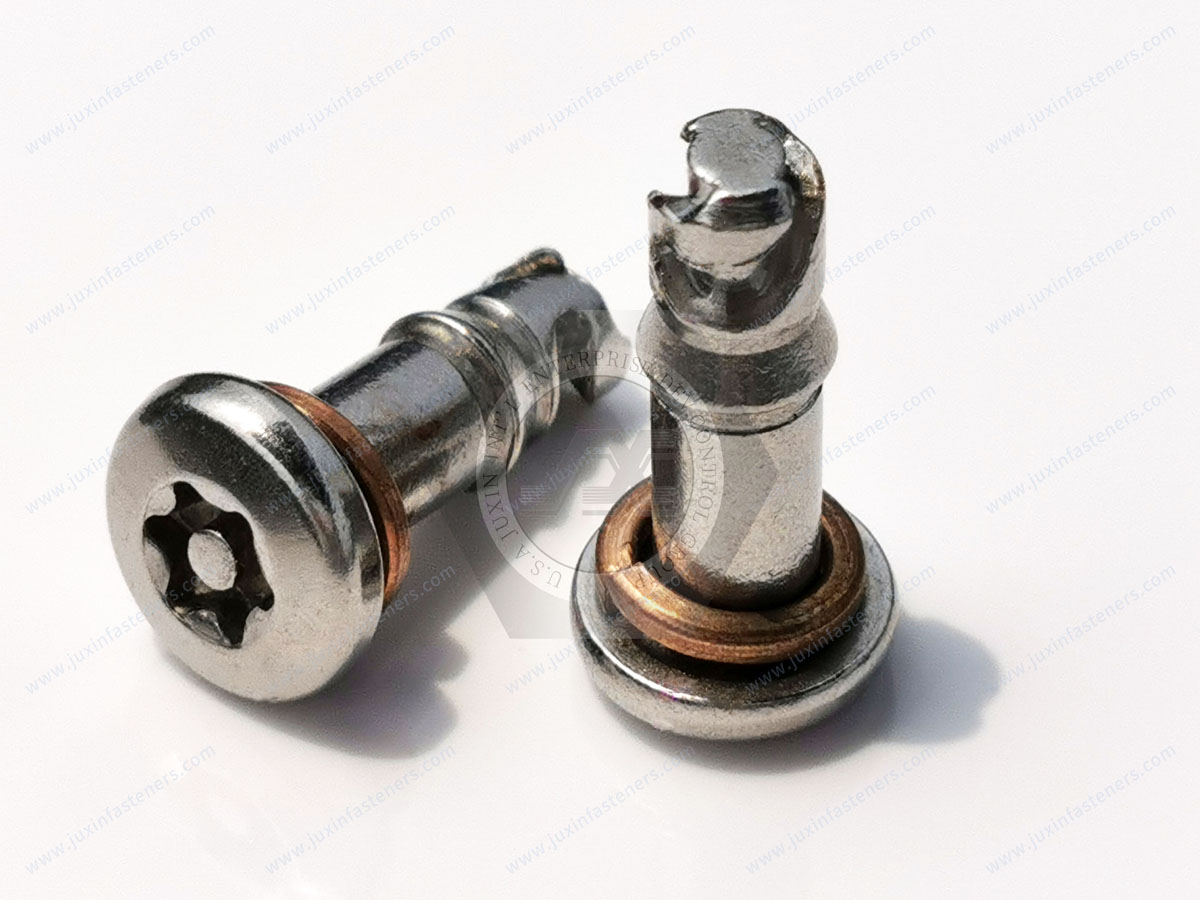
Product Pictures
Hot Products
Why High-Strength Bolts Are More Prone to Hydrogen Embrittlement Failure
How the Thread Manufacturing Process Becomes the “Decisive Factor” in Bolt Fatigue Life
Why German Automotive Engineering Prefers Fine Thread Fasteners
Why Zinc-Nickel Alloy Coatings Are Widely Used in New Energy Vehicle Fasteners
Contact Us
Tel.:
+86 020 8621 0320
+86 020 3121 6067
E-mail:
Technical Support:
Navigation
SEND INQUIREY