Call Us
+86 136 6007 9809
Call Us
+86 136 6007 9809

How the Thread Manufacturing Process Becomes the “Decisive Factor” in Bolt Fatigue Life
Thread Rolling vs. Cutting: The Hidden Engineering Variable Behind High-Strength Bolt Failure
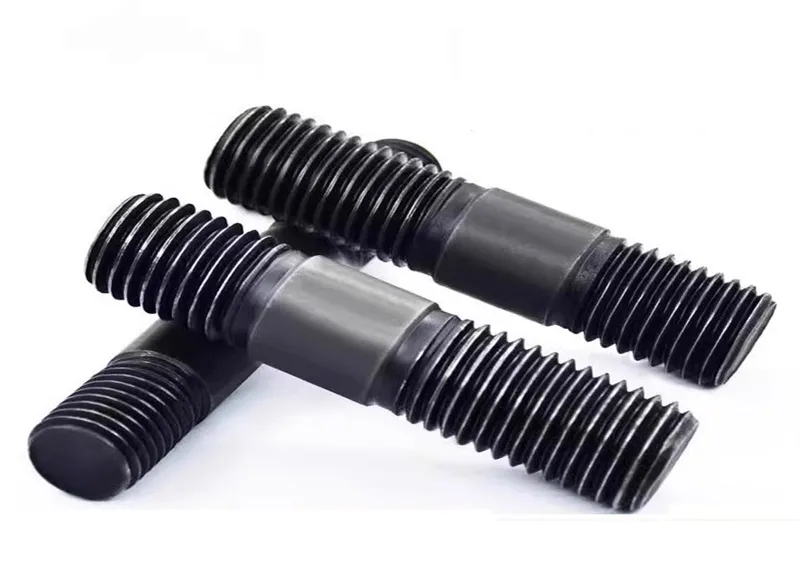
In high-end engineering applications such as heavy machinery, aerospace structures, energy systems, and industrial equipment, a bolt is never just a “standard fastener.” It is a critical load-bearing structural element whose failure can lead to catastrophic consequences.
Product Specification
How the Thread Manufacturing Process Becomes the “Decisive Factor” in Bolt Fatigue Life
Thread Rolling vs. Cutting: The Hidden Engineering Variable Behind High-Strength Bolt Failure
In high-end engineering applications such as heavy machinery, aerospace structures, energy systems, and industrial equipment, a bolt is never just a “standard fastener.” It is a critical load-bearing structural element whose failure can lead to catastrophic consequences.
Engineers often focus on strength grades—8.8, 10.9, 12.9—assuming that higher grade automatically means higher reliability and longer service life. However, field failure analysis and academic research consistently reveal a more important truth:
Bolt fatigue life is not determined by strength grade alone, but is fundamentally controlled by the thread manufacturing process.
A poorly manufactured 12.9 grade bolt with cut threads can perform significantly worse in fatigue than an 8.8 grade bolt produced with optimized thread rolling technology.
1. Fatigue Failure: The Most Dangerous Failure Mode of Bolted Joints
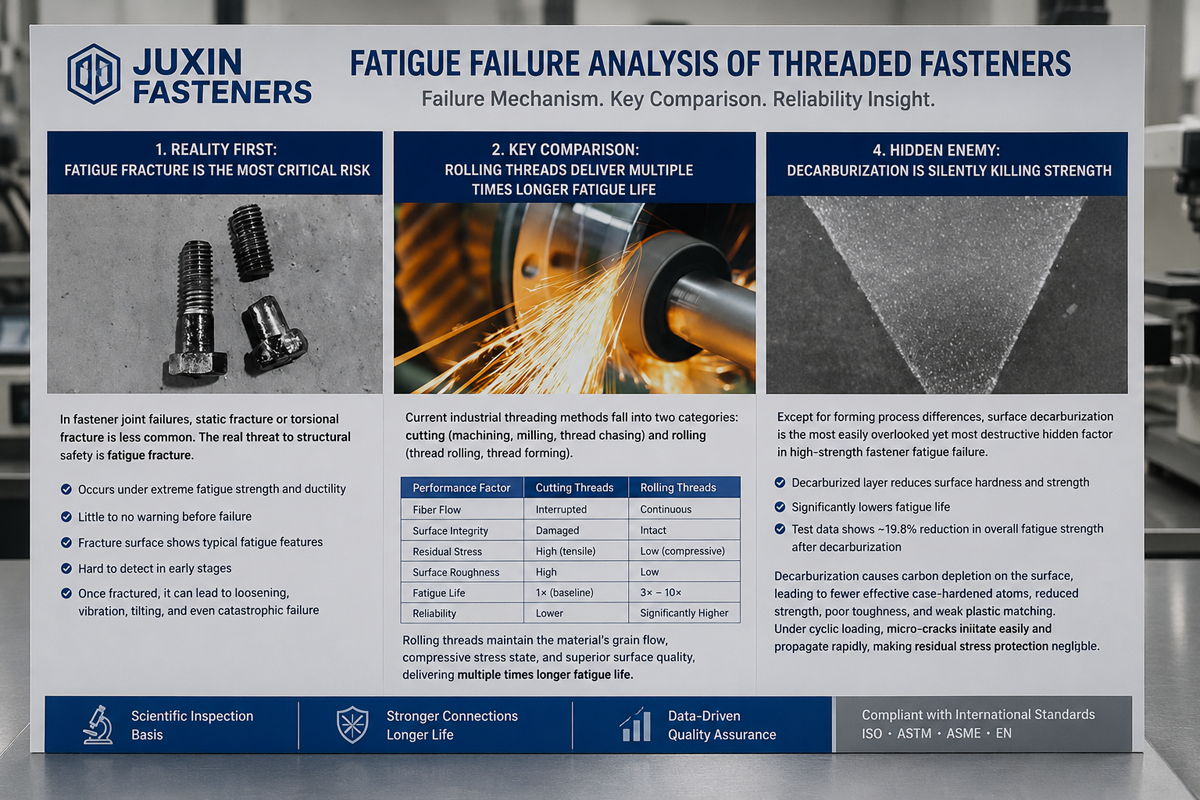
Among all bolt failure modes, fatigue fracture is the most critical and unpredictable.
Unlike static overload failure, fatigue failure occurs under stresses well below the material’s yield strength, making it extremely dangerous in real engineering environments.
Key characteristics of fatigue failure:
No obvious deformation before fracture
Sudden and brittle appearance of failure surface
Crack initiation and propagation over long-term cyclic loading
Extremely difficult to detect in early stages
Industry-wide failure statistics show a highly consistent pattern:
~65% of fatigue cracks initiate at the first engaged thread root
~20% occur at the thread-to-shank transition zone
~15% occur at the head-to-shank fillet region
These zones share a common root cause:
Severe stress concentration and surface integrity defects
And both are directly governed by the thread manufacturing process.
2. Thread Cutting vs. Thread Rolling: A Life-Dividing Difference
Two major industrial thread manufacturing methods dominate the market:
2.1 Thread Cutting (Machining)
Turning
Milling
Tapping
Characteristics:
Material is removed by cutting tools
Surface contains tool marks, micro-notches, and tearing
Higher surface roughness
No beneficial residual compressive stress
Often used for convenience in high-strength bolt machining
2.2 Thread Rolling (Cold Forming)
Thread rolling
Thread forming
Characteristics:
No material removal
Metal flows plastically into thread shape
Smooth, continuous surface
Strong compressive residual stress layer
Work hardening improves surface strength
Even when geometric dimensions are identical, the microstructure and stress state are fundamentally different, leading to large differences in fatigue performance.
3. Engineering Evidence: Thread Rolling Improves Fatigue Life by 5–10×
Experimental research from multiple institutions, including comparative studies on AISI 4340 high-strength steel bolts, demonstrates:
Under optimized thread rolling conditions:
Surface roughness can reach Sa ≈ 0.124 μm
Residual compressive stress at thread root: up to -247 MPa
Significant surface work hardening gradient is formed
Fatigue strength increases by ~50% compared to cut threads
More importantly, cross-study comparisons show:
Under identical material and load conditions, rolled-thread bolts exhibit 5–10 times higher fatigue life than cut-thread bolts.
This directly overturns a common misconception:
It is not “12.9 > 8.8 in fatigue performance,”
but rather “process quality overrides strength grade.”
A well-processed medium-grade bolt can outperform a poorly processed high-strength bolt.
4. Mechanism: Why Thread Rolling Dramatically Improves Fatigue Resistance
The fatigue performance improvement from thread rolling is not superficial—it is a full structural transformation at the material level.
4.1 Residual Compressive Stress: Suppressing Crack Initiation
During thread rolling, plastic deformation occurs at the thread root, generating a stable compressive stress layer.
When the bolt is under tensile cyclic loading:
Applied tensile stress is partially offset by compressive residual stress
Effective stress amplitude is significantly reduced
Crack initiation is delayed or suppressed
This is one of the most critical fatigue-strengthening mechanisms in modern fastener engineering.
According to engineering design guidance in
VDI 2230
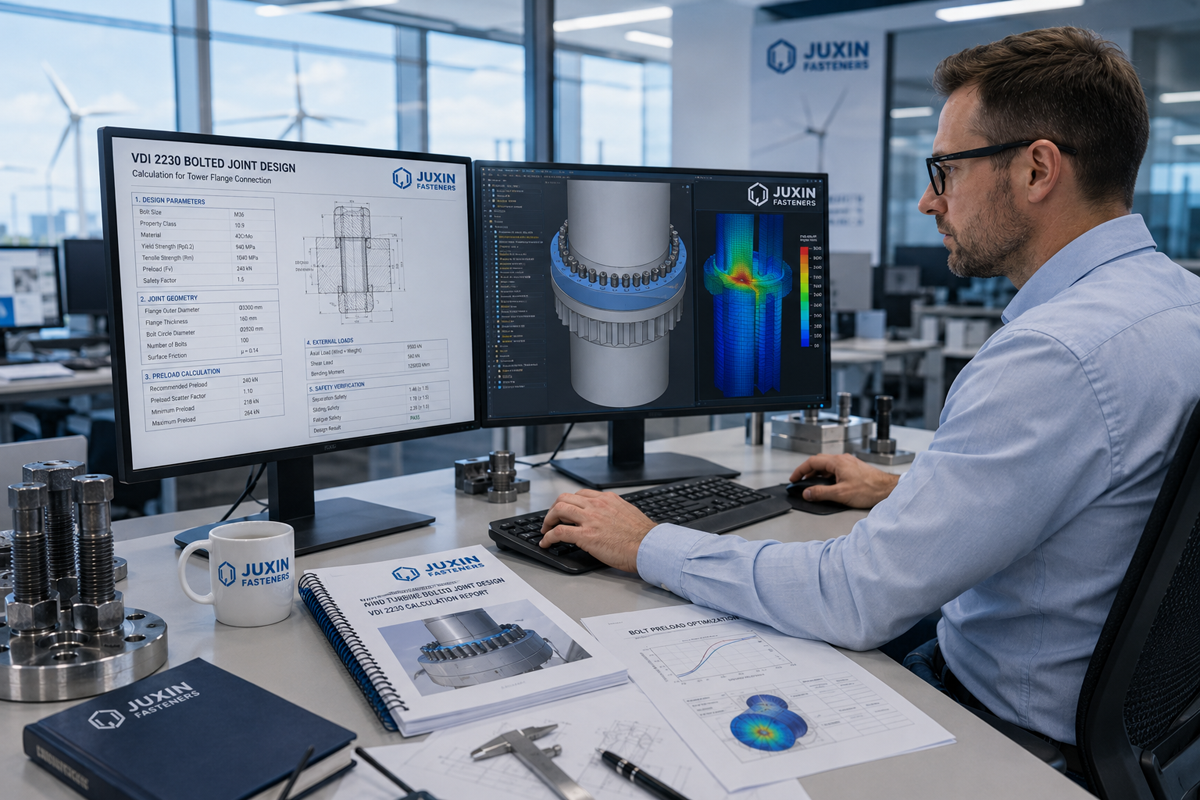
final thread rolling after heat treatment is strongly recommended to preserve residual compressive stress and maximize fatigue life.
4.2 Surface Integrity: Eliminating Stress Concentration Sources
Cutting processes inevitably produce:
Tool marks
Micro-cracks
Surface tearing
Built-up edge defects
These act as micro stress concentrators under cyclic loading.
Thread rolling eliminates cutting entirely:
Smooth surface formation via plastic flow
Up to ~80% reduction in surface roughness
Significantly fewer crack initiation sites
4.3 Work-Hardened Gradient Layer: Blocking Crack Propagation
Thread rolling creates a hardened surface layer with:
Refined grain structure
Increased dislocation density
Gradual hardness gradient into the core
This layer acts as a crack propagation barrier, forcing cracks to consume more energy to grow, significantly extending fatigue life.
5. Hidden Failure Factor: Decarburization Weakens High-Strength Bolts
A critical but often overlooked issue in high-strength fasteners is surface decarburization.
Experimental data shows:
Decarburized surface layers can reduce fatigue strength by approximately 19.8%
Mechanism:
Carbon loss reduces surface hardness and strength
Surface becomes the weakest initiation zone
Cracks form earlier under cyclic loading
Cutting processes and improper heat treatment routes significantly increase this risk.
In contrast, optimized production routes—heat treatment followed by thread rolling—minimize decarburization impact while preserving beneficial compressive stress.
6. Manufacturing Route Matters More Than Strength Grade
The industry misconception that “higher grade equals higher reliability” fails in fatigue-critical design.
Real-world ranking of fatigue performance:
Optimized thread rolling + controlled heat treatment (best performance)
Thread rolling with partial process control
Conventional cut threads (even in high-strength grades 10.9 / 12.9)
This explains why:
8.8 grade rolled bolts can outperform
12.9 grade cut bolts in fatigue life
7. Engineering Recommendation for Critical Applications
For high-cycle and safety-critical structures, engineers should prioritize:
Thread rolling instead of cutting
Post-heat-treatment rolling process
Strict control of surface integrity
Controlled friction processes (e.g., phosphating before rolling)
Verification of residual stress and surface quality
These parameters are often more important than simply increasing strength grade.
8. Industrial Fastener Solutions for High Fatigue Performance
As a professional fastener manufacturer,
Guangzhou Juxin Development Co., Ltd.
provides engineered fastening solutions including:
High-strength rolled thread bolts (8.8 / 10.9 / 12.9)
Anti-fatigue structural fasteners
Cold-formed thread components
Custom OEM industrial fastener systems
Our engineering focus is not only material strength, but fatigue life optimization through process control, ensuring long-term reliability in demanding applications.
Conclusion: Thread Process is the Real “Life Determining Factor”
Fatigue failure in bolts is not simply a material problem—it is a manufacturing science problem.
The evidence is clear:
Strength grade alone is not sufficient
Surface integrity dominates fatigue behavior
Thread rolling fundamentally transforms fatigue performance
Process optimization can multiply service life several times
In modern engineering design, the real question is no longer:
“What strength grade is the bolt?”
But rather:
“How was the thread manufactured?”
Because in fatigue-critical applications, process determines life, not just material strength.
Product Packaging
Packaging Standard
At Juxin Fasteners, we apply standardized export packaging to ensure product protection, traceability, and compliance with international logistics requirements.
1. Standard Export Packaging
Unless otherwise specified, all products will be packed according to our factory standard export packaging, which includes:
Moisture-resistant inner protection
Poly bag or small box packing as required
Reinforced export cartons
Clear labeling with part number, specification, batch number, and quantity
Palletizing for sea or air shipment when necessary
Our standard packaging is designed to ensure safe transportation, efficient warehousing, and long-distance international shipping.
2. Customized Packaging Options
We also provide customized packaging solutions according to customer requirements, including but not limited to:
Private labeling
Customized barcodes
Specific carton dimensions
Retail packaging
Special pallet configuration
Customer-specific marking and identification
So that you know, customized packaging may involve additional costs and extended lead time depending on the complexity of the requirements.
3. Compliance & Quality Assurance
All packaging processes are controlled under our ISO 9001 quality management system to ensure consistency, traceability, and product integrity throughout the supply chain.
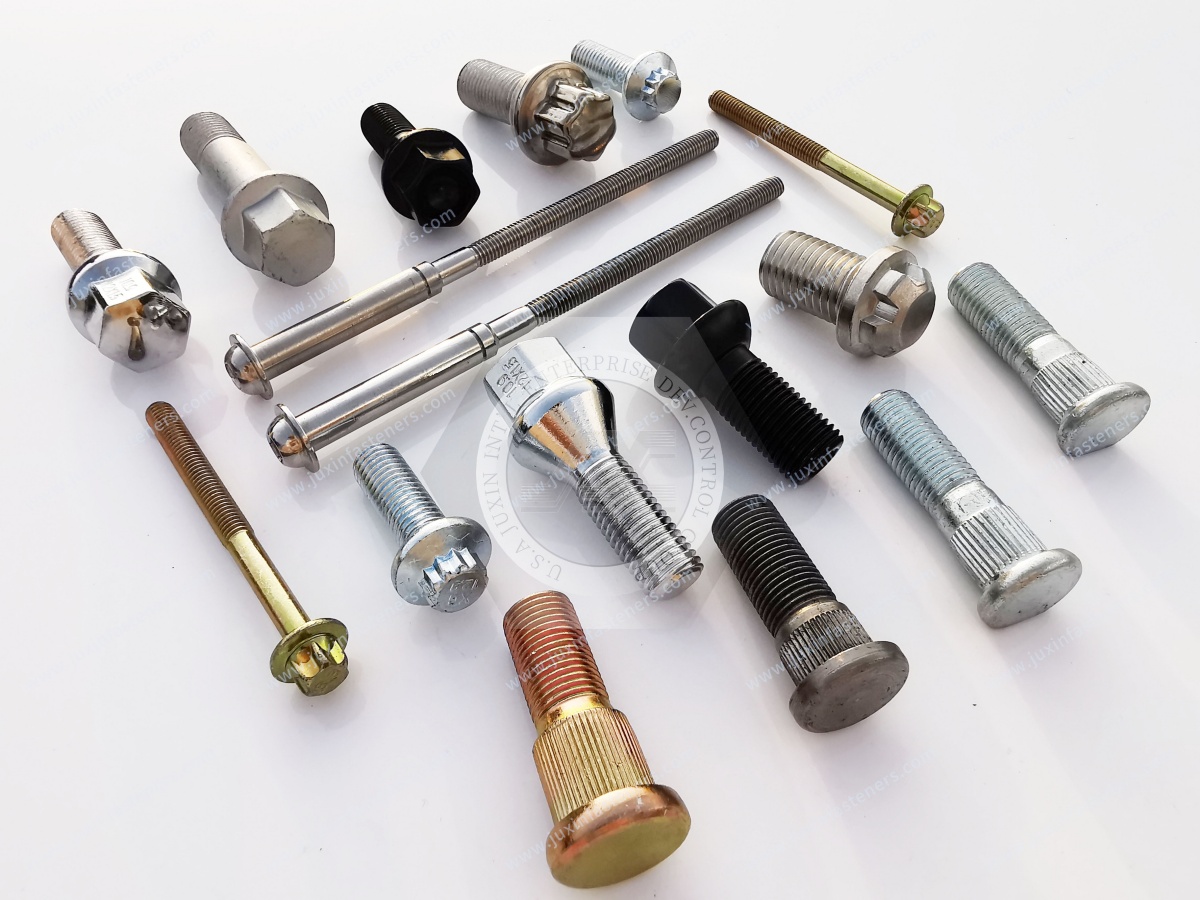
Product Pictures
Contact Us
Tel.:
+86 020 8621 0320
+86 020 3121 6067
E-mail:
Technical Support:
Navigation
SEND INQUIREY