Call Us
+86 136 6007 9809
Call Us
+86 136 6007 9809

Carbon Steel Spring-Action PCB Standoffs – Types JX-SSC and JX-SSS
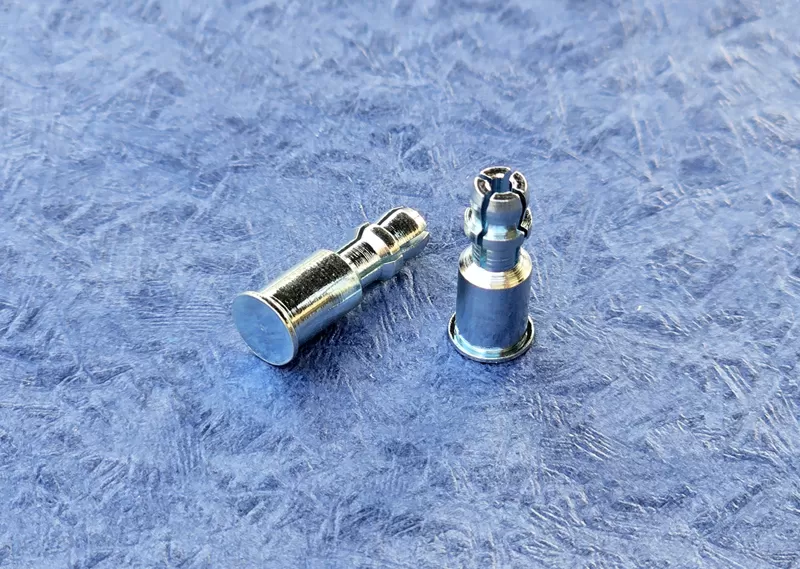
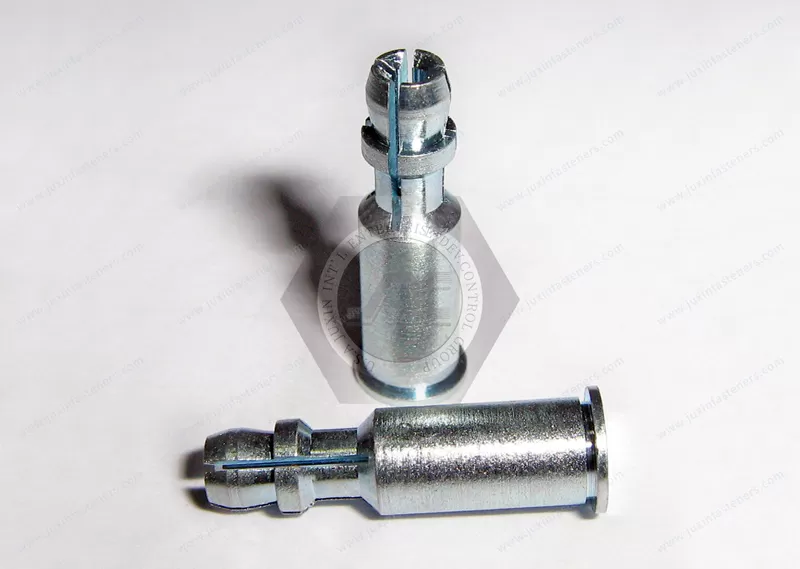
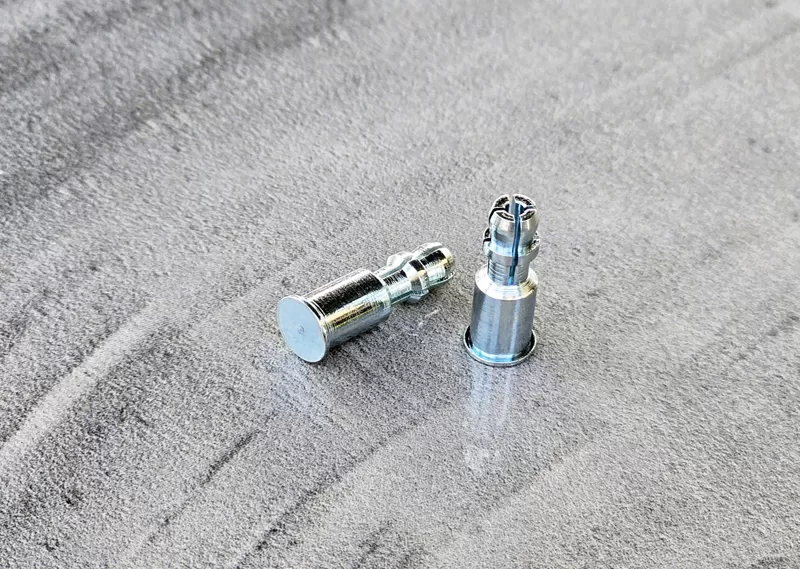
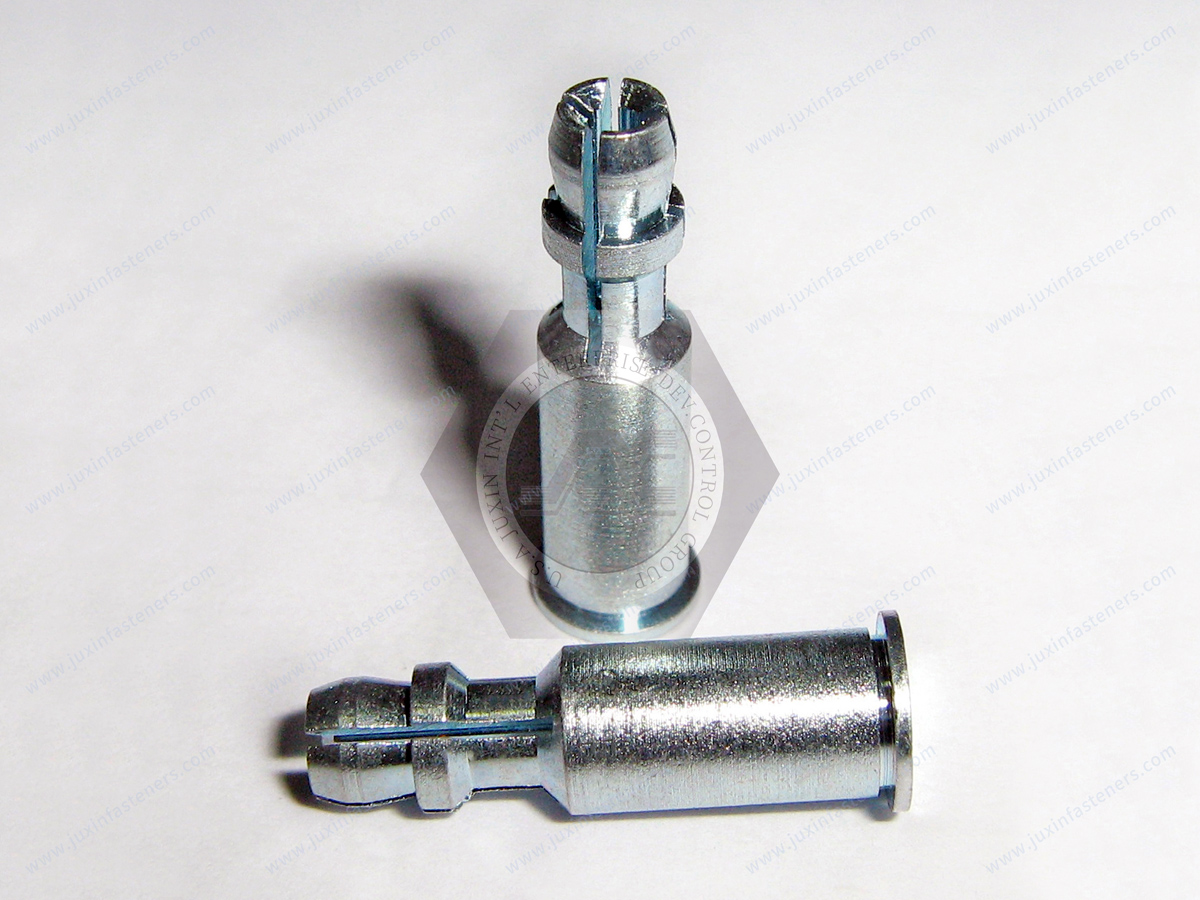
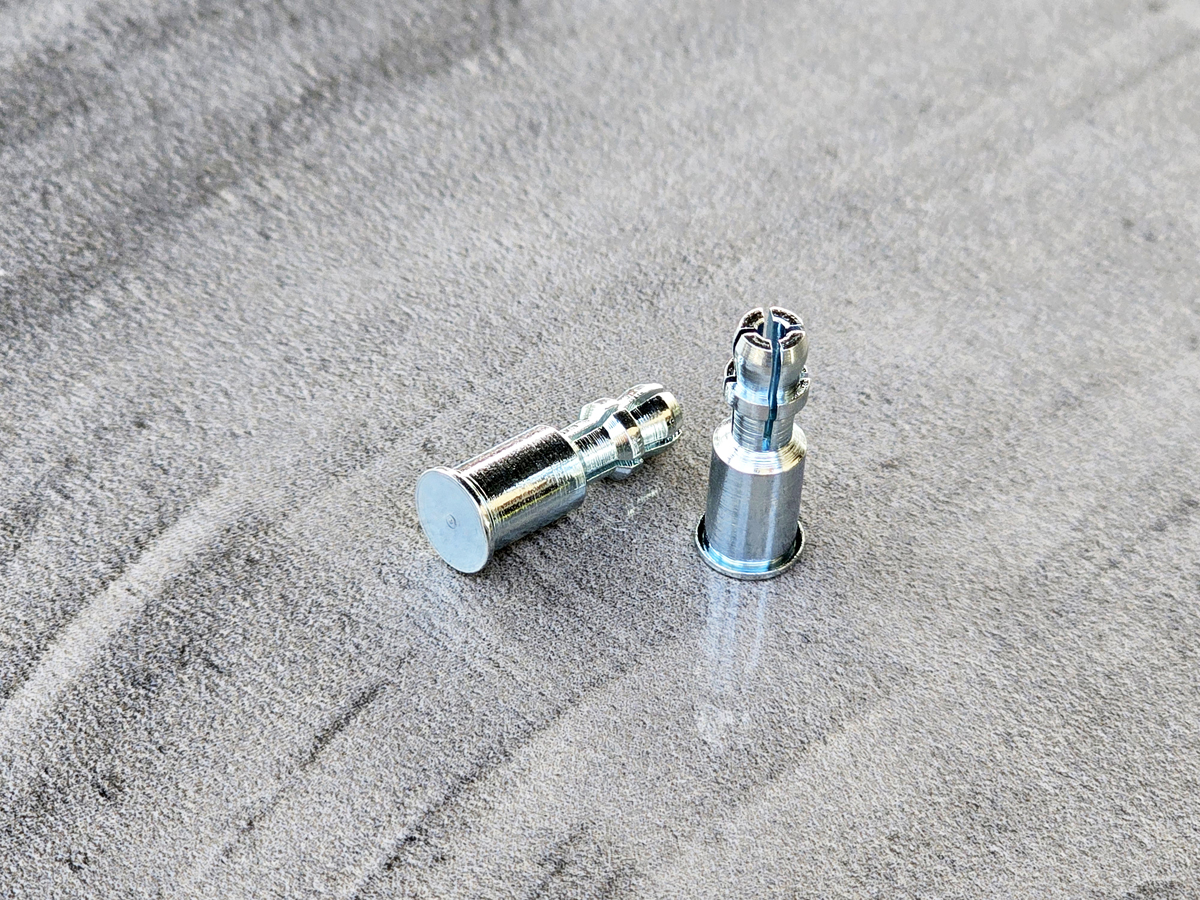
JX-SSC and JX-SSS are all-metal, spring-action standoffs designed for secure positioning and convenient removal of printed circuit boards and electronic subassemblies.
Their integrated spring-retention feature reduces the need for separate screws and threaded hardware at suitable mounting positions.
The self-clinching mounting section provides permanent attachment to compatible panels using controlled press installation.
Material: Carbon steel.
The design is suitable for electronic enclosures, industrial control systems, telecommunications equipment, instrumentation, and serviceable PCB assemblies.
These standoffs help simplify board installation, reduce loose hardware, and improve maintenance accessibility.
Related series: JX-SSA.
Custom dimensions and OEM configurations may be evaluated according to approved drawings and application requirements.
Product Specification
Carbon Steel Spring-Action PCB Standoffs – JX-SSC / JX-SSS
Juxin Fasteners supplies carbon steel spring-action self-clinching standoffs for OEM electronics manufacturers requiring efficient PCB installation, reliable board positioning, and simplified maintenance.
The JX-SSC and JX-SSS series feature an all-metal construction with an integrated spring-action retaining element.
This design supports removable circuit boards and electronic subassemblies without requiring separate screws at every mounting location.
Unlike conventional threaded spacers, these standoffs combine board spacing and spring retention in one fastening component.
Product Construction and Function
The fastener consists of a self-clinching mounting section and a spring-action retention feature.
The mounting section is intended to remain permanently secured in a compatible supporting panel.
The spring-action feature engages a suitable mating PCB or component, allowing the board to be installed and removed according to the selected design.
This arrangement reduces the number of loose fastening components used during assembly and maintenance.
The exact retention geometry and release method depend on the applicable JX-SSC or JX-SSS drawing.
Carbon Steel Material Selection
The specified material for this product page is carbon steel.
Carbon steel is a practical material for industrial PCB mounting hardware where suitable mechanical properties, manufacturing economy, and dimensional consistency are important.
Because carbon steel is susceptible to corrosion in certain environments, the need for a protective finish should be evaluated against the actual operating conditions.
Any zinc plating, zinc-nickel coating, passivation process, or alternative finish must be confirmed as an available and approved option rather than assumed to be standard.
Material grade, hardness, and finish requirements should be established in the purchasing specification.
Where applicable, ASTM, SAE, EN, or ISO material and testing requirements may be referenced.
Self-Clinching Installation
JX-SSC and JX-SSS standoffs are designed for permanent installation into compatible mounting substrates using press equipment.
A properly sized mounting hole is prepared according to the approved technical drawing.
The standoff is positioned in the hole and pressed into place using suitable tooling with controlled alignment and support.
During installation into compatible ductile metal sheets, the mounting feature creates mechanical retention through localized material displacement.
Successful installation depends on fastener geometry, substrate hardness, mounting-hole dimensions, sheet thickness, and installation conditions.
The fastener should be installed without uncontrolled impact loading or excessive panel deformation.
Installation force, hole tolerances, and substrate requirements must be verified for the selected model.
Metal Panels Versus PCB Laminates
The supplied product family information identifies applications involving metal panels and printed circuit boards.
However, direct installation into PCB laminate requires separate engineering consideration.
FR-4 and other reinforced laminates do not deform in the same manner as ductile sheet metal.
For direct installation into a circuit board, engineers must confirm that the fastener design and mounting process are compatible with the laminate, board thickness, hole construction, and required retention strength.
Potential failure modes include cracking, delamination, hole damage, and reduced retention.
Where the standoff is mounted into a metal chassis and the PCB is attached to its spring-action end, the two interfaces should be specified independently.
Spring-Action PCB Retention
The integrated spring mechanism provides mechanical engagement with a mating PCB or electronic component.
This can reduce the time required for board assembly and removal when compared with arrangements using multiple loose screws.
It also helps reduce the possibility of loose metal hardware entering sensitive electronic assemblies during maintenance.
Retention performance depends on the geometry and tolerances of the mating component.
The spring feature should not be assumed to provide a specified holding force or unlimited service life without supporting test data.
For applications requiring frequent board replacement, insertion and removal cycles should be evaluated under representative conditions.
Board Spacing and Electrical Clearance
The selected standoff height establishes the separation between the PCB and its supporting structure.
This clearance must accommodate solder joints, component leads, underside-mounted components, connectors, and any required insulation spacing.
Engineers should consider maximum component dimensions and manufacturing tolerances rather than relying only on nominal board thickness.
The mounting arrangement should also support appropriate airflow and thermal management where necessary.
Because the product is metallic, it must not be treated as an insulating support.
Electrical grounding or isolation requirements must be addressed by the complete assembly design.
Mating-Hole Geometry and Alignment
The mating PCB opening must be compatible with the spring-retention feature.
Hole diameter, board thickness, positional tolerance, and edge distance can influence engagement and removal.
When several standoffs support the same PCB, hole-pattern tolerance accumulation may produce assembly interference or unwanted board stress.
Designers should review the location and constraint of each support point to avoid excessive bending during installation.
Where permitted by the approved design, suitable positional clearance may help accommodate manufacturing variation.
The final hole pattern should be verified through prototype assembly.
PCB Retention Under Vibration
Spring-action standoffs can provide a practical mounting solution for serviceable electronic modules.
However, their suitability for vibration-sensitive equipment depends on the complete mounting arrangement.
Engineers should evaluate the supported board mass, center of gravity, support spacing, retention geometry, and expected vibration environment.
Additional positive retention may be necessary where the application requires a defined resistance to separation.
Vibration, shock, and thermal-cycle testing should be selected according to the equipment's actual operating requirements.
No universal vibration rating is claimed for the JX-SSC or JX-SSS series without model-specific validation.
Industrial Electronics Applications
Industrial control equipment can use spring-action standoffs for removable control boards and electronic modules.
Telecommunications systems may benefit from simplified PCB installation where compact internal packaging and service accessibility are important.
Instrumentation manufacturers can use suitable spring-retention arrangements for replaceable circuit boards and test modules.
Power electronics assemblies may benefit from reduced loose hardware, provided electrical clearance, thermal conditions, and mechanical loads have been addressed.
Electronic enclosure manufacturers can integrate these standoffs into chassis-mounted PCB support systems.
Laboratory equipment and other serviceable electronic products may use spring-action mounting where repeated access is required and the retention arrangement has been validated.
Comparison With Conventional Threaded Standoffs
A conventional threaded standoff generally requires a screw to secure the mating board.
This arrangement is appropriate where positive fastening and a defined screw connection are required.
A spring-action standoff can simplify assembly by reducing the number of separate fastening components.
It may be especially useful where boards are removed frequently for inspection or maintenance.
However, screwless retention should not automatically replace threaded fastening in applications involving substantial mechanical loads or strict separation-resistance requirements.
A combined mounting arrangement using spring-action supports and selected threaded retaining points may be appropriate for certain assemblies.
The final selection should be based on actual engineering requirements.
Product Dimensions and Technical Data
Product type: Spring-action self-clinching PCB standoff.
Primary series: JX-SSC and JX-SSS.
Related series: JX-SSA.
Material: Carbon steel.
Primary function: PCB positioning, spacing, spring retention, and removable electronic component mounting.
Mounting method: Controlled press installation into an approved compatible substrate.
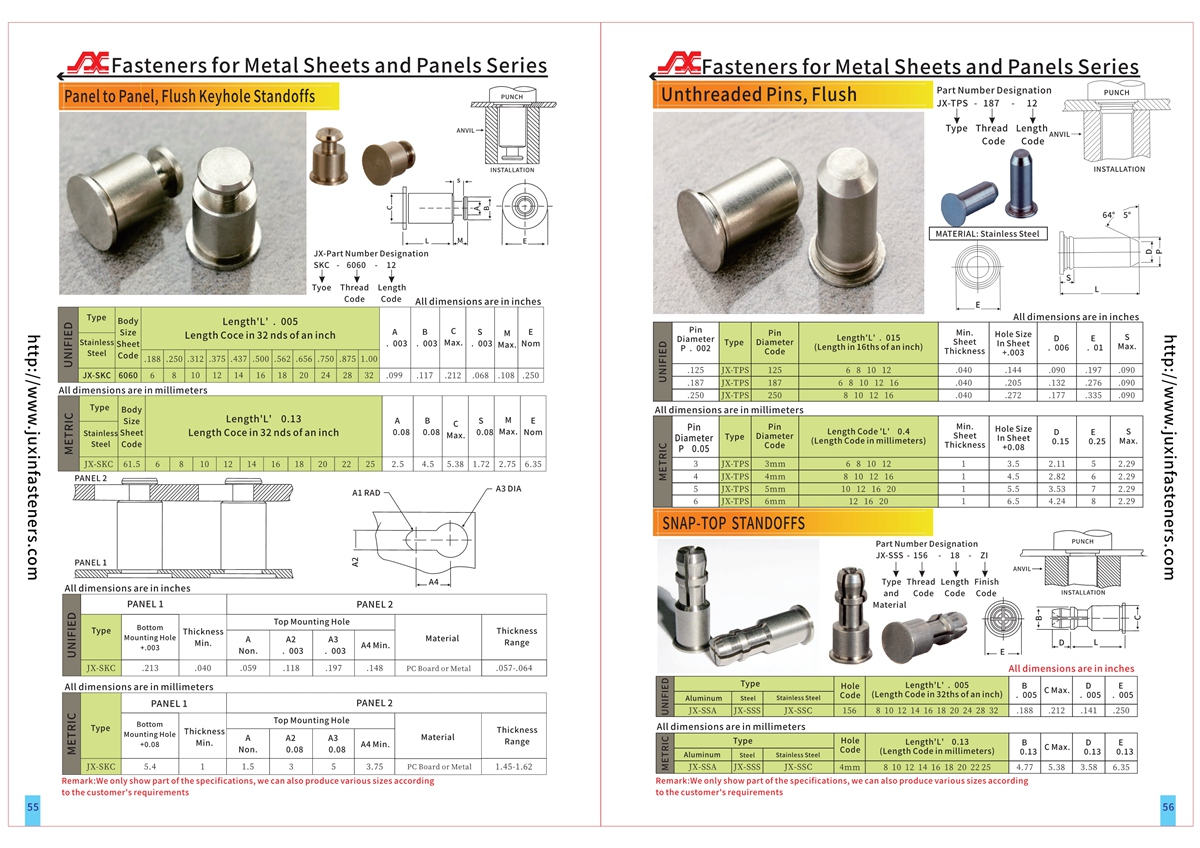
Dimensional parameters include overall length, installed height, mounting geometry, spring-retention dimensions, and mating-hole requirements.
Refer to the applicable product specification PDF and CAD drawings, pages 55–56, for detailed dimensional information.
Custom dimensions may be evaluated according to customer drawings and manufacturing feasibility.
Dimensional tolerances and inspection methods may be specified using applicable ISO GPS or ASME Y14.5 practices.
OEM Design Verification
Before production release, engineering teams should verify the fastener with the intended mounting substrate and mating PCB.
Prototype evaluation should include installation quality, installed height, alignment, board engagement, and ease of removal.
For applications involving repeated servicing, appropriate insertion and removal testing should be performed.
Where relevant, vibration, shock, corrosion, and temperature exposure should also be considered.
Quality requirements should define acceptable visual condition, dimensional conformity, lot identification, and any required mechanical tests.
Material and finish documentation should be specified according to the customer's approved requirements.
OEM Procurement and Supply Chain Planning
Purchasing teams should specify the exact model rather than using only the generic term "PCB standoff."
A complete RFQ should identify the JX-SSC or JX-SSS series, approved drawing, carbon steel grade if specified, dimensions, surface finish, mounting substrate, and mating PCB requirements.
Estimated annual demand, order quantity, delivery schedule, packaging, inspection requirements, and traceability expectations should also be included.
For new projects, sample approval and installation validation are recommended before volume purchasing.
This helps prevent issues associated with incorrect hole dimensions, inconsistent engagement, unapproved substitutions, and unsuitable mounting conditions.
Frequently Asked Questions
What is the main advantage of spring-action PCB standoffs?
They can reduce loose hardware and simplify installation or removal of suitable circuit boards.
Are JX-SSC and JX-SSS threaded standoffs?
They are described as spring-action retaining standoffs. Their principal function is board support and retention rather than conventional screw fastening.
Can carbon steel standoffs be used in humid environments?
A suitable protective finish may be necessary. Finish selection and corrosion performance should be evaluated for the intended service environment.
Can the standoffs be installed directly into a PCB?
Only where the selected product and installation procedure are confirmed compatible with the PCB construction.
Are JX-SSC and JX-SSS interchangeable?
Interchangeability should not be assumed. Mounting geometry, dimensions, and mating requirements must be checked against the relevant drawings.
Can custom sizes be supplied?
Custom configurations may be reviewed according to OEM drawings, material specifications, and production requirements.
Related Products and Internal Linking
For related spring-action PCB support designs, explore the JX-SSA / JX-SSC / JX-SSS Standoff Series.
For detachable board mounting using sliding engagement, see Self-Clinching Standoffs – Type JX-SKC.
For conventional threaded board-spacing applications, explore Self-Clinching Threaded Standoffs.
For PCB installation into compatible substrates, review Broaching Standoffs and PCB Mounting Fasteners.
For positioning and alignment requirements, see Self-Clinching Pilot Pins – JX-TPS.
These product references should be linked to their verified existing pages on www.juxinfasteners.com.
Request an OEM Quotation
Juxin Fasteners supports OEM inquiries for carbon steel spring-action PCB standoffs and related electronic fastening solutions.
For a technical review and quotation, provide the required JX-SSC or JX-SSS model, dimensional drawing, mounting substrate, mating PCB details, required installed height, surface finish, order quantity, and annual demand forecast.
Please also specify any inspection, traceability, packaging, or customer-specific quality requirements.
Email: info@juxinfasteners.com
Website: www.juxinfasteners.com
Juxin Fasteners – Industrial Fastening Solutions for OEM Electronics Manufacturing and Global Supply Chains.
Product Packaging
Packaging and Export Protection
Juxin Fasteners provides protective export packaging for carbon steel JX-SSC and JX-SSS spring-action PCB standoffs.
Packaging is selected to help protect the spring-retention features, mounting geometry, and surface condition during handling, storage, and international transportation.
Standard arrangements may include protective inner packing, poly bags or small boxes, reinforced export cartons, and palletized shipment when required.
Each shipment can be labeled according to the agreed order requirements, including product model, specification, quantity, and batch or lot identification.
Customized packaging options include OEM labeling, barcodes, customer-specific packing quantities, protective separators, carton configurations, and pallet arrangements.
Final packaging methods, carton dimensions, and shipment quantities are confirmed according to product size, order volume, and customer requirements.
Product Pictures
Contact Us
Tel.:
+86 020 8621 0320
+86 020 3121 6067
E-mail:
Technical Support:
Navigation
SEND INQUIREY