Call Us
+86 136 6007 9809
Call Us
+86 136 6007 9809

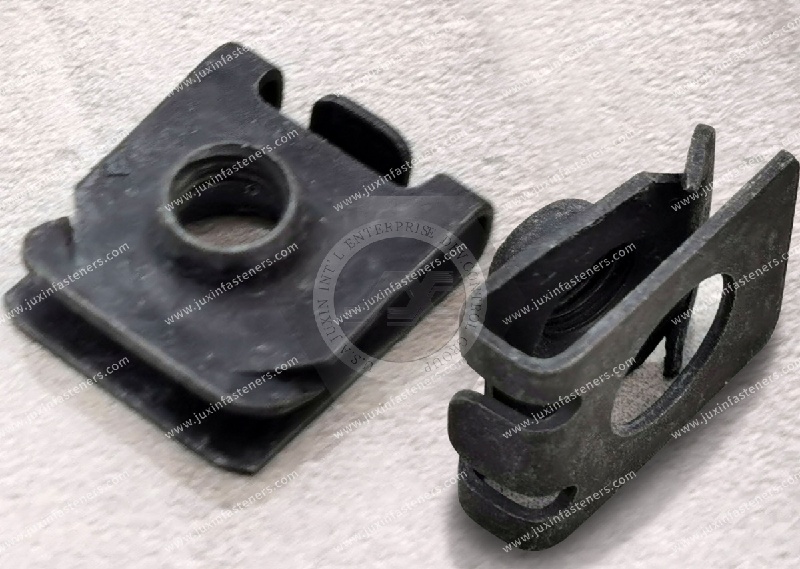
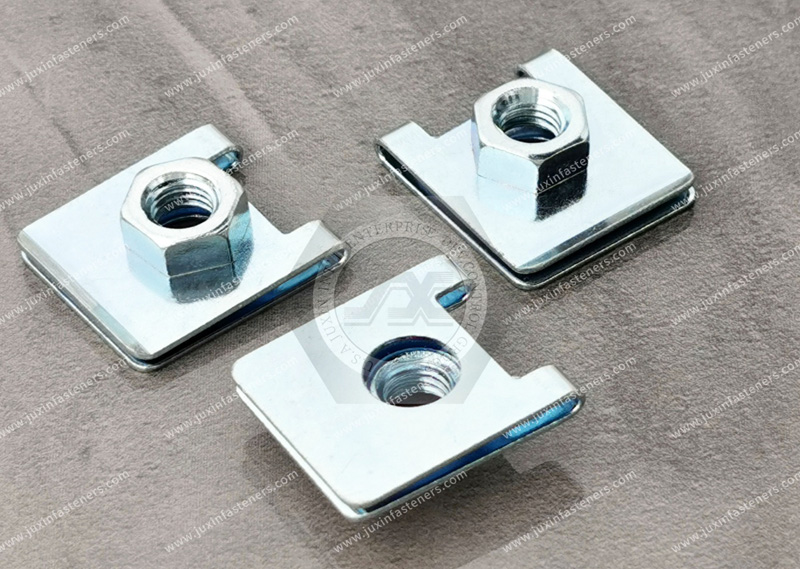
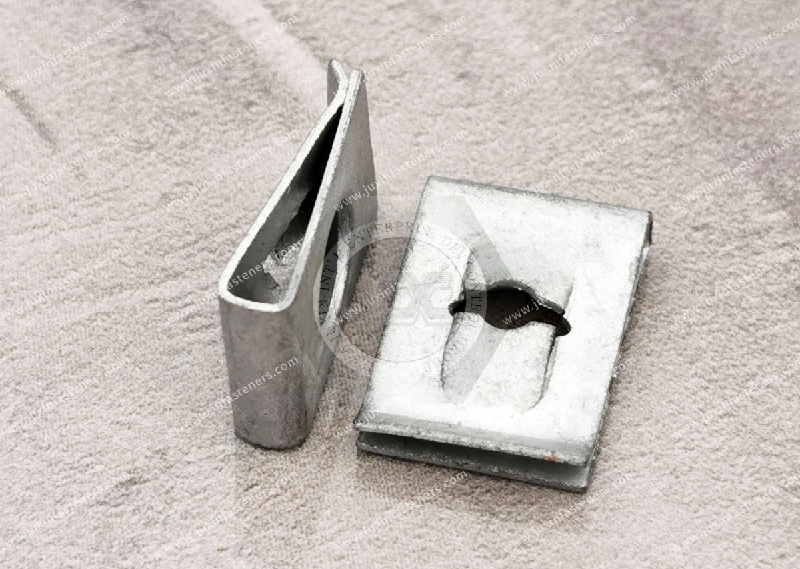
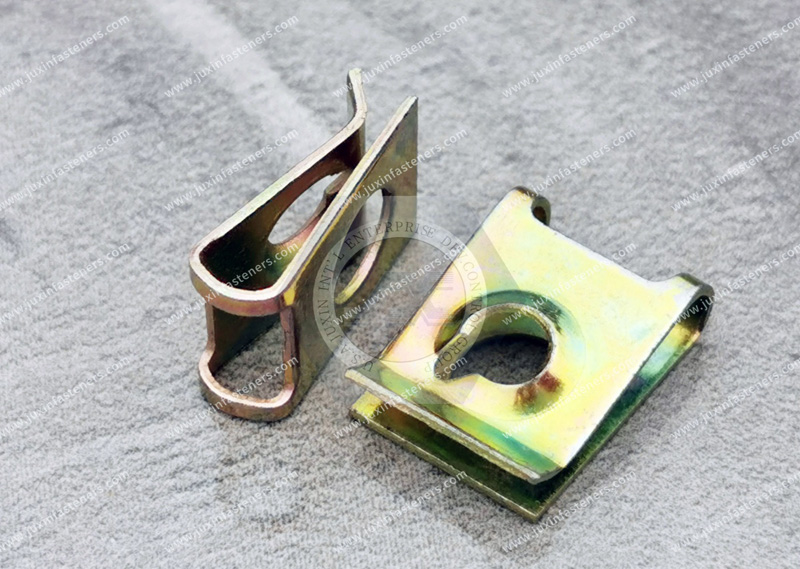
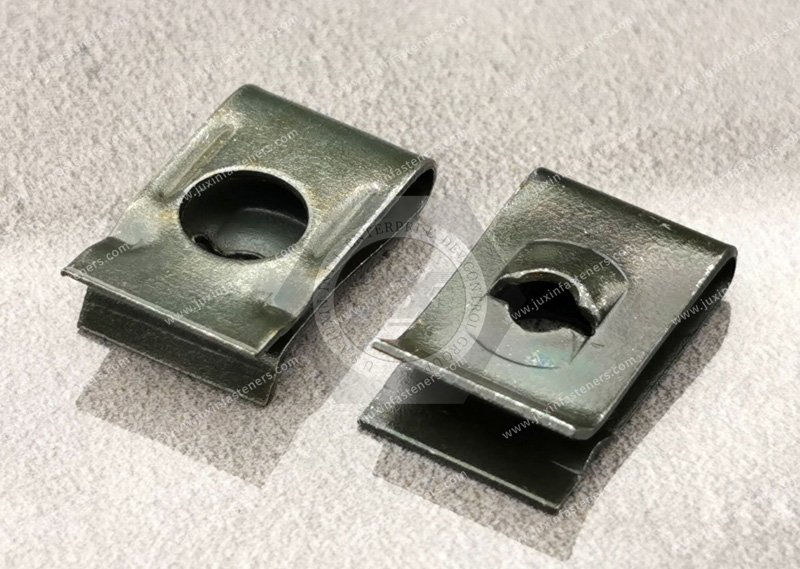
Stainless steel strong-grip clip-on nuts provide a practical method for creating threaded fastening points on sheet metal panels, brackets, equipment housings and other thin-wall structures.
Their clip-on design allows the nut to be positioned over a panel edge or prepared mounting feature, reducing the need for backside access during assembly.
Product Specification
For industrial equipment manufacturers, medical equipment designers, laboratory instrument producers and electronics enclosure suppliers,
stainless steel clip-on nuts may be considered when the application requires a compact threaded connection combined with material selection suitable for the expected environmental conditions.
However, selecting a stainless steel clip-on nut requires more than choosing a corrosion-resistant material.
Engineers and procurement teams must also evaluate panel thickness, clip geometry, thread engagement, installation direction, retention behavior, surface condition, assembly loads and the actual chemical environment.
JUXIN FASTENERS supports B2B customers evaluating custom and application-specific fastening components.
The final material grade, dimensions, finish and performance requirements should be confirmed against the customer's drawings, specifications and application conditions.
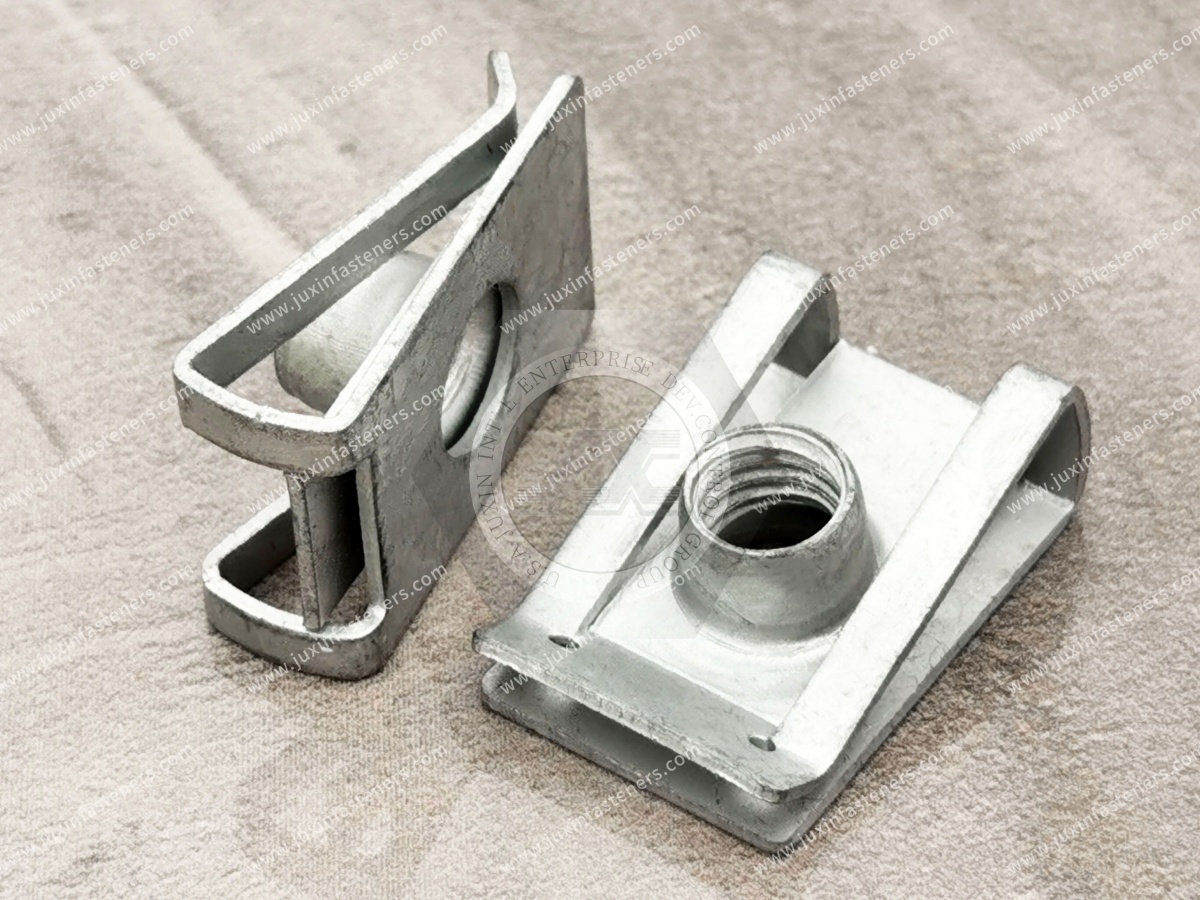
Stainless steel strong-grip clip-on nuts are threaded nuts integrated with a spring-style metal clip.
The clip holds the nut in position on a panel, flange or mounting edge, allowing a screw or bolt to be installed without requiring a separate nut to be held behind the panel.
Depending on the design, these fasteners may be described in the market as:
Stainless steel clip-on nuts
Stainless steel spring nuts
Stainless steel U-nuts
Stainless steel J-nuts
Edge-mounted nuts
Speed nuts
Sheet-metal clip nuts
The exact commercial name can vary between manufacturers and industries. Product geometry is more important than the name alone.
A U-shaped clip-on nut, J-nut, barrel-style clip nut and low-profile spring nut may have different installation directions, panel interfaces and screw compatibility.
For an accurate selection, the engineering team should review the actual product drawing and mounting configuration rather than relying only on a general product label.
Stainless steel may be considered when the fastening environment involves moisture, humidity, cleaning exposure or a requirement for corrosion-aware material selection.
Compared with a standard carbon steel clip-on nut, a suitable stainless steel grade may provide different corrosion-resistance characteristics.
The actual result depends on the stainless steel grade, manufacturing process, surface condition, contaminants, chemical exposure, temperature and service environment.
Stainless steel selection does not automatically make a fastening assembly suitable for every sterilization process, medical application or corrosive environment.
The material and finished component must be evaluated against the specific application requirements.
Clip-on nuts can create a threaded attachment point on thin sheet-metal structures without requiring a conventional nut to be installed behind the panel.
Potential advantages include:
Reduced need for backside tool access
Simplified installation in confined assemblies
Support for removable panels and service covers
Flexible positioning during assembly
Reduced need for welded or permanently attached nuts
Compatibility with selected screw and panel configurations
The clip provides positioning and retention of the nut before and during screw installation.
It should not automatically be treated as proof that the completed joint can withstand a specific tensile, shear, vibration or fatigue load.
Stainless steel grades such as 301, 304 and 316 are commonly encountered in industrial component selection.
Their suitability depends on the grade, product form, processing history and application environment.
The selection process should consider:
Exposure to moisture and condensation
Contact with cleaning agents
Chloride or saline exposure
Surface contamination
Temperature and humidity
Contact with dissimilar metals
Required service life
Applicable customer material specifications
Grade 316 is not automatically appropriate for every application, and grade 304 is not automatically unsuitable for every humid environment.
The correct selection depends on the actual exposure conditions and the customer's engineering requirements.
JUXIN FASTENERS should confirm the available stainless steel grade and manufacturing specification for each RFQ rather than presenting all grades as standard, unrestricted offerings.
The following comparison is a general engineering reference. It is not a declaration that every listed grade is available for every JUXIN FASTENERS clip-on nut design.
Austenitic stainless steel 301 is commonly used in applications where work hardening and spring-related properties are relevant.
Its suitability for a clip-on nut depends on the required forming condition, final geometry, clip deflection and corrosion environment.
Important considerations include:
Required spring behavior
Forming and work-hardening condition
Clip deflection range
Panel retention requirements
Corrosion exposure
Product thickness and geometry
The required material condition should be specified in the technical drawing or agreed during engineering review.
Stainless steel 304 is widely used in industrial equipment, enclosures and general corrosion-aware applications.
It may be considered for applications involving:
Equipment housings
Laboratory equipment structures
Indoor industrial assemblies
General moisture exposure
Stainless steel component compatibility
The use of 304 does not remove the need to assess chemical exposure, surface contamination, crevice conditions or contact with other metals.
Stainless steel 316 contains molybdenum and is often selected for environments where improved resistance to certain forms of localized corrosion is required.
It may be evaluated for applications involving:
More demanding moisture exposure
Selected chemical environments
Equipment exposed to saline conditions
Industrial assemblies requiring a specific stainless steel grade
The actual corrosion performance of a finished clip-on nut depends on more than the nominal material grade.
Forming, surface condition, contamination, installation geometry and the surrounding assembly may all influence performance.
Procurement teams should not assume that a product described as “stainless steel” has a particular grade or mechanical condition.
A commercial RFQ should identify, where applicable:
Required stainless steel grade
Material specification
Product thickness
Surface finish or passivation requirement
Dimensional tolerances
Corrosion exposure
Documentation requirements
Material availability should be confirmed by JUXIN FASTENERS during technical quotation and sample evaluation.
The term “strong-grip” is a product description, not a universal performance rating.
The actual holding behavior depends on the clip design, spring characteristics, panel geometry and installation conditions.
Before selecting a stainless steel clip-on nut, engineers should review the relationship between the fastener and the mounting panel.
Panel thickness is one of the most important selection criteria.
An unsuitable clip-on nut may:
Fail to seat correctly
Move excessively during assembly
Interfere with the screw axis
Damage a thin panel
Create an inconsistent mounting position
Experience excessive clip deformation
The supplier should receive the actual panel thickness range rather than only a general description such as “thin sheet metal.”
Where the application includes several panel thicknesses, each configuration should be evaluated separately.
The panel edge must be compatible with the clip opening and internal geometry. Engineers should consider:
Straight or formed panel edges
Flange width
Edge accessibility
Nearby bends
Clearance around the screw hole
Panel curvature
Surface coatings
Edge burrs and sharp features
A clip-on nut that fits a flat flange may not be suitable for a narrow return flange, curved panel or restricted mounting area.
This distinction is important during engineering validation.
Clip retention refers to how the nut remains positioned on the panel during handling, screw insertion and assembly.
Joint strength refers to the load-bearing behavior of the complete fastening system after the screw is installed. It depends on factors such as:
Screw and nut thread engagement
Screw grade and geometry
Panel material
Panel thickness
Bearing area
Clamp load
Applied tensile and shear loads
Vibration and cyclic loading
Installation process
A clip-on nut that remains securely positioned during assembly is not automatically qualified for a particular structural load or vibration application.
The screw must be compatible with the internal thread and the intended installation process.
The RFQ should clarify:
Nominal thread size
Metric or inch thread system
Thread pitch
Required thread engagement
Screw type
Screw length
Installation direction
Expected assembly torque
Whether repeated assembly and removal is required
A clip-on nut designed for a particular tapping screw or thread-forming screw should not automatically be substituted with a machine screw.
The thread form, engagement mechanism and mating components must be compatible.
Likewise, a product designed for a specific screw size should not be treated as universally compatible with all screws of a similar nominal diameter.
Stainless steel clip-on nuts may be suitable for selected environments where corrosion resistance is an important design consideration. Nevertheless, corrosion performance must be evaluated at the assembly level.
Equipment operating in humid environments may experience condensation on metal surfaces. Potential design considerations include:
Water accumulation around panel joints
Crevices between the clip and panel
Surface contamination
Drainage and ventilation
Contact between dissimilar metals
Cleaning and maintenance procedures
Stainless steel does not eliminate all corrosion mechanisms. Local environmental conditions and the complete assembly remain relevant.
Medical equipment, laboratory systems and industrial equipment may be exposed to cleaning agents or disinfectants.
The chemical compatibility of a stainless steel clip-on nut should be evaluated against the actual product used by the customer.
The evaluation may include:
Chemical composition of the cleaning agent
Concentration
Exposure duration
Temperature
Frequency of cleaning
Rinsing and drying procedure
Surface condition after forming
Contact with other materials
A stainless steel clip-on nut should not be marketed as suitable for sterilization, biocompatibility or medical-device compliance unless the relevant product-specific requirements have been verified.
For medical equipment and laboratory instruments, stainless steel clip-on nuts may be considered for selected non-patient-contact assemblies, covers, brackets, housings and internal equipment structures.
The final suitability depends on the equipment classification, location of the fastener, cleaning protocol, material requirements and customer validation process.
The use of a stainless steel fastener alone does not establish:
Biocompatibility
Sterilization compatibility
Cleanroom suitability
Medical-device regulatory compliance
Particle-control performance
Chemical resistance under a specific disinfection process
Design engineers should define the applicable requirements before requesting material or surface-treatment documentation.
Stainless steel corrosion resistance is influenced by surface condition and manufacturing history. Forming, handling, contamination and contact with other materials may affect the final surface.
Depending on the application, the customer may request a specific surface treatment or cleaning process.
Possible discussion points include:
Natural stainless steel surface
Passivation requirements
Removal of manufacturing contaminants
Surface cleanliness
Appearance requirements
Compatibility with the customer's cleaning process
Packaging and handling requirements
Passivation should not be presented as a universal guarantee against corrosion. The required process and acceptance criteria should be defined according to the applicable specification and application.
For medical, laboratory or high-cleanliness applications, the customer should clearly identify whether special cleaning, packaging or material documentation is required. These requirements must be confirmed before quotation.
Selecting a clip-on nut should be based on the structure, assembly process and performance requirements rather than material alone.
Weld nuts are permanently attached to the panel through a welding process. They may be appropriate where a fixed threaded attachment point is required.
Clip-on nuts may offer advantages where:
Welding is undesirable
Heat-affected areas must be avoided
A removable component is preferred
Assembly access is limited
A replacement or serviceable fastening element is needed
The final selection depends on production volume, panel material, joint loads, service requirements and assembly process.
Self-clinching nuts are installed into suitable prepared sheet-metal features through a controlled installation process.
They become mechanically retained in the panel.
Clip-on nuts may be considered where a removable or repositionable nut is preferred.
Self-clinching nuts may be more appropriate when the design requires a permanently retained threaded insert and the panel material and thickness meet the relevant installation requirements.
A self-clinching nut is not equivalent to a clip-on nut, and the two products should not be substituted without reviewing the panel design and assembly process.
For further information, review the JUXIN FASTENERS guide to self-clinching nuts and fastening solutions for telecommunications equipment.
Blind rivet nuts are installed from one side of a panel and form a retained threaded connection through deformation of the fastener body.
They may be useful when:
Only one side of the panel is accessible
A fixed threaded insert is required
The panel cannot accommodate a clip-on design
The application requires a different installation method
Blind rivet nuts and clip-on nuts use different installation principles. The appropriate solution depends on panel access, hole geometry, installation tooling and joint requirements.
See the JUXIN FASTENERS resource on blind rivet nut engineering principles and industrial applications.
Stainless steel strong-grip clip-on nuts may be evaluated for a range of industrial applications when the product geometry and material specification meet the design requirements.
Potential application areas include selected equipment covers, internal brackets, service panels and enclosure assemblies.
The engineering review should address:
Cleaning and disinfection exposure
Material and surface requirements
Panel thickness
Access for installation
Maintenance frequency
Equipment-specific validation
The fastener should not be described as medically compliant without confirmation of the applicable requirements.
Laboratory instruments and automation equipment may include compact sheet-metal covers, mounting brackets and serviceable assemblies.
Clip-on nuts may support:
Removable access panels
Compact fastening locations
Internal equipment brackets
Assembly areas with limited backside access
Repeated service access
The supplier should confirm the required thread size, clip geometry and material grade for each application.
Stainless steel clip-on nuts may be considered for selected enclosure and bracket applications where the design requires an edge-mounted threaded fastening point.
Engineers should evaluate:
Enclosure material
Coating or paint thickness
Grounding requirements
Electrical isolation requirements
Environmental exposure
Required mechanical retention
A stainless steel clip-on nut should not automatically be considered a grounding component or an electromagnetic shielding solution. Electrical functions must be separately specified and validated.
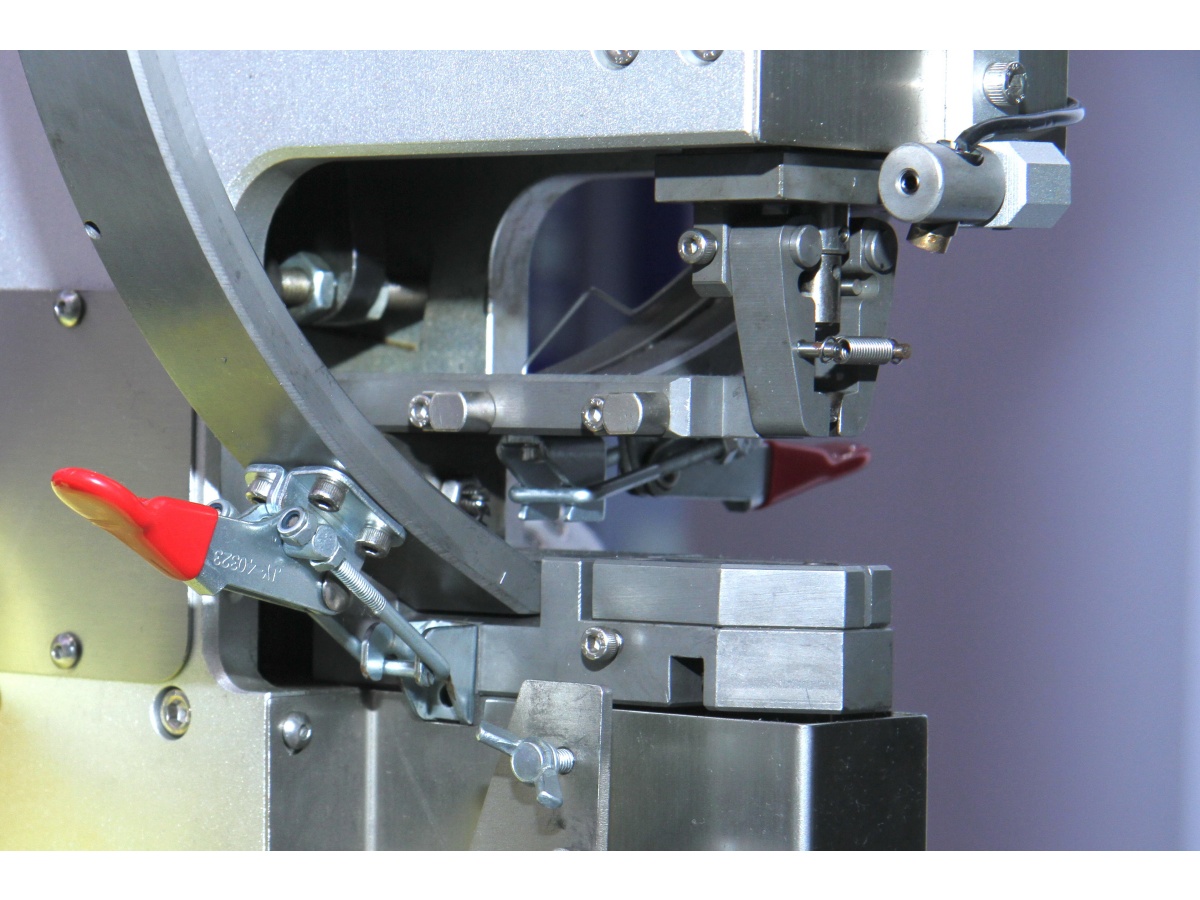
Machinery covers and equipment housings often require removable fastening points for inspection and maintenance.
Clip-on nuts may be evaluated where the assembly requires:
Simple panel installation
Limited access behind the mounting surface
Serviceable screw connections
Compact fastening geometry
Material selection suitable for the environment
For machinery exposed to strong vibration or cyclic loading, the complete joint should be evaluated. The clip-on feature alone should not be used as evidence of vibration qualification.
Before approving a stainless steel strong-grip clip-on nut, the engineering team should verify the complete installation configuration.
The review may include:
Panel thickness range
Panel material
Panel edge geometry
Mounting hole dimensions
Clip opening
Nut position
Thread size and pitch
Screw type and length
Required clearance
Installation direction
Assembly and removal requirements
The drawing should clearly identify the critical dimensions that affect fit and function.
The customer should specify:
Indoor or outdoor use
Humidity and condensation exposure
Cleaning agents
Disinfectants
Saline or chloride exposure
Temperature range
Contact with other metals
Surface treatment requirements
Expected service conditions
General statements such as “corrosion resistant” are not sufficient to establish suitability for a specific chemical or environmental exposure.
Where the fastening connection carries a meaningful load, the customer should define:
Applied load direction
Static or cyclic loading
Required clamp load
Screw installation method
Torque requirements, if applicable
Vibration exposure
Panel deformation limits
Required validation method
Performance values should be established through product-specific testing or reliable technical documentation. They should not be inferred from the product name or material grade.
Procurement teams sourcing stainless steel clip-on nuts for OEM production should evaluate both technical suitability and supply consistency.
A supplier quotation should clearly identify, where applicable:
Product type and geometry
Material grade
Thread specification
Panel thickness range
Surface treatment
Dimensional tolerances
Packaging requirements
Sample requirements
Inspection requirements
Applicable customer standards
If the customer has a controlled drawing, the drawing should take priority over a general catalogue description.
A supplier should not claim medical, automotive or industrial certification without identifying the actual certification, scope and applicable production site or product.
Depending on the project, the customer may request documentation relating to:
Material composition
Dimensional inspection
Surface treatment
RoHS or REACH requirements
Customer-specific quality requirements
Batch identification
Packaging and labelling
The documentation available for each product should be confirmed during the RFQ process. Not every document is applicable to every clip-on nut or every order.
For a new OEM application, sample evaluation can help confirm:
Panel fit
Clip seating
Thread compatibility
Screw installation
Nut positioning
Surface appearance
Assembly handling
Compatibility with the customer's production process
Production approval should be based on the customer's drawing, agreed specifications and validation procedure.
A complete RFQ helps the supplier assess the correct product design and reduces unnecessary quotation revisions.
Please provide the following information whenever available:
2D engineering drawing or 3D model
Product photographs or reference sample
Required nut type
Thread size and pitch
Panel thickness
Panel material
Mounting geometry
Critical dimensions and tolerances
Required stainless steel grade
Surface finish
Passivation or cleaning requirements
Environmental exposure
Chemical or disinfectant information
RoHS or REACH requirements, where applicable
Prototype or production quantity
Estimated annual demand
Required sample quantity
Packaging requirements
Inspection requirements
Target delivery schedule
Destination market
Any customer-specific specifications
The more complete the technical information, the easier it is to evaluate product compatibility and prepare a commercially useful quotation.
JUXIN FASTENERS provides B2B fastening components for customers evaluating standard and application-specific industrial fastening requirements.
For stainless steel strong-grip clip-on nuts, the engineering and sourcing discussion should focus on the actual product geometry,
material requirement, panel configuration and intended operating environment.
Our team can review customer-provided information to help clarify:
Product type and clip geometry
Thread and panel compatibility
Material and finish requirements
Application-specific design considerations
Sample and quotation information
Production and packaging requirements
Specific materials, dimensions, finishes, inspection documents and production conditions should be confirmed for each project before purchase approval.
If you are sourcing stainless steel strong-grip clip-on nuts for medical equipment housings, laboratory systems, industrial enclosures,
machinery covers or other OEM applications, send your technical requirements to:
Email: info@juxinfasteners.com
Website: https://www.juxinfasteners.com
For a more accurate quotation, please include your 2D drawing, 3D model, thread specification, panel thickness, material requirements,
surface treatment requirements, estimated quantity and application environment.
JUXIN FASTENERS can then review the available information and clarify the product specification required for your fastening project.
Product Packaging
Packaging Standard
At Juxin Fasteners, we apply standardized export packaging to ensure product protection, traceability, and compliance with international logistics requirements.
1. Standard Export Packaging
Unless otherwise specified, all products will be packed according to our factory standard export packaging, which includes:
Moisture-resistant inner protection
Poly bag or small box packing as required
Reinforced export cartons
Clear labeling with part number, specification, batch number, and quantity
Palletizing for sea or air shipment when necessary
Our standard packaging is designed to ensure safe transportation, efficient warehousing, and long-distance international shipping.
2. Customized Packaging Options
We also provide customized packaging solutions according to customer requirements, including but not limited to:
Private labeling
Customized barcodes
Specific carton dimensions
Retail packaging
Special pallet configuration
Customer-specific marking and identification
So that you know, customized packaging may involve additional costs and extended lead time depending on the complexity of the requirements.
3. Compliance & Quality Assurance
All packaging processes are controlled under our ISO 9001 quality management system to ensure consistency, traceability, and product integrity throughout the supply chain.
Product Pictures
Contact Us
Tel.:
+86 020 8621 0320
+86 020 3121 6067
E-mail:
Technical Support:
Navigation
SEND INQUIREY