Call Us
+86 136 6007 9809
Call Us
+86 136 6007 9809

How do engineers prevent galvanic corrosion when joining dissimilar metals with industrial fasteners in multi-material vehicle, equipment, electrical, and structural assemblies?
Fastener galvanic corrosion occurs when dissimilar electrically conductive materials are connected in the presence of an electrolyte, creating an electrochemical cell.
Product Specification
How do engineers prevent galvanic corrosion when joining dissimilar metals with industrial fasteners in multi-material vehicle, equipment, electrical, and structural assemblies?
Fastener galvanic corrosion occurs when dissimilar electrically conductive materials are connected in the presence of an electrolyte, creating an electrochemical cell.
The material that behaves as the anode tends to undergo accelerated oxidation, while the cathodic surface supports the corresponding reduction reaction.
The practical engineering problem is more complicated than simply asking whether two metals are “compatible.”
A reliable galvanic corrosion assessment should consider:
the specific material and alloy combination;
the electrochemical environment;
whether moisture or another electrolyte can reach the joint;
the cathode-to-anode surface area ratio;
coating systems on both components;
coating damage at the fastener interface;
joint geometry and crevices;
drainage and moisture retention;
temperature and contamination;
electrical continuity;
expected service environment;
mechanical load and joint criticality;
assembly process;
inspection and maintenance requirements.
This is particularly important in modern multi-material structures where steel, stainless steel, aluminum, coated sheet metal, and polymer components are combined in the same assembly.
Typical examples include:
aluminum automotive body structures joined with steel fasteners;
EV battery enclosures using aluminum and steel components;
electrical equipment using coated steel structures and aluminum components;
rail and transportation equipment;
industrial machinery;
outdoor equipment;
marine and coastal applications;
HVAC and energy equipment;
structural assemblies exposed to moisture, condensation, road salt, or industrial contaminants.
The fundamental corrosion mechanism can be simplified as:
Dissimilar conductive materials + electrical contact + electrolyte → galvanic cell → preferential anodic corrosion
The engineering objective is therefore not simply to “use stainless steel” or “use a more corrosion-resistant coating.”
The objective is to control the electrochemical couple while preserving the mechanical and manufacturing requirements of the joint.
A practical galvanic corrosion control strategy normally combines one or more of the following:
Select compatible material combinations.
Control the electrical connection between dissimilar materials where the joint design permits isolation.
Select a coating system appropriate to both the fastener and substrate.
Reduce electrolyte access and moisture retention.
Avoid geometries that concentrate water at the joint.
Control coating damage during installation.
Validate the complete assembly rather than evaluating the fastener alone.
Define corrosion requirements clearly in the OEM drawing and RFQ.
Maintain coating, material, and process consistency during mass production.
For coated steel fasteners, electroplated systems such as zinc and zinc-alloy coatings are covered by ISO 4042:2022, which also addresses measures intended to minimize hydrogen embrittlement risk.
Non-electrolytically applied zinc-flake coating systems are covered by ISO 10683:2018.
Salt spray testing can be useful for evaluating coating performance, but salt spray exposure time should not be treated as a direct prediction of field service life.
ISO 9227:2022 specifically states that salt spray testing is not intended to rank materials as a direct measure of long-term corrosion resistance or predict long-term service performance.
A common engineering mistake is to treat galvanic corrosion as a simple “metal A versus metal B” problem.
In real assemblies, corrosion behavior depends on the entire electrochemical system.
A galvanic cell requires three basic elements:
an anodic region;
a cathodic region;
an electrically conductive electrolyte path.
If one of these elements is effectively removed or controlled, galvanic corrosion can be significantly reduced.
The anode is the location where oxidation occurs.
The cathode supports the corresponding reduction reaction.
The more important question for a design engineer is therefore not:
“Which material is more corrosion resistant?”
It is:
“Which material will become anodic under the actual environmental and assembly conditions, and how much anodic material is available relative to the cathodic surface?”
This distinction matters because corrosion behavior can change with:
alloy composition;
surface condition;
oxygen availability;
electrolyte chemistry;
temperature;
contamination;
coating condition;
exposure geometry.
Galvanic series data should therefore be treated as an engineering screening tool rather than a universal pass/fail table.
Some simplified corrosion guides attempt to define a universal potential difference, such as a fixed voltage threshold above which two materials are automatically considered unsafe.
That approach is misleading.
There is no universal voltage value that can independently determine whether a particular fastener/substrate combination will fail in every environment.
The actual risk depends on the complete galvanic cell and the service conditions.
A better engineering approach is to evaluate:
material pairing;
electrolyte conductivity;
area ratio;
exposure duration;
coating condition;
joint geometry;
electrical continuity;
corrosion allowance;
structural consequence of corrosion.
This provides much more useful information for design engineers than a single potential-difference number.
The relative surface area of the cathode and anode can strongly influence localized corrosion severity.
This is one of the most important Information Gain points when evaluating aluminum steel fastener corrosion.
Consider a simplified example.
A relatively small anodic region connected electrically to a much larger cathodic surface can experience a higher local corrosion demand than a large anodic surface connected to a small cathode.
Therefore, the statement:
“Steel and aluminum should not be joined”
is too simplistic.
The actual engineering question is:
How are the materials connected, what areas are exposed, and where is the electrolyte likely to accumulate?
This configuration can create a particularly unfavorable condition because the anodic region is concentrated while the cathodic reaction is supported over a comparatively large surface.
For fastener assemblies, this can become relevant when a small exposed metallic fastener region is electrically coupled to a large aluminum panel.
The situation may be less concentrated, but this does not mean the assembly is automatically safe.
Other mechanisms can still dominate, including:
crevice corrosion;
coating failure;
pitting;
moisture retention;
under-deposit corrosion;
corrosion product accumulation;
mechanical degradation of the joint.
Area ratio should therefore be considered together with material compatibility and environmental exposure.
Aluminum is widely used in lightweight transportation structures because of its favorable strength-to-weight characteristics and manufacturability.
Steel remains attractive for fasteners because of its:
mechanical strength;
thread performance;
availability;
dimensional consistency;
manufacturing flexibility;
cost efficiency.
This creates a practical engineering challenge.
A steel fastener may be mechanically appropriate while still creating an unfavorable galvanic couple with an aluminum substrate.
This is why corrosion-resistant fastener selection cannot be separated from the parent material.
The engineering team should evaluate the fastener, substrate, coating, joint geometry, and environment as one system.
Coating selection is frequently reduced to a statement such as:
“Use a corrosion-resistant coating.”
That is insufficient for an OEM application.
A fastener coating can influence:
galvanic behavior;
barrier protection;
sacrificial protection;
coating damage tolerance;
thread fit;
friction behavior;
installation torque;
electrical conductivity;
welding compatibility;
hydrogen embrittlement risk;
environmental compliance;
appearance;
downstream assembly.
A coating therefore has to be selected according to the complete application.
Zinc-based coatings can provide sacrificial protection to steel because zinc is more anodic than steel under many relevant environments.
When the coating remains intact, it can act as a barrier.
When the coating is locally damaged, the electrochemical behavior of the coating can still provide sacrificial protection to exposed steel under appropriate conditions.
However, this should not be interpreted as:
“Any zinc coating automatically solves galvanic corrosion.”
The substrate, coating system, coating thickness, conversion layer, sealant, topcoat, installation damage, and environmental exposure all influence the actual result.
Zinc-nickel coatings can provide high-performance corrosion protection for steel fasteners and are often considered for demanding automotive, transportation, energy, and industrial applications.
However, zinc-nickel should not be described as a universal “electrochemical bridge” that automatically eliminates galvanic corrosion between steel and aluminum.
The actual benefit depends on:
alloy composition of the coating system;
coating structure;
conversion coating;
topcoat or sealant;
electrical continuity;
coating damage;
aluminum alloy;
joint geometry;
environment.
The correct engineering approach is therefore application-specific coating selection and validation.
JUXIN FASTENERS can evaluate application requirements for zinc plating, trivalent chromium zinc plating, zinc-nickel systems, zinc-aluminum systems,
Dacromet-type treatments, stainless passivation, and other application-specific surface treatments.
Electrical isolation can be an effective method of interrupting the galvanic circuit.
Possible isolation strategies include:
polymer washers;
insulating sleeves;
dielectric coatings;
non-conductive interface materials;
controlled joint sealants;
isolated mounting interfaces.
But isolation must be evaluated against the mechanical function of the joint.
A dielectric barrier may influence:
electrical grounding;
EMI shielding;
contact resistance;
clamping behavior;
dimensional stack-up;
thermal transfer;
assembly automation;
sealing;
long-term compression behavior.
Therefore, “add a plastic washer” is not a universal engineering solution.
Electrical equipment introduces a particularly important trade-off.
A structure may need corrosion isolation while simultaneously requiring:
electrical grounding;
bonding;
shielding;
controlled electrical resistance.
In these applications, a completely insulating fastener interface may conflict with the electrical design.
The corrosion engineer and electrical engineer should therefore evaluate the joint together.
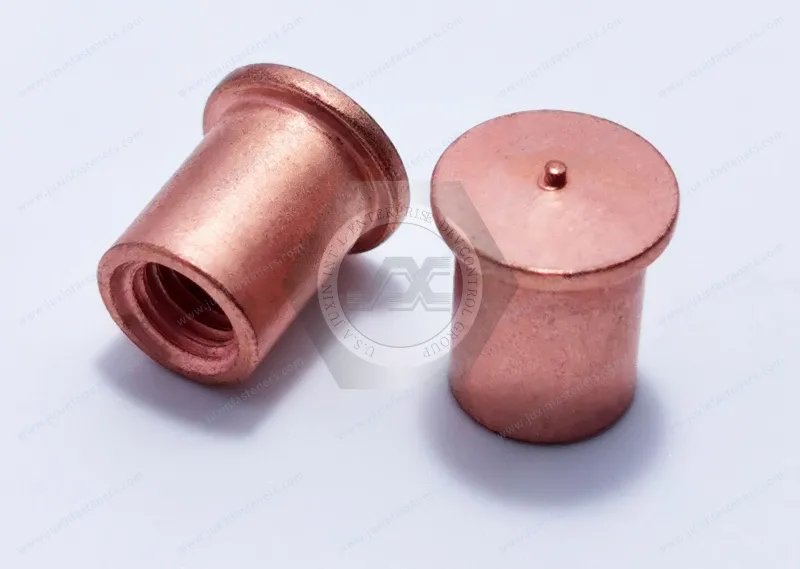
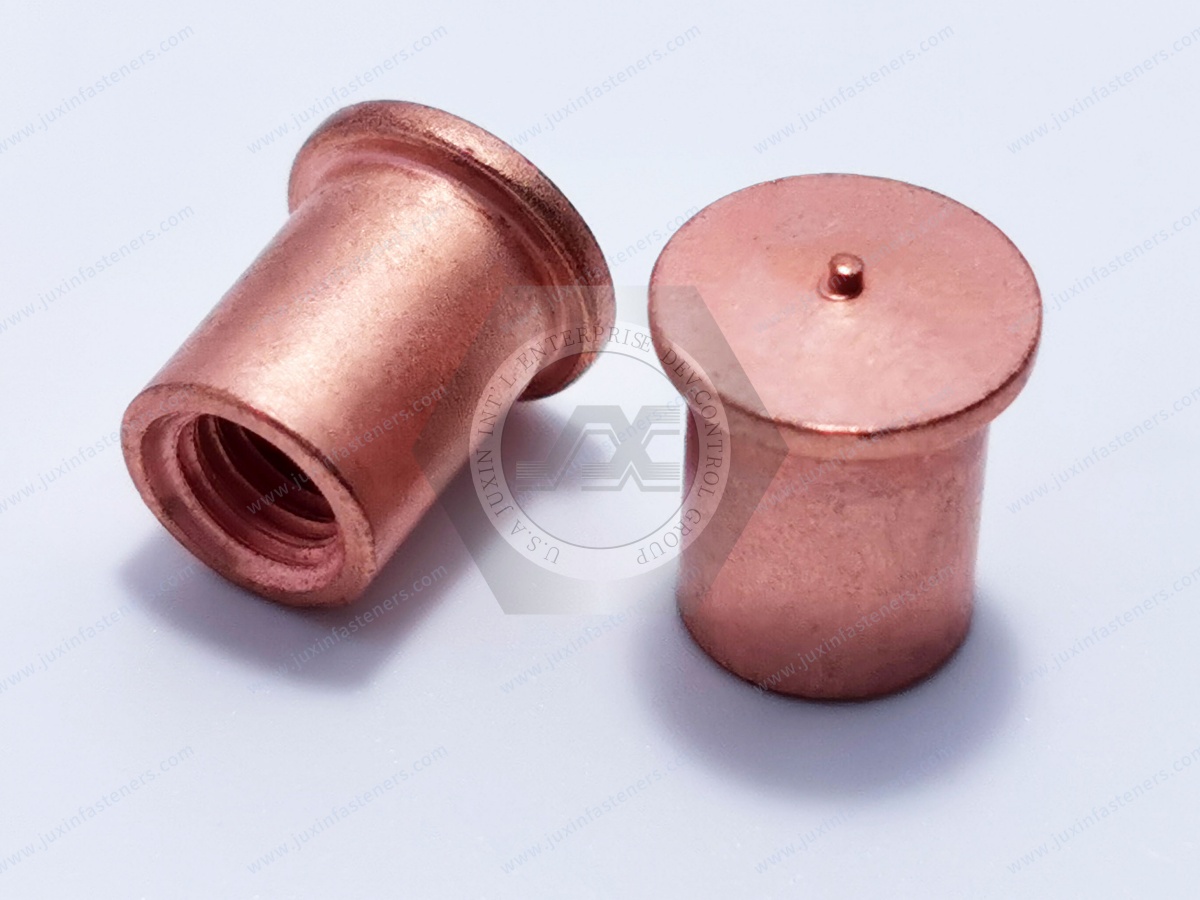
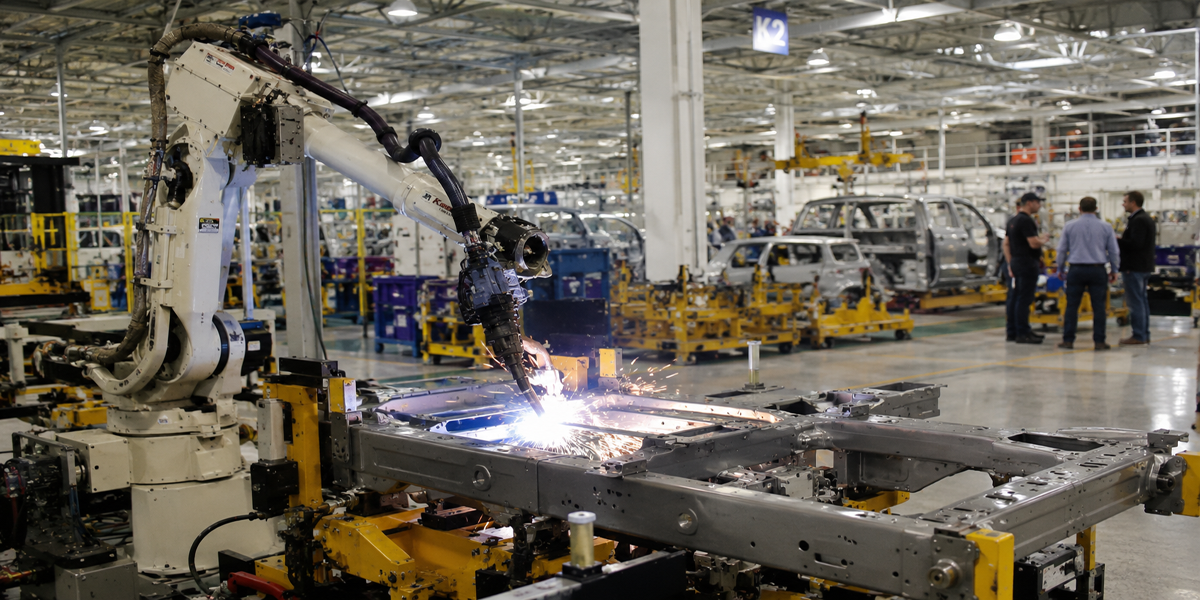
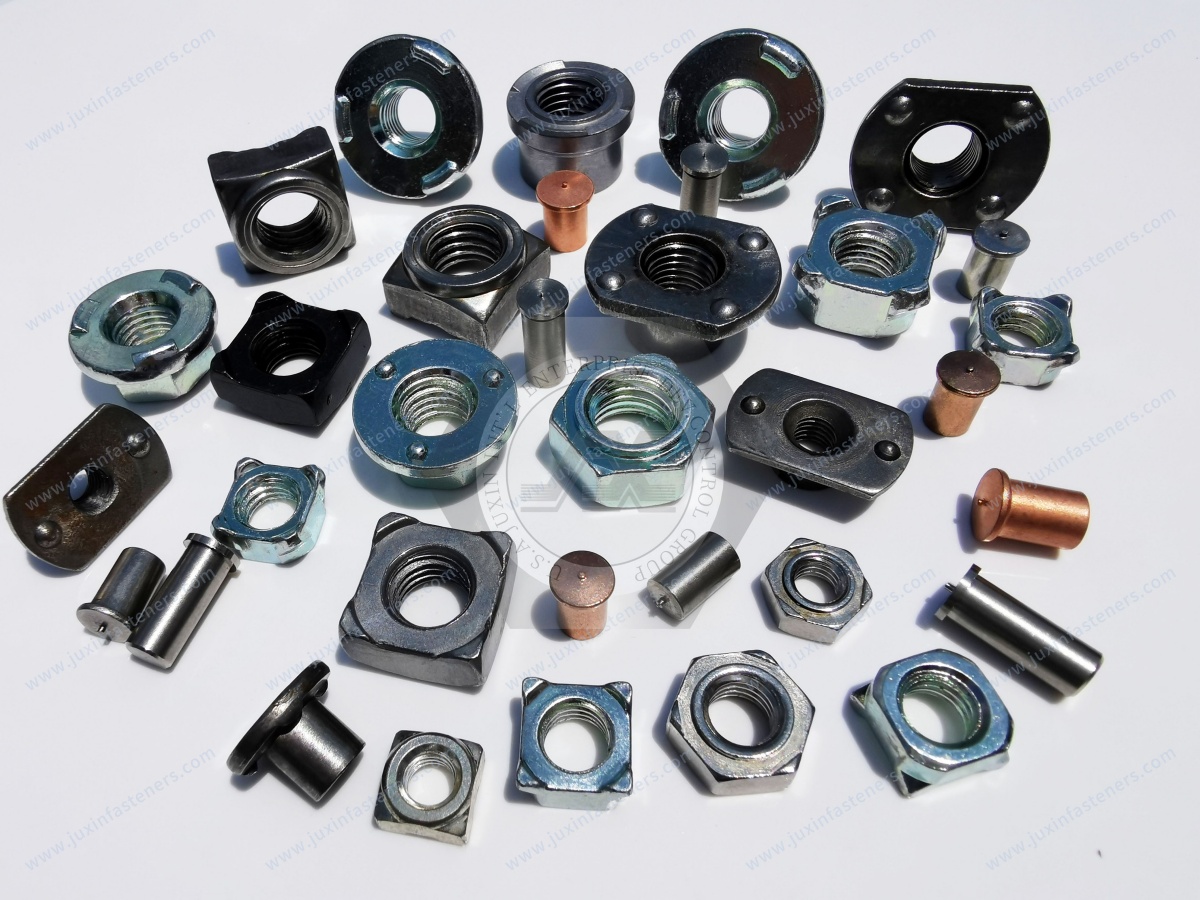
Weld nuts, weld studs, weld screws, and other weld fasteners create a special challenge.
A projection-welded fastener is mechanically and electrically integrated with the parent sheet.
This means the engineering team cannot simply insert a dielectric barrier between the weld fastener and the sheet after welding without potentially changing the welding function.
The correct question is:
How should the weld fastener, parent material, coating, welding process, and post-weld protection be designed together?
A projection weld should not automatically be described as a hermetic seal.
Actual moisture ingress depends on:
weld geometry;
weld quality;
surface condition;
sheet interface;
surrounding coating;
joint design;
environmental exposure;
subsequent manufacturing operations.
If corrosion protection depends on sealing the interface, that requirement should be validated as part of the complete assembly.
This is an application-specific question.
Coatings can influence:
welding current;
contact resistance;
weld consistency;
electrode condition;
fumes and process emissions;
weld quality;
post-weld corrosion behavior.
International fastener coating standards also distinguish coating requirements from properties such as weldability. ISO 4042:2022 explicitly does not specify weldability requirements,
which means welding compatibility must be separately evaluated for the specific application.
For production programs, the engineering team should therefore establish:
parent material;
weld fastener material;
coating condition before welding;
welding process;
welding parameters;
post-weld corrosion protection;
inspection requirements;
environmental validation.
Electroplating uses an electrochemical deposition process to apply a metallic coating to the fastener.
Common systems include:
zinc;
zinc-nickel;
zinc-iron;
other application-specific metallic coatings.
ISO 4042:2022 provides requirements for electroplated coating systems on fasteners and includes recommendations intended to minimize hydrogen embrittlement risk.
Electroplated fasteners can provide useful corrosion protection and controlled functional surfaces, but the coating specification should address more than nominal coating thickness.
The engineering specification may need to address:
coating system;
conversion coating;
sealant;
topcoat;
lubricant;
dimensional requirements;
thread fit;
corrosion test method;
hydrogen embrittlement controls;
friction requirements;
environmental restrictions.
Zinc-flake coatings should not be confused with mechanical zinc plating.
ISO 10683:2018 covers non-electrolytically applied zinc-flake coating systems for steel fasteners.
It specifically distinguishes these systems from mechanically applied zinc coatings and notes their use for high-strength fasteners where avoidance of internal hydrogen embrittlement risk is important.
Zinc-flake systems can include:
base coating;
topcoat;
lubricant;
different corrosion-protection configurations.
The appropriate coating must still be selected according to:
fastener strength;
geometry;
assembly friction requirements;
environmental exposure;
electrical requirements;
welding requirements;
customer specifications.
A zinc-flake coating is not automatically appropriate simply because the application involves high strength.
Galvanic corrosion is not the only corrosion mechanism engineers need to consider.
A multi-material fastener joint can also create crevices where:
water enters;
oxygen concentration changes;
salts accumulate;
corrosion products remain trapped;
coating damage becomes concentrated.
This is especially important around:
washers;
flanges;
overlapping sheets;
threaded interfaces;
recesses;
enclosed brackets;
partially sealed joints.
A corrosion-resistant fastener installed into a moisture-trapping geometry may still experience severe corrosion.
Conversely, an appropriately coated steel fastener in a well-drained and well-protected assembly may provide reliable performance.
This is why corrosion engineering should evaluate:
material + coating + geometry + environment + assembly process
rather than material alone.
Salt spray testing is widely used for evaluating metallic coatings and corrosion protection systems.
ISO 9227:2022 specifies procedures for neutral salt spray, acetic acid salt spray, and copper-accelerated acetic acid salt spray testing.
It also makes an important distinction: salt spray testing is not intended to rank materials directly for long-term corrosion resistance or predict actual service life.
This distinction is extremely important for procurement.
A statement such as:
“Coating A passed more salt spray hours than Coating B, therefore it will last twice as long in the field”
is not technically justified.
Salt spray testing can help evaluate:
coating discontinuities;
coating defects;
comparative production consistency;
appearance changes;
white corrosion products;
red rust development;
coating system performance under the defined test conditions.
It cannot independently prove:
actual field service life;
resistance to every climate;
fatigue life;
joint structural integrity;
galvanic compatibility in every assembly;
long-term resistance to real road contaminants;
performance under combined mechanical and environmental loading.
For OEM programs, the test method and acceptance criteria should therefore be clearly defined in the engineering specification.
A useful corrosion validation program starts with the environment.
For example:
Consider:
road salt;
water splash;
condensation;
temperature cycling;
coating damage;
assembly handling;
aluminum/steel contact;
underbody exposure.
Consider:
aluminum enclosure material;
steel fasteners;
sealing interfaces;
condensation;
electrical isolation;
service access;
thermal cycling;
potential electrolyte exposure depending on system architecture.
Consider:
chloride-rich environments;
continuous moisture;
salt deposits;
dissimilar metals;
crevice exposure;
drainage.
Consider:
humidity;
chemical contaminants;
cleaning agents;
outdoor exposure;
process fluids.
The correct corrosion test strategy should therefore be connected to the expected field environment rather than selected solely because a certain test is commonly requested.
Trivalent chromium conversion coatings are widely used as part of modern zinc-plated fastener systems.
However, “trivalent chromium” describes the chromium chemistry of the conversion treatment;
it should not be treated as an automatic statement that the entire finished fastener is compliant with every environmental regulation.
A complete compliance evaluation may involve:
base material;
coating chemistry;
conversion layer;
sealant;
lubricant;
restricted substances;
customer-specific requirements;
applicable regulatory scope.
For procurement teams, this distinction is important because the purchasing specification should identify the required compliance framework rather than relying only on the coating name.
Stainless steel can provide excellent corrosion resistance, but “stainless” does not mean “galvanically neutral.”
Different stainless grades and surface conditions can behave differently in a galvanic couple.
Potential issues include:
aluminum corrosion around the stainless fastener;
localized corrosion at damaged coatings;
crevice corrosion;
chloride exposure;
electrical continuity;
surface passivation condition.
Therefore, replacing a coated steel fastener with stainless steel should be treated as a system-level material change, not merely a corrosion upgrade.
The design team should reassess:
galvanic compatibility;
mechanical properties;
thread behavior;
torque/friction;
material cost;
availability;
coating/passivation;
assembly process.
Automotive lightweighting increases the use of mixed-material assemblies.
Common combinations may include:
aluminum;
carbon steel;
high-strength steel;
stainless steel;
coated sheet metal;
engineered polymers.
Fastening systems may include:
self-clinching fasteners;
weld nuts;
weld studs;
weld screws;
blind rivet nuts;
threaded inserts;
custom screws and bolts.
The corrosion solution must be selected according to the actual assembly architecture.
EV battery structures can combine aluminum housings, steel reinforcement components, coated brackets, threaded fasteners, and sealing systems.
Critical design questions include:
Can moisture reach the fastener/substrate interface?
Is the fastener electrically connected to the enclosure?
Is electrical isolation required or prohibited?
Does the coating survive installation?
Is the fastener welded before or after coating?
What happens if the coating is damaged?
How will the joint be inspected?
What corrosion evidence does the customer require?
This is more useful than simply specifying “corrosion-resistant fastener.”
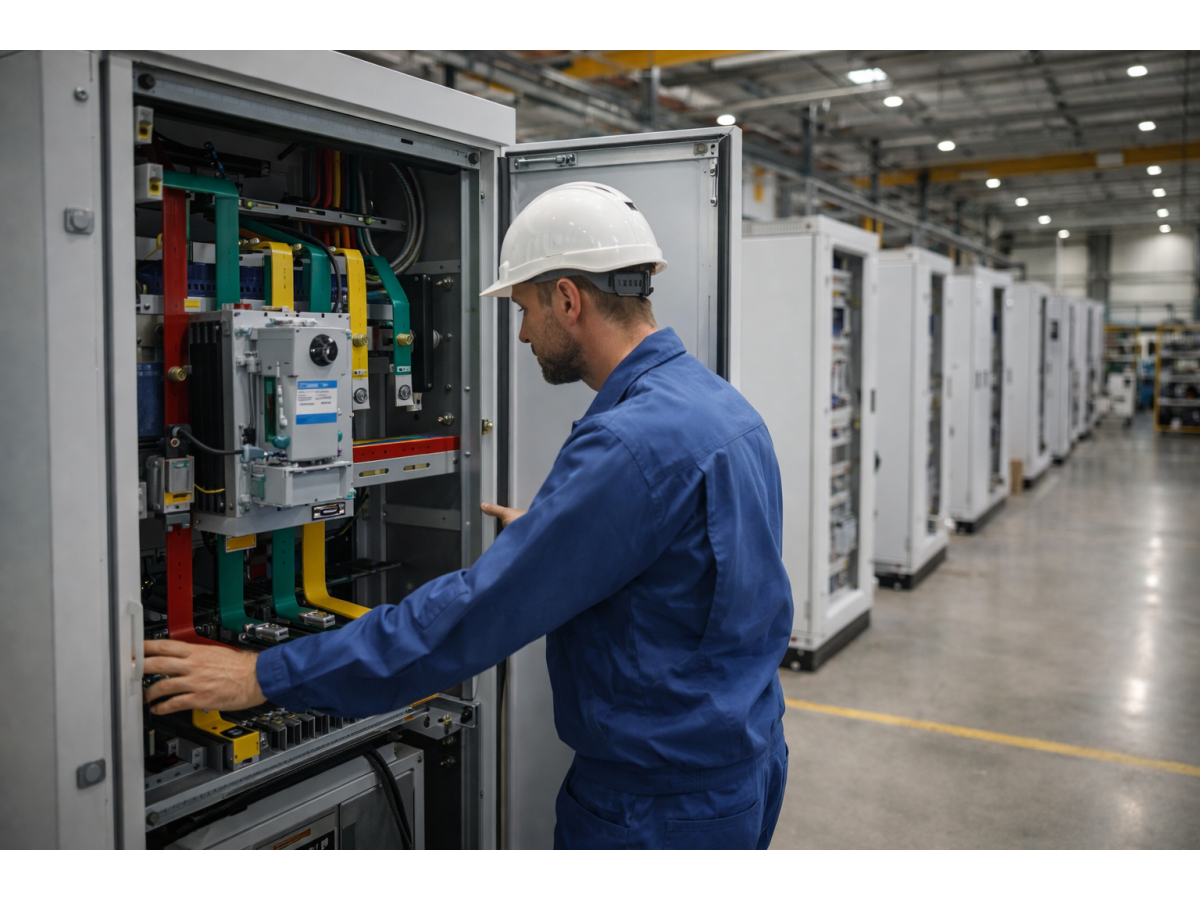
Electrical cabinets, power electronics, switchgear, battery systems, and energy equipment frequently combine:
aluminum heat sinks;
steel frames;
plated brackets;
stainless components;
conductive grounding elements.
Here, corrosion control can conflict with electrical conductivity.
For example, a dielectric coating may reduce galvanic coupling while simultaneously increasing electrical contact resistance.
The engineering solution therefore needs to balance:
corrosion protection + mechanical fastening + electrical function
rather than optimizing only one variable.
Marine environments are particularly demanding because chloride-containing moisture can support electrochemical corrosion.
Potential risks include:
aluminum/steel galvanic couples;
stainless/aluminum interfaces;
coating damage;
trapped saltwater;
crevice corrosion;
continuous wetting.
In these applications, material selection, coating system, isolation strategy, drainage, and maintenance requirements should be considered together.
A coating selected for an indoor industrial enclosure should not automatically be transferred to a marine application.
Lightweight structures frequently combine dissimilar materials.
Potential applications include:
transportation equipment;
rail systems;
industrial enclosures;
electronics housings;
HVAC equipment;
outdoor machinery;
infrastructure components.
For these applications, engineers should consider not only visible red rust but also:
thread degradation;
loss of clamp load;
seizure;
loss of electrical contact;
coating delamination;
substrate attack;
dimensional changes;
maintenance difficulty.
The same fastener corrosion problem produces very different questions depending on who is searching.
Materials engineers typically want to know:
What is the material combination?
Which component is likely to become anodic?
What is the electrolyte?
Is electrical isolation possible?
What coating system is appropriate?
How does the coating behave after damage?
Is the test method relevant?
Does the coating create hydrogen embrittlement considerations?
Does the assembly need environmental validation?
Design engineers typically focus on:
joint strength;
fastener geometry;
parent material;
hole design;
installation method;
coating thickness;
interference;
access;
corrosion environment;
serviceability.
Procurement teams typically want:
stable supply;
repeatable coating;
controlled specifications;
competitive total cost;
traceability;
inspection documentation;
material documentation;
coating documentation;
change control;
production capacity;
PPAP or customer-specific documentation where required;
reliable lead time.
Supplier development teams need to determine whether the supplier can control:
incoming material;
forming or machining;
heat treatment where applicable;
welding;
coating;
dimensional inspection;
corrosion testing;
batch traceability;
corrective action;
process changes.
This is why an OEM fastener supplier must be evaluated as a manufacturing system, not only as a price quotation.
When comparing fastener solutions, procurement should consider more than unit price.
| Engineering / Procurement Factor | Key Question |
|---|---|
| Parent material | What metal is the fastener joining? |
| Fastener material | Is the fastener mechanically and electrochemically suitable? |
| Coating | Does the coating address the expected environment? |
| Galvanic interaction | Is electrical coupling acceptable? |
| Isolation | Can the joint be electrically isolated? |
| Geometry | Does the design trap moisture? |
| Welding | Does the coating/process support the welding operation? |
| Thread function | Will coating affect thread fit or assembly behavior? |
| Corrosion validation | Is the selected test method relevant? |
| Documentation | What material and coating records are required? |
| Supply chain | Can the supplier maintain process consistency? |
| Change control | How will coating or material changes be controlled? |
| TCO | What is the cost of corrosion-related failure versus preventive engineering? |
This matrix can be used during supplier development and RFQ evaluation.
A vague RFQ such as:
“Steel weld nut, corrosion resistant”
does not provide enough information for a controlled OEM quotation.
A stronger RFQ should identify, where applicable:
part drawing;
fastener type;
parent material;
fastener material;
thread specification;
surface treatment;
corrosion requirement;
applicable test standard;
environmental exposure;
welding process;
assembly method;
dimensional requirements;
mechanical requirements;
annual volume;
forecast;
packaging;
traceability;
inspection requirements;
compliance requirements;
customer-specific standards.
Instead of asking:
“Can you provide a corrosion-resistant weld nut?”
Ask:
“Please review the attached drawing and recommend a fastener material and surface-treatment system suitable for the specified aluminum substrate and environmental exposure.
Confirm coating compatibility with the welding process, dimensional requirements, corrosion validation method, and available inspection documentation.”
This produces a much more useful engineering response from the supplier.
For a corrosion-sensitive project, procurement should evaluate the supplier's process control.
Key questions include:
Can the supplier provide controlled material identification and documentation?
Can the supplier maintain:
thread dimensions;
flange dimensions;
projection geometry;
overall length;
critical functional dimensions?
Can the supplier control:
coating specification;
surface preparation;
conversion coating;
topcoat;
coating thickness;
appearance;
batch consistency?
Can the supplier provide test evidence according to the agreed specification?
Can the supplier notify the customer before changing:
raw material;
coating supplier;
coating chemistry;
process route;
manufacturing location;
critical tooling?
These questions are often more important to long-term supply stability than the initial quoted unit price.
A fastener cannot be evaluated independently from the material it contacts.
Stainless steel can itself create galvanic problems with less noble metals.
Salt spray is a controlled laboratory test, not a direct service-life prediction. ISO 9227 explicitly limits the interpretation of salt spray testing in this way.
Galvanic behavior depends on the actual system and environment.
Zinc-nickel can provide strong corrosion protection, but the complete assembly still needs to be evaluated.
Installation tools, threads, welding, forming, and handling can damage protective surfaces.
Welding does not automatically guarantee a hermetic moisture barrier.
Dielectric isolation may conflict with grounding or electrical bonding requirements.
A coating suitable for a bolted assembly may require a different evaluation for a welded fastener.
“Zinc plated” or “Zn-Ni” alone may not adequately define the complete coating system.
For multi-material industrial assemblies, JUXIN FASTENERS can support applications involving:
Weld Fasteners
Weld Nuts
Weld Studs
Weld Screws
Self-Clinching Fasteners
Blind Rivet Nuts
Threaded Inserts for Plastic
Custom Screws and Bolts
CNC-Machined Fasteners
Stainless Steel Fasteners
High-Strength Fasteners
For engineers evaluating corrosion-sensitive joints, related solution areas include:
Weld Fasteners Solutions for permanent fastening to sheet-metal structures.
Fastener Surface Finishes & Coatings for evaluating zinc, zinc-nickel, zinc-aluminum, trivalent chromium zinc, stainless passivation, Dacromet-type and application-specific coating systems.
Aluminum Weld Fasteners Engineering for multi-material aluminum and steel assemblies.
Stainless Steel Weld Fasteners Engineering for applications where stainless materials are being considered.
Automotive and EV Fastening Solutions for lightweight multi-material vehicle structures and battery-related assemblies.
JUXIN FASTENERS recommends approaching corrosion-sensitive fastener projects through a structured engineering workflow.
Define:
aluminum alloy or steel;
coated or uncoated sheet;
stainless steel;
polymer or composite;
mixed-material assembly.
Determine whether the component is:
weld nut;
weld stud;
weld screw;
self-clinching fastener;
blind rivet nut;
threaded insert;
conventional screw or bolt;
custom-machined component.
Consider:
indoor;
outdoor;
coastal;
automotive;
underbody;
industrial;
high humidity;
chemical exposure;
condensation;
road salt.
Review:
material combination;
electrical continuity;
exposed area;
electrolyte access;
joint geometry.
Possible options may include:
zinc plating;
trivalent chromium zinc plating;
zinc-nickel;
zinc-aluminum;
zinc-flake systems;
stainless passivation;
application-specific surface treatment.
Evaluate the complete joint rather than only the fastener.
Establish requirements for:
material certificates;
dimensional inspection;
coating records;
corrosion test reports;
batch traceability;
compliance documentation;
change control.
Move from:
Drawing → Engineering Review → Coating Selection → Prototype/Samples → Validation → Customer Approval → Production → Inspection → Controlled Shipment
This workflow reduces the risk of discovering galvanic corrosion problems after production tooling and mass-production commitments have already been made.
JUXIN FASTENERS works with OEM and industrial customers on custom fastener requirements involving:
material selection;
fastener geometry;
weld fasteners;
self-clinching fasteners;
rivet nuts;
threaded inserts;
custom-machined fasteners;
surface-treatment selection;
prototype development;
production inspection;
application-specific engineering review.
For corrosion-sensitive applications, the most useful information for an initial engineering review includes:
2D or 3D drawing;
parent material;
fastener material if already specified;
coating requirement;
environmental exposure;
assembly process;
welding process if applicable;
annual volume;
target market;
customer-specific specifications;
required documentation.
The more complete the application information, the more accurately the fastener, material, coating, and manufacturing route can be evaluated.
Galvanic corrosion can occur when aluminum and steel are electrically connected while exposed to an electrolyte.
The electrochemical conditions can drive preferential corrosion of the more anodic material.
The actual severity depends on the alloy combination, environment, exposed areas, coating condition, joint geometry, and electrical continuity.
They can be, depending on the application.
The engineering team should evaluate the steel grade, coating system, aluminum alloy, environmental exposure, area ratio, joint design, and corrosion-validation requirements.
There is no universal rule that all steel fasteners are unsuitable for aluminum.
Not automatically.
Stainless steel may provide strong corrosion resistance but can also form a galvanic couple with aluminum.
The correct choice depends on the complete joint design and environment.
No coating should be treated as a universal elimination strategy.
Zinc-nickel can provide strong corrosion protection for steel fasteners, but the complete fastener/substrate system still needs to be evaluated.
A dielectric washer can reduce electrical contact between dissimilar conductive materials when the joint design allows effective isolation.
However, the effect on clamping, electrical grounding, sealing, dimensional stack-up, and long-term stability must also be evaluated.
No.
A welded fastener should not automatically be assumed to create a hermetic or waterproof interface.
Moisture behavior depends on weld geometry, weld quality, surrounding coating, joint design, and environmental exposure.
No.
They are different coating technologies.
ISO 10683:2018 covers non-electrolytically applied zinc-flake coating systems and specifically distinguishes them from mechanically applied zinc coatings.
No.
Hydrogen embrittlement is an application-dependent risk, particularly relevant to susceptible high-strength steels and certain processing conditions.
ISO 4042:2022 includes requirements and recommendations intended to minimize hydrogen embrittlement risk in electroplated fasteners.
No.
Salt spray testing can provide useful controlled evidence about coating performance, but it should not be converted directly into an expected field service life.
ISO 9227:2022 specifically states that salt spray testing is not intended to predict long-term corrosion resistance.
For an OEM quotation, provide:
drawing;
material;
thread;
parent substrate;
coating requirement;
environment;
assembly method;
welding requirements;
annual volume;
corrosion test requirement;
applicable standards;
documentation requirements.
This allows the supplier to evaluate the complete application rather than quoting a generic fastener.
A corrosion-resistant fastener should be engineered around the application rather than selected only from a catalog description.
If your project combines aluminum, steel, stainless steel, coated sheet metal, or other dissimilar materials,
JUXIN FASTENERS can review the application and help evaluate the appropriate fastener configuration and surface-treatment route.
For an engineering and sourcing review, send:
2D engineering drawings;
3D models when available;
parent material;
fastener specification;
surface-treatment requirements;
environmental exposure;
welding or installation process;
corrosion-validation requirements;
annual demand;
target delivery requirements.
Email: info@juxinfasteners.com
The engineering review can then follow a practical commercial path:
RFQ → Drawing Review → Material & Coating Evaluation → Sample Development → Customer Validation → Production Approval → Mass Production → Inspection & Controlled Shipment
This approach helps procurement teams reduce the risk of selecting a fastener that is mechanically acceptable but environmentally unsuitable.
Fastener galvanic corrosion is not simply a problem of choosing the “most corrosion-resistant metal.”
It is a system-level engineering problem involving:
material compatibility + electrochemical behavior + coating + electrical continuity + area ratio + joint geometry + environment + manufacturing process
For modern multi-material assemblies, particularly aluminum/steel automotive structures, EV battery systems, electrical equipment, transportation equipment,
and outdoor industrial products, corrosion prevention should begin during product design rather than after corrosion appears in testing or field service.
The most reliable approach is to define the parent material, fastener material, coating system, environmental exposure, electrical requirements, assembly process, and validation method together.
For procurement and supply-chain teams, the final objective is not simply to purchase a “corrosion-resistant fastener.”
The objective is to establish a repeatable, documented, production-controlled fastening solution that remains technically and commercially appropriate throughout the product lifecycle.
JUXIN FASTENERS supports OEM customers with custom weld fasteners, self-clinching fasteners, blind rivet nuts, threaded inserts,
custom screws and bolts, CNC-machined fasteners, stainless steel fasteners, and application-specific surface-treatment solutions.
For your next corrosion-sensitive fastening project, send the drawing and application requirements to info@juxinfasteners.com for an engineering and sourcing review.
Product Packaging
Packaging Standard
At Juxin Fasteners, we apply standardized export packaging to ensure product protection, traceability, and compliance with international logistics requirements.
1. Standard Export Packaging
Unless otherwise specified, all products will be packed according to our factory standard export packaging, which includes:
Moisture-resistant inner protection
Poly bag or small box packing as required
Reinforced export cartons
Clear labeling with part number, specification, batch number, and quantity
Palletizing for sea or air shipment when necessary
Our standard packaging is designed to ensure safe transportation, efficient warehousing, and long-distance international shipping.
2. Customized Packaging Options
We also provide customized packaging solutions according to customer requirements, including but not limited to:
Private labeling
Customized barcodes
Specific carton dimensions
Retail packaging
Special pallet configuration
Customer-specific marking and identification
So that you know, customized packaging may involve additional costs and extended lead time depending on the complexity of the requirements.
3. Compliance & Quality Assurance
All packaging processes are controlled under our ISO 9001 quality management system to ensure consistency, traceability, and product integrity throughout the supply chain.
Product Pictures
Hot Products
Contact Us
Tel.:
+86 020 8621 0320
+86 020 3121 6067
E-mail:
Technical Support:
Navigation
SEND INQUIREY