Call Us
+86 136 6007 9809
Call Us
+86 136 6007 9809

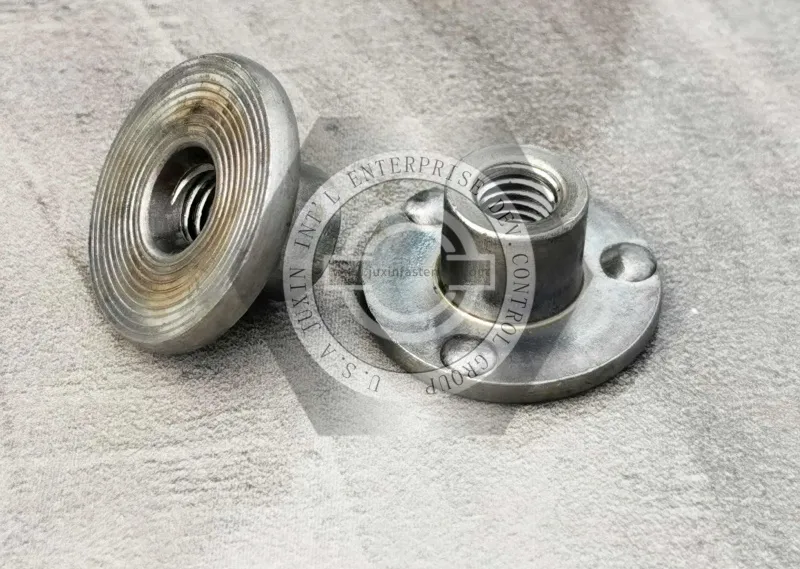
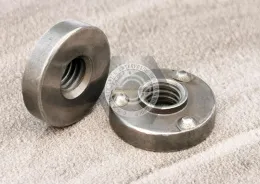
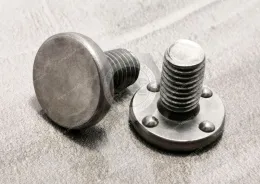
Tab weld nuts are internally threaded weld fasteners that incorporate one
or more extended mounting tabs around the threaded body.
Product Specification
Tab weld nuts are internally threaded weld fasteners that incorporate one or more extended mounting tabs around the threaded body.
The tabs create dedicated welding areas that allow the nut to be attached to sheet metal, brackets, channels, or other fabricated components where the footprint
or access requirements make conventional weld-nut geometries difficult to use.
             INTERNAL THREAD
                   ||
            +-------------+
            |  NUT BODY   |
            +-------------+
          ___|           |___
       [ TAB ]           [ TAB ]
       WELDING           WELDING
       AREA              AREA
    =============================
             SHEET METAL
The primary engineering value of a tab weld nut is therefore geometric access, not simply higher strength.
A tab configuration can help place the threaded connection into:
narrow channels
folded sheet-metal structures
brackets
enclosure corners
restricted flanges
areas where electrode access is limited
JUXIN FASTENERS supplies tab weld nuts for OEM applications and can evaluate custom tab dimensions, offsets, thread configurations, welding features, and material combinations.
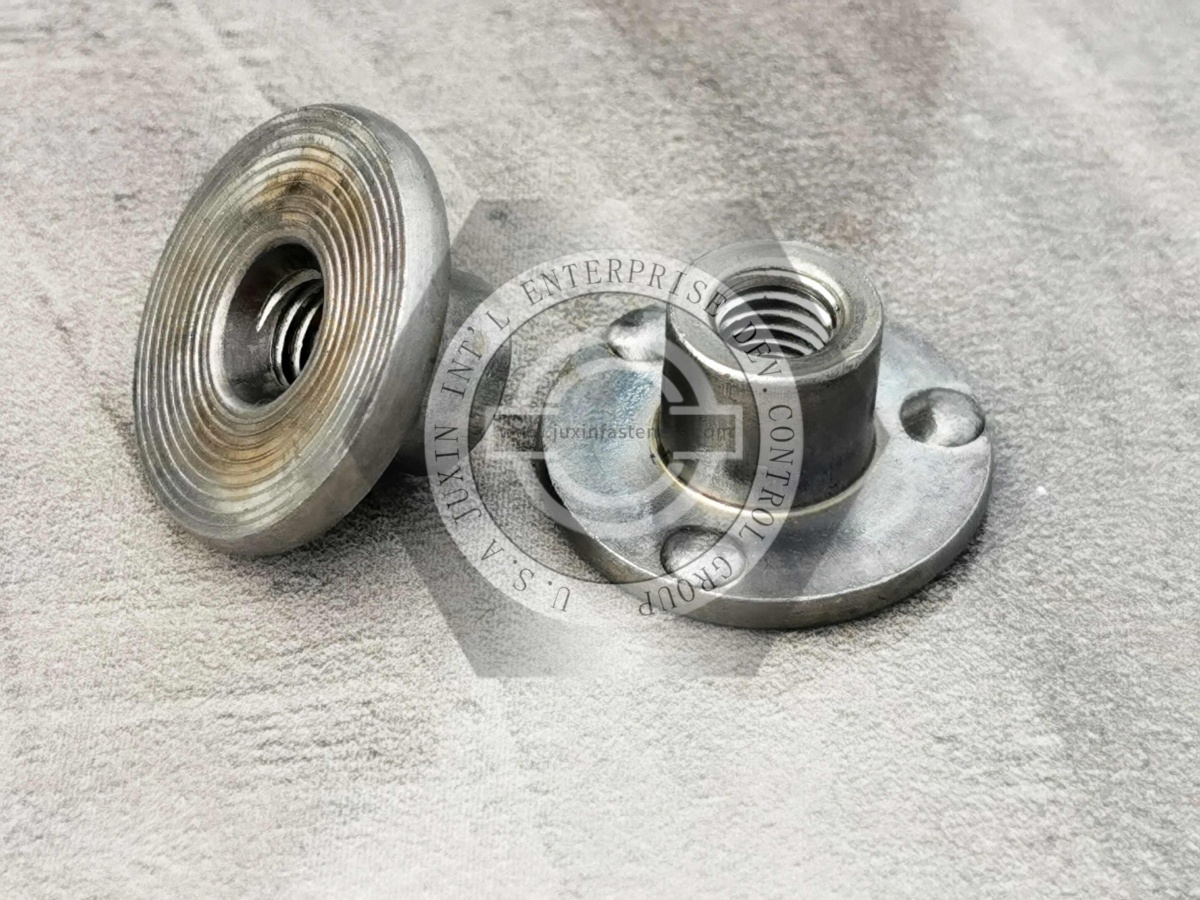
A conventional weld nut normally presents its welding surface directly underneath the nut body.
A tab weld nut changes the geometry by extending the welding area away from the central thread.
This can solve a spatial problem.
STANDARD GEOMETRY

       THREAD
         ||
      +------+
      | NUT  |
      +------+
    ============ SHEET


TAB CONFIGURATION

         THREAD
           ||
        +------+
        | NUT  |
        +------+
      ___|    |___
     TAB      TAB
    ================= SHEET
This geometry can be useful when the nut must be located close to a bend or inside a narrow structural channel.
However, the extended tab also changes the load path. The designer must therefore consider bending and peel effects rather than assuming that a larger tab automatically creates a stronger joint.
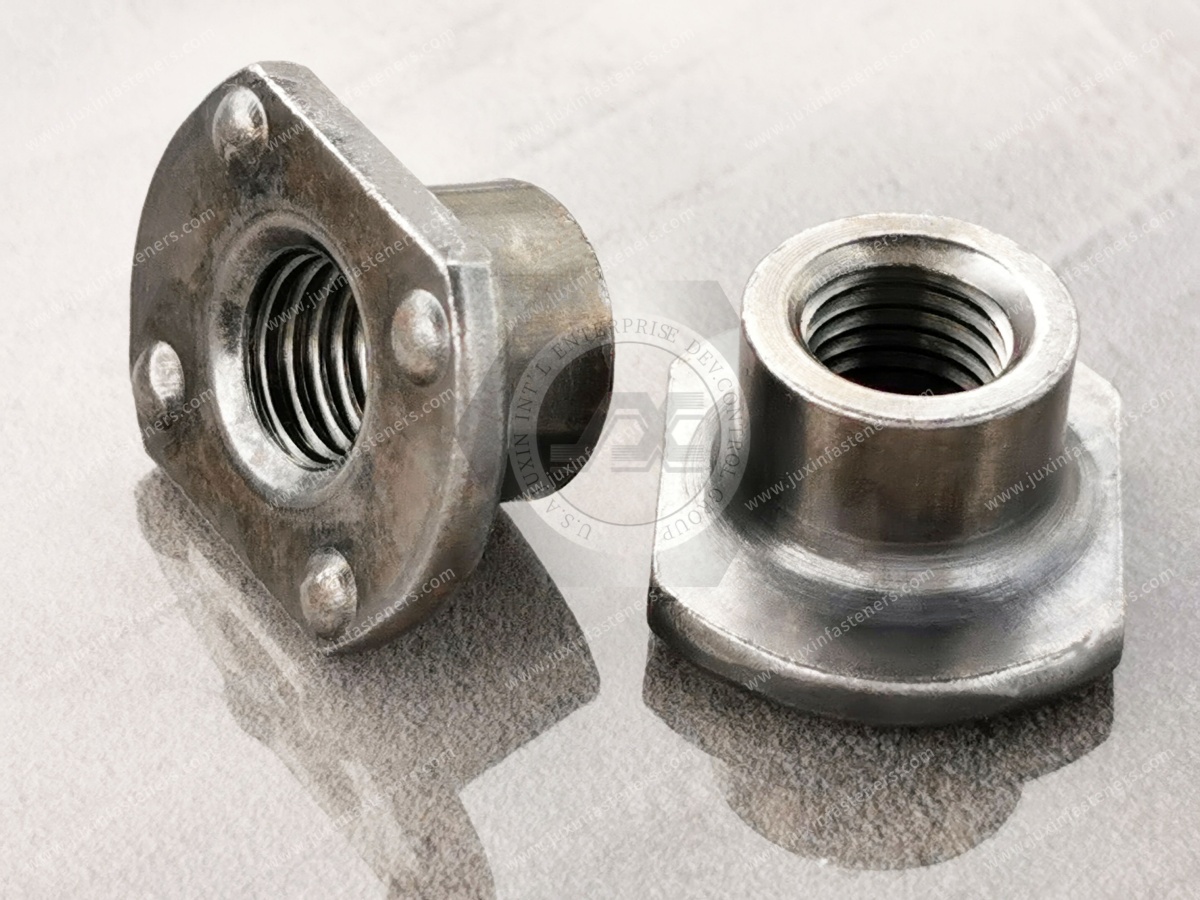
A single-tab design uses one extended welding area.
It may be appropriate where:
one side of the nut must remain compact
the component has a nearby flange
the available welding area is asymmetric
the thread must be offset from the main structural surface
The key design issue is eccentric loading.
When the mating bolt applies a force away from the welded area, the tab can experience a combination of shear and bending. The weld configuration should therefore be evaluated against the actual load direction.
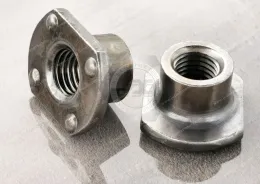
A double-tab design places welding areas on two sides of the threaded body.
Potential benefits include:
more balanced load transfer
improved positional stability
better symmetry for automated handling
greater flexibility in fixture design
The actual joint capacity still depends on substrate thickness, material, weld geometry, welding parameters, and load direction.
| Criterion | Tab Weld Nut | Conventional Projection Weld Nut |
|---|---|---|
| Primary advantage | Spatial flexibility | Compact direct welding footprint |
| Narrow-channel suitability | Often advantageous | Depends on nut footprint |
| Welding method | Resistance welding depending on configuration | Resistance projection welding |
| Load path | May include tab bending effects | More directly centered under nut body |
| Positioning | Fixture or pilot dependent | Configuration dependent |
| Automation | Possible with suitable feeding design | Widely suitable for automated handling |
| Best selection criterion | Geometry and access | Joint loading and available space |
The selection should begin with the assembly envelope and load path rather than with the fastener name.
The tab length and width determine how the welding force and load are transferred into the parent sheet.
Longer tabs can provide additional welding area but can also increase the moment arm between the threaded axis and the welded region.
Therefore, the optimum tab geometry is application-specific.
Before selecting a tab weld nut, verify:
upper electrode access
lower electrode access
clearance around the threaded body
surrounding bends
fixture clearance
weld-gun movement
post-weld component access
A fastener that fits geometrically may still be unsuitable if the welding electrode cannot contact the joint consistently.
The thread axis should be controlled relative to the mounting tabs.
This is particularly important where the mating bolt interfaces with:
brackets
rails
hinges
electrical components
precision-positioned assemblies
Small positional errors can accumulate through the entire assembly stack.
Tab weld nuts are frequently considered for relatively thin sheet-metal structures because their geometry can distribute the welding area away from the central thread.
However, "thin sheet" should not be treated as a universal thickness category.
The correct design depends on:
substrate grade
substrate thickness
fastener material
tab geometry
electrode configuration
welding current
electrode force
weld time
surface condition
A process trial should be performed when the joint is safety-critical or when the substrate is close to the practical welding limit.
Tab weld nuts can be integrated into resistance welding systems when the tab provides an appropriate welding interface.
The production process must control:
part positioning
electrode alignment
contact condition
welding current
electrode force
welding time
hold conditions
spatter and thread protection
Inconsistent tab flatness or projection geometry can produce inconsistent electrical contact and therefore inconsistent weld formation.
This is especially important in high-volume automated production.
Tab weld nuts can provide permanent threaded attachment points on:
ducts
brackets
equipment housings
sheet-metal frames
service panels
They can be useful inside:
control cabinets
telecom equipment
server cabinets
electrical housings
mounting channels
The main advantage is often the ability to place a thread where conventional hardware cannot easily be held.
Potential applications include:
brackets
interior structures
support panels
trim structures
sheet-metal subassemblies
Automotive applications require validation against the specific substrate and welding process rather than relying on a generic strength classification.
When purchasing tab weld nuts, procurement teams should specify the complete part rather than simply requesting "tab weld nuts."
thread size
thread type and tolerance requirement
body dimensions
tab dimensions
tab orientation
pilot requirement
projection configuration
material
surface finish
substrate material
substrate thickness
welding process
annual quantity
packaging requirements
For automated assembly, also discuss:
feeding orientation
bulk packaging
part nesting
tab interlocking
presentation requirements
The packaging requirement can become a production issue when asymmetric parts tend to interlock or become incorrectly oriented during feeding.
Important dimensional and process characteristics can include:
thread gauge condition
tab dimensions
tab flatness
body position
projection dimensions
pilot dimensions
material verification
coating condition
For production validation, weld testing should be performed using the customer's actual substrate and welding process whenever possible.
This is more meaningful than relying on a nominal fastener specification alone.
Some tab configurations can be integrated with resistance welding equipment, but compatibility depends on the actual welding interface, electrode geometry, fastener configuration, and production process.
The welding method should therefore be confirmed from the specific part drawing.
A single-tab design provides one primary welding extension and is useful where space is restricted on one side. A double-tab design provides two welding extensions and can provide a more balanced attachment geometry.
Yes, when the part geometry, feeding orientation, packaging, fixture design, and welding equipment are compatible with automated production.
Yes. JUXIN FASTENERS can review custom tab dimensions, offsets, thread configurations, welding projections, materials, and application requirements from OEM drawings.
For tab weld nut development, send:
2D drawing
3D CAD model
sheet material and thickness
welding method
thread specification
annual quantity
surface-treatment requirement
assembly constraints
Email: info@juxinfasteners.com
JUXIN FASTENERS can evaluate the fastener geometry together with the customer's sheet-metal structure and welding process to support DFM optimization and OEM sourcing.
Product Packaging
Packaging Standard
At Juxin Fasteners, we apply standardized export packaging to ensure product protection, traceability, and compliance with international logistics requirements.
1. Standard Export Packaging
Unless otherwise specified, all products will be packed according to our factory standard export packaging, which includes:
Moisture-resistant inner protection
Poly bag or small box packing as required
Reinforced export cartons
Clear labeling with part number, specification, batch number, and quantity
Palletizing for sea or air shipment when necessary
Our standard packaging is designed to ensure safe transportation, efficient warehousing, and long-distance international shipping.
2. Customized Packaging Options
We also provide customized packaging solutions according to customer requirements, including but not limited to:
Private labeling
Customized barcodes
Specific carton dimensions
Retail packaging
Special pallet configuration
Customer-specific marking and identification
So that you know, customized packaging may involve additional costs and extended lead time depending on the complexity of the requirements.
3. Compliance & Quality Assurance
All packaging processes are controlled under our ISO 9001 quality management system to ensure consistency, traceability, and product integrity throughout the supply chain.
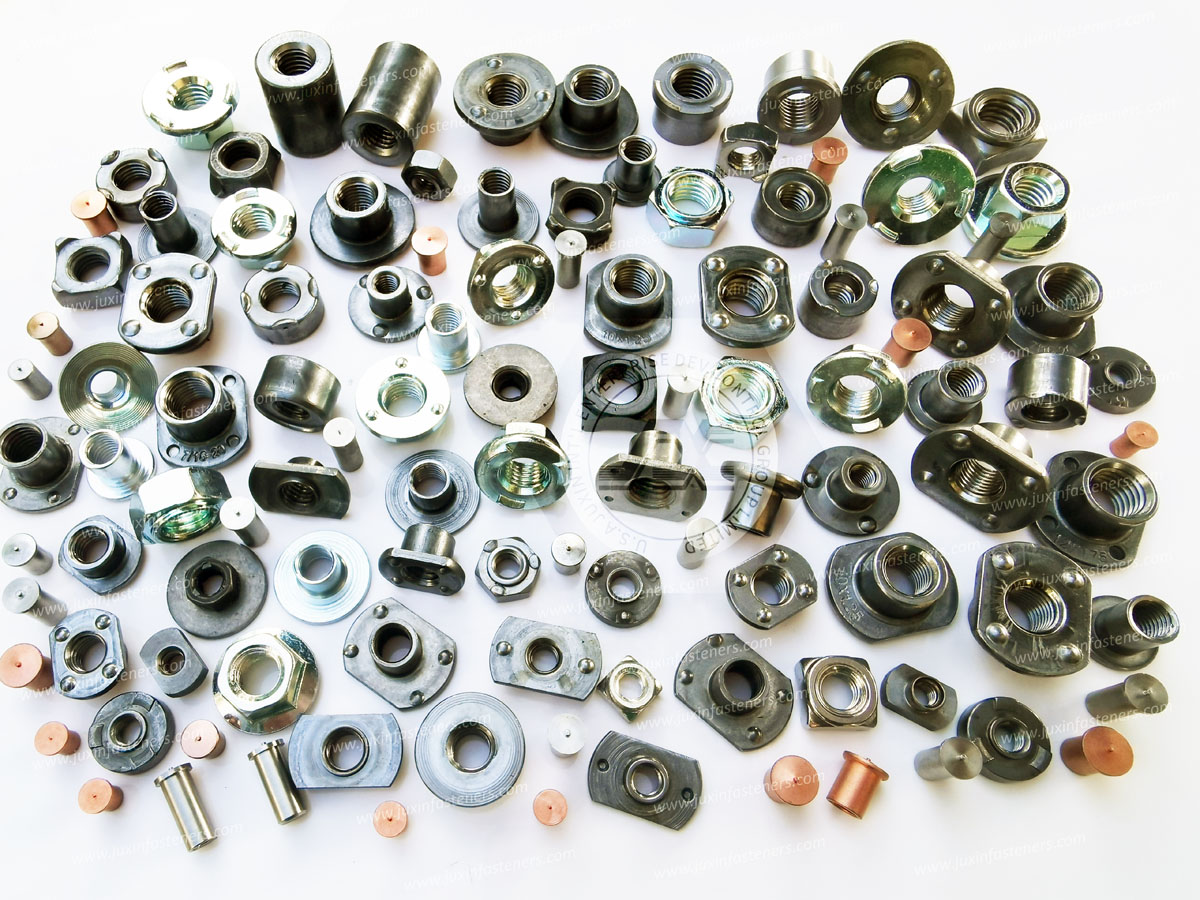
Product Pictures
Contact Us
Tel.:
+86 020 8621 0320
+86 020 3121 6067
E-mail:
Technical Support:
Navigation
SEND INQUIREY