Call Us
+86 136 6007 9809
Call Us
+86 136 6007 9809

What fasteners are used in heavy machinery and agricultural equipment?
Heavy machinery, excavators, tractors, agricultural equipment, construction machinery, material-handling equipment,
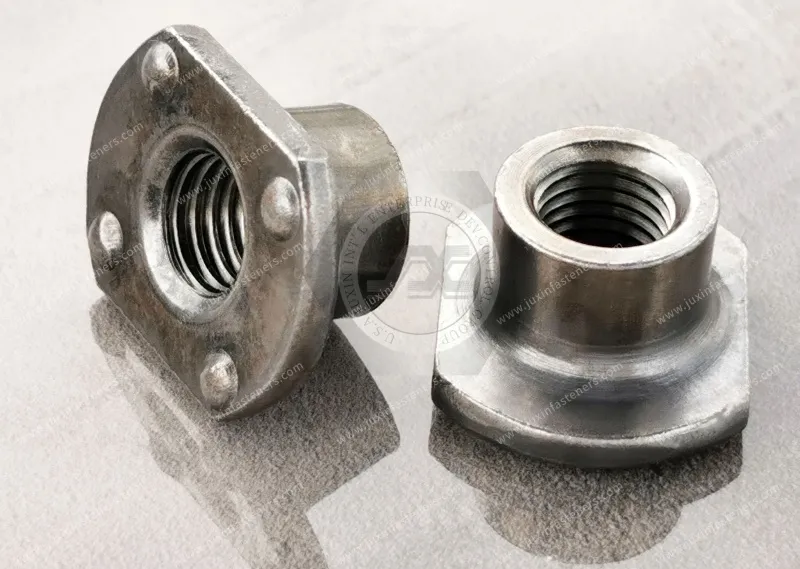
and other off-highway systems can use weld nuts, square weld nuts, flanged weld studs, threaded weld studs,
and other structural weld fasteners to create permanent threaded attachment points on steel plates, formed panels, brackets, frames, and box sections.
Product Specification
What fasteners are used in heavy machinery and agricultural equipment?
Heavy machinery, excavators, tractors, agricultural equipment, construction machinery, material-handling equipment,
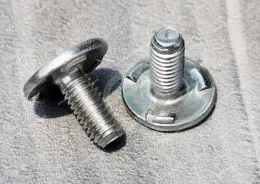
and other off-highway systems can use weld nuts, square weld nuts, flanged weld studs, threaded weld studs,
and other structural weld fasteners to create permanent threaded attachment points on steel plates, formed panels, brackets, frames, and box sections.
These fasteners may be integrated into the manufacturing process using resistance projection welding or another application-specific welding method.
Typical applications include:
Equipment access panels
Hydraulic-system brackets
Electrical and control-system mounting
Protective guards
Cab components
Instrument panels
Cable and hose-management brackets
Sensor brackets
Engine and powertrain accessory brackets
Structural support components
Service covers
Agricultural implement assemblies
Excavator and construction-equipment components
Heavy equipment presents a different fastening environment from ordinary sheet-metal assemblies.
The joint may experience:
Continuous vibration
Intermittent impact
Cyclic loading
Shock loading
Structural deformation
Mud and dust
Moisture
Temperature variation
Corrosive outdoor exposure
Repeated service and maintenance
Large variations in operating load
Therefore, selecting a weld fastener for heavy machinery should not be based simply on thread size or the nominal strength of the fastener.
The engineering team must evaluate the fastener, welded interface, parent material, joint geometry, load path,
installation method, environmental exposure, and service conditions as one system.
A simplified application can be represented as:
       [ Square / Hex / Flanged Weld Nut ]
                    |
                    | Threaded Attachment
                    v
================================================
        Heavy Steel Plate / Bracket / Frame
================================================
                    |
             Welded Interface
For a structural bracket:
          Applied Load
               ↓
        [ Mounted Bracket ]
               |
        [ Weld Fastener ]
               |
      =====================
      Heavy Steel Substrate
      =====================
               |
         Structural Frame
The critical question is therefore not simply:
"How strong is the weld nut?"
It is:
"Can the complete fastener-to-sheet joint carry the required mechanical and fatigue loads throughout the intended service environment?"
JUXIN FASTENERS manufactures and supplies weld fasteners for OEM applications where fastener geometry, material,
welding compatibility, mechanical loading, corrosion environment, and production requirements must be considered together.
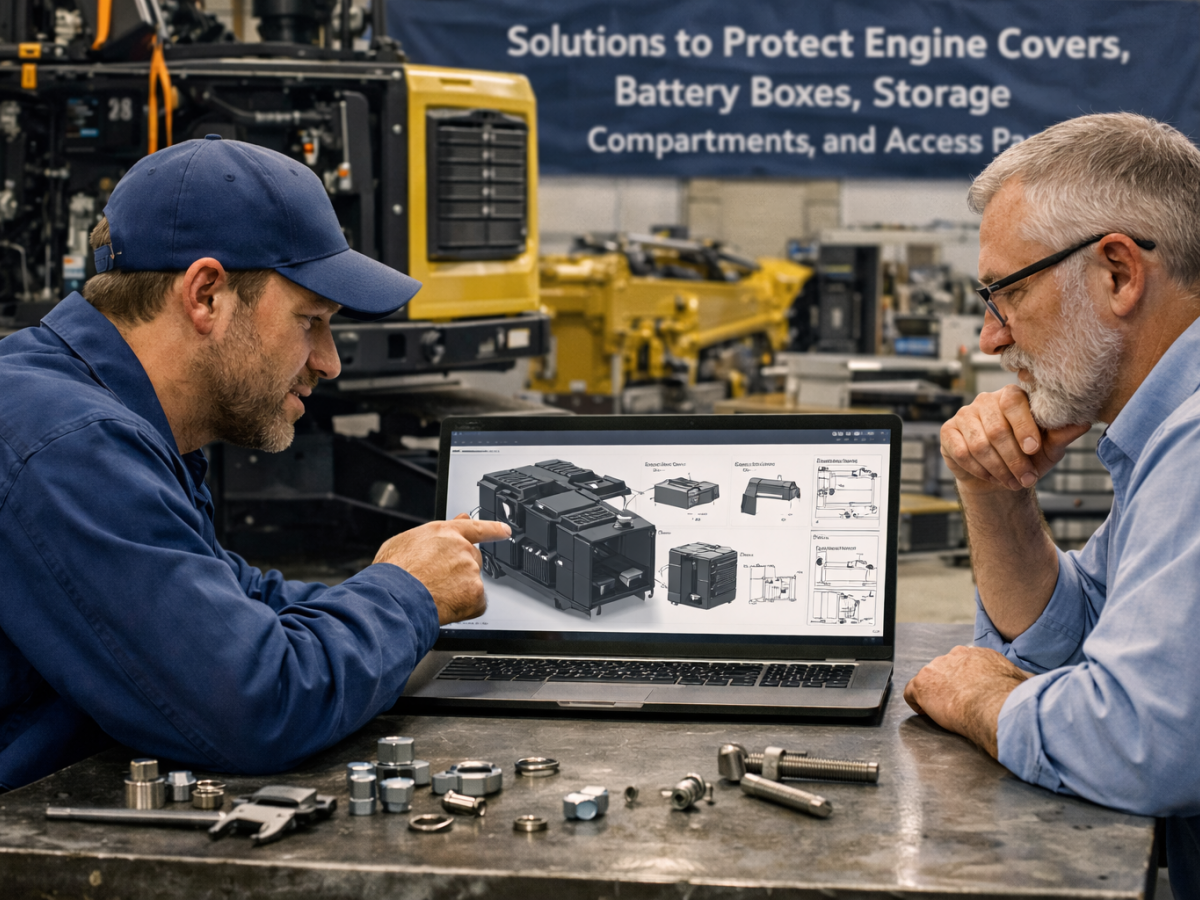
Off-highway machinery can experience significant vibration, impact, and cyclic loading.
Examples include:
Excavator boom and attachment systems
Tractor and agricultural implement assemblies
Construction machinery
Forestry equipment
Material-handling equipment
Road-building machinery
Agricultural harvesting equipment
These environments can create repeated loading at threaded attachment points.
However, a weld nut does not automatically prevent loosening or fatigue failure simply because it has a large flange or square body.
Joint performance depends on the complete assembly, including:
Fastener geometry
Welded attachment
Thread condition
Bolt preload
Joint stiffness
Bracket stiffness
Load direction
Load amplitude
Vibration frequency
Surface condition
Environmental exposure
Assembly method
Service maintenance
For dynamically loaded joints, engineers should consider whether the dominant failure risk is:
Fastener rotation
Weld-interface failure
Parent-sheet deformation
Thread stripping
Bolt loosening
Bracket fatigue
Local sheet cracking
Fastener bending
Corrosion-assisted degradation
This distinction is important because increasing fastener size does not necessarily solve a structural fatigue problem if the surrounding sheet or bracket remains the weakest part of the load path.
Heavy machinery frequently uses thicker steel sections than light sheet-metal enclosures.
However, "thick gauge" should not be treated as a universal numerical category.
The practical welding window depends on:
Sheet thickness
Steel grade
Fastener geometry
Projection design
Electrode configuration
Welding equipment
Electrode force capability
Electrical capacity
Joint configuration
Number of projections
Heat dissipation
Production cycle
Surface condition
A thicker substrate can change the electrical and thermal behavior of the welding system.
The greater thermal mass of the workpiece can influence heat concentration at the intended weld interface, while equipment limitations can affect whether the required welding conditions can be achieved consistently.
Therefore, a statement such as "all steel plates above a particular thickness require a specific current or electrode force" is not an appropriate universal engineering rule.
The correct welding parameters should be established through application-specific process development and validation.
Square weld nuts are often considered where rotational resistance and a broad bearing geometry are desirable.
Their geometry can provide useful resistance to rotation when the nut is subjected to installation torque, depending on the weld attachment and surrounding sheet structure.
Potential applications include:
Heavy equipment brackets
Guards
Hydraulic component supports
Electrical equipment mounting
Access panels
Structural accessory brackets
However, square weld nuts should not automatically be described as universally stronger than hexagonal weld nuts.
The effective performance of the joint depends on the specific geometry and welding configuration.
Hexagonal weld nuts can also provide effective permanent threaded mounting points for heavy equipment.
Their suitability depends on:
Available space
Tool access
Fastener orientation
Required thread size
Welding equipment
Component geometry
Rotation resistance requirements
Mechanical loading
A hex body may be advantageous in some layouts, while a square body may be preferable in others.
The correct selection should be based on the actual assembly rather than on a blanket statement that one shape is always superior.
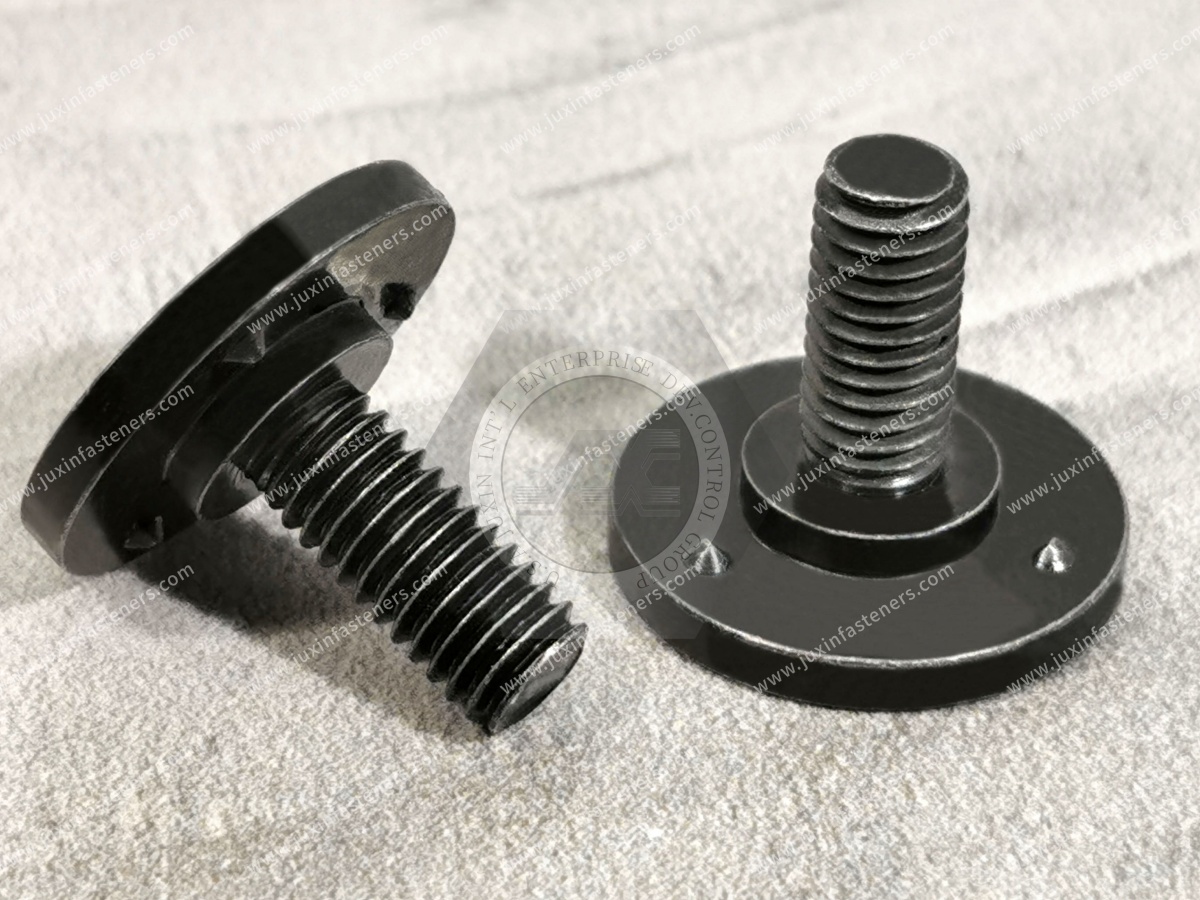
Flanged weld studs can provide a protruding threaded attachment point where the mating component is installed over or around the stud.
Potential applications include:
Brackets
Guards
Electrical components
Cable supports
Sensor mounts
Protective covers
Hydraulic or pneumatic system accessories
The flange can influence the weld interface and local load distribution, but the actual mechanical performance must be validated against the selected sheet material and welding process.
Many heavy machinery structures use carbon steel or higher-strength steel grades, but material selection varies significantly by application.
Carbon steel substrates can be suitable for resistance projection welding when the fastener and process are properly matched.
Important variables include:
Steel grade
Surface condition
Sheet thickness
Fastener material
Fastener geometry
Welding parameters
Electrode configuration
The fact that two materials are both classified as "steel" does not mean that the same welding process window will automatically apply.
Higher-strength steels may be selected to reduce structural weight while maintaining required mechanical performance.
For these applications, engineers should consider:
Material strength
Material thickness
Local heat effects
Weldability
Heat-affected regions
Local deformation
Parent-metal failure
Fastener-to-sheet compatibility
Fatigue requirements
The strength of the parent sheet can also change the governing failure mode.
A stronger steel does not automatically mean that the complete weld-fastener joint has proportionally higher fatigue or pull-out performance.
Heavy machinery frequently operates outdoors and may be exposed to:
Rain
Mud
Fertilizer
Agricultural chemicals
Road salt
Dust
Moisture
Cleaning processes
Therefore, corrosion protection can become an important part of fastener selection.
The engineer should consider the complete corrosion-protection system, including:
Fastener material
Surface finish
Weld area
Parent material
Paint or coating
Post-weld treatment
Crevice conditions
Environmental exposure
A particular plating or coating should not be assumed to provide a universal service life without application-specific validation.
One of the most important considerations in heavy equipment fastening is the load path.
A threaded fastener may attach a bracket to a weld nut, but the actual load must travel through:
Bolt
 ↓
Mounted Component
 ↓
Bracket
 ↓
Weld Nut
 ↓
Welded Interface
 ↓
Parent Sheet
 ↓
Structural Frame
Failure can occur at any of these locations.
For this reason, engineers should evaluate:
Bolt tensile loading
Bolt shear
Bracket bending
Local bearing
Weld-interface loading
Parent-sheet deformation
Fastener bending
Fatigue at stress concentrations
The weld nut itself should not be treated as an isolated component.
Heavy machinery often operates under repeated loading rather than a single static load.
Fatigue performance can therefore become more important than simple ultimate tensile strength.
Factors influencing fatigue behavior can include:
Load amplitude
Mean stress
Load direction
Number of cycles
Joint stiffness
Weld geometry
Parent-sheet thickness
Local stress concentration
Bracket geometry
Surface condition
Corrosion
Assembly preload
A weld fastener with high static capacity can still be unsuitable if the surrounding joint creates a severe fatigue concentration.
The engineering validation should therefore reflect the actual service loading where fatigue is a critical design requirement.
Excavators, tractors, loaders, agricultural machinery, and construction equipment can experience short-duration impact loads.
Shock loading may create:
Local deformation
Fastener bending
Thread damage
Weld-interface stress
Bracket cracking
Sheet tearing
A fastener selected for a static load case should not automatically be considered suitable for severe impact loading.
Where shock is significant, the complete assembly should be evaluated using the applicable design methodology and representative test conditions.
Fastener position should be coordinated with:
Structural bends
Plate edges
Gussets
Adjacent welds
Reinforcement plates
Hydraulic components
Wiring
Hose routing
Service-access areas
The available welding-electrode access should also be confirmed.
A theoretically strong weld fastener is not useful if the welding equipment cannot reliably reach the intended location.
Heavy machinery components frequently use:
Box sections
Channels
Reinforced plates
Bent sheet structures
Gussets
Brackets
Tubular sections
The geometry can limit electrode access and influence heat flow.
Before production release, the fastener position should be reviewed in the context of the complete fabrication sequence.
Fasteners installed close to edges require particular attention because the local stiffness and current distribution can differ from those of a fastener located farther from an edge.
There is no universal edge-distance ratio that applies to every weld fastener and heavy-equipment structure.
The appropriate design should consider:
Fastener diameter
Fastener projection geometry
Sheet thickness
Edge geometry
Local stiffness
Welding electrode geometry
Required mechanical loading
Application-specific welding trials are recommended where the fastener is located close to an edge, opening, bend, or structural discontinuity.
Heavy equipment is frequently serviced in demanding environments.
Fastener locations should therefore support:
Tool access
Component removal
Field maintenance
Inspection
Replacement
Cleaning
Hose and cable routing
A fastening solution that works during factory assembly may still be difficult to service in the field.
For heavy equipment manufacturers, serviceability should therefore be included in the original DFM review.
Agricultural equipment presents a combination of vibration, outdoor exposure, contamination, and repeated service.
Applications may include:
Tractors
Harvesters
Seeders
Sprayers
Balers
Tillers
Mowers
Agricultural implements
Irrigation equipment
Material-handling attachments
Weld fasteners can be used for:
Guards
Panels
Electrical brackets
Sensor mounts
Hydraulic-system supports
Cable-management hardware
Service components
Operator-cab components
Agricultural environments can also introduce fertilizers, pesticides, soil, moisture, and other contaminants that may accelerate corrosion.
Fastener material and surface treatment should therefore be selected according to the actual environment.
Excavators and construction machinery combine dynamic loading with harsh environmental exposure.
Potential weld-fastener applications include:
Cab components
Protective guards
Electrical-system brackets
Sensor mounting
Hydraulic-system accessories
Engine-compartment components
Service panels
Hose supports
Cable supports
For components located near highly loaded structural members, engineers should distinguish between:
Accessory fastening
and
Primary structural joining.
A weld nut may be an appropriate mounting feature for an accessory bracket without being the appropriate mechanism for transferring a primary structural load.
This distinction is critical when evaluating heavy equipment designs.
Heavy-duty weld fasteners should be validated according to the actual application requirements.
Inspection may include:
Thread size
Thread gauge acceptance
Fastener dimensions
Flange dimensions
Stud height
Projection geometry
Fastener orientation
Weld location
Position relative to datum features
The applicable tolerances should come from the engineering drawing or customer specification.
Depending on the application, validation may include:
Visual inspection
Destructive weld testing
Torque or rotation testing
Push-out testing
Pull-out testing
Metallographic examination
Process monitoring
The selected test should correspond to the expected failure mode.
For example, a torque test may be useful when rotation resistance is critical, while a tensile or push-out test may be more relevant to a load path dominated by axial forces.
No single test value should be treated as universally applicable to every weld nut or weld stud.
For high-volume production, process control may include monitoring of relevant welding variables and inspection characteristics.
The actual control plan should be established according to:
Welding equipment
Fastener type
Material
Production volume
Customer requirements
Critical-to-function characteristics
The objective is not simply to produce a strong weld once, but to establish a repeatable manufacturing process.
For OEM procurement teams, weld fastener sourcing should include more than the part number and unit price.
A complete RFQ should identify:
Weld nut or weld stud type
Thread size
Thread standard
Fastener dimensions
Body geometry
Projection geometry
Material
Surface treatment
Packaging
Steel grade
Sheet or plate thickness
Coating
Surface condition
Panel geometry
Welding process
Equipment type
Electrode access
Fastener orientation
Production volume
Prototype requirements
Welding validation requirements
Static loading
Shear loading
Tensile loading
Torque requirement
Vibration exposure
Shock loading
Fatigue requirement
Service environment
Moisture
Mud
Dust
Fertilizer
Chemicals
Road salt
Temperature variation
Corrosion exposure
This information allows the supplier to evaluate the actual application rather than quoting a generic catalog component.
Heavy-equipment procurement should consider the total installed cost of the fastening solution.
Potential cost factors include:
Fastener price
Welding operation
Labor
Tooling
Electrode maintenance
Scrap
Rework
Inspection
Assembly time
Field-service requirements
Corrosion-related replacement
Packaging
Logistics
A weld fastener with a slightly higher piece price can potentially reduce overall manufacturing cost if it simplifies assembly or eliminates loose hardware.
However, the opposite can also be true.
The correct procurement decision should be based on the complete manufacturing and service economics.
Before production release, engineering and procurement teams should review:
Is the selected weld fastener appropriate for the actual load path?
Is the fastener geometry suitable for the available space?
Is the substrate compatible with the selected welding process?
Is the sheet or plate thickness suitable for the welding system?
Is electrode access available?
Is the fastener sufficiently clear of edges, bends, holes, and adjacent welds?
Has the local panel stiffness been considered?
Is the fastener orientation correct?
Can assembly tools reach the thread?
Can service personnel access the connection later?
Has vibration exposure been evaluated?
Has shock loading been evaluated?
Is fatigue a critical design consideration?
Has parent-sheet failure been considered?
Has weld-interface failure been considered?
Has fastener bending been considered?
Has corrosion exposure been evaluated?
Are coating and surface-finish requirements defined?
Have representative welding trials been completed?
Have mechanical validation tests been defined?
Are production inspection requirements documented?
Heavy machinery fastening requires a different engineering approach from ordinary sheet-metal fastening.
The fastener must work within the actual:
Material + Welding Process + Joint Geometry + Load Path + Environment + Assembly + Service Requirements
JUXIN FASTENERS supplies OEM weld fastening solutions for applications including:
Agricultural machinery
Tractors
Excavators
Construction equipment
Material-handling equipment
Industrial machinery
Off-highway equipment
Heavy fabricated steel assemblies
Available solution categories may include:
Square weld nuts
Hex weld nuts
Flanged weld nuts
Weld studs
Threaded weld fasteners
Custom weld fasteners
OEM-developed fastening components
For demanding applications, the correct fastener should be selected from the actual drawing and manufacturing process rather than from nominal thread size alone.
JUXIN FASTENERS can evaluate the fastener geometry, substrate, welding process, production volume, mechanical requirements, and environmental conditions as part of an OEM sourcing discussion.
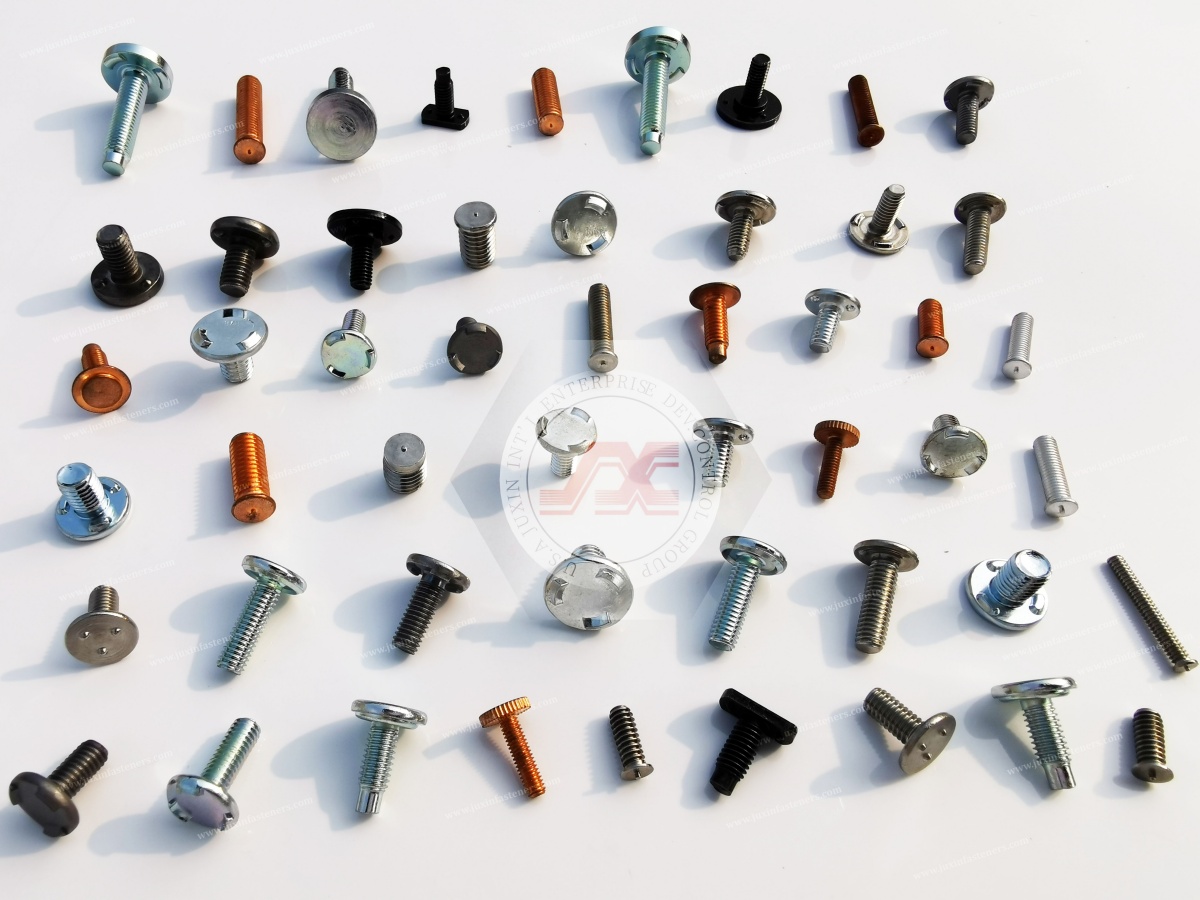
Weld Fasteners Solutions — Technical guidance covering weld nuts, weld studs, projection welding, material compatibility, DFM, inspection, and OEM sourcing.
Industrial Equipment Fastening Solutions — Application-focused fastening strategies for heavy machinery, agricultural equipment, construction machinery, and fabricated steel structures.
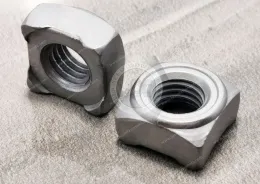
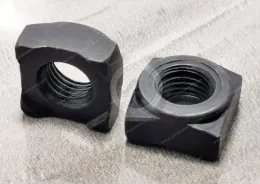
Heavy-Duty Square Weld Nuts — Weld nut configurations for applications where permanent threaded attachment and rotation resistance are important.
Weld Fastener Engineering — Engineering guidance covering fastener geometry, welding process development, substrate compatibility, mechanical validation, and production requirements.
Square weld nuts can provide useful resistance to rotation because of their body geometry and engagement with the welded attachment.
They may be advantageous in applications where installation torque, repeated assembly, or limited access makes rotational stability important.
However, square weld nuts are not universally superior to hexagonal weld nuts.
The correct choice depends on the specific geometry, welding method, load path, available space, and application requirements.
They can be suitable for many high-vibration applications, but vibration resistance depends on the complete joint.
Engineers should evaluate the fastener attachment, bolt preload, joint stiffness, loading conditions, fatigue behavior, and potential loosening mechanisms.
The weld nut itself should not be treated as a guarantee against vibration-related failure.
Yes, suitable weld fasteners can be used with thicker steel substrates, provided the fastener design and welding process are compatible with the material and equipment.
There is no universal thickness threshold that automatically determines whether a particular weld fastener will work.
The actual plate thickness, steel grade, fastener geometry, electrode configuration, welding equipment, and required performance must be evaluated together.
Yes. Weld nuts, weld studs, and other welded threaded fasteners can be used in excavators for accessory brackets, guards, electrical components, sensors, service panels, cable supports, and other applications.
For highly loaded structural members, the complete load path must be evaluated rather than assuming that a weld fastener is automatically suitable for primary structural joining.
Fastener material should be selected according to the application requirements.
Higher-strength material may be beneficial in some applications, but "higher strength" alone does not guarantee better joint performance.
The governing failure mode may instead be:
Weld-interface failure
Parent-sheet failure
Bracket deformation
Fatigue cracking
Thread failure
Fastener bending
Material selection should therefore be based on the complete engineering system.
Provide the fastener drawing or specification, thread size, material, substrate material and thickness, welding process,
application location, expected loads, vibration or shock conditions, environmental exposure, surface treatment, annual volume, and quality requirements.
For structural or dynamically loaded applications, provide as much information as possible about the load direction and expected service conditions.
This allows the supplier to recommend or manufacture a fastening solution based on the actual engineering requirement rather than a generic catalog assumption.
Send your heavy equipment drawings, substrate specifications, welding requirements, structural loading information, environmental conditions, and annual volume requirements to our engineering sales team.
EMAIL: info@juxinfasteners.com
WEBSITE: www.juxinfasteners.com
JUXIN FASTENERS supplies OEM weld fasteners for agricultural machinery, excavators, construction equipment, industrial machinery, and other demanding applications.
For heavy-duty applications, we evaluate the fastener geometry, substrate, welding process, load path, vibration, shock, fatigue, corrosion environment, assembly method, and production volume together.
Precision Fastening Solutions Since 2003.
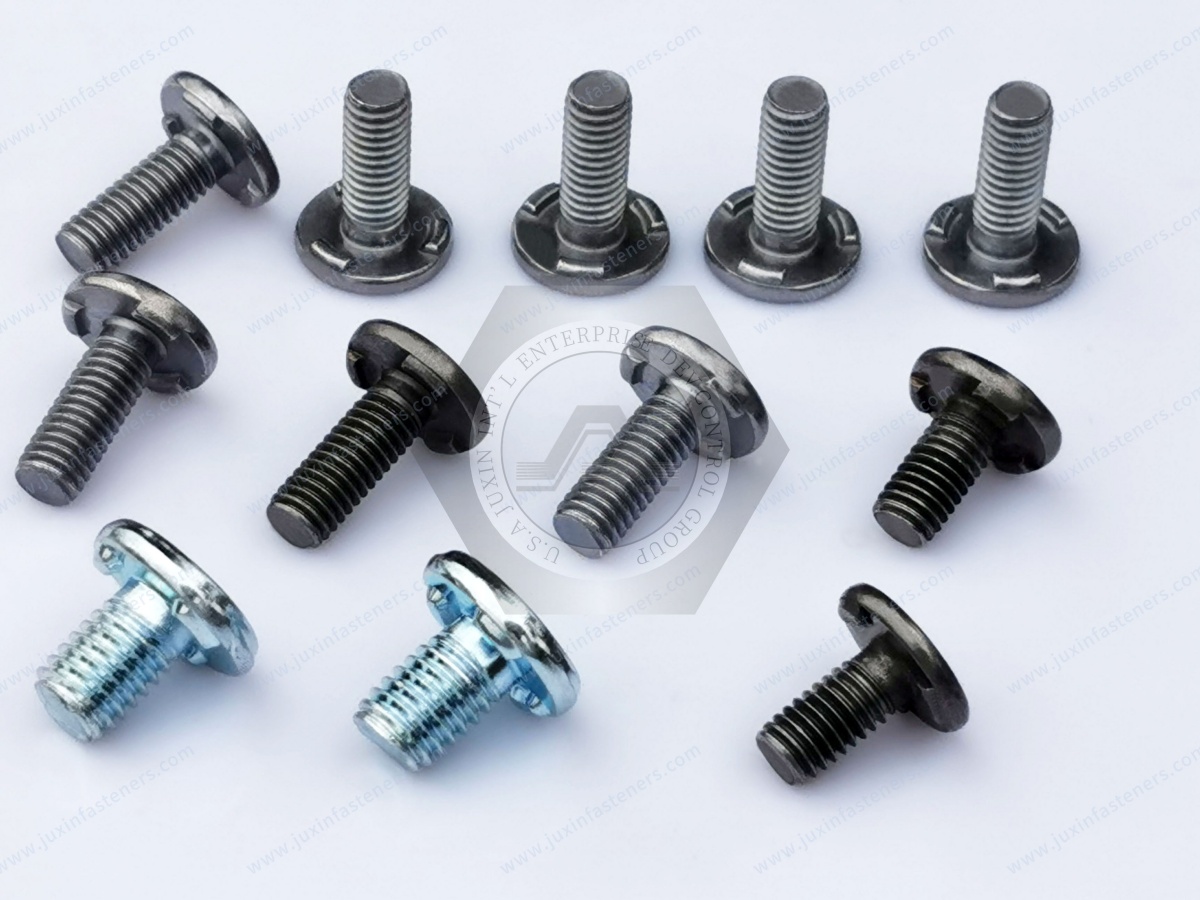
Product Packaging
Packaging Standard
At Juxin Fasteners, we apply standardized export packaging to ensure product protection, traceability, and compliance with international logistics requirements.
1. Standard Export Packaging
Unless otherwise specified, all products will be packed according to our factory standard export packaging, which includes:
Moisture-resistant inner protection
Poly bag or small box packing as required
Reinforced export cartons
Clear labeling with part number, specification, batch number, and quantity
Palletizing for sea or air shipment when necessary
Our standard packaging is designed to ensure safe transportation, efficient warehousing, and long-distance international shipping.
2. Customized Packaging Options
We also provide customized packaging solutions according to customer requirements, including but not limited to:
Private labeling
Customized barcodes
Specific carton dimensions
Retail packaging
Special pallet configuration
Customer-specific marking and identification
So that you know, customized packaging may involve additional costs and extended lead time depending on the complexity of the requirements.
3. Compliance & Quality Assurance
All packaging processes are controlled under our ISO 9001 quality management system to ensure consistency, traceability, and product integrity throughout the supply chain.
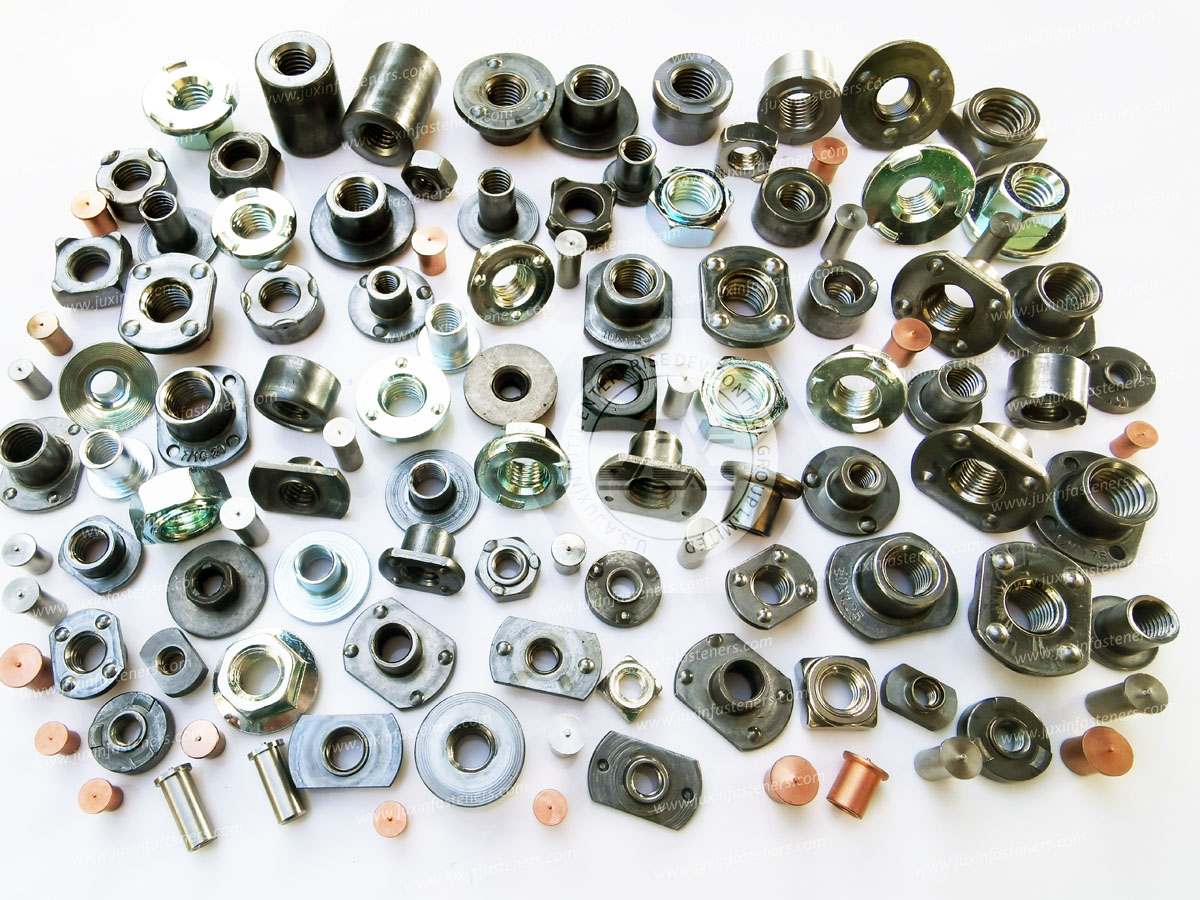
Product Pictures
Contact Us
Tel.:
+86 020 8621 0320
+86 020 3121 6067
E-mail:
Technical Support:
Navigation
SEND INQUIREY