
Call Us
+86 136 6007 9809
Call Us
+86 136 6007 9809

Aug. 14, 2026
Concrete Drop-In Anchors for Reliable Overhead Fastening
Concrete anchors are essential fastening components for securing mechanical, electrical, and industrial systems to concrete structures.
For applications such as suspended conduit, lighting fixtures, pipe supports, cable trays, HVAC systems, and overhead equipment, concrete drop-in anchors
provide a practical solution for creating a permanent female-threaded connection.
A drop-in anchor is an internally threaded expansion anchor designed to be installed into a pre-drilled hole in concrete. An internal expansion plug is driven into
the anchor body, expanding the lower section of the anchor to create a secure mechanical connection with the concrete.
After installation, a threaded rod, bolt, or other compatible threaded component can be installed and removed as required.
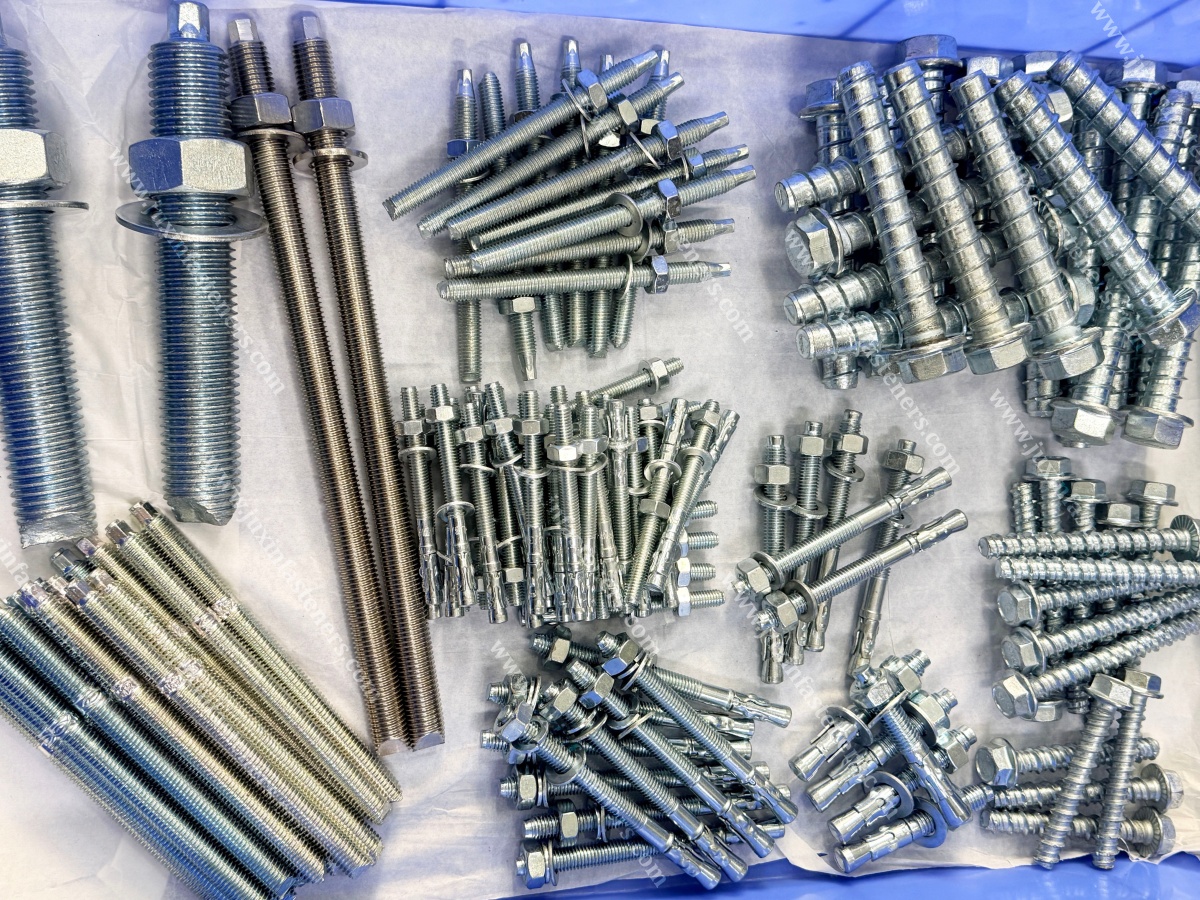
JUXIN FASTENERS supplies concrete anchors, mechanical anchors, concrete fastening products, and industrial fasteners for construction, MEP, infrastructure,
industrial equipment, and OEM applications.
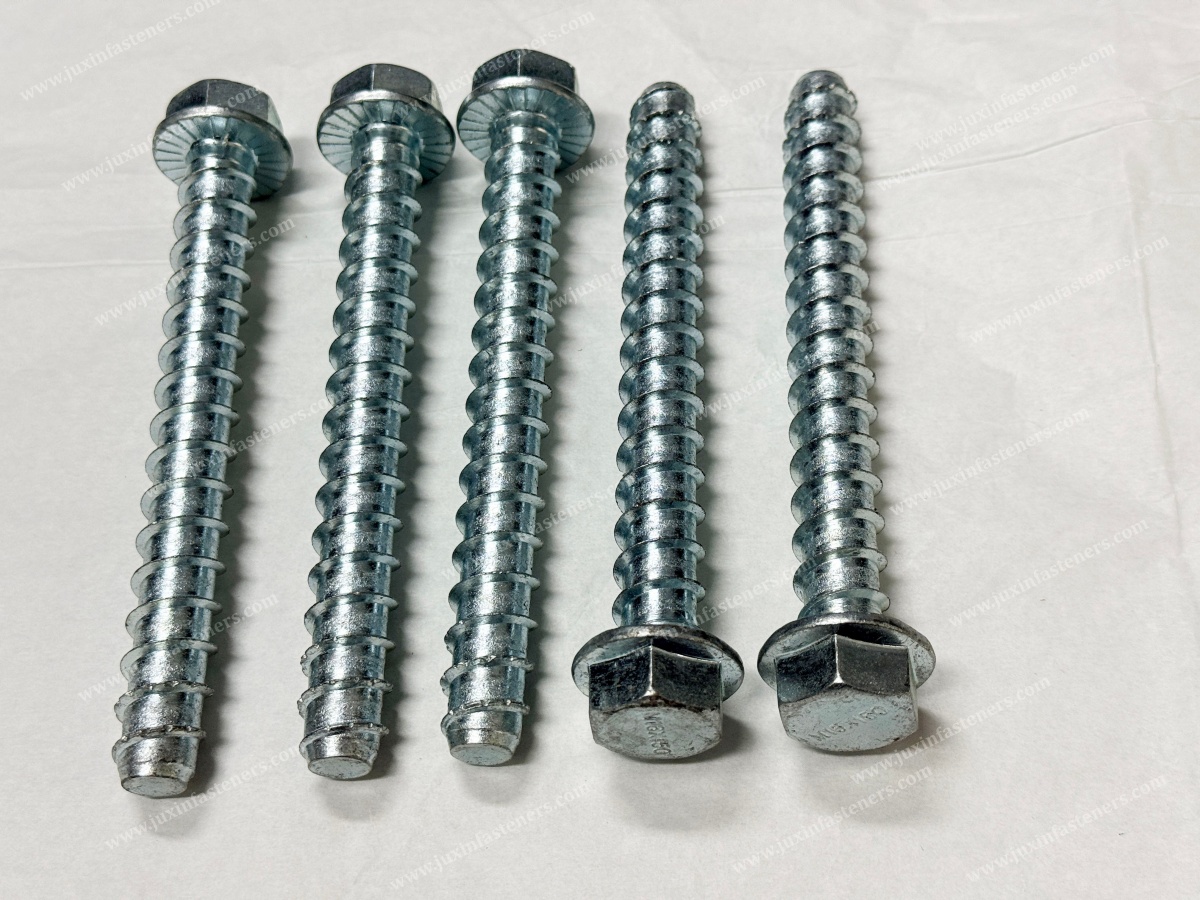
What Is a Concrete Drop-In Anchor?
A concrete drop-in anchor is a female-threaded mechanical anchor designed primarily for use in concrete.
Unlike externally threaded concrete anchors, drop-in anchors are installed inside the drilled hole and provide an internal thread for attaching a:
Threaded rod
Stud
Bolt
Hanger
Support bracket
Mechanical fixture
The anchor is inserted into the hole and expanded using a dedicated setting tool.
Once properly installed, the anchor creates a permanent female-threaded connection in the concrete.
This makes drop-in anchors for concrete particularly useful when the fixture or support needs to be installed, removed, adjusted, or replaced without removing the anchor itself.
How Do Concrete Drop-In Anchors Work?
The working principle of a drop-in anchor is based on controlled mechanical expansion.
The typical installation sequence is:
Drill → Clean → Insert Anchor → Set Anchor → Install Threaded Rod or Bolt
1. Drill the Concrete
Drill a hole to the specified diameter and depth according to the anchor manufacturer's installation requirements.
2. Clean the Hole
Remove drilling dust and debris from the hole.
Proper hole preparation is important because loose debris can prevent the anchor from reaching the correct installation position.
3. Insert the Anchor
Place the drop-in anchor into the drilled hole until it reaches the required depth.
4. Expand the Internal Plug
Insert the correct drop-in anchor setting tool into the anchor.
Strike the setting tool with a hammer until the tool reaches the specified setting position.
This drives the internal plug into the expansion section and forces the anchor body outward against the concrete.
5. Install the Threaded Component
Once the anchor is properly set, install the required threaded rod, bolt, or compatible threaded component.
The result is a reliable internal-thread fastening point for overhead and suspended installations.
Why Are Drop-In Anchors Used in Concrete?
Concrete drop-in anchors are widely used because they provide several practical advantages for construction and industrial installations.
Internal Female Thread
The internal thread allows users to install and remove threaded rods or bolts without replacing the anchor.
This is particularly useful for:
Pipe support systems
Electrical conduit
HVAC installations
Cable trays
Lighting systems
Mechanical equipment
Suspended ceiling systems
Industrial support structures
Clean Installation
The anchor remains inside the concrete after installation, creating a relatively compact fastening point.
Suitable for Overhead Applications
Drop-in anchors are commonly used for suspended systems where threaded rods are used to support mechanical or electrical components.
Replaceable Threaded Components
The threaded rod or bolt can be removed while the anchor remains installed, providing practical maintenance advantages.
Concrete Drop-In Anchors for MEP Applications
One of the most common applications for concrete drop-in anchors is MEP installation.
Mechanical, electrical, and plumbing systems often require multiple fastening points throughout a building.
Typical applications include:
HVAC Systems
Concrete anchors can be used for supporting:
Air ducts
HVAC equipment
Pipe systems
Mechanical brackets
Suspended equipment
Electrical Systems
Drop-in anchors can provide fastening points for:
Electrical conduit
Cable trays
Lighting systems
Electrical support brackets
Utility installations
Plumbing Systems
Applications can include:
Water pipes
Fire protection piping
Drainage systems
Pipe hangers
Utility support systems
For every application, the anchor diameter, thread size, embedment, spacing, concrete condition, and load must be checked against the applicable engineering requirements.
Concrete Drop-In Anchors for Overhead Pipe Supports
Overhead pipe systems place continuous loads on the anchoring connection.
The total load can include:
Pipe weight
Fluid weight
Insulation
Support hardware
Thermal movement
Vibration
Seismic forces
For this reason, selecting a concrete anchor for pipe support should not be based only on the thread size.
Engineers should evaluate the complete load path:
Pipe → Hanger → Threaded Rod → Drop-In Anchor → Concrete
The capacity of the complete system depends on the weakest component and the actual installation conditions.
Concrete Drop-In Anchors for Lighting Systems
Lighting systems frequently require multiple overhead fastening points.
Applications include:
Industrial lighting
Commercial lighting
Warehouse lighting
Suspended fixtures
Electrical support systems
Ceiling-mounted equipment
Drop-in anchors can provide a convenient internal-thread connection for threaded rods and mounting hardware.
For overhead applications, engineers and installers should verify the required load capacity, anchor spacing, embedment depth, concrete strength, and applicable safety requirements.
Concrete Drop-In Anchors for Cable Tray and Conduit Systems
Modern commercial and industrial buildings often contain extensive electrical infrastructure.
Cable trays and conduit systems may run through:
Factories
Warehouses
Data centers
Commercial buildings
Manufacturing facilities
Utility facilities
Transportation infrastructure
Concrete drop-in anchors can be used to establish fastening points for threaded rod suspension systems.
Their internal thread makes them particularly convenient when the support system requires threaded rods that can be installed and removed during maintenance.
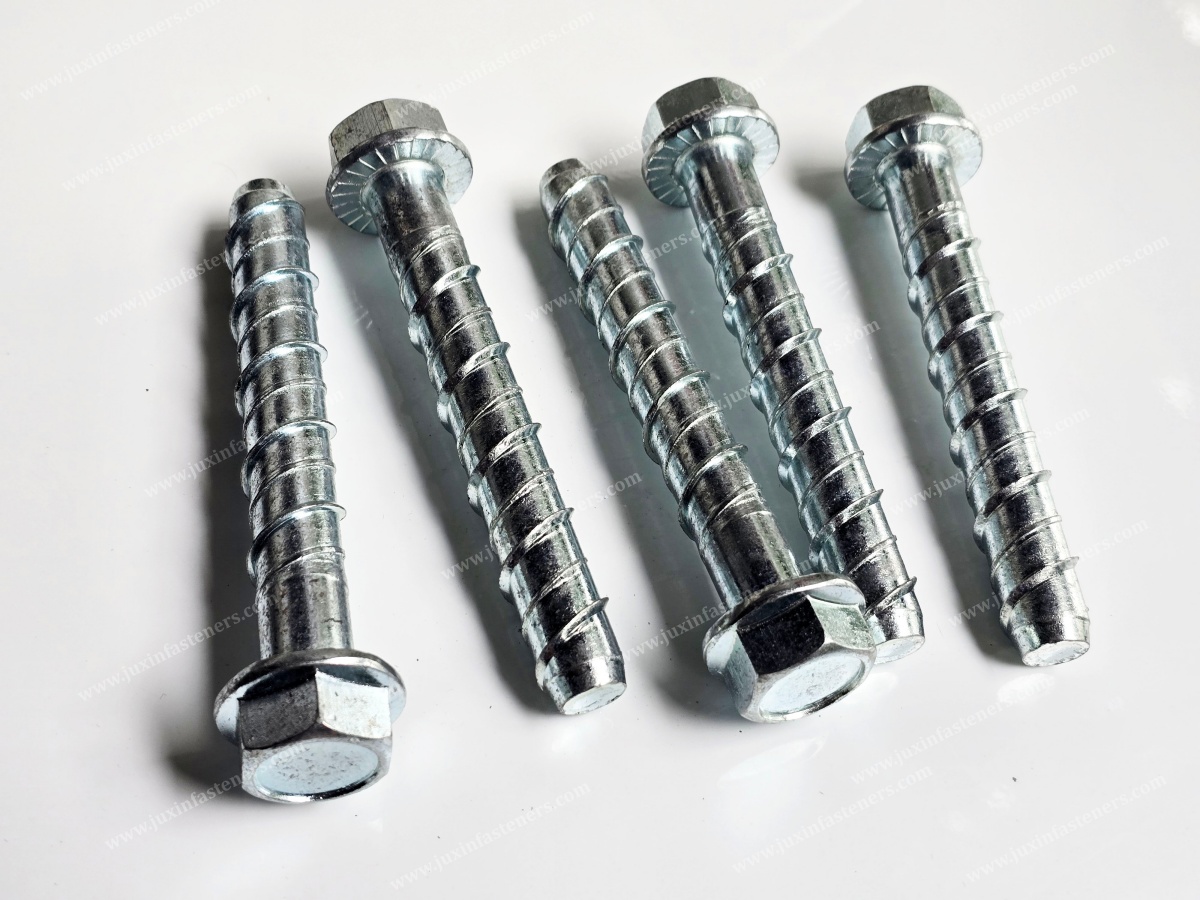
Zinc-Plated Steel Concrete Drop-In Anchors
Zinc-plated steel drop-in anchors are a common choice for general indoor applications and environments with limited or occasional moisture exposure.
Typical applications include:
Indoor construction
Commercial buildings
Warehouses
Factory interiors
Electrical installations
HVAC systems
General mechanical supports
Zinc plating provides a basic level of corrosion protection compared with untreated carbon steel.
However, zinc-plated steel should not automatically be specified for continuously wet, coastal, chemical, or highly corrosive environments.
18-8 Stainless Steel Drop-In Anchors
18-8 stainless steel concrete anchors provide improved corrosion resistance compared with standard zinc-plated carbon steel.
They can be considered for:
Outdoor installations
Humid environments
Commercial facilities
General industrial applications
Areas exposed to occasional moisture
18-8 stainless steel provides good general corrosion resistance, but it is not universally resistant to severe chloride or chemical environments.
Applications involving salt water, marine exposure, or aggressive chemicals may require a more corrosion-resistant stainless steel grade.
316 Stainless Steel Concrete Anchors
For demanding environments, 316 stainless steel drop-in anchors can provide a higher level of corrosion resistance than conventional 18-8 stainless steel.
Potential applications include:
Coastal construction
Marine environments
Wastewater facilities
Outdoor infrastructure
Chemical processing areas
Food and industrial facilities
Harsh weather environments
316 stainless steel has improved resistance to chloride-containing environments compared with common 18-8 stainless steel.
Nevertheless, material selection should always be based on the actual chemical exposure, temperature, service environment, and required service life.
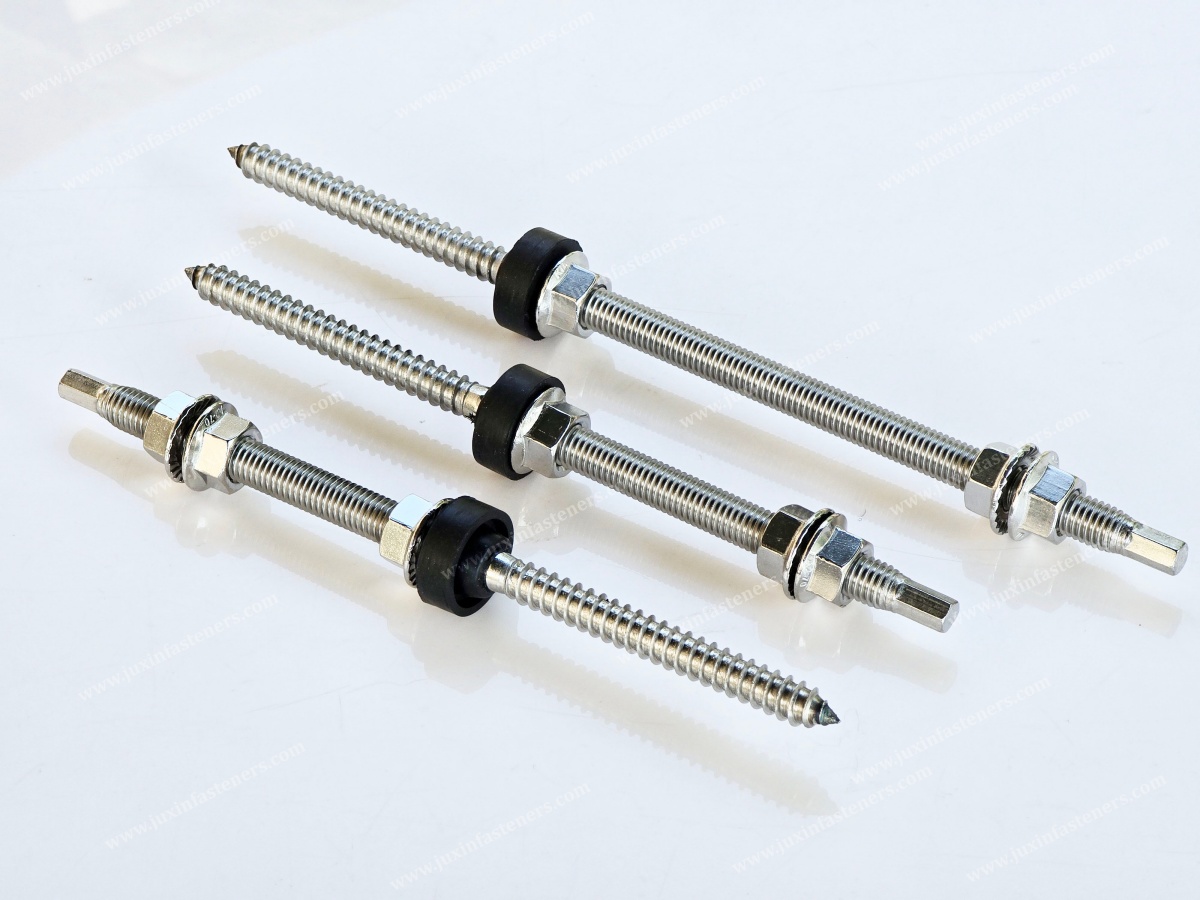
Flanged Concrete Drop-In Anchors
A flanged drop-in anchor incorporates a flange at the top of the anchor body.
The flange provides a physical stop during installation and helps prevent the anchor from being driven too far into a drilled hole.
This can be particularly useful when:
Hole depth exceeds anchor length
Installation depth needs to be controlled
Consistent anchor positioning is required
The anchor must remain close to the concrete surface
The flange can therefore provide an additional installation-control feature for construction and industrial fastening applications.
Concrete Drop-In Anchor Material Comparison
Anchor Material | Typical Environment | Main Advantage |
Zinc-Plated Steel | Indoor and occasional moisture exposure | Cost-effective general-purpose corrosion protection |
18-8 Stainless Steel | Wet and outdoor environments | Improved corrosion resistance |
316 Stainless Steel | Marine, coastal and harsh environments | Higher resistance to chloride and aggressive environments |
Flanged Design | Applications requiring controlled installation depth | Helps prevent over-insertion |
The appropriate material should be selected according to the actual service environment rather than price alone.
Concrete Drop-In Anchors vs. Other Concrete Anchors
There are several types of mechanical concrete anchors, and each has a different installation method and load-transfer mechanism.
Anchor Type | Typical Connection | Common Applications |
Drop-In Anchor | Internal female thread | Pipe, conduit, lighting and threaded rod suspension |
Concrete Screw Anchor | External thread | Direct fixture fastening |
Wedge Anchor | External thread | Structural and equipment fastening |
Sleeve Anchor | Expansion sleeve | General-purpose concrete fastening |
Chemical Anchor | Bonded rod/rebar | High-load and engineered anchoring |
Self-Tapping Concrete Anchor | Thread engagement | Fast installation and removable fastening |
The correct anchor depends on the application, load requirements, substrate, installation method, corrosion environment, and project specifications.
How to Select the Right Concrete Drop-In Anchor
For engineers and purchasing teams, the selection process should begin with the application rather than the anchor price.
1. Determine the Thread Size
Confirm whether the application requires:
Metric thread
Imperial thread
Specific threaded rod size
Specific bolt size
Thread compatibility is essential for a secure connection.
2. Determine the Concrete Condition
Evaluate:
Concrete strength
Cracked or uncracked concrete
Concrete thickness
Reinforcement location
Installation position
3. Calculate the Required Load
Consider:
Tensile load
Shear load
Combined loading
Static load
Dynamic load
Vibration
Seismic loading where applicable
4. Select the Correct Material
Consider:
Indoor exposure
Humidity
Outdoor exposure
Coastal conditions
Salt water
Chemical exposure
Required service life
5. Check Installation Requirements
Verify:
Hole diameter
Hole depth
Minimum embedment
Anchor spacing
Edge distance
Setting tool
Installation procedure
Installation Quality Control
Even a high-quality concrete anchor can fail if it is incorrectly installed.
For professional installation, verify:
Hole Diameter
Use the manufacturer's specified drill diameter.
Hole Depth
The hole must provide sufficient depth for the anchor to achieve the required installation position.
Hole Cleaning
Remove dust and loose debris before inserting the anchor.
Correct Setting Tool
Use the specified setting tool for the anchor size and design.
Proper Anchor Setting
Drive the setting tool until the anchor reaches the specified setting condition.
Thread Inspection
After installation, confirm that the internal thread is clean and undamaged before installing the threaded rod or bolt.
Industrial Applications for Concrete Drop-In Anchors
JUXIN FASTENERS supplies industrial fastening solutions for a wide range of industries.
Construction
Applications include:
Suspended ceilings
Pipe supports
HVAC systems
Electrical conduit
Lighting
Cable management
Industrial Manufacturing
Applications include:
Machinery support
Production equipment
Factory utilities
Pipe systems
Electrical installations
Maintenance structures
Warehouses and Logistics
Concrete anchors can be used for:
Lighting systems
Cable trays
Safety equipment
Utility support
Mechanical systems
Data Centers
Applications may include:
Cable management
Electrical conduit
HVAC support
Pipe systems
Equipment support structures
Infrastructure
Potential applications include:
Utility systems
Transportation facilities
Industrial infrastructure
Electrical equipment
Mechanical support systems
Procurement Guide for Concrete Drop-In Anchors
Purchasing teams should provide sufficient technical information to ensure the correct anchor is supplied.
Recommended purchasing specifications include:
Anchor type
Thread size
Anchor length
Material
Surface finish
Concrete strength
Required embedment
Application
Required load
Environmental conditions
Corrosion requirements
Applicable standards
Packaging requirements
Required quantity
Inspection requirements
For OEM and industrial purchasing, providing drawings or technical specifications can further reduce the risk of selecting an unsuitable product.
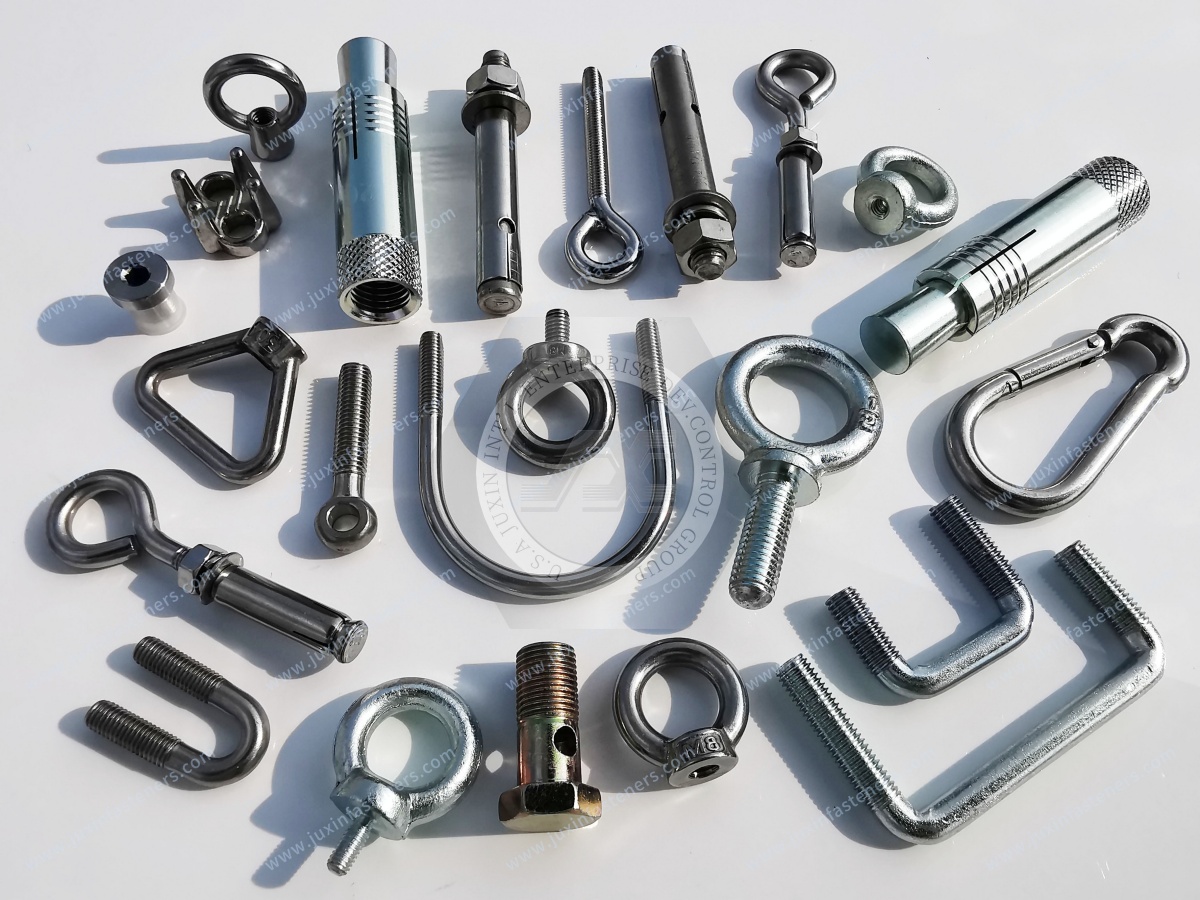
Why Choose JUXIN FASTENERS for Concrete Anchoring Solutions?
JUXIN FASTENERS provides concrete anchors, mechanical anchors, concrete screw anchors, industrial fasteners, and customized fastening solutions for international customers.
Our products support engineers, contractors, distributors, OEM manufacturers, and industrial purchasing teams seeking consistent fastening components for demanding applications.
We can support projects requiring:
Custom dimensions
Metric and imperial specifications
Different steel grades
Stainless steel options
Zinc-plated finishes
Corrosion-resistant materials
OEM packaging
Quality inspection
Bulk production
Technical documentation
Our objective is to provide fastening products that match the actual requirements of the application rather than offering a one-size-fits-all solution.
Frequently Asked Questions About Concrete Drop-In Anchors
What is a drop-in anchor?
A drop-in anchor is an internally threaded mechanical anchor designed primarily for installation in concrete.
It uses an internal expansion mechanism to secure the anchor inside the drilled hole.
What are concrete drop-in anchors used for?
Common applications include suspending conduit, lighting, pipe supports, cable trays, HVAC systems, threaded rods, and other mechanical or electrical systems from concrete.
Can drop-in anchors be used with threaded rod?
Yes. Their internal female thread is specifically designed to accept compatible threaded rods or bolts.
Are drop-in anchors removable?
The anchor body is generally intended to remain installed in the concrete. The threaded rod or bolt can normally be removed and reinstalled when the application and thread system permit.
Are zinc-plated drop-in anchors suitable for outdoor use?
Zinc-plated steel may be suitable for some environments with limited moisture exposure, but continuously wet, coastal, marine,
or highly corrosive environments generally require more corrosion-resistant materials.
Is 316 stainless steel better than 18-8 stainless steel?
316 stainless steel generally provides better corrosion resistance than 18-8 stainless steel, particularly in chloride-containing environments.
The final material choice should be based on the actual service environment.
What is a flanged drop-in anchor?
A flanged drop-in anchor has a flange at the top of the anchor body that helps control installation depth and prevents the anchor from being driven too far into the drilled hole.
Are drop-in anchors suitable for structural applications?
Some drop-in anchors can be used for specific engineered applications, but suitability depends on the individual product's technical data, load capacity,
installation requirements, concrete condition, and applicable approvals. They should not be specified for critical structural applications based solely on the anchor category.
Conclusion
Concrete drop-in anchors provide a practical and versatile solution for creating internal threaded fastening points in concrete.
Their female-threaded design makes them particularly useful for pipe supports, conduit, lighting, HVAC systems, cable trays,
threaded rod suspension, and industrial equipment installations.
Choosing the right material is equally important:
Zinc-Plated Steel → General Indoor Applications
18-8 Stainless Steel → Wet and Outdoor Applications
316 Stainless Steel → Marine and Highly Corrosive Environments
Flanged Design → Controlled Installation Depth
For engineers and purchasing professionals, the correct anchor should be selected according to load requirements, concrete condition, anchor dimensions,
installation method, environmental exposure, corrosion resistance, and project specifications.
JUXIN FASTENERS provides concrete anchors, mechanical fastening products, industrial fasteners, and OEM fastening solutions for global construction and industrial customers.
Need concrete drop-in anchors for your next project?
Contact JUXIN FASTENERS for product specifications, OEM requirements, technical information, and bulk purchasing support.
Email: info@juxinfasteners.com
Website: www.juxinfasteners.com
JUXIN FASTENERS — Engineered Fastening Solutions for Industrial Applications
 MORE NEWS
Sep. 27, 2026
Sep. 27, 2026
Sep. 27, 2026
Contact Us
Tel.:
+86 020 8621 0320
+86 020 3121 6067
E-mail:
Technical Support:
Navigation
SEND INQUIREY