
Call Us
+86 136 6007 9809
Call Us
+86 136 6007 9809

Aug. 14, 2026
Inverted Cone Chemical Anchors: A High-Performance Solution for Demanding Concrete Applications
When engineers design connections between steel components and concrete structures, selecting the correct chemical anchor system is critical to achieving
reliable load transfer, installation consistency, and long-term structural performance.
Among the available concrete anchoring solutions, straight chemical anchors and inverted cone chemical anchors use different anchoring mechanisms
and therefore offer different performance characteristics.
A conventional straight chemical anchor primarily relies on the bond between the adhesive resin, anchor rod, and concrete substrate.
An inverted cone chemical anchor adds a mechanical interlocking effect at the embedded end of the anchor, allowing loads to be transferred through
both adhesive bonding and mechanical engagement with the surrounding concrete.
This combination can make inverted cone chemical anchors particularly attractive for demanding applications involving high tensile loads, dynamic loading,
vibration, fatigue, seismic conditions, and critical structural connections.
JUXIN FASTENERS supplies industrial fastening products, concrete anchoring solutions, chemical anchoring components, and engineered fasteners
for construction, infrastructure, industrial equipment, transportation, and other demanding applications.
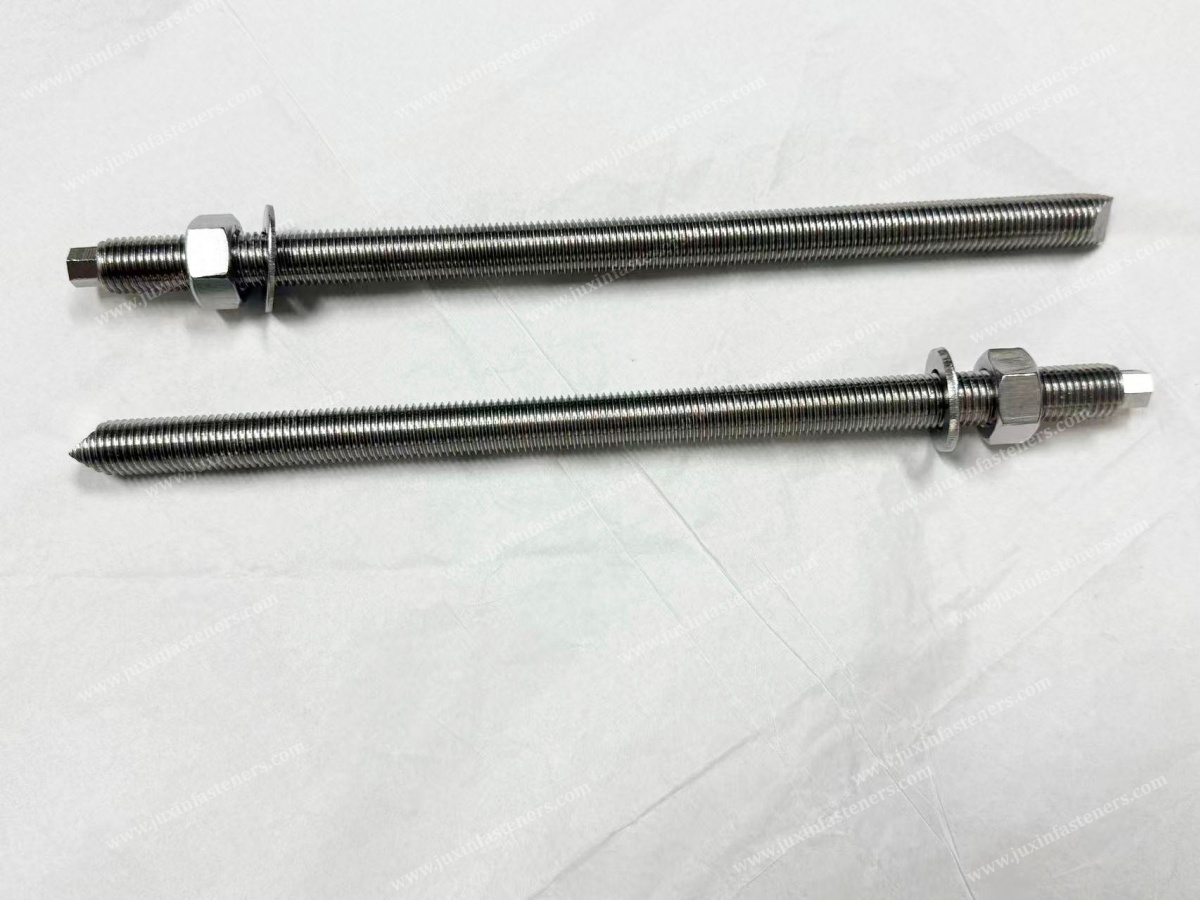
What Is an Inverted Cone Chemical Anchor?
An inverted cone chemical anchor is a post-installed anchoring system designed with a specially formed anchoring section that creates mechanical engagement within the concrete.
Unlike a conventional straight threaded rod installed with chemical adhesive, the inverted cone design creates a localized mechanical locking point inside the drilled hole.
The anchoring mechanism can therefore involve:
Adhesive bonding
Mechanical interlocking
Concrete bearing
Load transfer through the surrounding substrate
This combination provides engineers with an alternative solution when a conventional bonded anchor may not provide the desired balance of load capacity,
installation conditions, and dynamic performance.
The exact load capacity and suitability depend on the complete anchor system, including the anchor geometry, adhesive, concrete strength, embedment depth,
installation procedure, and applicable technical approvals.
Inverted Cone Chemical Anchors vs. Straight Chemical Anchors
The fundamental difference is the load-transfer mechanism.
Straight Chemical Anchors
A conventional chemical anchor typically consists of a threaded rod or reinforcing element installed into a drilled hole and bonded to the surrounding concrete using a chemical adhesive.
The adhesive transfers loads between the anchor rod and the concrete.
Typical applications include:
Steel brackets
Machinery supports
Structural connections
Equipment installation
Curtain wall systems
Handrails
Pipe supports
General construction anchoring
Inverted Cone Chemical Anchors
An inverted cone chemical anchor incorporates a mechanically engaging anchoring section.
The adhesive continues to provide bonding between the anchor and substrate, while the mechanical geometry provides additional resistance through interlocking and bearing.
This makes the system particularly attractive for applications where engineers need a higher level of resistance to:
Tensile loads
Dynamic loads
Vibration
Fatigue
Seismic loading
Long-term structural loading
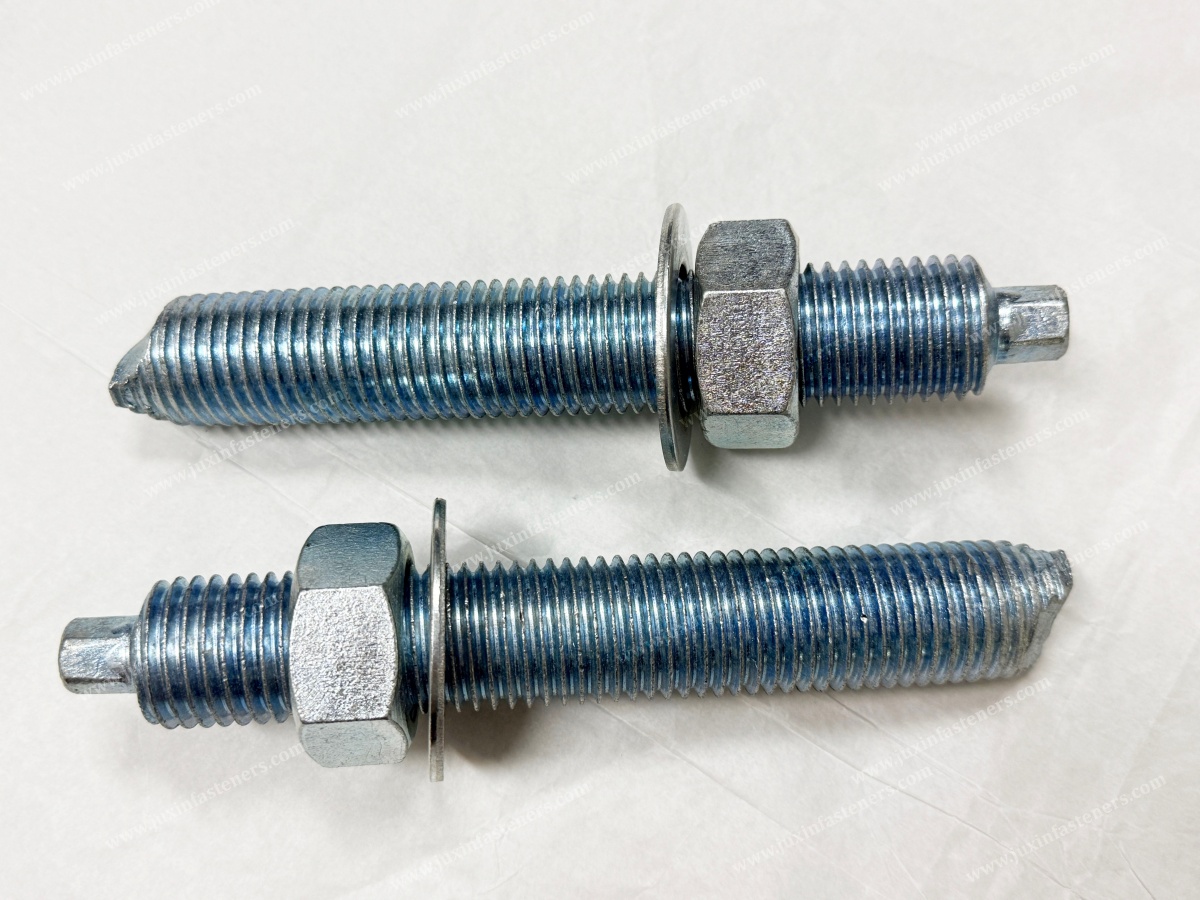
How Does the Mechanical Locking Effect Work?
The key engineering advantage of an inverted cone chemical anchor is its mechanical locking effect.
When the anchor is installed correctly, the inverted cone section engages with the surrounding concrete. Under tensile loading, the geometry helps transfer forces
into the concrete through a combination of adhesive bonding and mechanical bearing.
This differs from a conventional straight bonded anchor, where the adhesive interface plays a more dominant role in transferring load.
The result is a multi-mechanism anchoring system:
Chemical Bonding + Mechanical Interlock + Concrete Bearing = Enhanced Load Transfer
This principle can be particularly valuable in applications where the connection is exposed to repeated or dynamic loading.
However, the actual performance should always be verified using product-specific test data, engineering calculations, and applicable approvals.
Why Are Inverted Cone Chemical Anchors Suitable for Dynamic Loads?
Static loads and dynamic loads can produce very different demands on an anchoring system.
A static connection may experience a relatively constant tensile or shear load. By contrast, industrial machinery, bridges, transportation infrastructure,
and seismic structures can subject anchors to repeated changes in load direction and magnitude.
Dynamic applications may involve:
Vibration
Cyclic loading
Repeated tensile forces
Impact
Fatigue
Seismic movement
Machinery-induced loading
The mechanical engagement provided by an inverted cone anchoring system can help maintain load transfer even when the adhesive component experiences
changes in performance under demanding conditions.
This is one reason high-performance chemical anchors are considered for critical infrastructure and industrial applications.
Installation Process for Inverted Cone Chemical Anchors
Correct installation is essential for achieving the designed performance of any chemical anchoring system.
Although an inverted cone chemical anchor may have greater mechanical engagement than a conventional bonded anchor, installation quality remains critical.
Step 1: Drill the Hole
Drill the hole to the specified diameter and depth according to the manufacturer's installation instructions.
Hole diameter and embedment depth should not be estimated. They must match the requirements of the selected anchor system.
Step 2: Clean the Hole
Remove dust and drilling debris using the specified cleaning procedure.
A typical installation procedure may include:
Blow → Brush → Blow → Inspect
The exact cleaning procedure must follow the adhesive and anchor manufacturer's instructions.
Step 3: Prepare the Chemical Adhesive
Use the specified structural anchoring adhesive and verify:
Shelf life
Mixing condition
Temperature range
Cure time
Compatibility with the anchor system
Step 4: Inject the Adhesive
For inverted cone anchors, adhesive should be injected carefully to ensure complete filling around the anchoring section.
A suitable injection system should minimize the risk of:
Air voids
Incomplete filling
Uneven adhesive distribution
Insufficient bonding
Injection from the bottom of the hole toward the opening can help reduce air entrapment.
Step 5: Install the Anchor
Insert the inverted cone anchor according to the specified installation procedure.
The anchor should achieve the required embedment depth while ensuring sufficient adhesive coverage around the anchoring section.
Step 6: Allow Full Cure
The adhesive must be allowed to cure for the required period before applying the design load.
Cure time depends on factors such as:
Adhesive formulation
Concrete temperature
Ambient temperature
Moisture conditions
Product specifications
Step 7: Final Inspection
Before the connection is placed into service, inspect the installation and verify that the anchor has been installed according to the specified procedure.
Installation Quality: Why Hole Cleaning Still Matters
A common misconception is that the mechanical locking effect makes hole cleaning unnecessary.
This is incorrect.
Even when an inverted cone chemical anchor uses mechanical engagement, the adhesive remains an important part of the anchoring system.
Dust, loose particles, moisture, oil, or other contaminants can reduce adhesive performance and compromise the overall anchoring system.
Therefore:
Mechanical interlock does not eliminate the need for proper hole cleaning.
Professional installation should always follow the manufacturer's approved cleaning procedure and installation instructions.
Load Capacity and Concrete Failure Modes
For engineers, the nominal diameter of an anchor is only one part of the design equation.
Concrete anchor performance can be affected by several potential failure modes, including:
Steel failure
Pull-out failure
Concrete cone failure
Concrete splitting
Edge breakout
Adhesive bond failure
Combined tension and shear failure
Inverted cone anchors can create a deeper and more defined load-transfer region in the concrete.
This can influence the concrete failure surface and may provide design advantages in certain applications.
However, a larger or deeper failure cone can also affect the required:
Edge distance
Anchor spacing
Effective embedment
Concrete member thickness
Therefore, engineers should evaluate the complete anchoring configuration rather than looking only at individual anchor capacity.
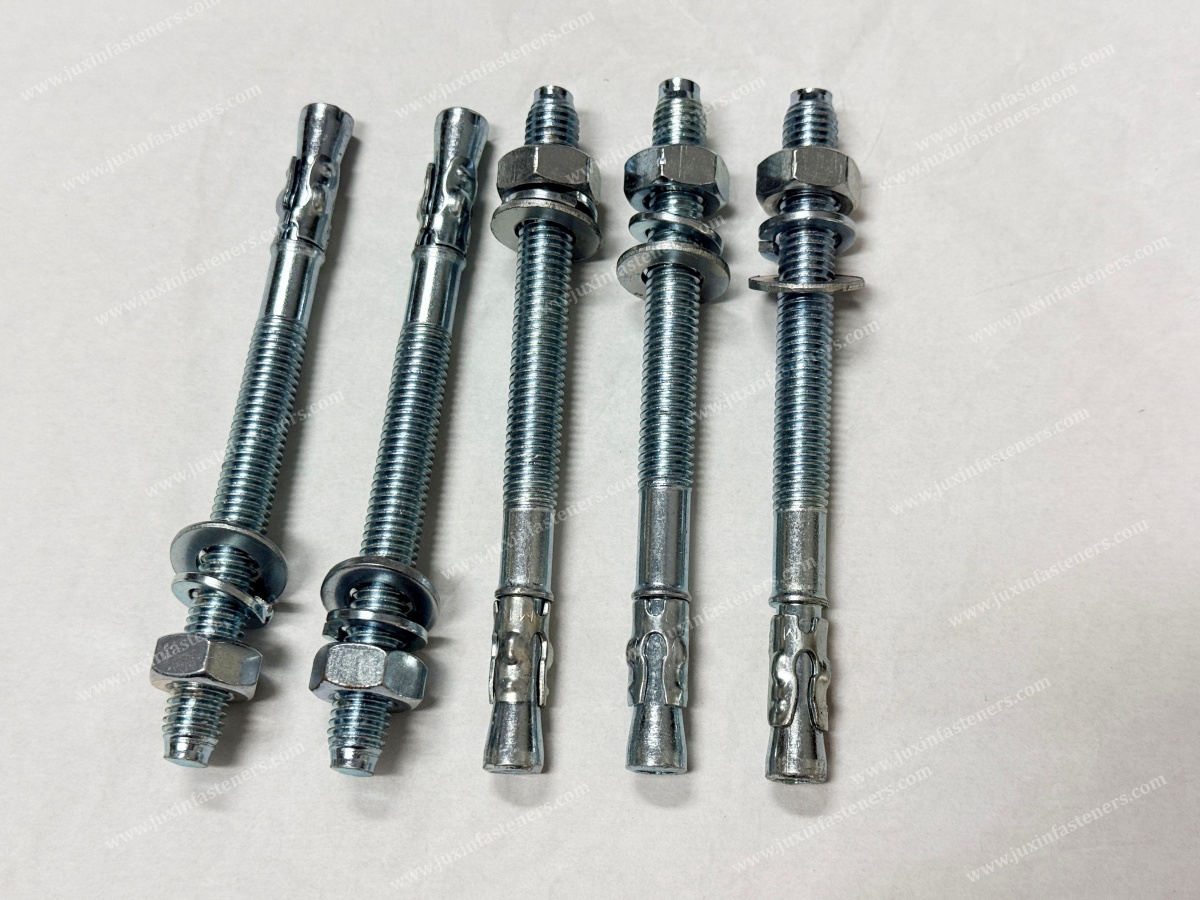
Anchor Spacing and Edge Distance
Anchor spacing is particularly important when multiple anchors are installed close together.
When two anchors are positioned too closely, their concrete stress zones can overlap.
This interaction can reduce the capacity of each individual anchor.
Similarly, an anchor installed too close to a concrete edge may experience reduced resistance because the available concrete volume is insufficient to develop the full failure mechanism.
Engineers should therefore evaluate:
Anchor Diameter + Embedment Depth + Edge Distance + Anchor Spacing + Concrete Thickness
For high-load anchoring systems, optimizing these parameters can significantly improve connection efficiency.
Inverted Cone Chemical Anchors for Cracked and Uncracked Concrete
Concrete structures can develop cracks because of:
Structural loading
Thermal movement
Shrinkage
Settlement
Seismic activity
Environmental conditions
Long-term service effects
For critical applications, engineers should determine whether the anchor system is approved or qualified for cracked concrete.
An anchor that performs well in uncracked concrete should not automatically be assumed to have the same performance in cracked concrete.
When specifying a chemical anchor for cracked concrete, engineers should review:
Product approvals
Concrete strength requirements
Embedment depth
Load direction
Installation conditions
Temperature limits
Required safety factors
Applicable design standards
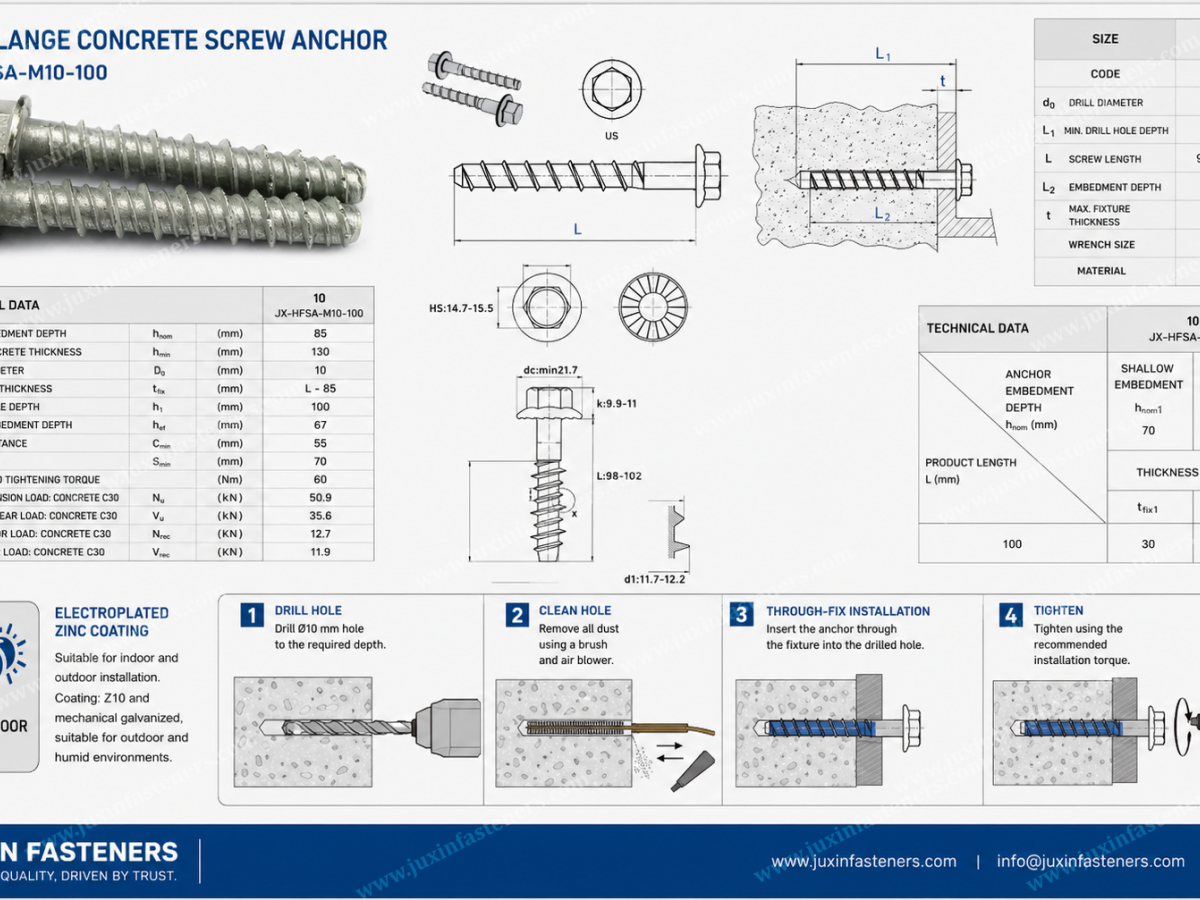
Applications for Inverted Cone Chemical Anchors
The mechanical locking characteristics of inverted cone chemical anchors make them particularly interesting for high-demand industrial and infrastructure applications.
1. Bridge Construction and Infrastructure
Bridges and infrastructure systems can experience repeated loading, vibration, thermal movement, and environmental exposure.
Potential applications include:
Steel component connections
Structural brackets
Safety barriers
Equipment supports
Infrastructure retrofit systems
Reinforcement and structural attachment systems
The anchoring system must be engineered according to the specific bridge design, loading conditions, substrate, and applicable standards.
2. Industrial Plants
Industrial facilities frequently contain equipment that generates continuous vibration and cyclic loads.
Potential applications include:
Heavy machinery
Equipment foundations
Steel frames
Conveyor systems
Industrial platforms
Pipe support systems
Production equipment
Safety equipment
For machinery installations, anchor selection should consider both static loads and dynamic forces.
3. Rail Transportation
Rail infrastructure can expose fasteners and anchoring systems to repeated vibration and fatigue loading.
Applications may include:
Trackside equipment
Signage systems
Cable support systems
Electrical equipment
Structural brackets
Infrastructure components
For transportation projects, only anchor systems with appropriate technical qualifications should be specified.
4. Seismic Construction
In seismic regions, structural connections may experience repeated load reversals and movement.
Engineers may therefore require anchoring systems with verified performance under seismic design conditions.
Inverted cone chemical anchors can be considered for applications where the combination of chemical bonding and mechanical interlock provides an appropriate solution.
5. Steel Structure Connections
Steel structures often require reliable connections between steel components and concrete foundations.
Potential applications include:
Steel columns
Base plates
Structural brackets
Equipment frames
Support structures
Industrial platforms
For structural applications, anchor design should be performed according to the relevant engineering standard and project requirements.
6. Heavy Equipment Installation
Heavy equipment can generate substantial static and dynamic forces.
Examples include:
CNC machinery
Industrial presses
Manufacturing equipment
Compressors
Pumps
Production lines
Material handling equipment
A high-performance industrial anchoring system can help engineers develop secure connections between equipment and concrete foundations.
Chemical Anchors for Dense Natural Stone and Other Substrates
Concrete is the primary substrate for many structural anchoring applications.
However, some projects involve dense natural stone or other solid substrates.
In such applications, the mechanical engagement of an inverted cone anchor may provide additional advantages compared with purely bonded anchoring systems.
Nevertheless, substrate-specific testing and engineering verification are essential.
An anchor system approved for concrete should not automatically be assumed to be suitable for natural stone or other substrates.
Inverted Cone Chemical Anchors vs. Straight Chemical Anchors: Cost Considerations
The initial unit price of an inverted cone chemical anchor may be higher than that of a conventional straight chemical anchor.
However, professional procurement should evaluate the total project cost, not simply the price per anchor.
The total cost can include:
Anchor quantity
Anchor diameter
Embedment depth
Installation labor
Drilling requirements
Inspection
Maintenance
Replacement
Downtime
Long-term service life
A higher-performance anchor may reduce the required number or size of anchors in certain engineered applications.
For critical infrastructure, the cost of preventing premature failure or costly maintenance can also be significantly higher than the initial purchase price.
Therefore, a lifecycle cost analysis can provide a more meaningful comparison than unit price alone.
How Engineers Should Select Between Inverted Cone and Straight Chemical Anchors
Neither anchoring system should be considered universally superior.
The correct solution depends on the project.
Straight Chemical Anchors May Be Preferred When:
The application involves conventional static loading
The design load is within the qualified capacity
Installation conditions are well controlled
A conventional bonded anchor provides sufficient performance
Project cost efficiency is a priority
Inverted Cone Chemical Anchors May Be Considered When:
Higher load transfer efficiency is required
Dynamic loading is significant
Vibration is present
Fatigue performance is important
Seismic loading must be considered
The connection is critical to system safety
Mechanical interlock provides an engineering advantage
The final selection should always be based on engineering calculations, technical data, applicable approvals, and project specifications.
Industrial Fastening Solutions from JUXIN FASTENERS
JUXIN FASTENERS provides professional industrial fastening solutions for international customers across construction, infrastructure, automotive manufacturing,
machinery, energy, and general industrial applications.
Our product portfolio includes:
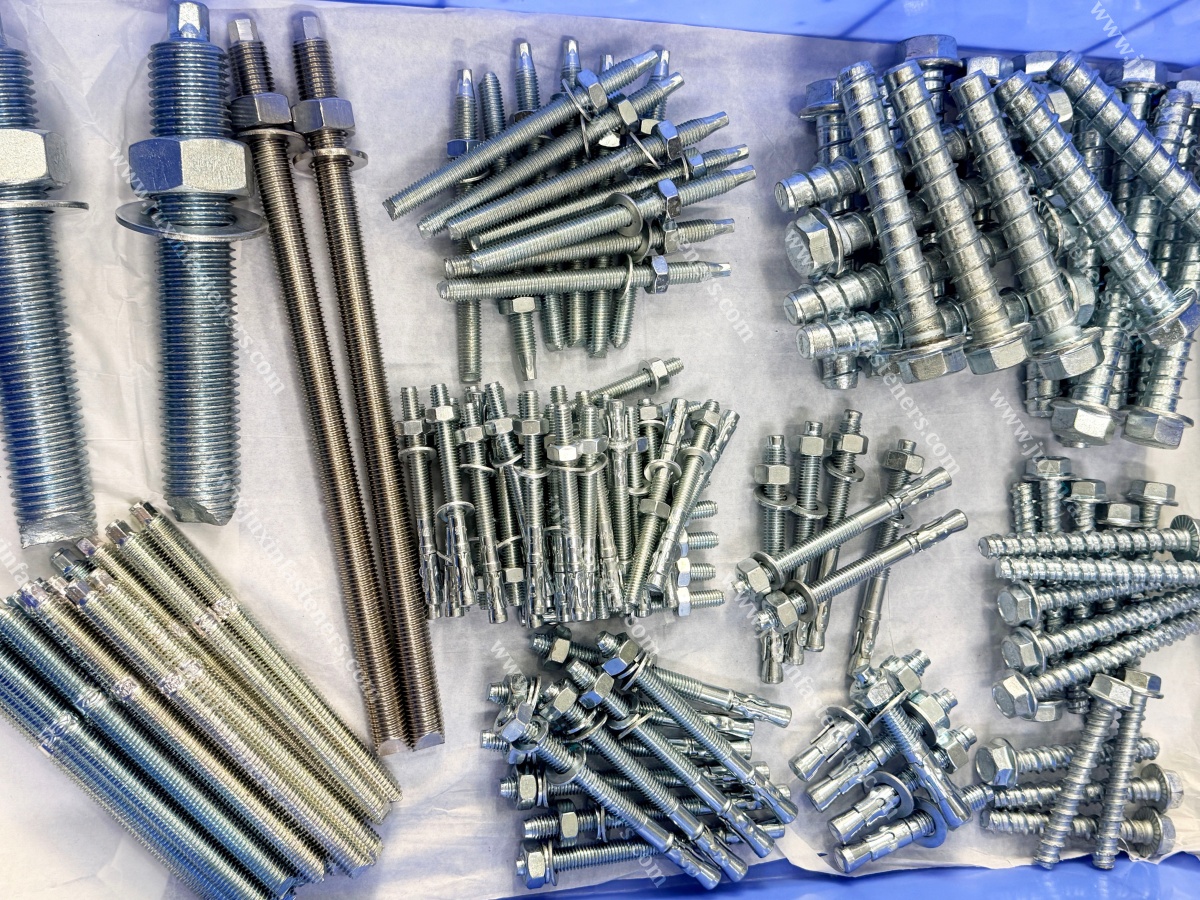
Concrete Screw Anchors
Concrete Self-Tapping Anchors
Mechanical Anchors
Chemical Anchoring Components
Industrial Fasteners
Structural Fastening Products
Automotive Fasteners
Custom Fastener Solutions
We work with engineers, distributors, contractors, OEM manufacturers, and purchasing teams requiring reliable fastening products for demanding applications.
Our technical approach focuses on:
Product Consistency + Engineering Requirements + Manufacturing Control + Application Support
For OEM and industrial sourcing projects, JUXIN FASTENERS can support customized dimensions, materials, surface finishes, packaging, inspection requirements, and production specifications.
Engineering Procurement Checklist for Chemical Anchors
Before sourcing an industrial chemical anchor, purchasing teams and engineers should confirm:
Anchor type
Anchor diameter
Overall length
Effective embedment depth
Concrete strength
Cracked or uncracked concrete
Tensile load
Shear load
Dynamic or static loading
Seismic requirements
Required edge distance
Required anchor spacing
Concrete member thickness
Chemical adhesive compatibility
Installation temperature
Cure time
Surface finish
Corrosion resistance
Applicable technical approvals
Inspection requirements
Packaging requirements
Required annual or project quantity
Providing these specifications allows the supplier to recommend a more appropriate concrete anchoring solution for the application.
Frequently Asked Questions
What is an inverted cone chemical anchor?
An inverted cone chemical anchor is a post-installed anchoring system that combines chemical adhesive bonding with a mechanically interlocking anchoring section.
The geometry creates mechanical engagement with the surrounding substrate.
Are inverted cone chemical anchors stronger than straight chemical anchors?
They can provide higher load capacity in certain applications, but there is no universal strength advantage.
Performance depends on the anchor design, adhesive, embedment, concrete strength, installation quality, spacing, edge distance, and applicable technical qualification.
Are inverted cone chemical anchors suitable for seismic applications?
Some systems are specifically qualified for seismic applications. Engineers must verify the individual product's approvals and design data before specifying it for seismic structures.
Can inverted cone chemical anchors be used in cracked concrete?
Some products are designed and qualified for cracked concrete. The specific anchor system must be verified against the applicable technical requirements before use.
Do chemical anchors require hole cleaning?
Yes. Proper hole cleaning is essential. Mechanical interlocking does not eliminate the need for appropriate drilling and cleaning procedures because adhesive bonding remains part of the anchoring mechanism.
Why is anchor spacing important?
Closely spaced anchors can have overlapping concrete stress zones, which may reduce the capacity of individual anchors. Edge distance and concrete thickness can also influence the available load-transfer mechanism.
Are inverted cone chemical anchors more expensive?
The initial component cost may be higher than conventional straight chemical anchors.
However, total project economics should consider anchor quantity, required diameter, installation efficiency, service life, maintenance, and overall structural performance.
What information should I provide when purchasing chemical anchors?
For professional sourcing, provide the required diameter and length, concrete strength, cracked or uncracked condition, load requirements, embedment depth,
installation environment, corrosion requirements, applicable standards, project quantity, and intended application.
Conclusion: Selecting the Right Chemical Anchoring System
Inverted cone chemical anchors are not intended to replace conventional straight chemical anchors in every application.
Straight chemical anchors remain an effective and economical solution for many conventional bonded anchoring applications.
Inverted cone chemical anchors provide an additional mechanical locking mechanism that can be valuable when engineers require enhanced load transfer,
dynamic load resistance, vibration performance, or demanding anchoring performance.
The correct solution should always be determined by:
Load Requirements + Concrete Condition + Embedment + Spacing + Edge Distance + Installation + Standards + Lifecycle Cost
For critical structural and industrial applications, product selection should be supported by appropriate technical documentation, engineering calculations, testing, and applicable approvals.
JUXIN FASTENERS supports global customers with concrete anchors, mechanical fastening products, industrial fasteners,
and engineered fastening solutions for demanding construction and industrial applications.
Looking for a reliable concrete anchoring solution for your next project?
Contact JUXIN FASTENERS for product specifications, technical information, OEM requirements, and bulk purchasing support.
Email: info@juxinfasteners.com
Website: www.juxinfasteners.com
JUXIN FASTENERS — Engineered Fastening Solutions for Industrial Applications
 MORE NEWS
Sep. 27, 2026
Sep. 27, 2026
Sep. 27, 2026
Contact Us
Tel.:
+86 020 8621 0320
+86 020 3121 6067
E-mail:
Technical Support:
Navigation
SEND INQUIREY