
Call Us
+86 136 6007 9809
Call Us
+86 136 6007 9809

Aug. 16, 2026
Welded Stud Solutions for Construction and Architectural Steel Structures
Construction and architectural steel structures require fastening solutions that provide reliable metal connections while maintaining high installation efficiency.
When conventional drilling and bolting increase fabrication time or require access to both sides of a steel component, welded studs offer an efficient alternative.
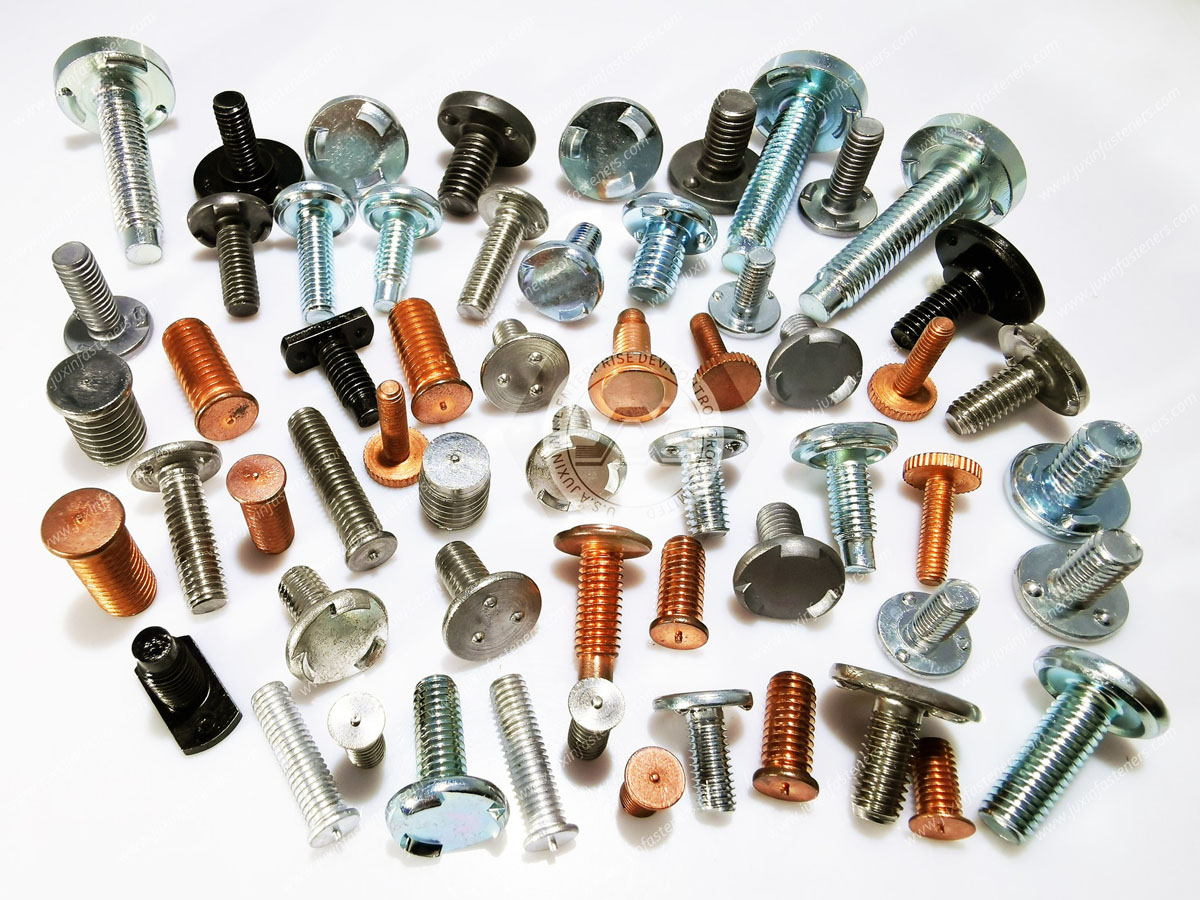
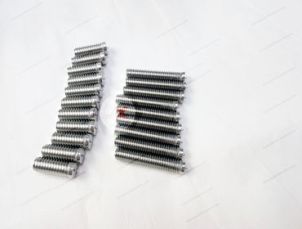
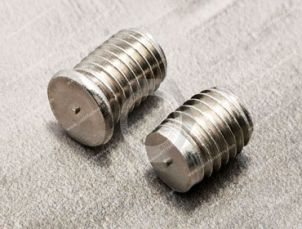
Welded studs, including headed studs, shear studs, threaded welded studs and weld studs, can create permanent attachment points directly on steel structures through stud welding.
They are widely used in:
Structural steel buildings
Composite floor systems
Bridge-related structures
Curtain wall framing
Steel brackets
Metal panels
Building service supports
Industrial steel structures
For structural engineers, steel fabricators, contractors, and procurement teams, selecting the right welded stud fastener and welding process is essential to achieve reliable connection performance.
Why Use Welded Studs in Construction?
Traditional bolted connections often require drilling, additional hardware, and access to the opposite side of the structure.
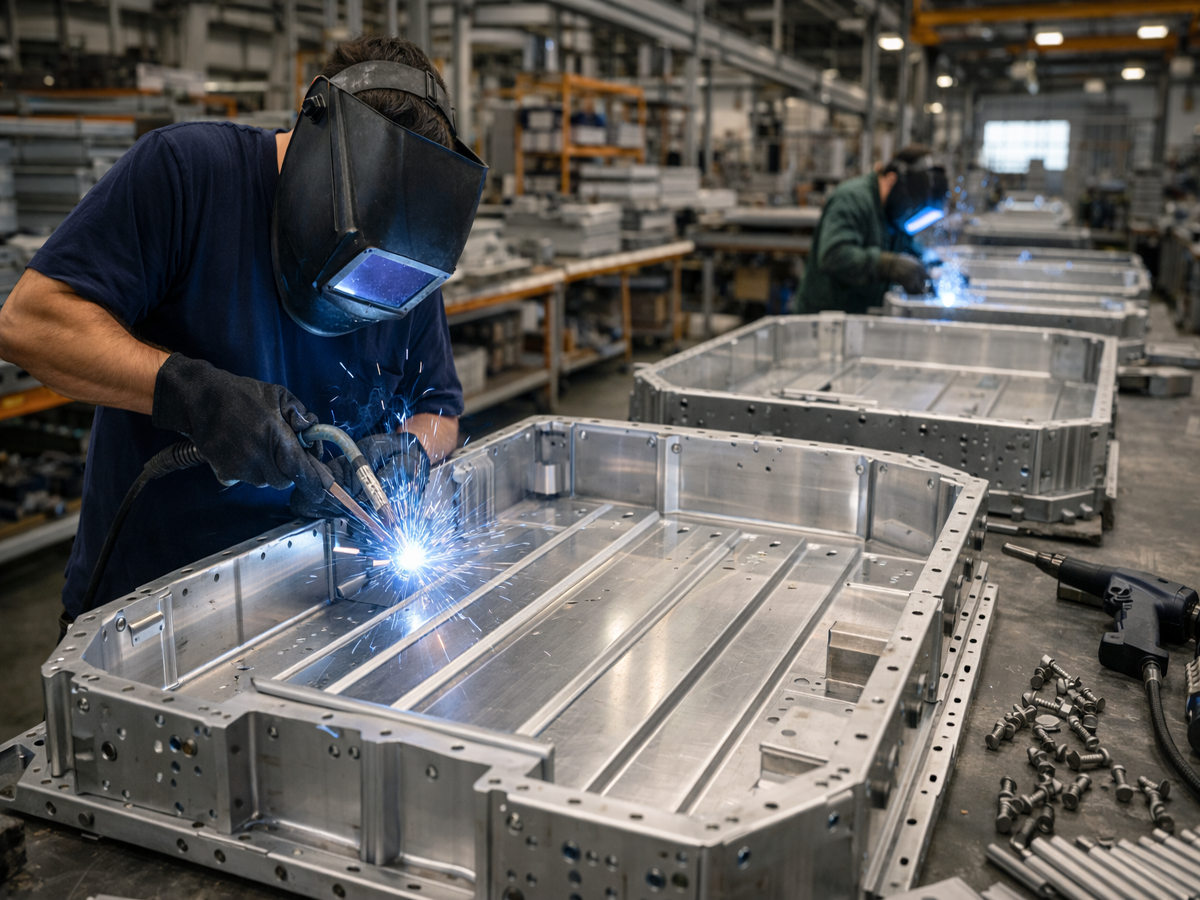
Stud welding can simplify this process by permanently attaching a stud directly to the steel substrate.
One-Sided Installation
One of the major advantages of stud welding is that installation can generally be performed from one side of the steel component.
This is valuable for:
Steel beams
Structural plates
Building panels
Composite floor systems
Curtain wall structures
Reduced Drilling Operations
Depending on the application, welded studs can eliminate drilling through the base material.
This can reduce fabrication operations and help simplify installation.
High Installation Efficiency
Stud welding provides rapid attachment compared with many conventional mechanical fastening methods.
This makes it suitable for large construction projects where thousands of fastening points may be required.
Welded Studs for Composite Floor Systems
Shear studs or headed studs are commonly associated with composite steel and concrete construction.
The welded stud provides a mechanical connection between the steel structural member and concrete slab.
Potential applications include:
Composite floor decks
Steel beams
Commercial buildings
Industrial buildings
Infrastructure structures
The stud specification, welding procedure, spacing, positioning, and required structural performance should be determined according to the project design and applicable standards.
Welded Studs for Curtain Wall Systems
Architectural steel and curtain wall systems require reliable attachment points for framing and supporting components.
Welded studs can be used for suitable applications involving:
Curtain wall framing
Metal brackets
Architectural panels
Support structures
Building service attachments
Their one-sided installation capability can be particularly useful when access to the rear side of a panel or structural member is restricted.
Welded Studs for Structural Steel Fabrication
Steel fabricators can use welded studs for attachment points on:
Steel columns
Beams
Plates
Brackets
Frames
Structural supports
Compared with drilling and bolting, stud welding can reduce the number of separate components required for certain applications.
Choosing the Right Stud Welding Process
Construction applications can involve thin sheet metal as well as heavy structural steel.
Capacitor Discharge Stud Welding
CD stud welding can be considered for relatively thin sheet applications where low heat input and reduced distortion are important.
Arc Stud Welding
Arc stud welding is generally more appropriate for medium- and heavy-section steel applications where higher structural connection requirements exist.
The appropriate process depends on:
Base material
Steel thickness
Stud diameter
Stud length
Surface condition
Coating
Required weld strength
Production volume
Engineering Considerations for Construction Welded Studs
Before purchasing welded studs, engineers should confirm:
Base steel grade
Material thickness
Stud diameter
Stud length
Head dimensions where applicable
Welding method
Required load capacity
Stud spacing
Edge distance
Surface coating
Installation orientation
Quality requirements
For structural applications, welding procedures should be qualified and controlled according to the project requirements.
Quality Control for Structural Welded Studs
Depending on the application, inspection may include:
Visual inspection
Dimensional inspection
Weld inspection
Pull testing
Torque testing
Destructive testing
Installation position verification
Critical structural applications should follow the applicable engineering standards and project specifications.
Construction Welded Stud Supplier
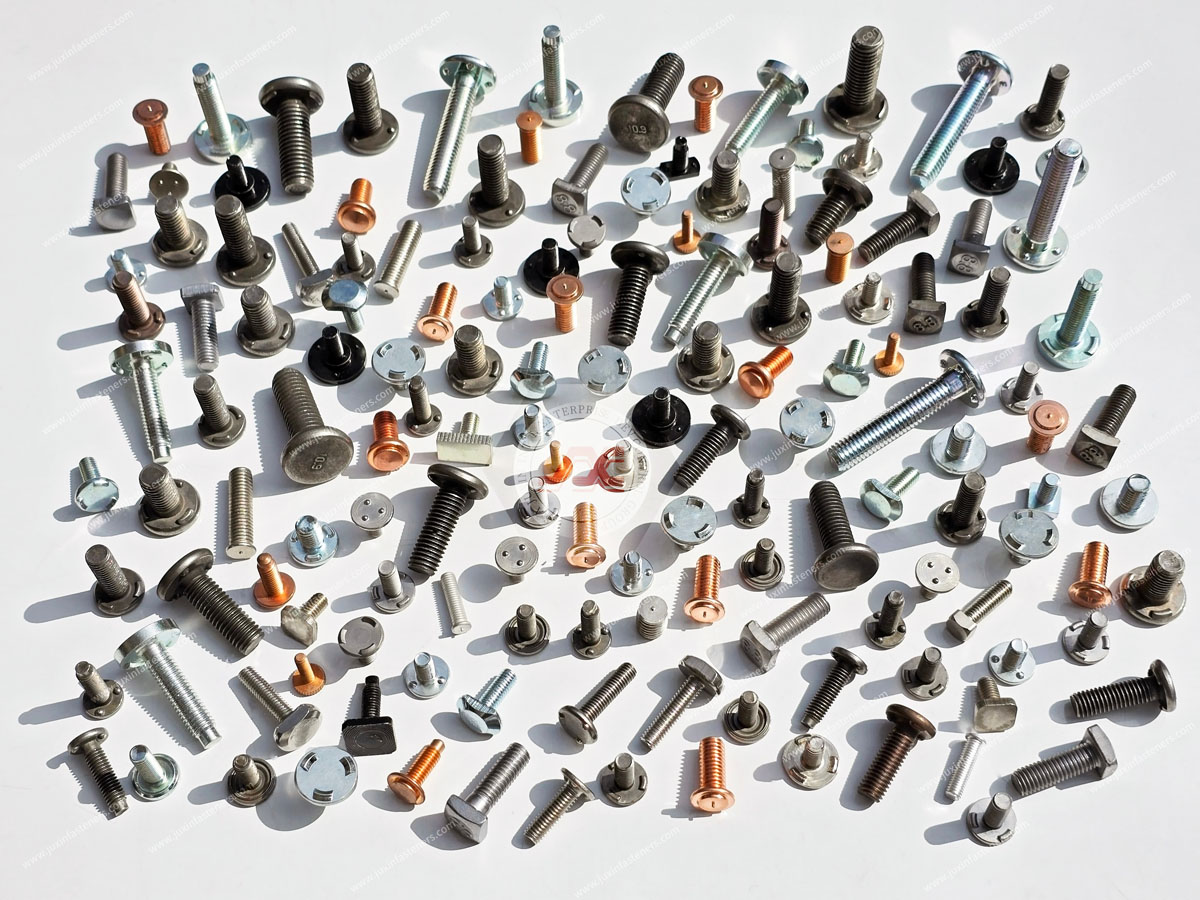
JUXIN FASTENERS provides welded studs, weld studs, threaded studs, headed studs and industrial fastening solutions for construction and steel structure applications.
We support procurement teams and engineers with requirements involving:
Structural steel
Composite construction
Architectural steel
Sheet metal
Custom stud dimensions
Metric threads
Inch threads
Production quantities
Website: www.juxinfasteners.com
Email: info@juxinfasteners.com
 MORE NEWS
Aug. 16, 2026
Aug. 16, 2026
Aug. 16, 2026
Contact Us
Tel.:
+86 020 8621 0320
+86 020 3121 6067
E-mail:
Technical Support:
Navigation
SEND INQUIREY