
Call Us
+86 136 6007 9809
Call Us
+86 136 6007 9809

Aug. 16, 2026
Welded Studs for High-Strength and Efficient Metal Connections
Welded studs provide an efficient fastening solution for industrial applications where high connection strength, production efficiency, and reliable metal-to-metal attachment are required.
Unlike conventional bolted connections, stud welding permanently attaches the threaded or headed stud directly to the metal substrate.
This can reduce the need for drilling, nuts, washers, and access from the opposite side of the workpiece.
Welded studs are widely suited to demanding applications across architectural steel structures, bridge engineering, automotive manufacturing, shipbuilding,
marine engineering, power and energy, rail transit, and mechanical equipment.
For procurement teams, mechanical engineers, manufacturing engineers, and structural designers, the selection of the appropriate welded stud,
stud welding process, material, and installation method is critical to achieving a reliable production connection.
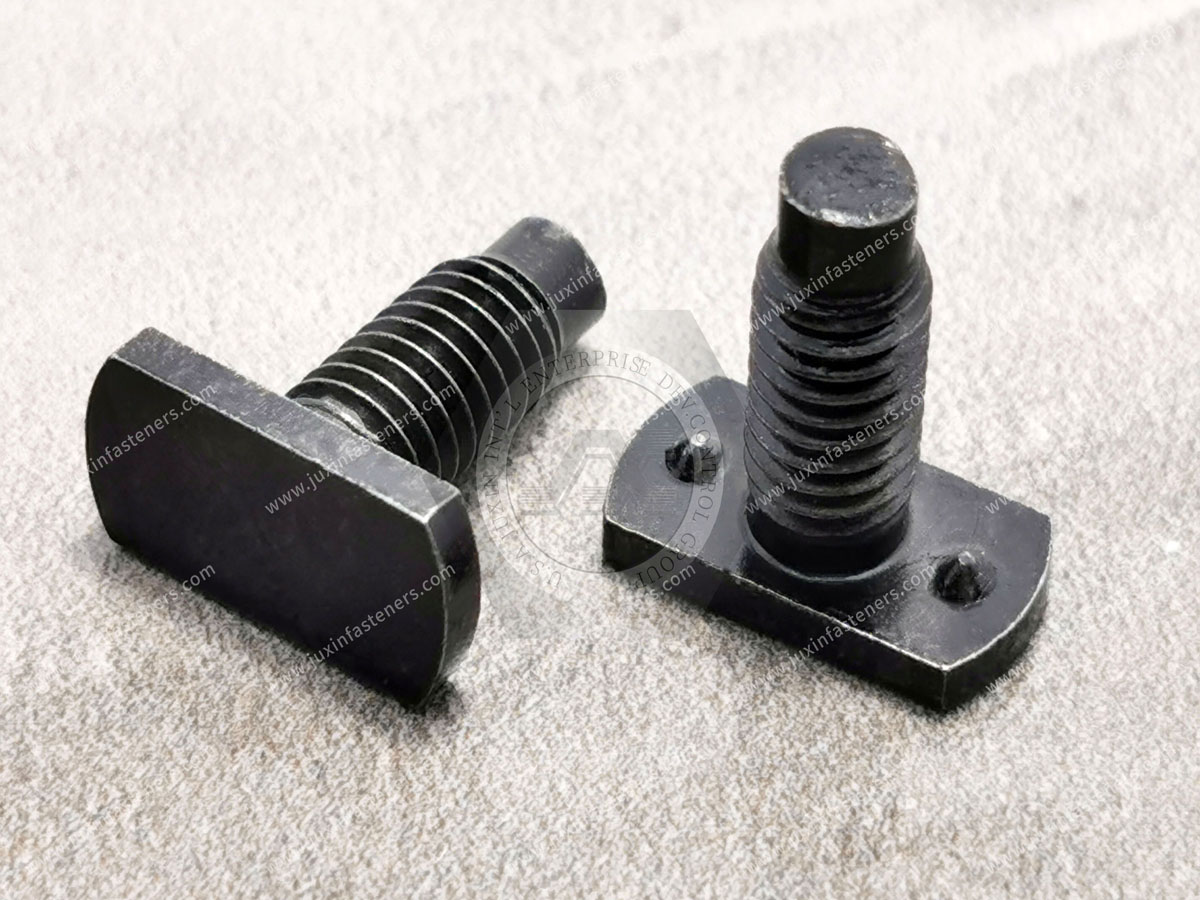
What Are Welded Studs?
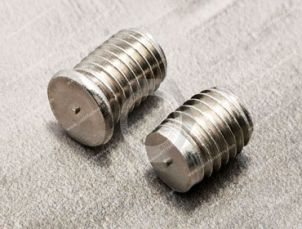
Welded studs are metal fasteners designed to be permanently attached to a metal surface through a specialized stud welding process.
Depending on the application, welded studs can be used for:
Structural connections
Bracket mounting
Panel fastening
Equipment installation
Electrical and wiring support
Pipe and cable support
Composite steel structures
Internal component attachment
The main advantage of stud welding is that the fastener can be installed from one side of the workpiece, which is particularly useful where access to the rear side is limited.
This makes weld studs, welded studs, and stud welding fasteners attractive alternatives to conventional drilling and bolting for many industrial assemblies.
Key Benefits of Welded Stud Fasteners
High Connection Strength
Welded studs create a direct metal-to-metal connection between the stud and substrate.
This makes them suitable for applications requiring strong and stable attachment points, particularly in structural steel, heavy equipment, transportation, and industrial manufacturing.
One-Side Installation
A major advantage of stud welding is the ability to install the fastener from one side.
This can simplify assembly where the reverse side of a panel, beam, plate, or enclosure is inaccessible.
No Through-Hole Required
Depending on the selected welding process and application, stud welding can eliminate the need to drill through the base material.
This can help preserve the integrity of panels and structural components while reducing additional machining operations.
Fast Production Installation
Stud welding can provide rapid installation compared with conventional mechanical fastening methods.
This is especially valuable for:
Automotive production lines
Steel fabrication
Bridge construction
Shipbuilding
Heavy machinery
Large industrial structures
Suitable for Automation
Welded stud installation can be integrated into automated manufacturing systems.
Automated stud welding can improve:
Production consistency
Installation speed
Positioning accuracy
Process repeatability
Labor efficiency
For high-volume manufacturing, automated stud welding is increasingly important for improving production efficiency.
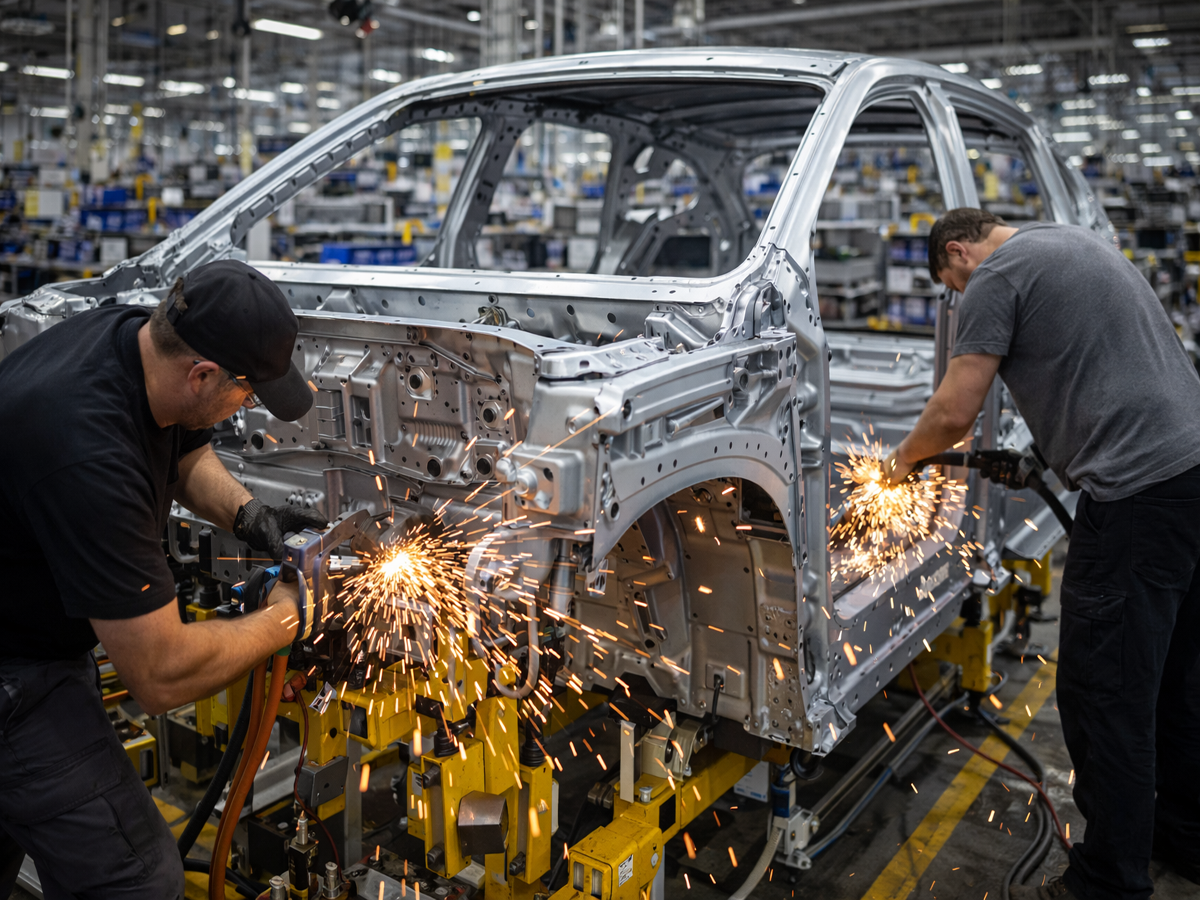
Welded Stud Applications by Industry
1. Construction and Architectural Steel Structures
Welded studs are widely applicable to structural steel and construction projects where strong and efficient metal connections are required.
Composite Floor Construction
Headed shear studs are used in composite steel and concrete structures to establish a mechanical connection between steel beams and concrete floor slabs.
This type of application is particularly important in:
Commercial buildings
Industrial buildings
Steel-frame structures
Composite floor systems
Infrastructure projects
Bridge Engineering
Welded studs can be used in bridge structures for applications such as:
Composite bridge decks
Bridge deck panels
Guardrail connections
Steel support structures
Structural attachments
Stud welding can reduce the need for drilling and can be advantageous where access to one side of the steel structure is restricted.
Curtain Wall and Architectural Structures
Welded studs can provide attachment points for:
Curtain wall framing
Architectural panels
Metal brackets
Building services
Supporting components
The appropriate stud type and welding process should be selected according to the structural design and substrate material.
2. Automotive Manufacturing
The automotive industry requires fastening systems that combine high production speed, reliable attachment, lightweight construction, and repeatable positioning.
Welded studs can provide permanent attachment points on automotive sheet metal and structural components.
Body-in-White Applications
Potential applications include:
Floor panels
Shock towers
Body brackets
Reinforcement structures
Hood mounting points
Interior brackets
Stud welding is particularly useful when components must be attached to sheet metal without requiring access to the opposite side.
Automotive Interior Components
Welded studs can be used for:
Interior brackets
Trim attachment
Instrument panel components
Wiring harness fixing
Cable routing
Equipment mounting
Galvanized and Lightweight Materials
Automotive production increasingly involves galvanized steel and lightweight material combinations.
For these applications, the welding process and fastener configuration must be selected according to the sheet thickness, coating, substrate material, and required connection performance.
3. Shipbuilding and Marine Engineering
Shipbuilding involves large metal structures with complex geometries and difficult access conditions.
Welded studs can provide efficient attachment points for:
Hull plating
Deck structures
Bulkheads
Pipe brackets
Cable supports
Internal equipment
Marine system components
Stud Welding for Complex Ship Structures
Ship structures often require fastening operations in different orientations and restricted spaces.
Stud welding can help simplify the installation of brackets and supporting components while minimizing additional drilling operations.
The welding process should be selected according to the base material, plate thickness, coating, environmental conditions, and production requirements.
For marine applications, material and corrosion protection should also be carefully evaluated.
4. Power and Energy Industry
Power generation and energy infrastructure require fastening solutions capable of supporting demanding structural and mechanical applications.
Welded studs can be used in suitable applications involving:
Power plant structures
Transformer accessories
Steel supports
Equipment brackets
Pipeline fittings
Industrial energy equipment
Heavy structural assemblies
High-Load Structural Applications
Where high mechanical loads are present, engineers should evaluate:
Stud diameter
Stud material
Base material
Welding process
Weld quality
Load direction
Fatigue requirements
Environmental exposure
For specialized applications such as nuclear facilities or critical energy infrastructure, all fastening and welding requirements must be validated against the applicable
engineering, quality, and regulatory specifications.
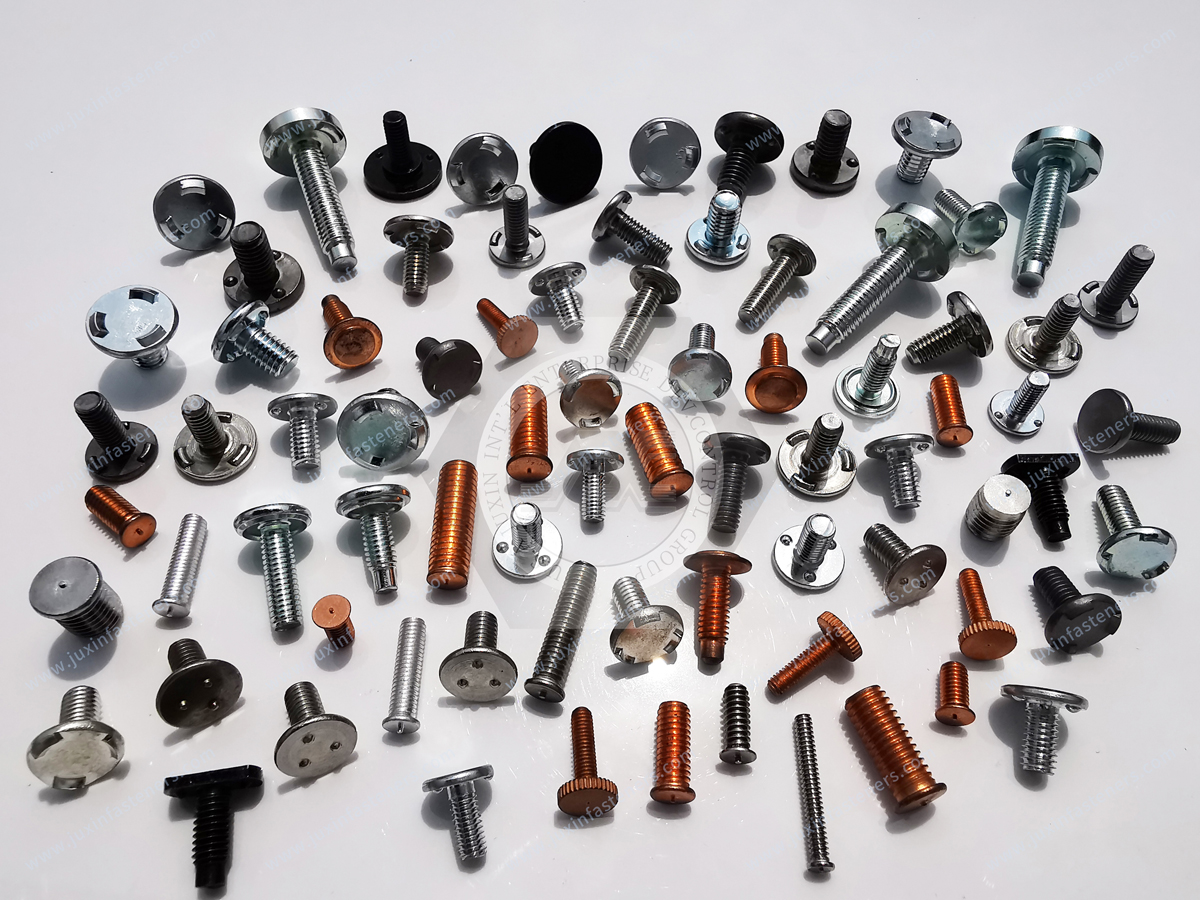
5. Rail Transit
Railway and mass-transit equipment operate under continuous vibration and dynamic loading.
Welded studs can provide reliable attachment points for suitable applications in:
High-speed train body structures
Subway car bodies
Interior panels
Equipment brackets
Cable management
Electrical systems
Supporting structures
Welded Studs for High-Vibration Environments
Rail vehicles require fastening systems that maintain connection integrity during repeated vibration and dynamic movement.
Stud welding provides a permanent attachment point without requiring conventional through-bolting.
Potential advantages include:
Reduced component count
One-sided installation
Fast assembly
Permanent attachment
Suitable positioning flexibility
Material selection and welding parameters should be validated according to the specific rail application and required performance standards.
6. General Machinery and Industrial Equipment
Welded studs are also suitable for a wide range of machinery and industrial equipment applications.
Typical applications include:
Machine housings
Equipment casings
Electrical cabinets
Internal brackets
Protective covers
Mounting points
Industrial frames
Mechanical assemblies
Replacing Conventional Bolted Connections
In suitable applications, welded studs can replace traditional through-bolts and nuts.
This can reduce:
Drilling operations
Fastener components
Assembly steps
Installation access requirements
Overall assembly complexity
For mass-produced machinery, these improvements can contribute to a more efficient manufacturing process.
7. Home Appliances and Sheet Metal Equipment
Welded studs can also be used in sheet metal appliance manufacturing.
Potential applications include:
Refrigerator cabinets
Air conditioner housings
Appliance brackets
Internal support structures
Electrical component mounting
Cable and wiring fixation
For thin sheet metal applications, the appropriate stud welding process must be selected carefully to minimize distortion and achieve consistent attachment quality.
Choosing the Right Stud Welding Process
Different materials and sheet thicknesses require different welding processes.
Two important technologies are Capacitor Discharge Stud Welding and Arc Stud Welding.
Capacitor Discharge Stud Welding
CD stud welding is well suited to applications involving relatively thin metal sheets and applications where minimizing heat input is important.
It can be considered for:
Thin sheet metal
Automotive interiors
Electronic equipment
Precision sheet metal
Appliance components
The process can provide rapid attachment with a relatively small heat-affected area.
For thin materials, engineers should validate the welding parameters according to the actual substrate, coating, stud specification, and required connection strength.
Arc Stud Welding
Arc stud welding is generally suited to applications involving medium-to-thick metal sections and higher structural requirements.
Typical applications include:
Structural steel
Bridges
Heavy machinery
Large industrial equipment
Steel construction
Heavy transportation equipment
For structural applications, welding procedure control and quality verification are essential.
Short-Cycle Stud Welding
Short-cycle stud welding can be considered where production efficiency and controlled heat input are important.
The appropriate process depends on:
Sheet thickness
Base material
Stud diameter
Surface condition
Coating
Required weld strength
Production volume
Automated Stud Welding for Modern Manufacturing
Automation is becoming increasingly important in automotive manufacturing, structural steel production, and high-volume industrial assembly.
Automated stud welding systems can integrate:
Automatic stud feeding
Robotic positioning
Welding control
Vision or positioning systems
Process monitoring
In-line quality inspection
For large production programs, automated stud welding can improve process repeatability and reduce manual installation requirements.
This is particularly valuable when hundreds or thousands of studs must be positioned accurately across a production line or large structural assembly.
Welded Stud Material and Surface Considerations
Fastener material should be selected according to the base material and operating environment.
Important considerations include:
Carbon steel
Stainless steel
Base material compatibility
Corrosion resistance
Surface coating
Operating temperature
Mechanical loading
Welding compatibility
For galvanized sheet steel, coated substrates, stainless steel, or dissimilar materials, welding process parameters should be validated before production.
The coating condition can significantly influence weld quality, so production trials may be required for coated materials.
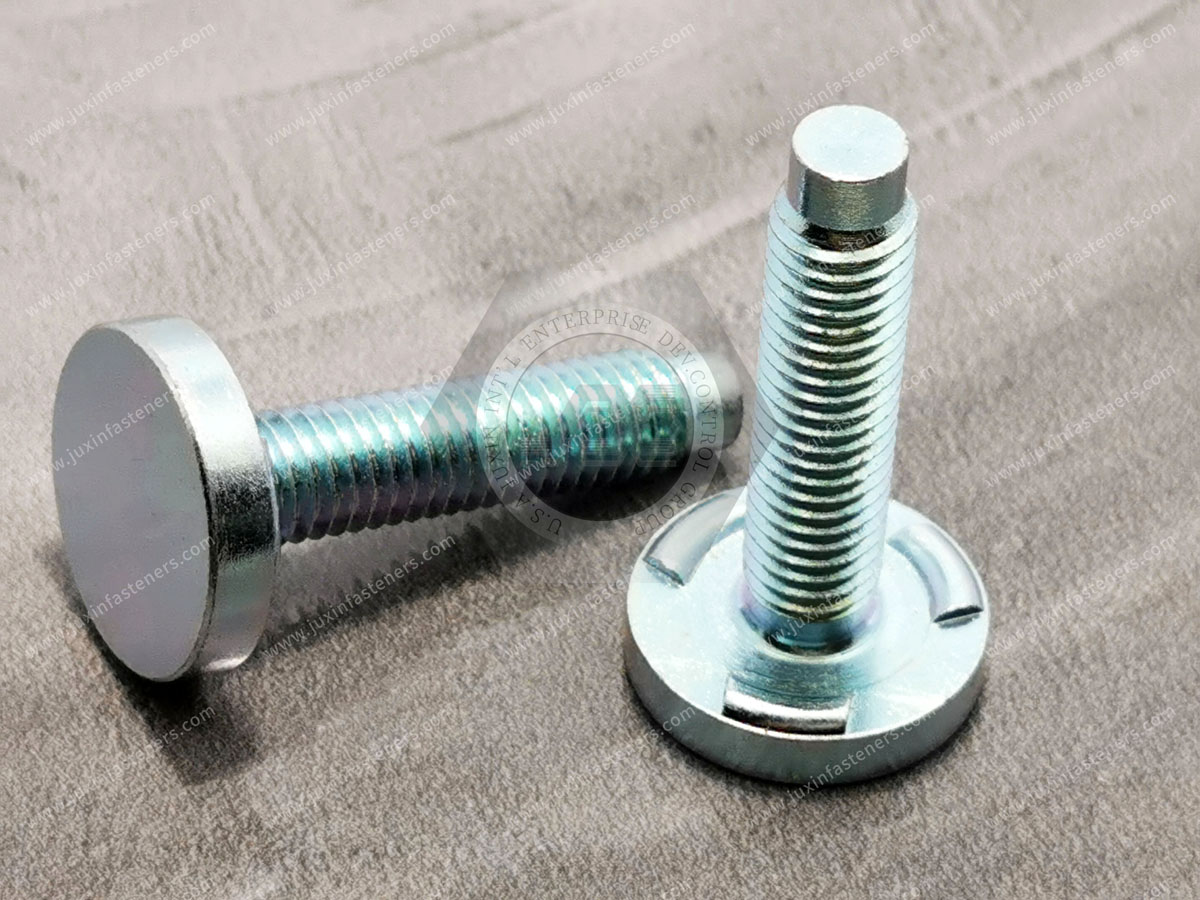
Engineering Considerations Before Ordering Welded Studs
For procurement and engineering teams, the following information should be confirmed before selecting welded studs:
1. Base Material
Specify the material of the sheet, plate, beam, or structural component.
2. Material Thickness
Stud welding requirements can vary significantly depending on the substrate thickness.
3. Stud Diameter and Length
Select dimensions according to the required load, installation space, and assembly design.
4. Thread Specification
For threaded studs, specify the required metric or inch thread.
5. Welding Process
Determine whether CD stud welding, arc stud welding, short-cycle welding, or another process is appropriate.
6. Surface Condition
Identify whether the substrate is:
Bare steel
Galvanized
Painted
Stainless steel
Coated
Aluminum
7. Production Volume
High-volume production may justify automated stud feeding and robotic welding systems.
8. Quality Requirements
Define the required inspection and validation methods based on the application.
Potential inspection requirements include:
Visual inspection
Dimensional inspection
Weld inspection
Pull testing
Torque testing
Destructive testing
Process qualification
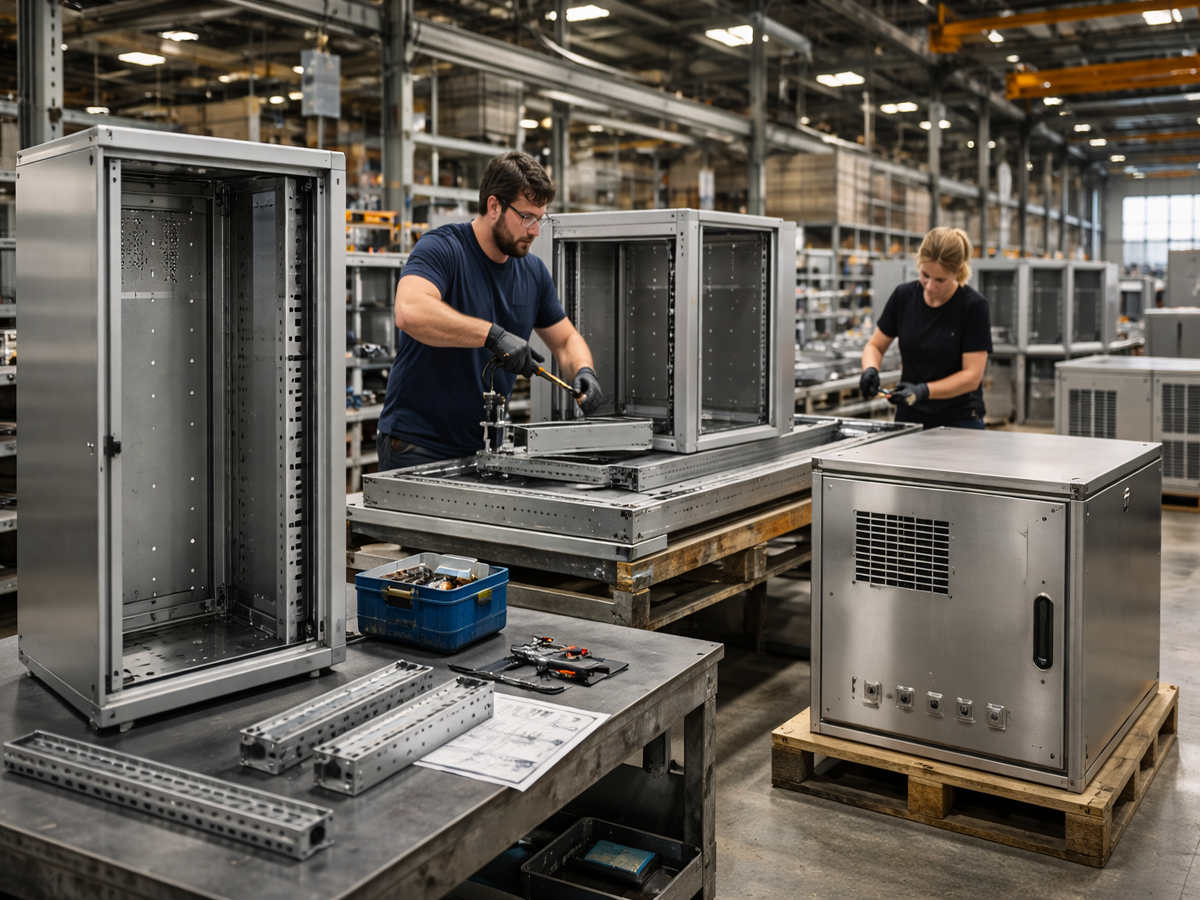
Welded Studs vs. Traditional Bolted Fasteners
For suitable applications, welded studs can provide manufacturing advantages over conventional bolts and nuts.
Requirement | Welded Studs | Conventional Bolting |
One-sided installation | Yes | Often requires access to both sides |
Drilling required | May be eliminated | Usually required |
Nut required | No | Yes |
Installation speed | High | Depends on assembly |
Permanent attachment | Yes | No |
Automation potential | High | High |
Suitable for thin sheet | Process-dependent | Depends on bolt design |
Assembly component count | Lower | Higher |
The correct solution depends on the structural design, material, production process, and required connection performance.
Industrial Welded Stud Solutions from JUXIN FASTENERS
JUXIN FASTENERS provides welded studs and industrial fastening solutions for customers requiring reliable metal-to-metal connections.
Our welded stud solutions can be evaluated for applications in:
Automotive manufacturing
Construction
Bridge engineering
Architectural steel
Shipbuilding
Marine engineering
Power and energy
Rail transit
Industrial machinery
Sheet metal equipment
Home appliances
For engineering and procurement evaluation, customers can provide:
Technical drawing
Stud dimensions
Thread specification
Base material
Sheet thickness
Surface condition
Required quantity
Application environment
Welding process requirements
This information allows the fastening solution to be evaluated against the actual production requirements.
Request a Welded Stud Solution
Looking for a reliable welded stud supplier for automotive, construction, marine, energy, rail, or industrial applications?
Send JUXIN FASTENERS your drawing or technical requirements for evaluation.
JUXIN FASTENERS
Website: www.juxinfasteners.com
Email: info@juxinfasteners.com
We support procurement teams and engineers looking for welded studs, weld studs, stud welding fasteners, threaded welded studs, automotive welded studs,
structural welding studs, and custom industrial fastening solutions.
 MORE NEWS
Aug. 16, 2026
Aug. 16, 2026
Aug. 16, 2026
Contact Us
Tel.:
+86 020 8621 0320
+86 020 3121 6067
E-mail:
Technical Support:
Navigation
SEND INQUIREY