
Call Us
+86 136 6007 9809
Call Us
+86 136 6007 9809

Aug. 16, 2026
Welded Stud Solutions for Bridge Engineering and Infrastructure
Bridge engineering requires fastening solutions capable of supporting demanding structural loads, repeated vibration, environmental exposure, and long-term service requirements.
Welded studs and shear studs are important fastening components for suitable bridge and composite steel applications.
They can provide permanent attachment points while reducing the need for drilling and conventional bolted connections.
Typical applications include:
Composite bridge decks
Steel bridge beams
Deck panels
Guardrail structures
Structural brackets
Steel support components
Infrastructure attachments
Shear Studs for Composite Bridge Decks
One of the key applications of welded studs in bridge engineering is connecting steel structural members with concrete deck systems.
Headed shear studs provide a mechanical interface between steel and concrete.
The correct stud arrangement depends on:
Structural design
Stud diameter
Stud height
Steel grade
Concrete system
Load requirements
Stud spacing
Welding procedure
All structural requirements must be established by the project engineer.
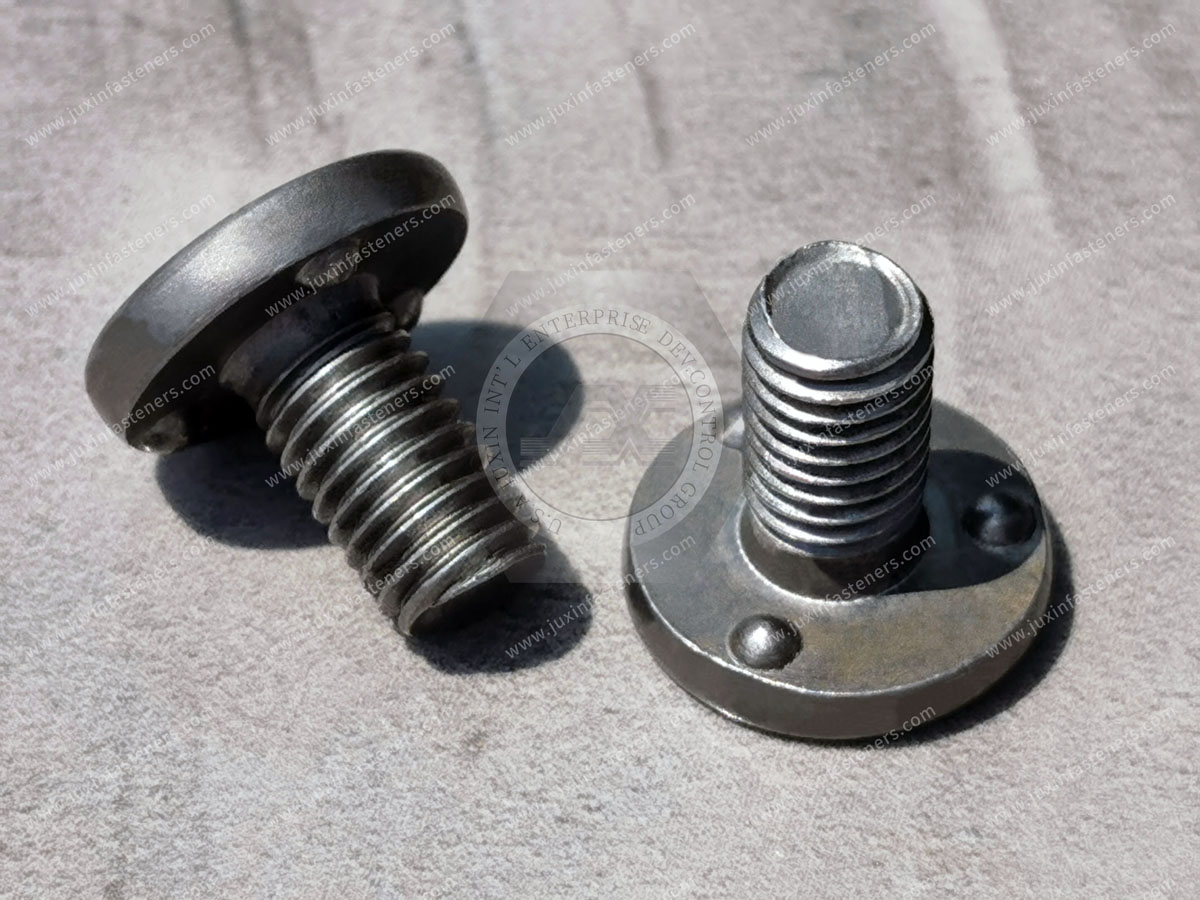
Welded Studs for Bridge Deck Panels
Bridge deck and supporting components may require permanent attachment points.
Welded studs can be used for suitable applications involving:
Deck panels
Structural brackets
Guardrail supports
Metal attachments
Maintenance components
The one-sided installation capability of stud welding can simplify fabrication in areas where access is limited.
Why Stud Welding Can Benefit Bridge Fabrication
Reduced Drilling
Stud welding can reduce or eliminate certain drilling operations.
Fast Installation
Large bridge projects may require significant numbers of fastening points. Stud welding can support high installation productivity.
Permanent Attachment
Unlike removable bolted hardware, welded studs become permanently attached to the steel substrate.
Simplified Component Assembly
The stud itself provides the attachment point, potentially reducing the number of separate fastener components.
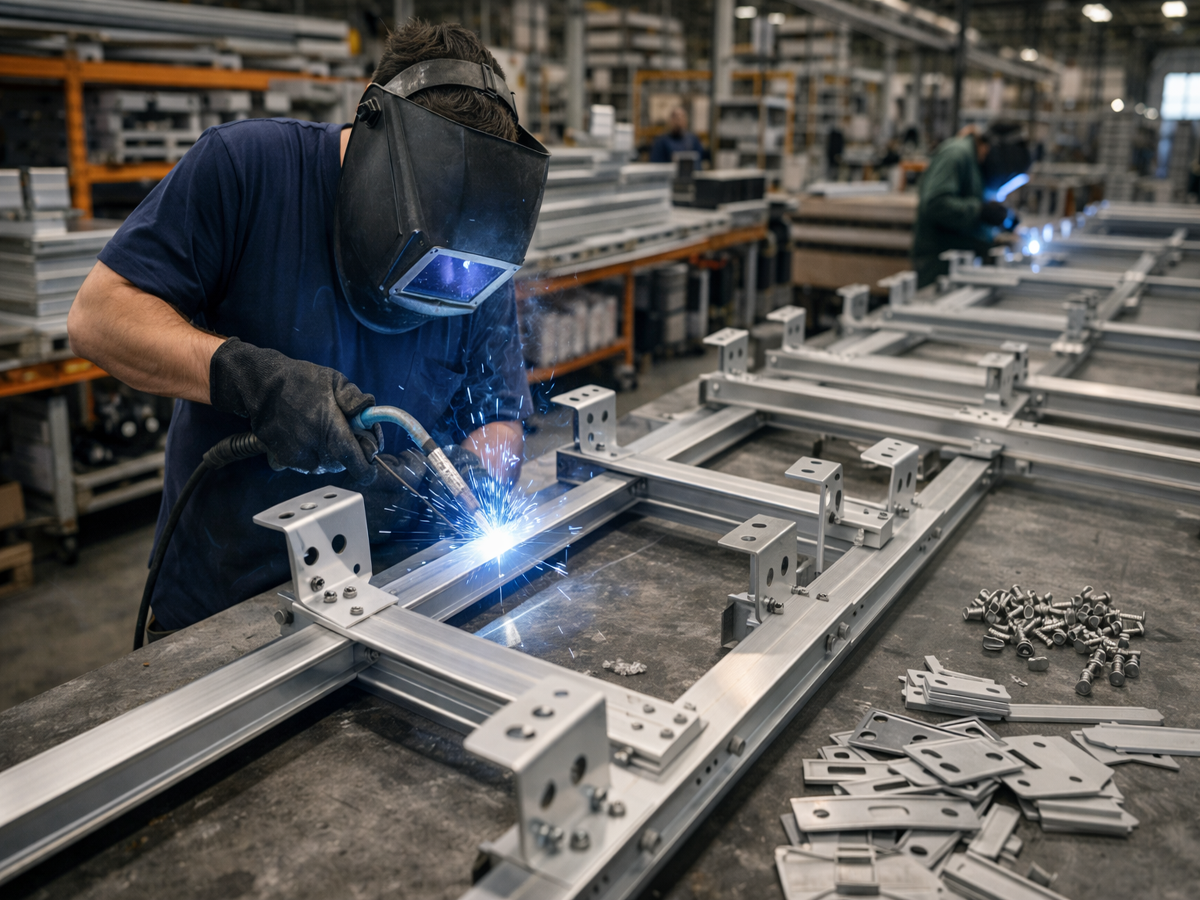
Bridge Stud Welding Process Selection
For structural bridge applications, arc stud welding is generally the relevant process for heavier steel sections.
CD stud welding may be more appropriate for selected thin sheet applications rather than major structural connections.
Process selection should consider:
Steel thickness
Stud size
Surface condition
Welding equipment
Environmental conditions
Required structural performance
Bridge Welded Stud Quality Control
Infrastructure projects require controlled welding and inspection.
Depending on project specifications, quality control may include:
Stud dimension inspection
Weld appearance
Stud alignment
Pull testing
Bend testing
Destructive testing
Welding procedure verification
The final inspection requirements must follow the applicable bridge design, welding, and infrastructure standards.
Procurement Information for Bridge Welded Studs
When requesting welded studs for bridge projects, procurement teams should provide:
Drawing
Stud diameter
Stud length
Material
Base steel specification
Steel thickness
Required quantity
Welding process
Project standard
Surface condition
This information helps suppliers evaluate the correct welded stud configuration.
Bridge Welding Stud Supplier
JUXIN FASTENERS supplies welded studs, headed studs, shear studs, threaded weld studs, and industrial fastening solutions for structural applications.
Website: www.juxinfasteners.com
Email: info@juxinfasteners.com
 MORE NEWS
Aug. 16, 2026
Aug. 16, 2026
Aug. 16, 2026
Contact Us
Tel.:
+86 020 8621 0320
+86 020 3121 6067
E-mail:
Technical Support:
Navigation
SEND INQUIREY