Call Us
+86 136 6007 9809
Call Us
+86 136 6007 9809

Aug. 29, 2026
Semiconductor equipment manufacturers frequently develop proprietary machines with mechanical interfaces that are specific to their equipment architecture.
Standard catalog hardware cannot always provide the required geometry, mounting interface, material, tolerance or functional features.
In these situations, custom semiconductor equipment components manufactured from engineering drawings can provide a more suitable solution.
JUXIN manufactures custom semiconductor equipment components from engineering drawings, CAD files and customer samples, supporting
OEM manufacturers, procurement teams, supply-chain managers and design engineers with drawing-based production.
Our capabilities cover both custom fasteners and CNC machined components, allowing customers to source multiple types of small mechanical components through one manufacturing partner.
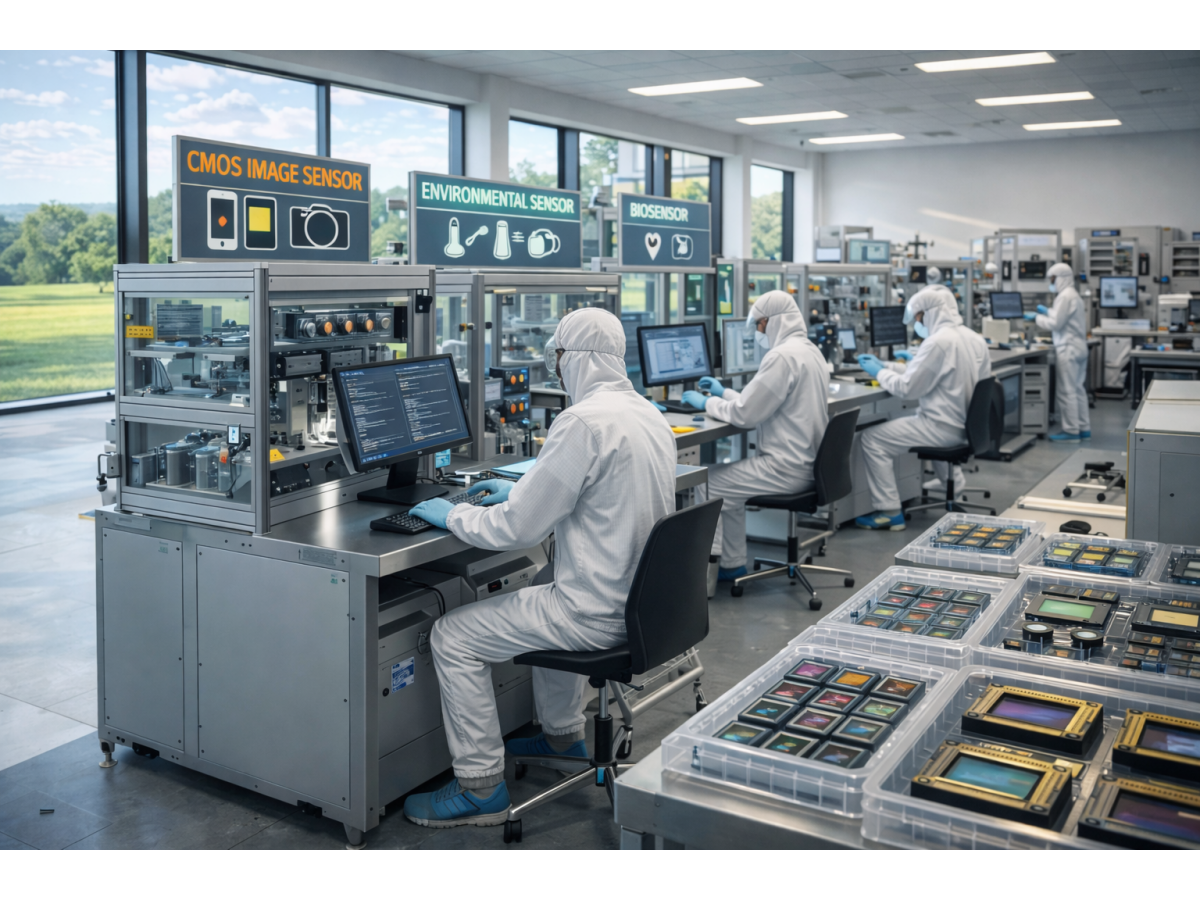
Semiconductor equipment combines precision mechanical structures, automation, positioning systems, process modules, enclosures and specialized interfaces.
A proprietary machine may require components that cannot be replaced by standard hardware without modifying the equipment design.
Custom components may be required for:
Proprietary mounting interfaces
Special thread geometry
Limited installation space
Precision alignment features
Non-standard dimensions
Special material requirements
Specific surface treatments
Integrated fastening and machining features
Equipment-specific fixtures
Controlled component interfaces
For equipment designers, custom manufacturing provides greater freedom to design the component around the actual mechanical function.
For procurement teams, it provides a controlled route from an approved engineering drawing to repeat production.
The engineering drawing is the foundation of a drawing-based manufacturing project.
JUXIN can review customer documentation including:
2D engineering drawings
CAD files
Technical specifications
Approved samples
Component photographs with supporting dimensions
Customer-defined manufacturing requirements
The drawing may define:
Material
Dimensions
Tolerances
GD&T
Thread specifications
Surface finish
Surface treatment
Critical features
Inspection requirements
Packaging requirements
The objective is to translate the approved engineering requirements into a practical and repeatable manufacturing process.
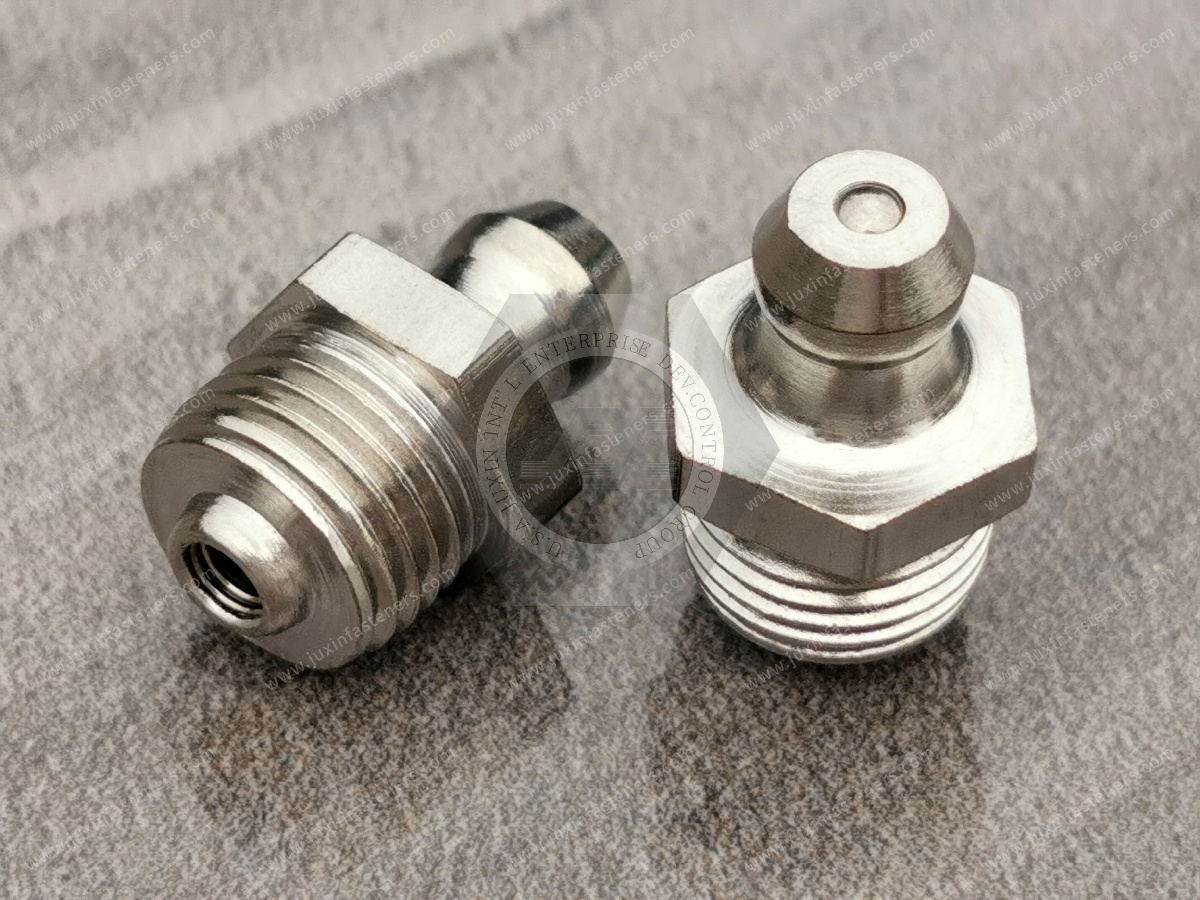
Semiconductor equipment assemblies may require both standard and application-specific fastening components.
JUXIN can manufacture custom fasteners including:
Special head designs, lengths, thread configurations and other non-standard features can be manufactured according to customer drawings.
Custom bolts can be produced with specified dimensions, materials, thread configurations and head geometries.
Non-standard nuts can be manufactured for equipment-specific interfaces where standard nut dimensions are not suitable.
Custom threaded studs can be produced with specified thread lengths, diameters and end configurations.
Custom washers can be manufactured to specific outside diameter, inside diameter, thickness and geometry requirements.
Threaded pins can combine locating or mechanical positioning features with threaded interfaces according to the equipment design.
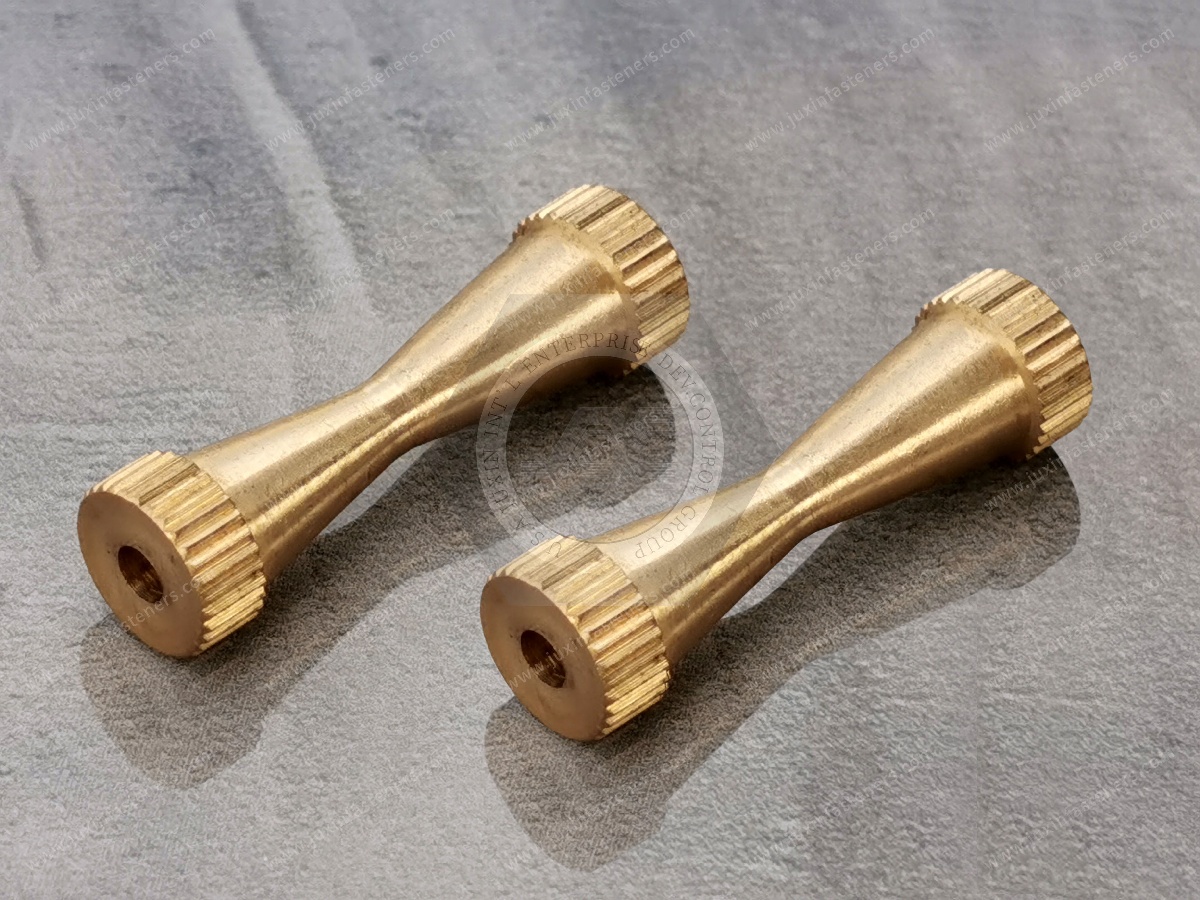
Not every equipment component is a conventional fastener.
JUXIN also manufactures custom CNC machined components such as:
Precision shafts
Alignment pins
Guide pins
Bushings
Spacers
Standoffs
Brackets
Precision sleeves
Fixtures
Sensor mounts
Other custom mechanical components
These parts can be manufactured according to customer drawings and application-specific requirements.
Precision pins and shafts are common in positioning, alignment and motion-related equipment assemblies.
Depending on the design, engineers may need to control:
Diameter
Length
Concentricity
Straightness
Shoulder location
Thread geometry
Surface finish
Fit with mating components
The required tolerance should be established according to the actual equipment function.
A component used as a precision alignment feature may require different dimensional controls from a component used only as a structural spacer.
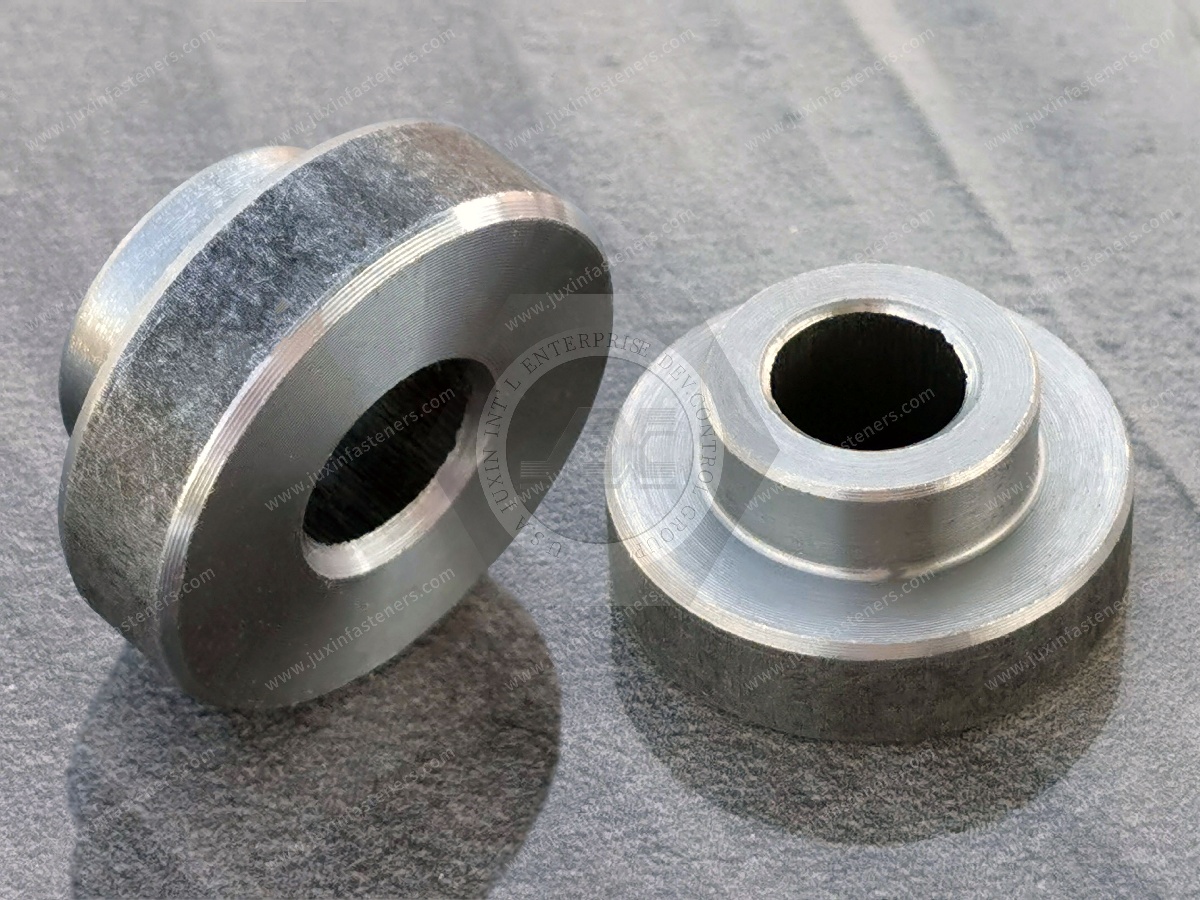
Small cylindrical components can provide important mechanical interfaces within semiconductor equipment.
Custom bushings can be manufactured to control the relationship between mating components.
Internal diameter, external diameter, length, concentricity and surface finish can be defined according to the application.
Precision spacers can establish controlled distances between components and maintain the intended assembly geometry.
Custom standoffs can support panels, covers, electronic assemblies and mechanical structures while maintaining a defined separation distance.
Equipment manufacturers often require custom mounting brackets and fixtures because the component geometry must match a proprietary machine design.
CNC machining can produce brackets with features such as:
Precision mounting holes
Threaded holes
Slots
Counterbores
Countersinks
Locating features
Steps
Precision mounting surfaces
Custom fixtures can also support equipment assembly, positioning, testing or inspection.
The final geometry and tolerance should be established according to the customer's approved engineering requirements.
Some semiconductor equipment components combine characteristics that would normally belong to different product categories.
For example, a component may require:
Thread + Alignment Feature + Shoulder + Precision Bore + Mounting Surface
Instead of combining several standard parts, the equipment designer may specify a single custom component.
This can reduce assembly complexity in certain applications and provide a mechanical interface specifically matched to the equipment architecture.
JUXIN can review these drawing requirements and evaluate an appropriate manufacturing process.
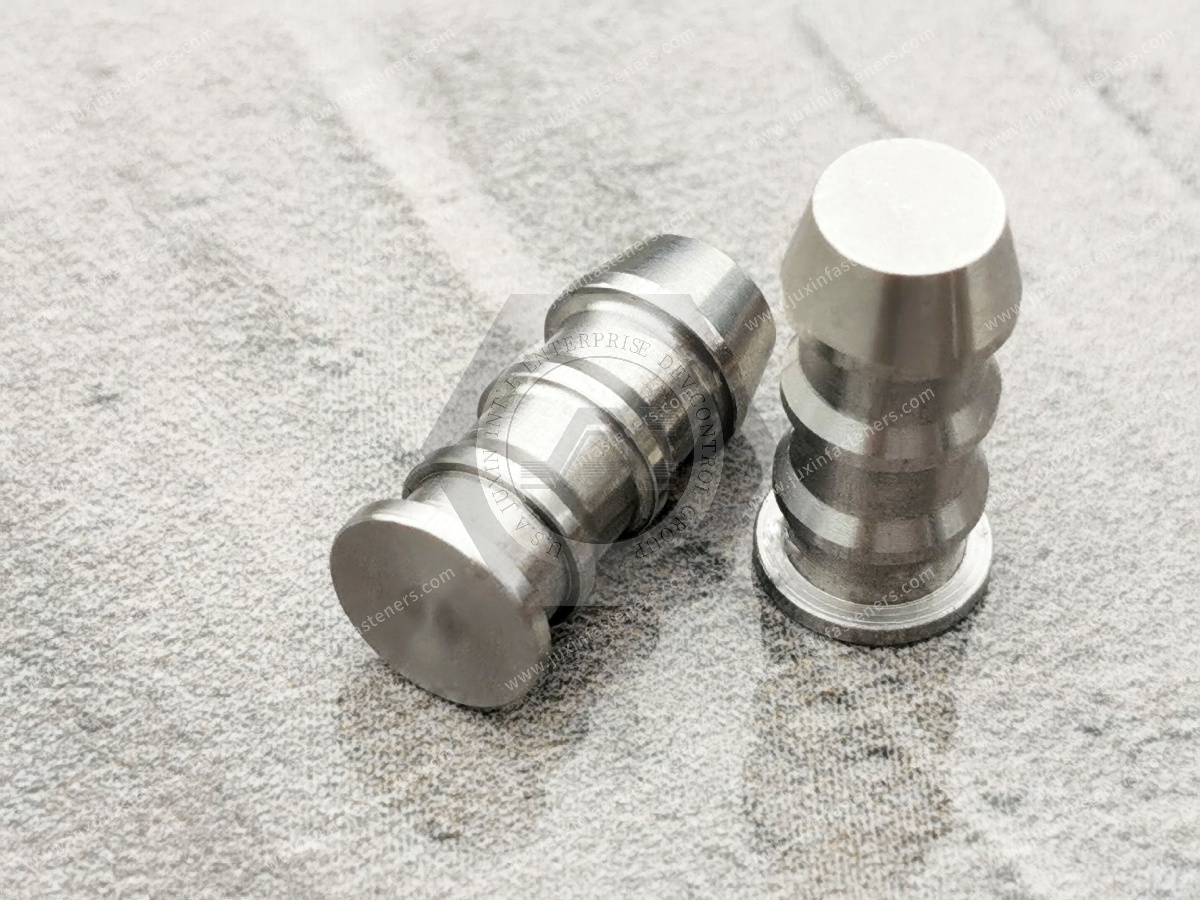
Material selection should be based on the actual operating environment and functional requirements.
Depending on the application, JUXIN can manufacture components from materials including:
Stainless steel
316L stainless steel
Carbon steel
Alloy steel
Aluminum
Copper
Titanium
Engineering plastics
Each material has different mechanical, thermal, electrical, chemical and machining characteristics.
For this reason, material selection should be established by the equipment designer according to the intended application.
For demanding environments, factors such as corrosion resistance, temperature, chemical exposure, mechanical load and dimensional stability may need to be considered.
Custom components may require a specified surface treatment in addition to the base material.
Depending on the component and application, requirements may include:
Passivation
Zinc plating
Trivalent chromium conversion systems
Surface polishing
Specified surface finish
Other customer-defined treatments
The complete surface-treatment system should be evaluated together with the substrate material and operating environment.
For sensitive equipment applications, customers may also specify cleaning, handling and packaging requirements.
These requirements should be established before production rather than added after machining has been completed.
A drawing-based manufacturing project should begin with a technical review.
Before production, JUXIN evaluates the available information to understand:
What role does the component perform within the equipment?
Which dimensions or geometric relationships directly affect the function?
What material is specified, and is it suitable for the intended application?
Which machining or forming process is appropriate for the geometry and quantity?
Which dimensions require controlled tolerances?
Does the component require a particular finish or treatment?
How should critical dimensions and characteristics be verified?
This process helps establish a clear connection between design intent and manufacturing requirements.
For precision semiconductor equipment components, geometric dimensioning and tolerancing may be used to communicate functional relationships between features.
Depending on the design, requirements may relate to:
Position
Flatness
Perpendicularity
Parallelism
Concentricity
Runout
Profile
Not every component requires extensive GD&T.
The appropriate tolerances should reflect the actual function of the part.
For example, an alignment pin may require controlled position and diameter, while a non-critical support bracket may use more general dimensional tolerances.
JUXIN reviews customer-defined GD&T requirements as part of the drawing review process.
The manufacturing process should be selected according to the component geometry, material, tolerance and production quantity.
JUXIN's manufacturing capabilities include:
CNC turning
CNC machining
Cold forming
Stamping
Custom fastener manufacturing
CNC turning is particularly suitable for cylindrical components such as:
Pins
Shafts
Bushings
Spacers
Sleeves
Threaded studs
More complex geometries may require CNC machining operations such as milling, drilling, tapping or other secondary processes.
For higher-volume fastening components, forming or stamping may provide a more appropriate production solution.
The final process should be determined from the approved component requirements.
Semiconductor equipment development often progresses through multiple stages.
JUXIN can support:
Custom parts for early equipment development and engineering evaluation.
Production samples manufactured according to the approved drawing for customer verification.
Repeat manufacturing for qualified equipment components and ongoing OEM supply programs.
This creates a practical transition from:
Design → Prototype → Testing → Qualification → Production → Repeat Supply
For procurement and supply-chain teams, maintaining the approved component specification throughout this transition is critical.
Inspection requirements should focus on the characteristics that affect component performance.
Depending on the drawing, inspection may include:
Dimensional inspection
Thread inspection
Diameter inspection
Length inspection
Hole position
Flatness
Concentricity
Surface finish
Visual inspection
Other customer-specified characteristics
Critical dimensions should be identified during the engineering review so that manufacturing and inspection can focus on the features that matter most.
For design engineers, custom component manufacturing begins with understanding the intended function.
A practical specification can establish:
Material → Geometry → Critical Features → Tolerance → Surface Finish → Surface Treatment → Inspection
This gives the manufacturer a clear production framework while allowing the equipment designer to retain control over the functional requirements.
Early manufacturing review can also identify potential production challenges before the component enters mass production.
This may include:
Difficult-to-machine geometry
Unnecessarily tight tolerances
Special tooling requirements
Complex machining sequences
Surface-treatment limitations
Inspection challenges
Any design change should remain subject to customer engineering approval.
For procurement managers and supply-chain teams, custom semiconductor components require more than a competitive unit price.
Supplier capability can affect:
RFQ accuracy
Engineering communication
Production consistency
Inspection requirements
Lead-time management
Drawing revision control
Repeat-order reliability
Packaging
Supplier consolidation
A supplier capable of manufacturing both custom fasteners and CNC machined components can provide a broader sourcing solution for equipment manufacturers.
Instead of managing separate suppliers for screws, pins, shafts, bushings and brackets, selected components can be coordinated through one manufacturing partner.
A semiconductor equipment platform may contain many different small mechanical components.
For example:
Custom Screw + Special Nut + Threaded Stud + Alignment Pin + Bushing + Spacer + Shaft + Bracket
These components may have different manufacturing processes but belong to the same equipment assembly.
JUXIN can support both categories:
Screws
Bolts
Nuts
Studs
Washers
Threaded pins
Shafts
Pins
Bushings
Spacers
Standoffs
Brackets
Sleeves
Fixtures
This combined capability can simplify sourcing and technical communication for OEM equipment programs.
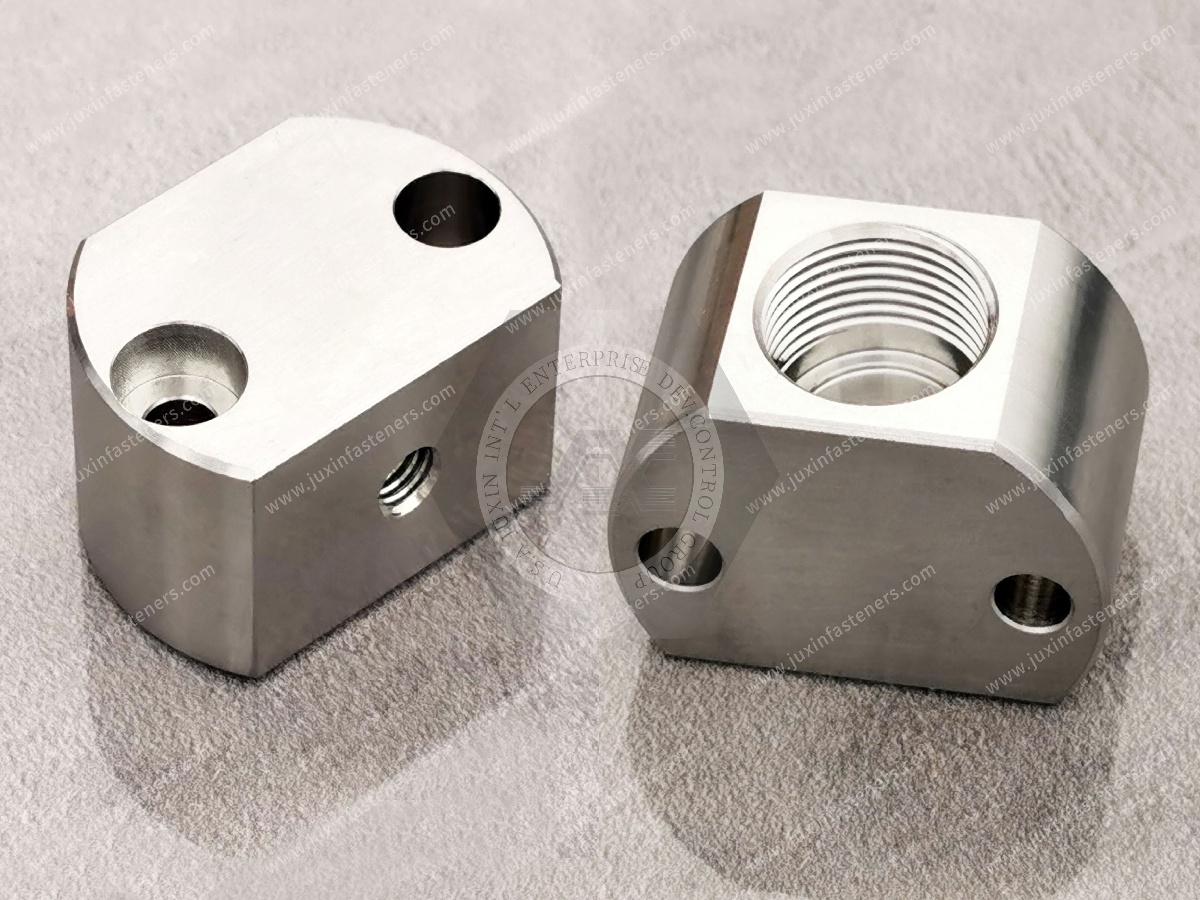
Although semiconductor equipment is the focus of this solution, JUXIN's custom manufacturing capabilities can also support other industrial OEM applications.
Typical industries include:
Semiconductor equipment
Metrology and inspection equipment
Industrial automation
Robotics
Automotive
EV equipment
Electrical equipment
Telecommunications
HVAC
Industrial machinery
Rail transit
Solar equipment
Laboratory equipment
The final material, process and specification should always be determined according to the application.
The objective of drawing-based manufacturing is not simply to produce one custom component.
For OEM customers, the larger goal is to establish a repeatable production process.
A typical project can follow:
Engineering Drawing → Technical Review → Process Evaluation → Prototype → Inspection → Approval → Production → Repeat Orders
This structured approach helps maintain consistency as the project moves from engineering development into regular procurement.
For supply-chain managers, it also provides a clearer basis for managing approved suppliers and repeat component specifications.
JUXIN has more than 23 years of fastener industry experience and supports international OEM customers with custom fastening and precision mechanical components.
Our capabilities combine:
Fastener Manufacturing + CNC Machining + Drawing-Based Production
We manufacture:
Custom screws
Custom bolts
Special nuts
Threaded studs
Threaded pins
Precision pins
Alignment pins
Shafts
Bushings
Spacers
Standoffs
Brackets
Precision sleeves
Fixtures
Other custom mechanical components
This allows JUXIN to support equipment manufacturers that require multiple small components under a coordinated OEM sourcing program.
If you are sourcing custom semiconductor equipment components, semiconductor CNC machined parts or application-specific fasteners, JUXIN can review your engineering drawings, CAD files or samples.
Please provide:
Engineering drawing
CAD file, if available
Material specification
Dimensional tolerances
GD&T requirements
Thread specification
Surface finish
Surface treatment
Critical features
Inspection requirements
Prototype or production quantity
Packaging requirements
Our team can review the requirements and evaluate a suitable manufacturing process.
Contact JUXIN FASTENERS
Email: info@juxinfasteners.com
Website: www.juxinfasteners.com
JUXIN FASTENERS — Custom Semiconductor Equipment Components Manufactured to OEM Engineering Drawings.
Final materials, tolerances, GD&T requirements, surface finishes, inspection criteria and other technical specifications should be established according to the customer's approved engineering documentation and the functional requirements of the application.
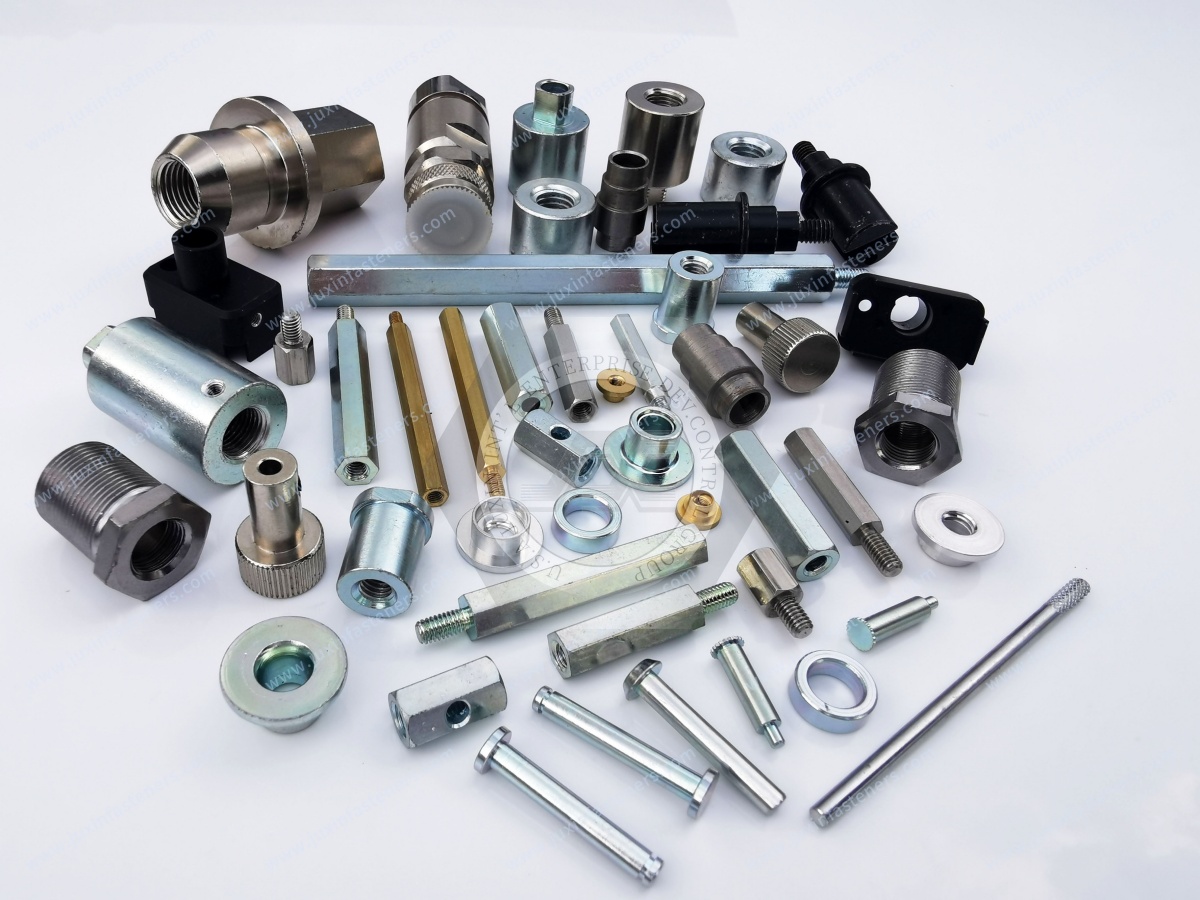
Contact Us
Tel.:
+86 020 8621 0320
+86 020 3121 6067
E-mail:
Technical Support:
Navigation
SEND INQUIREY