Call Us
+86 136 6007 9809
Call Us
+86 136 6007 9809

Aug. 29, 2026
Vacuum equipment must control the gases released from materials and components inside the vacuum environment.
Outgassing can originate from a variety of sources, including material characteristics, trapped moisture, contaminants, surface films, residues and component conditions.
For this reason, fasteners used inside vacuum and semiconductor equipment should not be selected based only on mechanical strength or nominal dimensions.
Engineers may also need to evaluate material selection, component geometry, surface condition, cleaning requirements, trapped volumes and the specific vacuum environment.
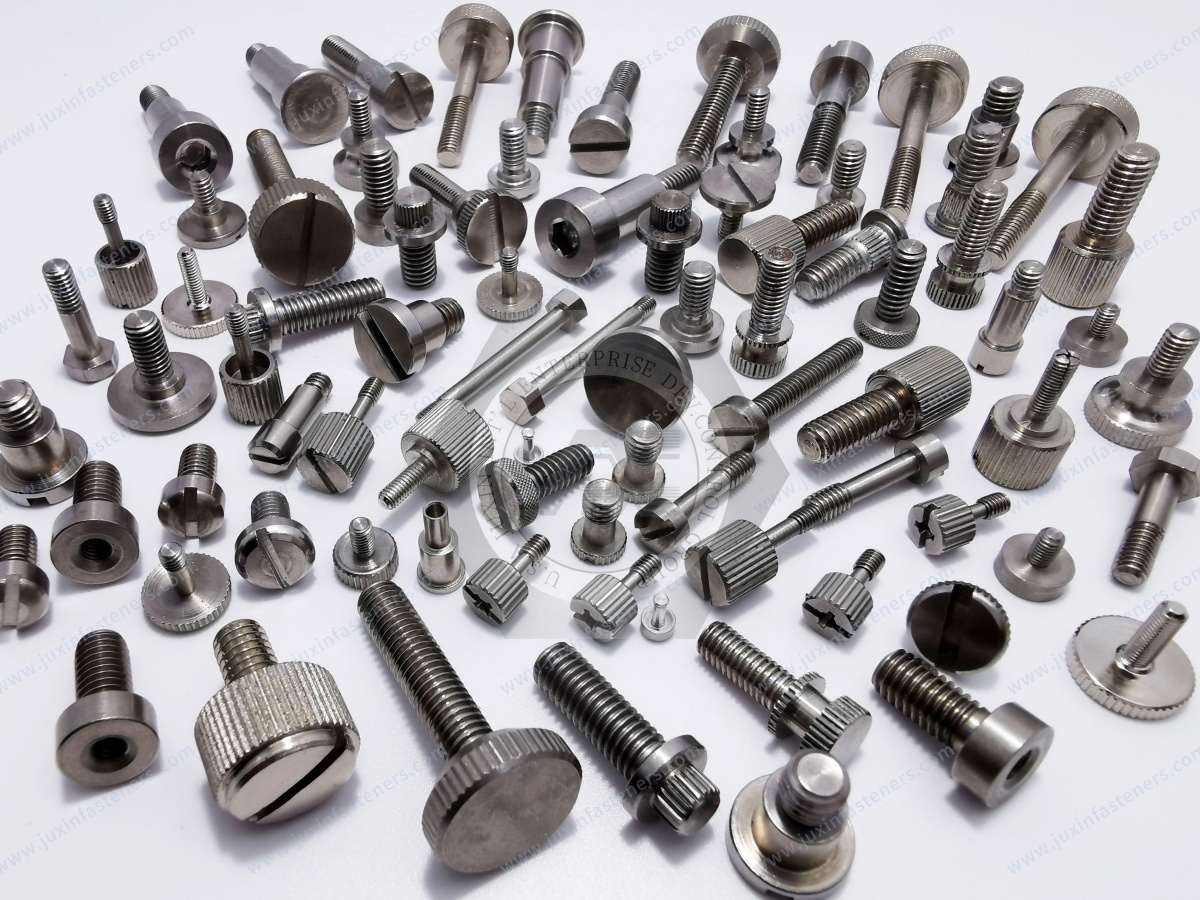
JUXIN manufactures custom vacuum fasteners and precision CNC machined components according to customer drawings, specifications and application requirements.
Our capabilities include vented screws, custom vented bolts, vacuum-compatible studs, special washers, threaded components and CNC machined vacuum equipment parts.
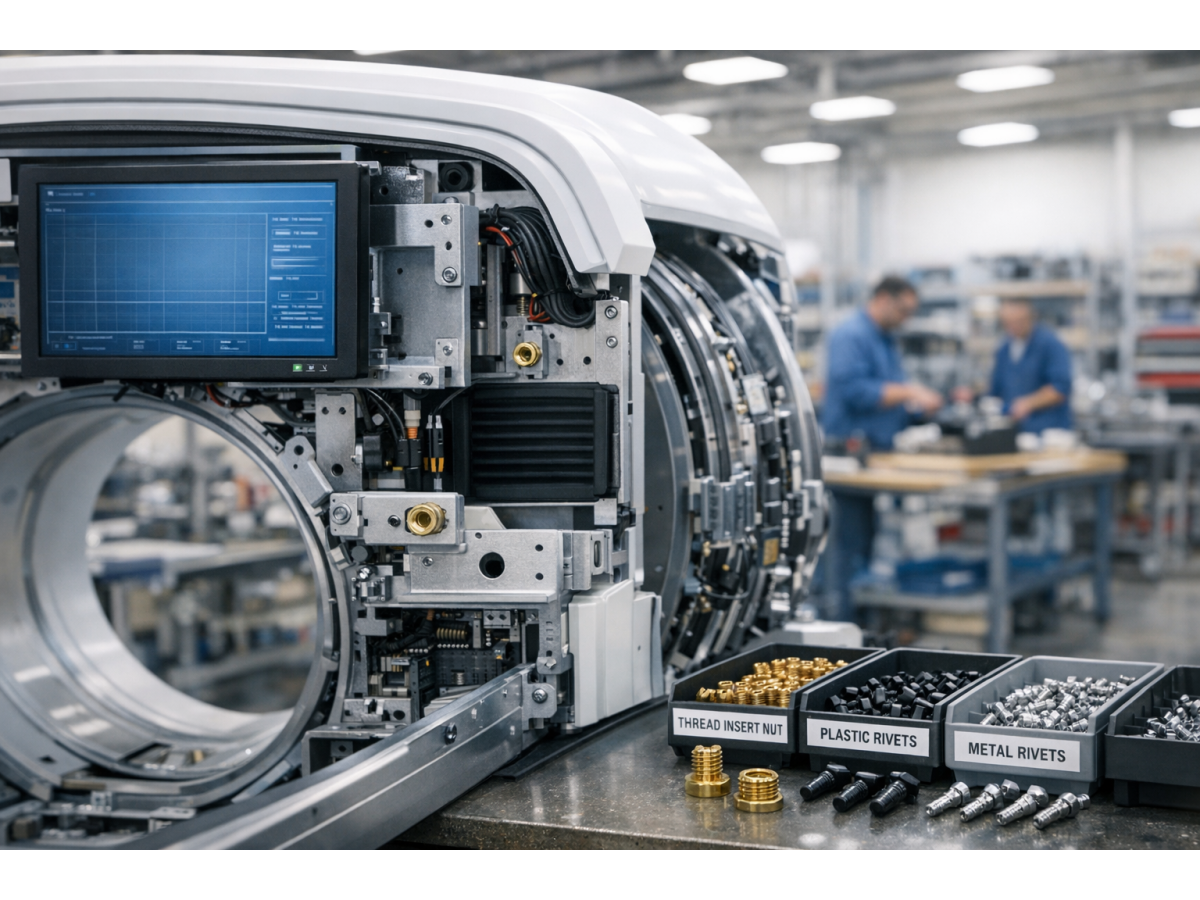
Outgassing refers to the release of gases or volatile substances from materials or surfaces under vacuum conditions.
The amount and rate of outgassing can depend on factors such as:
Material composition
Surface condition
Moisture
Contamination
Residues
Cleaning processes
Temperature
Trapped internal volumes
Component geometry
Vacuum level
In semiconductor and other high-vacuum applications, controlling these factors can be important because released gases may affect the vacuum environment or the performance of sensitive processes.
The appropriate requirements depend on the actual vacuum system and operating conditions.
Therefore, low-outgassing performance should be treated as an application-specific engineering requirement rather than a generic product label.
A threaded connection may contain small internal spaces where gas can become trapped.
During evacuation, these trapped volumes may release gas over time.
For selected applications, engineers may therefore consider vented fastener designs.
A vented fastener can incorporate a designed pathway through or around the fastener to help trapped gas escape during evacuation.
Potential solutions include:
Vented screws
Vented bolts
Vented studs
Vacuum-compatible threaded components
Special washers
Threaded plugs
Custom CNC machined vacuum components
Whether a vented design is appropriate depends on the equipment architecture and the location of the fastener within the vacuum system.
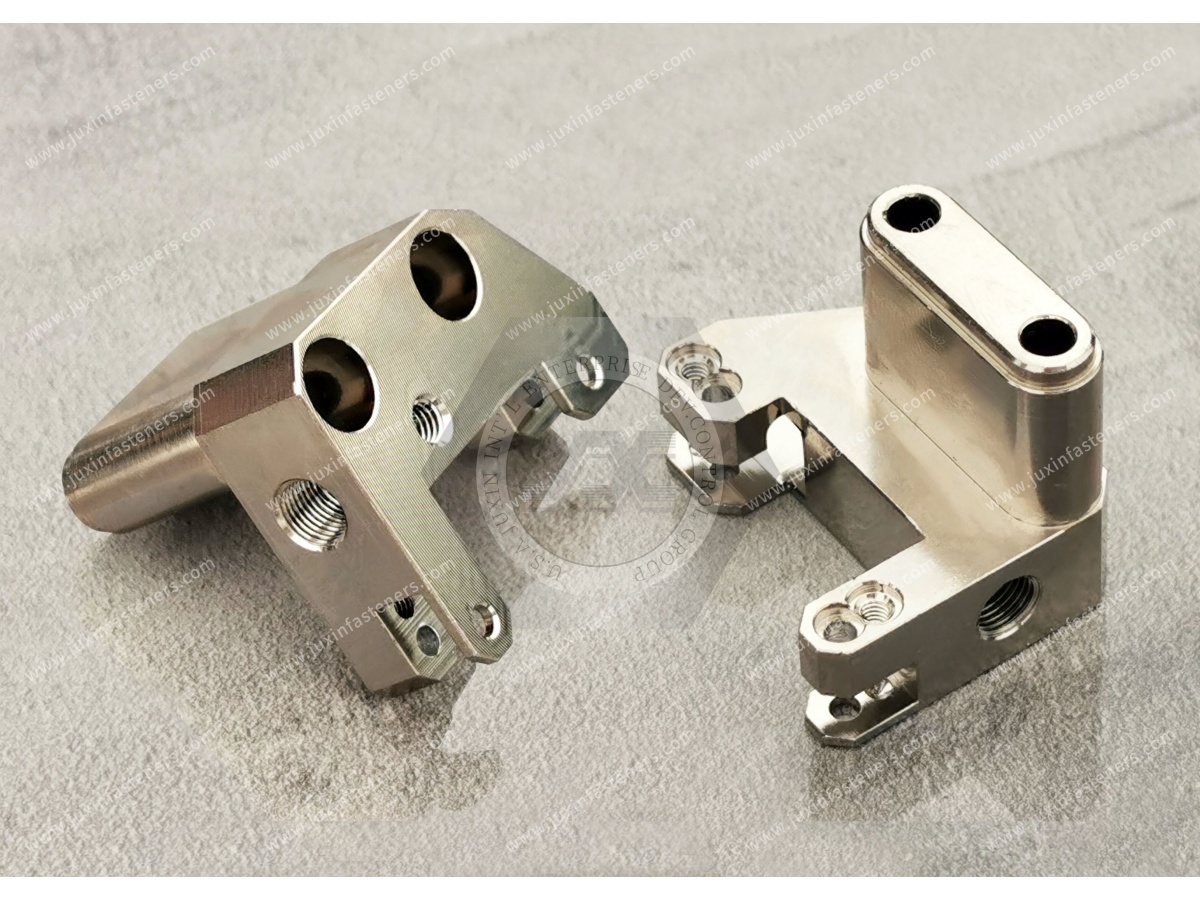
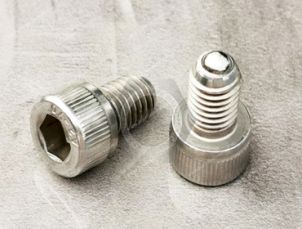
Vented screws are designed to provide a controlled pathway for gas to escape from areas that could otherwise contain trapped volumes.
Depending on the design, venting may be incorporated through the fastener or along an appropriate internal pathway.
Vented screws can be considered for applications such as:
Vacuum chambers
Semiconductor process equipment
Vacuum fixtures
Wafer handling systems
Vacuum instrumentation
Research equipment
Vacuum-compatible assemblies
The exact vent geometry should be specified according to the equipment design.
JUXIN can manufacture custom vented screw configurations based on engineering drawings.
Some vacuum assemblies require fastening components with geometries that are not available as standard catalog products.
JUXIN can manufacture:
Custom vented bolts
Vacuum-compatible studs
Vented threaded studs
Special threaded pins
Custom threaded components
Depending on the design, components may incorporate specific:
Thread configurations
Head geometries
Vent pathways
Lengths
Diameters
Shoulders
Chamfers
Mounting features
The final geometry should be established according to the customer's approved engineering drawing.
Material selection is an important part of vacuum component design.
Depending on the application, JUXIN can manufacture vacuum fasteners and CNC components from materials such as:
Stainless steel is widely used in vacuum equipment because different grades offer useful combinations of mechanical properties, corrosion resistance and material stability.
The appropriate grade should be selected according to the vacuum environment and equipment requirements.
316L may be considered for applications requiring corrosion resistance and specific material characteristics.
For semiconductor or vacuum applications, the suitability of the material should be evaluated together with the cleaning, surface and process requirements.
Titanium can be considered where the equipment design requires a combination of strength, low density and corrosion resistance.
The appropriate titanium grade should be determined according to the application.
Other metals or engineering materials may be appropriate for specific vacuum applications.
Material selection should be based on the actual vacuum level, temperature, chemical exposure, mechanical load, cleanliness requirements and equipment design.
Selecting a suitable base material is only part of the process.
The surface condition of a vacuum component can also influence its suitability for the application.
Depending on the requirements, engineers may specify:
Passivation
Polishing
Controlled surface finish
Deburring
Cleaning
Specific coatings
Other controlled surface treatments
Surface treatment should be evaluated together with the base material and the intended vacuum environment.
A coating that is appropriate for a general industrial fastener may not automatically be appropriate for a vacuum application.
This is why the complete component specification should be reviewed before production.
Cleaning can be an important consideration for components used inside vacuum systems.
Machining and handling processes can potentially introduce:
Oils
Coolant residues
Particles
Metal debris
Handling contamination
Other surface residues
For applications with specific cleanliness requirements, the customer should define the required cleaning, handling and packaging specifications.
These requirements may influence the manufacturing and post-processing workflow.
JUXIN can review customer-defined cleaning and packaging requirements as part of a custom component project.
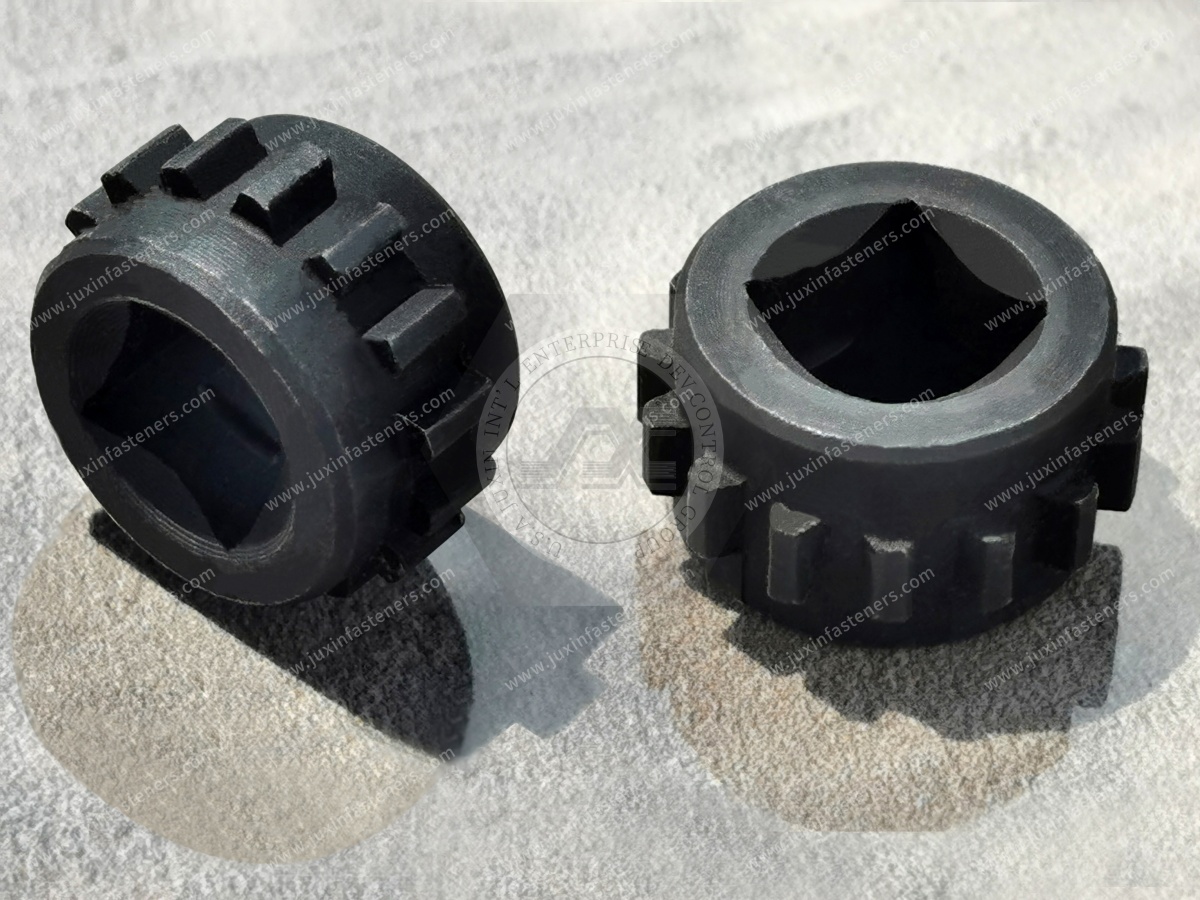
Component geometry can influence how gases or moisture become trapped.
Threads, blind holes, counterbores, internal cavities and mating interfaces can create areas that are difficult to evacuate or clean.
For selected vacuum applications, engineers may therefore evaluate:
Component Geometry → Trapped Volume → Gas Path → Evacuation Behavior
Vented fasteners are one potential design solution when trapped gas within a threaded assembly needs to be addressed.
However, venting is not automatically required for every vacuum fastener.
The correct solution depends on the location, vacuum level, assembly design and functional requirements of the equipment.
Semiconductor equipment can include vacuum environments in areas such as:
Process chambers
Wafer handling systems
Vacuum transfer systems
Load-lock assemblies
Vacuum fixtures
Inspection systems
Deposition equipment
Etching equipment
Research and development equipment
The fasteners used in these systems may require application-specific combinations of:
Material
Thread specification
Dimensional tolerance
Surface condition
Cleanliness
Outgassing requirements
Mechanical strength
Temperature resistance
Packaging
JUXIN supports custom production according to customer-defined engineering requirements.
Vacuum equipment frequently requires more than fasteners.
JUXIN can also manufacture custom CNC components such as:
Precision pins
Bushings
Spacers
Standoffs
Sleeves
Shafts
Threaded components
Mounting brackets
Fixtures
Custom mechanical components
These parts can be manufactured from customer drawings or approved samples.
For cylindrical components, CNC turning can provide controlled diameters, bores, shoulders, threads and other rotational features.
For more complex geometries, CNC milling and combined machining operations may be used.
CNC machining allows vacuum equipment manufacturers to specify component geometry around the actual equipment interface.
Depending on the design, engineers may need to control:
Diameter
Flatness
Concentricity
Surface finish
Thread accuracy
Hole position
Shoulder location
Overall dimensions
Critical geometric relationships
The required tolerances should be based on the function of the component.
Unnecessarily tight tolerances can increase machining and inspection costs without improving vacuum-system performance.
A function-driven tolerance strategy can help balance engineering performance and manufacturing efficiency.
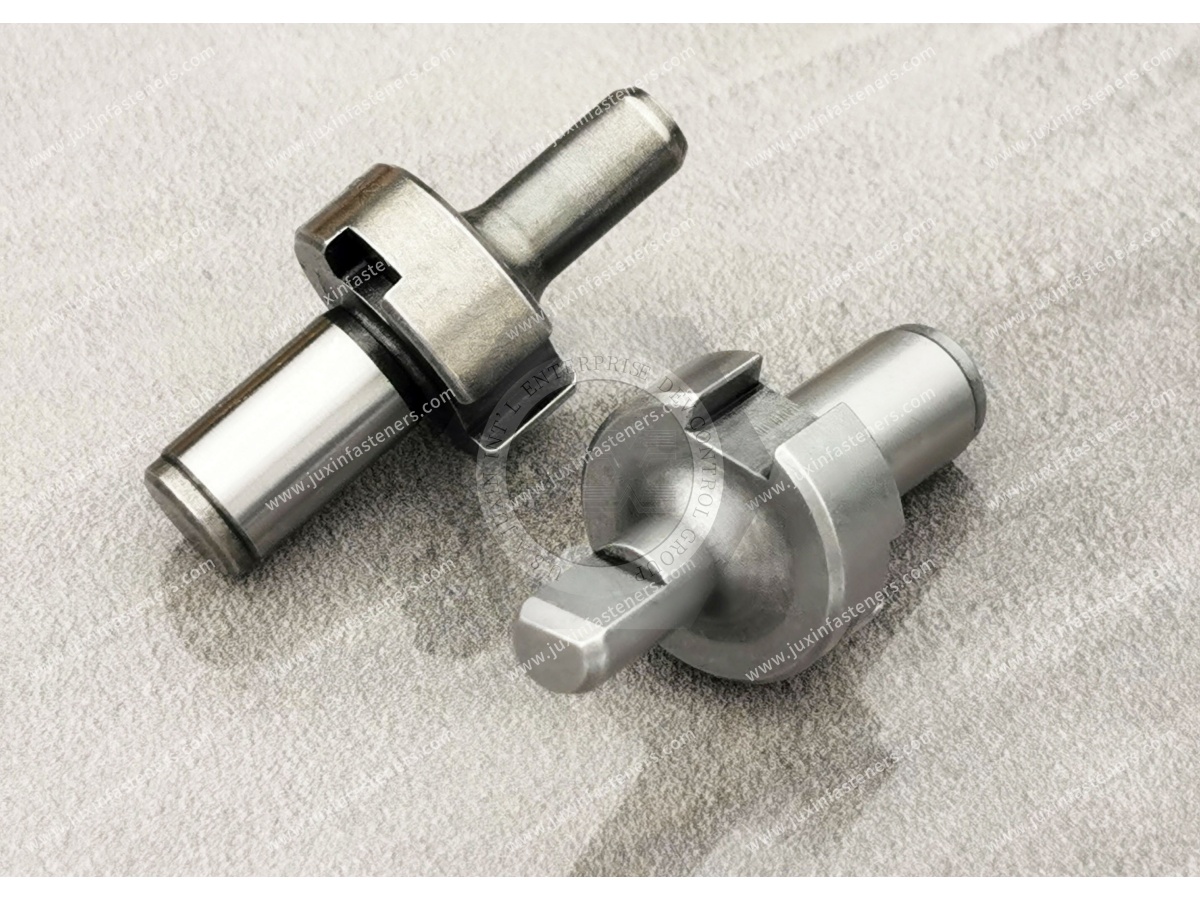
Surface finish may be particularly relevant where components are located inside a controlled vacuum environment.
A smoother or more controlled surface can, depending on the application, help reduce certain surface-related concerns and facilitate cleaning.
However, surface roughness requirements should be established according to the actual system requirements rather than applying a single finish specification to every component.
JUXIN can manufacture components according to customer-defined surface-finish requirements.
Vacuum equipment manufacturers often use proprietary chamber and fixture designs.
This can require fasteners with non-standard:
Lengths
Diameters
Threads
Head styles
Venting configurations
Shoulders
Internal features
Surface requirements
JUXIN manufactures custom vacuum fasteners directly from engineering drawings and technical specifications.
Customers can provide:
2D drawings
CAD files
Physical samples
Technical specifications
Material requirements
Surface-treatment requirements
Inspection requirements
The drawing review establishes the basis for manufacturing and quality control.
Before production, JUXIN reviews the customer's component requirements.
The review can consider:
Is the specified material appropriate for the intended environment?
Does the component contain internal cavities, blind holes, threads or other features that may be relevant to the vacuum application?
Are polishing, passivation, cleaning or other surface requirements specified?
Which dimensions are functionally critical?
Does the thread configuration match the mating component and assembly requirements?
Does the equipment design require a vented fastener?
Which characteristics need to be verified before shipment?
Does the component require controlled packaging to protect the specified surface and cleanliness condition?
This engineering review helps connect the equipment requirements with the manufacturing process.
For mechanical and design engineers, the correct fastener specification should consider the complete application rather than the fastener alone.
A typical design review may consider:
Vacuum Level + Temperature + Material + Geometry + Surface Condition + Cleaning + Assembly + Service Life
Additional requirements may apply depending on the vacuum technology and process.
For example, a component used in a high-vacuum semiconductor process chamber may have very different requirements from a fastener used in a general industrial vacuum fixture.
JUXIN can review the customer's specifications and manufacture the component according to the approved design.
For procurement managers and supply-chain teams, sourcing vacuum-compatible fasteners requires more than comparing unit prices.
Supplier evaluation may include:
Material capability
Custom machining capability
Drawing control
Dimensional consistency
Surface-treatment capability
Cleaning requirements
Inspection
Packaging
Production repeatability
Technical communication
For OEM programs, maintaining the same approved specification across repeat orders can be particularly important.
A supplier capable of producing both vacuum fasteners and CNC machined components can also reduce the number of suppliers required for selected equipment assemblies.
A vacuum equipment assembly may require multiple component types.
For example:
Vented Screw + Vacuum Stud + Precision Spacer + Bushing + Alignment Pin + CNC Fixture
These components may involve different manufacturing processes but belong to the same equipment platform.
JUXIN can support both:
Vented screws
Vented bolts
Vacuum-compatible studs
Threaded pins
Special washers
Custom threaded components
Pins
Shafts
Bushings
Spacers
Sleeves
Brackets
Fixtures
Custom mechanical parts
This combined capability can simplify RFQ management and technical communication for OEM equipment manufacturers.
Although semiconductor equipment is a major application, vacuum-compatible fasteners and CNC components can support other industries.
Typical applications include:
Semiconductor equipment
Vacuum processing equipment
Semiconductor inspection equipment
Metrology equipment
Thin-film processing equipment
Laboratory equipment
Scientific instruments
Industrial vacuum systems
Automation equipment
Precision machinery
The final component specification should always be determined by the actual equipment requirements.
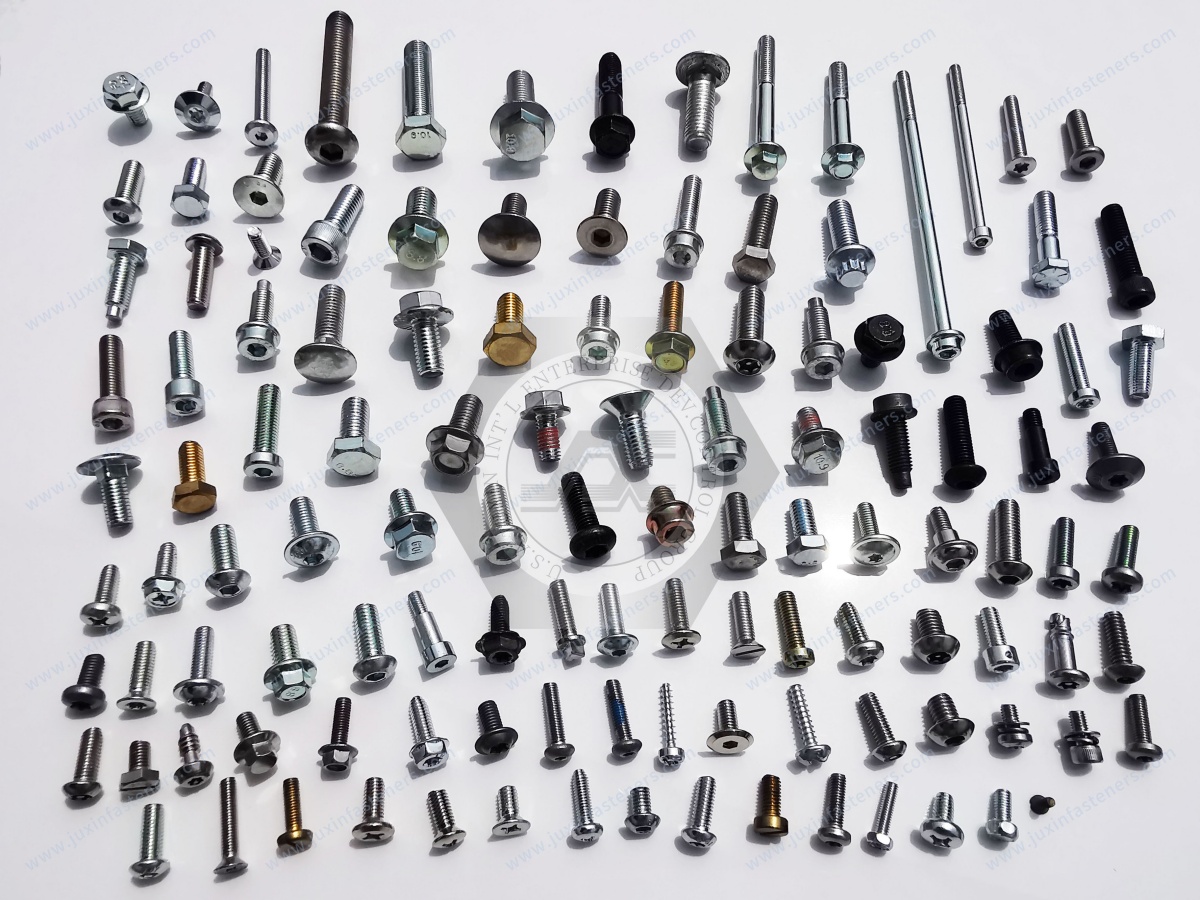
A custom vacuum component project can follow a structured manufacturing process:
Engineering Drawing → Technical Review → Material Confirmation → Process Evaluation → Prototype/Sample → Inspection → Approval → Production → Repeat Supply
This approach helps ensure that the component manufactured for production remains consistent with the approved engineering requirements.
For OEM procurement teams, it also provides a clear framework for repeat orders and supplier management.
JUXIN has more than 23 years of experience in the fastener industry and supports international OEM customers with custom fasteners and precision mechanical components.
Our capabilities include:
Custom fastener manufacturing
CNC turning
CNC machining
Precision component manufacturing
Drawing-based production
Surface-treatment coordination
Custom packaging
We can manufacture:
Vented screws
Vented bolts
Vacuum-compatible studs
Threaded pins
Special washers
Precision pins
Bushings
Spacers
Shafts
Sleeves
Fixtures
Other custom CNC machined components
Our focus is to manufacture according to the customer's approved engineering, material, surface and inspection requirements.
If you are sourcing low-outgassing fasteners, vacuum-compatible fasteners, vented screws or custom CNC components for semiconductor and vacuum equipment, JUXIN can review your drawings and technical specifications.
Please provide:
Engineering drawing
CAD file, if available
Vacuum application
Material specification
Thread specification
Dimensional tolerances
Surface-finish requirements
Surface-treatment requirements
Cleaning requirements
Outgassing requirements, if specified
Inspection requirements
Prototype or production quantity
Packaging requirements
Our team can review the requirements and evaluate a suitable manufacturing approach.
Contact JUXIN FASTENERS
Email: info@juxinfasteners.com
Website: www.juxinfasteners.com
JUXIN FASTENERS — Custom Vacuum Fasteners and Precision CNC Components for Semiconductor and Industrial Vacuum Equipment.
Low-outgassing performance is application-specific. Final material, surface condition, cleaning, venting, vacuum compatibility and inspection requirements should be established according to the equipment design, vacuum environment and customer's approved engineering specifications.
Contact Us
Tel.:
+86 020 8621 0320
+86 020 3121 6067
E-mail:
Technical Support:
Navigation
SEND INQUIREY