
Call Us
+86 136 6007 9809
Call Us
+86 136 6007 9809

May. 25, 2026
Technical Application Solution: Engineering Guide for Automotive Seat Fasteners and Joining Systems
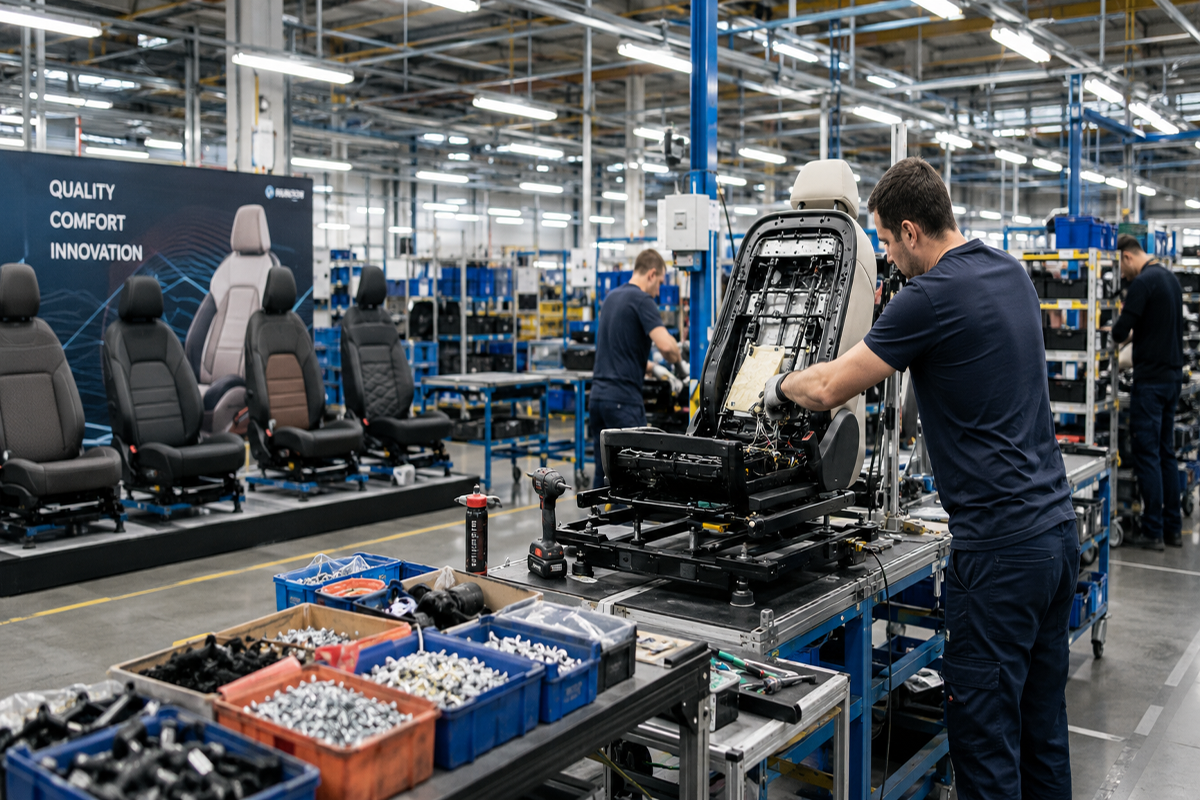
The engineering architecture of modern automotive seating systems must strike a precise balance between occupant safety, manufacturing throughput, and ergonomics. As primary safety components, automotive seats are engineered to withstand massive dynamic forces during rapid acceleration, cornering, and high-g crash events, while simultaneously providing seamless adjustability.
Within these complex assemblies, the structural integrity of the entire system relies heavily on specialized mechanical hardware. Selecting the correct automotive seat fasteners requires a comprehensive assessment based on the seat type (front vs. rear), the mechanical fastening method, and the specific application scenario.
Implementing certified, high-strength fastening solutions is a critical requirement for global Tier-1 interior suppliers and automotive OEMs to prevent structural joint relaxation and ensure regulatory compliance.
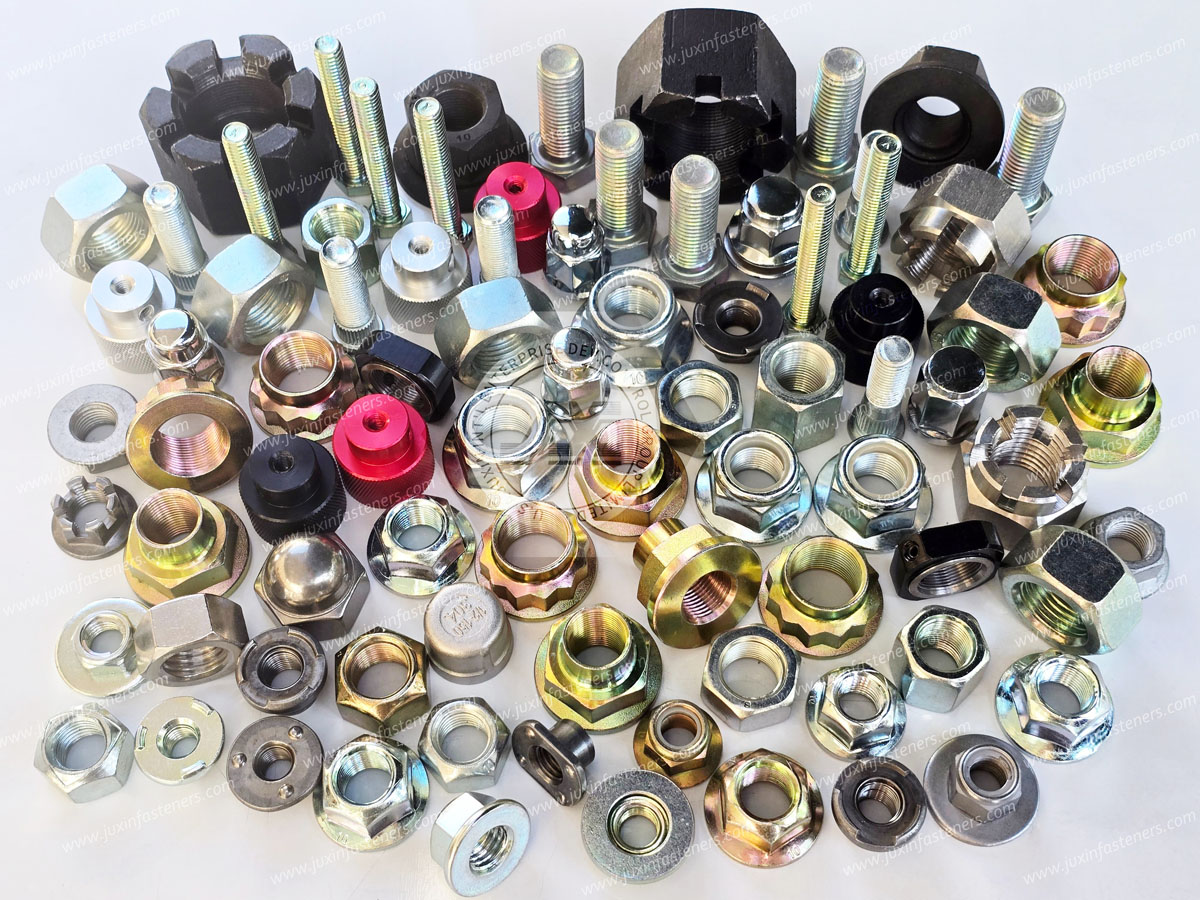
1. Fastening Methods and Structural Application Scenarios
Different zones within the vehicle cabin demand distinct mechanical joining characteristics. A robust seating architecture strategically combines multiple fastener classifications:
Heavy-Duty Bolt Fastening
Engineering Advantages: Structurally robust with exceptionally high tensile and shear load-bearing capacities. Threaded fasteners are essential for critical load paths and for components subject to strict FMVSS/ECE safety mandates, such as the front driver and passenger seat frames.
Applicable Scenarios: Main floor-chassis mounting points, seat belt anchorages, and structural frame-to-structure interfaces for front seats across all vehicle segments, as well as select heavy-duty rear seating structures.
Technical Precautions: It is mandatory to utilize specialized high-strength bolts that match exact OEM specifications. These must be tightened to precise torque values (typically ranging from 10 N·m to 30 N·m depending on the specific vehicle model and thread pitch) to ensure optimal elastic elongation and preload.
High-Efficiency Clip Fastening
Engineering Advantages: Enables ultra-quick, tool-less snap-fit installation on the assembly line, drastically lowering labor cycle times. Ideal for modular components or positions where frequent seat cushion removal is required for maintenance or battery access.
Applicable Scenarios: Rear seat bench cushions, side bolsters, interior trim covers, and wire harness routing attachments.
Technical Precautions: Engineering polymers and spring-steel clips are prone to fatigue and material relaxation over prolonged cyclic loading. Regular inspection for plastic deformation or stress breakage is recommended, and worn clips should be replaced immediately to eliminate Cabin Buzz, Squeak, and Rattle (BSR).
Integrated Slide Rail Fastening Systems
Engineering Advantages: Provides multi-position fore-and-aft adjustment, enhancing seating flexibility and passenger comfort.
Applicable Scenarios: Front driver/passenger seat tracks and modular row-adjusters in multi-purpose vehicles (MPVs) and SUVs.
Key Maintenance Points: Slide rail mechanism sub-assemblies feature a complex geometry susceptible to dust accumulation, which can cause micro-abrasions, jamming, or locking pin mechanism failure. Industrial assembly lines must clear all debris from the tracks and apply specialized high-viscosity synthetic lubricants rather than standard engine oil to preserve low-friction performance.
2. Core Principles for Technical Fastener Selection
To guarantee long-term joint integrity and streamline the procurement funnel, automotive engineers utilize strict selection criteria:
Mechanical Property and Dimensional Matching
Components such as structural bolts, specialized clips, and precision slide rails must be engineered to match the exact dimensional tolerances and property classes (e.g., Class 8.8, 10.9, or 12.9) originally validated for the vehicle platform. Mismatched dimensions or subpar material grades are the leading causes of thread stripping and catastrophic clamp load failure.
Adherence to Tightening Protocols
Achieving uniform load distribution across a seating track or frame assembly requires strict control of the assembly line workflow. Operators must use calibrated digital torque wrenches and apply torque progressively in a structured cross-diagonal (star) tightening sequence. This practice eliminates localized stress concentrations and prevents frame warping.
[1] Diagonal Tightening Sequence [4]
\ /
\ /
\/
/\
/ \
/ \
[3] Target: Uniform Preload [2]
Specialized Reinforcement for Aftermarket and Specialty Vehicles
For modified vehicles, luxury coach transformations, or aftermarket seat installations (such as recreational vehicles (RVs) and commercial cargo vans), standard mounting profiles may be insufficient. Engineers should consider welded fastening systems for permanent, non-yielding structural cross-members (noting this eliminates subsequent rail adjustability) or integrate specialized anti-slip mats and serrated bushings to maximize surface friction and dampen road-induced vibration.
Tier-1 Automotive Fastening Partnership
As an IATF 16949-certified manufacturer, our company delivers advanced automotive seat fasteners and custom hardware solutions engineered for the global transport industry. We provide comprehensive technical validation, including torque-tension testing, salt spray corrosion reporting, and full material heat traceability.
Optimize your vehicle interior assembly performance, eliminate cabin rattle, and guarantee occupant safety. To request digital 3D CAD files, obtain complete mechanical data sheets, or receive a technical quotation for your production line, contact our application engineering team today.
 MORE NEWS
Sep. 27, 2026
Sep. 27, 2026
Sep. 27, 2026
Contact Us
Tel.:
+86 020 8621 0320
+86 020 3121 6067
E-mail:
Technical Support:
Navigation
SEND INQUIREY