
Call Us
+86 136 6007 9809
Call Us
+86 136 6007 9809

May. 19, 2026
Excavators and construction machinery operate under combinations of high mechanical loads, impact, vibration,
abrasive contamination, moisture, temperature changes and repeated duty cycles.
These conditions make fastener selection more complex than simply specifying a “high-strength bolt.”
An excavator contains very different fastening environments:
Structural frames
Cab and operator compartments
Engine and powertrain equipment
Hydraulic system supports
Pumps and valve mounting
Electrical enclosures
Covers and access panels
Cooling systems
Hose and tube supports
Guards and brackets
Pins and retaining components
Serviceable equipment
Each requires a different fastening strategy.
For OEM engineers and procurement teams, the correct selection process is:
Joint Function → Load Path → Parent Material → Fastener Type → Strength Class → Preload → Friction → Locking Strategy
→ Corrosion Protection → Installation → Validation
The central principle is:
High-Strength Fastener ≠ High-Strength Joint.
JUXIN FASTENERS supplies standard and drawing-based bolts, nuts, washers, screws, pins, retaining components,
coated fasteners and custom fastening components for selected excavator, construction machinery, agricultural machinery, mining equipment and industrial OEM applications.
Construction machinery joints can experience combinations of:
Static loading
Dynamic loading
Shock
Vibration
Joint slip
Repeated load cycles
Contamination
Corrosion
Temperature variation
Frequent maintenance
The fastener must therefore be selected as part of the complete joint rather than as an isolated component.
A useful engineering model is:
Fastener + Nut / Internal Thread + Washer / Bearing Surface + Clamped Components + Friction + Preload + External Load + Environment + Installation
Failure in any one of these elements can compromise the connection.
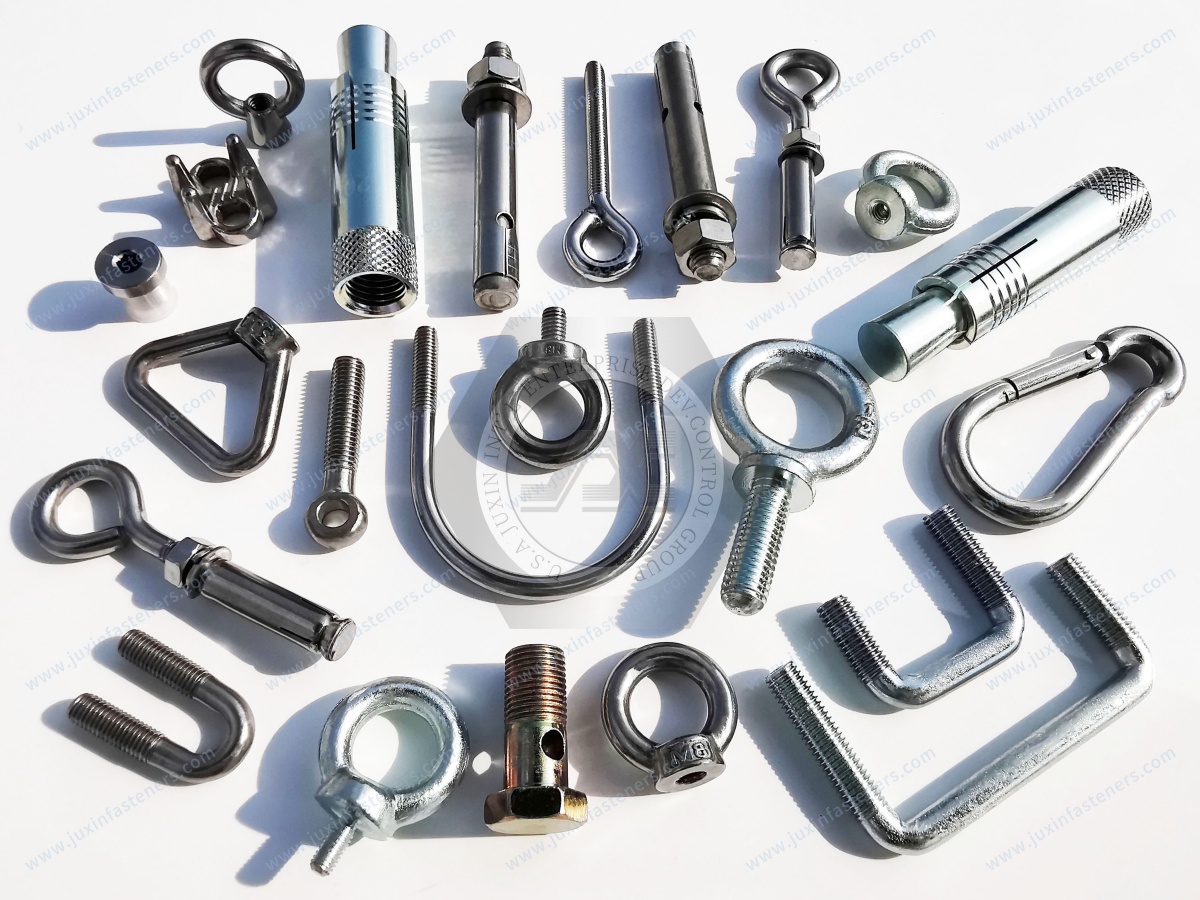
Different locations require different fastening functions.
| Excavator Application | Typical Fastening Need | Possible Fastener Technologies | Critical Engineering Variables |
|---|---|---|---|
| Structural frames and brackets | High clamp load | High-strength bolts and nuts | Preload, bearing surface, fatigue, joint slip |
| Engine / powertrain equipment | Dynamic threaded joint | Bolts, flange bolts, nuts | Vibration, preload, temperature, service |
| Hydraulic tube supports | Retention and routing | Bolts, screws, clamps, P-clamps | Vibration, fretting, routing, corrosion |
| Cab structures | Structural / equipment attachment | Bolts, screws, nuts, inserts | Load, vibration, serviceability |
| Covers and guards | Removable attachment | Machine screws, flange screws, captive hardware | Service access, corrosion, installation |
| Thin-sheet panels | Thread creation | Rivet nuts, self-clinching fasteners, screws | Sheet thickness, hole, pull-out, spin-out |
| Electrical enclosures | Serviceable threaded attachment | Screws, rivet nuts, self-clinching hardware | Corrosion, access, electrical-function boundary |
| Pins and linkage retention | Positioning / retention | Pins, retaining rings, clips | Shear, fit, wear, axial retention |
| Hose / cable routing | Support | Clamps, clips, screws | Abrasion, movement, vibration |
| OEM custom assemblies | Drawing-specific function | Custom bolts, nuts, screws, pins, CNC components | Drawing, material, tolerance, validation |
This prevents a common sourcing error:
One Excavator ≠ One Fastener Requirement.
High-strength bolts are widely used where the joint requires substantial clamp load and mechanical capacity.
Depending on the design and applicable specification, metric bolting may use property classes such as:
8.8
10.9
12.9
But higher property class does not automatically create a better joint.
The complete assembly must support the preload generated by the bolt.
A stronger bolt can generate or tolerate higher tensile loading.
But the joint may still be limited by:
Internal thread strength
Nut
Washer
Parent material
Bearing surface
Joint stiffness
Thread engagement
Fatigue
Installation accuracy
Therefore:
Higher Property Class ≠ Automatically Higher Joint Capacity.
If a stronger bolt is installed into a weaker threaded component, the mating thread may fail first.
This is especially important for:
Aluminum housings
Cast components
Thin sections
Inserts
Tapped holes
Increasing bolt property class does not increase the strength of the female thread.
The complete thread pair must be evaluated.
For metric high-strength bolts, applicable requirements may reference standards such as ISO 898-1 where appropriate.
But specifying:
M16 × 2.0 – 10.9
does not completely define the joint.
Engineers may also need to control:
Bolt geometry
Thread length
Tolerance
Nut compatibility
Washer
Surface treatment
Friction
Tightening method
Preload
Environment
A properly designed preloaded bolted joint uses bolt tension to clamp components together.
The objective is not simply to prevent the bolt from falling out.
The clamp load can help:
Maintain interface contact
Resist separation
Reduce joint movement
Transfer some external loads through friction
Improve fatigue behavior in suitable joint designs
Therefore:
Bolt Tightness ≠ Joint Engineering.
The required preload must match the joint.
Torque is commonly used to tighten excavator bolts.
But tightening torque is not the same as bolt preload.
A simplified relationship is sometimes represented as:
T = K × F × d
where:
T = tightening torque
K = torque coefficient / nut factor
F = target preload
d = nominal bolt diameter
The important engineering lesson is not the equation itself.
It is that K depends strongly on friction.
Therefore:
Torque ≠ Preload.
Friction can change with:
Zinc plating
Zinc-nickel coating
Zinc-flake systems
Phosphate
Topcoats
Wax
Lubrication
Surface roughness
Nut finish
If the coating changes while the tightening torque remains unchanged, bolt preload may change.
This makes coating selection part of joint engineering.
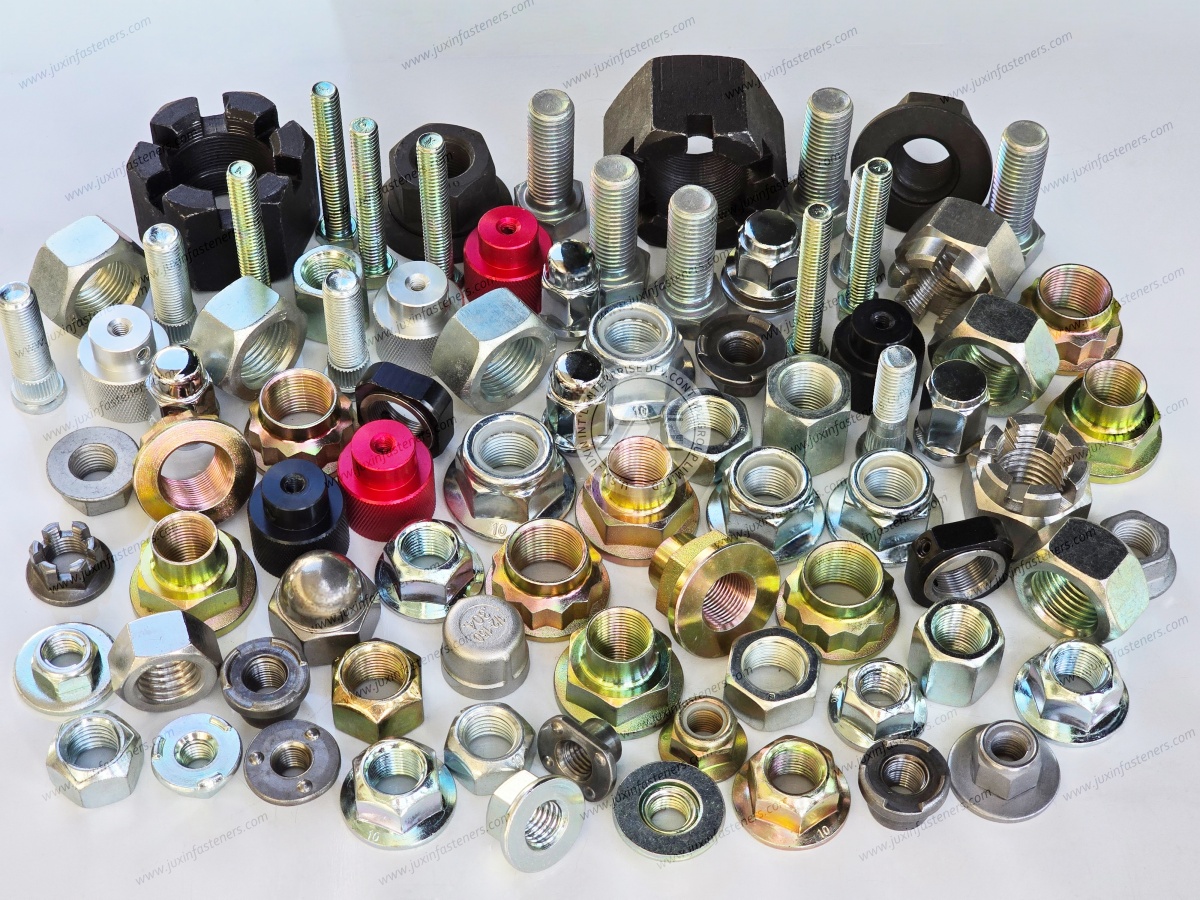
Procurement should not replace one finish with another solely because both are described as corrosion-resistant.
A coating change can affect:
Corrosion
Friction
Preload
Thread fit
Installation torque
Appearance
Hydrogen embrittlement risk for susceptible high-strength steel components
Therefore:
Same Bolt + Different Coating ≠ Same Joint Behavior.
Lubricants, waxes and topcoats may intentionally control friction.
They should not automatically be removed before assembly.
Changing from a dry to lubricated condition can change the preload produced at the same torque.
Therefore:
Dry Torque ≠ Lubricated Torque.
The approved assembly condition should be specified and controlled.
The nut must be compatible with the mating bolt and required joint performance.
Selection can involve:
Standard hex nuts
Flange nuts
Prevailing-torque lock nuts
All-metal lock nuts
Other application-specific designs
A stronger bolt combined with an unsuitable nut does not create a reliable joint.
The mating pair should be evaluated for:
Thread
Property requirements
Engagement
Finish
Friction
Locking feature
Temperature
Reuse requirements
Therefore:
Correct Thread Size ≠ Correct Bolt-Nut Pair.
Prevailing-torque nuts can provide rotational resistance independent of clamp load.
They may be useful in suitable vibrating machinery assemblies.
But:
Prevailing Torque ≠ Preload.
A prevailing-torque feature does not eliminate the need to establish the required clamp load.
Nylon-insert lock nuts may be useful in appropriate temperature and environmental ranges.
However, they should not automatically be selected for:
High-temperature zones
Every vibration-critical joint
Every structural connection
Temperature, chemical exposure and reuse requirements should be evaluated.
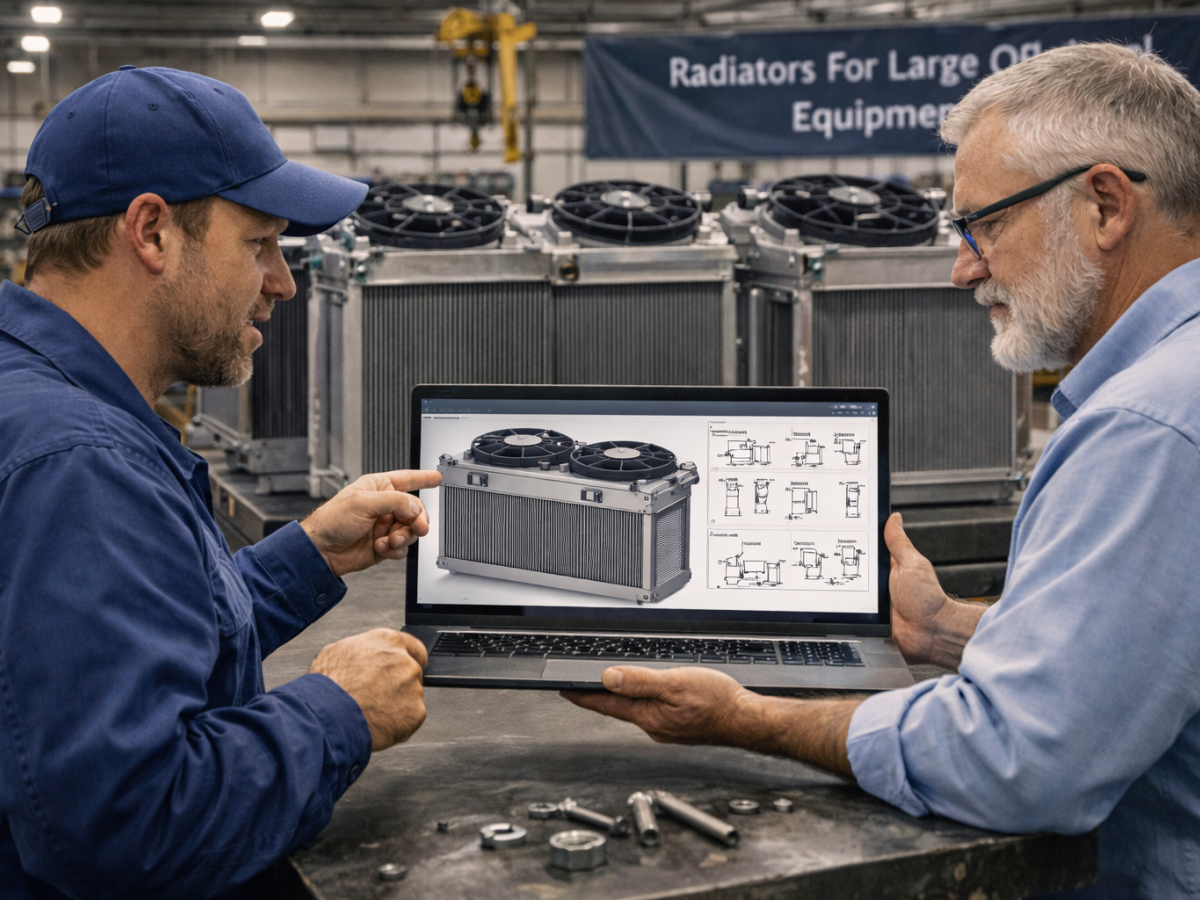
All-metal prevailing-torque nuts may be considered where temperature or application conditions make polymer locking elements unsuitable.
But:
All-Metal Lock Nut ≠ Correct Joint by Itself.
The bolt, preload, friction, joint stiffness and installation method still matter.
Washers can perform functions such as:
Load distribution
Bearing-surface protection
Supporting the tightening interface
Protecting softer parent materials
Washer hardness and geometry should be compatible with the bolted joint.
A washer that plastically deforms under the bearing load can contribute to clamp-load loss.
If a washer is too soft for the applied bearing stress, it can experience:
Permanent deformation
Embedding
Loss of thickness
Reduced clamp load
Therefore:
Washer Is Part of the Joint, Not an Accessory.
Flat washers distribute load.
Spring washers and other washer designs may have specific functions.
But a washer should not automatically be described as a universal vibration-locking solution.
Therefore:
Washer ≠ Automatic Anti-Loosening Device.
A spring washer may contribute to a particular assembly design, but its presence does not prove that a joint will maintain preload under severe vibration.
Anti-loosening performance depends on the complete joint.
Whether a joint uses:
Prevailing-torque nut
Mechanical lock
Adhesive
Locking washer
Special thread feature
the locking element does not compensate for incorrect tightening.
Therefore:
Locking Feature ≠ Correct Preload.
Construction machinery can experience:
Engine vibration
Hydraulic pulsation
Shock loading
Repeated articulation
Ground impact
Structural movement
But vibration does not automatically mean that every fastener needs a locking device.
The engineer should determine whether the actual risk is:
Self-loosening
Fatigue
Joint slip
Embedment
Parent-material deformation
Clamp-load loss
These failure modes require different solutions.
If the joint is losing preload because a soft interface is embedding, adding a stronger lock nut may not solve the problem.
If transverse joint movement is causing self-loosening, simply increasing coating friction may also be insufficient.
The correct sequence is:
Failure Mode → Joint Analysis → Corrective Action
not:
Vibration → Add Lock Washer.
Heavy machinery experiences repeated loading.
Fatigue performance can depend on:
Preload
External load amplitude
Bolt geometry
Thread location
Joint stiffness
surface condition
installation
stress concentration
Therefore:
Higher Static Strength ≠ Automatically Better Fatigue Performance.
A properly preloaded joint can sometimes reduce cyclic bolt stress compared with a poorly clamped connection.
Structural frame and bracket connections can require high clamp load and controlled load transfer.
Important variables include:
Bolt size
property class
nut
washer
joint thickness
bearing surface
preload
external load
coating
installation
For primary structural or safety-critical excavator joints, the equipment OEM's drawing and validated assembly specification should control fastener selection.
The original article generically recommended certain screws for “chassis-to-boom” connections.
That is too broad.
Excavator boom, arm and linkage systems can involve:
Pins
Bushings
High-load structural interfaces
Specialized bolts
Retaining components
Customer-specific joint designs
These are not locations where a generic combination screw should be recommended without the OEM design.
For primary excavator structures, the joint architecture must be determined from:
OEM drawing
load path
material
pin / bolt function
fatigue requirement
service requirement
JUXIN FASTENERS can manufacture or source drawing-based components, but the OEM engineering specification defines the application.
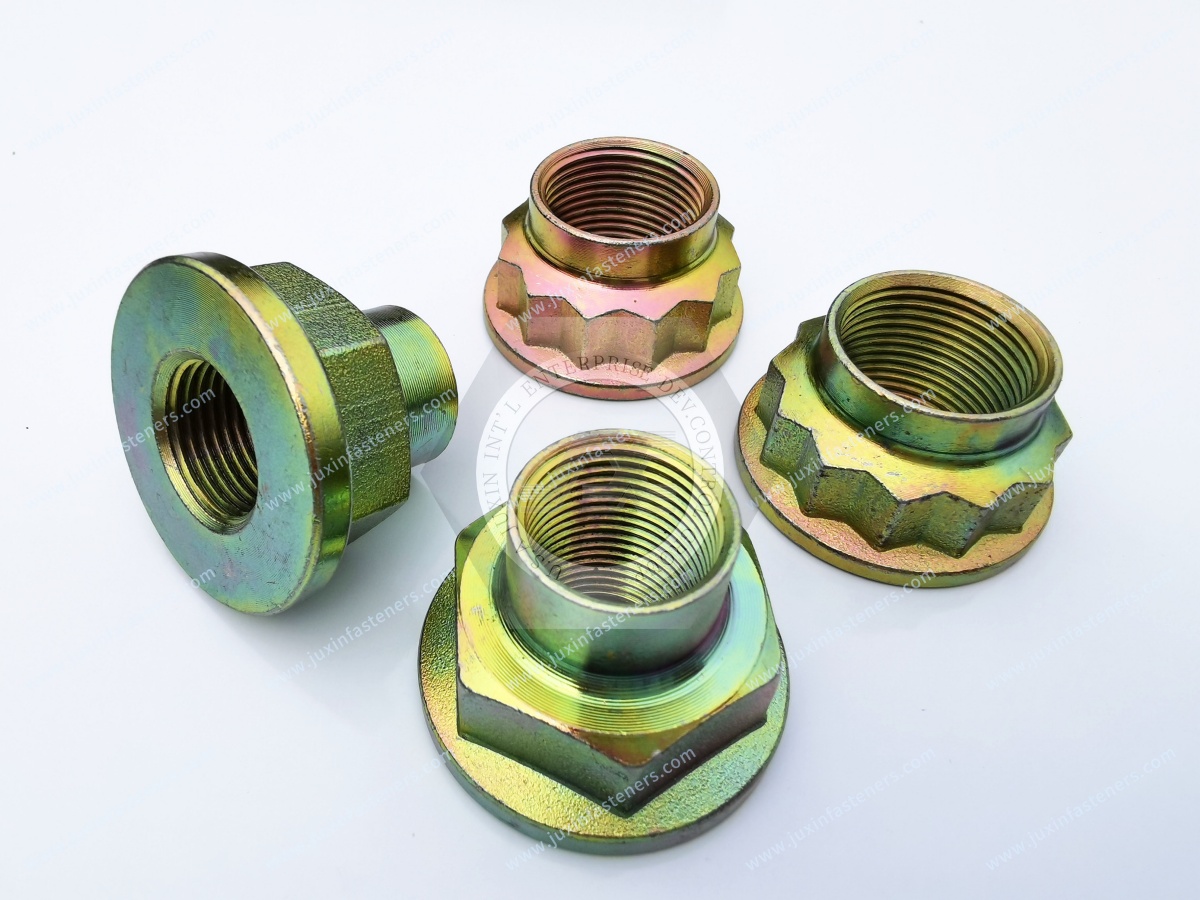
Pins can perform functions very different from bolts.
They may provide:
Pivoting
Positioning
Shear load transfer
Retention
Alignment
Therefore:
Pin ≠ Bolt.
A pin should not automatically be replaced with a bolt of similar diameter.
Pin-system performance can depend on:
Diameter
Fit
Surface finish
Hardness
mating bushing
lubrication
axial retention
The pin and its retention system should be considered separately.
A pin may locate or transmit shear without providing the same clamp function as a preloaded bolt.
Therefore:
Positioning ≠ Clamping.
This distinction is important when reverse-engineering or second-sourcing heavy-equipment components.
Retaining rings, circlips and clips can be used for suitable axial-retention functions.
Their performance depends on:
Groove
shaft / bore
material
axial load
installation
Therefore:
Correct Ring + Wrong Groove = Wrong Retaining System.
Hydraulic systems include several different interfaces:
Pump mounting
Valve blocks
Tube supports
Hose clamps
brackets
guards
The mechanical fastener supporting a hydraulic line is not the same component that creates the fluid seal.
A bolt securing a tube clamp does not create the hydraulic seal inside the fluid connection.
Therefore:
Clamp Retention ≠ Fluid Sealing.
The sealing interface must follow the hydraulic-system design.
Suitable heavy-equipment applications may use:
P-clamps
Rubber-lined clamps
Tube-retaining clamps
Hose clamps
Custom brackets
Selection can depend on:
Tube / hose OD
movement
vibration
temperature
fluid environment
liner material
mounting hardware
Excessive clamp force can damage:
Hose
tube
cable
protective coating
liner
Therefore the clamp must be selected according to the retained component.
Pulsation may contribute to movement or vibration, but the actual failure mechanism should be identified.
Possible issues include:
Tube fretting
clamp movement
mounting-bolt loosening
liner wear
bracket fatigue
Each requires a different corrective action.
Cab assemblies may use:
Bolts
Machine screws
Flange screws
Nuts
Rivet nuts
Self-clinching fasteners
Clips
Captive hardware
Custom brackets
Important requirements can include:
Vibration
serviceability
corrosion
assembly speed
appearance
access
But structural cab and operator-protection components should follow the OEM-approved design rather than generic fastener recommendations.
Removable panels create a different sourcing problem from primary structural joints.
Possible solutions include:
Machine screws
Flange screws
Captive fasteners
Rivet nuts
Self-clinching nuts
Thread-forming screws
Clips
The best choice depends on:
Parent material
sheet thickness
one-sided access
service frequency
corrosion
production volume
Self-tapping or thread-forming screws may be suitable for selected panel and enclosure applications.
But:
Self-Tapping Screw ≠ No-Hole Fastener.
Many self-tapping and thread-forming designs require a correctly sized pilot hole.
These terms should not be used interchangeably.
A self-tapping screw forms or cuts a mating thread.
A self-drilling screw incorporates a drilling feature intended to create its own hole in a suitable substrate.
Therefore:
Self-Tapping ≠ Self-Drilling.
Performance depends on:
Sheet material
thickness
drill-point capability
thread geometry
corrosion environment
installation equipment
The screw must match the substrate.
Where excavator panels or enclosures require reusable machine threads, possible technologies include:
Rivet nuts
Self-clinching nuts
Weld nuts
Thread-forming screws
Selection should consider:
Sheet thickness
material
access
production process
required load
serviceability
Rivet nuts can create reusable internal threads where only one side of the sheet is accessible.
Important variables include:
Grip range
Hole size
Body style
Flange
Sheet material
Installation tool
Setting process
Pull-out
Spin-out
A rivet nut can have the correct M8 or M10 thread and still be unsuitable if the parent sheet falls outside the intended grip range.
Therefore:
Thread Size Alone Does Not Define a Rivet Nut.
These are different failure modes.
Pull-Out concerns axial extraction.
Spin-Out concerns rotation in the sheet.
A heavy-equipment joint may require control of both.
A rivet nut rotating in the sheet is not the same failure mechanism as the mating bolt loosening from the thread.
Therefore:
Spin-Out ≠ Screw Self-Loosening.
Excessive installation force can damage:
Rivet nut
thread
parent sheet
The setting process should remain within a validated window.
Self-clinching nuts, studs and standoffs can be useful in suitable sheet-metal equipment and enclosure applications.
They work through controlled material flow around the clinching feature.
Therefore:
Self-Clinching Is a Material-Flow Process.
Installation depends on:
Sheet material
hardness
thickness
hole
tooling
press process
Two sheets with the same thickness can behave differently.
Excessive press force can damage:
Sheet
fastener
clinching feature
Functional retention should be evaluated using appropriate push-out and torque-out requirements where applicable.
Weld nuts can provide threaded attachment in suitable welded sheet-metal assemblies.
Performance depends on:
Parent material
sheet thickness
projection geometry
welding current
weld time
electrode force
tooling
alignment
Therefore:
Strong Nut ≠ Strong Welded Joint.
Projection weld-nut geometry directly influences current concentration and weld formation.
Changing the nut geometry can therefore change the welding process.
Excessive energy can cause:
expulsion
distortion
thread damage
poor weld consistency
Welding parameters must be validated for the actual nut and sheet.
Preassembled screws with captive washers can improve production efficiency by reducing loose components.
Potential advantages include:
Reduced component handling
Fewer loose washers
Faster line-side assembly
Reduced missing-component risk
But:
SEMS Screw ≠ Automatic Anti-Loosening Fastener.
The captive washer does not automatically provide vibration resistance.
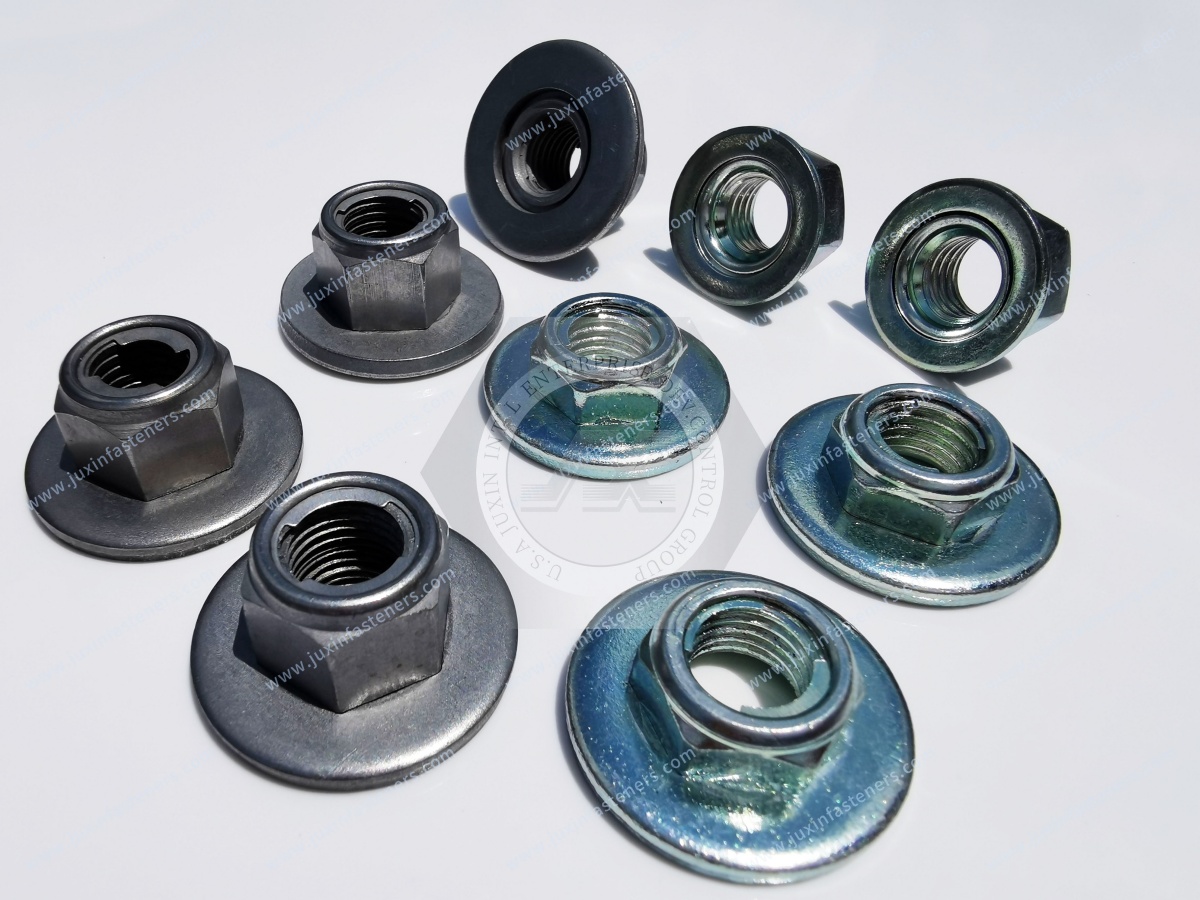
Combination fasteners can improve assembly efficiency, but they should not be introduced solely to reduce part count.
The combined assembly must still satisfy:
Bearing requirements
preload
locking strategy
corrosion
serviceability
Construction machinery can encounter:
Rain
mud
humidity
road salts
industrial contamination
outdoor storage
cleaning
temperature cycles
Potential fastener materials and finishes include, depending on application:
Zinc plating
Zinc-nickel
Zinc-flake systems
Stainless steel
Other customer-specified coatings
The correct choice depends on the environment and joint.
Zinc coatings can provide economical corrosion protection for many industrial applications.
But performance depends on the complete coating system.
Relevant variables can include:
Coating thickness
passivation
topcoat
friction
exposure
Therefore:
Zinc Plated ≠ Complete Corrosion Specification.
Zinc-nickel can be considered where enhanced corrosion performance and controlled coating characteristics are required.
However:
Zn-Ni ≠ Automatically Required for Every Excavator Fastener.
The environment and customer specification should determine coating selection.
Zinc-flake systems can be useful for selected high-performance corrosion applications.
Their engineering evaluation should include:
Corrosion requirement
friction
thread fit
coating thickness
installation
The coating should be specified as a complete system.
For susceptible high-strength steel fasteners, certain electroplating and processing routes require appropriate control of hydrogen embrittlement risk.
This is particularly relevant when changing:
Material strength
coating process
plating supplier
post-treatment
Procurement should not treat surface finishing as a cosmetic operation.
Changing from:
Zinc to zinc-nickel
Zinc to zinc-flake
One topcoat to another
One lubricant to another
may affect more than corrosion.
It can change:
Friction
preload
thread fit
assembly behavior
Therefore:
Coating Substitution Can Be an Engineering Change.
Salt-spray testing can help evaluate coating systems under defined laboratory conditions.
But:
Salt Spray Hours ≠ Real Excavator Service Life.
Field exposure can include:
Mud
abrasion
impact
wet/dry cycles
chlorides
cleaning
coating damage
The required corrosion validation should match the actual environment and customer specification.
Stainless steel may be useful for selected:
Covers
exterior equipment
clamps
electrical equipment
corrosion-sensitive components
But:
Stainless Steel ≠ Automatic Upgrade for High-Load Structural Bolting.
Strength, galling, friction, cost and joint design must be evaluated.
Mixed materials can create galvanic interactions.
The complete assembly may include:
Carbon steel
stainless steel
aluminum
coated steel
cast components
Therefore corrosion selection should evaluate the material couple rather than only the fastener.
Modern excavators increasingly contain:
Controllers
sensors
displays
cameras
communication modules
electrical cabinets
power electronics
Fasteners for these systems may include:
Machine screws
Self-clinching hardware
Rivet nuts
Captive fasteners
Plastic fasteners
Standoffs
Clips
But:
Mechanical Fastening ≠ Electrical Safety.
A metal bolt or standoff should not automatically be treated as a grounding or bonding path.
If the fastener performs an electrical function, that interface should be intentionally designed and validated.
Metal standoffs provide spacing and mechanical support.
Where electrical isolation is required, suitable insulating architecture must be specified separately.
Plastic clips, rivets, spacers and washers can provide useful mechanical and insulating functions.
But the presence of a polymer fastener does not establish system-level electrical compliance.
Fasteners near engines, exhaust-related equipment or other high-temperature zones may require consideration of:
Material
strength retention
coating
oxidation
locking element
lubrication
thermal expansion
A nylon-insert lock nut suitable elsewhere on the machine may not be appropriate in a high-temperature zone.
A locking feature, coating or polymer component should be evaluated at the actual operating temperature.
Therefore:
Room-Temperature Performance ≠ High-Temperature Performance.
Excavators frequently operate in:
Construction sites
Quarries
Mines
Demolition environments
Earthmoving applications
Dust can affect:
exposed threads
serviceability
moving interfaces
installation cleanliness
But fasteners should not automatically be described as “dust-proof.”
Dust resistance belongs to the complete enclosure or assembly.
If an excavator enclosure requires protection against:
Dust
water
mud
the sealing architecture may require:
Gasket
O-ring
sealing washer
sealant
enclosure geometry
A bolt alone does not establish the enclosure protection level.
Fastener problems should be classified by mechanism rather than described generically as “fastener failure.”
Potential causes:
Joint movement
insufficient preload
embedment
unsuitable locking strategy
installation variation
Potential causes:
Insufficient preload
excessive cyclic load
poor joint stiffness
stress concentration
geometry
Potential causes:
Insufficient engagement
weak mating material
excessive tightening
damaged thread
Potential causes:
Insufficient washer hardness
soft bearing material
excessive contact stress
Potential causes:
unsuitable coating
coating damage
galvanic interaction
environmental exposure
Potential causes:
Incorrect hole
unsuitable body style
installation problem
excessive mating-screw torque
Potential causes:
Incorrect sheet hardness
hole problem
installation problem
unsuitable fastener
Potential causes:
Incorrect fit
excessive load
wear
groove geometry
inadequate retention
The correct response is:
Identify Failure Mechanism → Correct Root Cause
not simply:
Replace With Stronger Fastener.
If a joint fails because the parent material is deforming, increasing bolt strength may do nothing.
If a rivet nut spins because the hole is oversized, a stronger mating bolt may make the problem worse.
If a bolt loosens because of joint slip, changing to stainless steel may not solve it.
Engineering should correct the actual mechanism.
The original article correctly identified standardization as a potential procurement opportunity,
but standardization should not mean forcing different joints to use the same fastener.
Good standardization means:
Reduce Unnecessary Variation Without Removing Necessary Engineering Differences.
OEMs can potentially reduce unnecessary variation in:
Thread sizes
drive systems
finishes
common bolt lengths
washer systems
packaging
while preserving different:
Strength classes
locking technologies
coatings
structural requirements
where function requires them.
A procurement and engineering team can review the fastener BOM by asking:
Does This Variation Serve a Functional Requirement?
If yes, retain it.
If no, evaluate consolidation.
Useful categories include:
Thread
diameter
length
head style
drive
property class
coating
washer
locking feature
This can reduce complexity without compromising joint function.
Replacing separate:
Bolt + Washer
with a:
SEMS / Captive Washer Screw
may improve assembly.
But only if:
Bearing area remains suitable
washer hardness is appropriate
locking strategy remains correct
installation equipment is compatible
Therefore:
Fewer Parts ≠ Automatically Better Assembly.
OEM production and aftermarket maintenance have different sourcing priorities.
Typical priorities include:
Drawing control
Repeatability
automated assembly
line-side packaging
controlled coating
lot consistency
production capacity
Typical priorities include:
Correct replacement identification
availability
packaging
serviceability
traceability where required
But aftermarket replacement should not reduce critical specifications.
A service technician may find two bolts with identical:
Diameter
thread
length
but different:
Property class
head geometry
coating
friction
locking feature
Therefore:
Same Dimensions ≠ Functional Equivalence.
This is especially important for heavy-equipment maintenance.
OEMs may develop alternate fastener suppliers to reduce:
Supply disruption
capacity risk
long lead times
geographic concentration
But second sourcing requires more than matching dimensions.
Compare:
Controlled Drawing + Revision + Material + Mechanical Properties + Heat Treatment + Thread + Geometry
+ Surface Treatment + Friction + Installation Behavior + Functional Performance + Packaging
where relevant.
Changing from one material or property class to another can affect:
Strength
ductility
fatigue
preload
corrosion
heat treatment
Therefore material substitution should be reviewed rather than treated as a purchasing-only decision.
The same applies to surface treatment.
A coating change can alter:
Corrosion
friction
preload
thread fit
appearance
This is especially important when torque-controlled assembly is used.
Depending on the component, manufacturing routes can include:
Cold heading
Hot forging
CNC machining
Thread rolling
Thread cutting
Heat treatment
Grinding
Stamping
Wire forming
Surface treatment
The correct route depends on:
Size
geometry
material
strength
tolerance
volume
There is no universally superior process.
Can be efficient for suitable high-volume fastener geometries.
Can be appropriate for larger or specific heavy-duty geometries.
Can be useful for:
Complex parts
prototypes
lower volumes
special geometry
Therefore:
Manufacturing Process Must Match Part Function and Volume.
A machined component is not automatically stronger or more precise in every functional sense.
Likewise, a properly controlled formed fastener can provide excellent production consistency.
The drawing and functional requirement should determine the process.
For high-strength steel fasteners, heat treatment can be a critical process controlling mechanical properties.
Depending on the component, relevant characteristics can include:
Hardness
tensile strength
proof-load capability
ductility
The applicable specification should define the required properties.
Excessive hardness can reduce toughness and increase sensitivity to certain failure mechanisms.
Therefore:
Higher Hardness ≠ Automatically Better Heavy-Equipment Fastener.
Material and heat treatment should meet the intended property requirement.
Rolled threads are widely used for many production fasteners.
Process selection depends on:
Material
geometry
manufacturing route
specification
Thread quality should be controlled according to the applicable drawing and standard.
Depending on the product and risk level, quality control may include:
Material verification
Dimensional inspection
Thread inspection
Mechanical-property testing
Hardness
Heat-treatment control
Surface-treatment control
Coating thickness
Functional testing
Visual inspection
Packaging verification
Not every fastener requires every test.
Testing should follow:
Application Risk → Failure Mechanism → Specification → Required Verification
rather than applying the same inspection package to every component.
A bolt can meet:
Dimensions
material
mechanical properties
coating
and still perform poorly if:
Torque is incorrect
joint design is wrong
mating thread is weak
friction differs
bearing surface deforms
Therefore component quality and joint validation are separate responsibilities.
Material certification can verify important information about the raw material.
But finished fastener performance can also depend on:
Forming
heat treatment
thread
coating
geometry
Therefore the finished product must meet its applicable requirements.
Procurement should compare more than piece price.
A useful model is:
Total Installed Cost = Part Price + Installation + Tooling + Inspection + Rework + Scrap + Downtime + Inventory + Logistics + Maintenance + Supply Risk
For heavy machinery, downtime can be particularly expensive.
A cheaper component is not necessarily the lower-cost solution.
Consolidating multiple fastener families with a capable supplier can potentially reduce:
Supplier count
purchasing administration
logistics complexity
shipment fragmentation
But consolidation should never eliminate engineering control.
The correct principle is:
Commercial Consolidation + Technical Specification Control.
An OEM may buy:
Bolts
Nuts
Washers
Rivet nuts
Weld nuts
Clips
Pins
Custom parts
from fewer approved suppliers while retaining the correct specification for each joint.
This can create procurement efficiency without forcing technically different parts into one standard.
For suitable production or aftermarket programs, packaging can be organized by:
Assembly station
Machine module
service kit
part family
This can reduce:
Picking errors
missing parts
handling
But kit design should use controlled part numbers and revisions.
Custom components may be justified where standard fasteners cannot satisfy:
Geometry
load
installation
packaging
retention
serviceability
Possible drawing-based products can include:
Custom bolts
Custom nuts
Special screws
Pins
Retaining components
Standoffs
Spacers
Clamps
Brackets
CNC components
Combination fasteners
A standard ISO, DIN, EN, ASTM, SAE or ASME/ANSI component should be used where it satisfies the requirement.
Custom parts are justified where the application requires them.
This can reduce:
Cost
lead time
tooling
supplier dependence
For drawing-based excavator components, DFM should evaluate:
Material
diameter
length
thread
head geometry
undercuts
tolerance
heat treatment
coating
annual volume
The goal is:
Required Function + Stable Manufacturing + Competitive Total Cost.
A prototype may be CNC machined for speed.
Mass production may later use:
Cold forming
forging
thread rolling
automated secondary operations
where technically appropriate.
The production route should be reviewed before approval.
For an accurate quotation and engineering review, provide:
2D drawing
3D model where available
Part number
Drawing revision
Application
Joint function
Fastener type
Thread
Mating component
Parent material
Material requirement
Property class / mechanical requirement
Heat treatment where applicable
Surface treatment
Friction requirement where controlled
Tightening method
Target preload or torque requirement where defined
Locking requirement
Operating temperature
Corrosion environment
Vibration / dynamic loading requirement
Annual volume
Sample quantity
Inspection requirement
Validation requirement
Packaging requirement
Applicable ISO, DIN, EN, ASTM, SAE, ASME/ANSI or customer specification
Provide:
Joint drawing
Clamped stack
Hole
bearing surface
bolt length
thread location
nut
washer
tightening method
required mechanical properties
coating
service environment
This is more useful than requesting only:
“M20 high-strength bolt.”
Provide:
Thread
sheet material
sheet thickness
hole size
grip range
body style
flange
installation tool
pull-out requirement
spin-out requirement
Provide:
Thread
parent sheet material
thickness
weld-nut geometry
welding process
projection requirement
thread protection
functional test
Provide:
Diameter
length
material
hardness
fit
surface finish
mating component
load
retention method
lubrication where applicable
Provide:
Retained hose / tube / cable
OD
temperature
movement
environment
liner requirement
mounting hole
mounting hardware
Procurement and supplier-development teams can evaluate:
Drawing and revision control
Material control
Forming / machining capability
Heat-treatment control
Thread manufacturing
Surface-treatment control
Inspection
Functional testing
Change control
Packaging
Production capacity
Delivery performance
The depth of qualification should match application risk.
A controlled OEM sourcing process can follow:
Application → Joint Function → Drawing → Material → Mechanical Requirement → Manufacturing Route → Heat Treatment
→ Surface Treatment → Sample → Inspection → Assembly Trial → Functional Validation → Approval → Production
For second-source projects:
Approved Drawing → Revision → Material → Mechanical Properties → Geometry → Coating → Friction → Sample → Comparison → Assembly Validation → Approval
For custom components:
Application → Drawing → DFM → Prototype → Technical Review → Production Process → Sample Approval → Production
Before specifying an excavator fastener, answer these questions.
Is it:
Clamping?
Positioning?
Pivoting?
Retaining?
Routing?
Sealing support?
Removable panel attachment?
Different functions require different fasteners.
If yes, determine:
Load path
joint stiffness
preload
fatigue
bearing surface
rather than simply selecting a high property class.
Identify:
Steel
cast iron
aluminum
plastic
composite
sheet metal
The parent material may control the joint.
Is it:
Self-loosening?
Fatigue?
thread stripping?
bearing deformation?
corrosion?
rivet-nut spin-out?
pin wear?
Fix the actual failure mechanism.
Define whether assembly uses:
Torque
Torque-angle
Tension-control method
Customer-specific process
where appropriate.
If torque is used, coating and lubrication should not be ignored.
Consider:
Mud
water
salt
temperature
dust
chemicals
abrasion
If yes, consider:
Tool access
reuse
replacement identification
thread durability
captive hardware
If yes:
Same Dimensions ≠ Functional Equivalence.
Compare the complete specification.
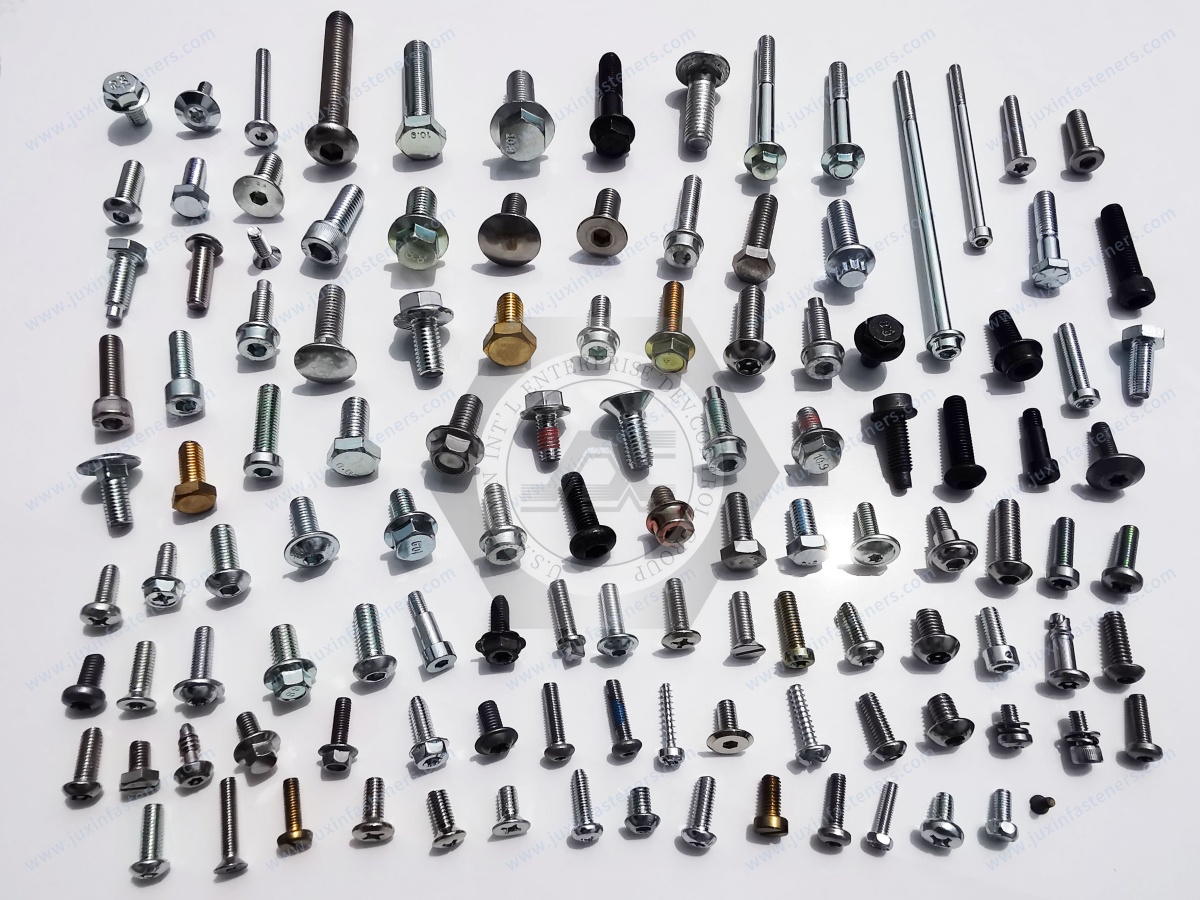
This page should function as the main Excavator Fasteners / Heavy Equipment Fastening application resource.
Recommended internal links include:
High-Strength Bolts & Washers → bolt property class, washer hardness and preload
Automotive Threaded Fasteners → preload, friction and locking fundamentals
Automotive Fastener Quality Control → supplier qualification and inspection
Automotive Washers, Rivets & Pins → washers, pins and retaining components
Automotive Retaining Rings & Circlips → groove and axial-retention engineering
Automotive Clamps & Hose Clamps → hose, tube and cable retention
Automotive Blind Rivets vs Rivet Nuts → thin-sheet blind fastening
Automotive Self-Tapping Screws → direct-thread attachment
Fastener Surface Treatment & Coating Selection → coating, friction and corrosion
Zinc-Nickel Coated Fasteners → Zn-Ni engineering and sourcing
Stainless Steel Fasteners → corrosion-resistant material selection
Industrial Fastener Solutions → overall fastening technology selection
Custom Fastener Manufacturing → cold forming, forging, CNC and DFM
Use the existing indexed JUXIN FASTENERS URL when implementing these internal links.
Depending on the assembly, excavators can use high-strength bolts, nuts, washers, flange fasteners, prevailing-torque nuts, rivet nuts, weld nuts, self-clinching fasteners, screws, pins, retaining rings, clips and clamps.
Metric property classes such as 8.8, 10.9 and 12.9 can be used in suitable applications, but the correct class depends on the OEM joint design and mechanical requirements.
No. Higher bolt strength does not automatically increase joint performance. Nut compatibility, parent material, preload, fatigue and application requirements must also be considered.
Not automatically. Changing property class can alter joint behavior and should be reviewed against the OEM specification.
Potential causes include insufficient preload, joint movement, embedment, friction variation, unsuitable locking strategy or installation problems.
The actual failure mechanism should be identified before selecting a solution.
No. Prevailing torque and preload are different. A locking feature does not replace correct joint tightening.
They should not be treated as a universal anti-loosening solution. Joint design, preload, movement and locking strategy must be evaluated together.
Coatings and topcoats affect friction. When friction changes, the preload produced by a given torque can also change.
It can provide advantages in selected corrosion environments, but the correct finish depends on corrosion requirement, friction, thread fit, strength level and customer specification.
Not automatically. Stainless can be useful in corrosion-sensitive locations, but strength, galling, friction, cost and mating materials must be evaluated.
Not necessarily. Many self-tapping or thread-forming screws require a correctly designed pilot hole. Self-tapping and self-drilling are different technologies.
They can be useful for reusable threads in thin sheet where rear access is limited, such as suitable panels, guards and enclosures.
Potential causes include incorrect hole size, unsuitable body geometry, incorrect grip range, installation problems or excessive mating-screw torque.
No. Pins and bolts can perform fundamentally different load-transfer and positioning functions.
Not automatically. Property class, material, coating, friction, head geometry and locking features may differ.
Compare the controlled drawing, material, mechanical properties, heat treatment, thread, geometry, coating, friction, installation behavior and functional requirements.
Send the drawing, revision, application, joint function, material, thread, mechanical requirement, coating, mating component, environment, annual volume and validation requirements.
Excavator fastening reliability does not come from selecting the strongest bolt available.
It comes from engineering the complete connection.
The correct sequence is:
Joint Function → Load Path → Parent Material → Fastener → Mating Component → Strength → Preload → Friction → Locking → Corrosion → Installation → Validation
The key principles are:
High-Strength Fastener ≠ High-Strength Joint
Higher Property Class ≠ Automatically Higher Joint Capacity
Stronger Bolt ≠ Stronger Mating Thread
Torque ≠ Preload
Same Torque + Different Friction ≠ Same Preload
Dry Torque ≠ Lubricated Torque
Coating Substitution Can Be an Engineering Change
Correct Thread Size ≠ Correct Bolt-Nut Pair
Prevailing Torque ≠ Preload
Washer Is Part of the Joint
Washer ≠ Automatic Anti-Loosening Device
Spring Washer ≠ Guaranteed Vibration Resistance
Locking Feature ≠ Correct Preload
Higher Static Strength ≠ Automatically Better Fatigue Performance
Pin ≠ Bolt
Positioning ≠ Clamping
Mechanical Fastening ≠ Hydraulic Sealing
Clamp Retention ≠ Fluid Sealing
More Clamp Force ≠ Better Retention
Self-Tapping ≠ Self-Drilling
Correct Thread + Wrong Grip Range = Wrong Rivet Nut
Pull-Out ≠ Spin-Out
Spin-Out ≠ Screw Self-Loosening
More Setting Force ≠ Better Installation
Strong Nut ≠ Strong Welded Joint
More Welding Energy ≠ Better Weld
SEMS Screw ≠ Automatic Anti-Loosening Fastener
Salt Spray Hours ≠ Excavator Field Life
Stainless Steel ≠ Automatic Structural Upgrade
Corrosion-Resistant Fastener ≠ Corrosion-Resistant Assembly
Mechanical Fastening ≠ Electrical Safety
Harder ≠ Automatically Better
Drawing Compliance ≠ Installed Joint Validation
Raw Material Certificate ≠ Finished Fastener Performance
Prototype Process ≠ Production Process Qualification
Same Dimensions ≠ Functional Equivalence
For engineers, the objective is to control the actual joint and its failure mechanisms.
For procurement and supplier-development teams, the objective is to maintain that engineered function while improving cost,
availability, production efficiency and supply continuity.
JUXIN FASTENERS supports selected construction machinery and industrial OEM projects with:
High-strength bolts
Hex bolts
Flange bolts
Custom bolts
Hex nuts
Flange nuts
Lock nuts
Hardened washers
SEMS and combination screws
Rivet nuts
Weld nuts
Self-clinching fasteners
Self-tapping and thread-forming screws
Pins
Retaining components
Clips
Clamps
Zinc-plated fasteners
Zinc-nickel coated fasteners
Zinc-flake coated fasteners
Stainless steel fasteners
Drawing-based custom components
CNC precision parts
For an effective RFQ, provide:
2D Drawing + 3D Model + Part / Revision + Excavator Application + Joint Function + Parent Material + Thread + Mating Component
+ Mechanical Requirement + Heat Treatment + Surface Treatment + Tightening Method + Operating Environment + Annual Volume + Validation Requirement
For high-load or primary structural excavator joints, provide the OEM-controlled drawing and technical specification rather than only a bolt size and property class.
This allows the supplier to evaluate the fastener as part of the real heavy-equipment joint.
JUXIN FASTENERS
Excavator Fasteners | Heavy Equipment Bolts & Nuts | Construction Machinery Fasteners | Custom OEM Components
Email: info@juxinfasteners.com
Website: www.juxinfasteners.com
Contact Us
Tel.:
+86 020 8621 0320
+86 020 3121 6067
E-mail:
Technical Support:
Navigation
SEND INQUIREY



