
Call Us
+86 136 6007 9809
Call Us
+86 136 6007 9809

May. 20, 2026
Railway rolling stock contains increasingly complex electrical and electronic equipment, including auxiliary power supplies, converters, control cabinets,
communication systems, battery equipment, diagnostic modules, lighting systems and onboard electronics.
These systems require reliable mechanical attachment under operating conditions that can include:
Vibration and shock
Repeated thermal cycling
Humidity and condensation
Dust and contamination
Corrosive environments
Repeated maintenance
Long equipment service cycles
The fastening challenge is therefore more complex than selecting a “vibration-resistant railway fastener.”
For engineers, the correct question is:
What fastening technology best matches the enclosure, parent material, load, installation access,
service requirement, environment and electrical architecture?
For procurement and supplier-development teams, the question becomes:
How can the specified fastening function be sourced consistently without changing material, geometry, coating, friction, installation behavior or project-approved requirements?
A useful engineering framework is:
Equipment Function → Parent Material → Joint Function → Fastener Technology → Load → Installation Access → Preload / Retention
→ Vibration → Corrosion → Electrical Function → Serviceability → Validation
The central principle is:
Railway Fastener ≠ Railway-Qualified Assembly.
JUXIN FASTENERS supports selected drawing-based fasteners and fastening components for railway interiors, electrical cabinets, power equipment,
electronic enclosures and other rolling-stock equipment applications.
For primary structural, bogie, braking, running gear, crash-critical, propulsion-critical or other safety-critical railway locations, the vehicle OEM,
system integrator and project-specific approved specification must control component selection and validation.
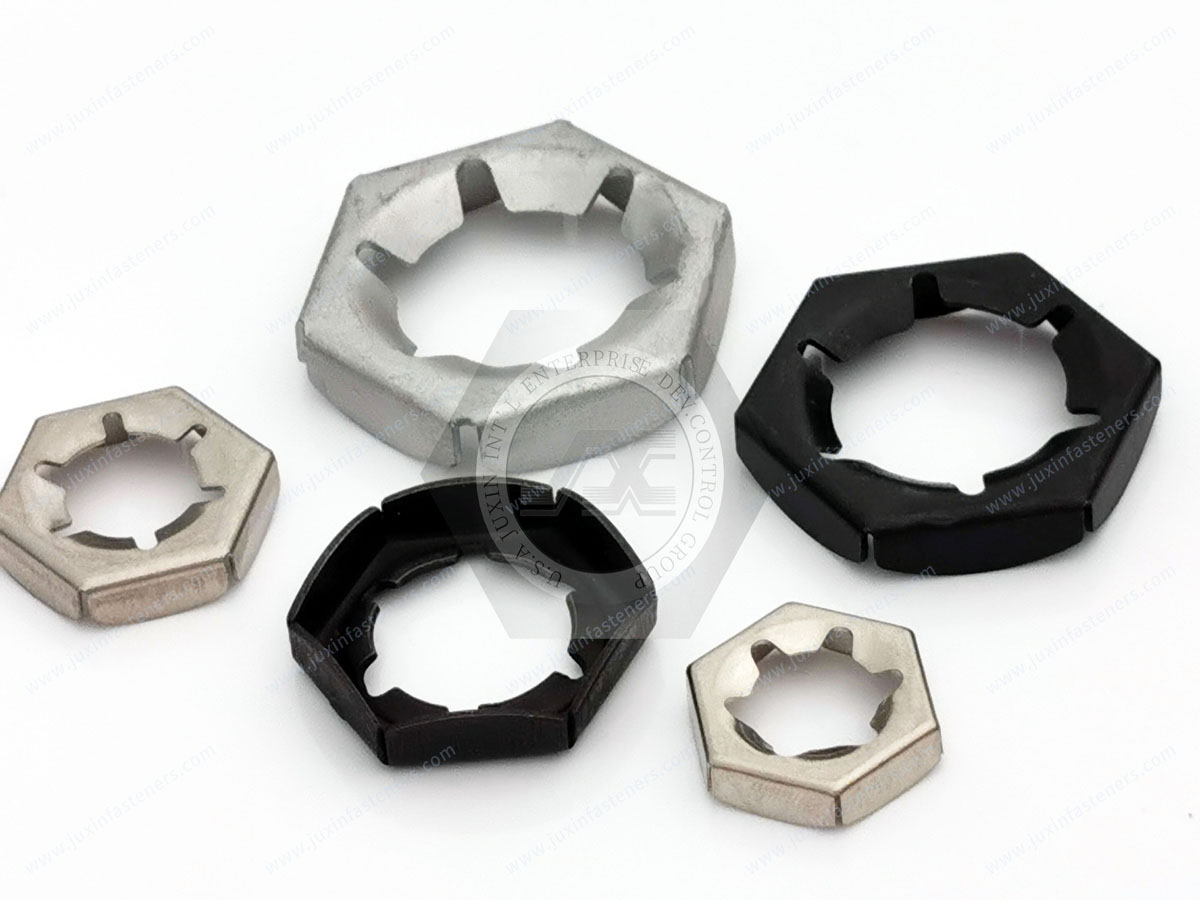
Potential fastening locations include:
Auxiliary power supply housings
Electrical cabinets
Control cabinets
Converter enclosures
Inverter housings
Battery-system enclosures
Communication equipment
Lighting equipment
Sensor modules
Control units
Cable-management structures
Cooling equipment
Fans and ventilation systems
Interior electrical panels
Equipment brackets
Service and access covers
Different locations can require completely different fastener technologies.
| Application | Typical Fastening Need | Possible Fastener Technology | Critical Variables |
|---|---|---|---|
| Thin-sheet electrical cabinet | Reusable internal thread | Rivet nut / self-clinching nut | Sheet thickness, hole, retention |
| One-sided enclosure | Blind thread creation | Rivet nut | Grip range, pull-out, spin-out |
| Production sheet-metal cabinet | Permanent threaded attachment | Self-clinching nut / stud | Sheet material, hardness, tooling |
| Welded enclosure | Permanent threaded attachment | Weld nut / weld stud | Welding process, sheet, alignment |
| Removable access panel | Repeated servicing | Machine screw / captive fastener | Access, service cycles, retention |
| Power module bracket | Mechanical clamping | Bolt / screw / nut | Preload, vibration, temperature |
| PCB or electronics module | Spacing / support | Standoff / spacer | Mechanical support, insulation boundary |
| Cable routing | Retention | Clip / clamp / P-clamp | Vibration, abrasion, serviceability |
| Grounding or bonding point | Mechanical + specified electrical interface | Grounding stud / bolt system | Contact architecture, surface condition, validation |
| Corrosive external equipment | Mechanical attachment | Stainless / coated steel fastener | Environment, galvanic compatibility |
| Custom rail equipment | Drawing-specific attachment | Custom fastener / CNC component | Drawing, material, process, validation |
The correct technology should follow the joint function.
Railway electrical cabinets commonly use thin sheet, fabricated panels and removable covers.
A cabinet may require:
Permanent threaded attachment
Reusable threaded attachment
Captive service hardware
One-sided installation
Equipment mounting
Cable support
Internal module mounting
Potential fastener technologies include:
Rivet nuts
Self-clinching nuts
Self-clinching studs
Weld nuts
Weld studs
Machine screws
Captive panel fasteners
Standoffs
Spacers
Clips
Clamps
There is no universal “railway cabinet fastener.”
Electrical cabinets and equipment structures can be manufactured from:
Carbon steel
Stainless steel
Aluminum
Other project-specified materials
The parent material influences:
Fastener selection
Installation
thread retention
corrosion
galvanic compatibility
welding
self-clinching behavior
Therefore:
Same Fastener + Different Parent Material ≠ Same Installed Performance.
Blind rivet nuts can create reusable internal threads in thin sheet where access is available from only one side.
Potential applications include:
Electrical cabinets
Power supply housings
Equipment panels
Access structures
Brackets
Interior equipment
Rivet nut selection should consider:
Thread
Grip range
Parent sheet
Sheet thickness
Hole size
Hole geometry
Body style
Flange
Material
Installation tool
Pull-out requirement
Spin-out requirement
A rivet nut can have the correct M5, M6 or M8 internal thread and still be unsuitable for the cabinet.
Grip range relates to the thickness of the parent material the rivet nut is designed to clamp during installation.
Therefore:
Thread Size Alone Does Not Define a Rivet Nut.
Rivet nut performance depends strongly on the prepared hole.
Important variables can include:
Hole diameter
Hole shape
Burr condition
Sheet deformation
Edge distance
An oversized or damaged hole can reduce installed retention even if the rivet nut itself is dimensionally correct.
Different body geometries provide different installation characteristics.
Suitable for many conventional applications where the hole and installed retention meet the requirement.
The external feature may contribute to rotational retention depending on sheet material and installation.
When used with a matching hexagonal hole, the geometry can provide mechanical resistance to rotation.
But:
Hex Body ≠ Automatic High-Strength Joint.
Parent material, hole geometry, installation and flange still matter.
Two important rivet nut failure modes are different.
Pull-Out concerns axial extraction from the parent sheet.
Spin-Out concerns rotation of the installed rivet nut.
A design may perform well in one mode and poorly in the other.
Therefore:
Pull-Out ≠ Spin-Out.
A rivet nut rotating inside a panel is not the same mechanism as the mating screw rotating relative to the rivet nut.
Therefore:
Spin-Out ≠ Screw Self-Loosening.
This distinction matters when diagnosing railway equipment failures.
The original article described rivet nuts as inherently resistant to vibration loosening.
That is too broad.
A rivet nut provides a threaded attachment point.
The mating screw joint still requires appropriate consideration of:
Preload
friction
joint stiffness
vibration
locking strategy
serviceability
Therefore:
Rivet Nut Retention ≠ Mating Screw Anti-Loosening Performance.
Increasing rivet nut setting force beyond the correct process window can damage:
Rivet nut
thread
parent sheet
flange interface
The installation process should be validated for the specific:
Rivet Nut + Sheet + Hole + Tool
combination.
Closed-end rivet nuts can provide a closed fastener body at one side of the joint.
But enclosure sealing depends on the complete interface.
Factors may include:
Flange
hole
gasket
sealant
surface
mating screw
enclosure design
Therefore:
Closed-End Rivet Nut ≠ Automatic IP Rating.
Self-clinching nuts, studs and standoffs can provide permanent threaded attachment in suitable sheet-metal structures.
Potential applications include:
Electrical cabinets
Electronic enclosures
Control panels
Equipment brackets
Module mounting
Self-clinching installation relies on controlled material flow around the fastener's clinching feature.
Therefore:
Self-Clinching Is a Material-Flow Process.
Self-clinching performance depends on:
Sheet material
sheet hardness
sheet thickness
hole geometry
fastener geometry
installation tooling
press process
Therefore:
Same Sheet Thickness ≠ Same Clinching Behavior.
A fastener validated in one sheet material should not automatically be transferred to another.
Self-clinching retention can involve different functional requirements.
Push-Out concerns axial displacement.
Torque-Out concerns rotational resistance.
These should not be treated as interchangeable.
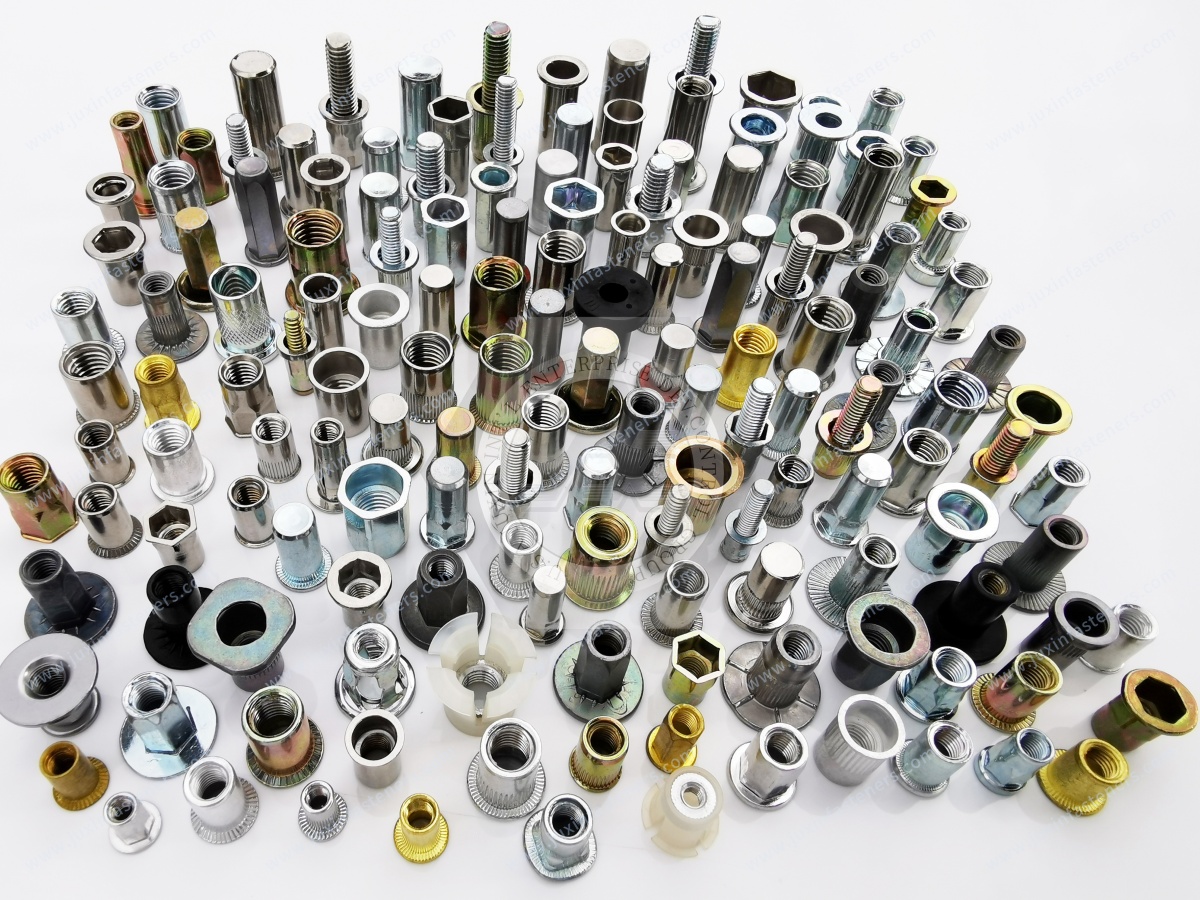
Excessive press force can damage:
Sheet
clinching feature
fastener
panel geometry
The installation process should remain within a controlled window.
Weld nuts and studs can provide permanent threaded attachment in suitable fabricated railway equipment.
Potential applications can include:
Cabinets
equipment frames
brackets
enclosures
supporting structures
Their performance depends on more than the fastener itself.
A high-strength nut does not guarantee a strong welded connection.
The welded joint can depend on:
Parent material
sheet thickness
projection geometry
welding current
weld time
electrode force
tooling
alignment
surface condition
Therefore:
Strong Nut ≠ Strong Welded Joint.
For projection weld nuts, projection geometry influences current concentration and weld formation.
Changing the nut design can therefore change the welding process.
Excessive welding energy can contribute to:
Expulsion
distortion
thread damage
inconsistent weld formation
The process must be validated for the actual component and parent material.
Bolts and screws may be used for:
Equipment mounting
Power-module brackets
removable panels
cooling assemblies
cabinet structures
serviceable components
Selection should consider:
Thread
material
mechanical properties
preload
bearing surface
coating
friction
vibration
temperature
service requirements
Tightening torque is an installation input.
Preload is the tension generated in the fastener.
Friction at:
Threads
bearing surfaces
coatings
lubricants
can strongly affect the relationship between torque and preload.
Therefore:
Torque ≠ Preload.
Changing a coating or lubricant while maintaining the same tightening torque can alter clamp load.
This means surface treatment can become a functional joint parameter.
Changing from one coating system to another may affect:
Corrosion
friction
preload
thread fit
electrical contact
galvanic compatibility
Therefore:
Coating Substitution Can Be an Engineering Change.
Procurement should not approve coating substitution solely because the new finish appears equivalent.
Rail vehicles experience dynamic mechanical environments.
But vibration does not mean that every threaded connection requires the same locking technology.
The first engineering task is identifying the actual failure mechanism.
Possible mechanisms include:
Screw self-loosening
Insufficient preload
Joint slip
Embedment
fatigue
parent-material deformation
insert rotation
Different mechanisms require different solutions.
Possible locking technologies can include, depending on the project:
Prevailing-torque nuts
All-metal lock nuts
Customer-approved locking washers
Thread-locking systems
Mechanical locking features
But:
Locking Feature ≠ Correct Preload.
A locking component cannot compensate for a poorly designed or incorrectly tightened joint.
A prevailing-torque nut produces rotational resistance.
That resistance should not be confused with the clamp force generated by tightening.
Therefore:
Prevailing Torque ≠ Preload.
Washers can provide:
Load distribution
bearing support
surface protection
But a washer should not automatically be treated as a vibration-locking device.
Therefore:
Washer ≠ Automatic Anti-Loosening Device.
For railway vehicle projects where DIN 25201-2 is specified, the standard provides design guidance for mechanical bolted joints in railway vehicles and their components.
It addresses bolted-joint design rather than simply defining a particular bolt or nut.
For critical connections, analytical design does not eliminate the need for appropriate experimental and/or numerical verification where required by the application.
The practical sourcing lesson is:
Railway Bolted-Joint Requirement ≠ Fastener Part Number Alone.
The applicable project specification, joint design and validation requirements must be identified during RFQ and supplier qualification.
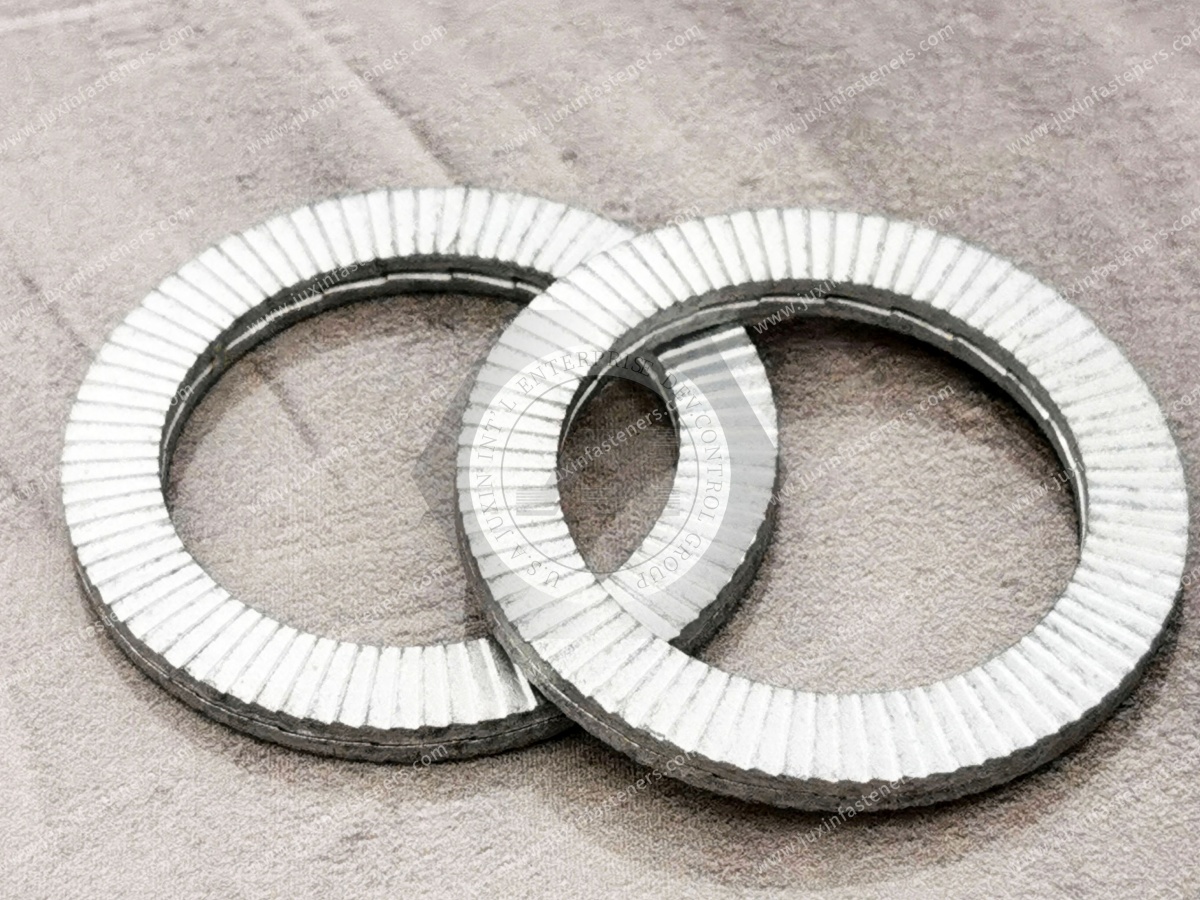
Railway projects can reference many different standards.
A common sourcing mistake is to place every railway standard on every fastener drawing.
Instead:
Standard Applicability Must Follow Scope.
EN 50155 addresses electronic equipment used on rolling stock, including requirements related to operating conditions, design, documentation, testing and integration.
It can therefore be relevant at the equipment/system level for onboard electronic equipment.
But:
EN 50155 ≠ Generic Fastener Certification.
A screw, rivet nut or stud should not automatically be marketed as “EN 50155 certified” simply because it is installed inside equipment designed to that standard.
The fastener must satisfy the requirements assigned to it by the equipment design and project specification.
This distinction is critical for procurement.
A railway electrical cabinet may be designed and tested according to an equipment-level railway standard.
The fasteners inside it may separately follow:
ISO fastener requirements
DIN requirements
EN requirements
Customer drawings
OEM specifications
Project-specific requirements
Therefore:
System Compliance ≠ Individual Fastener Certification.
Railway fire-protection requirements can become relevant where materials and components contribute to the fire behavior of railway vehicles.
This can be particularly important for:
Polymer components
Insulating materials
cable-management products
non-metallic parts
But a metallic bolt should not automatically be advertised as “EN 45545 certified” without a defined product requirement and evidence.
For plastic or nylon fastening components, the actual polymer grade and railway fire requirement must be evaluated against the project specification.
A polymer fastener may provide useful:
Insulation
spacing
lightweight retention
cable management
but:
Plastic Fastener ≠ System Fire Compliance.
The actual material and assembly must satisfy the applicable project requirement.
ISO 22163 addresses railway-sector quality management systems across the railway supply chain.
It is a supplier / organizational quality-management framework rather than a dimensional or performance standard for an individual fastener.
Therefore:
ISO 22163 ≠ Fastener Product Certification.
A component still requires its own:
Drawing
material
process
inspection
validation
customer approval
as applicable.
Railway procurement should distinguish:
Supplier Quality-System Qualification
from:
Part Qualification
and from:
Installed Assembly Validation.
These are three different levels.
A supplier quality certificate does not determine whether a rivet nut has adequate spin-out resistance.
A dimensional standard does not prove vibration performance.
An equipment standard does not define every fastener inside the equipment.
Therefore:
Certification ≠ Engineering Substitution for Functional Validation.
Grounding or bonding studs may be used where the electrical architecture intentionally requires a mechanical attachment point for:
Protective bonding
equipotential bonding
grounding interfaces
other defined electrical connections
But grounding performance is not created simply by installing a metal stud.
The electrical path may include:
Cable Lug → Fastener Interface → Stud → Parent Structure → Bonding Network
Performance can depend on:
Contact surfaces
coatings
oxide layers
contact pressure
washer system
corrosion
assembly torque
conductor lug
parent material
Therefore:
Conductive Material ≠ Qualified Electrical Connection.
A grounding stud may provide the mechanical interface, but system-level electrical safety must be engineered and validated separately.
The fastener supplier should not infer:
Grounding capacity
fault-current capability
electrical resistance
system compliance
without defined requirements and testing.
A corrosion-resistant coating can also change electrical contact behavior.
This creates a potential engineering tradeoff:
Corrosion Protection vs Electrical Contact Requirement
For a designated bonding interface, the equipment designer must define:
Required contact surfaces
permitted coatings
assembly method
validation
The fastener supplier should follow that specification.
Power supply equipment may contain:
Busbars
terminals
conductors
high-current connections
These should not be treated as ordinary mechanical bolted joints.
Electrical current-carrying connections may require control of:
Contact resistance
contact surfaces
thermal behavior
conductor material
clamp force
electrical validation
Therefore:
Mechanical Joint ≠ Busbar Electrical Joint.
A stud used for protective bonding and a fastener used in a current-carrying busbar interface can have different functions and requirements.
Procurement should define the electrical function clearly in the RFQ.
Railway power and electrical equipment can require frequent:
Inspection
filter replacement
module replacement
diagnostic access
scheduled maintenance
Captive panel fasteners can help prevent loose hardware during servicing.
But:
Captive Fastener ≠ Anti-Loosening Fastener.
Captivity prevents the component from becoming detached from the panel.
It does not automatically prevent threaded self-loosening during operation.
Fastener selection should consider:
Maintenance frequency
tool access
repeated disassembly
thread wear
captive hardware
replacement strategy
A permanent attachment technology may reduce initial assembly time while increasing lifecycle maintenance cost.
For serviceable railway equipment, a useful procurement model is:
Lifecycle Cost = Part + Installation + Tooling + Inspection + Maintenance + Replacement + Downtime + Logistics + Supply Risk
The lowest-priced fastener may not create the lowest lifecycle cost.
Standoffs and spacers can support:
PCBs
electronic modules
sensors
internal panels
Metal standoffs can provide mechanical support.
But:
Metal Standoff ≠ Electrical Insulator.
If electrical isolation is required, it must be designed separately.
Plastic fasteners may be used in suitable railway electrical equipment for:
Cable management
PCB support
spacing
lightweight retention
selected insulating functions
But their behavior depends on:
Polymer
grade
reinforcement
temperature
moisture
creep
stress relaxation
fire requirement
Nylon may provide useful electrical insulation in suitable applications.
But:
Nylon Fastener ≠ System Electrical Compliance.
Electrical insulation must be evaluated at assembly level.
Polymers can experience:
Creep
stress relaxation
moisture absorption
thermal expansion
Therefore a plastic fastening component that appears secure immediately after installation may behave differently after long-term service.
Railway equipment may encounter:
Humidity
condensation
cleaning
external moisture
chlorides
temperature cycling
industrial contamination
Potential fastener materials and coatings can include:
Zinc-plated steel
Zinc-nickel coated steel
Zinc-flake coated steel
Stainless steel
Customer-specified systems
Selection should follow the actual environment.
Stainless steel can provide useful corrosion resistance.
But corrosion performance depends on:
Grade
chloride exposure
crevices
mating materials
galvanic coupling
surface condition
Therefore:
Stainless Steel ≠ Corrosion-Proof Assembly.
A stainless fastener installed in aluminum or coated carbon steel can create a mixed-material system.
The complete joint should be evaluated for galvanic compatibility.
Laboratory corrosion testing can be useful when required by a specification.
But:
Salt Spray Hours ≠ Field Service Life.
Railway service can involve combinations of:
Moisture
wet/dry cycling
contaminants
vibration
mechanical damage
cleaning
The required environmental validation should follow the project.
The original article associated fasteners with IP67 / IP68 protection.
This requires an important correction.
A screw, rivet nut or grounding stud does not independently create an enclosure IP rating.
Sealing can depend on:
Enclosure geometry
gasket
sealing washer
fastener interface
cable glands
connectors
assembly process
Therefore:
Fastener ≠ IP Rating.
Even a closed-end rivet nut cannot establish an IP rating by itself.
The complete enclosure must be validated.
The original article stated a generic railway operating range of −40°C to +85°C.
That should not be applied universally to every railway fastener.
The required temperature range depends on:
Equipment location
vehicle specification
material
system requirement
customer project
Therefore:
Railway Application ≠ Universal Temperature Requirement.
The RFQ should state the actual required operating range.
Temperature changes can affect:
Preload
friction
coatings
parent materials
polymers
electrical contact interfaces
Different materials can expand at different rates.
Therefore:
Room-Temperature Tightness ≠ Full-Service Joint Validation.
Railway equipment can be subjected to vibration and shock requirements defined by the relevant equipment and project specifications.
But:
One Vibration Test ≠ Universal Railway Qualification.
Test conditions should match:
Equipment category
mounting location
vehicle
project specification
A useful validation strategy is:
Failure Mechanism → Requirement → Representative Test → Acceptance Criteria
Testing should confirm the relevant risk rather than generate generic marketing claims.
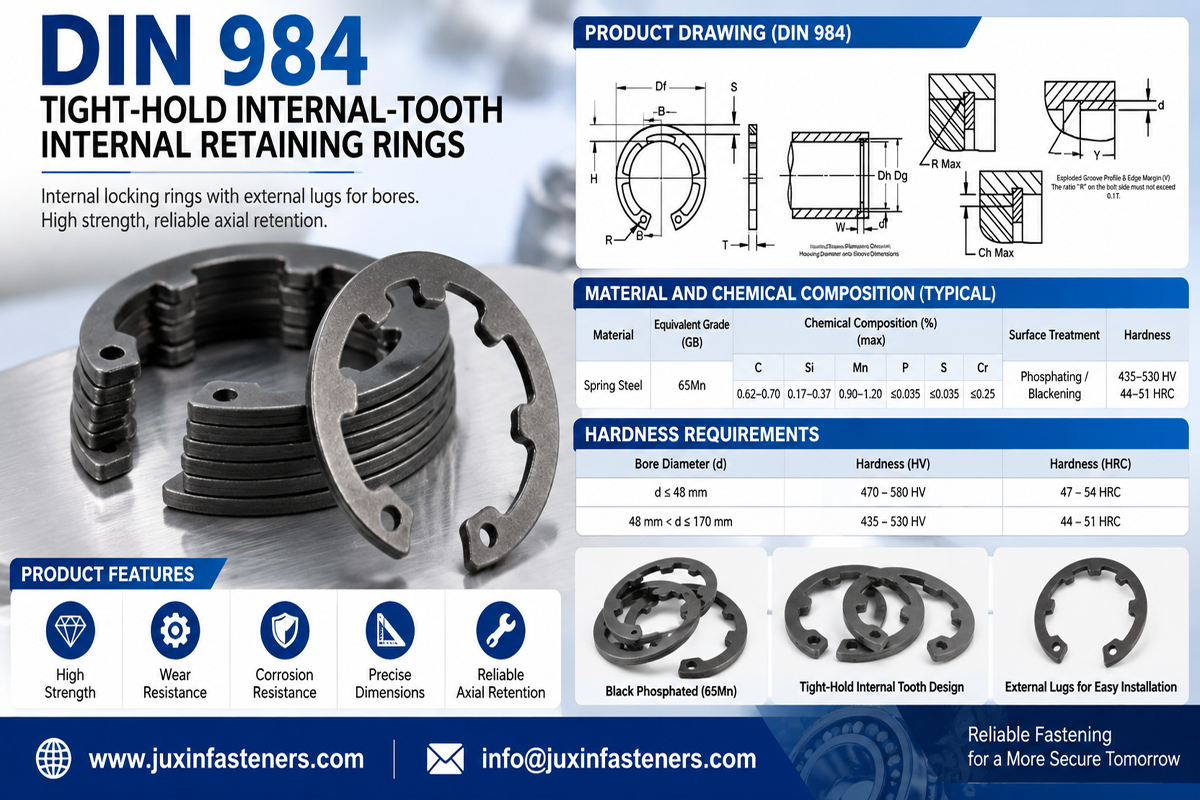
Interior electrical equipment can include:
Lighting
displays
passenger information equipment
communication modules
control panels
equipment cabinets
accessories
Fasteners may include:
Screws
nuts
rivet nuts
self-clinching hardware
clips
standoffs
plastic fasteners
Fire behavior, electrical safety and mechanical retention should be treated as separate engineering requirements.
Exterior equipment may introduce additional concerns:
Water
dust
temperature
corrosion
vibration
debris
Fastener selection may therefore place greater emphasis on:
corrosion system
sealing architecture
material compatibility
maintenance
But the complete equipment must still be validated as a system.
High-voltage equipment requires careful separation between:
Mechanical Fastening
and:
Electrical-System Qualification.
A fastener supplier should not claim that a standard bolt, nut or rivet nut automatically satisfies:
Creepage
clearance
insulation coordination
high-voltage safety
fault-current requirements
These are equipment-level electrical design requirements.
Using:
Stainless steel
titanium
nylon
coated steel
does not independently establish electrical-system compliance.
The original article included detailed claims about pluggable connectors, M12 connectors and heavy-duty rectangular connectors.
Those are not the core product entity of this page.
This resource should remain focused on:
Railway Electrical Equipment Fasteners
rather than becoming a generic railway connector catalog.
Connector selection should be handled by the connector manufacturer and applicable electrical equipment specification.
Keeping these categories separate improves:
Technical credibility
SEO intent
procurement clarity
supplier qualification
JUXIN FASTENERS should focus this page on the fastening interfaces it can realistically support.
Power supply modules can require mechanical mounting to:
Cabinet frames
equipment trays
brackets
enclosure structures
Fastener selection should consider:
Module mass
dynamic loading
mounting orientation
bracket stiffness
fastener preload
service access
But:
Power Module Fastener ≠ Power-System Qualification.
The electrical equipment manufacturer remains responsible for system validation.
DIN rails can support suitable electrical equipment inside cabinets.
The rail itself, mounted equipment and cabinet fastening system form separate interfaces.
The fasteners securing the rail to the cabinet should be evaluated for:
Parent material
load
vibration
installation
serviceability
Do not assume that a component described as “DIN rail mounted” automatically defines the mounting fastener.
Equipment brackets and fasteners can experience:
Vertical acceleration
lateral acceleration
longitudinal acceleration
vibration
shock
The required design loads must come from the equipment and vehicle specification.
If the bracket or cabinet sheet controls the joint, increasing bolt strength may not increase assembly capacity.
Therefore:
Stronger Fastener ≠ Stronger Parent Structure.
Dynamic railway service can introduce cyclic loading.
Fatigue performance may depend on:
Preload
joint stiffness
fastener geometry
thread location
surface condition
external load amplitude
Therefore:
Higher Static Strength ≠ Automatically Better Fatigue Performance.
Railway equipment can remain in service for long periods and may undergo repeated maintenance.
Designers should consider:
Thread durability
captive hardware
accessibility
replacement strategy
torque procedure
coating wear
mating-thread condition
Whether a fastener can be reused depends on:
Fastener type
locking feature
material
coating
previous loading
customer specification
No universal reuse rule should be applied.
A prevailing-torque nut can lose locking performance through repeated assembly.
Reuse limits should therefore follow:
Applicable specification
customer requirement
measured prevailing torque where required
rather than a generic reuse claim.
Depending on geometry, material and volume, manufacturing routes can include:
Cold heading
Thread rolling
CNC machining
Stamping
Wire forming
Heat treatment
Surface treatment
Secondary machining
The manufacturing route should match the part.
CNC machining can provide useful flexibility for:
Prototypes
complex geometry
lower volumes
precision custom parts
But:
CNC Machined ≠ Automatically Higher Quality.
Quality depends on the complete controlled process.
A prototype may be machined while the production part is later cold formed or produced through another scalable route.
Changing manufacturing route can affect:
Geometry
material flow
tolerances
surface
mechanical behavior
Therefore the final production process should be validated where functionally relevant.
Depending on the fastener and application, quality control can include:
Material verification
Dimensional inspection
Thread inspection
Mechanical-property testing
Hardness
Surface-treatment control
Coating thickness
Functional testing
Visual inspection
Packaging
Traceability
The inspection plan should match the drawing and application risk.
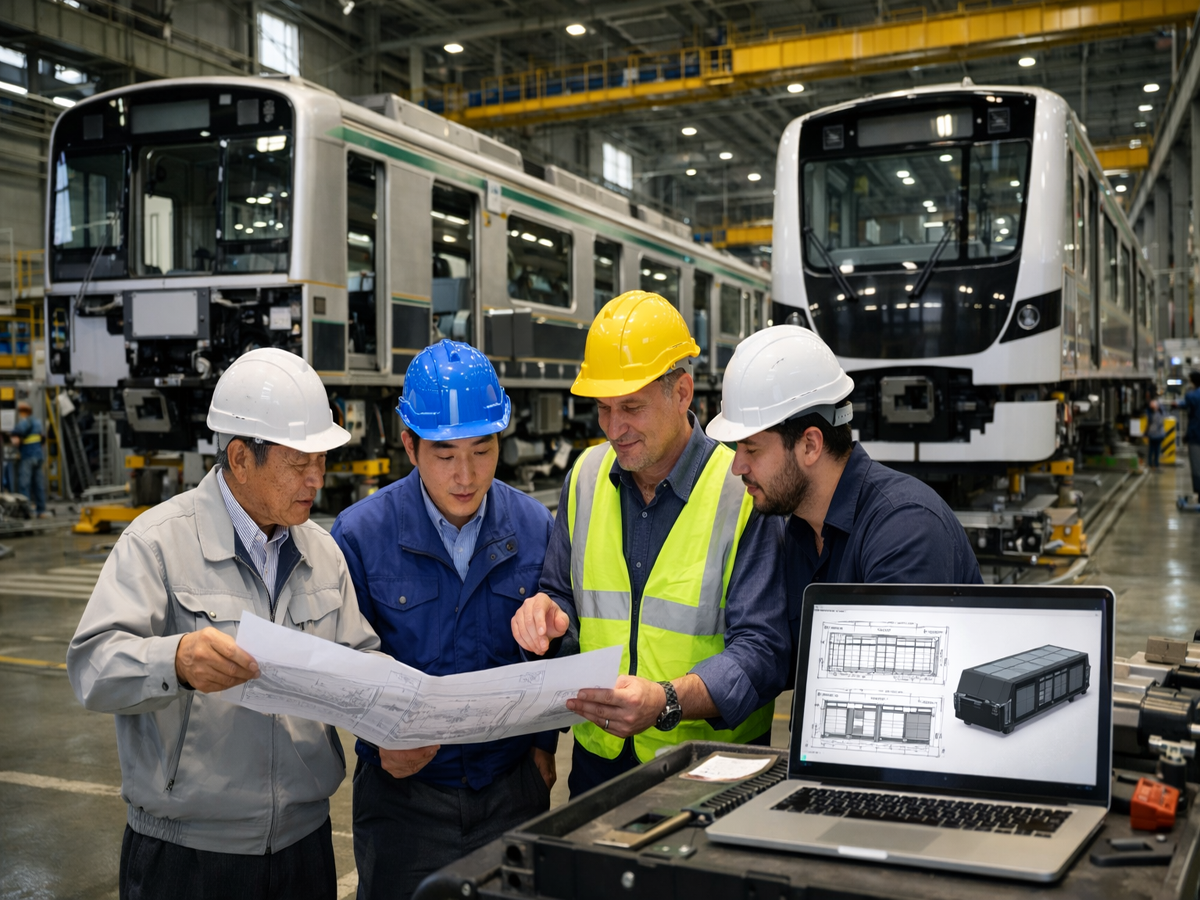
A rivet nut can meet every drawing dimension and still perform poorly if installed into the wrong hole.
A bolt can meet its mechanical properties and still generate incorrect preload if friction differs.
Therefore:
Component Compliance ≠ Assembly Validation.
Procurement and supplier-development teams should evaluate:
Drawing control
Revision control
Material control
Manufacturing capability
Heat-treatment control where applicable
Surface-treatment control
Thread inspection
Functional testing
Traceability where required
Change management
Packaging
Production capacity
The required qualification depth should match the application.
A railway-sector quality-management system can support supplier qualification.
But it does not replace:
Drawing approval
sample approval
product testing
assembly validation
Therefore:
Supplier Qualification ≠ Part Qualification.
Railway OEMs and equipment manufacturers may develop alternate sources to reduce:
Supply interruption
lead time
capacity constraints
supplier concentration
But second sourcing must preserve engineering function.
Two rivet nuts may have the same:
M6 thread
body diameter
length
while differing in:
Material
hardness
knurl geometry
flange
coating
grip behavior
setting behavior
pull-out
spin-out
Therefore:
Same Dimensions ≠ Functional Equivalence.
Compare:
Controlled Drawing + Revision + Material + Mechanical Properties + Geometry + Thread + Surface Treatment
+ Friction + Installation Behavior + Functional Testing + Documentation
where applicable.
Railway procurement should compare more than piece price.
A useful model is:
Total Installed Cost = Part Price + Installation + Tooling + Inspection + Rework + Scrap + Maintenance + Downtime + Logistics + Supply Risk
For serviceable electrical equipment, lifecycle maintenance should also be considered.
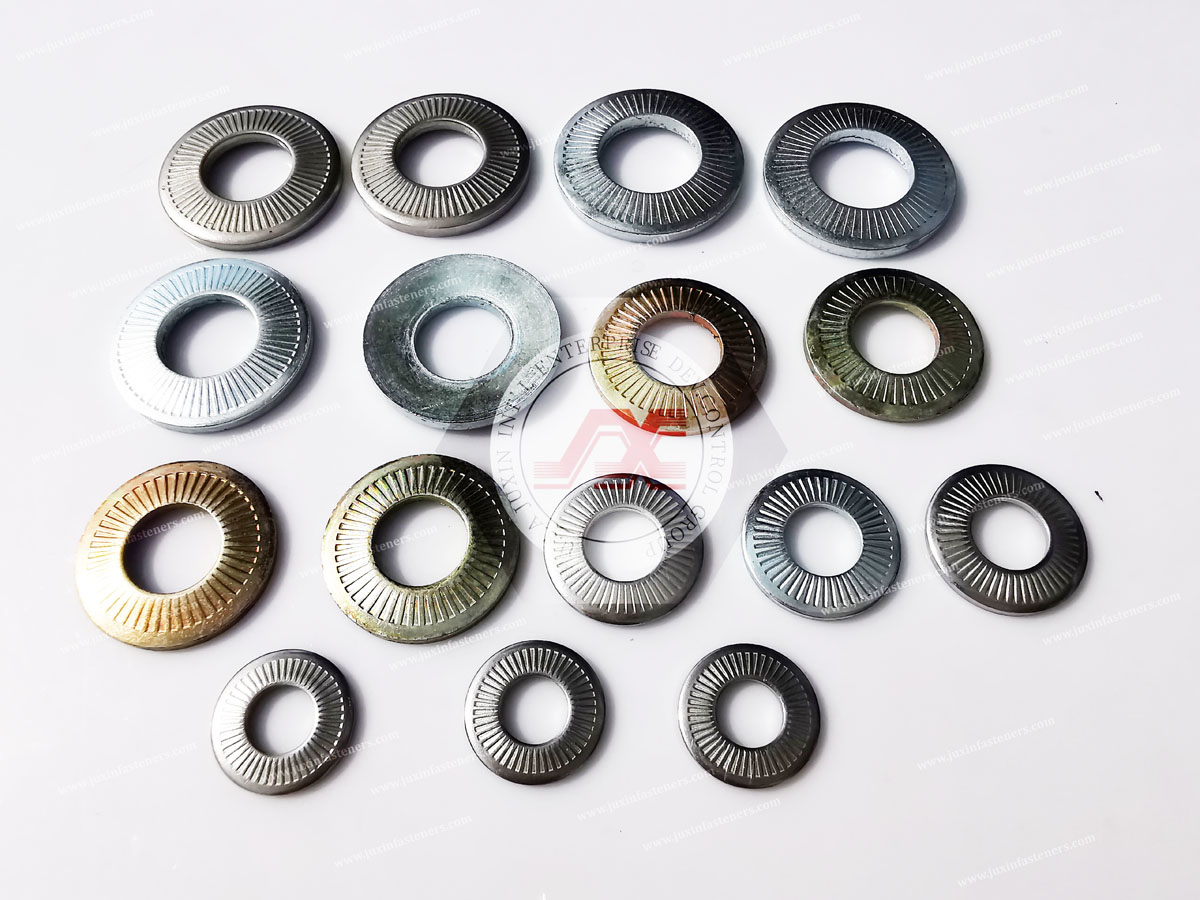
Standard fasteners should be used where they satisfy the requirement.
Custom components may be justified where the project requires:
Special geometry
restricted installation space
custom thread
custom stud
special material
controlled surface treatment
captive feature
unique mounting interface
Customization should solve a real engineering or production problem.
Unnecessary customization can increase:
Cost
tooling
lead time
qualification complexity
supplier dependence
For an effective technical quotation, provide:
2D drawing
3D model where available
Part number
Drawing revision
Railway equipment application
Vehicle / equipment location where relevant
Joint function
Parent material
Parent-material thickness
Fastener type
Thread
Mating component
Material
Mechanical requirement
Surface treatment
Friction requirement where controlled
Installation method
Tightening requirement
Locking requirement
Operating temperature
Vibration / shock requirement
Corrosion environment
Electrical function, if any
Grounding / bonding requirement, if any
Insulation requirement, if any
Fire requirement for polymer components, if applicable
Annual volume
Prototype quantity
Inspection requirement
Traceability requirement
Validation requirement
Applicable ISO, DIN, EN, ASTM, SAE, ASME/ANSI or customer / project specification
Provide:
Thread
Sheet material
Sheet thickness
Hole size
Hole geometry
Grip range
Body style
Flange
Pull-out requirement
Spin-out requirement
Installation tool
Provide:
Sheet material
Sheet hardness where known
Sheet thickness
Hole
Fastener type
Push-out requirement
Torque-out requirement
Installation tooling
Provide:
Parent material
Sheet thickness
Fastener geometry
Projection geometry where applicable
Welding process
Thread-protection requirement
Functional test
Provide:
Mechanical drawing
Parent material
Electrical function
Cable lug / terminal interface
Surface-treatment requirement
Contact-surface requirement
Tightening requirement
Electrical validation requirement
Corrosion environment
Do not send only:
“Need railway grounding stud.”
The electrical interface matters.
For a railway electrical fastener:
Application → Joint Function → Parent Material → Fastener Technology → Drawing → Material → Surface Treatment
→ Installation → Sample → Inspection → Assembly Trial → Functional Validation → Approval → Production
For rivet nuts:
Sheet → Hole → Grip Range → Body Style → Sample → Setting Trial → Pull-Out / Spin-Out Validation → Assembly Approval
For grounding interfaces:
Electrical Function → Mechanical Interface → Material / Coating → Contact Architecture → Assembly → Electrical Validation → Approval
For second sourcing:
Approved Drawing → Revision → Material → Geometry → Surface Treatment → Installation → Sample → Functional Comparison → Documentation Review → Approval
Before selecting a fastener for railway electrical equipment, answer these questions.
Is it:
Electrical cabinet?
Auxiliary power supply?
Converter?
Control module?
Lighting equipment?
Communication system?
Battery enclosure?
Interior panel?
Is it:
Clamping?
Creating a reusable thread?
Providing one-sided installation?
Capturing a service panel?
Supporting a PCB?
Retaining a cable?
Providing a defined grounding interface?
Identify:
Steel
Stainless steel
Aluminum
Polymer
Composite
If yes, consider:
Access
repeated disassembly
captive hardware
thread durability
replacement
Do not automatically add a locking feature.
Determine whether the issue is:
Screw self-loosening
insert rotation
insufficient preload
fatigue
bracket movement
parent-material deformation
If yes, mechanical and electrical requirements must both be specified.
Evaluate the complete material system rather than only the fastener.
Determine whether the requirement is:
Fastener product standard
bolted-joint design requirement
railway equipment standard
fire requirement
quality-management requirement
customer specification
Do not treat them as interchangeable.
If the fastener is associated with:
Running gear
Bogie
Braking
Primary load-bearing structure
Crash-critical structure
Other safety-critical systems
the project and OEM specification must control design, approval and validation.
This page should function as the dedicated Railway Electrical Equipment Fasteners / Power Supply & Cabinet Fastening application resource.
Recommended internal links include:
Electrical Equipment Fasteners → cabinet, control-panel and power-equipment fastening
Industrial Fastener Solutions → overall fastening technology selection
Automotive Blind Rivets vs Rivet Nuts → rivet nut engineering
Automotive Thin Sheet Fasteners → weld nut vs rivet nut vs self-clinching selection
Automotive Threaded Fasteners → preload, friction and locking
Automotive Fastener Quality Control → supplier qualification and second sourcing
Stainless Steel Fasteners → corrosion-resistant assemblies
Fastener Surface Treatment & Coating Selection → corrosion and friction
Zinc-Nickel Coated Fasteners → Zn-Ni coating engineering
Custom Fastener Manufacturing → drawing-based manufacturing and DFM
Aluminum Fasteners → aluminum fastener material engineering
Fasteners for Aluminum → fastening aluminum cabinets and housings
Use the existing indexed JUXIN FASTENERS URL when implementing these internal links.
Depending on the cabinet design, common technologies can include rivet nuts, self-clinching nuts and studs,
weld nuts, machine screws, captive fasteners, standoffs, clips and clamps.
They can create reusable machine threads in thin sheet and allow installation from one side, making them useful for suitable cabinets, panels and enclosures.
No. Rivet nut retention and mating-screw self-loosening are different issues. The complete threaded joint must be engineered for vibration.
Pull-out concerns axial extraction from the sheet. Spin-out concerns rotation of the installed rivet nut.
A hex body installed in a matching hole can provide strong mechanical anti-rotation geometry, but installed performance still depends on the sheet, hole, grip range and setting process.
No. A closed-end rivet nut does not independently establish an enclosure IP rating.
No. Suitability depends on sheet material, hardness, thickness, hole geometry and installation process.
There is no universal answer. They use different installation and load-transfer mechanisms.
Selection depends on sheet material, access, production process, load and service requirements.
No. A locking feature does not replace correct preload and joint design.
No. Torque is an installation input. Preload is the resulting fastener tension, and friction strongly influences the relationship.
Yes. Surface treatment can affect corrosion, friction, preload, thread fit and electrical interfaces.
EN 50155 is an electronic-equipment standard for rolling stock; it should not be represented as a generic individual-fastener certification.
The fastener must meet the requirements assigned by the equipment design and project specification.
It can be relevant where specified for mechanical bolted joints in railway vehicles and their components.
It is a bolted-joint design guide and notes that critical connections may still require experimental and/or numerical verification.
No. ISO 22163:2023 specifies a railway-sector quality management system applicable across the railway supply chain; it is not an individual bolt, nut or rivet-nut product specification.
No. The complete electrical contact path, surfaces, clamp force, corrosion and electrical requirements must be designed and validated.
No. Grade, environment, mating materials, galvanic interaction and joint geometry must be considered.
Send the controlled drawing, revision, application, parent material, sheet thickness, fastener function, material, surface treatment,
installation method, environmental requirements, electrical function where applicable, validation requirements and annual volume.
Compare drawing revision, material, mechanical properties, geometry, thread, coating, friction, installation behavior, functional performance and required documentation.
The correct railway electrical fastening strategy is not:
Railway Application → Buy “Railway Fastener.”
It is:
Equipment → Joint Function → Parent Material → Fastener Technology → Load → Installation → Preload / Retention
→ Vibration → Corrosion → Electrical Function → Serviceability → Validation
The key principles are:
Railway Fastener ≠ Railway-Qualified Assembly
Same Fastener + Different Parent Material ≠ Same Installed Performance
Correct Thread + Wrong Grip Range = Wrong Rivet Nut
Pull-Out ≠ Spin-Out
Spin-Out ≠ Screw Self-Loosening
Rivet Nut ≠ Anti-Loosening Device
More Setting Force ≠ Better Installation
Closed-End Rivet Nut ≠ Waterproof Enclosure
Self-Clinching Is a Material-Flow Process
Same Sheet Thickness ≠ Same Clinching Behavior
Push-Out ≠ Torque-Out
More Press Force ≠ Better Installation
Strong Nut ≠ Strong Welded Joint
More Welding Energy ≠ Better Weld
Torque ≠ Preload
Same Torque + Different Friction ≠ Same Preload
Coating Substitution Can Be an Engineering Change
Locking Feature ≠ Correct Tightening
Prevailing Torque ≠ Preload
Washer ≠ Automatic Anti-Loosening Device
Railway Equipment Standard ≠ Fastener Product Standard
System Compliance ≠ Individual Fastener Certification
ISO 22163 ≠ Fastener Product Certification
Supplier Qualification ≠ Part Qualification
Conductive Stud ≠ Qualified Grounding Connection
Mechanical Fastening ≠ Electrical Safety
Mechanical Joint ≠ Busbar Electrical Joint
Captive Fastener ≠ Anti-Loosening Fastener
Metal Standoff ≠ Electrical Insulator
Nylon Fastener ≠ System Electrical Compliance
Stainless Steel ≠ Corrosion-Proof
Corrosion-Resistant Fastener ≠ Corrosion-Resistant Assembly
Salt Spray Hours ≠ Railway Service Life
Fastener ≠ IP Rating
Railway Application ≠ Universal Temperature Requirement
Room-Temperature Tightness ≠ Full-Service Joint Validation
One Vibration Test ≠ Universal Railway Qualification
Stronger Fastener ≠ Stronger Parent Structure
Higher Static Strength ≠ Automatically Better Fatigue Performance
Drawing Compliance ≠ Installed Joint Validation
Same Dimensions ≠ Functional Equivalence
For railway engineers, the objective is to create a reliable mechanical interface that fits the real equipment, environment and maintenance strategy.
For procurement and supplier-development teams, the objective is to source that interface consistently while preserving the controlled drawing,
material, coating, installation behavior and project requirements.
JUXIN FASTENERS supports selected railway and rolling-stock equipment projects with:
Rivet nuts
Blind rivet nuts
Self-clinching nuts
Self-clinching studs
Weld nuts
Weld studs
Machine screws
Bolts
Lock nuts
Captive fasteners
Grounding studs
Standoffs
Spacers
Clips
Clamps
Stainless steel fasteners
Zinc-nickel coated fasteners
Custom drawing-based fasteners
Precision CNC components
For an effective RFQ, provide:
2D Drawing + 3D Model + Part / Revision + Railway Application + Equipment Location + Joint Function + Parent Material + Sheet Thickness
+ Thread + Mating Component + Material + Surface Treatment + Installation Method + Vibration / Shock Requirement + Temperature
+ Corrosion Environment + Electrical Function + Validation Requirement + Annual Volume
For safety-critical railway applications, also provide the applicable OEM / project-controlled technical specification and approval requirements.
This allows JUXIN FASTENERS to evaluate the component as part of the real railway equipment interface rather than treating it as a generic “railway fastener.”
JUXIN FASTENERS
Railway Electrical Equipment Fasteners | Rivet Nuts | Weld Fasteners | Grounding Studs | Custom OEM Components
Email: info@juxinfasteners.com
Website: www.juxinfasteners.com
Contact Us
Tel.:
+86 020 8621 0320
+86 020 3121 6067
E-mail:
Technical Support:
Navigation
SEND INQUIREY



