
Call Us
+86 136 6007 9809
Call Us
+86 136 6007 9809

May. 24, 2026
Rail Transit Fastener Solutions for High-Reliability Transportation Systems
Building Safety and Stability in Modern Rail Infrastructure
Modern rail transit networks—including high-speed rail, metro systems, and urban light rail—operate under some of the most demanding mechanical environments in engineering. Continuous vibration, thermal cycling, exposure to humidity, and long service-life expectations place extreme stress on every joint and connection point.
In this context, rail transit fastener solutions are not simply components—they are critical safety systems that directly influence structural integrity, operational reliability, passenger comfort, and lifecycle maintenance cost.
At the engineering level, a reliable fastening strategy must integrate materials science, mechanical locking design, and system-level assembly control to ensure long-term performance under dynamic loads.
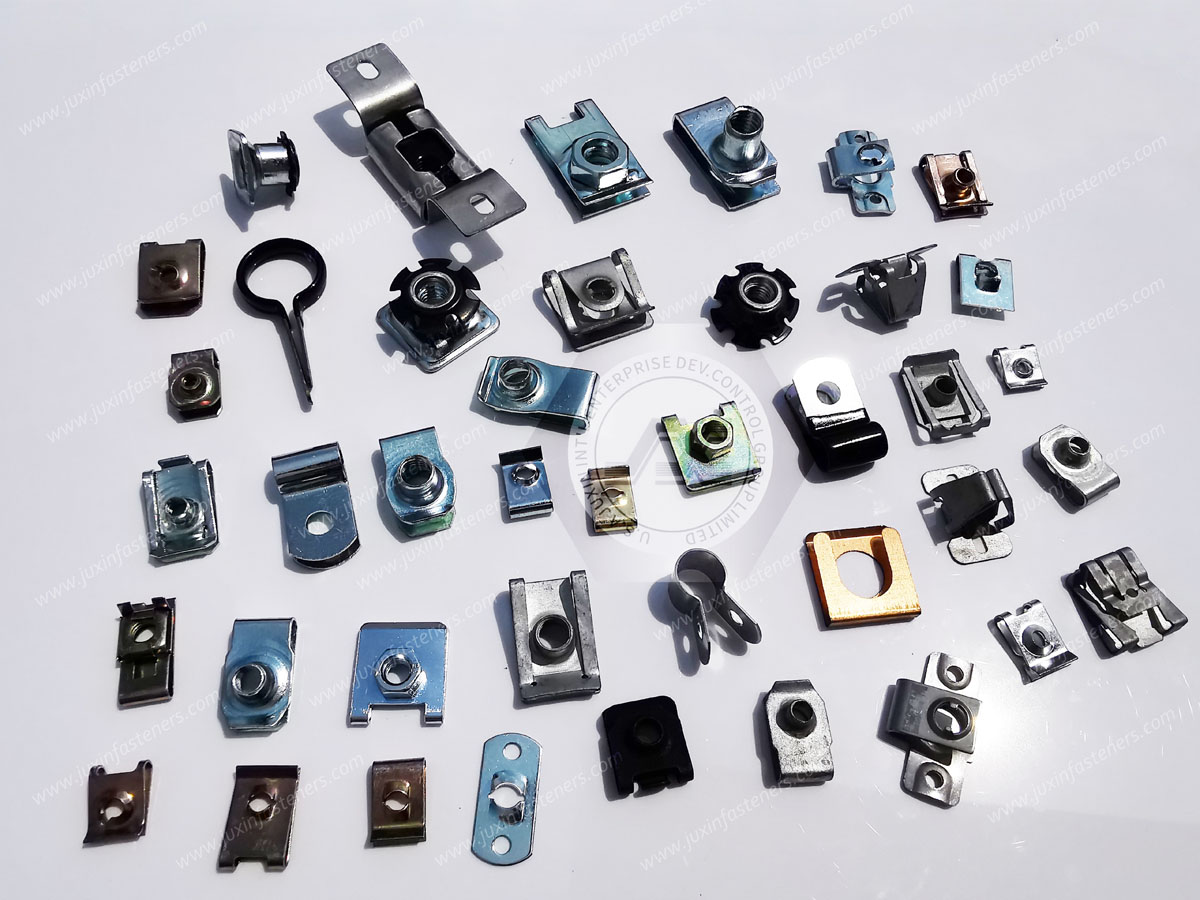
Core Engineering Challenges in Rail Fastening Systems
Rail transit applications present unique and persistent engineering challenges:
1. Vibration-Induced Preload Loss
High-frequency vibration from wheel–rail interaction can gradually reduce clamping force, leading to loosening and structural instability. This makes anti-loosening fasteners essential in critical assemblies.
2. Corrosion in Harsh Environments
Rail systems often operate in humid, coastal, or de-icing salt environments. Without proper material selection, corrosion can rapidly degrade joint performance. This is why stainless steel screws (especially 304 and 316L grades) are widely used in modern rail infrastructure.
3. Cyclic Fatigue Loading
Repeated mechanical stress from train operation increases the risk of fatigue failure in both threaded and riveted connections.
4. Maintenance Accessibility Constraints
Many rail fastening points are difficult to access, requiring long-life, maintenance-free, or low-maintenance fastening systems.
System-Level Rail Fastening Engineering Approach
Modern rail fastening design has evolved from individual component selection to the engineering of integrated rail fastening systems.
A system-level approach typically includes:
Material optimization using stainless steel screws (304 / 316L) for corrosion resistance and mechanical stability
Mechanical locking structures to prevent loosening under vibration
Precision torque control to ensure consistent preload across assemblies
Lifecycle traceability for predictive maintenance and safety compliance
This shift enables rail operators to reduce downtime, extend maintenance cycles, and improve total system reliability.
Stainless Steel Screws Systems for Rail Transit
Stainless steel screws are widely used in rail applications due to their excellent corrosion resistance and stable mechanical properties.
Typical applications include:
Interior rail car assemblies
Electrical enclosures and grounding points
Exterior structural brackets
Trackside equipment housings
316L stainless steel is particularly preferred in coastal rail systems due to its superior resistance to chloride corrosion.
Learn more: Stainless Steel Screws in Rail Transit Applications
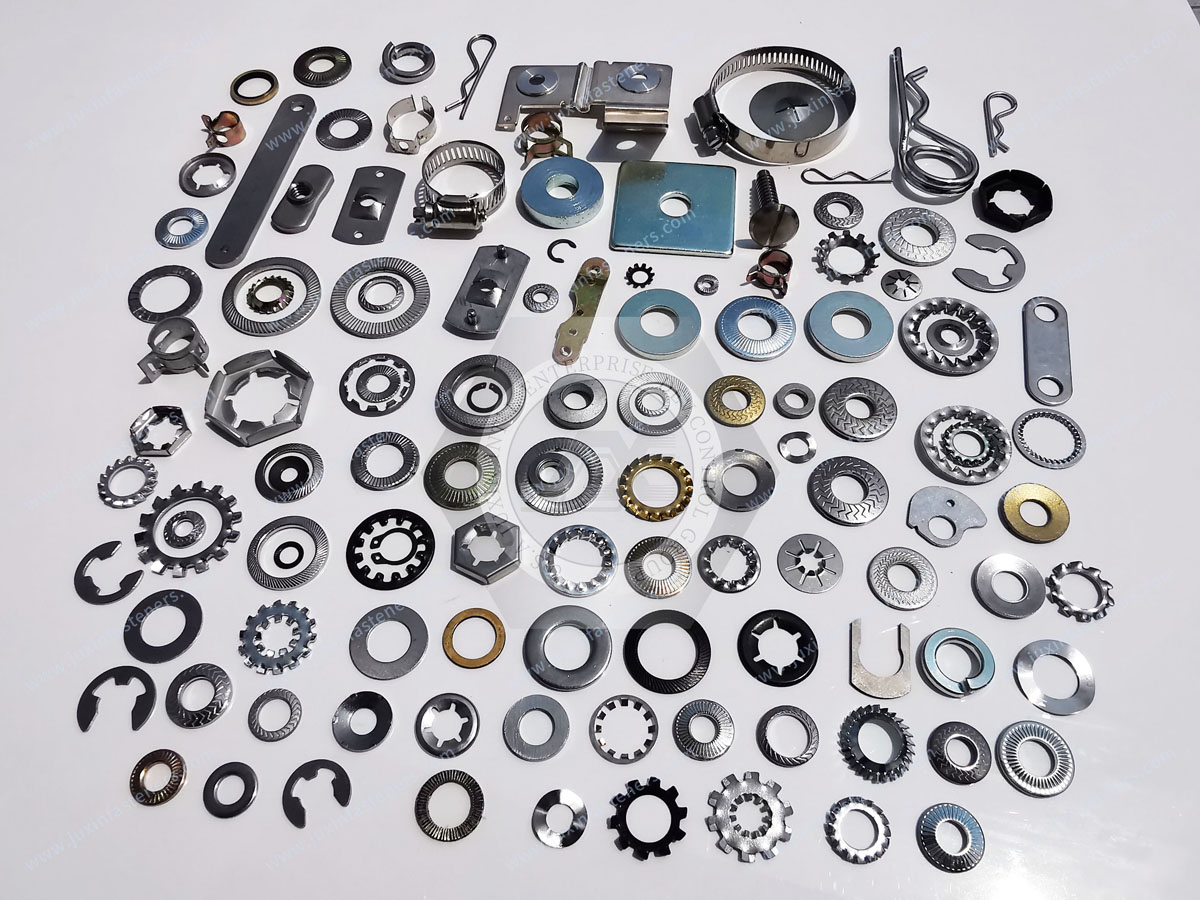
Anti-Loosening Fastener Technologies
Vibration is one of the most critical failure factors in rail environments. Therefore, anti-loosening fasteners play a vital role in ensuring long-term joint stability.
Common engineering solutions include:
Prevailing torque locking structures
Tooth-lock and wedge-lock designs
Thread deformation locking mechanisms
Combined washer-locking systems
These technologies help maintain preload stability even under continuous dynamic vibration, significantly improving system safety.
Related article: Anti-Loosening Fastener Technology for High-Vibration Environments
Rivet Nut and Blind Rivet Solutions in Rail Structures
Rivet nuts and blind rivet systems are widely used where access is limited to one side of the structure.
Advantages include:
Strong load-bearing capacity in thin-wall materials
Rapid installation in assembly lines
Reliable fastening in enclosed or hollow profiles
Compatibility with aluminum, steel, and composite structures
In railcar manufacturing, rivet nuts are commonly used in interior panels, HVAC housings, and modular structural components.
Related guide: Rivet Nuts for Rail Applications and Thin-Wall Structures
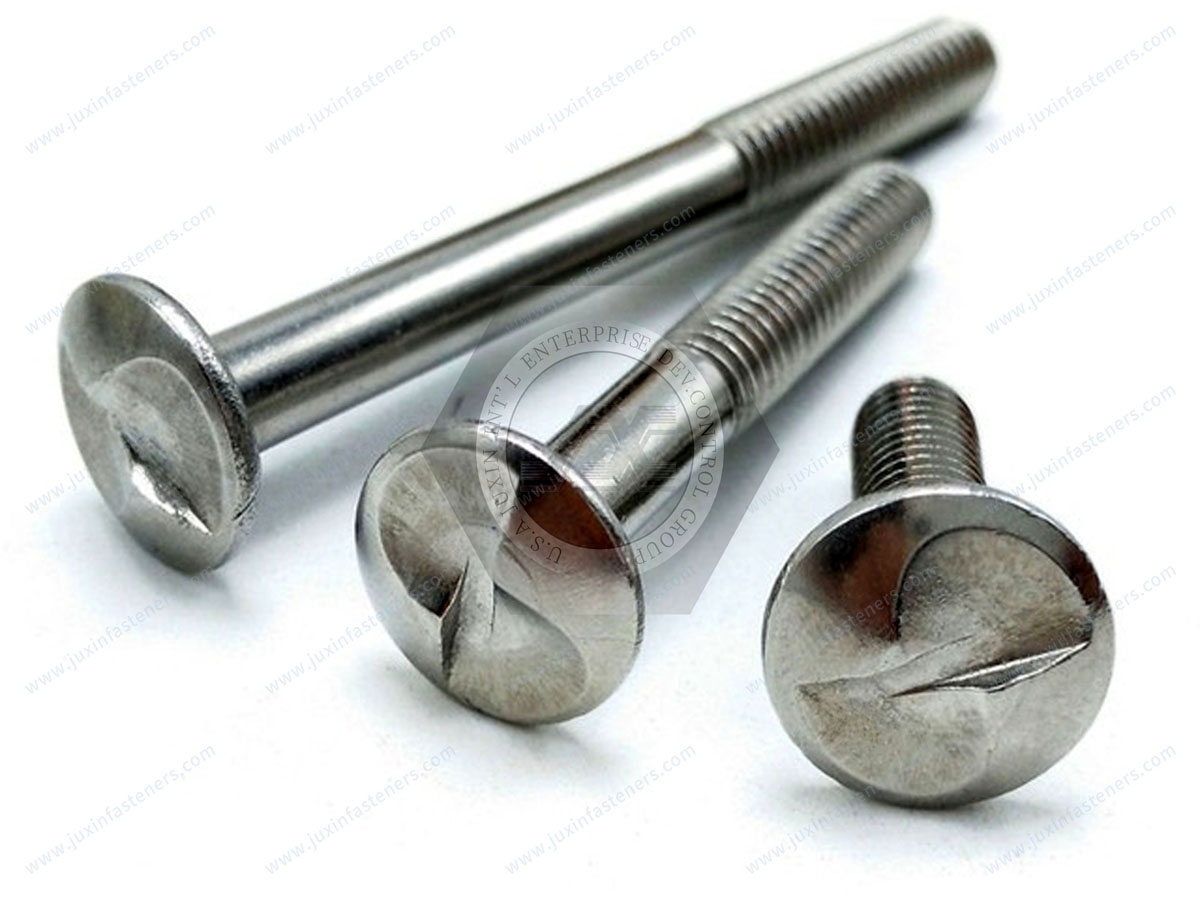
Thread Reinforcement and Structural Reliability
Thread reinforcement systems are essential in high-load rail applications, where repeated assembly and disassembly can weaken the base materials.
Applications include:
Maintenance-heavy structural joints
High-stress mechanical interfaces
Aluminum alloy components in rail cars
These systems improve thread durability, prevent stripping, and extend service life in critical assemblies.
Engineering reference: Thread Inserts Engineering Guide for Rail Systems
Electrical Grounding Fasteners in Rail Systems
Rail transit systems require reliable electrical grounding to ensure passenger safety and system stability.
Specialized grounding fasteners are designed to:
Maintain stable electrical conductivity
Resist corrosion and oxidation
Ensure consistent contact pressure over time
These components are essential in both rolling stock and trackside electrical infrastructure.
Integrated Rail Fastening Systems: The Future Direction
The future of rail fastening engineering is shifting toward fully integrated, data-driven systems combining:
Advanced materials (stainless steel, high-strength alloys)
Smart torque control during assembly
Anti-loosening mechanical engineering
Lifecycle tracking and predictive maintenance
This integrated approach significantly reduces failure risks while improving operational efficiency across the entire rail network.
Conclusion
High-performance rail transit fastener solutions are fundamental to the safety and efficiency of modern transportation systems. From anti-loosening fasteners and stainless steel screws to rivet nuts and advanced rail fastening systems, each component plays a critical role in ensuring structural integrity under extreme operational conditions.
By adopting a system-level engineering approach, rail manufacturers and operators can achieve:
Higher safety margins
Reduced maintenance frequency
Improved lifecycle cost efficiency
Enhanced system reliability under vibration and corrosion stress
 MORE NEWS
Sep. 27, 2026
Sep. 27, 2026
Sep. 27, 2026
Contact Us
Tel.:
+86 020 8621 0320
+86 020 3121 6067
E-mail:
Technical Support:
Navigation
SEND INQUIREY