
Call Us
+86 136 6007 9809
Call Us
+86 136 6007 9809

Aug. 14, 2026
High-Strength Anchors for Concrete
High-Performance Concrete Anchoring for Heavy Machinery, Equipment and Industrial Applications
Heavy machinery and industrial equipment often operate under demanding conditions, including vibration, impact, repeated loading, and sudden starts and stops.
These applications require a reliable high-strength concrete anchoring solution capable of maintaining a secure connection between equipment and the concrete substrate.
JUXIN FASTENERS provides high-strength anchors for concrete designed for industrial fastening applications where reliable pull-out performance,
secure mechanical connection, and long-term serviceability are critical.
These concrete anchoring solutions are suitable for applications such as compressors, compactors, production machinery, equipment bases, steel structures,
support frames, and industrial installations.
For engineers, contractors, OEMs, distributors, and industrial purchasing teams, selecting the correct heavy-duty concrete anchor requires consideration of concrete strength,
load conditions, embedment, installation method, corrosion environment, and application requirements.
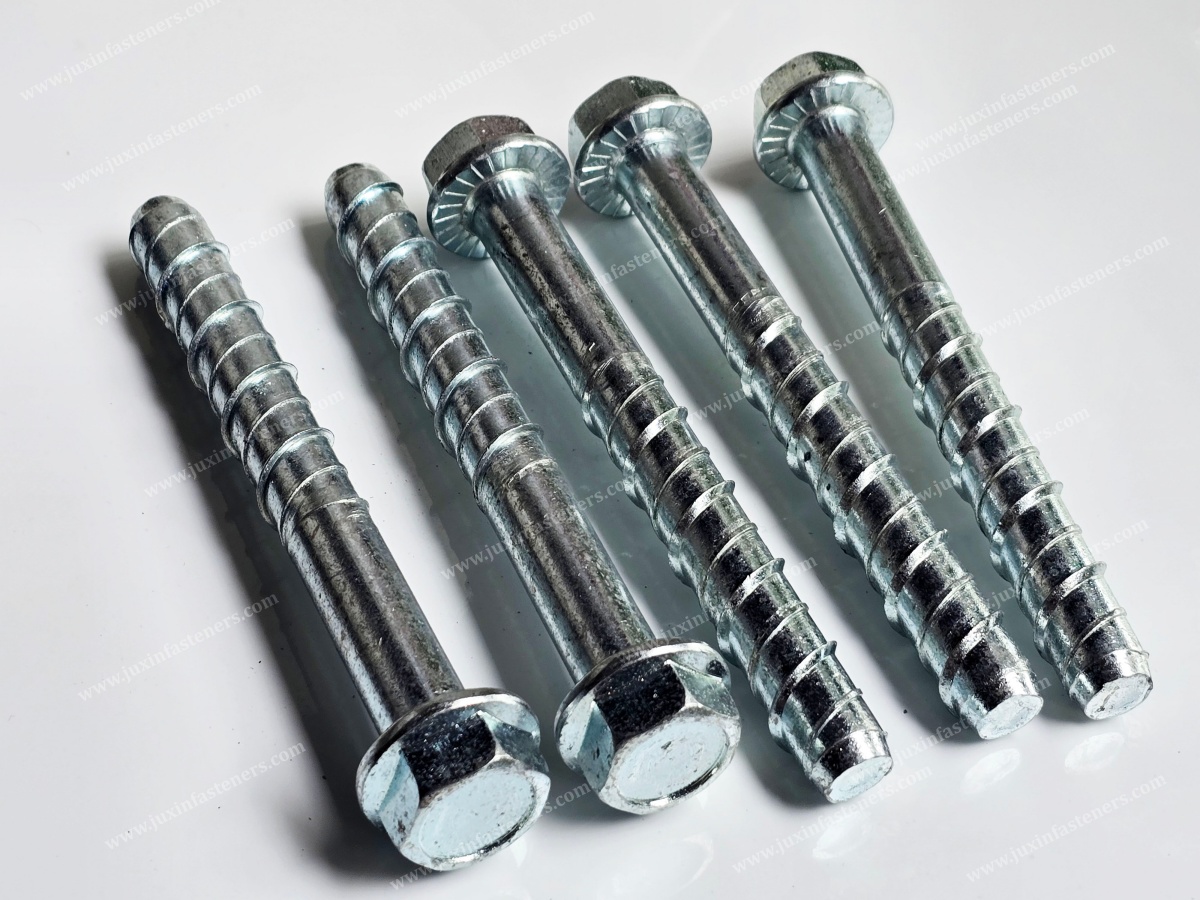
High-Strength Concrete Anchors for Demanding Applications
Industrial equipment can generate significant dynamic forces during operation. Compressors, compactors, pumps, machinery,
and production equipment may experience repeated vibration, impact, and jarring starts and stops.
A properly selected high-strength concrete anchor creates a secure connection between the equipment or structural fixture and the concrete foundation.
For demanding applications, adhesive anchoring can provide a strong connection by bonding the anchor surface to the surrounding concrete through a properly selected structural adhesive system.
This makes adhesive anchors for concrete a valuable solution for applications where high pull-out performance and a permanent anchoring connection are required.
How Adhesive Anchors Work
Adhesive anchoring systems use a drilled and properly prepared hole together with a compatible structural adhesive and threaded anchoring element.
The adhesive fills the space between the anchor and the concrete, creating a bonded connection along the embedded surface of the anchor.
A typical system consists of:
Concrete substrate
Precisely drilled anchor hole
Structural anchoring adhesive
Threaded anchor or threaded rod
Equipment base or structural fixture
Nut and washer
The resulting connection can provide a robust anchoring point for industrial equipment and structural applications when properly engineered and installed.
High Pull-Out Performance for Heavy Machinery
One of the primary reasons engineers select high-strength concrete anchors is the need for reliable resistance to tensile and dynamic loads.
Heavy machinery may generate forces that exceed the requirements of conventional fastening systems. Equipment such as compressors, compactors,
industrial pumps, production machinery, and material-processing equipment can transmit repeated loads into the concrete foundation.
A properly designed heavy-duty concrete anchoring system can help maintain equipment alignment and connection integrity under demanding operating conditions.
Typical applications include:
Industrial compressors
Concrete and asphalt compactors
Heavy production machinery
Pumps and rotating equipment
Machine bases
Industrial equipment frames
Steel structures
Structural support brackets
Equipment foundations
Manufacturing equipment
Industrial automation systems
Mechanical equipment supports
Installation of Adhesive Concrete Anchors
Correct installation is essential for achieving the designed performance of an adhesive concrete anchor.
A typical installation process includes the following steps:
1. Drill the Anchor Hole
Drill the hole to the specified diameter and embedment depth using the requirements of the selected anchoring system.
2. Clean the Hole
Remove drilling dust and debris thoroughly. Hole cleaning is a critical part of adhesive anchoring because contaminants can reduce the bond between the adhesive, anchor, and concrete.
3. Dispense the Adhesive
Fill the prepared hole with the specified structural anchoring adhesive according to the adhesive manufacturer's installation requirements.
4. Insert the Anchor
Insert the threaded anchor or threaded rod into the adhesive-filled hole while following the specified insertion procedure.
5. Allow the Adhesive to Cure
Allow sufficient curing time before applying load. Cure time depends on the adhesive system, concrete temperature, ambient conditions, and manufacturer's technical requirements.
6. Install the Equipment
After the anchoring system has reached the required cure condition, install the equipment, base plate, washer, and nut and tighten according to the specified requirements.
Engineering Note: Adhesive anchor performance depends on hole diameter, embedment depth, concrete condition, adhesive selection,
installation procedure, curing conditions, anchor geometry, and applied loads. Always follow the applicable technical documentation for the selected anchoring system.
Removable and Reinstallable Threaded Connections
A major advantage of threaded adhesive anchoring systems is the ability to create a female-threaded or threaded connection that can support equipment installation and future maintenance.
Depending on the anchor design, the equipment or threaded fastener can be removed while the anchored component remains secured in the concrete.
This can be particularly useful for industrial machinery that requires periodic maintenance, replacement, inspection, or equipment servicing.
For engineers designing serviceable equipment installations, a reusable threaded concrete anchoring solution can simplify future maintenance compared with permanent fastening methods.
Material and Corrosion Resistance Options
Selecting the appropriate anchor material is important when the installation environment includes moisture, weather exposure, salt, chemicals, or other corrosive conditions.
Zinc-Plated Steel Concrete Anchors
Zinc-plated steel anchors are a common and cost-effective choice for general industrial applications where occasional exposure to moisture is expected.
Typical applications include:
Indoor factories
Manufacturing facilities
Industrial equipment
Machinery bases
Warehouses
General construction
Equipment supports
For applications exposed to severe weather, saltwater, chemicals, or continuous moisture, engineers should consider a more corrosion-resistant material.
316 Stainless Steel Concrete Anchors
316 stainless steel anchors provide significantly higher corrosion resistance than standard 18-8 stainless steel in many demanding environments.
They are particularly suitable for applications where the anchoring system may be exposed to:
Harsh weather
Coastal environments
Saltwater exposure
High humidity
Chemical environments
Outdoor industrial installations
Marine-related applications
For industrial projects requiring enhanced corrosion resistance, 316 stainless steel concrete anchors can provide a more durable material option than standard carbon steel or 18-8 stainless steel.
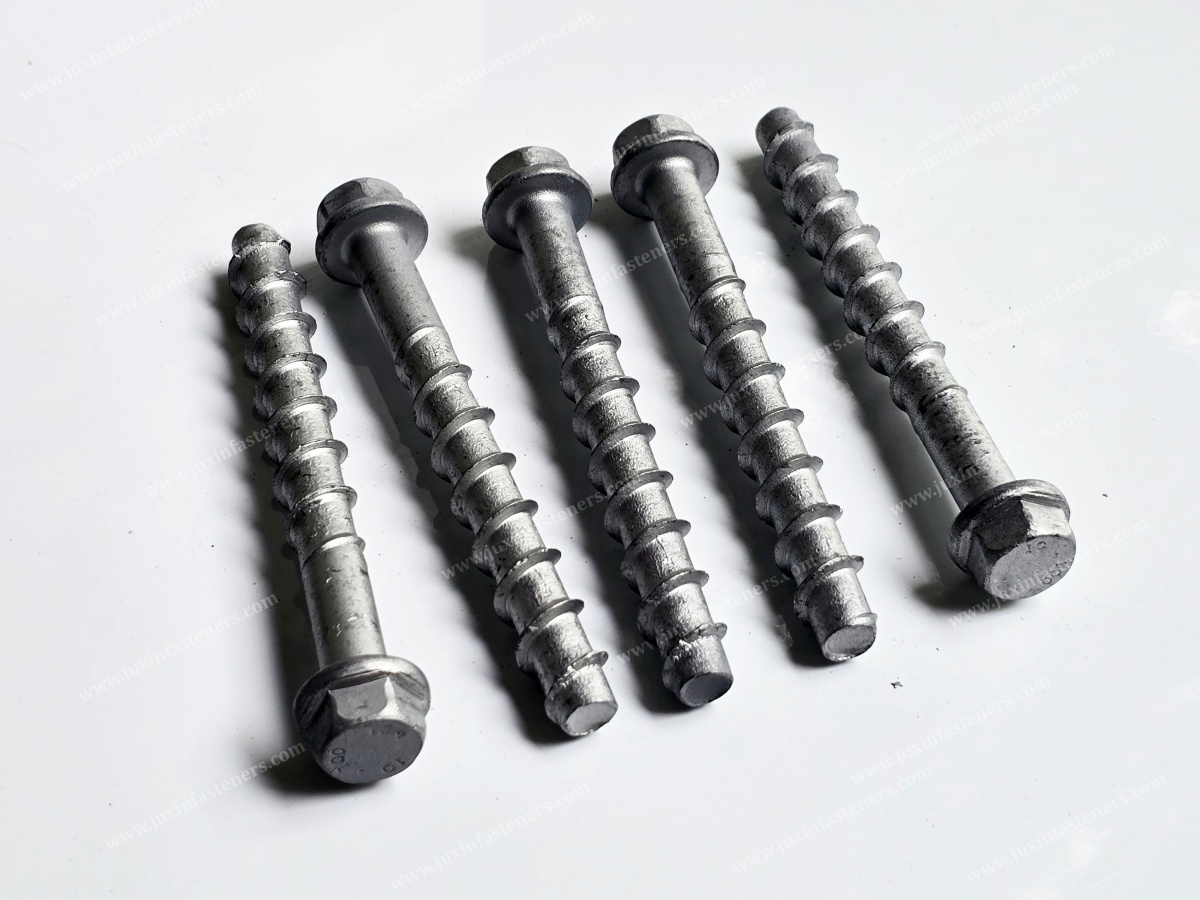
Concrete Anchoring for Structural Steel
Concrete anchors are widely used to connect steel structures, equipment frames, base plates, brackets, and support systems to concrete foundations.
A properly engineered steel-to-concrete anchoring system transfers loads between the connected steel component and the concrete substrate.
Typical applications include:
Steel Structures
Anchor structural steel components and support systems to concrete foundations.
Equipment Bases
Secure machinery bases and equipment frames to concrete floors and foundations.
Industrial Construction
Provide anchoring for steel brackets, supports, frames, and equipment installations.
Infrastructure
Support selected structural and mechanical components requiring reliable concrete anchoring.
Manufacturing Facilities
Secure production equipment, machinery supports, and industrial systems to concrete floors.
Industrial Applications Across Multiple Sectors
Manufacturing & Machinery
High-strength concrete anchors are used to secure machine bases, compressors, pumps, production equipment, and machinery frames.
Construction & Structural Engineering
Concrete anchoring systems connect steel structures, brackets, support frames, and equipment bases to concrete foundations.
HVAC & Mechanical Systems
Anchoring solutions can be used for selected mechanical equipment, support structures, equipment bases, and installations requiring secure concrete connections.
Energy & Utilities
Heavy equipment and support systems may require high-performance anchoring for concrete foundations and structural installations.
Material Handling
Conveyor equipment, compactors, processing equipment, and industrial handling systems can require secure anchoring against dynamic loads.
Industrial Automation
Automated machinery, production cells, equipment frames, and supporting structures can benefit from reliable steel-to-concrete fastening systems.
Marine & Coastal Applications
For environments exposed to saltwater and corrosive conditions,
316 stainless steel concrete anchors can provide enhanced corrosion resistance compared with conventional carbon steel options.
Engineering Factors for High-Strength Concrete Anchors
Selecting a concrete anchor should be based on the actual application rather than anchor diameter alone.
Engineers and purchasing teams should evaluate:
Concrete compressive strength
Cracked or uncracked concrete conditions
Anchor diameter
Effective embedment depth
Hole diameter
Edge distance
Anchor spacing
Tensile loads
Shear loads
Combined tension and shear
Static and dynamic loads
Vibration and impact
Installation conditions
Adhesive curing requirements
Environmental exposure
Corrosion resistance
Required service life
For critical structural or machinery applications, the anchoring system should be evaluated according to the applicable engineering requirements and project specifications.

Why Choose JUXIN FASTENERS?
JUXIN FASTENERS develops and supplies industrial fastening solutions for manufacturers, distributors, contractors, engineering companies, and industrial purchasing teams.
Our concrete anchoring solutions are designed around practical application requirements, including:
High-strength concrete fastening
Heavy machinery anchoring
Steel-to-concrete connections
Industrial equipment installation
Corrosion-resistant fastening
OEM and project sourcing
Custom fastening requirements
International B2B supply
We understand that industrial customers require more than a standard fastener. They need consistent dimensions, reliable material selection, stable production quality,
and technical information that supports engineering and procurement decisions.
High-Strength Concrete Anchors for Industrial Procurement
When sourcing high-strength anchors for concrete, purchasing teams should consider the complete anchoring system rather than evaluating the anchor as an isolated component.
The selected solution should match:
Anchor Type → Concrete Substrate → Load Requirement → Installation Method → Environment → Service Life
This approach helps engineers and procurement teams select a suitable heavy-duty concrete anchor for the intended application.
Whether you require zinc-plated steel anchors for general industrial use or 316 stainless steel anchors for demanding corrosive environments,
JUXIN FASTENERS can support your project with application-focused fastening solutions.
Frequently Asked Questions
What are high-strength concrete anchors used for?
High-strength concrete anchors are used to secure heavy machinery, steel structures, equipment bases, support frames, and other components to concrete where higher anchoring performance is required.
Are adhesive anchors suitable for heavy machinery?
Adhesive anchoring systems can be suitable for heavy machinery when the anchor, adhesive, concrete substrate, embedment,
and loads are properly engineered and installed according to the applicable requirements.
What is the difference between adhesive anchors and mechanical wedge anchors?
Mechanical wedge anchors create a connection primarily through mechanical expansion against the concrete.
Adhesive anchors use a structural adhesive to bond the embedded anchor to the surrounding concrete.
The appropriate system depends on the substrate, loading, installation requirements, and project specifications.
Can threaded concrete anchors be removed?
Many threaded anchoring systems allow the installed threaded fastener or equipment connection to be removed for maintenance while the anchored component remains in the concrete.
The specific removal and reuse characteristics depend on the anchor design and installation system.
Is 316 stainless steel better for corrosive environments?
316 stainless steel generally provides higher corrosion resistance than 18-8 stainless steel, particularly in environments involving saltwater, coastal exposure,
and many chemical conditions. The final material selection should be based on the actual environmental exposure.
Are zinc-plated concrete anchors suitable for indoor industrial applications?
Yes. Zinc-plated steel is a common choice for general indoor industrial applications and environments with occasional moisture exposure.
More aggressive environments may require stainless steel or another corrosion-resistant solution.
Choose a High-Strength Concrete Anchoring Solution
From heavy machinery and production equipment to structural steel and industrial support systems, reliable anchoring is essential
for maintaining a secure connection between equipment and concrete.
JUXIN FASTENERS supplies high-strength concrete anchors, adhesive concrete anchors, heavy-duty concrete anchors, zinc-plated steel anchors,
and 316 stainless steel anchoring solutions for a wide range of industrial applications.
For engineering and purchasing inquiries:
Email: info@juxinfasteners.com
Website: www.juxinfasteners.com
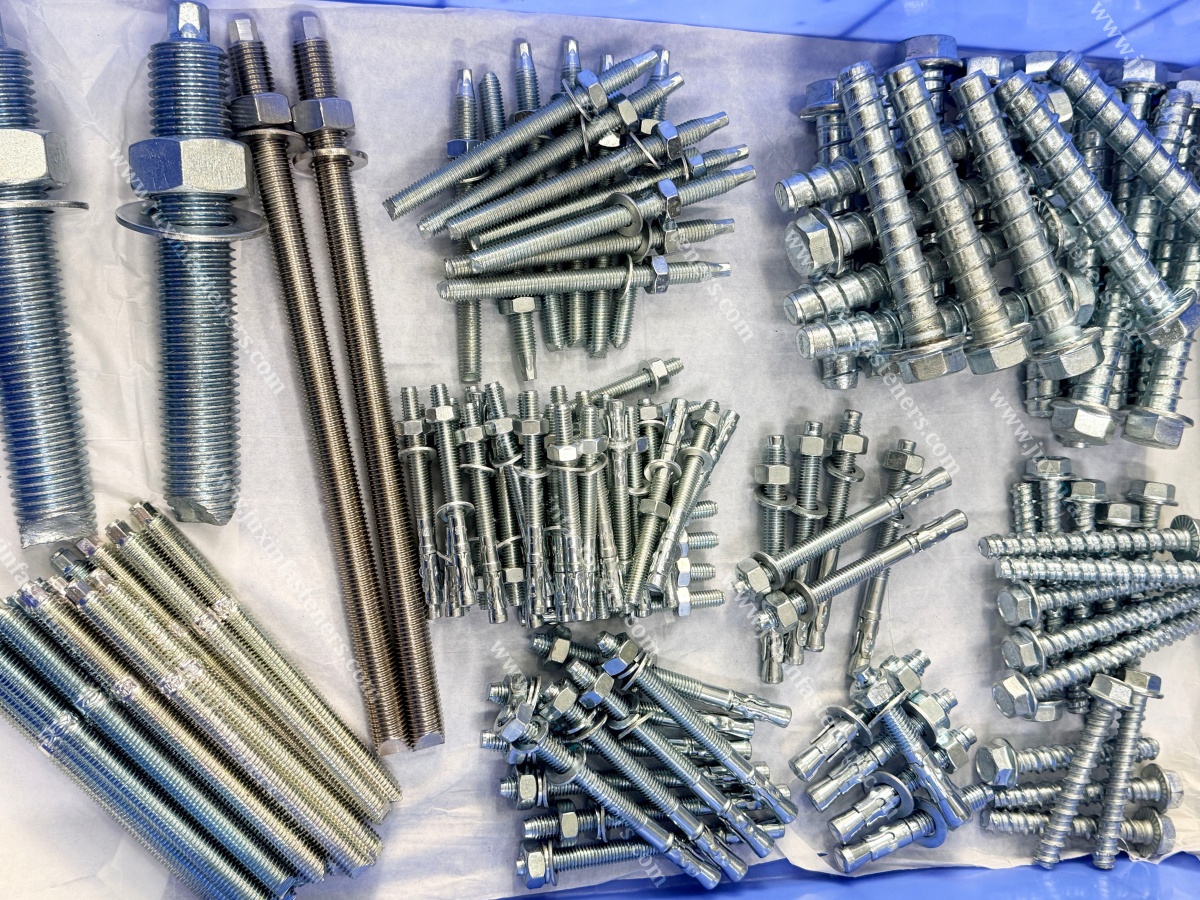
 MORE NEWS
Sep. 27, 2026
Sep. 27, 2026
Sep. 27, 2026
Contact Us
Tel.:
+86 020 8621 0320
+86 020 3121 6067
E-mail:
Technical Support:
Navigation
SEND INQUIREY