
Call Us
+86 136 6007 9809
Call Us
+86 136 6007 9809

Aug. 14, 2026
Mechanical Anchors vs. Expansion Bolts: What Is the Difference?
Selecting the correct concrete anchor is critical for structural safety, installation reliability, and long-term performance.
Mechanical anchors and expansion bolts are both used for fastening components to concrete,
but they work according to different anchoring principles and are designed for different applications.
For engineers, contractors, distributors, and industrial purchasing teams, the key question is not simply which anchor is stronger.
The correct choice depends on the concrete condition, applied load, installation requirements, edge distance, substrate type, and project specifications.
A properly selected mechanical anchor can provide reliable load transfer for demanding structural and industrial applications, while conventional expansion bolts
are generally better suited to lighter-duty fastening where expansion forces and substrate conditions are acceptable.
JUXIN FASTENERS supplies concrete screw anchors, mechanical anchoring solutions, industrial fasteners, and engineered fastening products for construction,
infrastructure, industrial equipment, automotive, and other demanding applications.
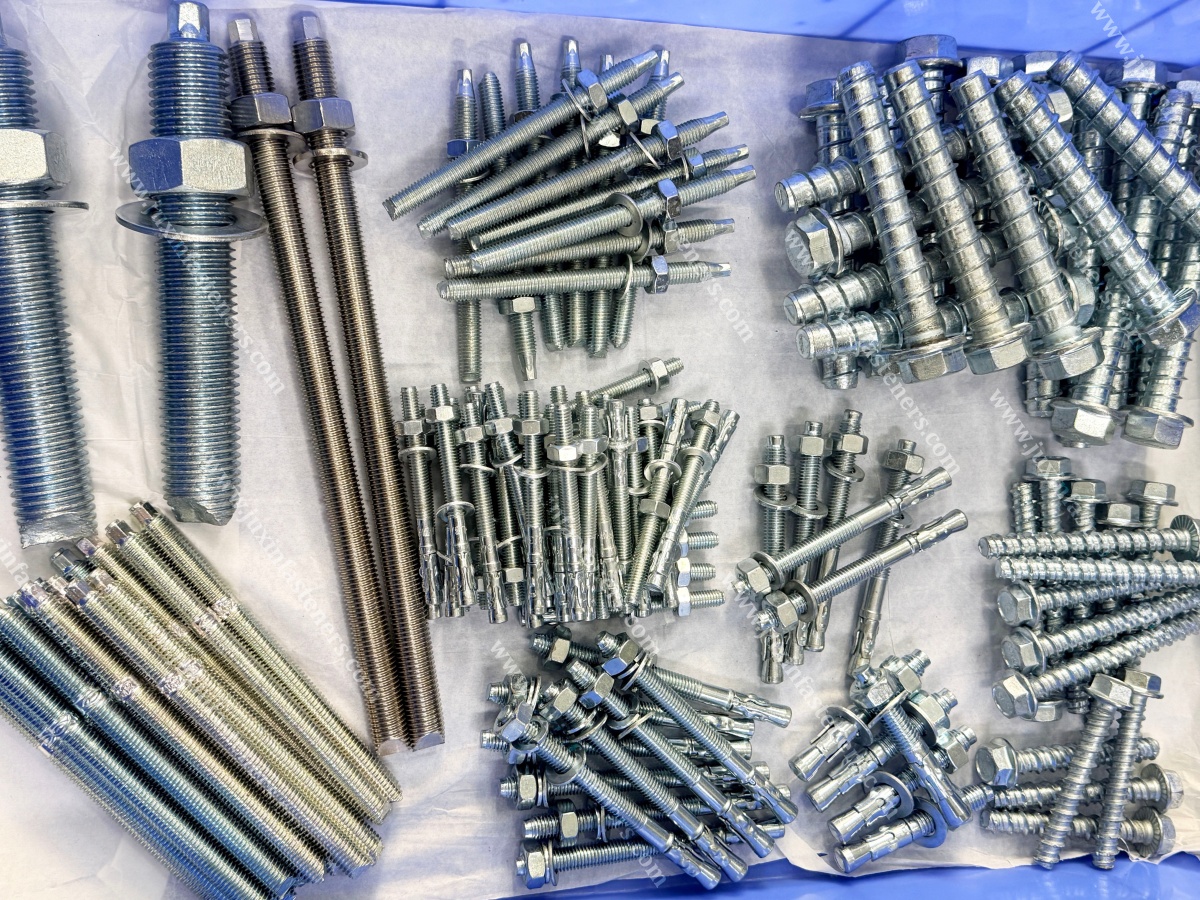
Mechanical Anchors vs. Expansion Bolts: Key Differences
Feature | Mechanical Anchors | Expansion Bolts |
Anchoring Principle | Mechanical interlock or controlled mechanical engagement | Expansion and friction |
Load Transfer | Mechanical engagement with the substrate | Friction between expansion sleeve and concrete |
Typical Applications | Structural and heavy-duty fastening | Light- to medium-duty fastening |
Concrete Applications | Selected systems can be suitable for cracked and uncracked concrete when approved | Application depends strongly on anchor design and substrate |
Expansion Stress | Depends on anchor design; some systems minimize expansion stress | Generates expansion pressure against the concrete |
Installation | Requires controlled drilling and installation | Requires drilled hole and tightening/expansion |
Engineering Requirements | Load, edge distance, embedment and substrate conditions must be evaluated | Same considerations apply, with additional attention to expansion forces |
Typical Users | Engineers, contractors, structural installers, industrial manufacturers | General construction and maintenance applications |
Important: Anchor suitability must always be verified against the specific product's technical data, installation instructions, applicable approvals, and project requirements.
Anchor performance cannot be determined solely from the general category name.
How Do Mechanical Anchors Work?
Mechanical anchors create a mechanical connection between the anchor and the concrete substrate.
Depending on the anchor design, the anchoring mechanism may involve mechanical interlocking, expansion, undercutting, thread engagement, or a combination of these mechanisms.
For mechanically interlocked anchoring systems, the anchor engages with the concrete at the embedded section of the drilled hole.
The resulting mechanical connection transfers tensile and shear loads from the fixture into the concrete.
This makes properly designed mechanical anchoring systems suitable for a wide range of demanding applications, including:
Steel structure fastening
Equipment installation
Concrete-to-steel connections
Industrial machinery
Infrastructure projects
Curtain wall and façade systems
Guardrails and safety barriers
Heavy-duty brackets
Cable and pipe support systems
The actual capacity depends on the specific anchor, concrete strength, embedment depth, installation quality, spacing, edge distance, and loading condition.
How Do Expansion Bolts Work?
An expansion bolt typically uses a cone-and-sleeve or expansion mechanism.
As the nut or bolt is tightened, the tapered component moves relative to the expansion sleeve. The sleeve expands against the wall of the drilled hole,
generating contact pressure between the anchor and concrete.
The resulting friction and mechanical resistance hold the fixture in position.
Expansion anchors can be useful for many general fastening applications. However, their performance is highly dependent on:
Concrete strength
Hole diameter
Hole depth
Cleaning of the drilled hole
Installation torque
Anchor embedment
Edge distance
Anchor spacing
Concrete cracking
Applied tensile and shear loads
Therefore, an expansion bolt should not automatically be treated as a substitute for a heavy-duty concrete anchor or an engineered structural anchoring system.
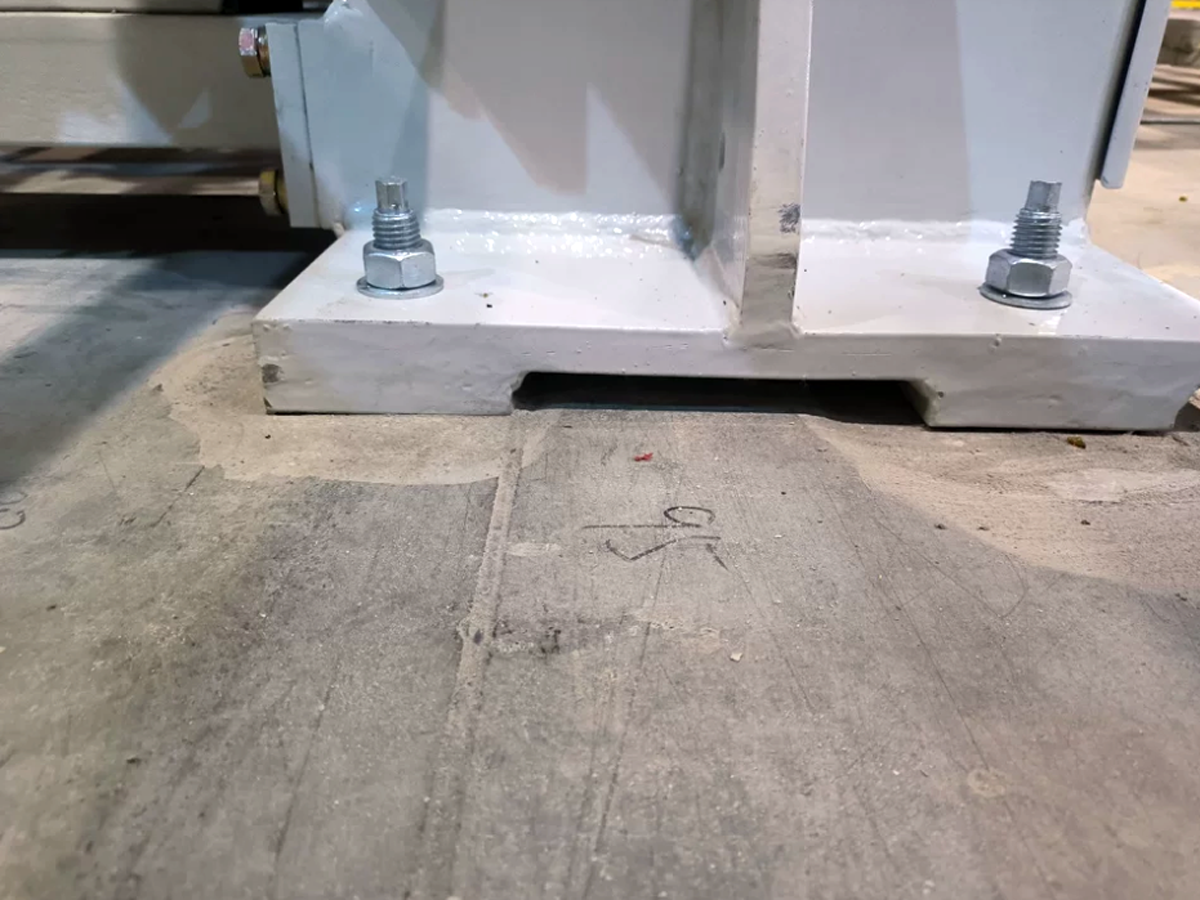
Mechanical Anchors vs. Expansion Bolts for Load-Bearing Applications
One of the most important differences is the way loads are transferred into the concrete.
Mechanical anchoring systems are engineered to provide predictable resistance under specified installation and substrate conditions.
Depending on the design, they may provide resistance through mechanical interlock, bearing, friction, or a combination of mechanisms.
Expansion anchors primarily depend on expansion pressure and the resulting interaction between the anchor and substrate.
For structural applications, engineers should evaluate:
Tension Load + Shear Load + Concrete Condition + Embedment + Edge Distance + Anchor Spacing + Installation Quality
rather than selecting an anchor based only on its nominal diameter.
For example, a concrete screw anchor may provide a different load-transfer mechanism from an expansion anchor because the threaded anchor engages directly with the concrete.
Concrete Screw Anchors: An Alternative Mechanical Fastening Solution
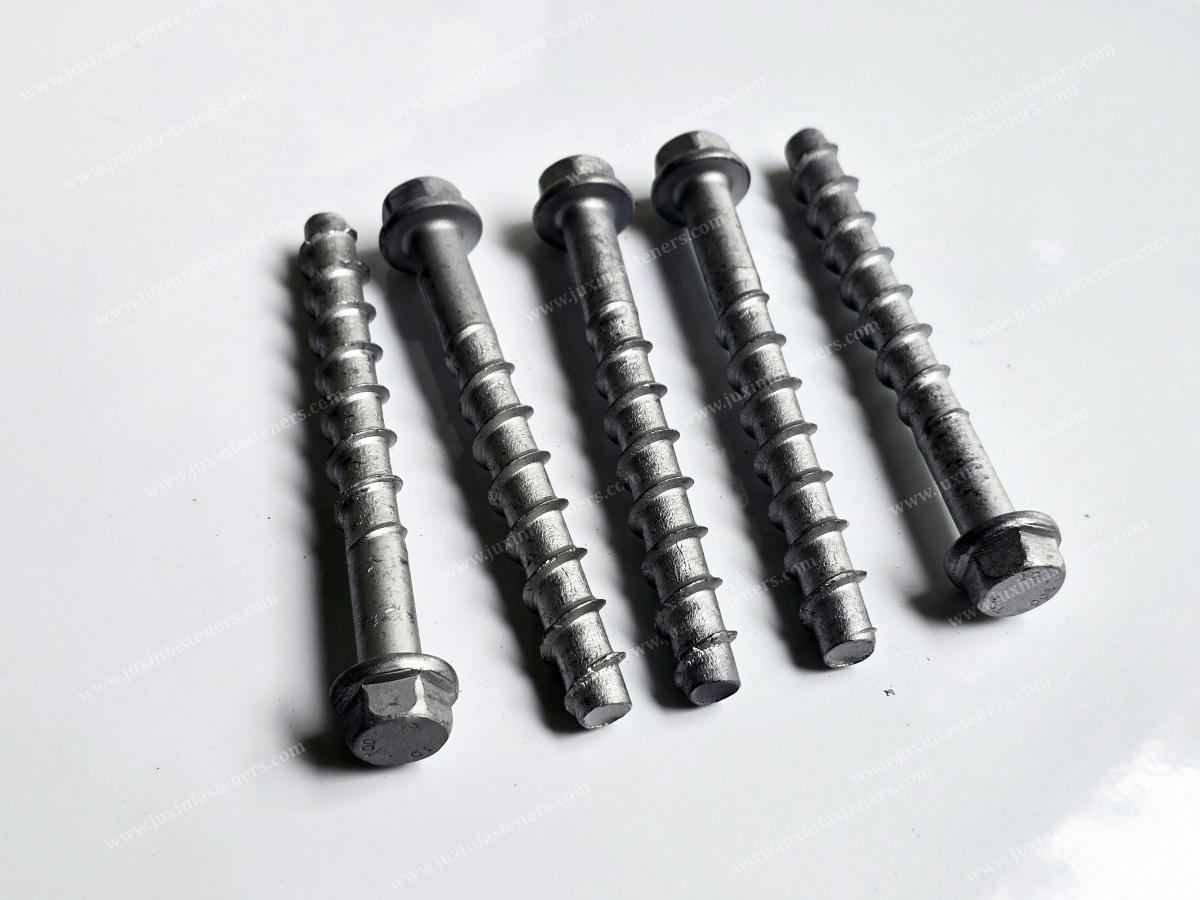
For many construction and industrial applications, concrete screw anchors provide an efficient alternative to traditional expansion anchors.
A concrete screw anchor is installed into a pre-drilled hole and forms threads directly into the concrete substrate.
This installation method provides direct mechanical engagement between the anchor threads and the concrete.
Typical applications include:
Concrete fixtures
Steel brackets
Equipment supports
Electrical installations
HVAC supports
Pipe and cable systems
Construction framing
Infrastructure components
Industrial equipment
Temporary and permanent fastening applications where approved
JUXIN FASTENERS develops and supplies heavy-duty concrete screw anchors and concrete self-tapping anchors for customers requiring reliable concrete fastening solutions.
When Should Engineers Choose a Mechanical Anchor?
A mechanical anchoring solution should be considered when the application requires controlled load performance and a clearly defined installation method.
Typical considerations include:
1. Structural or Heavy-Duty Applications
Mechanical anchoring systems may be appropriate for applications involving significant tensile or shear loads, provided the specific anchor has suitable technical performance and approvals.
2. Cracked Concrete
Cracked concrete requires particular attention because cracking can significantly affect anchor performance.
For applications involving cracked concrete, engineers should select an anchor system specifically qualified for the intended substrate condition and loading requirements.
3. Edge and Spacing Constraints
Anchor selection becomes particularly important when the fixture is installed close to concrete edges or when anchors must be installed at relatively small spacing.
4. Repeatable Installation
Industrial projects often require consistent installation torque, embedment depth, hole preparation, and inspection procedures.
A properly specified mechanical anchoring system can support a controlled installation process.
When Are Expansion Bolts Appropriate?
Expansion bolts can be suitable for many general-purpose fastening applications where the load requirements and substrate conditions are compatible with the anchor's design.
Typical applications may include:
Light-duty brackets
General maintenance
Indoor fixtures
Cable management
Non-structural supports
Equipment accessories
General construction fastening
However, an expansion bolt should not be selected for a critical application simply because it is easy to install or inexpensive.
For structural anchoring, façade systems, heavy equipment, safety-critical components, or demanding industrial applications,
engineers should select an anchoring system based on verified technical performance and applicable project requirements.
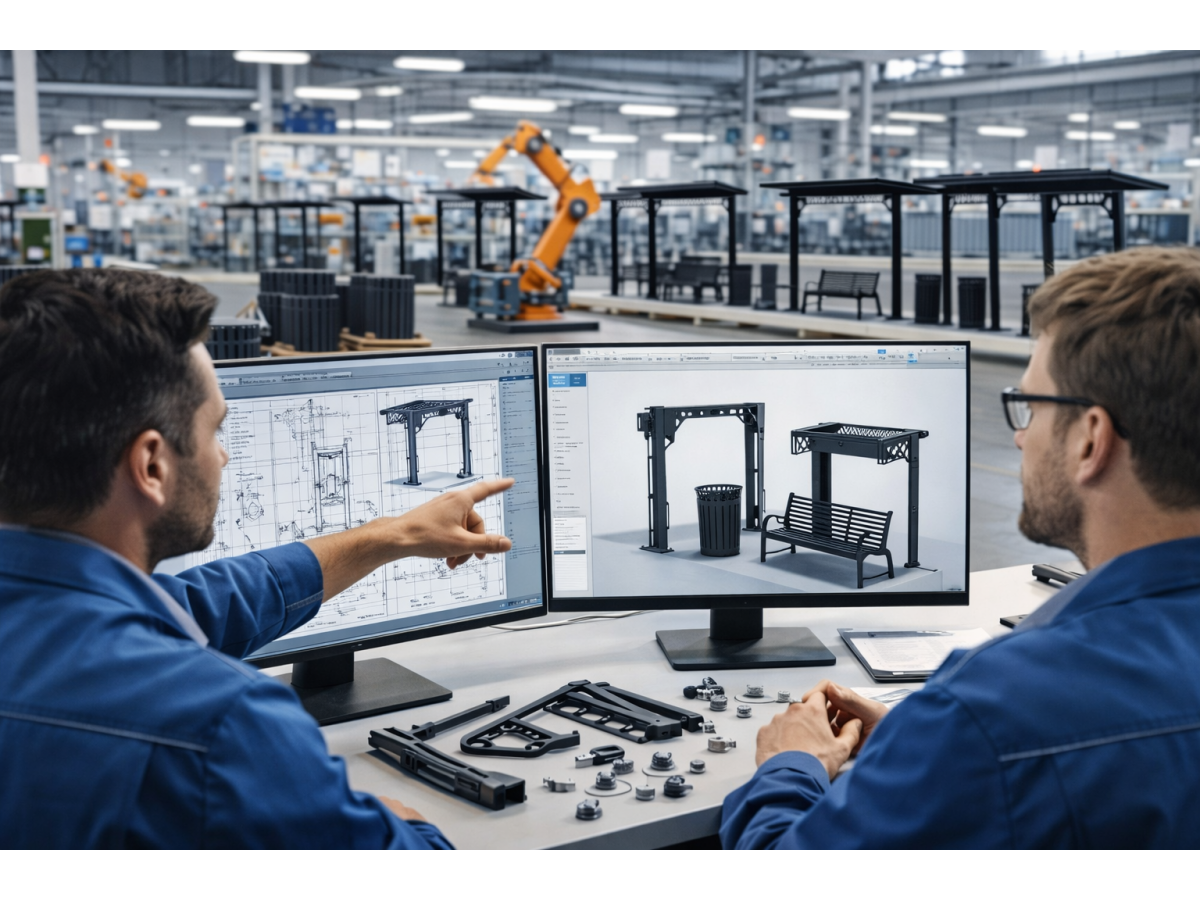
Safety Considerations for Concrete Anchoring
Concrete anchoring is a load-transfer system, not simply a hole-and-bolt connection.
Incorrect anchor selection or installation can result in:
Concrete breakout
Pull-out failure
Anchor displacement
Excessive deformation
Edge failure
Concrete splitting
Loss of fixture stability
Premature fastening failure
For this reason, engineers and installers should always follow the manufacturer's installation instructions.
Important installation controls include:
Select the correct anchor type.
Confirm the concrete substrate condition.
Drill the correct hole diameter.
Maintain the specified hole depth.
Remove drilling dust and debris.
Install the anchor to the specified embedment.
Apply the required installation torque where applicable.
Verify anchor spacing and edge distance.
Inspect the completed installation.
Confirm the system meets the project specification.
Mechanical Anchors for Industrial Applications
Industrial manufacturers increasingly require fastening systems that provide consistent installation, reliable performance, and efficient procurement.
Mechanical anchoring solutions can be used in applications such as:
Construction & Infrastructure
Concrete anchors are used for fastening structural brackets, support systems, steel components, barriers, equipment, and construction accessories to concrete substrates.
HVAC & MEP Systems
Concrete screw anchors and other concrete fastening products can be used for equipment supports, pipe systems, cable trays, ducts,
and mechanical installations when the selected anchor is suitable for the required loads.
Industrial Equipment
Industrial machinery often requires secure connections between equipment bases, brackets, frames, and concrete foundations.
Steel Structures
Anchoring systems can be used to connect steel components to concrete foundations and structural substrates, subject to engineering calculations and project specifications.
Façade & Curtain Wall Systems
Façade and curtain wall projects require carefully engineered anchoring systems because of wind loads, dead loads, edge conditions, substrate characteristics,
and long-term durability requirements.
Automotive & Manufacturing Facilities
Manufacturing plants frequently require concrete fastening solutions for machinery, production equipment, safety barriers, cable management systems, and industrial support structures.
Why Concrete Screw Anchors Are Widely Used in Modern Construction
The growing use of concrete screw anchors is driven by installation efficiency and versatility.
Compared with some traditional expansion anchoring methods, concrete screw anchors can provide several practical advantages:
Fast installation
No separate expansion sleeve
Direct thread engagement with concrete
Removable and replaceable fastening options for many applications
Suitable for a wide range of construction and industrial installations
Efficient installation with standard drilling equipment
However, the correct anchor must always be selected according to the substrate, loading requirements, installation method, and applicable technical documentation.
How to Select the Right Concrete Anchor
Before purchasing a concrete anchor, engineers and procurement teams should evaluate the following parameters.
Concrete Condition
Determine whether the substrate is:
Cracked concrete
Uncracked concrete
Reinforced concrete
Precast concrete
Concrete masonry
Other compatible substrates
Load Requirements
Determine:
Tensile load
Shear load
Combined tension and shear
Static or dynamic loading
Safety requirements
Anchor Dimensions
Consider:
Anchor diameter
Overall length
Effective embedment
Fixture thickness
Hole diameter
Hole depth
Installation Conditions
Consider:
Available installation equipment
Access restrictions
Required installation torque
Hole cleaning
Installation speed
Required inspection procedure
Environmental Conditions
For outdoor or corrosive environments, evaluate:
Humidity
Salt exposure
Chemical exposure
Temperature
Corrosion protection
Required service life
The surface finish and material should be selected according to the actual application environment.

Mechanical Anchors and Expansion Bolts: Which One Should You Choose?
There is no universal answer.
The correct solution depends on the application.
Choose an engineered mechanical anchoring solution when:
Higher load performance is required
The application is structural or safety-critical
The concrete condition requires a qualified anchor system
Consistent installation is important
The project requires documented technical performance
Consider expansion bolts when:
The application is general-purpose
Loads are within the anchor's rated capacity
The concrete condition is suitable
Expansion forces are acceptable for the substrate
The selected product complies with the project requirements
For critical applications, engineers should never select an anchor solely by comparing nominal diameter or advertised pull-out values.
JUXIN FASTENERS Concrete Anchoring Solutions
JUXIN FASTENERS provides concrete screw anchors, concrete self-tapping anchors, mechanical fastening products, and industrial fasteners for international customers.
Our fastening solutions are developed for applications where engineers and purchasing teams require consistent dimensions, controlled manufacturing,
reliable surface finishes, and professional technical documentation.
Our product range supports customers across:
Construction
Infrastructure
Industrial Equipment
Steel Structures
Automotive Manufacturing
HVAC & MEP
Electrical Installations
Machinery Manufacturing
Energy & Utility Projects
General Industrial Applications
For customers developing new projects or sourcing alternative fastening products, JUXIN FASTENERS can support OEM manufacturing,
custom specifications, product sourcing, and industrial fastening solutions according to project requirements.
Engineering & Procurement Checklist
Before placing an order for concrete anchors, purchasing teams should confirm:
Anchor type
Material
Diameter
Length
Effective embedment
Concrete strength
Cracked or uncracked concrete condition
Required tensile capacity
Required shear capacity
Installation method
Hole diameter
Hole depth
Surface treatment
Corrosion resistance
Applicable standards or approvals
Packaging requirements
Quality inspection requirements
This information allows suppliers and engineers to identify the most appropriate concrete fastening solution rather than selecting a product based only on price.
Frequently Asked Questions
Are mechanical anchors stronger than expansion bolts?
Not necessarily in every application. Anchor performance depends on the specific product design, substrate, installation, embedment,
loading condition, and applicable approval. A properly engineered anchor should be selected based on verified technical data rather than category alone.
Can expansion bolts be used in concrete?
Yes. Expansion anchors are widely used in concrete applications when the specific product is suitable for the substrate and load requirements.
They should be installed according to the manufacturer's specifications.
Are concrete screw anchors mechanical anchors?
Concrete screw anchors use direct mechanical thread engagement with the concrete substrate.
They are generally considered mechanical fastening systems and are widely used for concrete fastening applications.
Can mechanical anchors be used in cracked concrete?
Some mechanical anchors are specifically designed and qualified for cracked concrete.
Engineers must verify the individual product's technical documentation and approvals before specifying it for cracked concrete.
What is the difference between a concrete screw anchor and an expansion anchor?
A concrete screw anchor forms threads directly into the concrete, while an expansion anchor generally relies on an expansion mechanism
that creates contact pressure against the drilled hole. The best choice depends on the application, load, substrate, installation requirements, and product approvals.
What information should I provide when sourcing concrete anchors?
Provide the required anchor diameter and length, concrete condition, fixture thickness, load requirements, installation environment, surface finish,
required standards or approvals, and expected quantity. This information allows the supplier to recommend a suitable product more accurately.
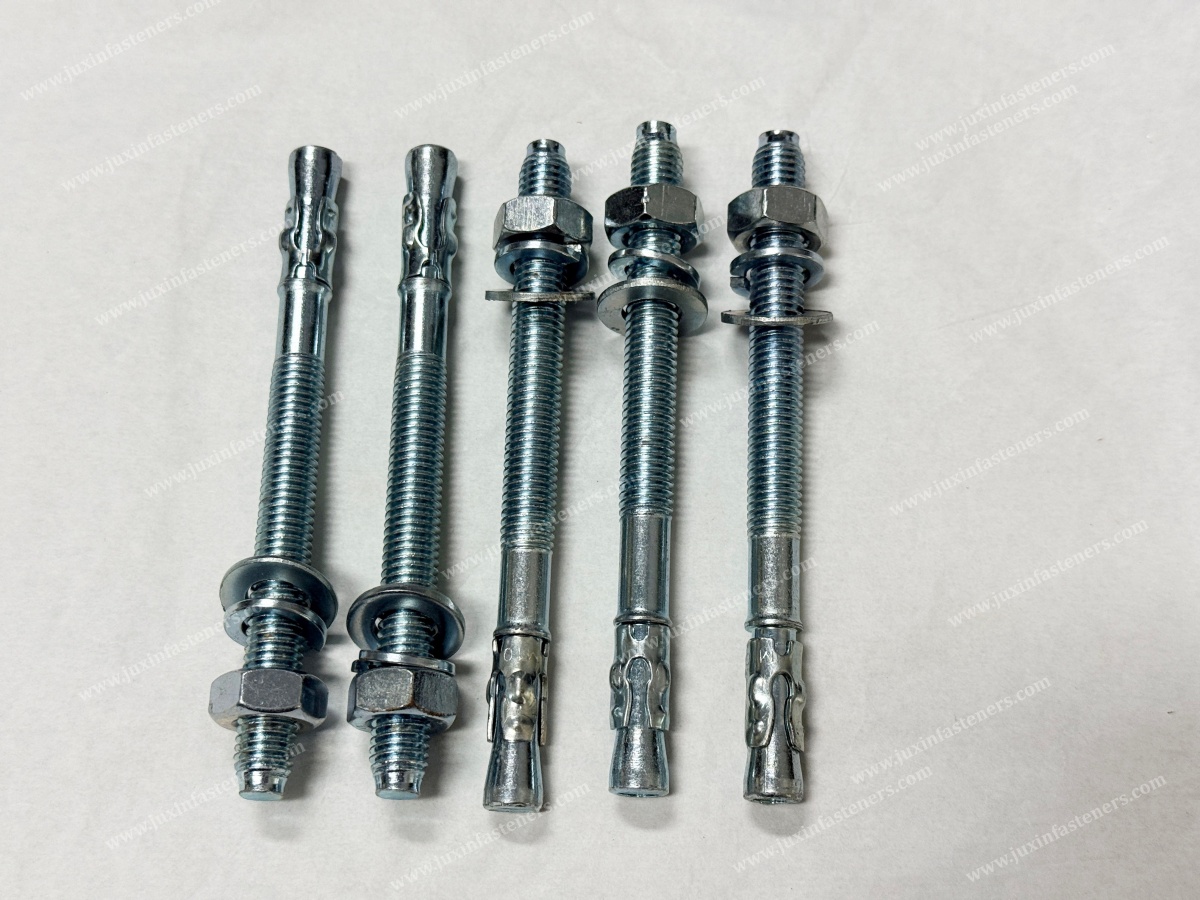
Conclusion
The difference between mechanical anchors and expansion bolts is primarily related to how the anchor transfers load into the concrete.
Expansion bolts generally rely on an expansion mechanism and friction against the hole wall, while mechanical anchoring systems can use direct mechanical
engagement or interlocking mechanisms to transfer loads.
For engineers, contractors, and procurement professionals, anchor selection should always be based on application requirements, concrete conditions,
loading, embedment, installation method, corrosion environment, technical approvals, and project specifications.
JUXIN FASTENERS provides concrete screw anchors, concrete self-tapping anchors, mechanical fastening solutions,
and industrial fasteners for customers seeking reliable products for construction and industrial applications.
Need a concrete anchoring solution for your project?
Contact JUXIN FASTENERS for product specifications, technical information, OEM requirements, and bulk purchasing support.
Email: info@juxinfasteners.com
Website: www.juxinfasteners.com
JUXIN FASTENERS — Engineered Fastening Solutions for Industrial Applications
 MORE NEWS
Sep. 27, 2026
Sep. 27, 2026
Sep. 27, 2026
Contact Us
Tel.:
+86 020 8621 0320
+86 020 3121 6067
E-mail:
Technical Support:
Navigation
SEND INQUIREY