Call Us
+86 136 6007 9809
Call Us
+86 136 6007 9809

Aug. 29, 2026
Surface treatment is more than a cosmetic finishing step.
For industrial and semiconductor equipment fasteners, the selected surface treatment can influence corrosion resistance, friction, appearance, dimensional characteristics, electrical behavior, cleanliness considerations and compatibility with the operating environment.
The right finish therefore needs to be considered together with the fastener material, application and assembly requirements.
JUXIN supports OEM customers with custom fasteners manufactured to specified surface-treatment requirements, including passivation, zinc plating, zinc-nickel plating, PTFE-based coatings and zinc-aluminum flake coatings.
Our approach is application-driven:
Material → Surface Treatment → Functional Requirement → Assembly → Operating Environment
Not every coating is suitable for every semiconductor, vacuum or precision-equipment application.
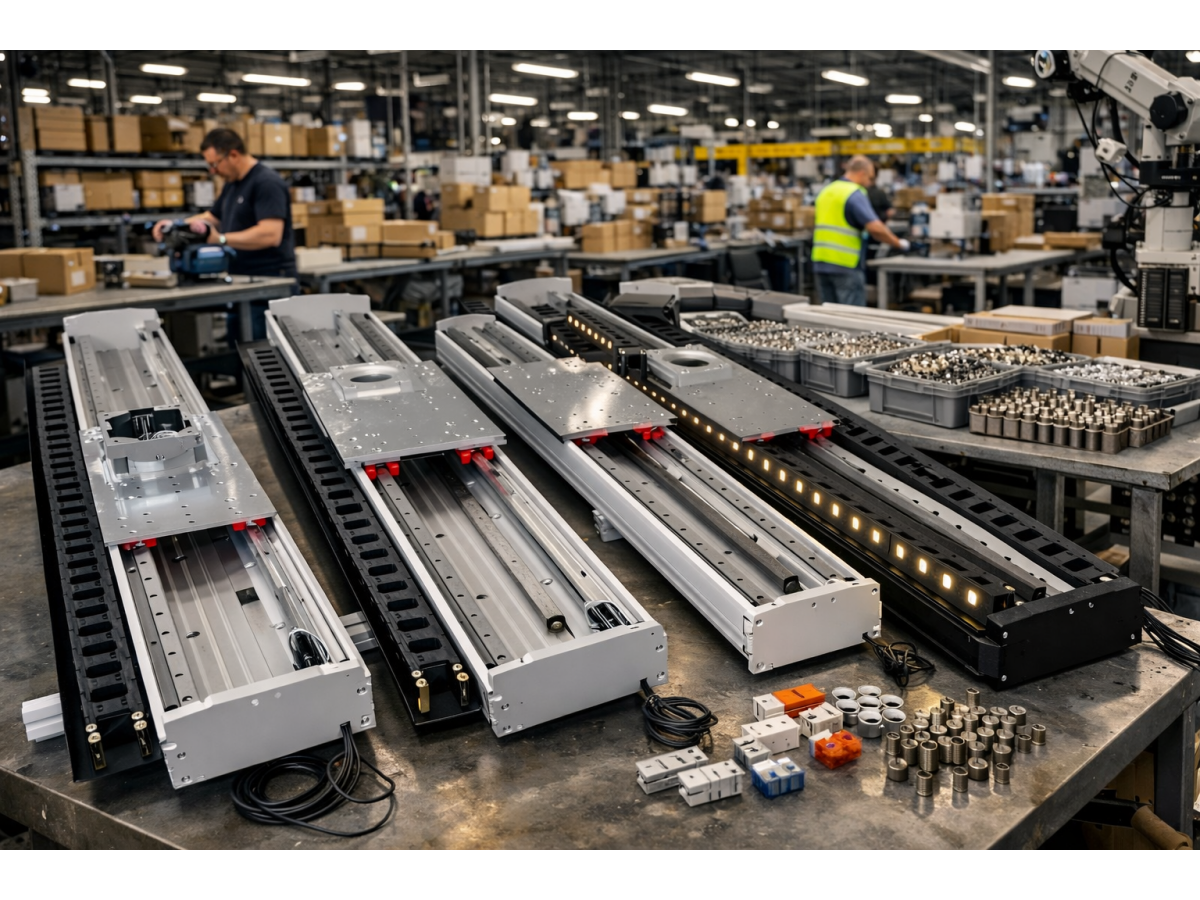
A fastener may be mechanically suitable for an equipment assembly but still require a different surface treatment to meet the overall application requirements.
Surface treatment can influence:
Corrosion resistance
Coating thickness
Thread fit
Friction coefficient
Torque and preload behavior
Surface hardness
Appearance
Electrical characteristics
Cleaning compatibility
Dimensional characteristics
For this reason, surface treatment should be considered during the engineering and sourcing stage rather than selected only after the fastener has been manufactured.
For design engineers and procurement teams, the objective is to specify a complete fastener system, not simply a base material and nominal size.
Different semiconductor equipment assemblies can operate under very different conditions.
A fastener used in a general equipment frame may have completely different requirements from one located near:
Chemical processing
Vacuum systems
Wafer handling mechanisms
High-temperature assemblies
Electrical interfaces
Controlled environments
Precision positioning systems
The appropriate surface treatment therefore depends on the actual operating environment.
Engineers should consider:
Temperature + Chemical Exposure + Humidity + Mechanical Load + Assembly Method + Cleaning + Electrical Requirements + Service Life
This application-based approach helps prevent a common sourcing problem: selecting a coating because it is familiar rather than because it is appropriate for the equipment.
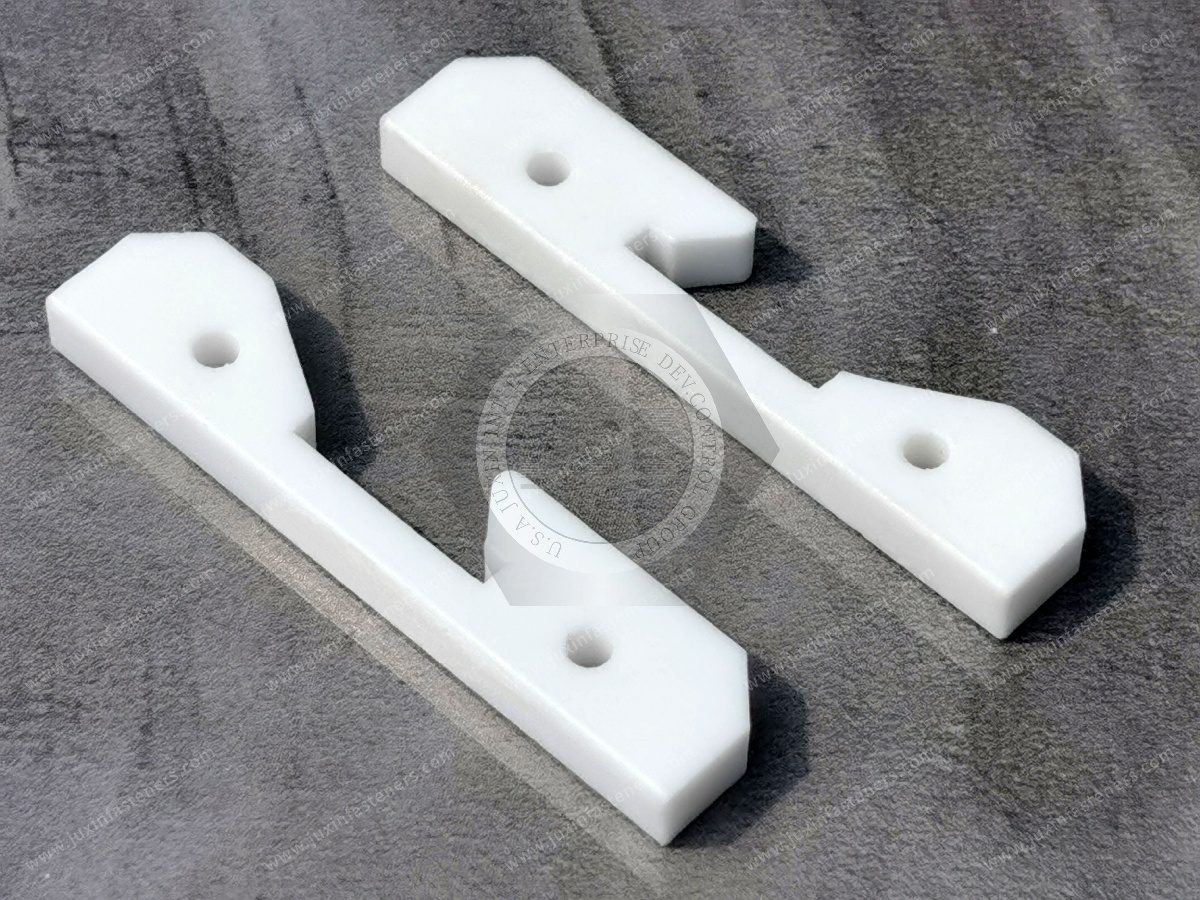
Depending on the material, application and customer specification, JUXIN can support a range of surface-treatment requirements.
Passivation is commonly used with stainless steel components to support corrosion-resistance performance by removing or reducing free iron and other surface contaminants associated with manufacturing processes.
For stainless steel fasteners used in precision equipment, passivation may be specified together with cleaning and surface-finish requirements.
The appropriate passivation process should be selected according to the material grade and customer requirements.
Zinc plating is widely used on carbon steel fasteners because zinc can provide sacrificial corrosion protection to the underlying steel.
Depending on the application, zinc-plated fasteners may receive an additional conversion coating or passivation system.
The complete coating system can influence:
Corrosion performance
Appearance
Thread dimensions
Friction
Assembly characteristics
For applications requiring environmentally oriented surface-treatment requirements, customers may specify trivalent chromium conversion systems.
The required coating system should always be defined according to the applicable engineering and compliance requirements.
Zinc-nickel plating can provide a higher-performance corrosion-protection system for selected industrial applications compared with conventional zinc plating.
It may be considered where the equipment environment requires enhanced corrosion resistance.
Potential applications include:
Automotive equipment
Industrial machinery
Electrical equipment
Outdoor equipment
Renewable-energy systems
Transportation equipment
However, zinc-nickel plating is not automatically suitable for every semiconductor or vacuum application.
Engineers should evaluate the complete coating system, substrate, operating environment, cleaning requirements and equipment compatibility before specifying it.
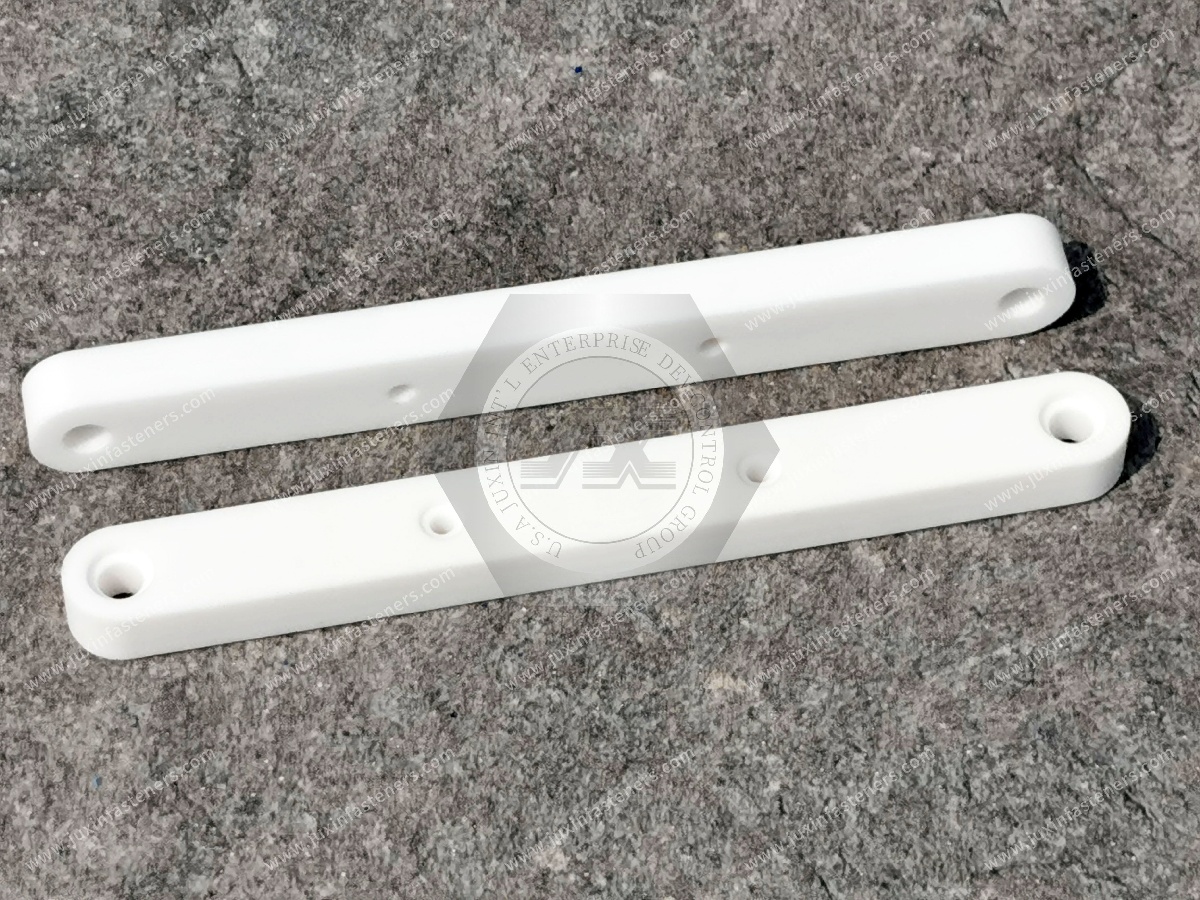
PTFE-based coatings can provide low-friction characteristics for selected fastener applications.
Depending on the coating system, potential benefits can include:
Reduced friction
Controlled coefficient of friction
Improved release characteristics
Reduced galling in selected applications
Corrosion protection when provided by the complete coating system
PTFE-based coatings may be useful in applications where controlled friction is important.
However, coating chemistry, thickness, temperature capability, cleanliness and vacuum compatibility should be evaluated before use in semiconductor or vacuum equipment.
A coating suitable for general industrial fasteners should not automatically be assumed to be suitable for a controlled semiconductor environment.
Zinc-aluminum flake coatings provide a non-electrolytic corrosion-protection approach for selected fastener applications.
They may be considered where:
High corrosion resistance is required
Electroplating is undesirable
Hydrogen embrittlement considerations are important
Specific coating performance is required
The complete coating system can include a base coating and topcoat, depending on the required performance.
As with all surface treatments, the suitability for semiconductor equipment should be evaluated against the actual application requirements.
Some precision equipment components require a controlled mechanical surface finish rather than a conventional corrosion-protection coating.
Polishing may be specified for:
Stainless steel components
Precision CNC parts
Vacuum components
Equipment fixtures
Precision mechanical interfaces
Surface finish can influence cleaning, contact behavior, appearance and other application-specific characteristics.
The required surface roughness should be specified according to the functional requirements of the component.
One important consideration for precision fasteners is that surface treatment can add material to the component surface.
This can influence:
Thread dimensions
Thread fit
Hole clearance
Mating interfaces
Critical dimensions
Assembly behavior
For example, a coating applied to an external thread can change the effective dimensions of the thread.
For precision equipment, this means the coating should be considered as part of the dimensional specification.
The complete requirement should therefore be:
Base Material + Machining/Forming + Surface Treatment + Final Dimensions
rather than treating the coating as an independent finishing step.
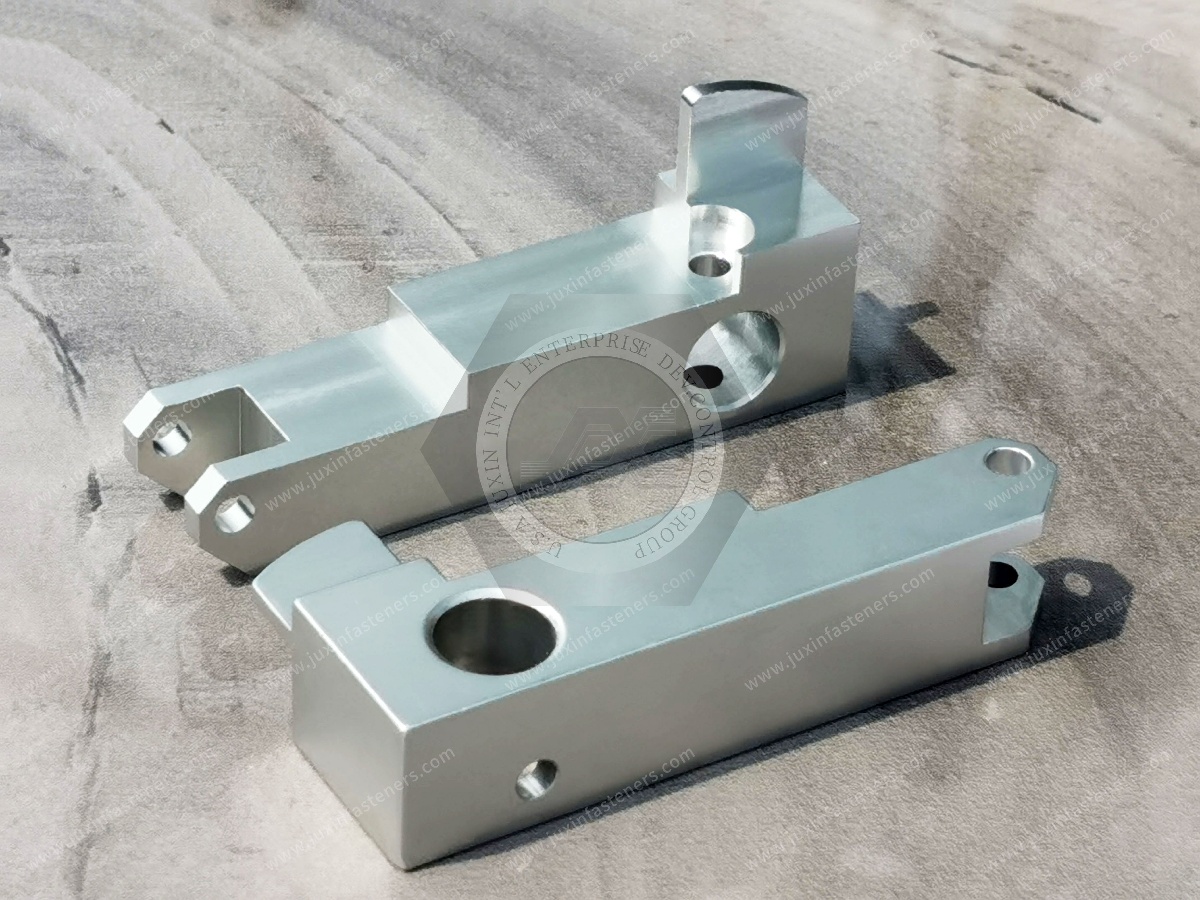
Fastener threads are functional mechanical interfaces.
The coating system can affect the relationship between:
Thread Geometry → Coating Thickness → Friction → Assembly Torque → Preload
This can be particularly important for automated installation or assemblies where controlled clamping force is required.
For precision applications, engineers may therefore specify:
Thread standard
Thread tolerance
Coating system
Coating thickness
Lubrication requirements
Assembly torque
Friction requirements
The final specification should be based on the actual assembly process.
Corrosion protection is one of the primary reasons industrial fasteners receive surface treatment.
However, corrosion performance depends on the complete system rather than simply the name of the coating.
Important factors can include:
Base material
Coating type
Coating thickness
Conversion coating
Sealer or topcoat
Environmental exposure
Temperature
Humidity
Chemical exposure
Mechanical damage to the coating
A coating suitable for an outdoor industrial assembly may not be suitable for a semiconductor process environment.
This is why JUXIN reviews the intended application before recommending or manufacturing a specified surface-treated fastener.
In electrical and electronic equipment, the surface condition of a fastener can also affect electrical behavior.
Depending on the design, engineers may need to consider:
Electrical conductivity
Contact resistance
Insulation requirements
Coating thickness
Grounding interfaces
Galvanic compatibility
A coating that improves corrosion resistance may also change the electrical interface between two components.
For electrical equipment and semiconductor-related assemblies, these requirements should be established during design.
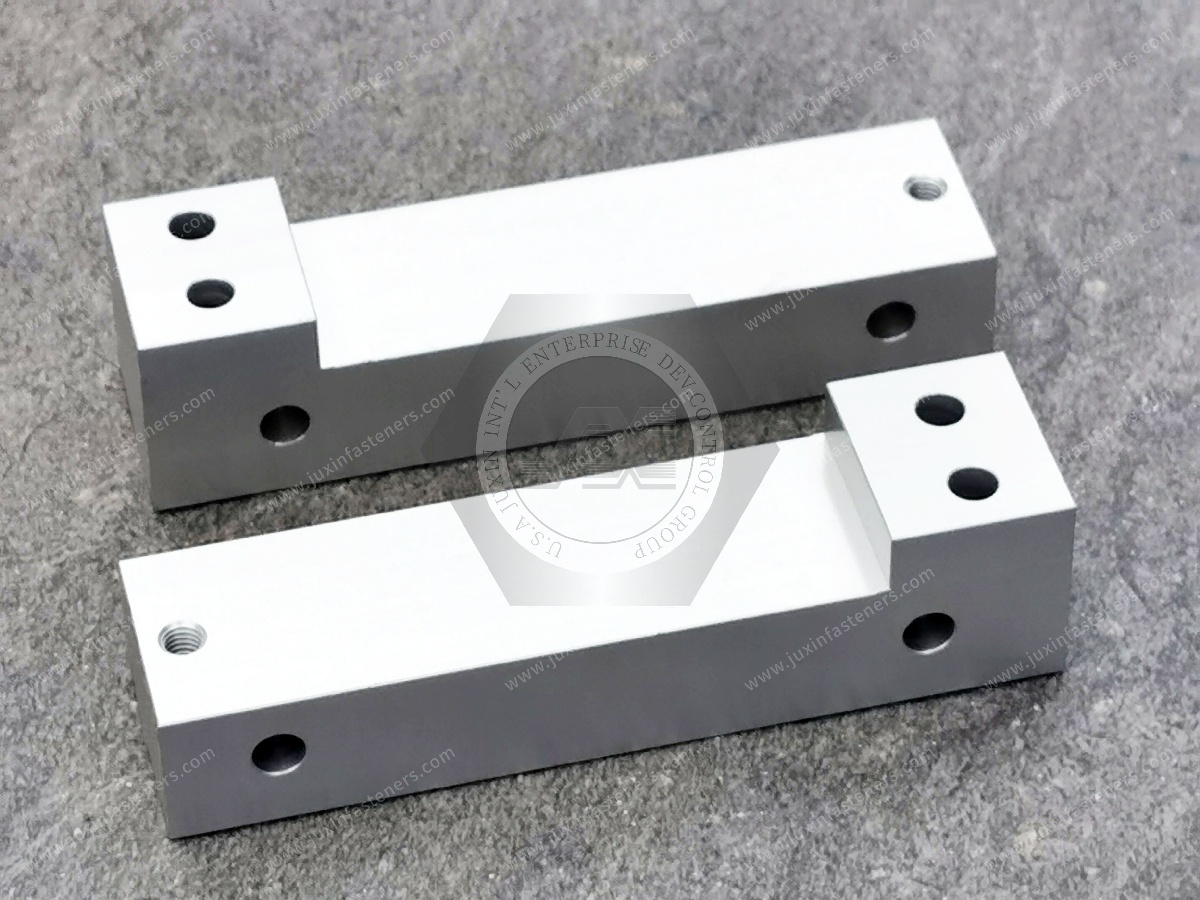
Vacuum and semiconductor equipment may have additional requirements beyond corrosion resistance.
Depending on the application, engineers may consider:
Outgassing
Surface residues
Cleanliness
Particle generation
Material compatibility
Cleaning method
Temperature
Vacuum level
Not every conventional industrial coating is appropriate for a vacuum environment.
For example, a coating selected primarily for corrosion protection may require additional evaluation before being used inside a controlled vacuum system.
Where vacuum compatibility is critical, the complete component specification should address material, surface treatment, cleaning, handling and packaging.
Different areas of semiconductor equipment may require different fastening strategies.
Fasteners may require controlled material and surface specifications depending on their location within the process equipment.
Chemical exposure can make corrosion resistance an important consideration.
Material and surface treatment should be selected according to the specific process chemicals and operating conditions.
Vacuum-related applications may require careful evaluation of surface condition, cleaning, outgassing and component geometry.
Precision fasteners may require controlled dimensions, thread fit and surface finish to support repeatable mechanical assemblies.
Fasteners used in moving mechanisms may require particular friction, wear and assembly characteristics.
Surface treatment may need to be evaluated together with conductivity, grounding and galvanic-compatibility requirements.
Surface treatment should ideally be included in the engineering drawing or purchasing specification.
A complete specification may define:
Fastener standard
Material
Strength grade
Thread specification
Dimensions
Tolerances
Surface treatment
Coating thickness
Surface finish
Corrosion requirement
Friction requirement
Cleaning requirement
Inspection requirement
Packaging requirement
Including these requirements early helps prevent ambiguity during quotation and production.
It also gives procurement teams a clearer basis for comparing supplier quotations.
For purchasing and supply-chain teams, two fasteners with the same material and dimensions may still have different total costs because their surface-treatment requirements are different.
A supplier quotation should therefore be evaluated based on the complete specification.
Procurement teams may need to compare:
Material + Manufacturing + Surface Treatment + Inspection + Packaging + Compliance Requirements
A lower unit price is not necessarily a lower total cost if the coating system later causes:
Assembly problems
Corrosion concerns
Appearance disputes
Compliance issues
Supplier requalification
Production delays
Defining the surface-treatment requirement before quotation helps reduce these risks.
Design engineers should consider the surface treatment together with the fastener material and equipment environment.
A practical engineering review can include:
Temperature, humidity, chemicals and exposure conditions.
Strength, preload, friction and wear.
Thread fit, coating thickness and critical interfaces.
Roughness, appearance, passivation or polishing.
Applicable customer and regulatory requirements.
Whether the component requires a defined cleaning or handling process.
Whether the selected surface treatment is appropriate for the actual equipment environment.
This approach helps prevent the coating from becoming an afterthought.
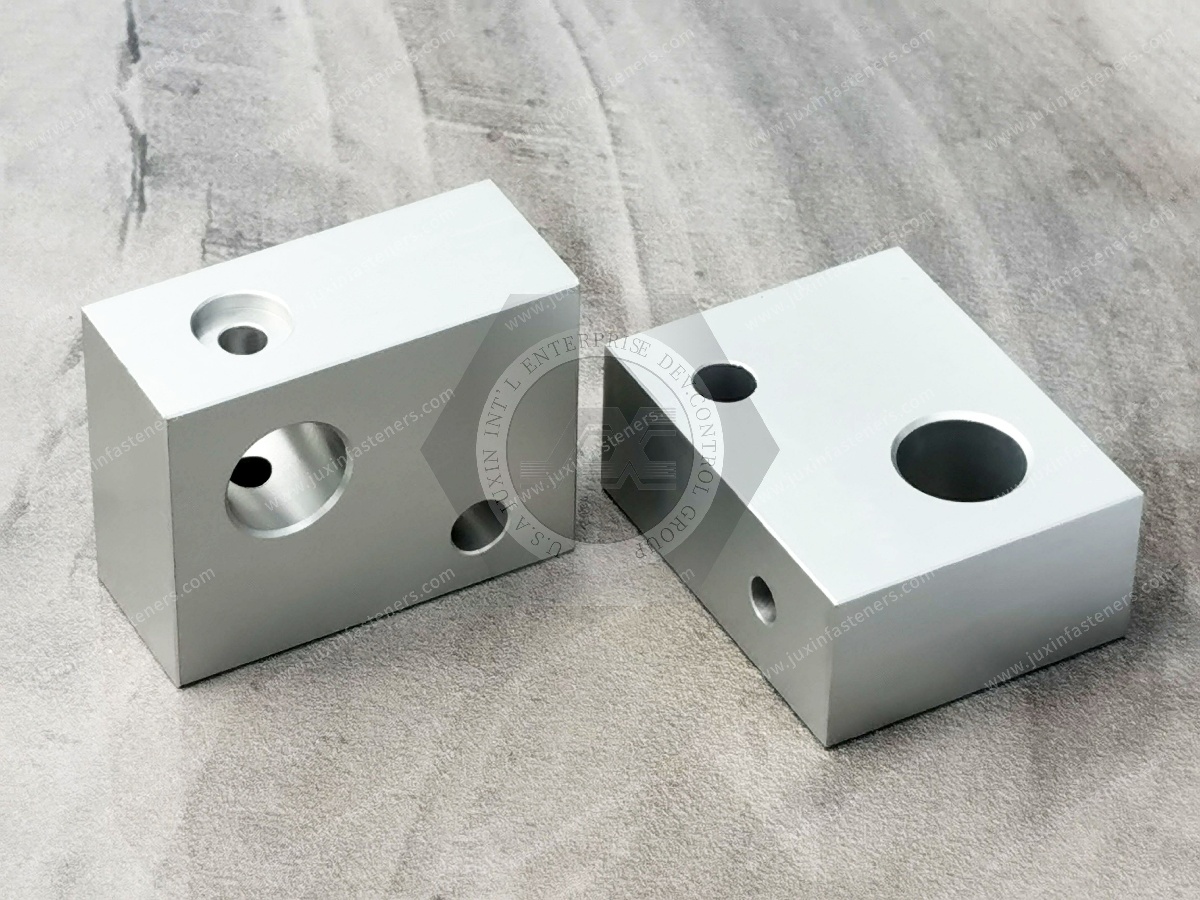
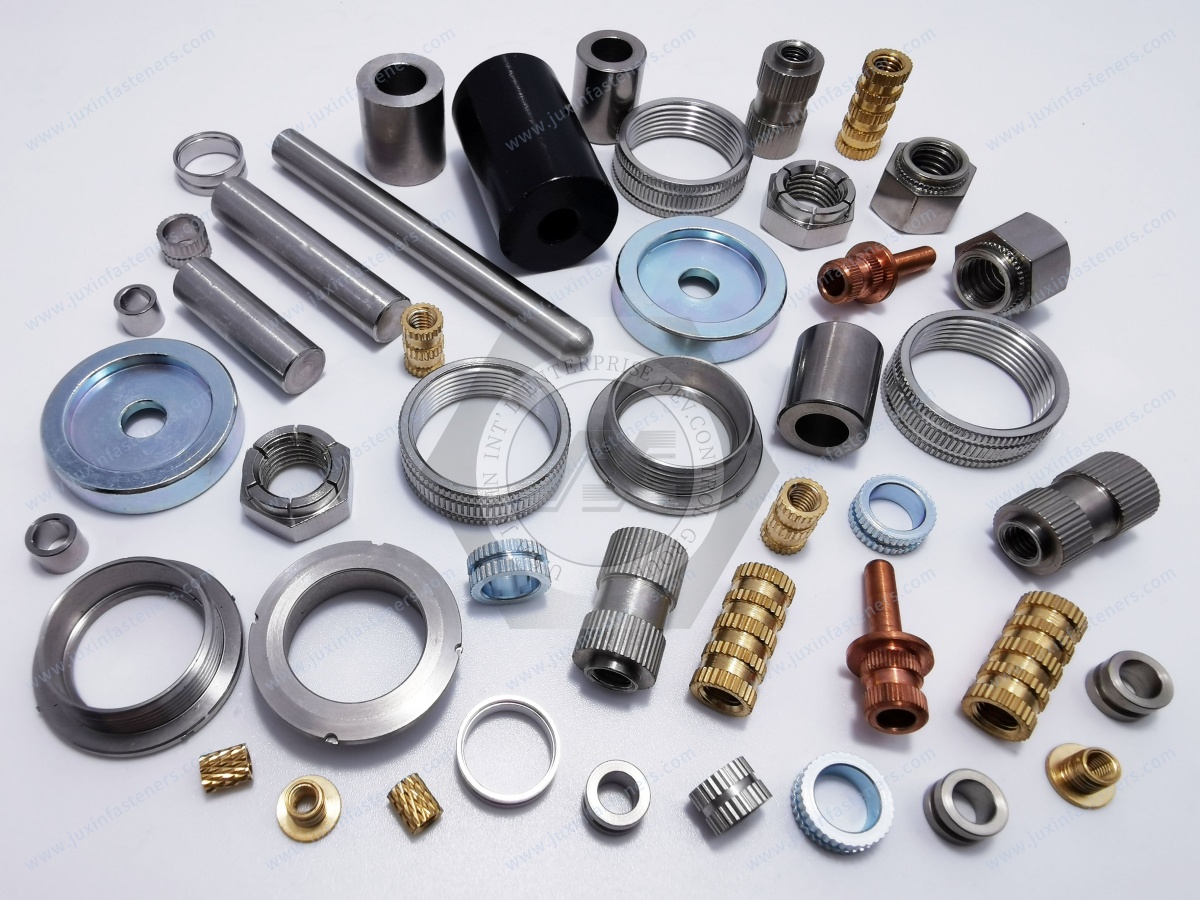
JUXIN supports custom fasteners with customer-specified surface-treatment requirements.
Our product range includes:
Screws
Bolts
Nuts
Studs
Washers
Threaded pins
Rivet nuts
Weld fasteners
Self-clinching fasteners
Custom CNC components
Depending on the material and application, surface-treatment requirements may include:
Passivation
Zinc plating
Trivalent chromium conversion systems
Zinc-nickel plating
PTFE-based coatings
Zinc-aluminum flake coatings
Mechanical polishing
Other customer-specified finishes
The appropriate treatment should be confirmed according to the actual application and approved engineering specification.
Surface treatment is not limited to conventional fasteners.
Custom CNC components may also require controlled surface processing.
JUXIN can manufacture and support surface-treatment requirements for components such as:
Precision pins
Alignment pins
Shafts
Bushings
Spacers
Standoffs
Sleeves
Brackets
Threaded components
Custom fixtures
This is particularly useful for OEM customers sourcing both custom fasteners and CNC machined components for the same equipment platform.
A semiconductor equipment assembly may require multiple component categories:
Custom Screw + Stainless Steel Pin + CNC Bushing + Zinc-Plated Bracket + Precision Spacer
Each component may have a different material and surface-treatment requirement.
JUXIN can support the manufacturing and sourcing coordination of these components through one supplier relationship.
This can simplify:
RFQ management
Drawing review
Technical communication
Surface-treatment specification
Inspection coordination
Packaging
Repeat orders
For procurement managers and supply-chain teams, supplier consolidation can reduce unnecessary communication between multiple component suppliers.
JUXIN's engineered surface-treatment solutions can support fasteners and components used across multiple industries.
Typical applications include:
Semiconductor equipment
Wafer processing equipment
Metrology and inspection equipment
Vacuum equipment
Automotive
EV equipment
Electrical and electronics
Telecommunications
HVAC
Industrial machinery
Robotics
Rail transit
Solar equipment
Renewable energy equipment
Marine and industrial equipment
The appropriate material and surface treatment should always be selected according to the specific operating environment.
A controlled surface-treatment project can follow a structured process:
Engineering Drawing → Material Confirmation → Manufacturing → Surface Treatment → Inspection → Packaging → Delivery
At the engineering stage, the customer defines the required:
Material
Dimensions
Thread
Tolerance
Surface treatment
Surface finish
Performance requirements
Inspection criteria
The manufacturing and finishing process can then be aligned with the approved specification.
This helps ensure that surface treatment remains part of the product specification rather than an isolated finishing operation.
JUXIN has more than 23 years of experience in the fastener industry and supports international OEM customers with custom fastening and precision component requirements.
Our capabilities combine:
Fastener Manufacturing + CNC Machining + Surface-Treatment Coordination
We can support customers requiring:
Custom screws
Custom bolts
Special nuts
Threaded studs
Stainless steel fasteners
Precision pins
CNC machined components
Zinc-plated fasteners
Zinc-nickel coated fasteners
PTFE-based coated fasteners
Zinc-aluminum flake coated fasteners
Passivated stainless steel components
Custom surface-treated components
Our focus is to match the material, manufacturing process and surface treatment to the customer's actual application requirements.
If you are sourcing surface-treated semiconductor equipment fasteners, custom coated industrial fasteners or precision CNC components, JUXIN can review your engineering drawings and specifications.
Please provide:
Part drawing
Fastener standard
Material
Strength grade
Thread specification
Dimensional tolerances
Surface-treatment requirement
Coating thickness, if specified
Surface-finish requirement
Corrosion requirement
Friction or torque requirement
Cleaning requirements
Inspection requirements
Annual or project quantity
Packaging requirements
Our team can review the complete specification and evaluate the manufacturing and surface-treatment requirements before quotation.
Contact JUXIN FASTENERS
Email: info@juxinfasteners.com
Website: www.juxinfasteners.com
JUXIN FASTENERS — Engineered Fasteners and Precision Components with Application-Specific Surface Treatment.
Surface-treatment suitability depends on the base material, coating system, operating environment, equipment design and customer requirements.
Final specifications should be confirmed against the applicable engineering, environmental, cleanliness and performance requirements.
Contact Us
Tel.:
+86 020 8621 0320
+86 020 3121 6067
E-mail:
Technical Support:
Navigation
SEND INQUIREY