
Call Us
+86 136 6007 9809
Call Us
+86 136 6007 9809

Aug. 28, 2026
Power conversion is becoming increasingly important as industries move toward electrification, higher power density and more efficient energy systems.
Modern electrical architectures increasingly rely on technologies such as:
AC-DC converters
DC-DC converters
UPS systems
Power supply units
Battery backup systems
Solid-state transformers
SiC power modules
High-voltage power electronics
Energy storage systems
These systems combine semiconductor devices, electrical connections, thermal-management components and mechanical structures within increasingly compact equipment.
The mechanical fastening system must therefore provide reliable connections between housings, heat sinks, cooling assemblies, electrical covers, brackets and structural components.
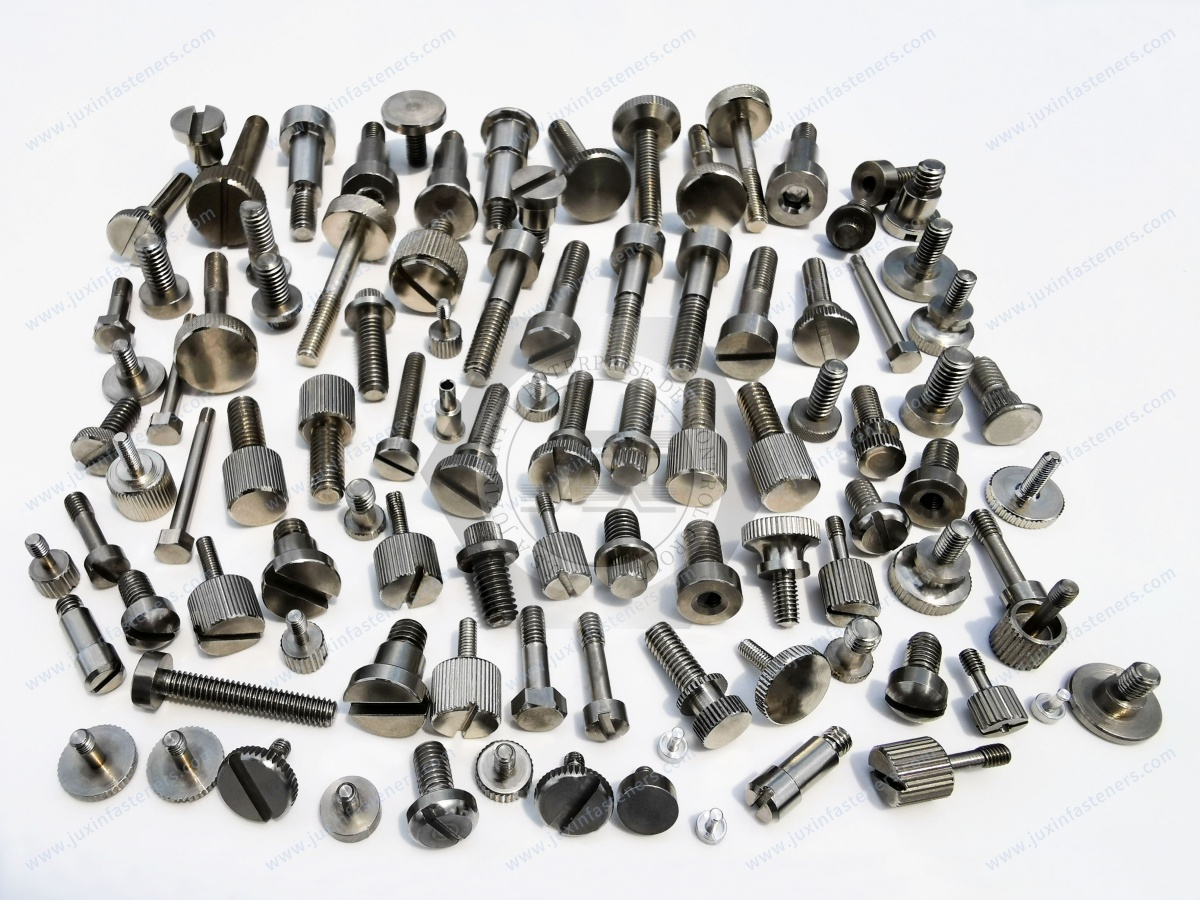
JUXIN supplies industrial fasteners for power electronics and power conversion equipment, including precision screws, custom bolts, self-clinching nuts, self-clinching studs, rivet nuts,
thread insert nuts, weld nuts, CNC machined components, high-strength fasteners, stainless steel fasteners and locking nuts.
Our OEM manufacturing process supports drawing-based projects from engineering review through production, inspection and export packaging.
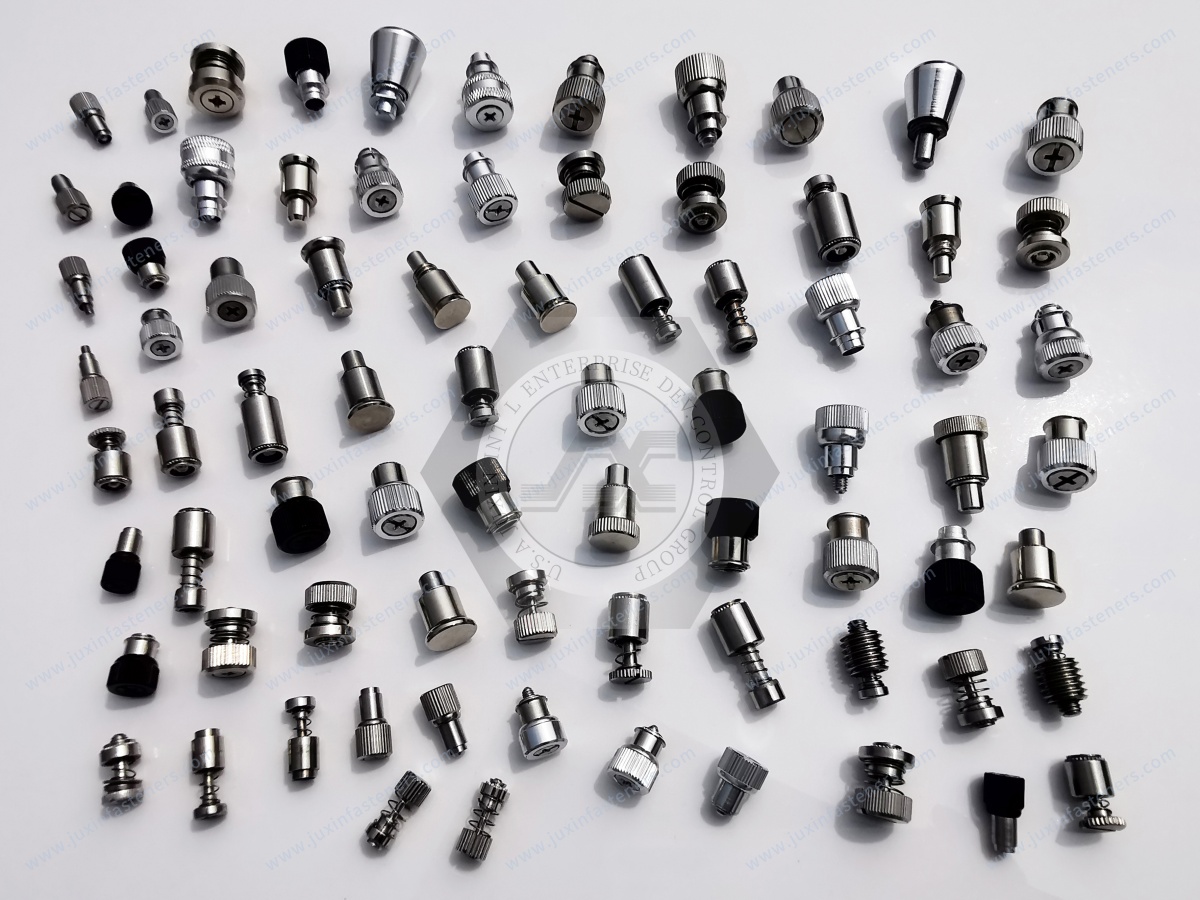
AC-DC converters transform alternating current into direct current for a wide range of electrical and electronic systems.
They are used in:
Data center power systems
Industrial power supplies
Telecom equipment
Automation systems
Battery charging equipment
Power electronics
Embedded power systems
Electrical equipment
Mechanical construction typically includes an enclosure, internal circuit boards, power modules, heat sinks, cooling structures and mounting brackets.
AC-DC converter fasteners can therefore be used for multiple mechanical interfaces.
Power supply housings require secure mechanical connections while allowing access for assembly, inspection and service.
Fasteners can be used for:
Power supply covers
Enclosure panels
Internal brackets
Mounting structures
Cooling assemblies
Electrical shields
PCB support structures
Depending on the enclosure design, self-clinching fasteners, rivet nuts, screws, bolts and other threaded components can provide integrated attachment points.
Thermal management is a major consideration in high-power AC-DC conversion.
Heat sink fasteners can secure heat sinks and related thermal-management components to the mechanical structure.
The fastening design should consider:
Available installation space
Component geometry
Required clamping force
Thread size
Material compatibility
Assembly process
Service requirements
For precision power electronics assemblies, consistent dimensions and repeatable fastening performance are important to maintain controlled mechanical interfaces.
DC-DC converters are used to convert one DC voltage level to another and are widely deployed in data centers, EV systems, battery systems, industrial equipment and power electronics.
A DC-DC converter may contain:
Power semiconductor modules
Inductors and transformers
Heat sinks
Cooling plates
Electrical shielding
Circuit boards
Mechanical brackets
Enclosures
This creates multiple fastening requirements within a compact assembly.
The converter housing must protect internal components while maintaining structural integrity.
DC-DC converter fasteners can be used for:
Housing covers
Internal mounting structures
PCB supports
Electrical shields
Cable brackets
Heat sink assemblies
Cooling plates
Where the enclosure uses thin sheet metal, self-clinching nuts and rivet nuts can create threaded attachment points without requiring conventional loose nuts.
Power modules may operate under significant thermal and electrical loads.
Mechanical fastening may be required for:
Power module mounting
Heat sinks
Cooling plates
Busbar support structures
Brackets
Protective covers
Fastener selection should be coordinated with the module manufacturer’s mechanical and thermal requirements.
Uninterruptible power supply (UPS) systems provide backup power and power-conditioning functions for critical electrical infrastructure.
UPS equipment is used across:
AI and data center infrastructure
Telecommunications
Industrial automation
Healthcare equipment
Manufacturing facilities
Commercial infrastructure
Energy systems
A UPS system can contain batteries, power electronics, cooling systems, control electronics and structural enclosures.
This creates a broad range of mechanical fastening requirements.
UPS cabinets and enclosures may require fastening for:
Access panels
Electrical covers
Internal brackets
Control panels
Power electronics
Cooling assemblies
Structural frames
For sheet-metal UPS cabinets, integrated fastening solutions can help simplify production assembly.
Battery cabinets must accommodate battery modules, electrical connections, support structures and service access.
Battery cabinet fasteners can be used for:
Battery mounting structures
Internal brackets
Access panels
Cable-management components
Electrical protection structures
Cabinet frames
Where battery assemblies require regular inspection or replacement, removable threaded connections can be especially important.
Silicon carbide (SiC) power devices are increasingly used in high-efficiency power conversion applications because of their suitability for high-voltage, high-frequency and high-temperature power electronics.
Potential applications include:
Data center UPS systems
EV power electronics
Solar inverters
Energy storage systems
Industrial power conversion
High-voltage power systems
Solid-state transformer architectures
The use of advanced semiconductor technology can increase power density and place greater demands on thermal-management and mechanical packaging.
Fasteners may therefore be required for:
SiC power modules
Heat sinks
Cooling plates
Busbar structures
Module housings
Electrical shielding
Mounting brackets
Thermal-management assemblies
For these applications, engineers should evaluate fastening requirements together with the complete mechanical and thermal design.
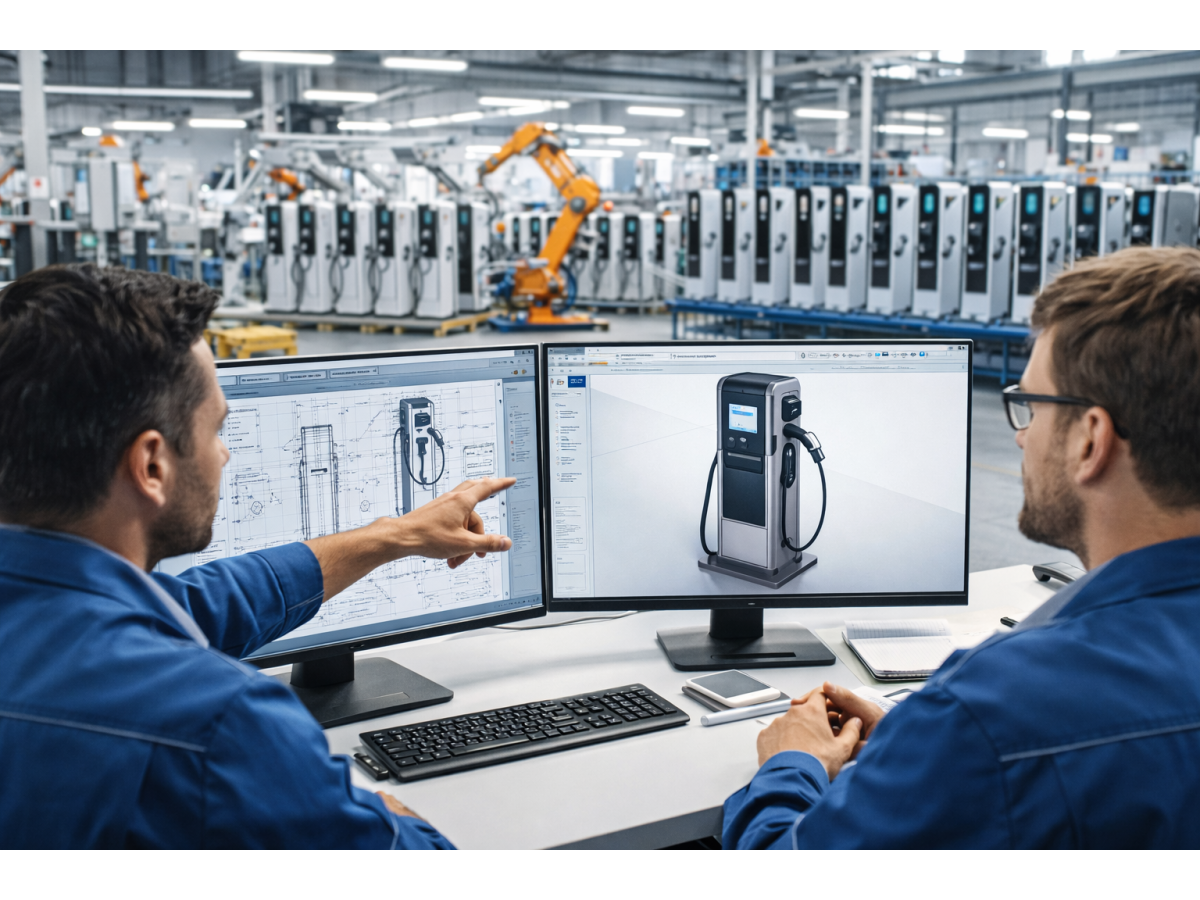
Solid-state transformers (SSTs) use power semiconductor technology and high-frequency power conversion to perform voltage transformation and power management.
Compared with conventional transformer architectures, SST systems can integrate multiple power conversion stages, semiconductor modules, control electronics and advanced thermal-management structures.
This creates complex mechanical requirements.
Solid-state transformer fasteners may be required for:
Power semiconductor modules
Converter housings
High-voltage components
Cooling assemblies
Heat sinks
Structural frames
Electrical enclosures
Internal mounting systems
Control electronics
For OEM developers, the fastening system must fit within the overall electrical, thermal and mechanical architecture.
As power density increases, mechanical design becomes more closely integrated with electrical and thermal engineering.
A typical high-power conversion system can be viewed as:
Power Semiconductor → Thermal Management → Mechanical Structure → Electrical Enclosure
Every interface can create a fastening requirement.
For example:
Power module → Cooling plate → Mounting structure
may require precision screws or custom fasteners.
At the enclosure level:
Sheet-metal panel → Threaded attachment point → Equipment cover
may require self-clinching nuts or rivet nuts.
For structural components:
Frame → Bracket → Equipment assembly
may require bolts, screws or custom CNC machined components.
This is why fastener selection should be considered during mechanical design rather than only during final procurement.
Precision screws can be used where controlled geometry and consistent assembly are required.
Applications include:
Power modules
Heat sinks
Cooling plates
PCB mounting structures
Electrical shields
Converter housings
Internal brackets
For precision power electronics, dimensional consistency can be important because variations in fastener geometry can affect component fit and assembly repeatability.
JUXIN can manufacture screws according to specified dimensions, thread configurations, materials and surface treatments.
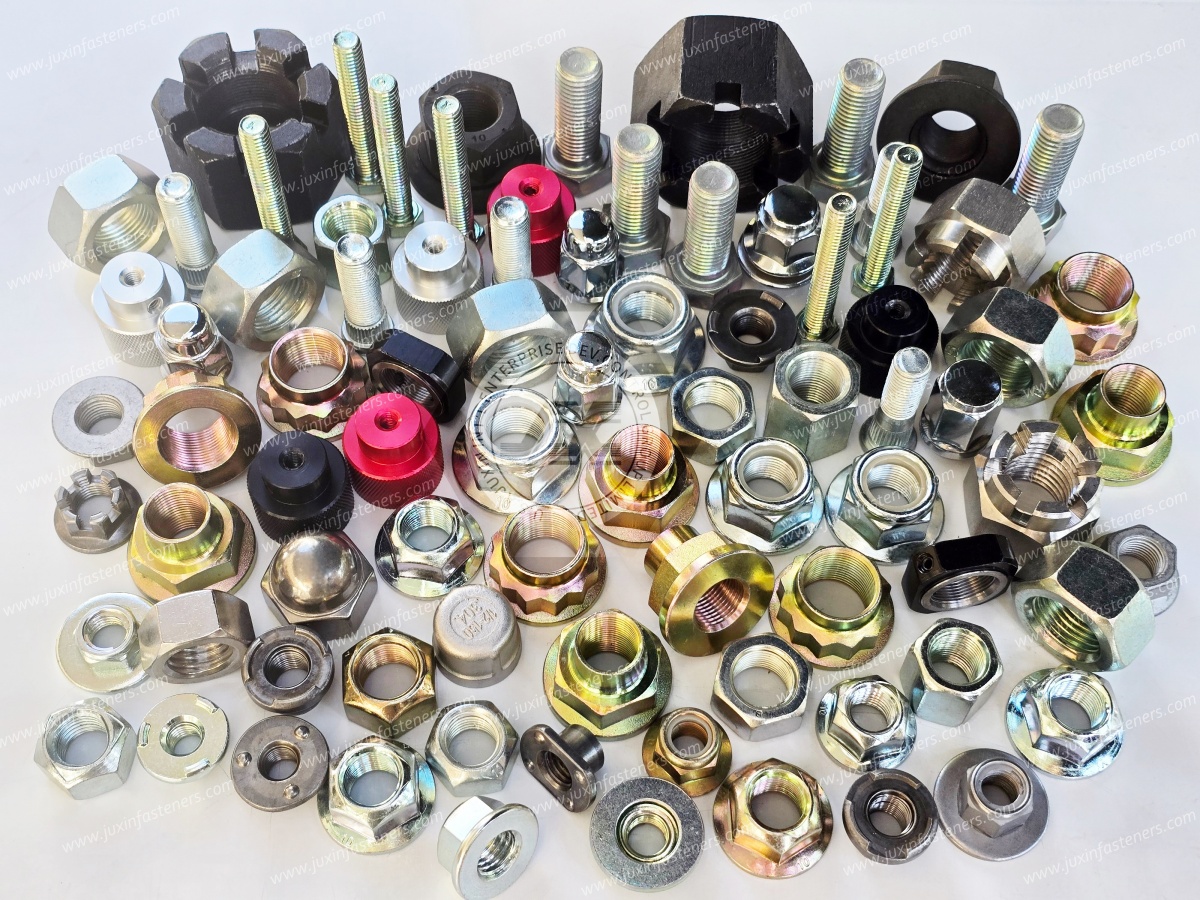
Heavy-duty power conversion systems and supporting structures may require high-strength bolts for structural connections.
Potential applications include:
Equipment frames
Heavy power cabinets
Cooling equipment
Transformer structures
Mounting frames
Industrial power equipment
JUXIN supplies high-strength fastening solutions according to customer specifications.
The appropriate grade, material, dimensions and surface treatment should be selected according to the engineering requirements of the application.
Self-clinching nuts and studs provide integrated fastening points in sheet-metal components.
They can be useful for:
Power supply housings
Converter enclosures
UPS cabinets
Electrical panels
Control cabinets
Cooling equipment
Internal brackets
The main advantage is that the threaded fastener becomes mechanically retained in the sheet metal, eliminating the need to handle a loose nut during final assembly.
This can be particularly useful for high-volume OEM production where assembly repeatability and accessibility are important.
Rivet nuts and thread insert nuts can provide internal threads in applications where conventional tapped threads are not practical.
They can be used for:
Thin-wall power supply housings
UPS enclosures
Converter cabinets
Removable panels
Electrical covers
Cooling system brackets
Service access structures
For maintenance-intensive equipment, removable threaded connections can allow covers and components to be repeatedly removed and reinstalled.
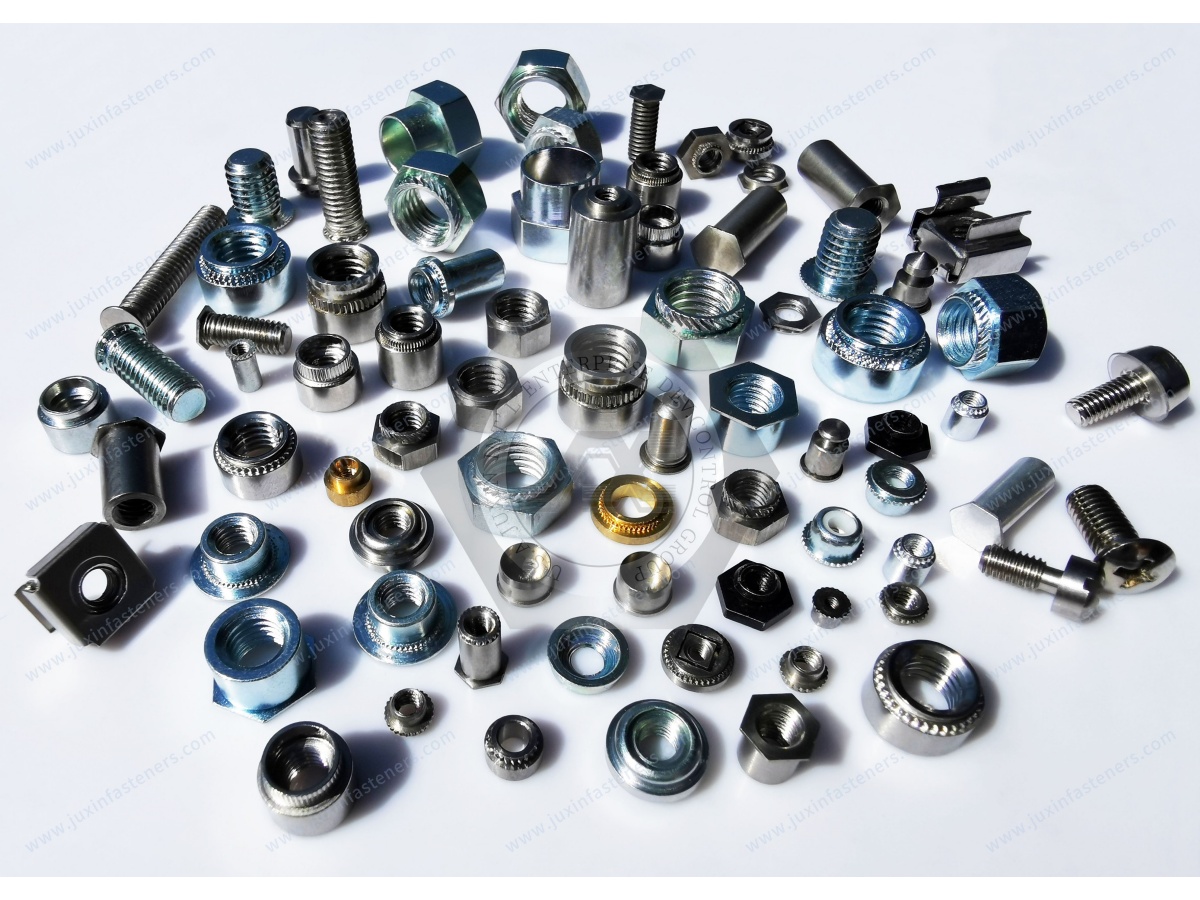
Advanced power conversion equipment may require more than standard fastening hardware.
CNC machined components can provide precision mechanical interfaces for:
Spacers
Pins
Bushings
Mounting components
Precision brackets
Heat sink interfaces
Custom mechanical structures
CNC machining can complement standard fasteners when an assembly requires precise dimensional control or a non-standard mechanical geometry.
JUXIN can support OEM projects requiring both fastening products and custom machined components.
Stainless steel fasteners may be selected for applications where corrosion resistance and environmental durability are important.
Potential applications include:
Outdoor power equipment
Renewable energy systems
Industrial electrical equipment
Energy storage systems
Cooling equipment
Power conversion cabinets
Material selection should consider the operating environment, mechanical requirements and compatibility with the mating materials.
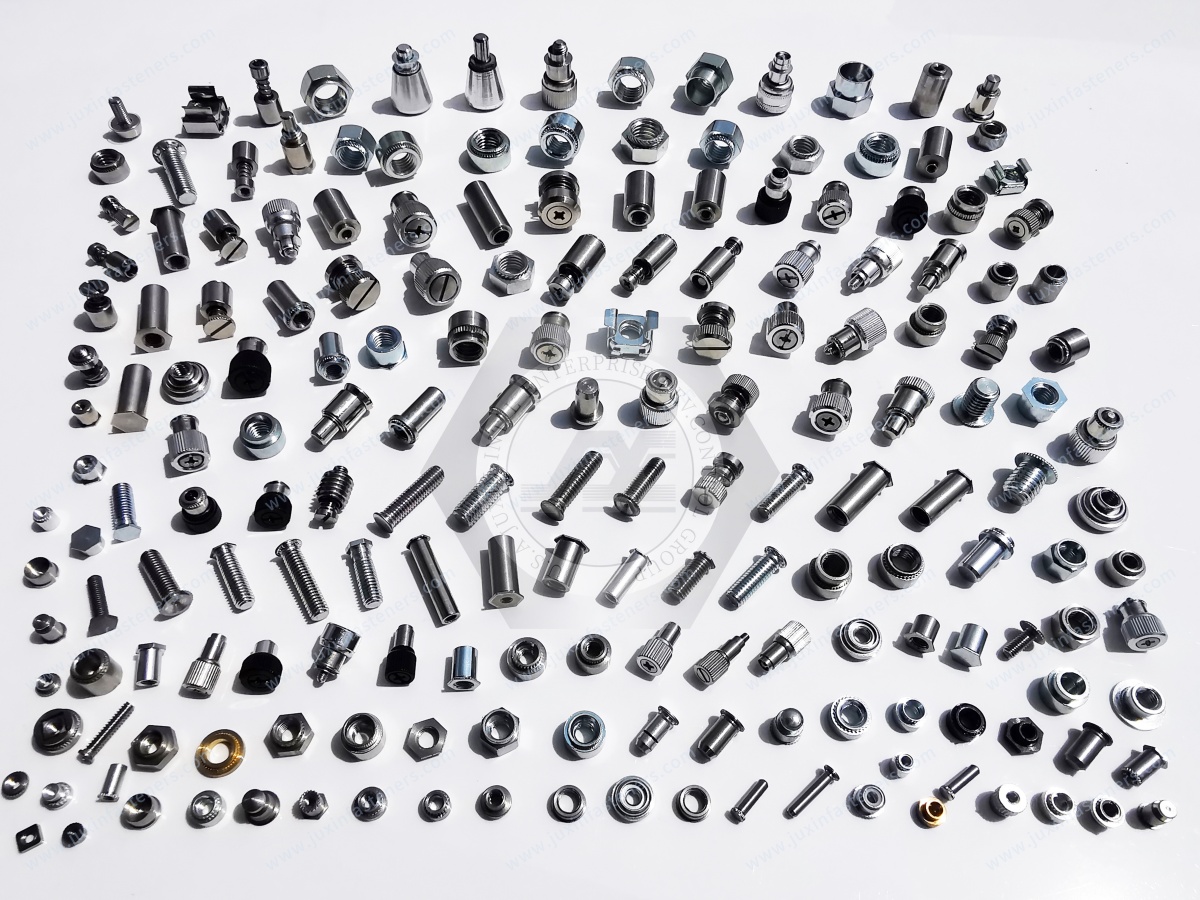
Power conversion equipment can contain fans, pumps, cooling systems and other components that generate vibration.
Where vibration resistance is a design requirement, locking nuts and other locking fastener solutions can be considered.
Applications may include:
Cooling assemblies
Pump structures
Fan assemblies
Power equipment frames
Industrial electrical equipment
The appropriate locking method should be selected according to the vibration environment, joint design and required serviceability.
Engineers and procurement teams should evaluate several factors when specifying power electronics fasteners.
Determine the required tensile, shear and clamping performance of the joint.
Fasteners installed near power semiconductor modules, heat sinks or cooling systems may experience elevated operating temperatures.
The fastener material should be compatible with the mating components and environmental requirements.
For self-clinching fasteners and rivet nuts, base-material thickness and hole geometry are important design parameters.
Consider whether the component will be assembled manually, semi-automatically or through a high-volume production process.
UPS systems, power supplies and other critical equipment may require regular inspection or component replacement.
A removable threaded connection can therefore be preferable to a permanent joining method in serviceable areas.
Surface treatment may be specified according to corrosion resistance, environmental conditions and customer requirements.
JUXIN supports finishing options including zinc plating, zinc-nickel plating and zinc-aluminum flake coatings for applicable products.
JUXIN supports OEM manufacturers developing power conversion and electrical equipment.
Our product range includes:
Precision screws
Custom bolts
Self-clinching nuts
Self-clinching studs
Rivet nuts
Thread insert nuts
Weld nuts
Weld studs
CNC machined components
High-strength fasteners
Stainless steel fasteners
Locking nuts
Our manufacturing capabilities include:
Cold forging
Screw heading
Stamping
CNC machining
Injection molding
Secondary machining
Surface treatment
Dimensional inspection
This allows customers to source different fastening and precision mechanical requirements through one industrial OEM supplier.
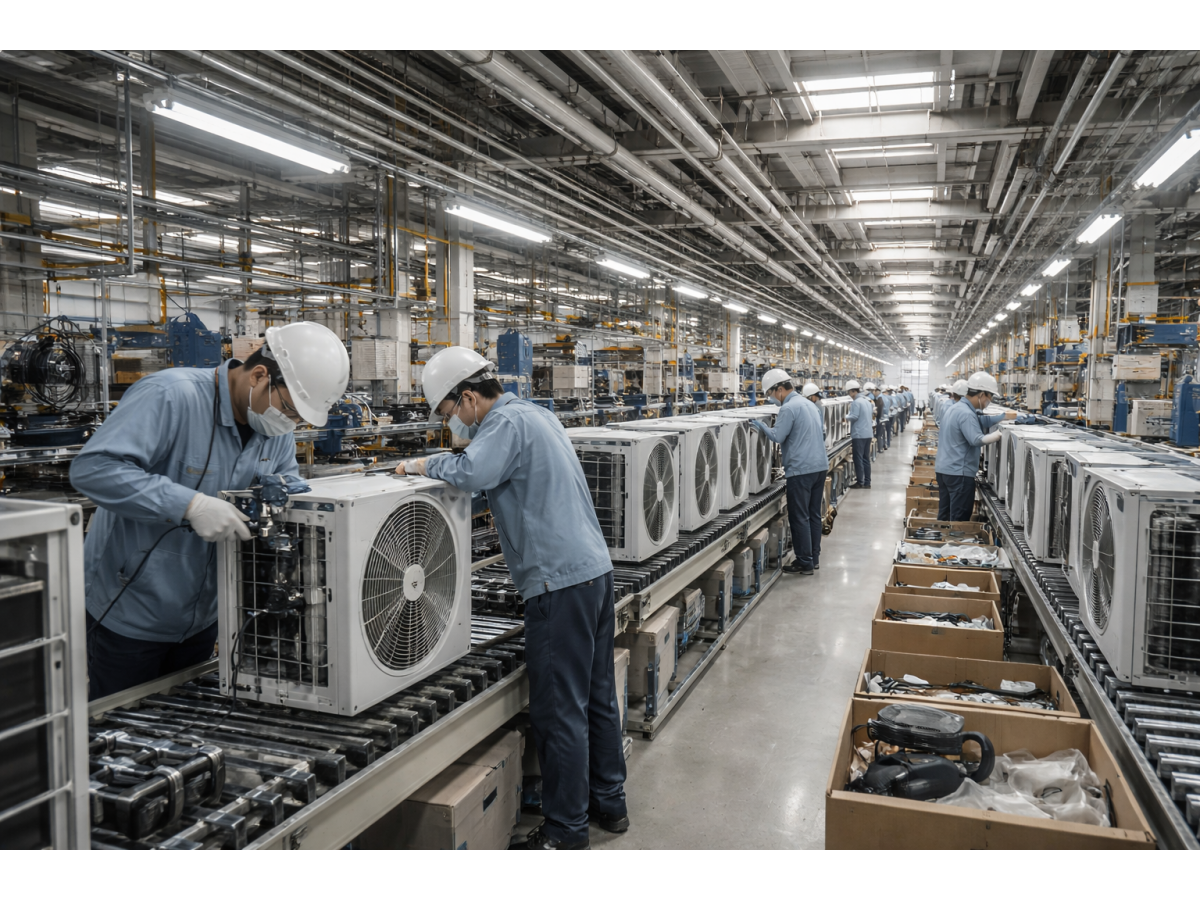
For power electronics manufacturers, fastener sourcing often begins with an engineering drawing rather than a standard catalog number.
JUXIN supports an OEM workflow covering:
Drawing → Engineering Review → Prototype → Sample Approval → Mass Production → Inspection → Export Packaging
During engineering review, key specifications can include:
Material
Thread type
Thread size
Overall dimensions
Sheet thickness
Installation method
Surface treatment
Mechanical requirements
Inspection criteria
Packaging requirements
This process helps align the fastener specification with the actual mechanical requirements of the equipment.
JUXIN fastening solutions can support a range of industries where power conversion and high-density electrical systems are used.
UPS systems, power supplies, DC power architectures, cooling equipment and electrical cabinets.
DC-DC converters, onboard chargers, power electronics, battery systems and thermal-management assemblies.
Battery energy storage systems, power conversion systems, battery cabinets and electrical enclosures.
Solar inverters, energy conversion equipment and power distribution systems.
Industrial power supplies, motor drives, converters and electrical control equipment.
Telecom power systems, backup power equipment and equipment enclosures.
High-precision power supplies, control systems and thermal-management equipment.
High-voltage power electronics, electrical cabinets, conversion equipment and emerging solid-state transformer systems.
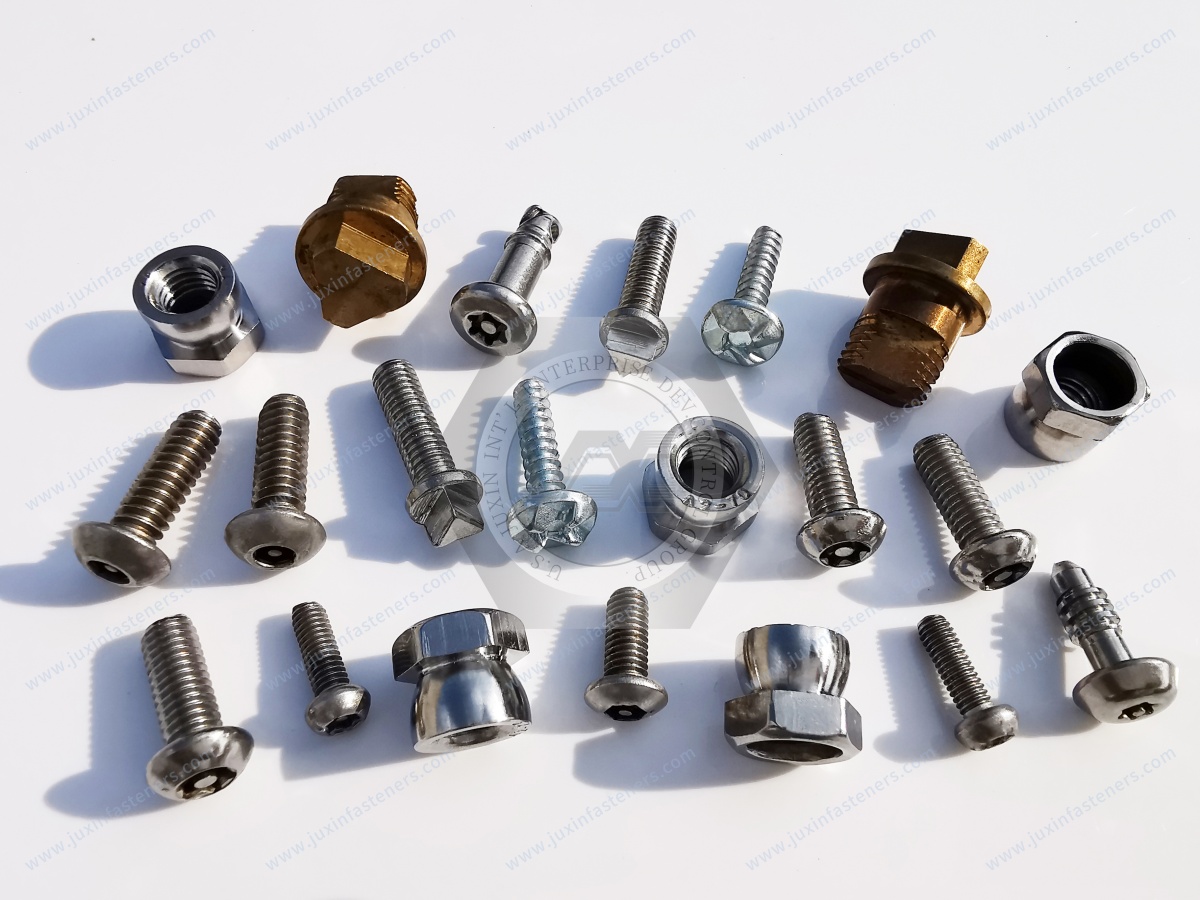
For procurement and supply-chain managers, a suitable fastener supplier must support more than individual component sourcing.
JUXIN provides:
OEM Manufacturing
Custom fasteners and precision components produced according to customer drawings and specifications.
Engineering Review
Technical evaluation of materials, dimensions, threads, installation methods and application requirements.
Multiple Manufacturing Processes
Cold forging, screw heading, stamping and CNC machining capabilities.
Integrated Product Range
Fasteners, threaded inserts, weld components and CNC machined parts from one supplier.
Surface Treatment Options
Finishing solutions for specified corrosion and environmental requirements.
Quality Control
Dimensional and functional inspection according to product and customer requirements.
International OEM Supply
Industrial fastener supply for international equipment manufacturers and engineering applications.
Whether you are developing an AC-DC power supply, DC-DC converter, UPS system, SiC power module, solid-state transformer, energy storage system or high-power electrical equipment,
the fastening system should be evaluated as part of the complete mechanical design.
JUXIN can review your drawings, specifications or RFQ requirements and help identify suitable:
Precision screws
Custom bolts
Self-clinching fasteners
Rivet nuts
Thread inserts
Weld nuts
High-strength fasteners
Stainless steel fasteners
Locking nuts
CNC machined components
Send your technical drawings or RFQ requirements to:
JUXIN — Industrial Fasteners and Custom Components for Power Electronics and OEM Equipment
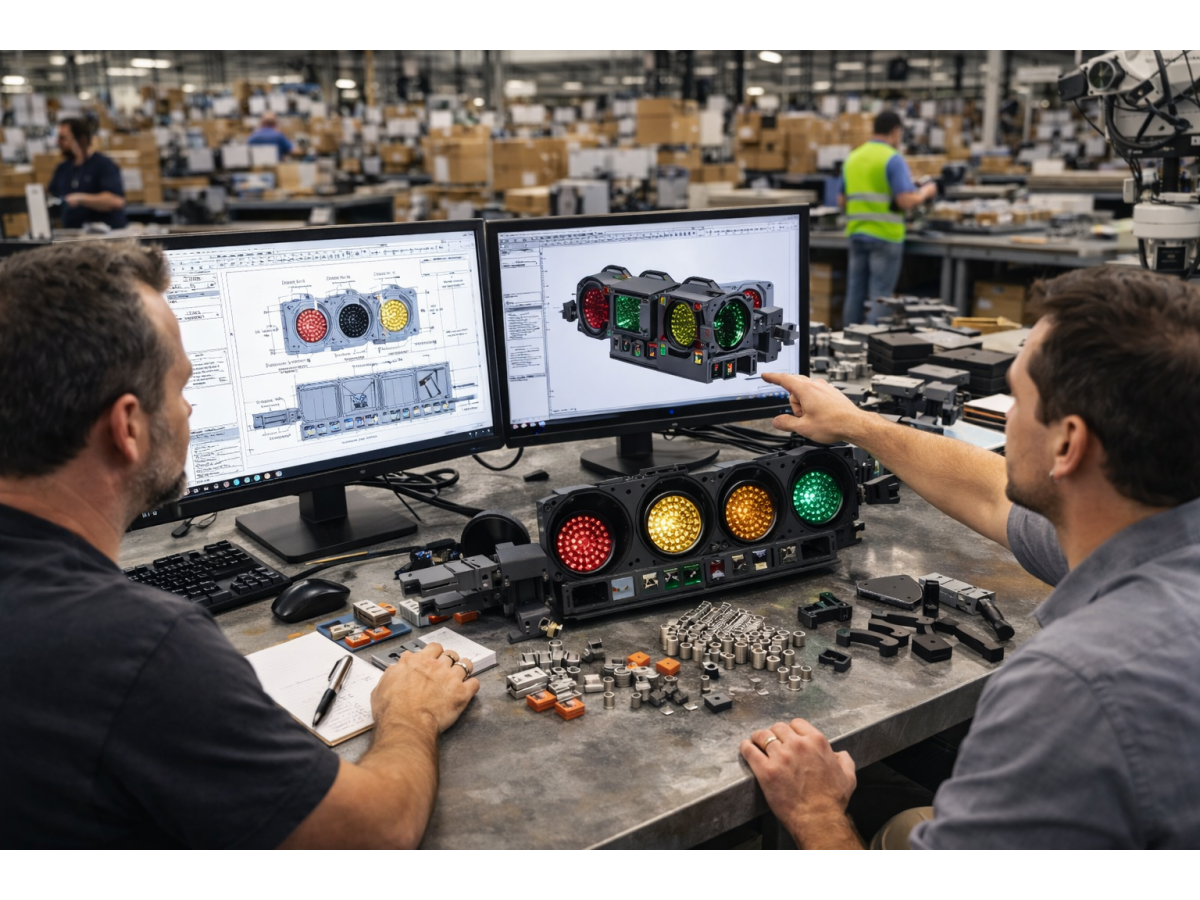
Power electronics equipment can use precision screws, bolts, self-clinching nuts, rivet nuts, threaded inserts, weld nuts and other custom fastening components.
The appropriate solution depends on the equipment structure, material, load, thermal environment and assembly method.
UPS equipment can use self-clinching fasteners, rivet nuts, screws, bolts, weld nuts and custom components for cabinets, battery structures, power electronics, cooling systems and internal brackets.
AC-DC converters may require screws, self-clinching nuts, rivet nuts and custom fasteners for housings, heat sinks, cooling systems, PCB structures, electrical shields and mounting brackets.
DC-DC converter assemblies can use precision screws, self-clinching fasteners, thread inserts and custom components for converter housings, power modules, cooling plates, heat sinks and mounting structures.
Yes. JUXIN can supply precision fastening components for power electronics assemblies, including screws, bolts, self-clinching fasteners, threaded inserts and CNC machined components.
Final selection should be based on the module manufacturer's mechanical requirements.
Yes. JUXIN supports drawing-based OEM manufacturing for custom screws, bolts, threaded fasteners, inserts and precision CNC machined components.
Yes. JUXIN can support mechanical fastening requirements for power conversion equipment, electrical enclosures, cooling structures, mounting systems and other SST-related assemblies.
Useful information includes engineering drawings, material, thread specification, dimensions, surface treatment, estimated annual quantity, inspection requirements and packaging specifications.
For power electronics fasteners, UPS fasteners, AC-DC converter fasteners, DC-DC converter fasteners, SiC module fasteners, solid-state transformer fasteners and custom OEM fastening solutions, contact:
 MORE NEWS
Sep. 25, 2026
Sep. 25, 2026
Sep. 25, 2026
Contact Us
Tel.:
+86 020 8621 0320
+86 020 3121 6067
E-mail:
Technical Support:
Navigation
SEND INQUIREY