
Call Us
+86 136 6007 9809
Call Us
+86 136 6007 9809

May. 24, 2026
Rail Transit Fastener Engineering Solution
Bogie and Interior System Anti-Loosening Fastener Design Guide
1. Engineering Background: Dynamic Load Environment in Rail Transit Systems
Rail transit vehicles operate under continuous vibration, cyclic shock loads, and multi-directional stress conditions. Key assemblies such as bogie systems, carbody structures, and interior modules must maintain long-term structural stability under:
High-frequency vibration (wheel–rail interaction)
Temperature cycling (-40°C to +85°C)
Humidity and salt spray exposure
Continuous dynamic preload loss risk
In these conditions, conventional fastening methods such as standard hex bolts or basic nuts often experience:
Preload relaxation
Thread fretting and wear
Self-loosening under lateral vibration
Corrosion-induced seizure
For this reason, rail OEMs are increasingly adopting engineered rail transit fastener systems, including:
Anti-loosening wedge lock washers
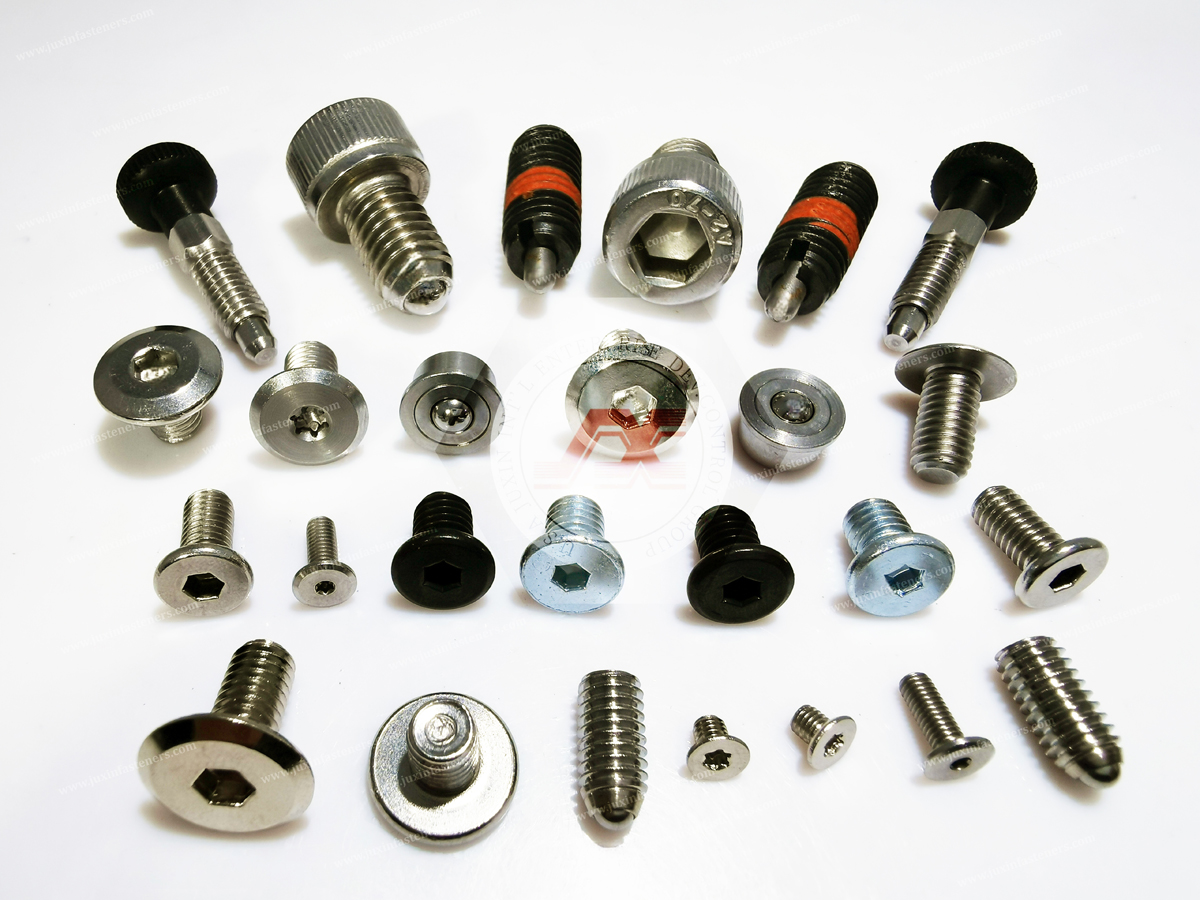
High-strength locking bolts
Structural rivets
Grounding studs
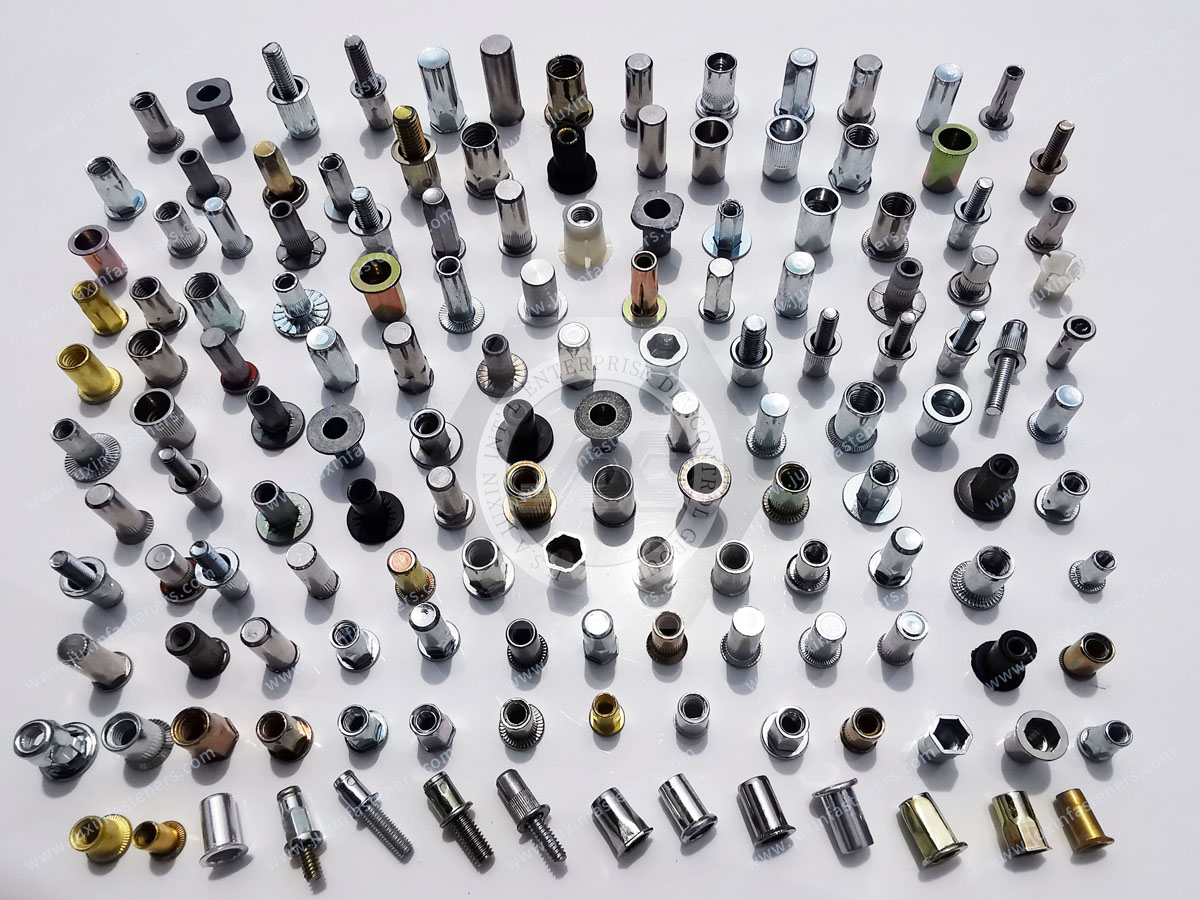
Stainless steel rivet nuts and blind rivet nuts
2. Bogie System Fastening: High-Vibration Structural Stability
The bogie is the most mechanically stressed subsystem in rail vehicles.
Key requirements:
Resistance to cyclic fatigue loads
Stable clamp force retention
Anti-loosening under lateral vibration
Thermal expansion compatibility
Recommended fastening solutions:
Grade 10.9 / 12.9 high-strength bolts
Wedge-locking washers (mechanical anti-loosening system)
Structural rivets for auxiliary frames
Slotted self-locking nuts for maintenance-critical joints
Engineering principle:
Unlike chemical thread-locking compounds, wedge-locking washer systems generate mechanical tension through a surface-angle mismatch, ensuring preload stability even under severe vibration (as validated by Junker test standards).
3. Carbody Structure Fastening: Lightweight + Corrosion Resistance
Carbody assemblies require a balance between:
Lightweight design (aluminum alloy structures)
High corrosion resistance
Aesthetic surface quality
Fire safety compliance
Recommended products:
Stainless steel rivet nuts (304 / 316 / duplex stainless steel)
Blind rivet nuts for single-side installation
Countersunk head rivet nuts for flush surface design
Structural blind rivets (multi-grip / bulb type)
Engineering advantage:
Rivet nut systems eliminate welding distortion in thin sheet metal (0.5–6 mm), while maintaining high pull-out resistance and enabling single-side installation in closed sections.
4. Interior System Applications: Comfort and Maintenance Efficiency
Interior modules must support:
Frequent assembly and disassembly
Lightweight aluminum structures
Fire resistance compliance (EN 45545)
Noise and vibration damping compatibility
Typical applications:
Luggage racks
Seat frames
Handrails
Ceiling and panel systems
Fastener selection:
Hexagonal anti-rotation rivet nuts
Cage nuts for cabinet systems
Self-clinching nuts for thin panels
Locking bolts for removable assemblies
Engineering note:
Hexagonal rivet nuts provide anti-rotation performance by mechanically interlocking with sheet metal, preventing torque-induced spin during installation.
5. Electrical & Power Systems: Safety-Critical Fastening Design
Power supply systems require high reliability under electrical and mechanical stress.
Key requirements:
Vibration resistance
Electrical grounding stability
Fire resistance (EN 45545 compliance)
Corrosion protection in humid environments
Recommended solutions:
Grounding studs for equipotential bonding
Stainless steel rivet nuts with conductive plating
Lock nuts (nylon insert / all-metal types)
Anti-loosening washers (spring / conical serrated type)
Engineering function:
Grounding studs provide controlled discharge paths for leakage current, reducing the risk of electromagnetic interference in control systems.
6. Anti-Loosening Engineering Technologies
Fastener failure in rail transit is primarily caused by preload loss due to vibration, not by initial tightening error.
Core technologies:
1. Wedge Locking Systems
Purely mechanical locking
No adhesive dependency
Verified under EN 61373 vibration standard
2. Torque-Controlled Assembly
Torque tolerance ±5–10%
Maintains 90–95% preload retention
3. Surface Engineering
Dacromet coating
Zinc-nickel plating
PTFE anti-friction coating
4. Material Optimization
Low-alloy high-strength steel
Controlled grain refinement heat treatment
Stainless steel 304/316 for corrosion zones
7. Manufacturing & Quality Control Standards
Rail transit fasteners must comply with strict OEM-level standards:
IATF 16949 automotive quality system
EN 15085 welding and structural safety (where applicable)
EN 45545 fire protection standard
ISO 898-1 mechanical property classification
Production processes:
Cold heading forming (high efficiency, low defect rate)
Thread rolling (fatigue resistance improvement)
CNC precision machining
Full traceability batch control
8. Engineering Value Summary
A properly engineered rail transit fastener system provides:
Up to 70% reduction in maintenance-related disassembly
Significant improvement in vibration fatigue life
Stable preload retention under long-term dynamic load
Reduced lifecycle maintenance cost (TCO optimization)
Higher assembly efficiency in OEM production lines
9. Conclusion: From Components to Engineering Systems
Modern rail transit fastening is no longer a component-level procurement task. It is a system engineering problem involving load, vibration, corrosion, and lifecycle reliability.
By integrating:
Structural rivet technology
Anti-loosening mechanical systems
Precision manufacturing processes
OEM-level quality control systems
Rail manufacturers can achieve higher reliability, lower maintenance frequency, and improved lifecycle safety performance.
 MORE NEWS
Sep. 27, 2026
Sep. 27, 2026
Sep. 27, 2026
Contact Us
Tel.:
+86 020 8621 0320
+86 020 3121 6067
E-mail:
Technical Support:
Navigation
SEND INQUIREY