
Call Us
+86 136 6007 9809
Call Us
+86 136 6007 9809

May. 20, 2026
Rail Transit Fastener Solutions
High-Reliability Anti-Loosening Fastening Systems for Bogies, Carbody Structures & Interior Railway Applications
In modern rail transit engineering, fasteners are no longer simple mechanical components—they are critical safety elements that determine structural stability, vibration resistance, maintenance efficiency, and passenger safety across the entire lifecycle of trains.
As high-speed rail, metro systems, and urban transit networks evolve toward higher speeds, lightweight structures, and intelligent operation, demand is increasing for advanced rail transit fastener solutions, including high-strength bolts, locknuts, wedge-lock washers, rivet nuts, structural rivets, and anti-loosening fastening systems.
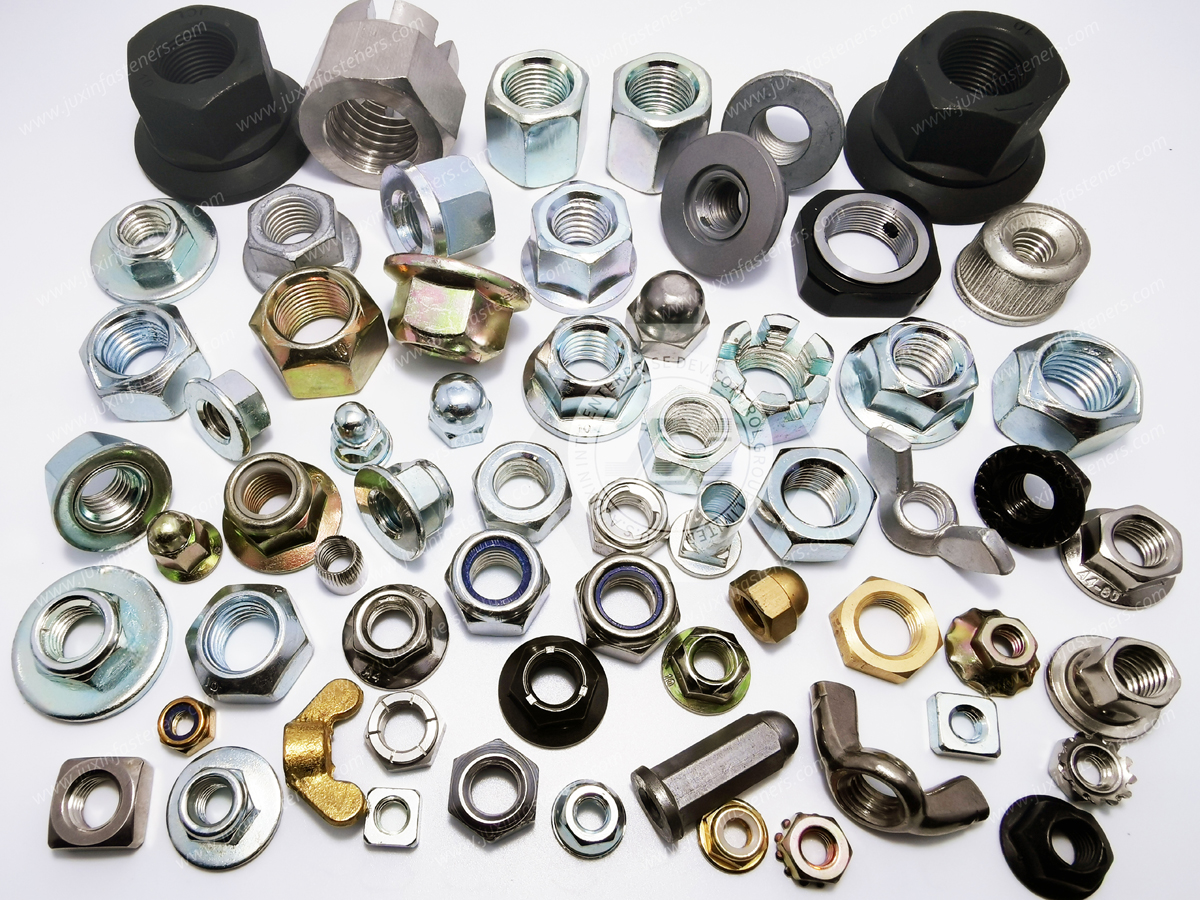
1. Engineering Requirements for Rail Transit Fastening Systems
Rail transit vehicles operate under extreme and continuously changing conditions:
High-frequency vibration and dynamic shock loads
Temperature fluctuations from -40°C to +85°C
Long-term fatigue stress from cyclic loading
Humidity, corrosion, and fire safety requirements
High maintenance efficiency demands
Therefore, rail transit fasteners must ensure:
Long-term clamp load stability
High vibration resistance
Corrosion and fire resistance
Easy installation and maintenance
Compliance with EN, IRIS, and ISO railway standards
2. Core Application Scenarios in Rail Transit Systems
2.1 Bogie Systems – High-Load Structural Fastening
The bogie is the core load-bearing system of a train, responsible for:
Weight distribution
Traction and braking force transmission
Shock and vibration absorption
Recommended Fastener Solutions:
High-strength rail transit bolts (Grade 8.8 / 10.9 / 12.9)
Wedge-locking washers
Anti-loosening nut systems
Structural rivet fasteners for reinforcement points
Engineering Requirements:
Stable clamp load retention under vibration
Resistance to alternating stress fatigue
Thermal expansion compensation
Long service life with minimal maintenance
2.2 Carbody Structures – Safety-Critical Fastening Systems
Carbody assemblies require high structural integrity and passenger safety assurance.
Typical Applications:
Load-bearing structural frames
Door systems and emergency structures
Grounding and safety bonding points
Recommended Fasteners:
Locking bolts for rail carbody structures
Grounding studs for electrical safety bonding
High-strength structural rivets
Anti-loosening washer systems
Key Requirements:
High corrosion resistance
Fire safety compliance
Stable mechanical connection under vibration
Easy assembly and disassembly
2.3 Interior Cabin Systems – Lightweight & Aesthetic Fastening
Interior components require both lightweight engineering and passenger comfort design.
Applications:
Luggage racks
Seat frames
Handrails
Folding tables and interior panels
Recommended Rail Transit Fasteners:
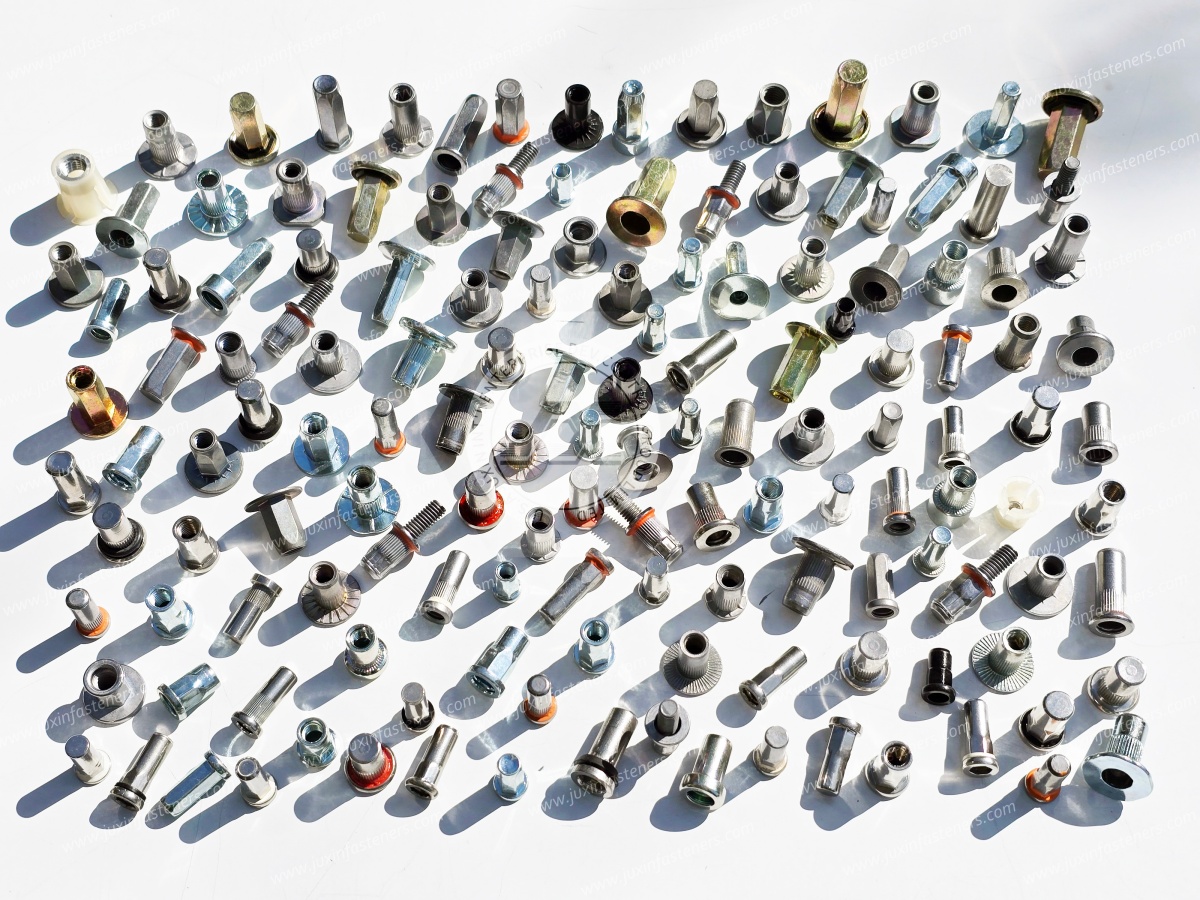
Threaded inserts (rivet nuts / blind rivet nuts)
C-channel fastening systems
Lightweight aluminum fasteners
Decorative-cap fasteners for aesthetic integration
Engineering Benefits:
Lightweight structure optimization
Hidden or aesthetic installation design
High safety under daily passenger load
Compatible with aluminum and composite materials
2.4 Power Supply & Cable Systems – Electrical Safety Fastening
Electrical systems in rail transit require high reliability and fire resistance.
Applications:
Cable routing systems
Electrical cabinets
Power distribution units
High-voltage connection points
Recommended Fasteners:
Coated blind rivet nuts
Elastic conical washers
Locking-tab cable fastening systems
Grounding studs for equipotential bonding
Key Requirements:
Fire resistance compliance
High vibration stability
Corrosion protection
Fast maintenance and replacement capability
3. Anti-Loosening Technologies in Rail Transit Fasteners
3.1 Wedge-Locking Washer Systems
Wedge-lock washers for rail transit fasteners provide superior anti-loosening performance by:
Creating mechanical interlocking between surfaces
Preventing rotation under vibration
Maintaining preload without chemical adhesives
Performance Validation:
Verified through Junker vibration testing
Stable performance under extreme dynamic loads
3.2 Optimized Washer Structural Design
Engineering improvements include:
Reduced inner diameter for improved axial stress
Increased thickness for higher preload retention
Friction groove optimization for vibration adaptation
Result:
Improved clamp load stability
Enhanced long-term fastening reliability
3.3 Torque Control and Material Matching
Advanced engineering ensures:
Controlled tightening torque calibration
Compensation for rubber damping elastic recovery
90%–95% axial force retention stability
This is critical for rail transit bolt and nut fastening systems under dynamic loads.
3.4 Surface Treatment and Material Upgrades
High-performance rail fasteners utilize:
Dacromet coating systems
Electro-galvanized corrosion protection
Low-alloy boron steel materials
Precision heat treatment processes
Benefits:
Improved fatigue resistance
Enhanced corrosion protection
Longer service life under harsh environments
4. Rivet Nut & Blind Rivet Nut Systems in Rail Transit
4.1 Structural Rivet Nut Applications
Rail transit rivet nut fastening systems are widely used in:
Interior cabin structures
Electrical enclosures
Thin-wall carbody assemblies
Lightweight aluminum components
Key Advantages:
Single-sided installation
High vibration resistance
No welding required
Ideal for maintenance-friendly designs
4.2 Structural Rivets for High-Load Applications
For critical structural joints:
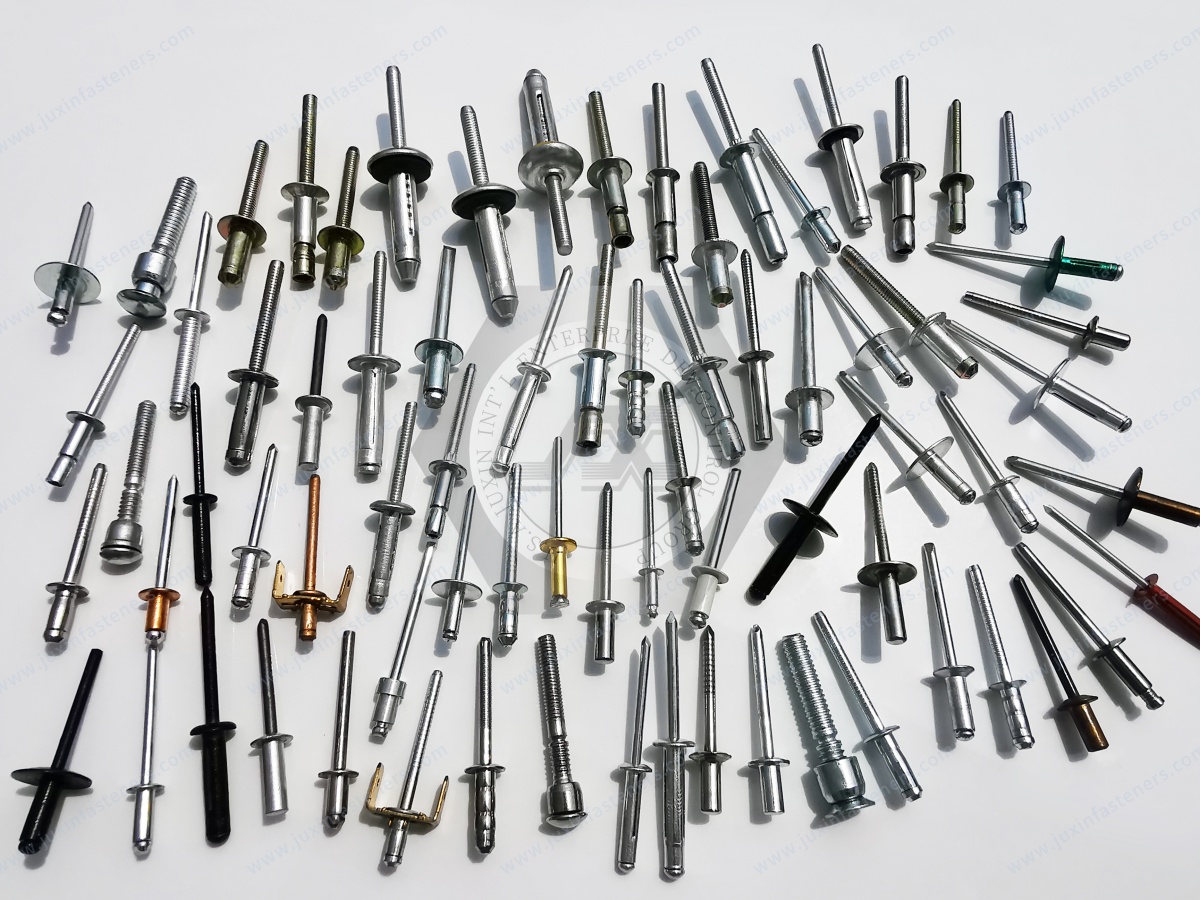
Internal-locking pull-mandrel rivets
External-locking structural rivets
Multi-grip high-strength rivets
Engineering Benefits:
Higher shear strength than standard rivets
Excellent anti-loosening performance
Stable performance under long-term vibration
5. Intelligent Monitoring and Digital Fastening Systems
Modern rail transit fastening systems are evolving into intelligent lifecycle solutions.
5.1 Digital Axial Force Monitoring Systems
Real-time preload monitoring
Loosening risk prediction
Sensor-based fastening data collection
5.2 Smart Maintenance Integration
Predictive maintenance alerts
Data-driven inspection scheduling
Reduced downtime and maintenance cost
5.3 Customized Fastener System Solutions
We provide:
Standard rail transit fasteners
High-strength custom bolts and nuts
Non-standard structural fastening solutions
Lightweight and corrosion-resistant material systems
6. Industry Development Trends
The rail transit fastener industry is moving toward:
High-strength material innovation
Lightweight structural design
Fully digitalized maintenance systems
Integrated smart fastening platforms
Enhanced safety and lifecycle reliability
Future systems will combine mechanical engineering + digital monitoring + intelligent maintenance, redefining rail transit safety standards.
Conclusion
Rail transit fastener solutions, including high-strength bolts, wedge-lock washers, locking nuts, rivet nuts, structural rivets, and grounding studs, form the backbone of modern railway safety systems.
By integrating anti-loosening technology, corrosion-resistant materials, precision engineering, and intelligent monitoring systems, rail transit fasteners ensure:
Safe and stable train operation
High passenger comfort and safety
Reduced maintenance costs
Long-term structural reliability
As rail systems continue to evolve toward higher speed and intelligence, advanced rail transit fastening systems will remain a critical foundation for global railway safety and performance.
 MORE NEWS
Sep. 27, 2026
Sep. 27, 2026
Sep. 27, 2026
Contact Us
Tel.:
+86 020 8621 0320
+86 020 3121 6067
E-mail:
Technical Support:
Navigation
SEND INQUIREY