
Call Us
+86 136 6007 9809
Call Us
+86 136 6007 9809

Sep. 30, 2026
A railway vehicle contains far more fastening applications than the highly visible bolts used in major structural assemblies.
Behind ceiling panels, lighting systems, wall linings, electrical cabinets, passenger-area equipment, sanitary modules, HVAC interfaces, cable routes,
partitions, access panels, and equipment enclosures are hundreds or thousands of smaller fastening points that must remain reliable throughout years of vibration,
maintenance, cleaning, temperature variation, and repeated passenger service.
For rolling stock engineers, the fastening question is therefore not simply:
“Which bolt or rivet fits this hole?”
The more useful question is:
“Which fastening architecture best matches the material, access condition, vibration environment, maintenance requirement,
electrical requirement, and railway project specification of this assembly?”
For procurement and supplier-development teams, another question follows:
“Can one supplier support multiple railway fastening technologies while maintaining drawing control, material and finish requirements,
inspection, traceability, samples, and second-source qualification?”
JUXIN FASTENERS supplies metal and engineering-plastic fastening components for railway and transportation equipment,
with previous supply experience supporting railway applications in Hong Kong and Australia.
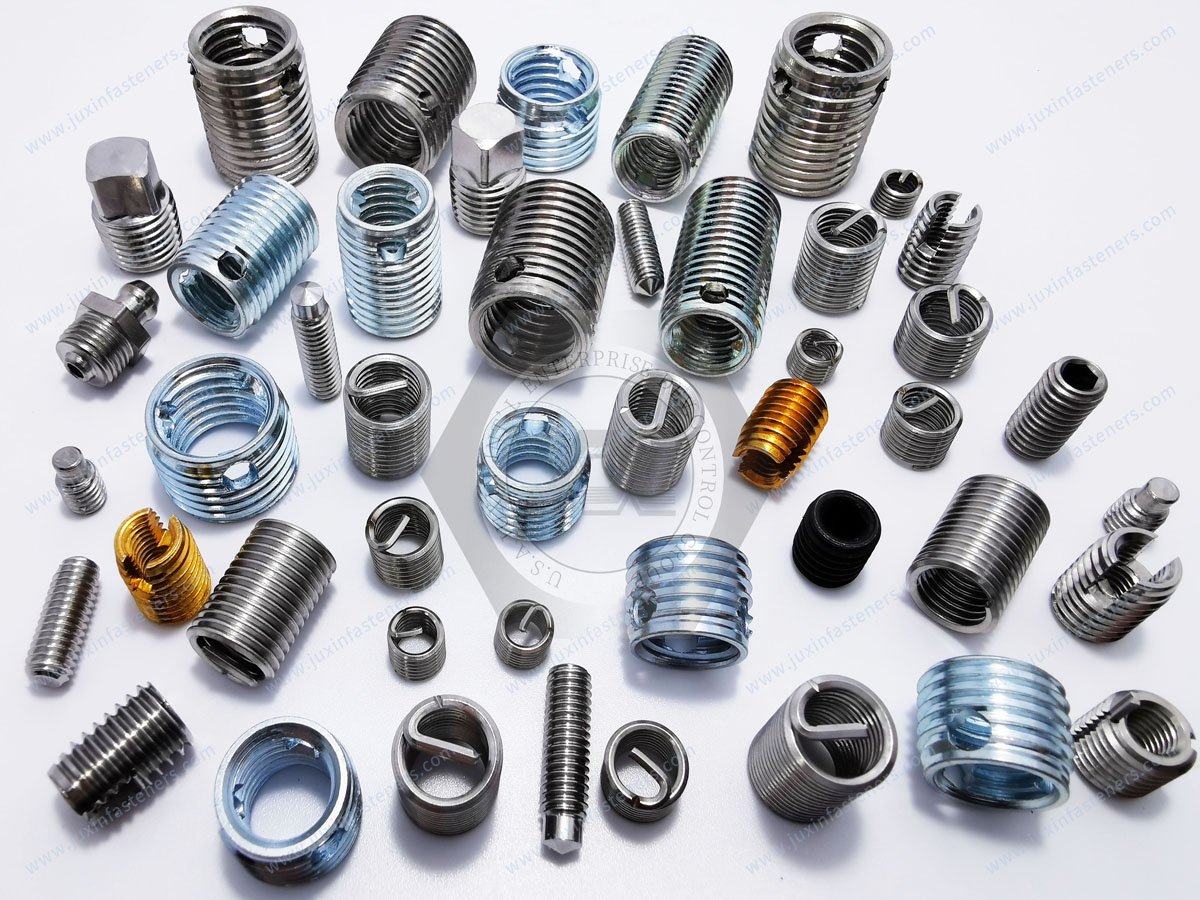
Our railway-related product scope includes blind rivets, structural blind rivets, rivet nuts, weld nuts, weld studs, threaded inserts,
self-clinching hardware, locking nuts, stainless steel fasteners, cable-management components, engineering-plastic fasteners, and custom parts manufactured from customer drawings.
For safety-critical structural, running-gear, braking, pressure, or other regulated railway applications,
fastener selection and qualification must follow the rolling-stock OEM's approved drawing, applicable railway standard, validation plan, and project-specific requirements.
A railway vehicle contains very different mechanical environments.
A fastener used behind an interior lighting panel does not have the same engineering requirements as one used in a heavy mechanical assembly.
Similarly, a nylon cable clip cannot be evaluated using the same criteria as a steel structural blind rivet.
The first step is therefore to divide the vehicle into functional fastening zones.
Rolling-stock interiors commonly use modular panels and lightweight structures to reduce vehicle mass and improve maintenance accessibility.
Potential fastening applications include:
ceiling panels;
wall panels;
decorative covers;
access panels;
trim assemblies;
interior brackets;
partitions;
service panels.
These assemblies can create several engineering challenges:
thin sheet materials;
aluminum extrusions;
restricted rear access;
visible surfaces;
vibration;
repeated removal during maintenance.
Depending on the joint architecture, suitable fastening technologies can include:
blind rivets;
rivet nuts;
threaded inserts;
self-clinching fasteners;
machine screws;
locking nuts;
plastic retention hardware.
The correct choice depends on whether the joint is permanent, semi-permanent, or regularly serviceable.
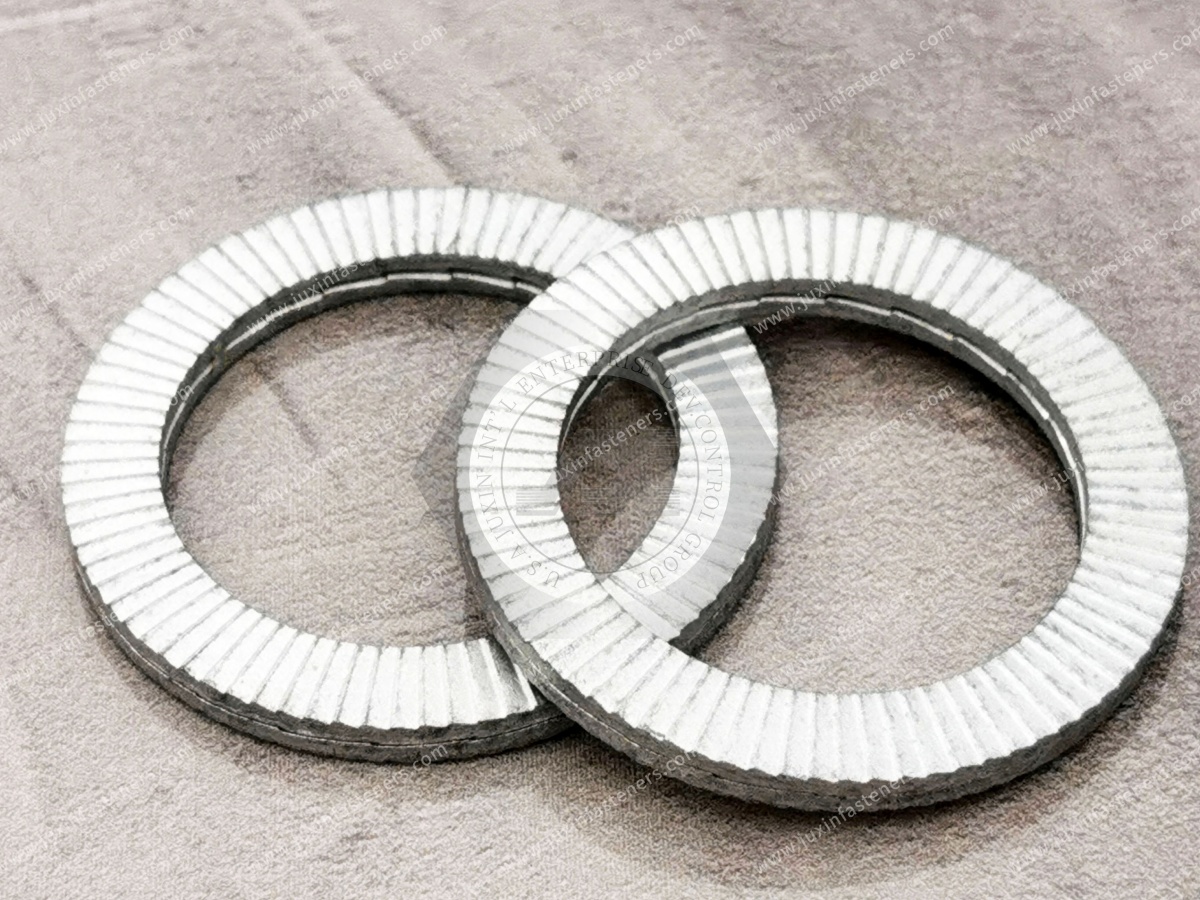
Lighting systems create a different set of fastening requirements.
Potential applications include:
ceiling lighting;
interior LED modules;
light housings;
mounting brackets;
cable routing;
covers and diffusers.
Fasteners may need to support lightweight components while also allowing efficient assembly and future servicing.
Potential solutions can include:
machine screws;
rivet nuts;
threaded inserts;
blind rivets;
nylon fasteners;
cable clips;
insulating washers or spacers.
Where electrical insulation or weight reduction is important, engineering polymers may offer useful advantages.
However, polymer selection must consider the actual railway environment and applicable fire-performance requirements.
Railway electrical and control equipment requires reliable fastening while maintaining service access.
Typical fastening points can include:
cabinet panels;
internal brackets;
equipment mounting plates;
terminal-support components;
cable-routing hardware;
access covers.
For thin sheet-metal cabinets, traditional tapping may provide insufficient thread engagement.
Alternative technologies can include:
rivet nuts;
self-clinching nuts;
self-clinching studs;
threaded inserts;
weld nuts;
blind rivets.
Selection should consider sheet thickness, rear-side access, required service cycles, installation equipment, vibration, and electrical requirements.
Railway vehicles contain extensive electrical wiring for lighting, passenger information systems, control equipment, communication systems, sensors, doors, HVAC equipment, and other functions.
Cable-management components can include:
nylon cable clips;
cable clamps;
push-in retainers;
mounting clips;
insulating standoffs;
plastic rivets;
metal clamps.
The primary engineering requirement is not simply holding the cable in place.
A cable-management component should be evaluated for:
cable diameter;
bundle weight;
mounting-hole geometry;
vibration;
installation force;
removal requirements;
temperature;
electrical insulation;
material compatibility;
fire-performance requirements where applicable.
A clip that works in general industrial equipment should not automatically be assumed suitable for railway use without reviewing the railway project requirements.
Passenger-area assemblies can include:
brackets;
sanitary-module hardware;
toilet accessories;
interior equipment;
covers;
partitions;
service fixtures;
mounting structures.
These applications often combine several requirements:
Vibration Resistance + Appearance + Serviceability + Corrosion Resistance + Controlled Assembly
Fastener selection may therefore involve stainless steel screws, locking nuts, rivet nuts, blind rivets, threaded inserts, washers, plastic fasteners, or drawing-based special parts.
The best solution depends on the assembly rather than the industry name alone.
One of the most important railway fastening problems is restricted access.
Modern rolling stock makes extensive use of:
hollow sections;
aluminum extrusions;
closed profiles;
modular interior structures;
sheet-metal enclosures.
Once the assembly is closed, the rear side of the joint may become inaccessible.
This creates demand for blind-side fastening.
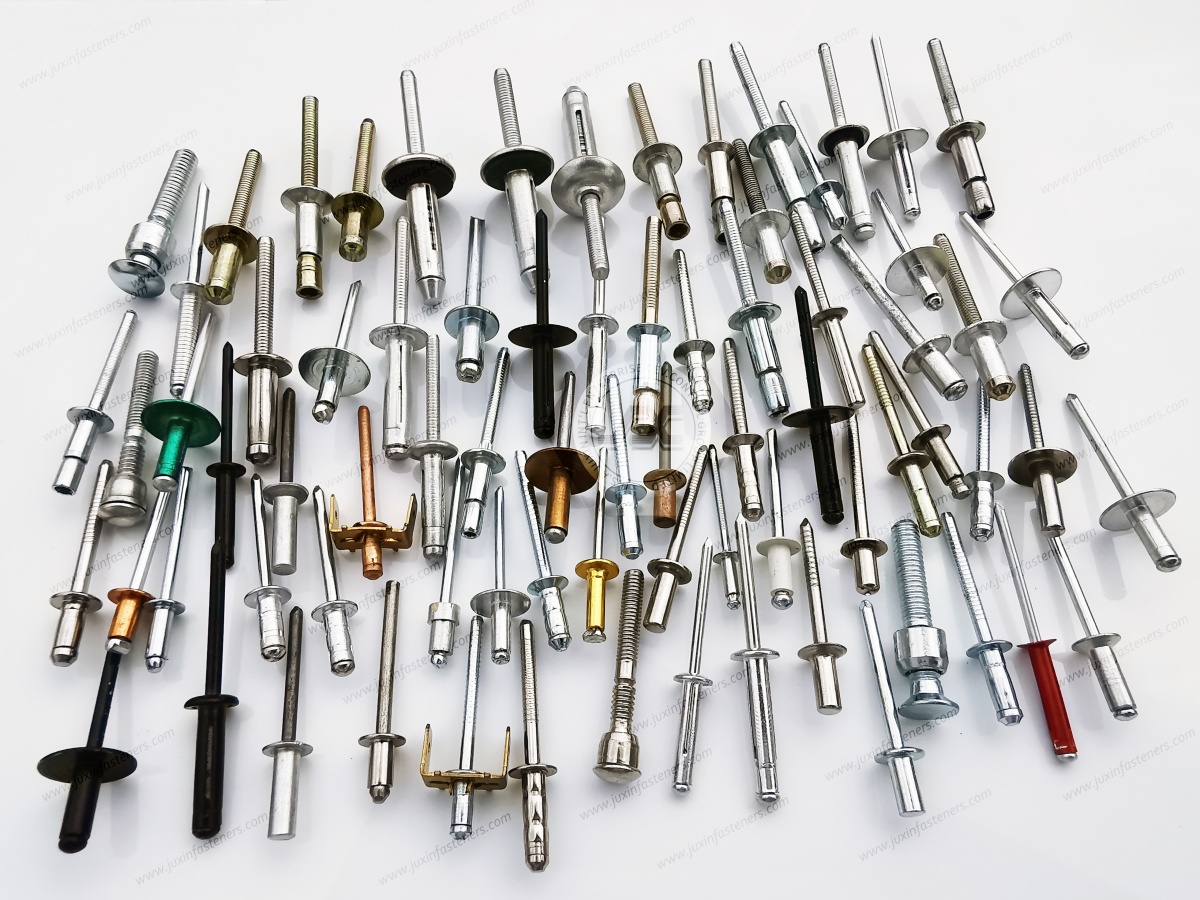
Blind rivets can be installed from one side of the assembly.
Depending on the rivet design and application, they can provide:
rapid installation;
permanent assembly;
suitability for thin materials;
compatibility with restricted rear access.
Structural blind rivets are used where higher mechanical performance is required than conventional general-purpose blind rivets.
Selection should consider:
rivet diameter;
hole diameter;
grip range;
body material;
mandrel material;
shear load;
tensile load;
mandrel retention;
corrosion environment.
For railway applications, do not select a structural blind rivet solely from nominal diameter.
The complete joint must be reviewed.
A blind rivet creates a permanent connection.
But many railway components must be removed during inspection or maintenance.
A rivet nut provides an internal machine thread in a thin sheet or closed section while requiring installation access from only one side.
Potential applications include:
access panels;
equipment covers;
electrical cabinets;
interior modules;
serviceable brackets.
Important selection factors include:
sheet thickness;
grip range;
hole size;
body style;
knurl geometry;
head style;
material;
thread size;
installation force;
torque resistance;
push-out resistance.
This makes rivet nuts particularly useful where blind access and future serviceability occur together.
Where both sides of the panel are accessible during manufacturing, self-clinching nuts, studs, and standoffs can create permanent threaded mounting points in thin sheet.
Potential railway applications include:
electrical cabinets;
electronic equipment housings;
control panels;
equipment enclosures;
interior subassemblies.
Self-clinching fasteners depend on controlled displacement of the parent sheet.
Therefore, engineers must verify:
sheet material;
sheet hardness;
minimum thickness;
hole diameter;
edge distance;
installation force.
They should not be substituted solely by thread size.
For suitable steel structures and fabricated brackets, weld nuts and weld studs can provide permanent threaded attachment points.
Potential applications can include fabricated equipment brackets, mounting structures, housings, and other welded assemblies where the customer's design specifies welded fastening.
Relevant factors include:
parent material;
fastener material;
projection geometry;
welding process;
sheet thickness;
weld parameters;
required push-out or torque performance;
surface treatment sequence.
A weld fastener should therefore be evaluated as part of the welding process rather than only as a threaded component.
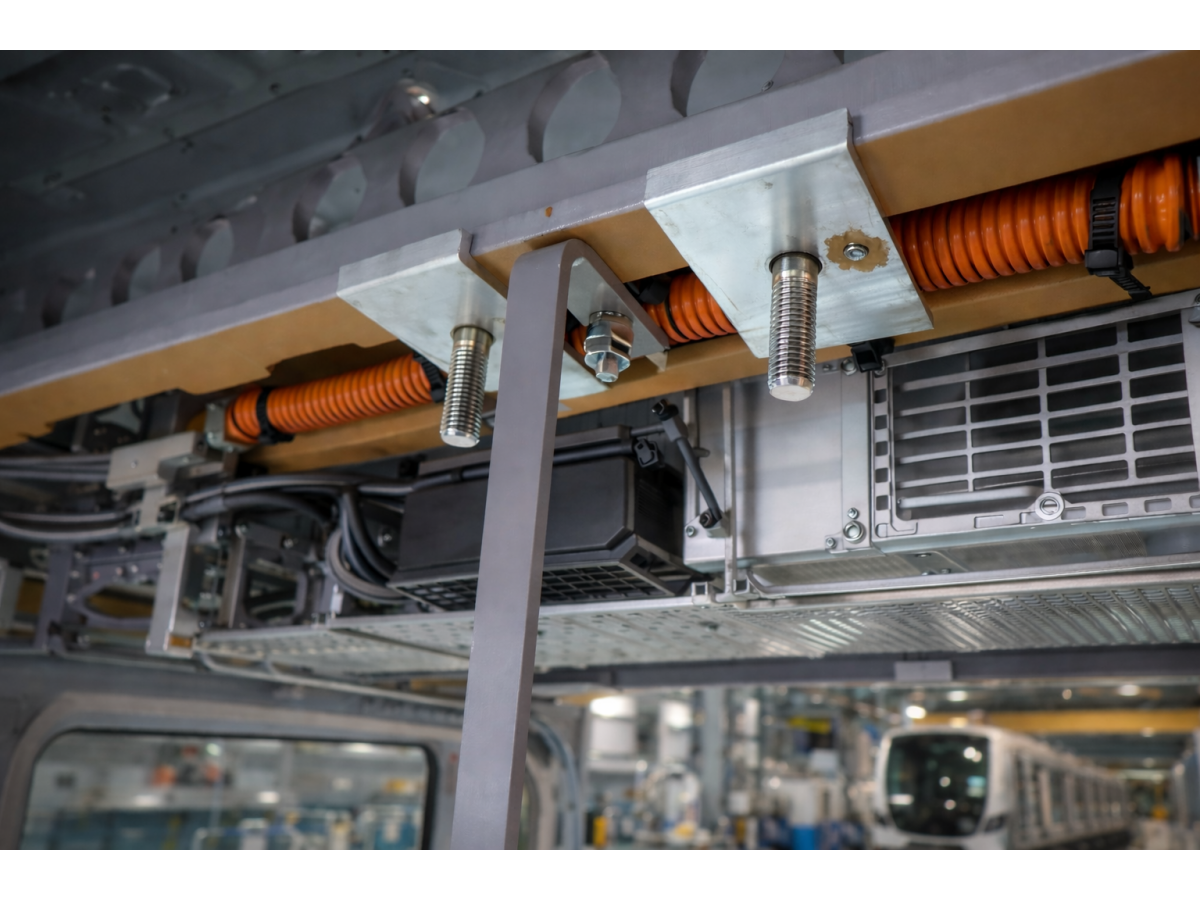
Railway equipment is exposed to vibration, but the statement:
“Railways vibrate, therefore use a lock washer”
is not an engineering solution.
Threaded joint loosening can depend on:
initial preload;
transverse joint movement;
joint stiffness;
bearing-surface settlement;
friction;
thermal cycling;
fastener geometry;
locking method.
The correct vibration-resistant strategy begins by understanding the failure mechanism.
Prevailing-torque nuts introduce resistance to relative thread rotation.
Depending on temperature, reuse requirements, and application, solutions can include:
nylon insert lock nuts;
all-metal lock nuts;
other application-specific prevailing-torque designs.
Polymer insert lock nuts and all-metal lock nuts should not automatically be treated as equivalent.
Temperature, vibration, serviceability, reuse, corrosion, and customer specifications should be considered.
Traditional split spring washers are widely used, but they should not automatically be specified as the primary solution to severe vibration-induced rotational loosening.
Belleville washers and disc springs can provide controlled elastic behavior in appropriate applications, but elastic preload compensation and positive anti-rotation locking are different functions.
For railway threaded joints:
Preload Retention ≠ Rotational Locking
The correct locking technology depends on the actual joint.
Reducing vehicle mass is important in rolling-stock design.
Engineering plastics can reduce weight and provide useful electrical insulation, corrosion resistance, and assembly advantages.
However:
Plastic Fastener ≠ Lightweight Replacement for Every Metal Fastener
Plastic components are best selected where their mechanical, thermal, environmental, electrical, and fire-performance characteristics match the application.
Potential railway uses can include:
cable management;
electrical isolation;
light-duty panel retention;
spacers;
washers;
clips;
interior hardware.
Structural load-bearing applications require separate engineering evaluation.
Aluminum is widely used in lightweight transportation structures and interior systems.
Fastening aluminum creates several design considerations.
Aluminum is softer than many steel fasteners.
Small bearing areas can create local indentation.
Washers, flanges, or larger bearing surfaces may be required depending on the joint.
When dissimilar metals are electrically connected in the presence of an electrolyte, galvanic corrosion can occur.
The risk depends on:
material combination;
coating;
moisture;
electrolyte;
contact area;
environmental exposure.
Material and surface-treatment selection should therefore consider the actual railway environment.
Thin aluminum sections may not provide enough thickness for conventional tapped threads.
Blind rivet nuts, threaded inserts, or other engineered fastening solutions can provide alternatives.
Not every railway fastener sees the same environment.
Interior passenger-area hardware may operate in a relatively protected environment.
Other equipment can experience:
condensation;
cleaning chemicals;
moisture;
outdoor exposure;
salt;
temperature variation.
Therefore, specifying one corrosion treatment for every railway fastener is inappropriate.
Potential materials and finishes can include, depending on the drawing and application:
zinc-plated steel;
zinc-nickel coated steel;
stainless steel;
other customer-specified protective systems.
The required corrosion test and acceptance criteria should be defined by the project specification.
EN 45545 addresses fire protection on railway vehicles.
For fastening-system sourcing, this becomes especially relevant when non-metallic components are used in railway interiors or equipment.
Examples can include:
nylon cable clips;
plastic rivets;
polymer spacers;
insulating components;
molded fasteners.
However, it is incorrect to assume that every plastic component automatically meets a railway fire requirement simply because its base polymer has a generic flammability rating.
Engineering review may need to consider:
actual material formulation;
component application;
installation location;
applicable requirement set;
project hazard level;
required test evidence.
A generic UL94 rating should not automatically be presented as equivalent to EN 45545 compliance.
This distinction is particularly important for procurement teams qualifying plastic railway hardware.
Railway projects may reference DIN 25201 for bolted-joint design and securing concepts.
However, this does not mean that placing “DIN 25201 compliant” beside a generic bolt or nut automatically establishes compliance.
The standard relates to the bolted connection and its engineering context.
Relevant considerations can include:
preload;
tightening;
joint design;
locking method;
loading;
verification.
Therefore, JUXIN FASTENERS treats project-specific DIN 25201 requirements as engineering inputs to be reviewed against the customer's assembly and drawing.
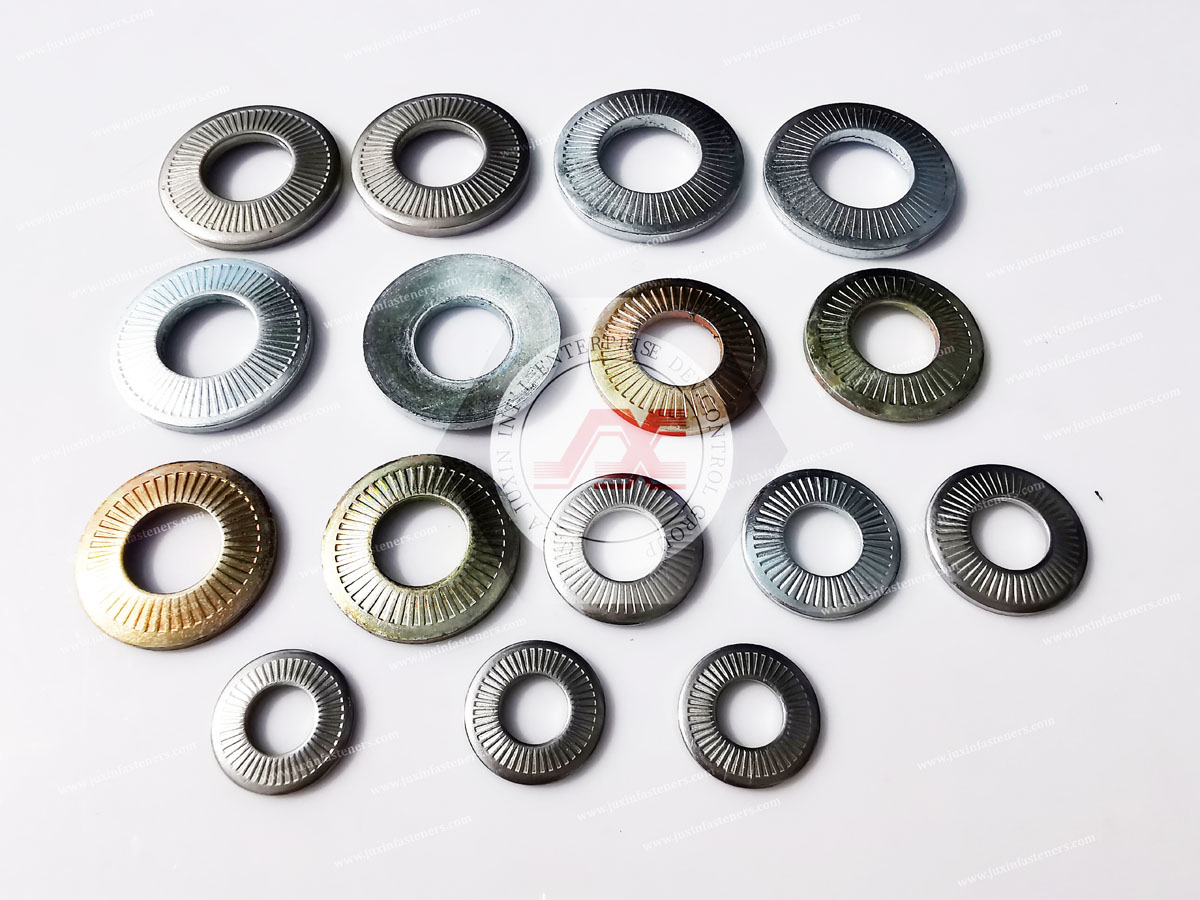
Where railway customers reference EN 17976 or other railway-specific fastener requirements, the applicable parts, component category,
drawing requirements, material requirements, test requirements, and documentation should be identified during technical review.
A standard reference should not be added to a quotation merely because the component will be installed on a train.
The correct process is:
Customer Standard Requirement → Component Classification → Drawing Review → Material / Finish Review → Required Testing → Documentation → Approval
This prevents unsupported compliance claims.
Depending on product type, railway fasteners may also reference established international fastener standards covering:
threads;
dimensions;
mechanical properties;
materials;
coatings;
corrosion testing;
washers;
nuts;
bolts;
rivets.
Relevant ISO, DIN, EN, ASTM, SAE, ASME/ANSI or BS requirements should be selected according to the actual fastener and customer specification.
JUXIN FASTENERS does not substitute unrelated standards simply to create a longer compliance list.
| Railway Application | Common Engineering Challenge | Potential Fastening Solutions |
|---|---|---|
| Ceiling & wall panels | Blind access, low weight, maintenance | Blind rivets, rivet nuts, inserts, plastic retention hardware |
| Lighting systems | Lightweight mounting, service access, insulation | Machine screws, rivet nuts, nylon fasteners, clips |
| Electrical cabinets | Thin sheet, reusable threads | Self-clinching nuts, studs, rivet nuts, inserts |
| Cable routing | Vibration, insulation, installation speed | Nylon cable clips, cable clamps, push-in retainers |
| Interior brackets | Vibration, corrosion, serviceability | Lock nuts, screws, rivet nuts, blind rivets |
| Sanitary/interior fixtures | Moisture, appearance, maintenance | Stainless fasteners, inserts, rivet nuts, custom hardware |
| Closed aluminum profiles | No rear access | Rivet nuts, structural blind rivets, blind fastening systems |
This matrix is a starting point.
Final fastener selection should follow the assembly drawing and railway project requirements.
Railway fastening projects are rarely solved by supplying one generic catalog component.
JUXIN FASTENERS has supported railway-related fastening applications associated with projects in Hong Kong and Australia,
including hardware used in interior equipment such as lighting, interior assemblies, and passenger-area fixtures.
This experience has reinforced an important sourcing principle:
Railway fastener qualification begins with the application and drawing—not with the product name.
A component used in a lighting assembly may require different validation from a visually similar component used in a structural bracket.
The customer's actual installation location, load, material, environment, and project requirements determine the qualification route.
Railway procurement teams often need alternative sources for:
supply continuity;
localization;
cost control;
obsolete components;
lead-time reduction;
supplier-risk management.
But railway fasteners should not be cross-referenced by appearance alone.
A useful rule is:
Visual Similarity ≠ Dimensional Equivalence ≠ Material Equivalence ≠ Installation Equivalence ≠ Railway Application Equivalence
Compare:
thread;
dimensions;
tolerances;
head geometry;
grip range;
installation features;
critical interfaces.
Confirm:
material grade;
heat treatment where applicable;
mechanical properties;
polymer grade where applicable.
Review:
plating;
coating;
stainless grade;
corrosion requirement;
appearance requirement.
Verify:
installation tool;
hole size;
grip range;
press force;
welding parameters;
access condition;
assembly sequence.
Where applicable, evaluate:
tensile load;
shear load;
push-out;
torque-out;
prevailing torque;
vibration behavior;
cable-retention performance;
repeated assembly.
Depending on the project, procurement may require:
material certificates;
dimensional inspection;
coating documentation;
lot traceability;
test reports;
sample approval;
project-specific declarations.
The required package should be defined by the customer rather than assumed.
A railway customer may send an existing fastener and ask:
“Can you make this?”
A sample can help identify:
geometry;
thread;
dimensions;
finish;
installation features.
But it may not reveal:
exact material;
heat treatment;
coating specification;
tolerance;
mechanical requirement;
polymer formulation;
railway fire requirement;
vibration requirement;
original inspection criteria.
For second-source development, the best package is:
Sample + Drawing + Application + Standard Requirements + Annual Quantity
This greatly reduces qualification risk.
For technical review and quotation, provide as much of the following information as applicable:
2D drawing;
3D CAD model where available;
existing part number;
physical sample for cross-reference;
rolling-stock application;
installation location;
interior or exterior use;
parent material;
sheet thickness;
hole diameter;
grip range;
required thread;
fastener material;
surface finish;
corrosion requirement;
vibration requirement;
mechanical load requirement;
fire-performance requirement for non-metallic parts where applicable;
applicable EN, DIN, ISO, ASTM, SAE, ASME/ANSI, BS or project-specific standard;
installation method;
inspection requirements;
traceability requirements;
sample quantity;
production quantity;
estimated annual usage.
JUXIN FASTENERS can use this information to evaluate the appropriate product family, drawing compatibility, material and finish requirements, manufacturing feasibility, sample requirements, documentation, and second-source qualification route.
For railway engineering teams, a useful decision path is:
Application Zone → Load & Vibration → Parent Material → Access Condition → Serviceability
→ Fastener Technology → Material / Finish → Railway Requirements → Validation
For procurement and supplier-development teams:
Existing Part / Drawing → Application Review → Critical Characteristics → Material & Finish Cross-Reference
→ Project Standards → Sample Evaluation → Second-Source Qualification → Production RFQ
The most important principle is:
There is no single “railway fastener.”
A railway fastening solution must match the actual vehicle location, load, vibration environment, parent material,
installation access, maintenance requirement, corrosion exposure, electrical requirement, and applicable railway project specification.
That application-based approach is how engineering and procurement teams move from a generic fastener search to
a component that can be properly reviewed, validated, and integrated into a rolling-stock supply chain.
Email: info@juxinfasteners.com
Website: www.juxinfasteners.com
 MORE NEWS
Sep. 30, 2026
Sep. 30, 2026
Sep. 30, 2026
Contact Us
Tel.:
+86 020 8621 0320
+86 020 3121 6067
E-mail:
Technical Support:
Navigation
SEND INQUIREY