
Call Us
+86 136 6007 9809
Call Us
+86 136 6007 9809

May. 24, 2026
Technical Application Solution: Future Trends in Rail Transit Fastener Engineering
The global rail transit sector is undergoing a profound digital and material transformation. To meet the demands of higher operating speeds, reduced operational expenditures (OPEX), and enhanced passenger safety, the industry is moving away from passive mechanical hardware. In an era defined by the Internet of Things (IoT) and Industry 4.0, traditional bolting methods are no longer sufficient to monitor high-stress interfaces in modern bogies, high-speed tracks, and subsurface infrastructure.
As next-generation infrastructure projects break ground, the market is rapidly pivoting toward intelligent fastening systems. Integrating smart fastener rail transit technology into structural components allows operators to transition from reactive maintenance schedules to real-time, data-driven safety protocols, completely reshaping lifecycle management.
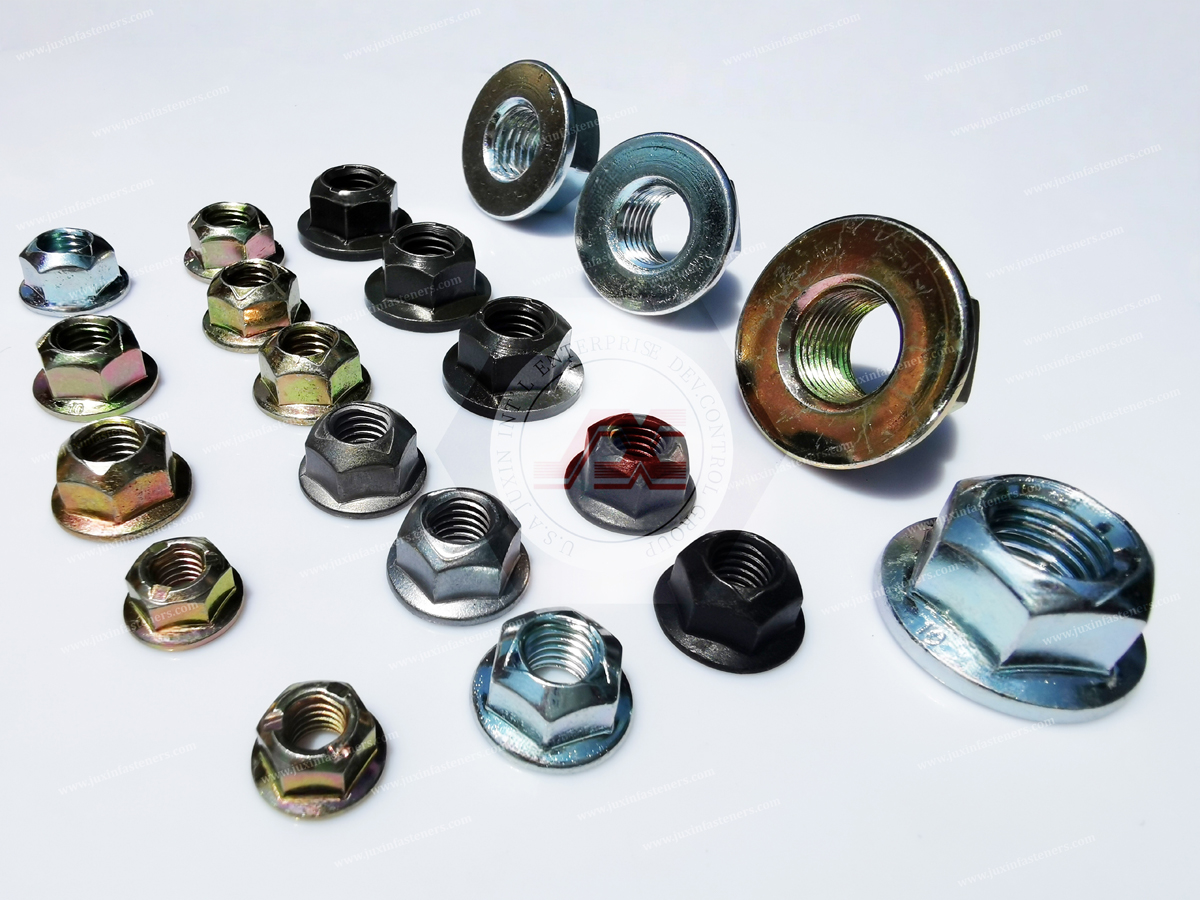
Macro-Trends Shaping Modern Fastener Engineering
The intersection of advanced metallurgy, sensor miniaturization, and data analytics has introduced several breakthrough trends that are defining the future of transit manufacturing:
Digital Torque Monitoring: By embedding micro-sensors directly within the bolt head or shank, modern fasteners can continuously measure tension and clamp load. This allows technicians to read exact torque values wirelessly via RFID or Bluetooth during assembly and routine inspections, eliminating human error.
Predictive Maintenance Systems: Future rail networks will rely on fasteners that communicate with onboard train management networks or trackside receivers. These systems analyze real-time data to flag localized preload loss before failure, allowing operators to plan targeted repairs during scheduled maintenance windows rather than responding to emergency line closures.
Lightweight Composite Fasteners: In the push for maximum energy efficiency and reduced carbon footprints, engineers are pairing high-strength titanium or carbon-fiber composite fasteners with advanced aluminum carbodies. These hybrid systems provide exceptional strength-to-weight ratios while eliminating the risk of galvanic corrosion.
Zero-Maintenance Design Systems: Utilizing advanced geometrical locking mechanisms, shape-memory alloys, and robust self-healing surface coatings, these advanced hardware systems are engineered to retain their exact design clamping force throughout a vehicle's multi-decade lifecycle, removing the need for manual inspection intervals.
Future Direction: From Hardware to Data-Enabled Infrastructure
As the technology matures, smart fasteners and rail transit architectures will evolve from basic hardware joints into critical, intelligent infrastructure nodes:
Data-Enabled Structural Components: Fasteners will serve as continuous stress and strain gauges for the entire vehicle or track network. By gathering structural performance data under real-world operating conditions, these components provide design engineers with invaluable insights to optimize future rolling stock geometries.
Self-Monitoring Safety Systems: During operational runs, any sudden structural shift, impact from track debris, or unexpected vibration spike will trigger an immediate wireless alert to the driver's cabin or network control center, enabling immediate safety interventions.
Fully Traceable Lifecycle Parts: To comply with strict European and American regulatory standards (such as EN 15085 and digital product passport mandates), next-generation fasteners feature permanent laser-etched matrix codes or embedded chips. This guarantees complete metallurgical traceability, manufacturing history, and maintenance records from the foundry to the recycling plant.
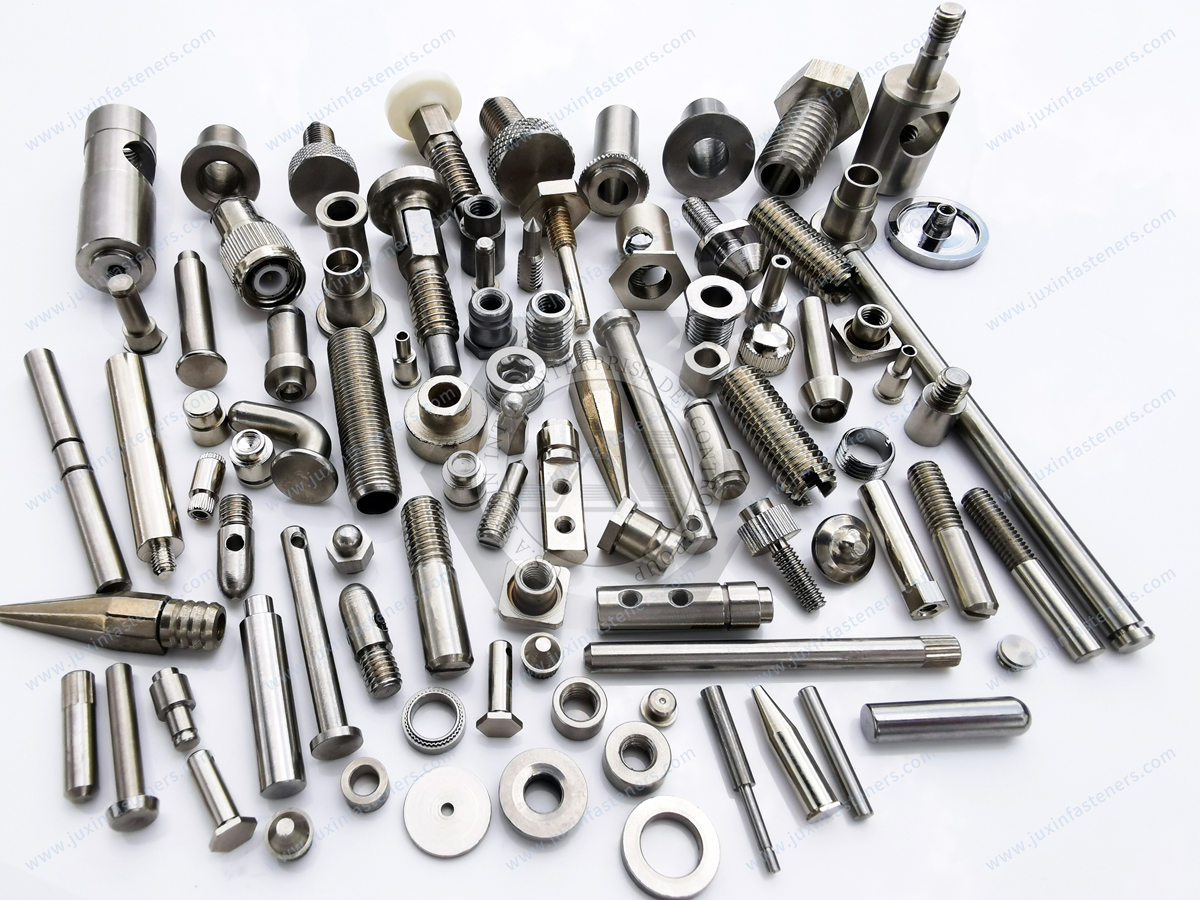
Partnering for Next-Generation Transit Reliability
Embracing the future of smart industrial hardware requires a manufacturing partner capable of blending traditional precision machining with forward-thinking engineering innovations. Our enterprise is heavily invested in R&D to provide the global transit sector with certified, high-performance fastening components designed to meet tomorrow's operational challenges.
To review our current technical capabilities, explore our certified hardware portfolios, or collaborate with our application engineering team on custom smart hardware integration for your next rail project, contact our technical division today.
 MORE NEWS
Sep. 27, 2026
Sep. 27, 2026
Sep. 27, 2026
Contact Us
Tel.:
+86 020 8621 0320
+86 020 3121 6067
E-mail:
Technical Support:
Navigation
SEND INQUIREY