
Call Us
+86 136 6007 9809
Call Us
+86 136 6007 9809

Sep. 22, 2026
High-strength spring-steel fasteners provide the hardness, elastic recovery, retention force, and dimensional stability required for demanding sheet-metal assemblies.
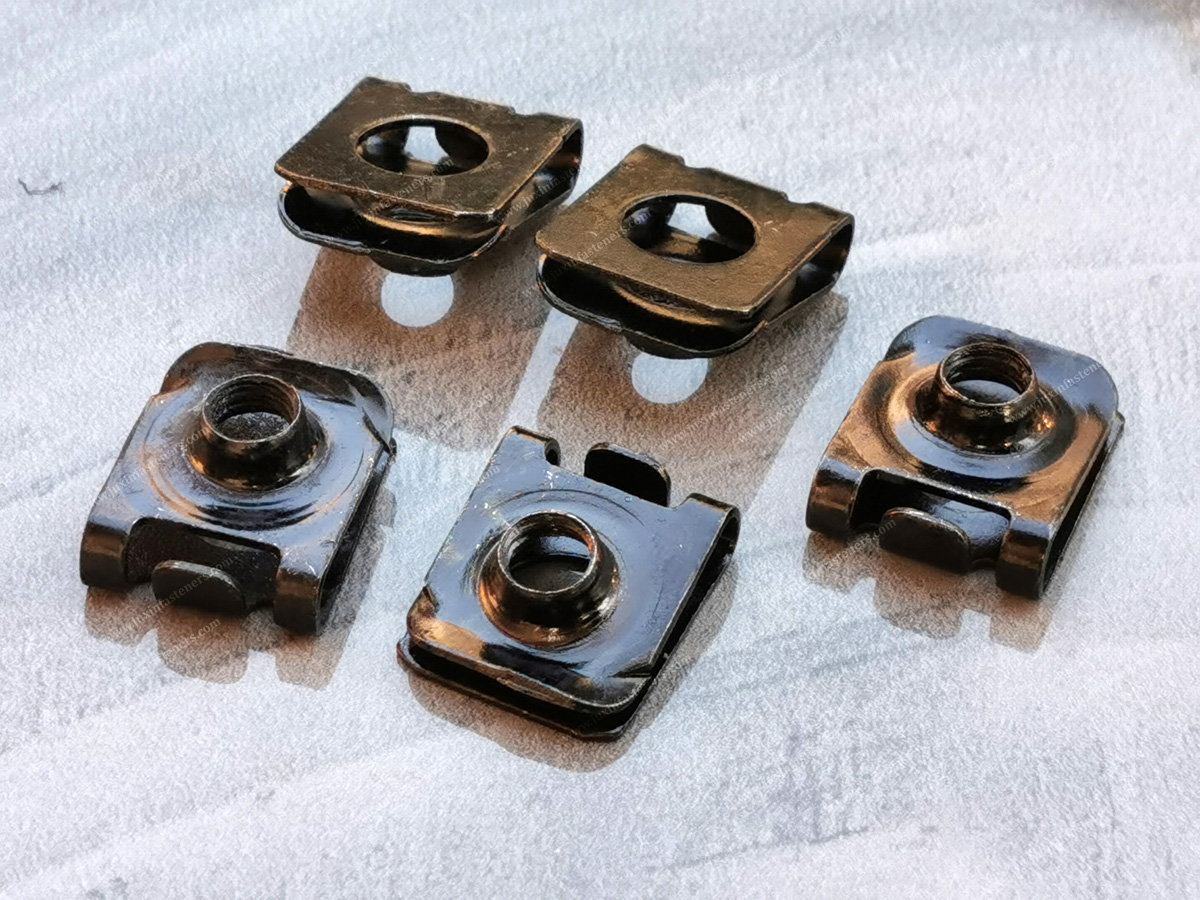
These properties make hardened U-nuts, J-nuts, clip-on nuts, barrel clip nuts, and other spring fasteners valuable in automotive systems,
EV equipment, industrial machinery, electrical enclosures, rail equipment, and automated production systems.
The same high-strength microstructure that gives a spring fastener its functional performance can also increase its susceptibility to hydrogen-assisted delayed fracture.
Hydrogen may enter steel during acid cleaning, pickling, electrocleaning, electroplating, coating removal, corrosion, or other chemical processing.
When a susceptible hardened component subsequently experiences tensile stress, residual stress, or sustained installation load,
absorbed hydrogen can contribute to brittle cracking after the component has apparently passed normal inspection.
The result may be especially difficult to diagnose because the fastener can:
Appear dimensionally correct
Pass visual inspection
Survive initial installation
Accept the specified screw
Pass an immediate torque check
Remain intact during packing and shipment
Fracture hours, days, or longer after assembly
For engineers and sourcing teams, hydrogen embrittlement mitigation is therefore not simply a requirement to “bake plated parts.”
It is a coordinated system involving material selection, hardness control, forming and heat treatment, surface preparation, coating selection, process timing, qualified thermal relief, traceability, and mechanical verification.
Hydrogen embrittlement risk requires three conditions:
A material or microstructure susceptible to hydrogen damage
A source of diffusible hydrogen
Sufficient tensile or residual stress
Effective mitigation must reduce one or more of these conditions.
For spring-steel clip nuts, the most reliable control strategy is to:
Avoid unnecessary hydrogen-generating processes
Control final hardness and heat treatment
Minimize aggressive acid exposure
Select a coating route appropriate to the risk level
Apply qualified post-process hydrogen-relief treatment when required
Control the delay between coating and baking
Verify furnace time and actual part temperature
Maintain batch traceability
Audit the complete finishing process
Use appropriate sustained-load or preload testing
Validate the finished component in its actual assembled condition
There is no single universal baking temperature and duration suitable for every spring fastener.
The required cycle must come from the applicable standard, customer specification, material condition, hardness, product geometry, coating system, and validated process.
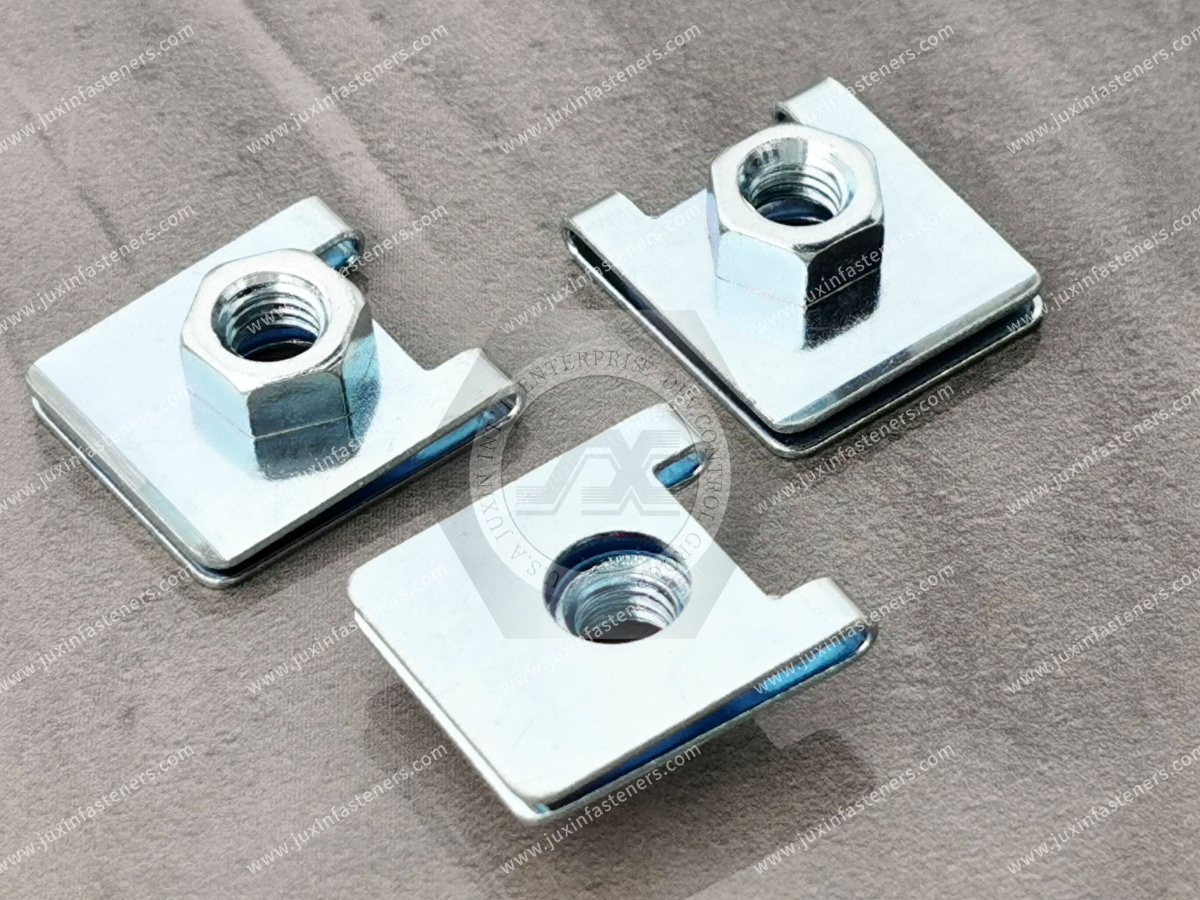
Hydrogen embrittlement is a loss of ductility or load-bearing capability caused by hydrogen interacting with a susceptible metal under stress.
In hardened steel, atomic hydrogen can diffuse through the metallic structure and accumulate at locations such as:
Grain boundaries
Dislocations
Inclusions
Voids
Notches
Sharp formed radii
Thread roots
Sheared edges
Areas of residual tensile stress
Local regions of high hardness
The precise mechanisms are metallurgically complex, but the engineering consequence is clear: a component may fracture at a load below the level expected from conventional tensile-strength or hardness data.
Hydrogen embrittlement should not be confused with an ordinary overload failure.
An overload usually produces evidence of deformation or excessive applied force. Hydrogen-assisted fracture may display limited macroscopic deformation and can occur after an apparently successful assembly operation.
Engineering teams should distinguish between hydrogen introduced during manufacturing and hydrogen introduced during service.
Internal hydrogen embrittlement is associated with hydrogen absorbed during manufacturing or finishing operations, including:
Acid pickling
Electrocleaning
Cathodic cleaning
Electroplating
Chemical stripping
Etching
Phosphating pretreatment
Improper rinsing or process control
The component may retain diffusible hydrogen when it leaves the finishing line.
Hydrogen can also be generated after the component enters service through corrosion, chemical exposure, cathodic protection, maintenance chemicals, or another operating environment.
Post-plating baking may reduce hydrogen introduced during manufacturing, but it does not permanently protect a component from every future source of hydrogen.
Material selection, coating integrity, stress level, drainage, chemical compatibility, and corrosion control remain important throughout the product’s service life.
Spring fasteners are designed to store elastic energy. Their function depends on controlled deflection and recovery after installation on a sheet-metal edge.
Several characteristics can increase hydrogen-embrittlement risk:
High final hardness
Hardened martensitic or similar high-strength microstructures
Severe forming before heat treatment
Sharp bends or small internal radii
Residual tensile stress
Sheared or pierced edges
Local hardness variation
High installed deflection
Sustained spring load
Thread-forming or screw-tightening stress
Electrochemical surface finishing
Susceptibility does not depend on hardness alone. Steel composition, microstructure, heat-treatment quality, geometry,
surface condition, residual stress, hydrogen concentration, and applied loading interact.
A sourcing specification should therefore avoid treating one hardness number as the complete risk assessment.
A delayed fracture may occur because the time required for hydrogen to migrate toward a highly stressed location is different from the time required to install the component.
A clip-on nut may survive initial inspection and then crack while:
Stored in a compressed installation condition
Attached to a production panel
Loaded by a tightened screw
Subjected to vibration
Exposed to corrosion
Experiencing residual forming stress
Operating through thermal cycles
This is why immediate dimensional inspection and short torque testing cannot, by themselves, demonstrate that a high-strength plated spring fastener is free from hydrogen-embrittlement risk.
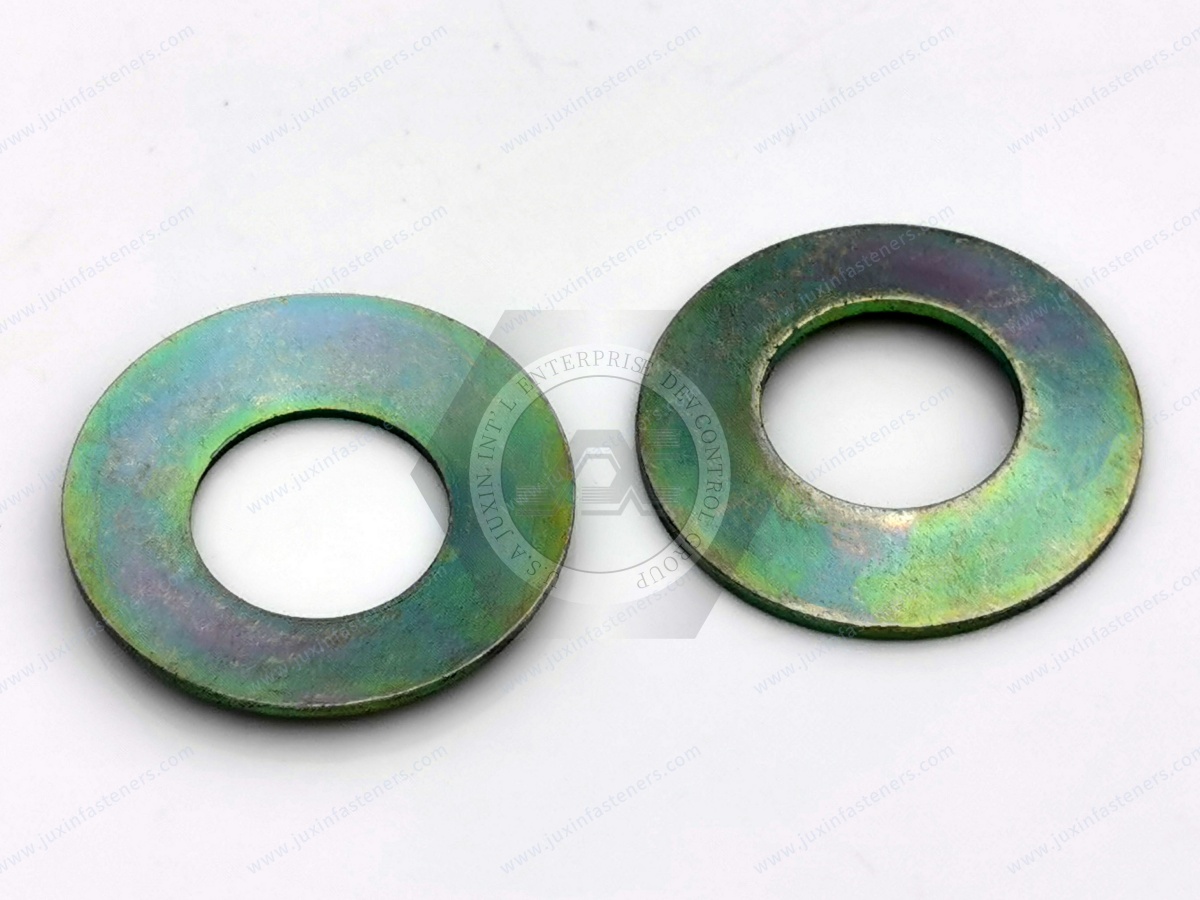
A useful process review follows the component through the complete manufacturing route.
The steel strip must have controlled composition, thickness, surface condition, and mechanical properties. Cracks, laps, decarburization, excessive edge damage, or inclusions may create stress concentrators.
Pierced holes and sheared edges may contain burrs, fracture zones, and localized cold work. These areas deserve attention when they also carry high spring stress or installation load.
Small bend radii and excessive deformation can increase residual stress or produce microcracking. Tool wear and inconsistent lubrication can worsen local surface damage.
Heat treatment establishes the required hardness and spring properties. Incorrect austenitizing, quenching, tempering, atmosphere control, or cooling can create:
Excessive hardness
Brittle microstructures
Decarburization
Surface oxidation
Distortion
Residual stress
Inconsistent performance within the batch
Acid-based cleaning may introduce hydrogen, especially when exposure is excessive or process control is weak. Cleaning should remove scale and contamination without unnecessarily attacking the steel.
During electroplating, hydrogen can be generated at the component surface. Some of this hydrogen may enter the steel before or while the metallic coating develops.
Post-plating conversion treatments and sealers provide corrosion protection and appearance, but the sequence must remain compatible with any required hydrogen-relief treatment.
Poor storage can initiate corrosion before use. During installation, the clip is placed under spring stress and may also experience screw-induced tensile, bending, or torsional loading.
Post-process hydrogen-relief baking promotes the diffusion of absorbed hydrogen out of susceptible steel before it contributes to delayed cracking.
A qualified baking process must define:
Maximum permitted delay before baking
Oven loading arrangement
Set-point temperature
Actual part temperature
Soak-time start point
Required duration
Furnace uniformity
Temperature-recording method
Calibration status
Batch identification
Permitted interruptions
Reprocessing rules
Sequence relative to conversion coatings and sealers
Placing parts in an oven is not enough. A batch record must demonstrate that the components reached and remained within the validated processing window.
It is tempting to specify one standard instruction such as “bake immediately at a fixed temperature for four hours.” That may be inadequate, unnecessary, or harmful depending on the component.
The required cycle may change with:
Steel strength and hardness
Component thickness
Clip geometry
Thermal mass
Plating chemistry
Coating thickness
Hydrogen-generating potential of pretreatment
Delay before baking
Customer specification
Required mechanical performance
Tempering temperature of the base material
A baking temperature that is too low or a duration that is too short may not provide adequate relief.
A temperature that is too high may reduce hardness, change spring force, affect dimensional stability, or damage the coating system.
The process specification must therefore be validated for the actual product rather than copied from an unrelated fastener.
Hydrogen-relief baking is an important control, but it cannot correct every upstream problem.
Baking may not compensate for:
Excessive acid pickling
Severely embrittling electroplating conditions
Improper heat treatment
Excessive final hardness
Microcracks created during forming
Uncontrolled residual stress
Incorrect component geometry
Excessive installation deflection
In-service hydrogen generation
Missing process traceability
Long and uncontrolled delay before baking
A robust control plan treats baking as one element within a prevention system, not as permission to ignore the rest of the process.
The governing standard should be selected according to the product, coating, customer, and intended industry.
Relevant references may include:
ISO 4042 specifies requirements for electroplated coating systems on steel fasteners and addresses dimensional, coating, corrosion, and hydrogen-embrittlement considerations.
ISO/TR 20491 provides technical guidance on the fundamentals of hydrogen embrittlement in steel fasteners.
ISO 15330 defines a preloading test using parallel bearing surfaces for the detection of hydrogen embrittlement in fasteners.
ISO 24251-1 provides broader guidance on preventing hydrogen-assisted brittle fracture in high-strength steel components.
ASTM F1941/F1941M covers electrodeposited coatings for unified-inch and metric threaded fasteners and includes precautions associated with high-strength and surface-hardened products.
ASTM F519 provides mechanical methods and acceptance criteria for evaluating plating or coating processes that may cause hydrogen embrittlement.
It is commonly relevant to process qualification and periodic process control.
ASTM F1940 addresses process-control methods intended to reduce internal hydrogen-embrittlement risk in fasteners.
ASTM B1031 provides guidance for pre- and post-coating heat treatments intended to reduce internal hydrogen-embrittlement risk in steel.
SAE AMS2759/9 addresses hydrogen-embrittlement relief baking of heat-treated steel parts and may be relevant where aerospace or customer-specific requirements invoke it.
The applicable revision, product scope, customer specification, and contractual requirements should be confirmed before release.
Engineers should not assume that every general coating standard automatically applies to every proprietary spring clip.
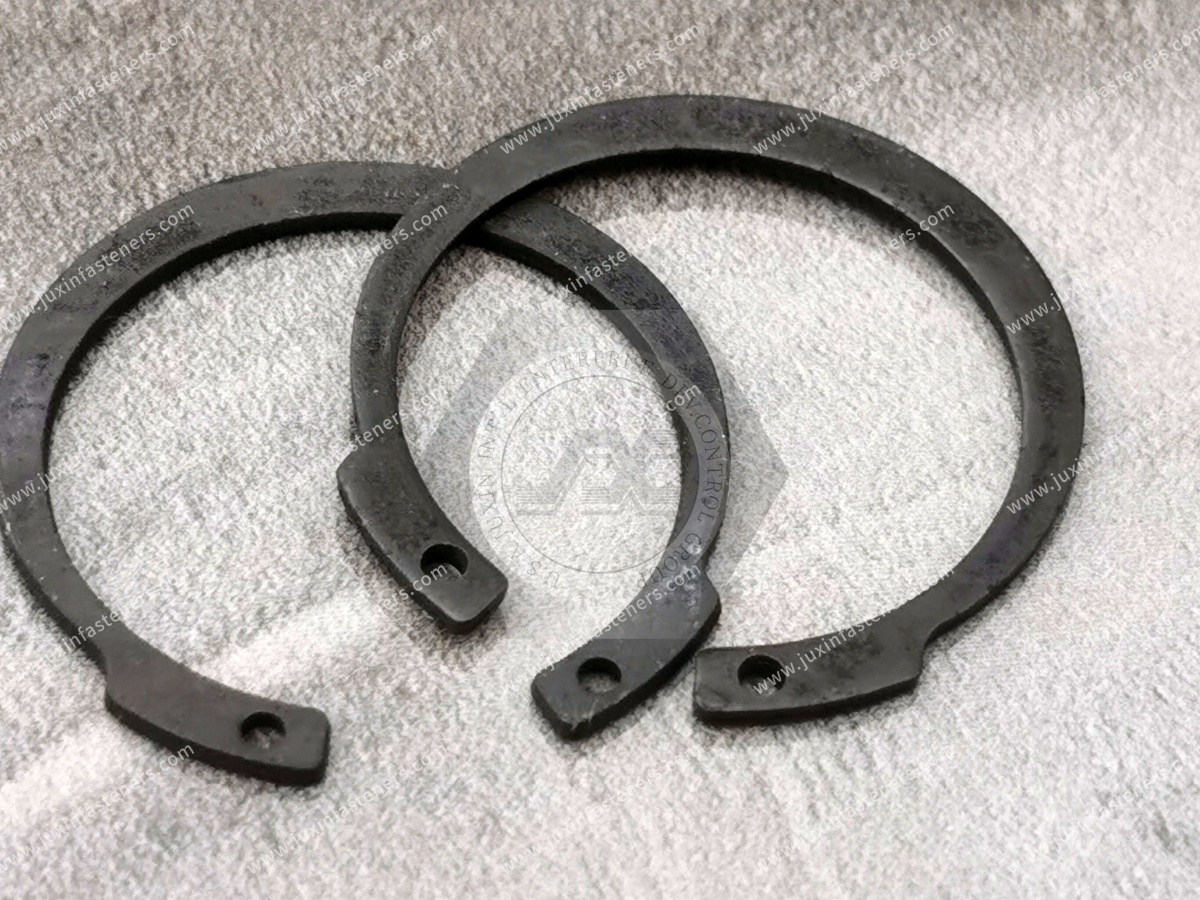
The most effective way to manage hydrogen risk may be to avoid or reduce hydrogen-generating operations where practical.
Electroplated systems can provide controlled appearance, coating thickness, and corrosion performance. However, pretreatment and electrodeposition require specific hydrogen-risk controls for susceptible steel.
Required controls may include:
Qualified cleaning chemistry
Controlled acid concentration
Limited exposure time
Defined current density
Controlled bath chemistry
Prompt transfer to baking
Documented thermal relief
Periodic mechanical process-control testing
Non-electrolytically applied zinc-flake coatings can reduce dependence on electrodeposition and may be selected for high-strength components.
However, “non-electrolytic” does not automatically mean “zero hydrogen risk.” The complete pretreatment route must be reviewed.
Acid cleaning or another hydrogen-generating operation can still introduce risk before coating application.
Mechanical zinc deposition can avoid electrodeposition and may be suitable for certain components. Geometry, coating uniformity, dimensional control, thread fit, clip function, and availability must still be evaluated.
Phosphate-based systems may provide lubrication or a base for additional coating, but corrosion performance and hydrogen-generating pretreatment must be assessed against the application.
Where corrosion performance is the main objective, a suitable stainless spring material may avoid the need for an electroplated carbon-steel finish.
This substitution is not automatic: spring properties, galling, strength, forming, cost, magnetic behavior, and environmental compatibility must also be evaluated.
Before specifying an electroplated finish, the design and sourcing teams should ask:
What corrosion performance is actually required?
What is the fastener’s final hardness?
Is the component continuously stressed after installation?
Does the geometry contain sharp stress concentrations?
Can a non-electrolytic coating meet the requirement?
Is electrical conductivity or grounding important?
Is coating thickness critical to panel fit or thread engagement?
Does the customer require a specific color or finish?
What hydrogen-control evidence can the supplier provide?
How will the selected process be validated?
Selecting a finish only by salt-spray hours can overlook the metallurgical and functional risks of the complete coating route.
An OEM-quality control plan should identify each operation capable of introducing or retaining hydrogen.
Recommended controls include:
Approved steel specification
Incoming material traceability
Controlled forming and bend radii
Heat-treatment recipe and furnace records
Final hardness testing
Metallographic evaluation where required
Controlled cleaning chemistry
Acid concentration and exposure-time limits
Plating bath control
Transfer-time limit before baking
Calibrated baking equipment
Actual time-and-temperature records
Lot segregation
Conversion-coating sequence control
Coating-thickness inspection
Thread-fit verification
Retention-force testing
Sustained-load or preload testing
Nonconformance and rework controls
Record-retention requirements
The purchaser should define which records accompany every shipment and which remain available for audit.
A certificate stating “baked after plating” is not sufficient evidence by itself.
Depending on project risk, supplier documentation may include:
Material certificate
Heat-treatment batch record
Final hardness report
Coating specification and thickness report
Plating batch identification
Baking start and completion times
Recorded furnace temperature
Confirmation of actual soak duration
Furnace calibration status
Process-control test results
Lot traceability
Inspection report
Deviation and rework history
Sample-validation results
Supplier or sub-tier plating audit evidence
Strategic sourcing teams should also determine whether plating is performed internally or by a subcontractor. The control system must extend to every sub-tier operation that can introduce hydrogen.
An effective supplier audit should ask:
How are high-hardness components identified at receiving?
How are susceptible parts segregated from ordinary low-strength hardware?
Which cleaning stages can generate hydrogen?
How are acid concentration and exposure time controlled?
What is the maximum permitted delay before baking?
How is that delay recorded?
When does soak timing begin?
Is actual part temperature considered?
How is furnace uniformity verified?
Are oven charts linked to individual production lots?
What happens after a process interruption?
Is rebaking permitted, and under what approved instruction?
How are nonconforming batches quarantined?
Which mechanical process-control test is used?
How often is the process requalified?
How are conversion coatings and sealers sequenced?
How are rework, stripping, and replating controlled?
Can the supplier trace each finished lot back to material and heat treatment?
These questions reveal whether hydrogen mitigation is an auditable process or only a generic statement on the certificate.
Visual inspection cannot detect diffusible hydrogen inside steel. Hardness and coating-thickness measurements are also insufficient on their own.
Depending on the specification and risk classification, verification may include:
Sustained-load testing
Preload testing
Wedge or fixture loading
Process-control specimens
Representative finished-part testing
Lot sampling
Delayed-fracture observation
Incremental step-load methods
Installation and torque testing
Vibration testing
Repeated service-cycle testing
The selected method must match the purpose of the test.
A test designed to qualify a plating process is not necessarily identical to a test intended to release each batch.
Likewise, a generic test specimen may provide process-control evidence without representing every stress concentration in the actual clip geometry.
For spring-steel clip nuts, useful product-level validation may include:
Install the clip on production-intent coated sheet metal.
Confirm full seating and hole alignment.
Install the specified mating screw.
Tighten to the validated production torque.
Maintain the joint under a defined sustained load.
Observe the assembly for the required period.
Repeat the test across multiple coating and heat-treatment lots.
Evaluate parts after vibration or thermal cycling where relevant.
Inspect fracture locations metallurgically if any failure occurs.
This assembly-level work supplements—not replaces—formal process-control and standards-based testing.
Not every fractured spring clip is caused by hydrogen embrittlement.
Possible alternative causes include:
Excessive hardness
Insufficient tempering
Forming cracks
Sharp tooling marks
Incorrect bend radius
Excessive panel thickness
Overextension during installation
Screw misalignment
Over-torque
Fatigue
Stress-corrosion cracking
Material defects
Improper heat treatment
A credible root-cause investigation should review:
Failure timing
Fracture appearance
Fracture location
Hardness
Microstructure
Material chemistry
Coating route
Baking records
Installation load
Residual stress
Environmental exposure
Comparison with unaffected lots
The phrase “hydrogen embrittlement” should not be used as a default explanation without metallurgical and process evidence.
Spring clips may be exposed to vibration, road splash, coating requirements, automated screw installation, and long vehicle service life.
Relevant applications include:
Underbody shields
Electronics housings
Service covers
Interior support brackets
Auxiliary chassis panels
EV power-electronics enclosures
Battery-pack auxiliary assemblies
Hydrogen-risk control should be integrated with installation torque, corrosion testing, vibration validation, and production traceability.
Machine guards, compressor housings, CNC enclosures, and maintenance panels may place clips under sustained deflection and repeated service loading.
A delayed clip fracture can cause:
Panel looseness
Maintenance delays
machine downtime
Foreign-object contamination
Safety-guard nonconformance
Clip nuts may be used on cabinet frames, doors, rails, and internal mounting components. Coating selection must consider corrosion, grounding, assembly torque, and long-term enclosure stability.
Spring clips should not automatically be treated as structural busbar or current-carrying joint components without application-specific engineering approval.
Rail equipment combines vibration, repeated maintenance, corrosion exposure, and long service intervals. Material, finish, clip retention, and delayed-fracture controls must be evaluated together.
Robot controllers, AGVs, sensor enclosures, and production machinery may use compact spring fasteners in restricted spaces.
A fractured clip can be difficult to retrieve and may interrupt automated equipment operation.
Hydrogen mitigation should begin during product design, not after the coating purchase order is released.
Design engineers can reduce risk by:
Avoiding unnecessary material hardness
Using generous forming radii where practical
Reducing sharp notches
Controlling pierced-edge quality
Avoiding excessive installed deflection
Matching the clip to the correct panel range
Preventing screw-to-clip misalignment
Selecting a lower-risk coating route
Defining realistic corrosion requirements
Designing for drainage and reduced corrosion exposure
Validating the complete joint rather than the clip alone
The highest hardness or strongest material is not automatically the most reliable choice.
The optimum design balances spring retention, toughness, fatigue resistance, corrosion protection, manufacturability, and hydrogen susceptibility.
A complete specification should include:
Fastener drawing or approved dimensional profile
Spring-steel material requirement
Final hardness range
Heat-treatment requirement
Panel-thickness range
Installed deflection
Thread size and pitch
Metric or unified-inch thread system
Screw specification
Installation torque
Minimum failure or strip-torque requirement
Surface coating and thickness
Corrosion-performance requirement
Hydrogen-embrittlement control standard
Required baking or relief instruction
Process-control test
Lot-release requirement
Traceability level
Certificate requirements
Prohibited rework or replating conditions
Packaging and corrosion-protection requirements
The drawing, purchase order, coating specification, and supplier control plan should not contain conflicting requirements.
When requesting a quotation or engineering review from JUXIN FASTENERS, provide:
2D drawing
3D model where available
U-nut, J-nut, barrel clip, or other spring-fastener profile
Panel interface
Critical bend radii
Hole and thread location
Installation direction
International material specification
Required hardness
Spring-force or retention requirement
Installation deflection
Target torque
Minimum failure criteria
Vibration or fatigue requirement
Finish type
Coating thickness
Color requirement
Corrosion-test requirement
Hydrogen-control standard
Required process documentation
Restrictions on acid cleaning, stripping, or replating
Post-treatment and sealer requirements
Material certificate
Heat-treatment report
Hardness report
Coating certificate
Baking record
Mechanical verification
Sample approval process
Production Part Approval Process documentation where required
Lot traceability
Supplier-audit requirements
Prototype quantity
Initial production quantity
Estimated annual demand
Program duration
Packaging requirements
Delivery schedule
Destination
Required launch date
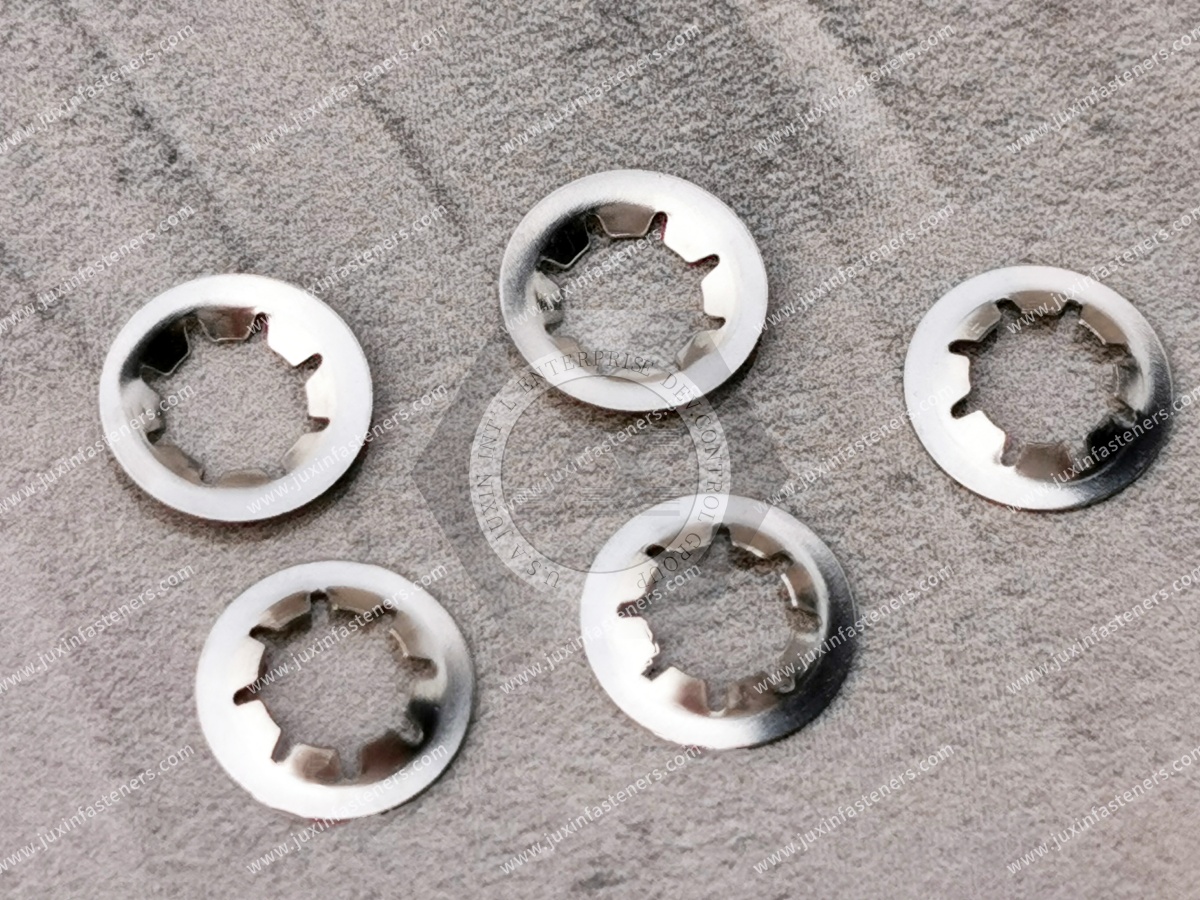
JUXIN FASTENERS supports OEM, Tier-level, industrial equipment, and sheet-metal manufacturing customers with drawing-based spring-fastener sourcing.
Available project support may include:
Clip-on nut geometry review
Material and hardness evaluation
Panel-range verification
Coating-route comparison
Hydrogen-risk review
Metric and inch thread selection
Prototype sample coordination
Installation and torque evaluation
Plating and baking documentation review
Production traceability planning
OEM quotation and annual-volume assessment
The required inspection and documentation package should be agreed before production so that technical, quality, and commercial expectations remain aligned.
Hydrogen embrittlement can occur when susceptible hardened steel absorbs hydrogen during cleaning, pickling, electroplating, stripping, corrosion,
or another process and is then exposed to sufficient tensile or residual stress.
Not automatically. The requirement depends on material, hardness, coating route, customer specification, product geometry, stress level, and applicable standard.
Susceptible electroplated parts require a documented risk assessment and qualified control plan.
There is no universal cycle for every component.
The temperature, duration, maximum delay,
and processing sequence must follow the applicable standard or validated customer-approved procedure without adversely affecting spring properties or coating performance.
The maximum delay must be specified and controlled by the governing process requirement.
Shortening uncontrolled delay is generally important, but the exact permitted time should not be invented or copied from an unrelated part.
No. Baking can reduce diffusible hydrogen introduced during processing,
but it cannot always correct excessive hydrogen charging, improper heat treatment, forming cracks, excessive hardness, severe residual stress, or future hydrogen exposure in service.
Non-electrolytic zinc-flake application can reduce risk associated with electrodeposition, but the pretreatment process must still be reviewed.
Hydrogen may be introduced during acid cleaning or another upstream operation.
No. Salt-spray testing evaluates comparative corrosion performance under specified test conditions. It does not demonstrate that a component is free from internal hydrogen embrittlement.
No. A material certificate confirms specified material information but does not prove that cleaning, plating, baking, and process-control testing were correctly performed.
Hydrogen can migrate toward highly stressed locations after installation. This can produce delayed cracking even when the part initially appears acceptable.
Compare material, hardness, coating route, pretreatment, baking procedure, mechanical verification,
traceability, sub-tier control, documentation, and annual production capability—not only unit price and salt-spray hours.
Hydrogen-embrittlement prevention begins before plating. It requires coordinated decisions across design,
material selection, heat treatment, surface finishing, supplier quality, testing, and procurement.
If your project requires hardened spring-steel U-nuts, J-nuts, clip-on nuts, barrel clip nuts, or custom sheet-metal fasteners,
JUXIN FASTENERS can review the available drawing and application requirements before sampling or production release.
Send the following information to info@juxinfasteners.com:
2D or 3D drawing
Panel material and thickness
Fastener material specification
Required hardness
Thread size
Installation torque
Coating requirement
Corrosion requirement
Applicable hydrogen-control standard
Documentation requirements
Prototype quantity
Estimated annual demand
A complete technical package enables a more accurate evaluation of material suitability, coating route, hydrogen-risk controls, testing requirements, manufacturability, and commercial feasibility.
 MORE NEWS
Sep. 22, 2026
Sep. 22, 2026
Sep. 22, 2026
Contact Us
Tel.:
+86 020 8621 0320
+86 020 3121 6067
E-mail:
Technical Support:
Navigation
SEND INQUIREY