
Call Us
+86 136 6007 9809
Call Us
+86 136 6007 9809

Nov. 15, 2023
Stainless steel fasteners are widely used when industrial assemblies must resist moisture, outdoor exposure, chemicals, cleaning processes, temperature changes or other corrosive conditions.
But specifying “stainless steel” does not automatically create a corrosion-resistant fastening system.
A 304 stainless steel screw may perform well in one industrial environment but be unsuitable for another.
A 316 stainless steel bolt may provide improved resistance to certain chloride environments but still experience localized corrosion under unfavorable conditions.
A stainless steel fastener may remain visually unaffected while accelerating galvanic corrosion of an aluminum mating component.
And a stainless steel bolt and nut may experience galling during assembly even though both components have excellent corrosion resistance.
The engineering objective is therefore not simply to select a stainless steel fastener.
It is to design a corrosion-resistant fastening system around the complete joint.
For engineers, procurement managers and supplier-development teams, the selection process should consider:
Environment + Corrosion Mechanism + Stainless Grade + Fastener Function + Mechanical Requirement + Mating Material + Galvanic Compatibility
+ Thread + Friction + Temperature + Assembly Process + Validation
JUXIN FASTENERS supplies standard and drawing-based stainless steel fastening components for industrial OEM applications, including:
Stainless steel screws
Stainless steel bolts
Stainless steel nuts
Stainless steel lock nuts
Stainless steel washers
Stainless steel rivet nuts
Stainless steel threaded inserts
Stainless steel self-clinching fasteners
Stainless steel standoffs and spacers
Custom stainless steel fasteners
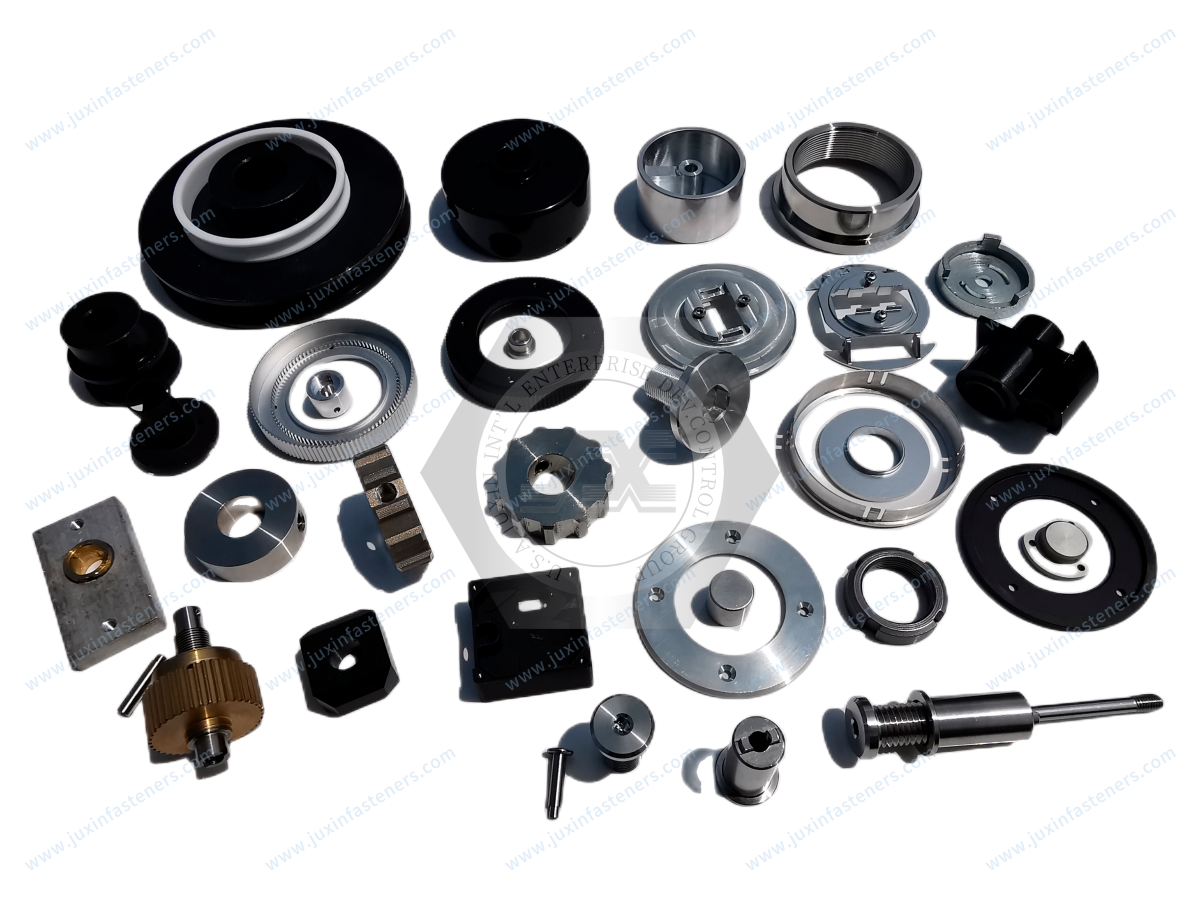
CNC-machined stainless steel components
These products can support corrosion-resistant fastening strategies for industrial machinery, electrical equipment, automotive and EV assemblies,
renewable-energy equipment, HVAC systems, automation, electronics, transportation equipment and other engineered applications.
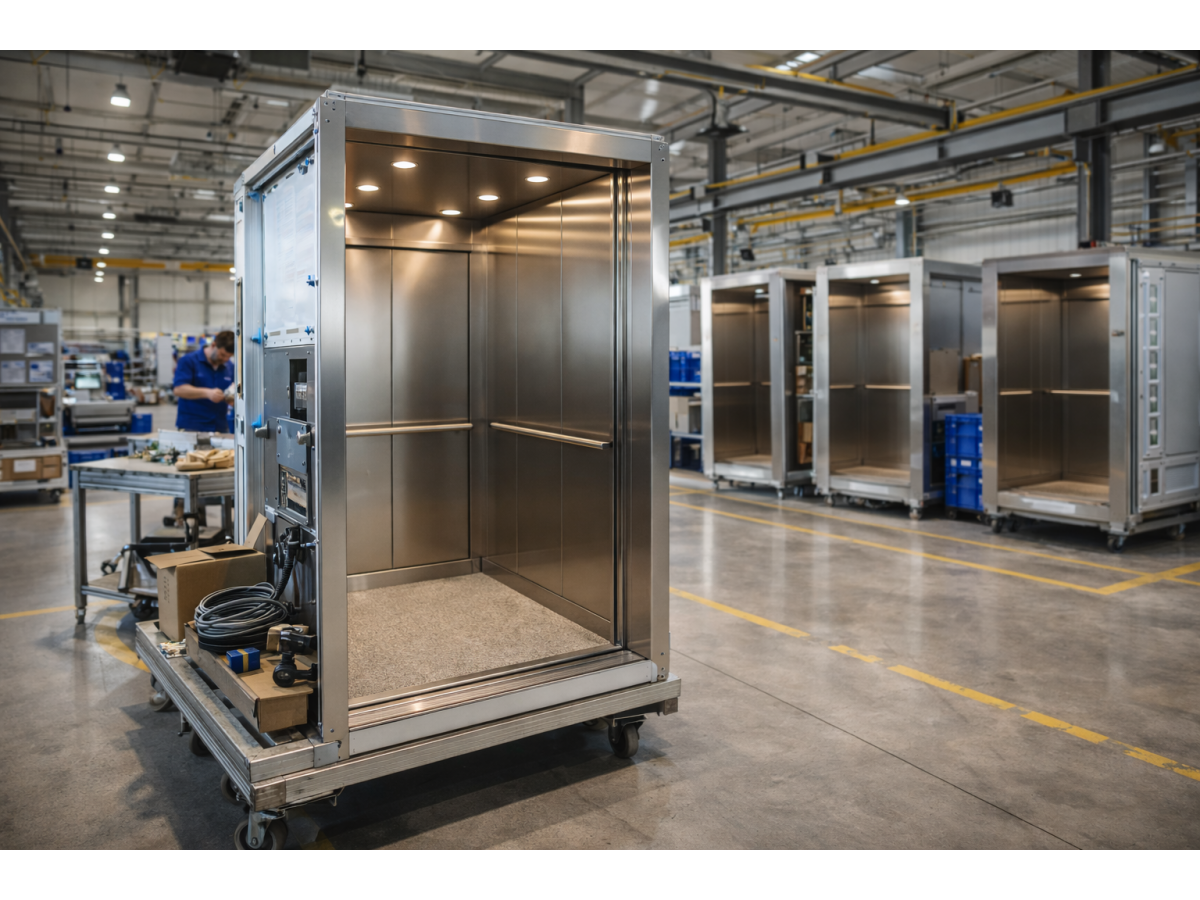
Stainless steel fasteners are commonly evaluated when the joint is exposed to conditions such as:
Outdoor weather
Humidity
Water
Condensation
Cleaning processes
Chlorides
Selected chemicals
Temperature cycling
Corrosion-sensitive industrial environments
However, the correct stainless grade depends on the actual exposure.
A useful engineering sequence is:
Define Environment → Identify Corrosion Risk → Select Stainless Grade → Check Mechanical Requirements → Review Mating Materials
→ Review Assembly Behavior → Validate the Joint
This is more reliable than specifying:
“Use stainless steel because it will not rust.”
Stainless steel develops corrosion resistance through a chromium-rich passive surface film.
This passive behavior can provide excellent durability in suitable environments.
However, stainless steel can still experience corrosion.
Important factors include:
Chloride concentration
Temperature
Chemical exposure
Surface contamination
Crevices
Deposits
Moisture retention
Mechanical damage
Dissimilar-metal contact
Therefore:
Stainless Steel ≠ Corrosion-Proof.
This distinction is especially important for OEM sourcing because the words “stainless steel fastener” do not define the service environment.
Fastener corrosion cannot be evaluated independently from the assembly.
A stainless steel screw may be highly resistant to the environment while the surrounding:
Aluminum
Carbon steel
Zinc-coated steel
Copper alloy
Other conductive material
experiences galvanic or localized corrosion.
Therefore:
Corrosion-Resistant Fastener ≠ Corrosion-Resistant Assembly.
The joint must be evaluated as a material system.
Before choosing 304, 316, A2 or A4 stainless steel, define what the fastener will actually experience.
Typical conditions may include:
Controlled humidity
Limited water exposure
Moderate temperature
General industrial contamination
304-type stainless steel may be a practical candidate for many such applications, depending on the specific environment.
Outdoor equipment may experience:
Rain
Condensation
Humidity
Pollution
Temperature cycling
Water retention
“Outdoor use” alone is not enough information to select a stainless grade.
Chlorides may come from:
Coastal atmosphere
Seawater
Road deicing salts
Cleaning chemicals
Industrial processes
Chloride exposure can increase the risk of localized corrosion.
316-type stainless steel is often evaluated where improved chloride resistance is required.
Chemical resistance depends on:
Chemical type
Concentration
Temperature
Exposure duration
Cleaning cycle
Joint geometry
A material that performs well in water may not perform well in a particular process chemical.
Therefore, chemical compatibility should be reviewed for the actual application.
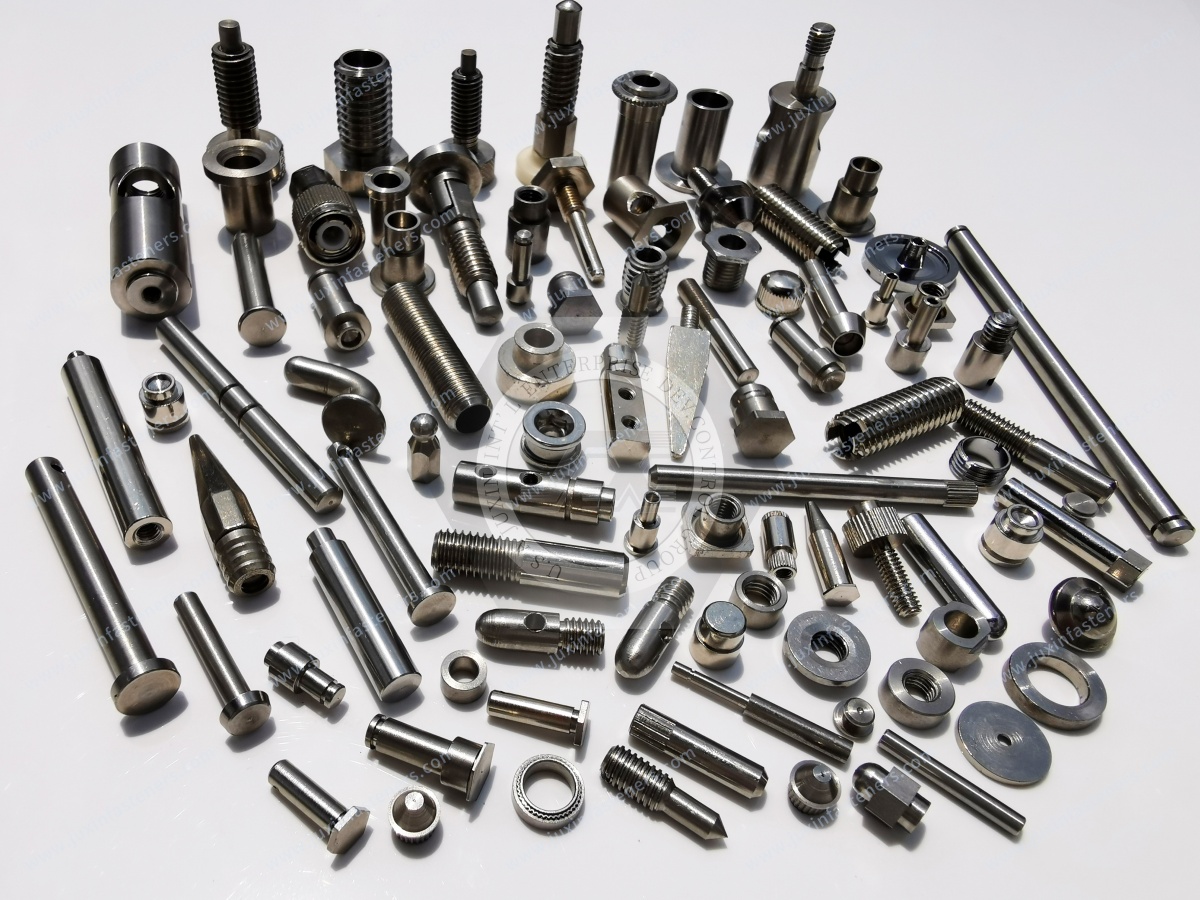
304-type austenitic stainless steel is widely used for industrial fasteners because it can provide a useful balance of:
Corrosion resistance
Formability
Mechanical performance
Availability
Manufacturing capability
Cost
Potential products include:
304 stainless steel screws
304 stainless steel bolts
304 stainless steel nuts
304 stainless steel washers
304 stainless steel rivet nuts
304 stainless steel standoffs
Custom 304 stainless components
Potential applications include selected:
Industrial machinery
Electrical cabinets
Automation equipment
Electronics
Indoor equipment
Architectural assemblies
General outdoor equipment
Actual suitability depends on the environment and joint.
316-type stainless steel contains molybdenum, which can improve resistance to certain forms of corrosion,
particularly in many chloride-containing environments.
Potential products include:
316 stainless steel screws
316 stainless steel bolts
316 stainless steel nuts
316 stainless steel washers
316 stainless steel rivet nuts
Custom 316 components
Potential applications may include selected:
Coastal equipment
Outdoor electrical systems
Chemical-processing equipment
Food-processing machinery
Marine-related equipment
Industrial equipment exposed to more demanding corrosion conditions
But:
316 ≠ Always Better.
If the actual environment does not require the additional corrosion characteristics,
316 may increase material and manufacturing cost without creating meaningful engineering value.
| Selection Factor | 304-Type Stainless | 316-Type Stainless |
|---|---|---|
| General industrial corrosion resistance | Strong candidate | Strong candidate |
| Chloride resistance | More limited | Generally improved |
| Indoor industrial equipment | Common choice | Often unnecessary unless required |
| Coastal exposure | Requires careful evaluation | Often considered |
| Chemical exposure | Chemical-specific | Chemical-specific |
| Cost | Generally lower | Generally higher |
| Galling | Must be considered | Must be considered |
| Mechanical performance | Fastener specification-dependent | Fastener specification-dependent |
The correct question is not:
“Which grade is better?”
It is:
“Which grade provides the required corrosion and mechanical performance in this specific joint?”
International stainless fastener specifications commonly use material-group designations such as:
A2
A4
A2 is commonly associated with 304-type austenitic stainless families.
A4 is commonly associated with 316-type molybdenum-bearing stainless families.
However, procurement should not treat these designations as exact substitutes for every material designation.
The applicable fastener standard and customer drawing should define the requirement.
Designations such as:
A2-70
A4-70
communicate both a stainless material group and mechanical property class under applicable stainless fastener standards.
This is important because:
Material Grade ≠ Mechanical Property Class.
Specifying only “304 stainless steel” does not fully define the mechanical performance required from a finished bolt, screw or nut.
A material certificate can confirm important raw-material information.
It does not prove that the finished fastener complies with every requirement.
Finished fastener performance can also depend on:
Dimensions
Thread
Property class
Manufacturing process
Cold work
Surface condition
Functional performance
Therefore:
Material Grade ≠ Finished Component Compliance.
Localized pitting can occur when the passive film is disrupted in aggressive environments, particularly those containing chlorides.
This matters because corrosion may not appear as uniform red rust across the entire fastener.
Instead, localized attack can develop at specific areas.
Engineering evaluation should therefore consider the corrosion mechanism rather than simply asking whether the fastener “rusts.”
Fastened assemblies naturally create potential crevices at:
Washer interfaces
Under bolt heads
Nut interfaces
Gaskets
Overlapping panels
Enclosed moisture traps
The environment inside these areas may differ from the exposed surface.
Moisture or chemicals can remain trapped.
As a result, stainless steel that performs well on an exposed surface may behave differently inside a tight joint.
Stainless steel fasteners are frequently used in aluminum equipment because they can provide useful strength and corrosion resistance.
However, stainless steel and aluminum form a dissimilar-metal combination.
If electrical contact and an electrolyte are present, galvanic corrosion of the aluminum may become a concern.
Risk depends on factors including:
Stainless grade
Aluminum alloy
Exposed area ratio
Electrical contact
Moisture
Chlorides
Coatings
Joint geometry
Possible mitigation strategies may include:
Electrical isolation
Surface treatment
Sealants
Compatible washers
Barrier coatings
Drainage
Joint redesign
The appropriate solution depends on the assembly.
Mixed-material joints can also require corrosion review when stainless steel fasteners are installed into:
Carbon steel
Painted steel
Zinc-coated steel
Other metallic structures
Replacing a coated steel fastener with stainless steel should therefore not automatically be treated as a simple corrosion upgrade.
The electrochemical relationship of the complete assembly may change.
Salt spray testing can provide useful controlled comparison data under defined test conditions.
But:
Salt Spray Hours ≠ Field Service Life.
Real industrial environments may include:
Wet/dry cycling
Temperature changes
Variable chloride concentration
Chemical contamination
Mechanical damage
Crevices
Dissimilar metals
A laboratory test duration should not be directly converted into years of service life.
Stainless steel screws are widely used in:
Electrical equipment
Industrial machinery
Automation
Electronics
HVAC systems
Outdoor enclosures
Transportation equipment
Available designs may include:
Socket head screws
Button head screws
Countersunk screws
Pan head screws
Hex head screws
Machine screws
Custom screws
Selection should consider more than corrosion.
Important variables include:
Grade
Property class
Thread
Mating material
Preload
Friction
Galling
Temperature
Serviceability
Stainless steel bolts can support corrosion-resistant bolted joints in suitable industrial applications.
Potential configurations include:
Hex bolts
Flange bolts
Custom bolts
Drawing-based special bolts
The engineer should define:
Stainless grade
Mechanical property requirement
Thread
Grip length
Mating nut
Washer system
Tightening method
Environment
A stainless bolt should not be selected by corrosion resistance alone when the joint also carries significant mechanical load.
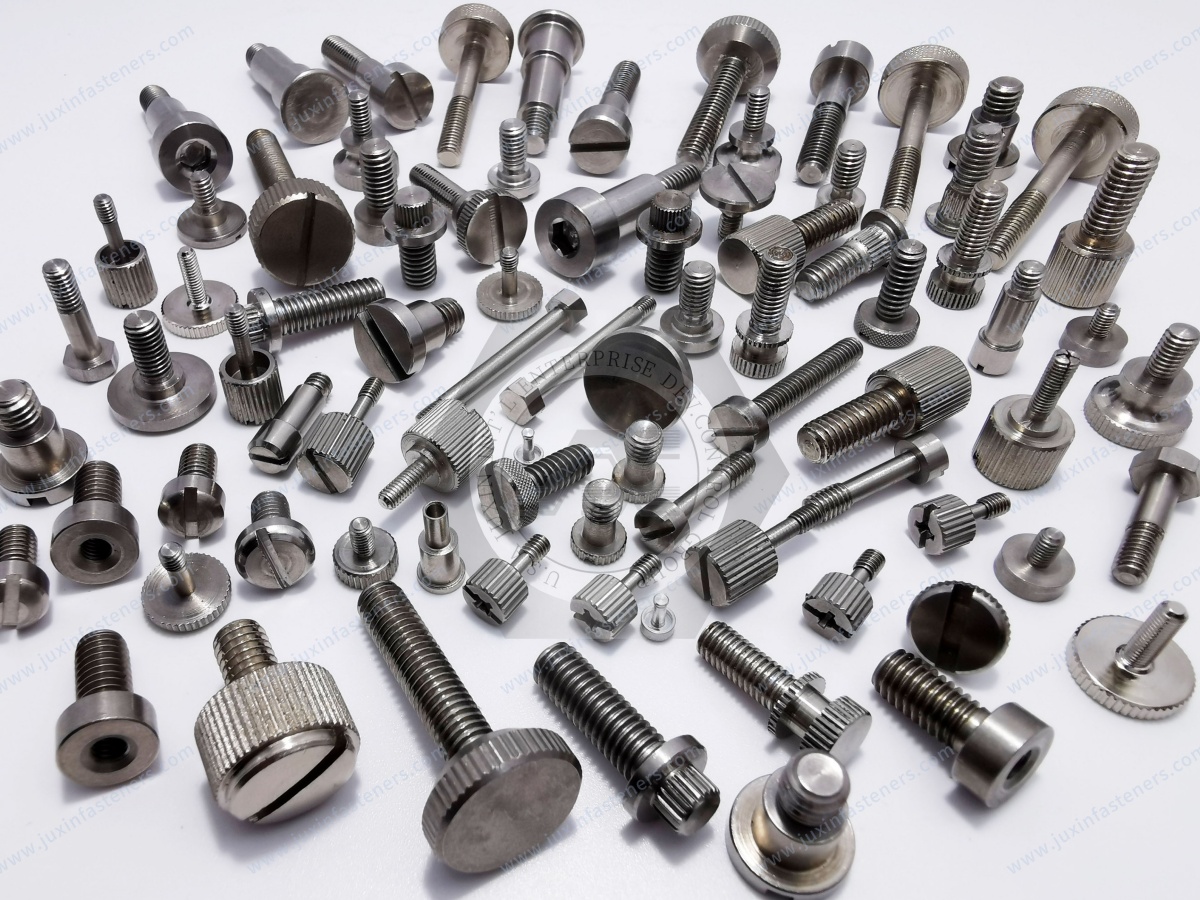
Stainless steel nuts can be paired with compatible screws and bolts in corrosion-resistant threaded assemblies.
Potential products include:
Hex nuts
Flange nuts
Cap nuts
Lock nuts
Custom nuts
The nut must be compatible with the mating screw in:
Thread
Material
Mechanical properties
Assembly behavior
A stronger screw does not automatically create a stronger threaded system.
Where corrosion resistance and resistance to unwanted rotational loosening are both required, stainless steel lock nuts may be considered.
Possible solutions include:
Nylon-insert lock nuts
All-metal prevailing-torque nuts
Application-specific locking systems
But:
Stainless Steel ≠ Anti-Loosening Feature.
And:
Locking Feature ≠ Correct Preload.
Corrosion resistance, locking function and clamp load are separate engineering requirements.
Stainless steel rivet nuts can create reusable threads in thin sheet when installation is available from only one side.
Potential applications include:
Outdoor enclosures
Electrical cabinets
Machinery
Transportation equipment
HVAC systems
Industrial sheet-metal assemblies
Selection should consider:
Grip range
Sheet thickness
Hole size
Body geometry
Parent material
Installation tooling
Pull-out
Spin-out
Installed rivet-nut performance can be limited by the parent sheet.
Therefore:
Stronger Rivet Nut Material ≠ Stronger Installed Joint.
A stainless rivet nut installed into thin aluminum may still fail through the aluminum sheet if the joint is poorly designed.
Stainless steel self-clinching nuts, studs and standoffs may be used in compatible sheet-metal applications.
However, self-clinching is a controlled material-flow process.
Performance depends on:
Parent material
Sheet hardness
Thickness
Hole geometry
Edge distance
Fastener geometry
Press tooling
Installation force
Therefore:
Stainless Fastener ≠ Universal Sheet Compatibility.
Stainless steel threaded inserts may be used to create or reinforce threads in selected:
Aluminum components
Plastic components
Machined housings
Industrial assemblies
But installed strength depends on the parent material.
Strong Insert ≠ Strong Parent Material.
The insert and parent component must be engineered as one fastening system.
A stainless steel fastener can have excellent corrosion resistance and poor assembly behavior if galling is not controlled.
Galling is adhesive wear that can occur between contacting stainless threaded surfaces.
Possible consequences include:
Rapid torque increase
Thread damage
Seizure
Failed installation
Difficult disassembly
Therefore:
Corrosion Resistance ≠ Galling Resistance.
Galling risk can be affected by:
Material pairing
Thread fit
Surface condition
Installation speed
Contact pressure
Lubrication
Repeated assembly
Possible mitigation strategies may include:
Suitable lubrication
Appropriate material pairing
Controlled installation speed
Surface treatments
Different mating materials
Application-specific thread design
The selected approach should match the operating environment.
Corrosion resistance does not remove the need for correct joint tightening.
A simplified torque relationship can be represented as:
T = K × F × d
where:
T = tightening torque
K = friction-related torque coefficient
F = preload
d = nominal diameter
The important engineering principle is:
Torque ≠ Preload.
Friction strongly affects how much clamp force is generated from a given tightening torque.
Changing from coated carbon steel to stainless steel can change friction.
Changing from dry stainless steel to lubricated stainless steel can also change friction.
Therefore:
Same Torque + Different Friction ≠ Same Preload.
If material or surface condition changes, the assembly specification may require review.
Lubrication may be intentionally used to:
Reduce galling risk
Control friction
Improve assembly consistency
But lubricant selection must be compatible with:
Temperature
Chemicals
Cleanliness requirements
Corrosion environment
Customer specification
Lubrication should not be added or removed casually.
Dry Torque ≠ Lubricated Torque.
Outdoor electrical equipment can combine:
Rain exposure
Condensation
Temperature cycling
Dissimilar metals
Long maintenance intervals
Potential fastening products include:
Stainless screws
Stainless nuts
Rivet nuts
Self-clinching hardware
Captive hardware
Custom components
Potential applications include:
Electrical cabinets
Power distribution equipment
Telecom enclosures
Outdoor control systems
Energy equipment
The complete enclosure environment should determine the material selection.
Selected automotive and EV assemblies may require stainless fasteners where corrosion resistance and assembly requirements support their use.
Potential applications include:
Electrical equipment
Interior equipment
Enclosures
Brackets
Thermal-management equipment
Battery-related auxiliary assemblies
Important engineering considerations can include:
Corrosion
Galvanic interaction
Temperature cycling
Vibration
Preload
Serviceability
However:
Stainless Steel Fastener ≠ Automotive Safety-Critical Qualification.
Safety-critical automotive applications require OEM-specific engineering, testing and formal approval.
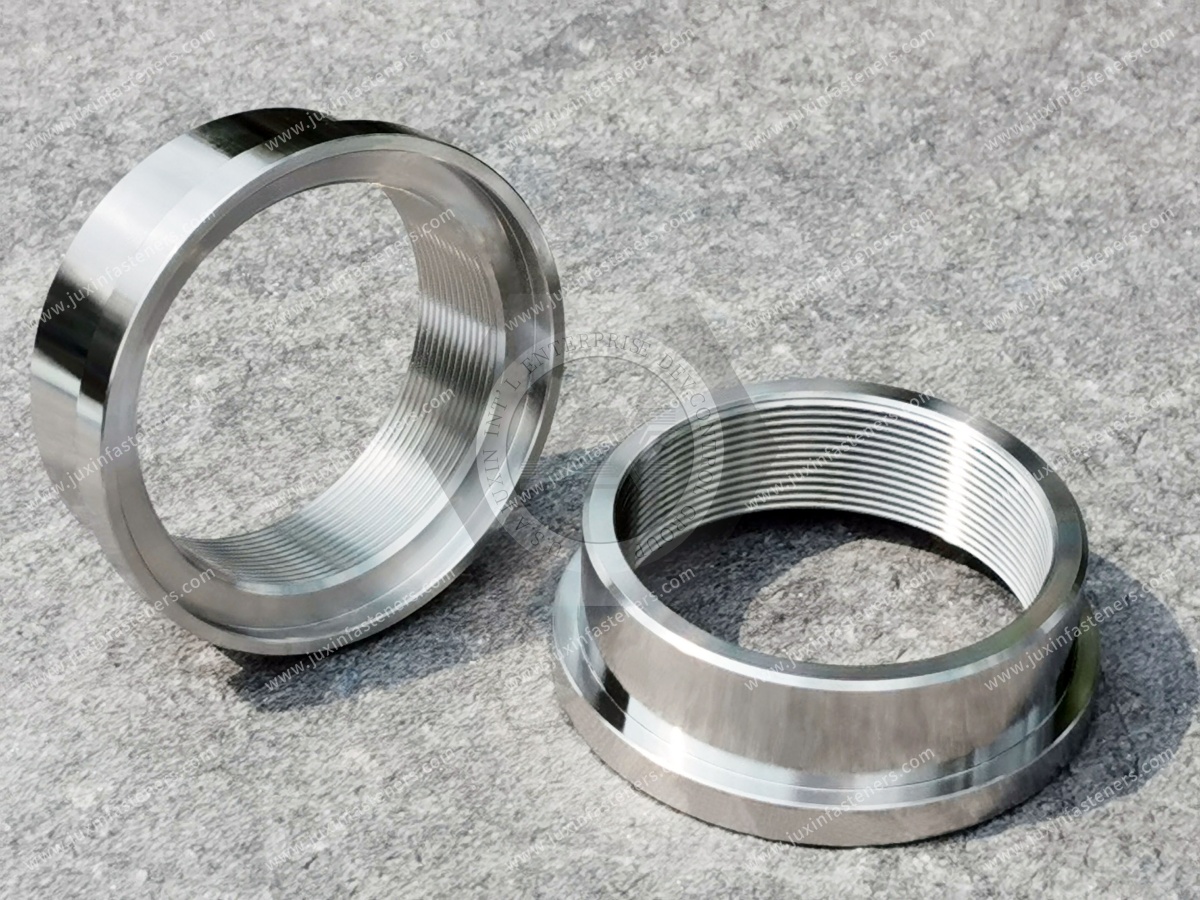
Battery enclosures and associated systems may combine:
Aluminum
Coated steel
Stainless steel
Plastics
Electrical components
This makes material interaction especially important.
A stainless steel screw may provide excellent corrosion resistance while creating galvanic concerns with an aluminum enclosure.
The fastening system may therefore require evaluation of:
Mating materials
Isolation
Sealing
Coatings
Thermal cycling
Electrical requirements
Service access
Stainless Fastener ≠ Battery-System Qualification.
Renewable-energy equipment often operates outdoors for long periods.
Potential applications include:
Solar equipment
Wind-energy auxiliary equipment
Power electronics
Monitoring equipment
Electrical cabinets
Important variables include:
Humidity
Chlorides
Temperature cycling
Dissimilar metals
Service interval
304 or 316 should be selected according to the actual environment rather than industry name alone.
HVAC and thermal-management equipment can expose fasteners to:
Condensation
Water
Temperature changes
Cleaning agents
Outdoor conditions
Potential applications include:
Heat exchangers
Cooling equipment
Air-handling equipment
Pumps and auxiliary structures
Equipment housings
Material and corrosion strategy should follow the fluid and environmental exposure.
Stainless steel fasteners are widely considered for food-processing machinery because of their useful corrosion and cleaning characteristics.
Potential applications include:
Processing machinery
Conveying equipment
Beverage equipment
Commercial kitchen equipment
304 or 316 may be evaluated depending on:
Cleaning chemistry
Chlorides
Temperature
Equipment design
Exposure
However:
Stainless Steel Grade ≠ Food-Contact Approval.
The applicable hygiene, surface and regulatory requirements must be defined separately.
Stainless fasteners may be used in selected:
Laboratory equipment
Diagnostic equipment
Instrument housings
Non-implant mechanical assemblies
But:
316 Stainless Steel ≠ Automatic Medical-Grade Qualification.
Medical applications may require specific:
Material documentation
Surface requirements
Cleanliness
Traceability
Sterilization compatibility
Regulatory controls
These requirements must be specified by the customer.
Marine-related applications are one of the most common reasons engineers investigate 316 stainless steel fasteners.
But “marine” covers very different conditions:
Coastal atmosphere
Salt spray
Splash zones
Direct seawater exposure
Enclosed wet environments
316-type stainless steel can provide improved chloride resistance compared with 304 in many conditions, but:
316 Stainless Steel ≠ Universal Marine Approval.
Joint geometry, crevices, temperature and mating materials remain important.
Industrial machinery may use stainless fasteners when equipment is exposed to:
Moisture
Cleaning
Chemicals
Outdoor environments
Corrosive production conditions
Potential products include:
Stainless screws
Bolts
Nuts
Rivet nuts
Inserts
Standoffs
Custom machined components
For general dry indoor machinery, however, stainless steel may not always be the most economical solution.
A coated carbon-steel fastener may sometimes meet the requirement at lower cost.
Data centers and power infrastructure may use stainless fastening components in selected:
Cooling equipment
Outdoor electrical equipment
Power distribution systems
Corrosion-sensitive enclosures
Thermal-management systems
The decision should be based on actual environmental and maintenance requirements rather than applying stainless steel throughout the system.
Precision and semiconductor equipment may use stainless fasteners in selected applications where:
Corrosion resistance
Equipment cleanliness
Dimensional stability
Serviceability
are important.
However, special requirements such as:
Vacuum compatibility
Cleanroom requirements
Outgassing
Particle control
Surface cleanliness
must be separately specified.
Stainless Steel ≠ Automatic Semiconductor Qualification.
Selected railway interiors and equipment systems may use stainless steel fasteners for:
Interior equipment
Electrical cabinets
Equipment enclosures
Secondary attachments
Primary structural, braking, running gear, crash-related and other safety-critical applications require project-specific engineering and validation.
A generic stainless fastener should not automatically be described as railway-qualified.
Stainless steel can provide useful temperature performance, but there is no universal operating-temperature range for every stainless fastener.
Temperature capability depends on:
Grade
Property class
Load
Exposure duration
Environment
Lubrication
Locking system
Joint design
At elevated temperature, engineers may need to consider:
Strength retention
Oxidation
Creep
Thermal expansion
Preload loss
Galling
At low temperature, toughness and the specific stainless grade may become important.
Therefore:
Stainless Steel Grade ≠ Universal Temperature Rating.
Stainless steel fasteners are frequently combined with:
Aluminum
Carbon steel
Copper alloys
Plastics
These materials can expand at different rates.
Temperature cycling can therefore affect:
Preload
Contact pressure
Joint movement
Sealing
This is especially relevant in:
EV equipment
Power electronics
HVAC
Liquid cooling
Outdoor equipment
Stainless fasteners can be manufactured using processes such as:
Cold heading
Cold forming
Thread rolling
CNC machining
Automatic turning
Stamping
Secondary machining
The correct process depends on:
Material grade
Geometry
Tolerance
Thread
Volume
Mechanical requirements
Cold heading can be an efficient manufacturing route for suitable high-volume stainless screws, bolts and other components.
Potential benefits include:
High production efficiency
Material utilization
Repeatability
Production scalability
But stainless steel has different forming behavior from conventional carbon steel.
Tooling and process design must match the selected grade.
Cold working can influence the mechanical characteristics of austenitic stainless steels.
Therefore, finished fastener performance cannot always be inferred directly from raw-material data.
This reinforces an important sourcing principle:
Raw Material Certificate ≠ Finished Fastener Performance.
CNC machining can be suitable for:
Custom geometry
Precision components
Low-volume fasteners
Shoulder screws
Special threaded components
Prototypes
However:
CNC Machining ≠ Automatically Higher Quality.
Manufacturing route should be selected according to geometry, tolerance, material and production volume.
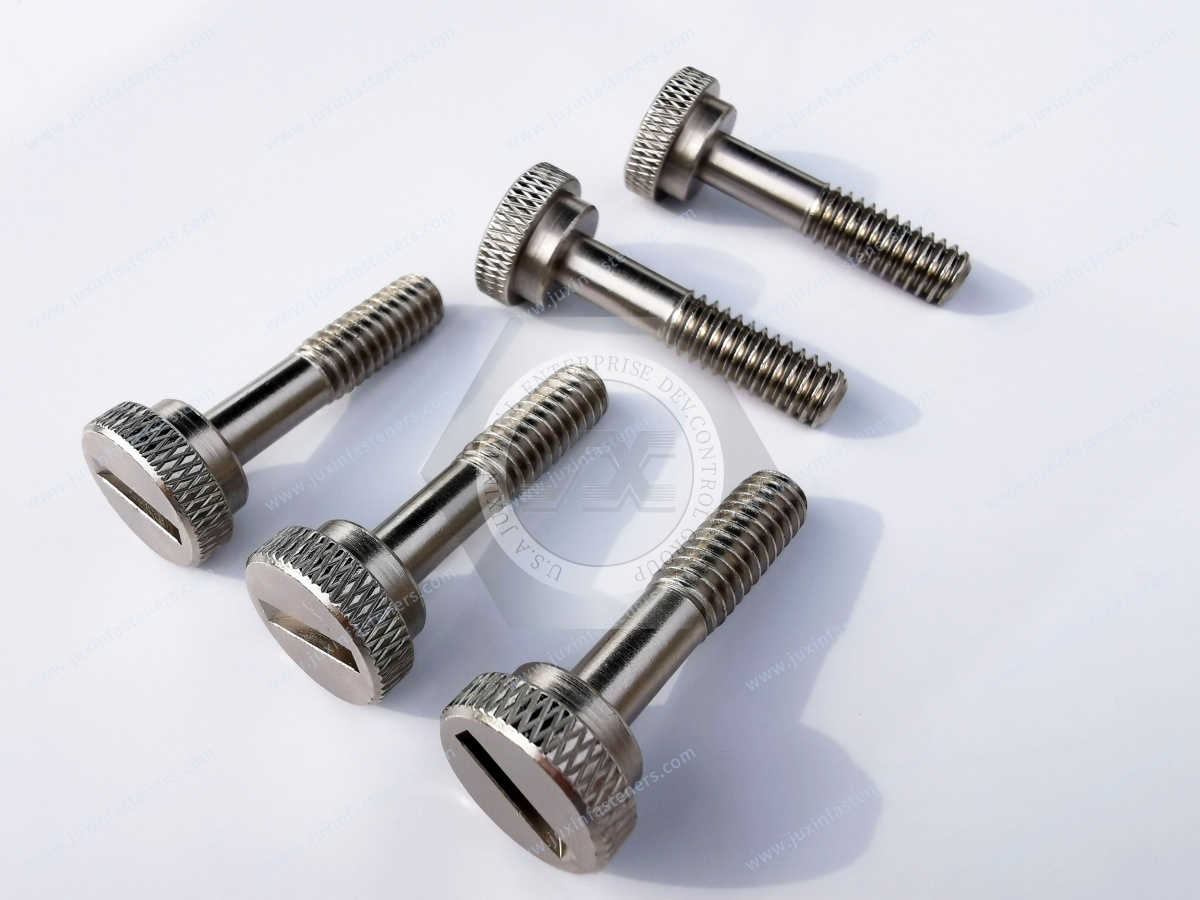
Selected stainless components may require specific cleaning or passivation processes.
Passivation can support surface condition and passive-film performance when properly specified.
But:
Passivation ≠ Corrosion-Proofing.
The base material and service environment remain fundamental.
Some OEM applications require stainless fasteners with a black appearance.
In these projects, the RFQ should define more than color.
Questions include:
What black surface system is required?
Is corrosion resistance specified?
Is friction controlled?
Is appearance the primary requirement?
Will the finish affect thread fit?
Is wear resistance required?
Therefore:
Black Color ≠ Complete Surface Specification.
A corrosion test should answer a defined engineering question.
Depending on the application, evaluation may need to consider:
General corrosion
Pitting
Crevice corrosion
Galvanic corrosion
Chemical exposure
A single generic salt-spray requirement may not represent every service condition.
Depending on the product and customer specification, quality control may include:
Material verification
Dimensional inspection
Thread inspection
Mechanical testing
Hardness testing where applicable
Functional testing
Surface inspection
Corrosion testing where specified
Traceability
The inspection plan should match the product and application risk.
A stainless fastener supplier should not be qualified simply because it can quote:
304, 316, A2 or A4.
Procurement and supplier-development teams should evaluate whether the supplier can control:
Material
Drawing revision
Manufacturing process
Thread
Mechanical properties
Surface condition
Inspection
Functional requirements
Traceability
Change control
This becomes especially important for drawing-based OEM fasteners.
Developing a second source requires more than matching:
Dimensions
Stainless grade
Thread
Functional equivalence may also require comparison of:
Property class
Manufacturing route
Surface condition
Friction
Galling behavior
Functional testing
Inspection
Documentation
Therefore:
Same Dimensions + Same Stainless Grade ≠ Automatic Functional Equivalence.
Procurement may consider 316 an automatic upgrade from 304.
But changing grade can affect:
Material cost
Availability
Formability
Manufacturing
Friction
Galling
Supply chain
Likewise, changing 316 to 304 can reduce corrosion resistance in certain environments.
Therefore:
304 ↔ 316 Substitution Can Be an Engineering Change.
Not every corrosion-resistant assembly requires stainless steel.
Depending on the application, engineers may compare stainless steel with:
Zinc plating
Zinc-nickel plating
Zinc-flake systems
Other engineered coatings
A coated carbon-steel fastener may provide:
Different strength options
Different friction behavior
Lower material cost
Suitable corrosion performance
while stainless steel may provide:
Corrosion resistance without relying on a sacrificial metallic coating
Different maintenance characteristics
Different material compatibility
The correct choice depends on the joint.
This is not simply:
Stainless = Better
or:
Zn-Ni = Cheaper.
The comparison should include:
Required mechanical strength
Corrosion mechanism
Friction
Preload
Galvanic interaction
Manufacturing
Cost
OEM specification
For some high-strength applications, a properly specified coated alloy-steel fastener may be more appropriate than a stainless fastener.
Procurement should compare the complete cost of the fastening solution.
A useful model is:
Total Installed Cost = Part Price + Installation + Tooling + Inspection + Rework + Scrap + Downtime + Maintenance + Logistics + Supply Risk
A cheaper fastener that corrodes prematurely is expensive.
But an unnecessarily expensive stainless grade also increases total sourcing cost without adding value.
The objective is:
Required Performance at Controlled Total Cost.
For an effective engineering and commercial review, provide:
2D drawing
3D model where available
Part number
Drawing revision
Application
Stainless steel grade
Property class
Thread
Mating component
Parent material
Mechanical requirements
Corrosion environment
Chloride exposure where relevant
Chemical exposure where relevant
Service temperature
Surface requirement
Installation method
Tightening requirement
Lubrication condition where applicable
Locking requirement
Annual volume
Sample quantity
Validation requirements
Applicable ISO, DIN, EN, ASTM, ASME/ANSI, SAE or customer specification
For corrosion-resistant applications, also tell the supplier:
Indoor or outdoor
Coastal or non-coastal
Direct water exposure
Chloride exposure
Cleaning chemicals
Process chemicals
Dissimilar mating metals
Expected service environment
Corrosion test requirement
Appearance requirement
This information helps determine whether:
304
316
Another stainless grade
Coated carbon steel
Another fastening material
is the more appropriate solution.
A controlled stainless fastener development process can follow:
Application Review → Corrosion Environment Review → Material Selection → Drawing Review → Manufacturing Review → Quotation
→ Sample → Dimensional & Material Verification → Assembly Validation → Corrosion / Functional Validation Where Required → Approval → Production
For custom OEM projects, corrosion resistance should be evaluated together with mechanical and assembly performance.
This page should function as the dedicated Stainless Steel Fasteners & Corrosion-Resistant Solutions resource.
Recommended internal links include:
Fastener Surface Treatment & Coating Selection → corrosion protection alternatives
Zinc-Nickel Coated Fasteners → Zn-Ni corrosion and friction engineering
Zinc vs Zinc-Nickel Plating → coating selection
Black Zinc-Nickel Fasteners → black corrosion-resistant finishes
Aluminum Fasteners → lightweight aluminum fasteners
Fasteners for Aluminum → galvanic and fastening considerations in aluminum assemblies
Automotive Fastener Selection Guide → vehicle fastening technology selection
Automotive Threaded Fasteners → preload, friction and locking
Automotive Fastener Quality Control → inspection and supplier qualification
Rivet Nuts → grip range, pull-out and spin-out
Self-Clinching Fasteners → parent-sheet compatibility
Custom Fastener Manufacturing → cold heading, CNC and DFM
Fastener Failure Modes → corrosion and mechanical failure analysis
Use the existing indexed JUXIN FASTENERS URL when implementing these internal links.
No. Stainless steel is corrosion resistant, but chloride exposure, chemicals, temperature, crevices and galvanic interaction can still cause corrosion.
There is no universal best grade. Selection depends on the corrosion environment, mechanical requirement, mating material and cost.
316-type stainless is often evaluated for more demanding chloride environments, while 304-type stainless can be suitable for many general industrial applications.
316 generally provides improved resistance to certain chloride-related corrosion mechanisms because of its molybdenum content. Actual performance still depends on the environment.
No. If the application does not require its additional corrosion characteristics, 316 may add cost without creating useful performance.
A2 is commonly associated with 304-type austenitic stainless families, while A4 is commonly associated with 316-type molybdenum-bearing stainless families.
The applicable fastener standard should define the exact requirement.
Yes. Coastal and marine environments can expose stainless steel to chlorides.
Grade, joint geometry, crevices, temperature and exposure severity all affect performance.
Yes in many assemblies, but galvanic corrosion of the aluminum should be evaluated
when stainless steel and aluminum are electrically connected in the presence of an electrolyte.
Galling can occur between contacting stainless thread surfaces. Material pairing, friction, installation speed, surface condition and lubrication can influence the risk.
Lubrication is primarily an assembly and friction consideration rather than a universal corrosion solution.
It can help reduce galling in suitable applications, but its compatibility with the operating environment must be evaluated.
Not automatically. Different material and surface conditions can change friction and therefore preload at the same torque.
They are widely used in food-processing machinery, but stainless grade alone does not establish food-contact or hygiene compliance.
Surface, cleaning and applicable regulatory requirements must also be defined.
No. Medical applications can require specific material, cleanliness, traceability, biocompatibility, sterilization or regulatory requirements.
Not always. Salt spray is a laboratory test and may not represent pitting, crevice corrosion, galvanic corrosion or chemical exposure in the actual application.
Not automatically. The substitution can change strength, friction, preload, galvanic behavior and cost. The complete joint should be reviewed.
Provide the drawing, application, stainless grade, property class, thread, mating material, mechanical requirements, corrosion environment,
temperature, surface requirements, installation method, annual volume and validation requirements.
The most important principle for stainless steel fastening is:
Corrosion resistance belongs to the assembly—not only to the fastener.
A reliable industrial joint requires the correct combination of:
Environment + Corrosion Mechanism + Stainless Grade + Mechanical Requirement + Mating Material + Galvanic Compatibility
+ Thread + Preload + Friction + Temperature + Installation + Validation
Sometimes the correct solution is 304 stainless steel.
Sometimes it is 316 stainless steel.
Sometimes a coated high-strength steel fastener is the more appropriate engineering choice.
The correct answer depends on the joint.
JUXIN FASTENERS supports OEM and industrial customers with stainless steel fastening components including:
Stainless steel screws
Stainless steel bolts
Stainless steel nuts
Stainless steel lock nuts
Stainless steel washers
Stainless steel rivet nuts
Stainless steel threaded inserts
Stainless steel self-clinching fasteners
Stainless steel standoffs
Custom cold-formed stainless fasteners
Custom CNC-machined stainless components
If you are developing a corrosion-resistant assembly, replacing an existing fastener, comparing 304 and 316, solving galvanic corrosion or galling problems,
or qualifying a second source, send the technical package for engineering and commercial review.
For an effective RFQ, provide:
2D Drawing + 3D Model + Part / Revision + Application + Stainless Grade + Property Class + Thread + Mating Component
+ Parent Material + Mechanical Requirement + Corrosion Environment + Surface Requirement + Installation Method + Annual Volume
Where relevant, also provide:
Chloride / Chemical Exposure + Temperature + Tightening Requirement + Lubrication Condition + Galvanic Conditions + Locking Requirement
+ Corrosion Test + Functional Validation + Traceability Requirements
JUXIN FASTENERS
Stainless Steel Fasteners | Corrosion-Resistant Fasteners | 304 Fasteners | 316 Fasteners | A2/A4 Fasteners | Custom OEM Fasteners
Email: info@juxinfasteners.com
Website: www.juxinfasteners.com
Contact Us
Tel.:
+86 020 8621 0320
+86 020 3121 6067
E-mail:
Technical Support:
Navigation
SEND INQUIREY



