
Call Us
+86 136 6007 9809
Call Us
+86 136 6007 9809

May. 12, 2026
Telecommunication equipment combines electronics, sheet-metal enclosures, printed circuit boards, RF modules, cooling systems, power electronics,
cable-management components and outdoor infrastructure within increasingly compact assemblies.
These systems do not require one universal “telecom fastener.”
They require different fastening technologies for different mechanical, electrical and environmental functions.
A nylon rivet used to retain a lightweight PCB component solves a fundamentally different engineering problem from a self-clinching nut installed in a steel enclosure,
a rivet nut used in an outdoor cabinet, or a stainless steel screw securing an external bracket.
For engineers, procurement managers and supplier-development teams, telecom fastener selection should therefore begin with the assembly function:
Component Function → Parent Material → Load → Electrical Requirement → Installation Access → Serviceability
→ Temperature → Environment → Manufacturing Process → Validation
JUXIN FASTENERS supplies nylon rivets, plastic fasteners, PCB hardware, self-clinching fasteners, rivet nuts, screws, nuts, standoffs,
spacers and drawing-based fastening components for selected telecommunications, electronics, electrical equipment, data-center and industrial OEM applications.
| Telecom Assembly | Typical Fastening Options | Primary Engineering Consideration |
|---|---|---|
| PCB mounting | Nylon rivets, PCB supports, standoffs, spacers | Insulation, spacing, retention, serviceability |
| PCB-to-chassis mounting | Metal or plastic standoffs, screws | Structural support, grounding boundary, spacing |
| Sheet-metal enclosure | Self-clinching nuts, studs, standoffs | Sheet material, thickness, hardness, installation |
| One-sided cabinet assembly | Rivet nuts | Grip range, hole, pull-out, spin-out |
| Removable access panel | Captive fasteners, machine screws | Repeated service, retention, installation |
| Cable management | Plastic clips, cable supports, nylon fasteners | Routing, retention, temperature, environment |
| Fan / cooling module | Screws, rivets, standoffs, suitable plastic fasteners | Vibration, serviceability, temperature |
| RF / communication module | Screws, standoffs, custom hardware | Mechanical position, grounding / shielding boundary |
| Outdoor telecom cabinet | Stainless or coated steel fasteners | Corrosion, galvanic compatibility, sealing boundary |
| Power electronics | Screws, standoffs, self-clinching hardware | Mechanical support, temperature, electrical separation |
| Lightweight internal assembly | Nylon rivets, plastic clips | Low mass, rapid installation, retention |
| Repeatedly serviced equipment | Machine screws, captive hardware | Reusability and maintenance |
The important principle is:
Select the fastener by system function—not simply by material or product name.
Telecommunications equipment can combine several requirements in one assembly:
Mechanical retention
Electrical insulation
Electrical grounding or bonding
EMI / EMC architecture
PCB spacing
Cable routing
Thermal management
Outdoor corrosion resistance
Vibration resistance
Repeated service access
High-volume production
Compact packaging
These requirements can conflict.
For example, an electrically insulating fastener may be desirable near a PCB but inappropriate where the joint is intentionally part of a grounding path.
A corrosion-resistant stainless fastener may be attractive outdoors but can introduce galvanic considerations when assembled against aluminum.
A permanent push-in rivet may reduce installation time but may be unsuitable for a module requiring frequent maintenance.
Therefore:
Fastener Material ≠ System Function.
A major specification mistake in electronic and telecommunications equipment is assuming that a fastener material automatically establishes an electrical function.
It does not.
The following principles should remain separate:
Mechanical Fastening ≠ Electrical Safety
Conductive Material ≠ Qualified Electrical Connection
Plastic Fastener ≠ System Electrical Compliance
Metal Standoff ≠ Electrical Insulator
Mechanical Joint ≠ Grounding or Bonding Qualification
Electrical requirements such as:
Grounding
Bonding
Creepage
Clearance
Insulation
EMI / EMC
Flammability
System certification
must be evaluated at the assembly or system level.
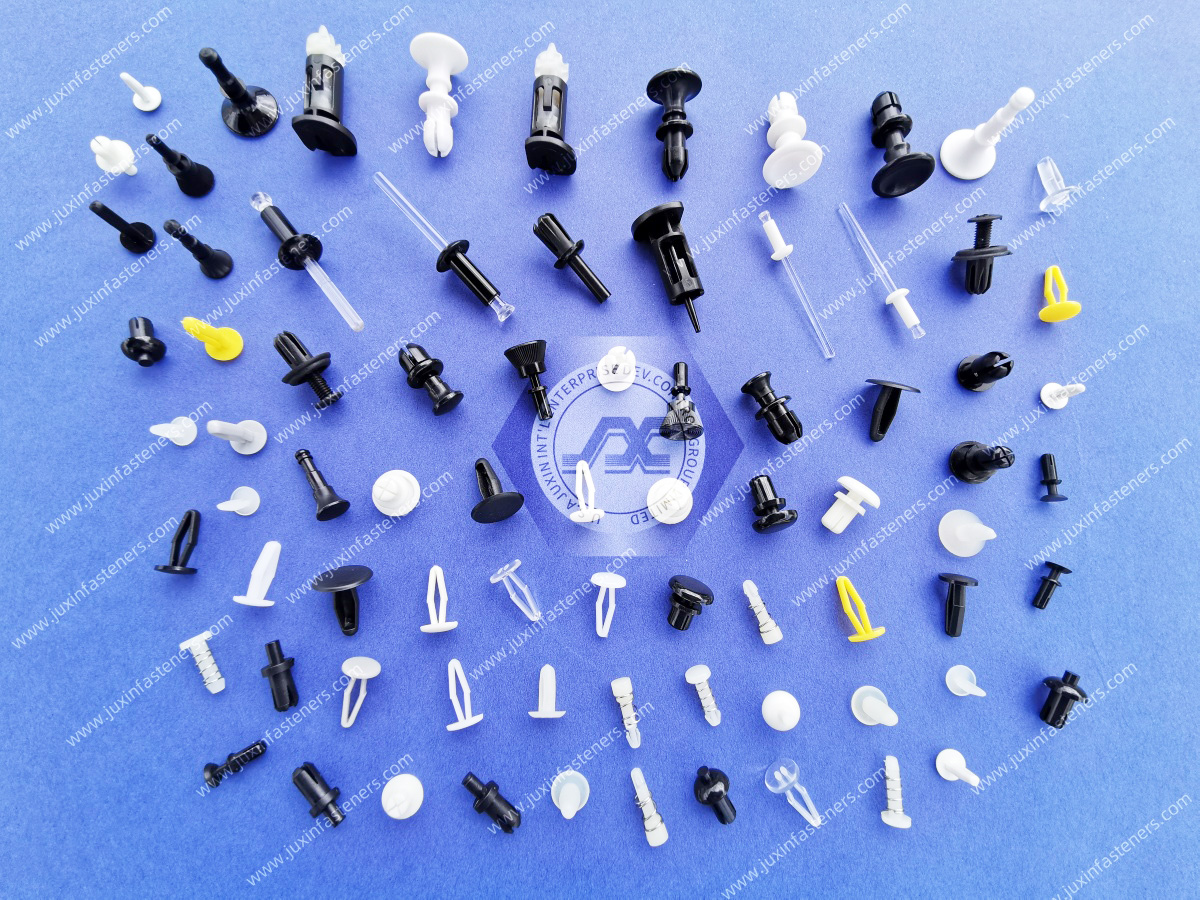
Nylon rivets and plastic snap rivets can provide an efficient fastening solution for suitable lightweight internal assemblies.
Potential applications include:
PCB retention
Electronic modules
Fan assemblies
Cable-management components
Lightweight covers
Internal brackets
Insulating component retention
Depending on the design, nylon rivets can offer:
Low weight
Electrical insulation
Corrosion-free polymer construction
Rapid installation
Reduced part count
Compatibility with suitable thin panels
But these advantages do not mean nylon rivets are universally suitable for telecommunications equipment.
The suitability of a nylon rivet depends on:
Polymer grade
Rivet geometry
Hole diameter
Panel thickness
Grip range
Retention requirement
Temperature
Moisture
Chemical exposure
Long-term loading
Installation method
Therefore:
Correct Diameter + Wrong Panel Thickness = Potentially Wrong Plastic Rivet.
The installed component must be evaluated as a system.
“ Nylon ” alone is not a complete material specification.
Different nylon formulations can behave differently because of:
Polymer chemistry
Reinforcement
Moisture absorption
Temperature
Additives
Colorants
Flame-retardant formulation
Processing history
Therefore:
Same Polymer Name ≠ Same Finished Fastener Performance.
Engineers should specify the actual material requirements relevant to the application.
A polymer component may be electrically insulating under defined conditions.
That does not mean the complete telecom product automatically satisfies:
Electrical safety
Creepage requirements
Clearance requirements
Flammability requirements
RF requirements
EMC requirements
These must be evaluated separately.
Where a telecom or electronics assembly requires a defined flammability classification, the requirement should be clearly stated in the drawing or RFQ.
Do not assume:
Nylon Fastener = Required Flammability Rating
and do not assume:
Material Rating = Complete Equipment Certification.
The component material, finished part and complete assembly may have different qualification requirements.
Nylon can absorb moisture from its environment.
This can affect properties such as:
Stiffness
Toughness
Dimensions
Installation behavior
For precision electronic assemblies, engineers should consider the expected service environment rather than evaluating the fastener only in a dry laboratory condition.
Telecommunications equipment can contain localized heat sources such as:
Power supplies
RF power components
Processors
Fans
Heat sinks
Power conversion modules
Plastic fasteners near these components should be evaluated against actual operating temperature.
A fastener suitable for a low-temperature PCB location may not be appropriate next to a high-temperature power component.
Polymers can exhibit time-dependent deformation under sustained load.
This means:
Initial Tightness ≠ Long-Term Clamp Retention in Plastic.
Where long-term clamp load is critical, the engineer should evaluate whether a polymer fastener is the correct technology.
Plastic fasteners are often better suited to retention, positioning, spacing and light mechanical fastening than to joints requiring high sustained preload.
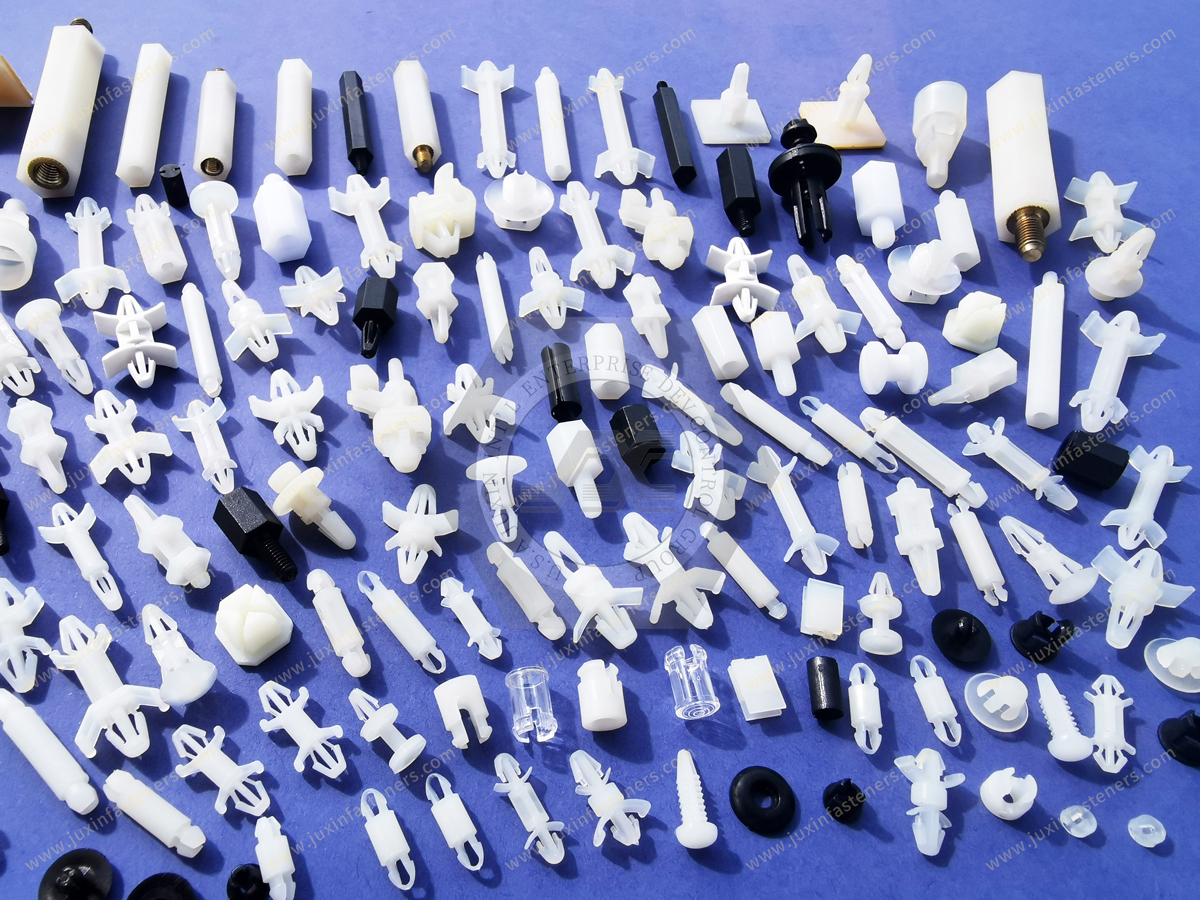
PCB assemblies frequently require controlled separation between:
PCB and chassis
PCB and enclosure
Stacked PCBs
PCB and heat-generating components
Electronic modules
Potential fastening components include:
PCB supports
Snap-in standoffs
Threaded standoffs
Spacers
Card guides
Nylon screws
Nylon nuts
Plastic washers
Metal standoffs
The correct component depends on whether the function is:
Spacing, Retention, Structural Support, Electrical Isolation, Grounding or Service Access.
A spacer primarily establishes distance between components.
A standoff may also provide a mechanical attachment interface.
Depending on design, it may include:
Male thread
Female thread
Snap feature
Locking feature
The distinction matters when defining the BOM and sourcing specification.
A plastic standoff can be useful where electrical isolation and low mechanical load are important.
A metal standoff may provide:
Greater mechanical stiffness
Threaded serviceability
Better dimensional stability in suitable applications
But:
Metal Standoff ≠ Electrical Insulator.
If the standoff participates in grounding or bonding, that electrical function must be deliberately engineered.
PCB card guides can help:
Position circuit boards
Support insertion and removal
Maintain board alignment
Organize modular electronics
Their performance depends on:
Board thickness
Guide geometry
Retention design
Material
Temperature
Chassis geometry
These components should be specified as part of the mechanical packaging system.
Telecommunications equipment contains extensive:
Signal cables
Power cables
Fiber routing
Internal wiring
Harnesses
Fastening solutions may include:
Cable clips
Snap-in supports
Nylon clamps
Push-in retainers
Custom plastic clips
Selection should consider:
Cable diameter
Bundle size
Bend radius
Retention force
Installation hole
Temperature
Service access
A clip can hold a cable in position.
It does not automatically provide:
Abrasion protection
Strain relief
Electrical insulation compliance
Fire protection
Those functions must be separately specified where required.
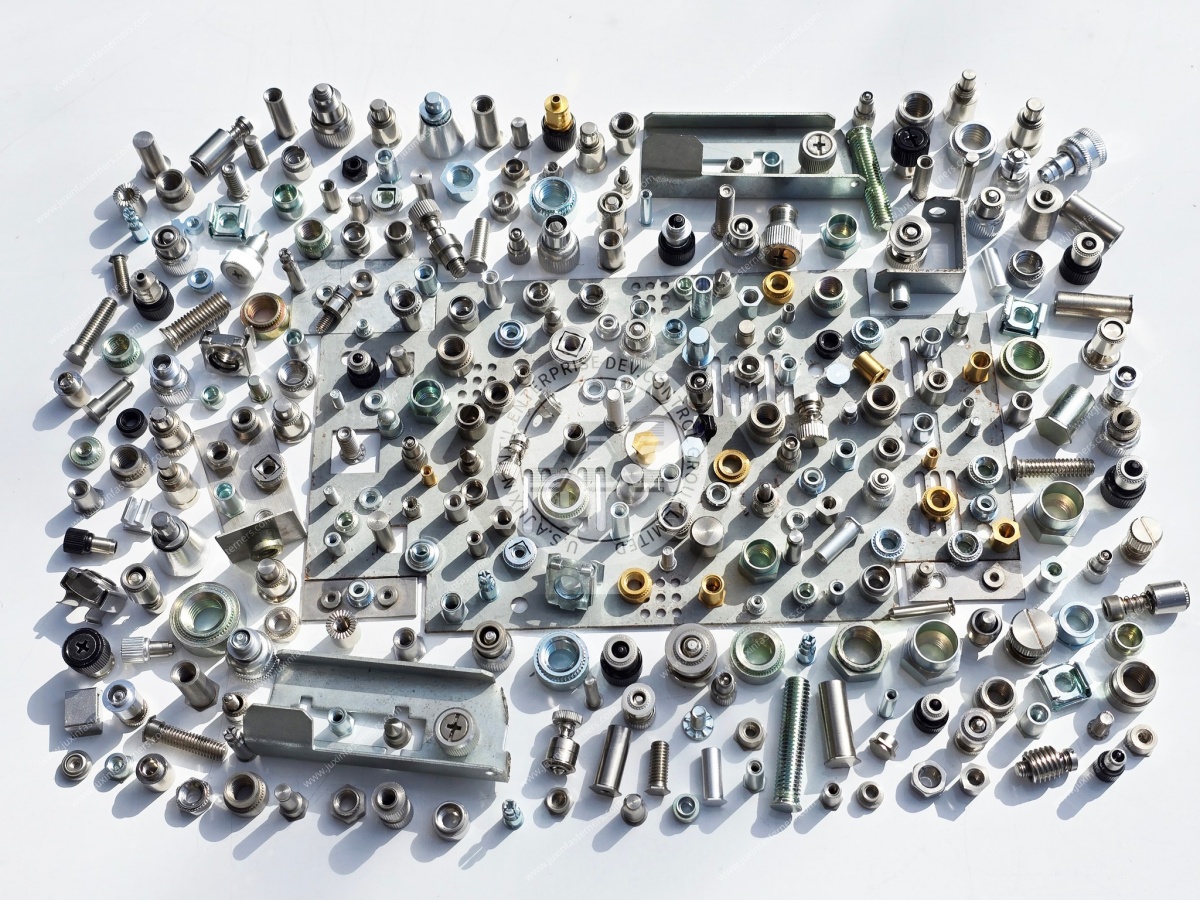
Thin sheet-metal enclosures are common in:
Telecom cabinets
Network equipment
RF enclosures
Power equipment
Rack-mounted electronics
Server infrastructure
Self-clinching fasteners can create permanent mechanical attachment features in suitable sheet.
Common products include:
Self-clinching nuts
Self-clinching studs
Self-clinching standoffs
Captive screws
Other press-installed hardware
A self-clinching fastener is installed into a correctly prepared hole using controlled press force.
During installation, parent material flows into the fastener's retention features.
The resulting mechanical interlock provides installed retention.
Therefore:
Self-Clinching Installation Is a Controlled Material-Flow Process.
Self-clinching performance depends on:
Sheet material
Sheet hardness
Sheet thickness
Hole diameter
Hole location
Edge distance
Fastener geometry
Tooling
Press installation
Therefore:
Same Sheet Thickness ≠ Same Clinching Behavior.
A fastener that performs correctly in one sheet material should not automatically be assumed to perform identically in another.
Excessive installation force can:
Deform sheet
Damage fastener
Distort enclosure
Affect installed geometry
Therefore:
More Press Force ≠ Better Self-Clinching Installation.
The correct tooling and controlled installation process matter.
Self-clinching fasteners can be evaluated for different retention modes.
Push-out relates to axial displacement from the sheet.
Torque-out relates to resistance against rotation.
These are different failure modes.
Therefore:
Push-Out ≠ Torque-Out.
Both should be considered according to the actual joint requirement.
Rivet nuts are useful where a reusable internal thread must be installed into thin sheet and only one side is accessible.
Potential applications include:
Outdoor cabinets
Equipment housings
Access panels
Internal brackets
Cooling equipment
Electrical modules
Selection depends on:
Thread
Parent material
Sheet thickness
Hole
Grip range
Body style
Flange
Installation
Pull-out requirement
Spin-out requirement
A rivet nut with the correct M4, M5 or M6 thread can still be incorrect if its grip range does not match the sheet.
Correct installation requires controlled deformation behind the parent material.
Therefore:
Thread Size Alone Is Not a Rivet-Nut Specification.
For rivet nuts:
Pull-Out describes resistance to axial removal.
Spin-Out describes resistance to rotation within the parent material.
They are different failure mechanisms.
And:
Spin-Out ≠ Mating Screw Self-Loosening.
This distinction is important when troubleshooting telecom enclosure joints.
Closed-end rivet nuts can reduce one potential path through the fastener body.
However:
Closed-End Rivet Nut ≠ Automatic IP Protection.
Water ingress can occur through other interfaces.
Enclosure sealing depends on:
Fastener interface
Hole
Gasket
Sealant where specified
Panel interface
Cable entries
Door seals
Complete enclosure design
The finished enclosure must be validated to the required protection level.
Telecommunications cabinets and electronic equipment may require repeated access for:
Installation
Inspection
Module replacement
Maintenance
Upgrades
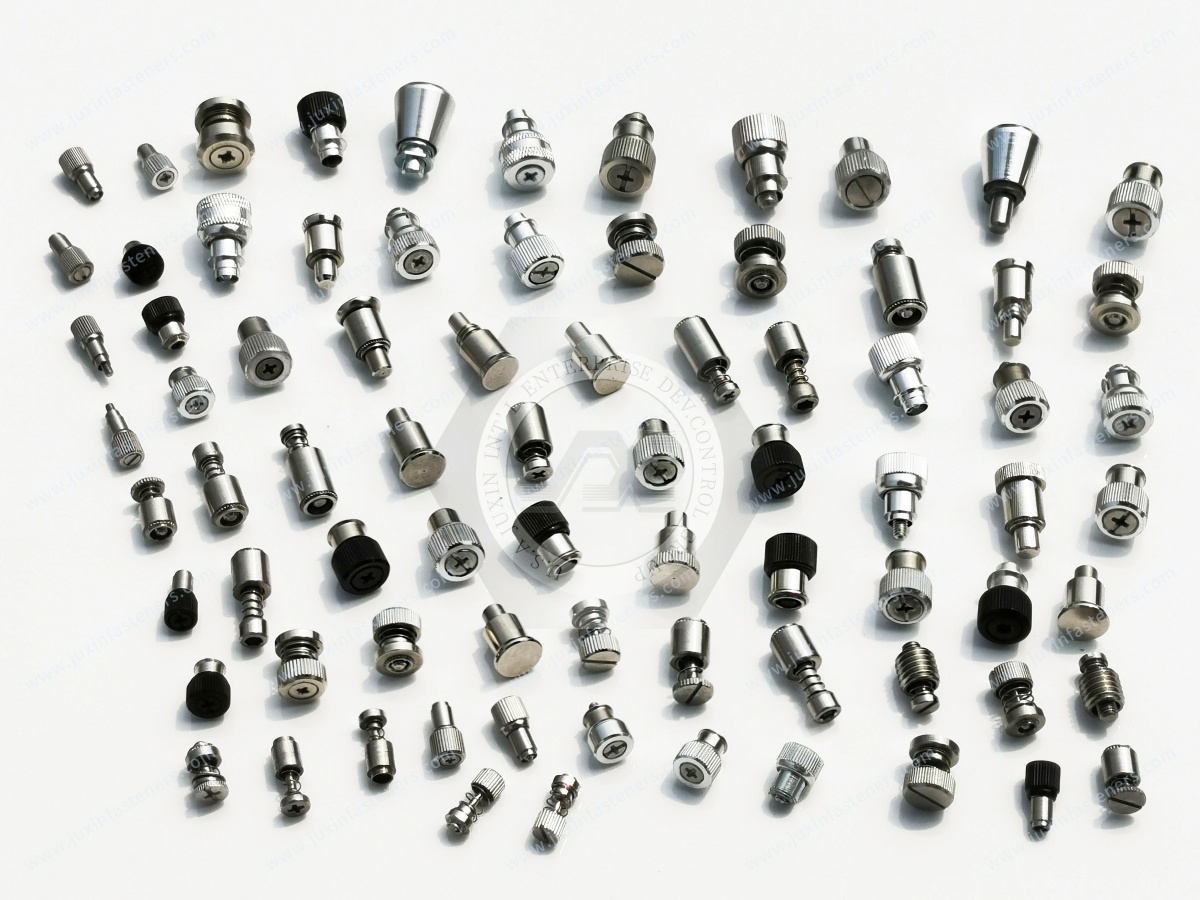
Captive panel fasteners can help retain screws or hardware with the panel when opened.
Potential advantages include:
Reduced loose hardware
Faster servicing
Simplified field maintenance
Better hardware retention
But:
Captive Fastener ≠ Anti-Loosening Fastener.
Captivity and resistance to self-loosening are different engineering functions.
Machine screws remain a fundamental fastening technology for:
Removable panels
Brackets
Modules
Standoffs
Fans
Heat sinks
Internal structures
Selection can include:
Thread
Head style
Drive
Material
Property class
Coating
Length
The mating thread must also be evaluated.
Drive systems with good tool engagement can improve assembly control in suitable production environments.
However:
Better Drive Engagement ≠ Higher Joint Strength.
Joint strength still depends on:
Thread
Parent material
Preload
Fastener strength
Bearing surface
Drive style is only one part of the fastening system.
Thread-forming screws may be used to create threads directly in suitable:
Metal
Plastic
Other engineered parent materials
They can reduce part count where the parent material can support the thread.
However:
Thread-Forming Screw ≠ Universal Self-Tapping Solution.
Thread geometry, pilot hole and parent material must be matched.
When fastening plastic housings, the design should consider:
Polymer
Reinforcement
Boss diameter
Boss wall thickness
Pilot hole
Thread engagement
Installation torque
Strip torque
Repeated assembly
Creep
Therefore:
Strong Screw ≠ Strong Plastic Joint.
The parent polymer frequently controls the failure mode.
The original simplistic rule “avoid conductive materials near circuits” is not an adequate engineering principle.
Metal fasteners are extensively used in electronic equipment.
Their suitability depends on:
Location
Electrical architecture
Creepage and clearance
Grounding design
Insulation strategy
Mechanical load
A conductive fastener can be entirely appropriate where the system has been designed for it.
The opposite mistake is equally important.
A metal screw touching a metal chassis does not automatically establish a qualified grounding or bonding connection.
Electrical performance can depend on:
Surface coating
Contact pressure
Oxide layer
Washer architecture
Joint design
Long-term corrosion
Applicable electrical requirements
Therefore:
Metal-to-Metal Contact ≠ Qualified Electrical Bond.
RF modules can impose additional mechanical packaging requirements.
Fasteners may be used for:
Enclosures
Covers
Shielding structures
Brackets
Heat sinks
Internal modules
But RF behavior belongs to the complete electromagnetic design.
Therefore:
Metal Fastener ≠ Automatic EMI Shielding Solution.
and:
Plastic Fastener ≠ Automatic RF Isolation Solution.
Fastener selection should support the RF architecture rather than replace it.
Outdoor antenna and radio equipment can expose fasteners to:
Rain
Humidity
UV exposure
Temperature cycling
Wind-induced vibration
Salt in coastal environments
Fastener material and coating should therefore be selected according to the actual installation environment.
Outdoor telecommunications cabinets require a different fastening strategy from indoor electronics.
Engineers should evaluate:
Corrosion
Water exposure
Condensation
Temperature cycling
UV exposure for polymers
Galvanic compatibility
Service access
Sealing interfaces
Potential fastener materials include:
Stainless steel
Coated carbon steel
Engineering polymers
The correct choice depends on the assembly.
Stainless steel screws, nuts and washers can provide useful corrosion resistance in outdoor applications.
Common material families can include 304 / A2 and 316 / A4 where appropriate.
But:
Stainless Steel ≠ Corrosion-Proof.
The actual environment matters.
Factors include:
Chlorides
Crevices
Moisture retention
Cleaning chemicals
Mating materials
316 / A4 can offer improved resistance in certain chloride-containing environments compared with 304 / A2.
But:
316 ≠ Automatically Best for Every Outdoor Telecom Cabinet.
Material selection should follow the environment, joint design and commercial requirement.
Many telecom enclosures and heat-management components use aluminum.
Installing a dissimilar metal fastener into aluminum can create galvanic considerations when an electrolyte is present.
Risk depends on:
Fastener material
Aluminum alloy
Surface treatment
Area ratio
Moisture
Chlorides
Joint geometry
Therefore:
Corrosion-Resistant Fastener ≠ Corrosion-Resistant Assembly.
Coated carbon-steel fasteners can be considered where:
Mechanical strength
Cost
Corrosion resistance
must be balanced.
Suitable coating systems may include:
Zinc
Zinc-nickel
Zinc-flake
Other customer-specified finishes
But coating should not be selected by corrosion performance alone.
For threaded joints:
Same Torque + Different Friction ≠ Same Preload.
Changing coating can change:
Thread friction
Bearing friction
Tightening behavior
Therefore:
Coating Substitution Can Be an Engineering Change.
A specification such as “zinc plated” may not completely define:
Thickness
Passivation
Topcoat
Friction
Appearance
Corrosion requirement
Procurement should specify the performance characteristics required by the application.
Salt-spray testing can support coating evaluation.
But:
Salt Spray Hours ≠ Field Service Life.
Outdoor telecom equipment experiences combinations of:
Wet/dry cycles
Temperature
UV
Condensation
Pollutants
Chlorides
Mechanical damage
The coating should match the real service environment.
Cooling equipment can include:
Fans
Heat sinks
Air ducts
Liquid-cooling components
Thermal-management modules
Fastener selection should consider:
Temperature
Vibration
Maintenance
Dissimilar materials
Leak boundaries where relevant
A mechanical fastener does not automatically provide fluid sealing.
If a screw, rivet nut or panel fastener passes through a sealed boundary, the sealing function must be separately designed.
Potential sealing elements may include:
Gaskets
Sealing washers
O-rings
Sealants
Engineered fastener geometry
Therefore:
Correct Mechanical Fastener ≠ Sealed Joint.
Base stations and communication infrastructure often contain:
AC/DC power equipment
DC distribution
Power supplies
Battery backup systems
Power conversion modules
Fasteners can support:
Mechanical housings
Brackets
Busbar-support structures
Covers
Cooling components
However:
Mechanical Joint ≠ Busbar Electrical Joint.
Current-carrying connections require separate electrical engineering.
Telecommunications infrastructure may include battery backup or energy-storage systems.
Fasteners may be used for:
Enclosures
Module supports
Brackets
Cooling components
Electrical housings
But:
Fastener ≠ Battery-System Safety Qualification.
Mechanical, electrical, thermal and fire-safety requirements must be validated at system level.
Telecommunications and networking equipment increasingly operate alongside:
AI servers
HPC systems
High-density network switches
Power distribution equipment
Liquid-cooling infrastructure
Potential fastening requirements include:
Rack and enclosure hardware
PCB supports
Captive fasteners
Self-clinching fasteners
Rivet nuts
Cable-management components
Standoffs
Insulating hardware
The same engineering principle applies:
Mechanical + Electrical + Thermal + Service Requirements Must Be Evaluated Together.
Rack-mounted equipment may require:
Removable fasteners
Captive hardware
Cage or threaded attachment systems
Sheet-metal fastening
Cable management
Repeated serviceability
The best solution depends on the rack architecture and service model.
Permanent fastening is not always desirable in equipment expected to be upgraded repeatedly.
Base stations combine:
RF modules
Power electronics
Antenna-related equipment
Cooling
Outdoor enclosures
Cable systems
A single base-station assembly may therefore require both:
Plastic / Insulating Fasteners
and:
Metal / Structural Fasteners
The correct solution is location-specific.
Compact equipment increases the importance of:
Low-profile hardware
Tight packaging
Lightweight components
Cable routing
Thermal clearance
Assembly access
Custom fasteners may be valuable where standard component geometry interferes with packaging.
Potential fastener applications include:
Chassis
PCB mounting
Fans
Heat sinks
Power supplies
Front panels
Internal brackets
Selection should distinguish between:
Permanent factory assembly
Field-serviceable assembly
Electrical insulation
Structural attachment
Potential technologies include:
Self-clinching fasteners
Rivet nuts
Machine screws with captive nuts
Blind rivets
Thread-forming screws where appropriate
Evaluate:
Rivet nuts
Suitable self-clinching hardware
Machine screws
Blind rivets
Threaded inserts
Pay particular attention to:
Sheet hardness
Bearing strength
galvanic corrosion
Potential technologies include:
Thread-forming screws
Molded-in inserts
Heat-installed or ultrasonic inserts where appropriate
Plastic clips
Snap-fit components
Nylon fasteners
Potential components include:
PCB supports
Nylon rivets
Standoffs
Spacers
Screws
The PCB should not be treated as an ordinary structural sheet material.
Possible options include:
Bolt + nut
Screw + nut
Screw + threaded component
Possible technologies include:
Rivet nut
Blind rivet
Thread-forming screw
Pre-installed self-clinching hardware
But these technologies serve different functions.
One-Sided Access ≠ One Fastener Type.
Potential options:
Blind rivets
Push-in plastic rivets
Certain clips
Potential options:
Machine screws
Captive screws
Threaded standoffs
Rivet nuts
Prioritize:
Thread durability
Captive hardware
Repeatable assembly
Replacement strategy
A permanent push-in fastener may reduce factory assembly time.
But if a field technician must destroy it during every service operation, lifecycle cost can increase.
Procurement should consider:
Production Cost + Service Cost + Replacement Hardware + Downtime
not simply the initial fastener price.
High-volume telecommunications equipment manufacturing may benefit from fasteners compatible with:
Automatic feeding
Robotic screwdriving
Press installation
Push-in assembly
Error detection
But:
Fast Installation ≠ Controlled Installation.
Fastener feedability, orientation and process stability should be considered early in product development.
Some plastic rivets and snap fasteners can support tool-free or low-tool assembly.
This can reduce:
Assembly operations
Tooling requirements
Cycle time
However, tool-free installation should not be prioritized over:
Required retention
Temperature capability
Serviceability
Long-term material behavior
Potential causes include:
Incorrect hole
Wrong panel thickness
Incorrect rivet geometry
Thermal cycling
Creep
Material mismatch
The solution is not automatically to select a larger rivet.
Potential causes include:
Excessive insertion force
Incorrect hole
Brittle material
Low-temperature behavior
Stress concentration
Aging
The polymer and geometry should be reviewed together.
Potential contributors include:
Wrong sheet hardness
Incorrect hole
Insufficient installation
Incorrect fastener
Sheet deformation
The solution should address the clinching interface.
Potential causes include:
Oversized hole
Wrong body style
Incorrect grip range
Poor setting
Soft parent material
Remember:
Spin-Out ≠ Screw Self-Loosening.
Possible contributors include:
Insufficient preload
Joint movement
Friction variation
Thermal cycling
Incorrect locking strategy
Adding a washer does not automatically solve the problem.
A standard flat washer primarily provides a bearing function.
It should not automatically be treated as a vibration-locking device.
Where loosening is a concern, the complete threaded joint should be evaluated.
For threaded telecom equipment fasteners:
Torque is an installation input.
Preload is the tensile force generated in the fastener.
Friction influences the relationship between them.
Therefore:
Torque ≠ Preload.
and:
Same Torque + Different Friction ≠ Same Preload.
If a telecom cabinet fastener fails, simply replacing it with a “stronger fastener” may not solve the problem.
Use:
Failure Mode → Load Path → Parent Material → Fastener Interface → Installation Process → Environment → Corrective Action → Validation
Examples:
Rivet Nut Spins → Investigate Hole / Body Geometry / Grip / Setting
Plastic Rivet Loosens → Investigate Hole / Panel Thickness / Polymer / Temperature
Screw Loosens → Investigate Preload / Friction / Joint Movement
Outdoor Corrosion → Investigate Material / Coating / Galvanic Couple / Environment
This is more effective than changing components by trial and error.
| Decision Factor | Plastic Fasteners | Metal Fasteners |
|---|---|---|
| Electrical insulation | Can be advantageous | Conductive unless electrically isolated |
| Structural load | Generally lower | Generally higher |
| Weight | Low | Higher |
| Corrosion | No metallic corrosion | Material / coating dependent |
| Temperature | Polymer dependent | Often broader, material dependent |
| Creep | Important consideration | Usually less significant |
| Reusable thread | Product dependent | Common |
| Grounding / bonding | Generally not suitable as conductive path | Possible only when intentionally engineered |
| Outdoor use | Polymer / UV / temperature dependent | Corrosion / galvanic design required |
| Serviceability | Product dependent | Often strong with threaded systems |
The correct decision is application-specific.
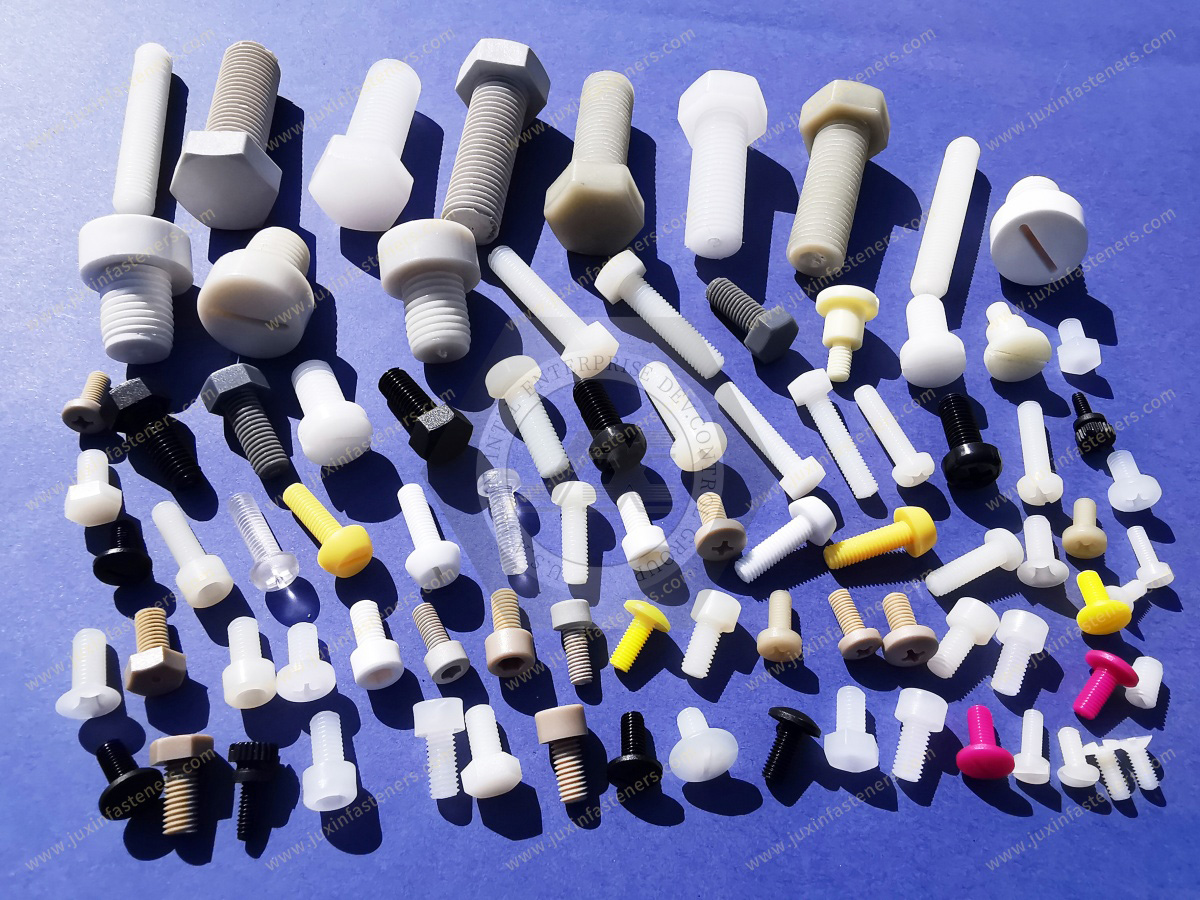
Use a nylon rivet when the application favors:
Rapid installation
Lightweight retention
Electrical isolation
Low assembly complexity
Consider a screw when the application requires:
Higher clamp load
Repeated disassembly
Controlled threaded attachment
Greater structural load
Neither is universally better.
Choose based on:
Mechanical load
Electrical requirement
Temperature
Spacing
Thread requirement
Serviceability
Do not select only by cost.
Evaluate a self-clinching nut where:
Sheet is compatible
Press access is available during manufacturing
Pre-installation can occur before final assembly
Evaluate a rivet nut where:
Only one side is accessible
Blind installation is required
The sheet and grip range are suitable
Neither technology should be selected only by thread size.
A rivet nut installs a separate reusable threaded element.
A thread-forming screw forms its mating thread directly in suitable parent material.
The decision depends on:
Parent material
Load
Service cycles
Thread durability
Installation
Cost
An RFQ such as:
“Need M4 fasteners for telecom cabinet”
is incomplete.
Two M4 fasteners can have completely different:
Functions
Materials
Strength
Coatings
Installation processes
Electrical implications
Procurement should define the application.
Provide:
2D drawing
3D model where available
Part number
Drawing revision
Application
Fastener type
Parent material
Parent-material thickness
Hole size
Thread where applicable
Required load
Material
Surface treatment
Installation method
Serviceability requirement
Operating temperature
Indoor / outdoor environment
Corrosion requirement
Electrical insulation requirement where applicable
Flammability requirement where applicable
Annual volume
Sample quantity
Validation requirements
Applicable ISO, DIN, EN, ASTM, SAE, ASME/ANSI or customer specification
For nylon rivets, PCB supports, spacers, clips and other polymer components, also provide:
Polymer requirement
Color
Panel thickness
Hole diameter
Retention requirement
Operating temperature
Moisture exposure
UV exposure for outdoor use
Chemical exposure
Flammability requirement where applicable
Provide:
Sheet material
Sheet hardness where known
Sheet thickness
Hole diameter
Edge distance
Thread
Required push-out / torque-out performance where applicable
Installation method
Provide:
Thread
Body style
Grip range
Hole
Sheet material
Sheet thickness
Flange style
Material
Coating
Pull-out requirement
Spin-out requirement
Mating screw
Provide:
Installation location
Base material
Indoor / outdoor exposure
Temperature range
Humidity
Coastal / chloride exposure where applicable
Required coating
Corrosion requirement
Mating material
Expected service life requirement if defined by the project
Procurement and supplier-development teams should evaluate more than price.
Relevant factors can include:
Drawing control
Material control
Dimensional consistency
Thread quality
Polymer grade control
Heat treatment where applicable
Surface treatment
Installation behavior
Functional testing
Lot traceability where required
Packaging
Production scalability
Change control
The exact quality plan should match the component risk.
A fastener can meet its dimensional drawing and still perform poorly if:
Hole is incorrect
Sheet is incompatible
Tooling is wrong
Installation is uncontrolled
Environment differs from design assumptions
Therefore supplier qualification should consider the intended application.
When qualifying an alternative telecom fastener supplier, compare:
Controlled drawing and revision
Material
Dimensions
Thread
Polymer grade where applicable
Hardness where applicable
Surface treatment
Functional geometry
Installation behavior
Required performance
The central principle is:
Same Dimensions ≠ Functional Equivalence.
Two plastic fasteners can have identical dimensions but different:
Polymer grade
Reinforcement
Moisture behavior
Temperature performance
Flexibility
Brittleness
Color / additive package
Therefore:
Same Shape + Same Polymer Family ≠ Same Finished Fastener Performance.
For metal telecom fasteners, changing coating can affect:
Corrosion
Friction
Dimensions
Thread fit
Appearance
Galvanic behavior
Therefore:
Coating Substitution Can Be an Engineering Change.
Procurement should compare:
Total Installed Cost = Part Price + Installation + Tooling + Inspection + Rework + Scrap + Maintenance + Downtime + Logistics + Supply Risk
A low-cost fastener can become expensive if it creates:
Slow assembly
Installation defects
Field-service difficulty
Rework
Corrosion failures
A push-in rivet may offer:
Lower installation time
No torque tool
Low component count
A machine screw may offer:
Reusability
Higher controlled clamp
Easier service
The lower-cost solution depends on the product lifecycle.
A self-clinching nut can eliminate the need to handle a loose nut during final assembly.
Potential production benefits include:
Reduced part handling
One-sided final assembly
Permanent thread location
But it also requires:
Compatible sheet
Correct hole
Press installation
The economics should be evaluated at assembly level.
Standard fasteners do not cover every telecom equipment architecture.
Custom components may be appropriate where the project requires:
Special PCB spacing
Restricted packaging
Low-profile geometry
Custom snap features
Special hole conditions
Custom cable routing
Special thread
Controlled insulation geometry
Outdoor material requirements
Drawing-specific metal components
JUXIN FASTENERS can review suitable drawing-based projects according to:
Geometry + Material + Parent Material + Installation + Environment + Volume + Validation Requirement
A prototype may be machined or manually assembled.
High-volume production may use:
Injection molding
Cold forming
Stamping
Thread rolling
Press installation
Automated screwdriving
A successful prototype does not automatically prove production-process capability.
The production process should be separately validated where required.
A controlled telecom fastener sourcing process can follow:
Application → Function → Parent Material → Electrical Boundary → Mechanical Load → Installation Access → Serviceability
→ Environment → Fastener Technology → Material → Surface Treatment → Sample → Assembly Trial → Validation → Approval → Production
For plastic fasteners:
Application → Hole / Panel → Retention → Polymer → Temperature / Moisture / UV → Sample → Installation Trial → Functional Validation → Production
For sheet-metal threaded attachments:
Application → Sheet → Thickness / Hardness → Access → Self-Clinching vs Rivet Nut → Thread → Installation → Retention Validation → Production
Before specifying a telecom equipment fastener, answer the following questions.
Is its primary function:
Retention
Clamping
Positioning
Spacing
Thread creation
Cable management
Service access
Do not combine unrelated functions without engineering justification.
Identify:
Steel
Stainless steel
Aluminum
Plastic
PCB
Composite
Parent material often determines the fastening technology.
If yes, define the actual system requirement.
Do not simply specify “nylon” without understanding:
Voltage
Creepage
Clearance
Temperature
Flammability
Environment
If yes, electrical contact performance must be separately engineered and validated.
Outdoor use introduces additional considerations:
Corrosion
UV
Moisture
Condensation
Galvanic interaction
If yes, evaluate:
Reusable threads
Captive hardware
Replacement cycles
Tool access
Consider:
Rivet nut
Blind rivet
Thread-forming screw
Pre-installed captive hardware
according to joint function.
Evaluate:
Feeding
Orientation
Tool engagement
Installation monitoring
Cycle time
Changeover
This page should function as the dedicated Telecom Equipment Fasteners / PCB / Enclosure / Outdoor Cabinet application hub.
Recommended internal links include:
Electrical Equipment Fasteners → cabinets, control panels and power-system fastening
Automotive Self-Tapping Screws → thread-forming screw selection for plastics and thin metal
Automotive Blind Rivets vs Rivet Nuts → one-sided fastening and rivet-nut engineering
Automotive Thin Sheet Fasteners → rivet nut vs self-clinching vs weld nut
Stainless Steel Fasteners → corrosion-resistant stainless fastening
Fasteners for Aluminum → fastening technologies for aluminum enclosures and components
Fastener Surface Treatment & Coating Selection → coating and corrosion engineering
Zinc-Nickel Coated Fasteners → Zn-Ni coating selection
Custom Fastener Manufacturing → drawing-based OEM fastener manufacturing
Industrial Fastener Solutions → overall fastening technology selection
Use the existing indexed JUXIN FASTENERS URL when implementing these internal links.
Common solutions include nylon rivets, PCB supports, standoffs, spacers, self-clinching fasteners, rivet nuts, captive fasteners, machine screws, thread-forming screws and corrosion-resistant metal fasteners.
They can be useful for suitable lightweight internal assemblies where rapid installation and electrical isolation are beneficial.
Suitability depends on hole, panel thickness, polymer, temperature and retention requirements.
Many engineering polymers have electrically insulating properties, but a plastic fastener does not by itself establish system electrical compliance.
Potentially, but the exact polymer grade must be evaluated for UV, moisture, temperature and long-term mechanical requirements.
Potentially, depending on the actual temperature and polymer. Material temperature capability should be evaluated against the real operating environment.
There is no universal best fastener. Self-clinching hardware, rivet nuts, machine screws, captive fasteners and blind rivets solve different enclosure requirements.
Consider a self-clinching nut when a permanent threaded attachment is required in compatible thin sheet and press access is available during manufacturing.
Consider a rivet nut when a reusable internal thread is required in suitable thin sheet and installation access is available from only one side.
Pull-out concerns axial removal from the sheet. Spin-out concerns rotation of the installed rivet nut.
Not automatically. Enclosure sealing depends on the complete joint and enclosure design.
Not necessarily. Captivity keeps hardware associated with the panel; anti-loosening is a separate function.
No. Material selection depends on environment, mating materials, corrosion requirements and joint design.
No. 316 / A4 can be useful in certain chloride environments, but it is not automatically necessary for every outdoor installation.
Yes, in suitable applications where the coating system meets the mechanical, corrosion, friction and dimensional requirements.
The RF impact depends on the complete electromagnetic design. Simply classifying every metal fastener as an interference risk is not technically correct.
Only if the complete connection has been intentionally designed and validated for that electrical function.
Depending on the design, options can include rivet nuts, self-clinching fasteners, machine screws, blind rivets and threaded inserts.
Galvanic compatibility and aluminum bearing strength should be considered.
Compare drawing revision, material, dimensions, functional geometry, thread, coating or polymer grade, installation behavior and required performance.
Send the drawing, application, parent material, hole, thickness, load, electrical requirements, material, coating, installation method, environment, annual volume and validation requirements.
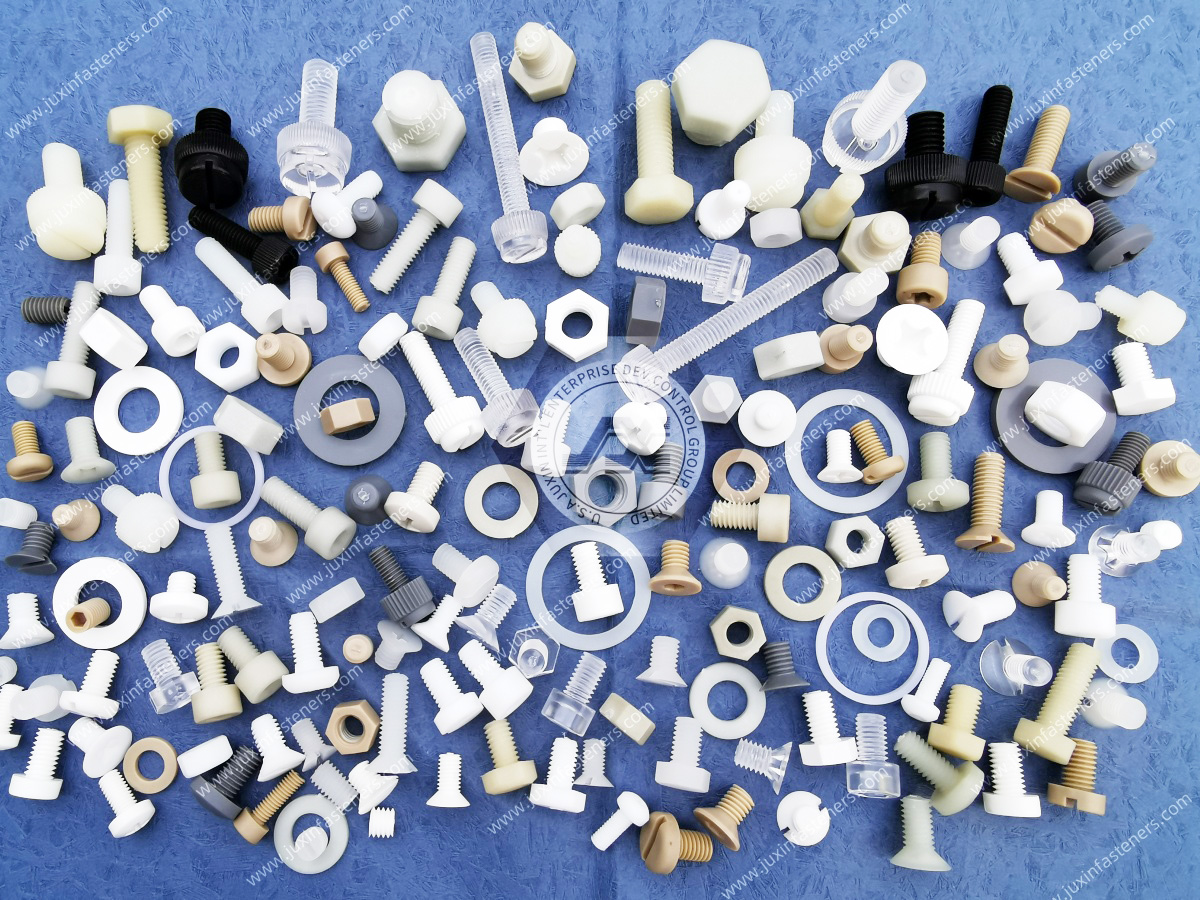
There is no single best fastener for communication equipment.
A more useful engineering map is:
PCB Retention → Nylon Rivet / PCB Support
PCB Spacing → Standoff / Spacer
Thin-Sheet Thread → Self-Clinching Nut / Rivet Nut
Permanent Sheet Joining → Blind Rivet
Serviceable Panel → Machine Screw / Captive Fastener
Plastic Housing → Material-Specific Thread-Forming Screw / Insert
Cable Routing → Clip / Cable Support
Outdoor Cabinet → Environment-Specific Stainless or Coated Fastener
Then evaluate:
Parent Material + Load + Electrical Boundary + Temperature + Environment + Access + Serviceability + Installation + Validation
The key engineering principles are:
Mechanical Fastening ≠ Electrical Safety
Conductive Material ≠ Qualified Electrical Connection
Plastic Fastener ≠ System Electrical Compliance
Metal Standoff ≠ Electrical Insulator
Metal Fastener ≠ Automatic EMI Shielding Solution
Nylon ≠ Universal Insulation Solution
Same Polymer Name ≠ Same Finished Fastener Performance
Initial Tightness ≠ Long-Term Clamp Retention in Plastic
Strong Screw ≠ Strong Plastic Joint
Same Sheet Thickness ≠ Same Clinching Behavior
More Press Force ≠ Better Installation
Push-Out ≠ Torque-Out
Pull-Out ≠ Spin-Out
Spin-Out ≠ Screw Self-Loosening
Closed-End Rivet Nut ≠ Waterproof Enclosure
Captive Fastener ≠ Anti-Loosening Fastener
Washer ≠ Automatic Anti-Loosening Device
Torque ≠ Preload
Corrosion-Resistant Fastener ≠ Corrosion-Resistant Assembly
Salt Spray Hours ≠ Field Service Life
Coating Substitution Can Be an Engineering Change
Same Dimensions ≠ Functional Equivalence
JUXIN FASTENERS supports selected telecom, electronics, electrical equipment, data-center and industrial OEM projects with:
Nylon rivets
Plastic snap rivets
PCB supports
PCB standoffs
PCB card guides
Plastic spacers
Nylon screws and nuts
Plastic washers
Cable-management clips
Self-clinching nuts
Self-clinching studs
Self-clinching standoffs
Rivet nuts
Blind rivets
Captive fasteners
Machine screws
Thread-forming screws
Metal standoffs and spacers
Stainless steel fasteners
Coated steel fasteners
Drawing-based custom components
For an effective RFQ, provide:
2D Drawing + 3D Model + Part / Revision + Application + Parent Material + Thickness + Hole + Load Requirement
+ Electrical / Insulation Requirement + Material + Surface Treatment + Installation Method + Temperature + Environment + Annual Volume
For plastic fasteners, also provide:
Polymer Requirement + Color + Moisture / UV Exposure + Flammability Requirement Where Applicable
For self-clinching hardware:
Sheet Material + Sheet Hardness + Hole + Edge Distance + Push-Out / Torque-Out Requirement Where Applicable
For rivet nuts:
Thread + Grip Range + Body Style + Flange + Pull-Out / Spin-Out Requirement + Mating Screw
This gives engineers and procurement teams a much stronger basis for selecting, quoting and qualifying the correct telecom fastening solution.
JUXIN FASTENERS
Telecom Fasteners | Nylon Rivets | PCB Hardware | Self-Clinching Fasteners | Rivet Nuts | Custom OEM Fasteners
Email: info@juxinfasteners.com
Website: www.juxinfasteners.com
Contact Us
Tel.:
+86 020 8621 0320
+86 020 3121 6067
E-mail:
Technical Support:
Navigation
SEND INQUIREY



