
Call Us
+86 136 6007 9809
Call Us
+86 136 6007 9809

Jun. 02, 2026
Thread Inserts for Lightweight Rail Structures
Modern rail transit design is increasingly focused on lightweight structures to improve energy efficiency, reduce wear on infrastructure, and lower operational costs. Aluminum alloys, composite panels, and thin-walled structures are widely used in rail vehicle manufacturing.
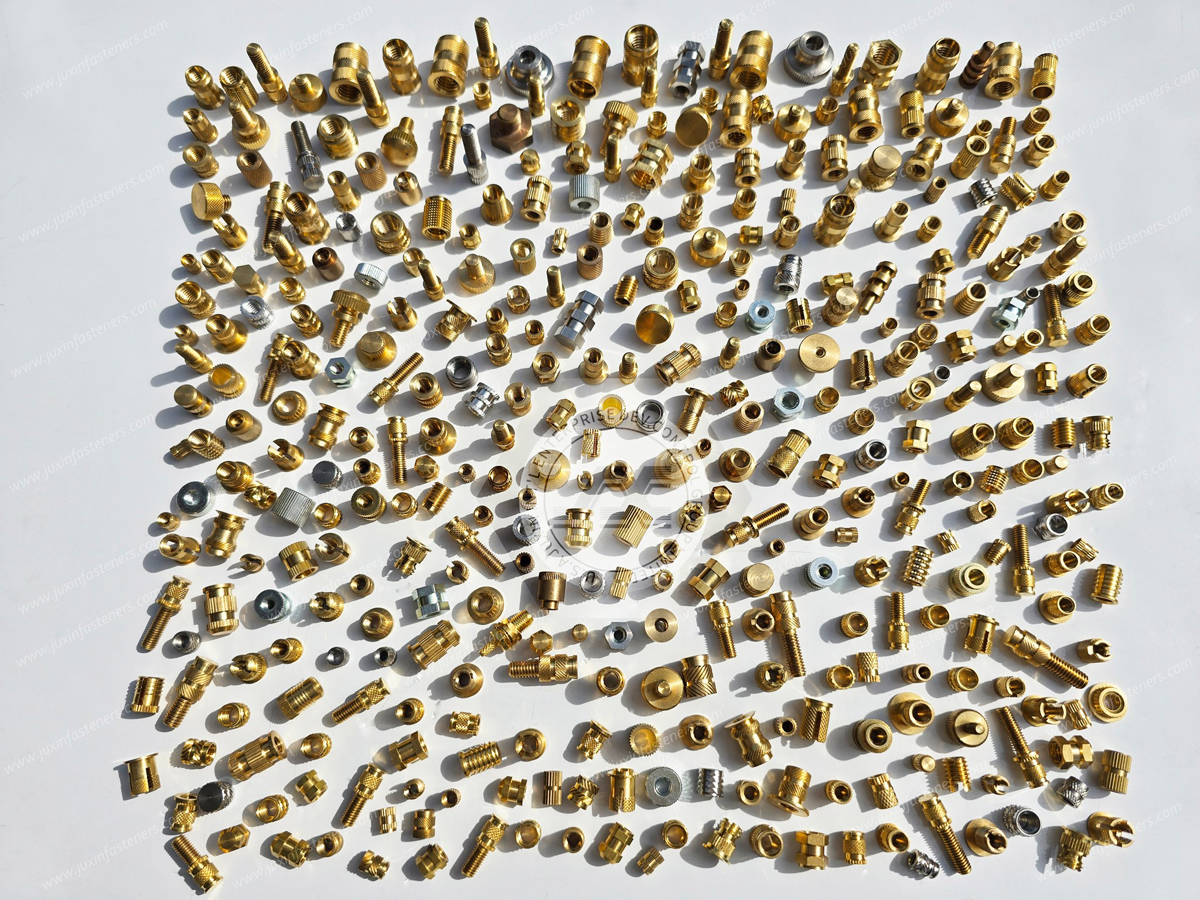
However, these materials present challenges for traditional threaded connections. Thread inserts provide a reliable engineering solution for strengthening and repairing threaded joints in lightweight rail structures.
Applications include:
Rail vehicle body structures
Interior modular systems
Seat mounting assemblies
Electrical enclosures
HVAC mounting systems
Maintenance repair points
Challenges in Lightweight Rail Structures
Thread failure in lightweight materials often results from:
Low material hardness
Repeated assembly cycles
Vibration-induced wear
Over-torque damage
Thermal expansion effects
Without reinforcement, threads may lose integrity over time.
Types of Thread Inserts
Wire Thread Inserts
Ideal for maintenance and repair applications.
Benefits:
Restore damaged threads
Improve load distribution
Extend service life
Solid Thread Inserts
Used in high-strength structural applications.
Benefits:
High pull-out resistance
Suitable for dynamic loads
Long-term durability
Self-Tapping Inserts
Provide fast installation in production environments.
Benefits:
No pre-tapping required
High assembly efficiency
Suitable for automated production
Advantages in Rail Transit Applications
Improved thread strength in soft materials
Enhanced vibration resistance
Extended maintenance cycle
Reduced repair costs
Compatibility with aluminum structures
Related Engineering Resources
Rail Transit Fastener Solutions
Rivet Nuts for Rail Applications
Anti-Loosening Fasteners for Railway Systems
Stainless Steel Screws in Rail Transit
Weld Stud Solutions for Railway Equipment
 MORE NEWS
Sep. 27, 2026
Sep. 27, 2026
Sep. 27, 2026
Contact Us
Tel.:
+86 020 8621 0320
+86 020 3121 6067
E-mail:
Technical Support:
Navigation
SEND INQUIREY