
Call Us
+86 136 6007 9809
Call Us
+86 136 6007 9809

Sep. 04, 2026
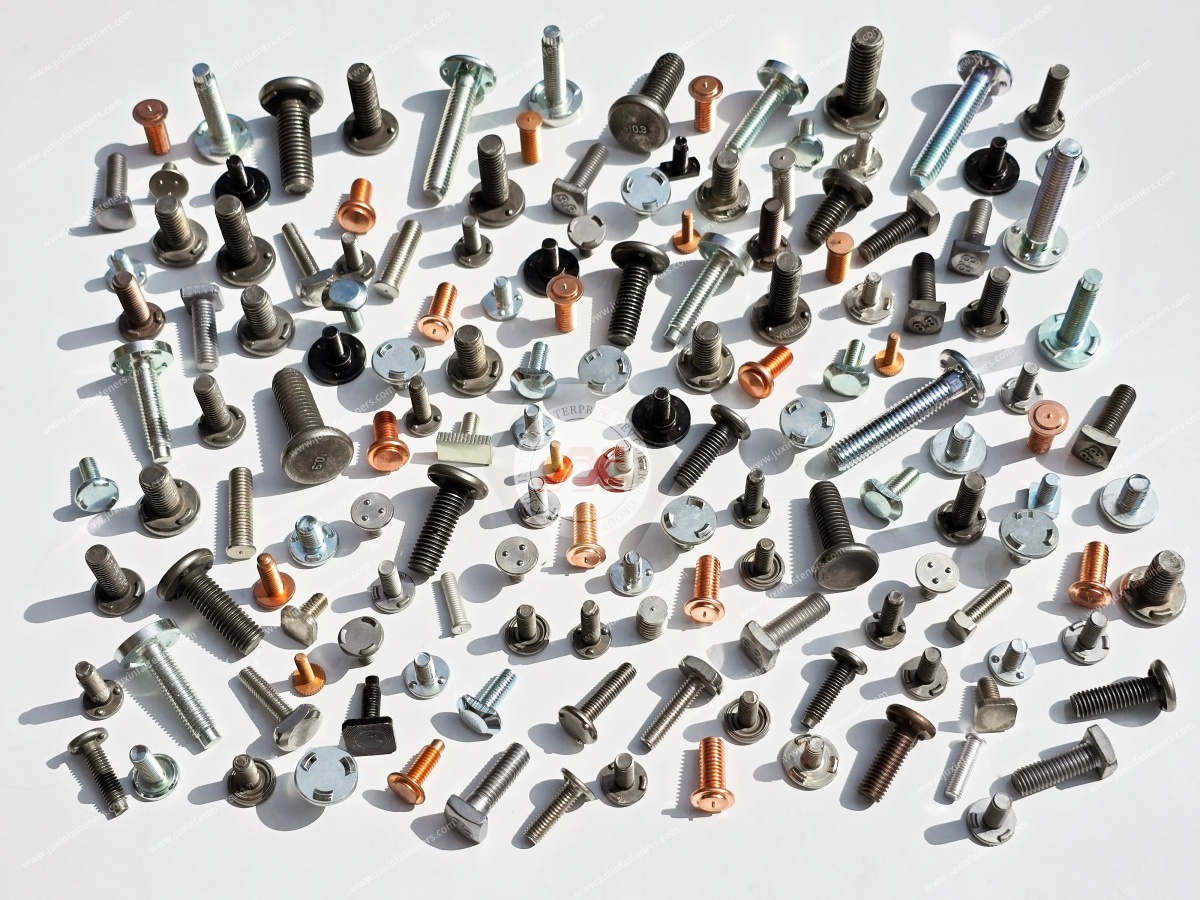
Weld fasteners are metal fastening components designed to be permanently attached to a metal substrate through a welding process.
They provide an integrated fastening point without requiring a conventional threaded hole to be machined directly into the sheet.
Common weld fasteners include weld nuts, weld studs, weld screws, weld pins, and custom weld fasteners.
They are widely used in sheet metal fabrication and OEM manufacturing where the assembly requires a permanent threaded or
mounting point and where the fastening component needs to become part of the fabricated structure.
For engineers and procurement teams, selecting a weld fastener is not simply a matter of choosing a nut or stud.
The correct solution depends on the parent material, sheet thickness, component geometry, welding process, access, coating condition, assembly sequence, and production requirements.
JUXIN FASTENERS supplies weld fastening solutions for OEM and industrial applications, including standard and application-specific weld nuts, weld studs, and custom fastening components.
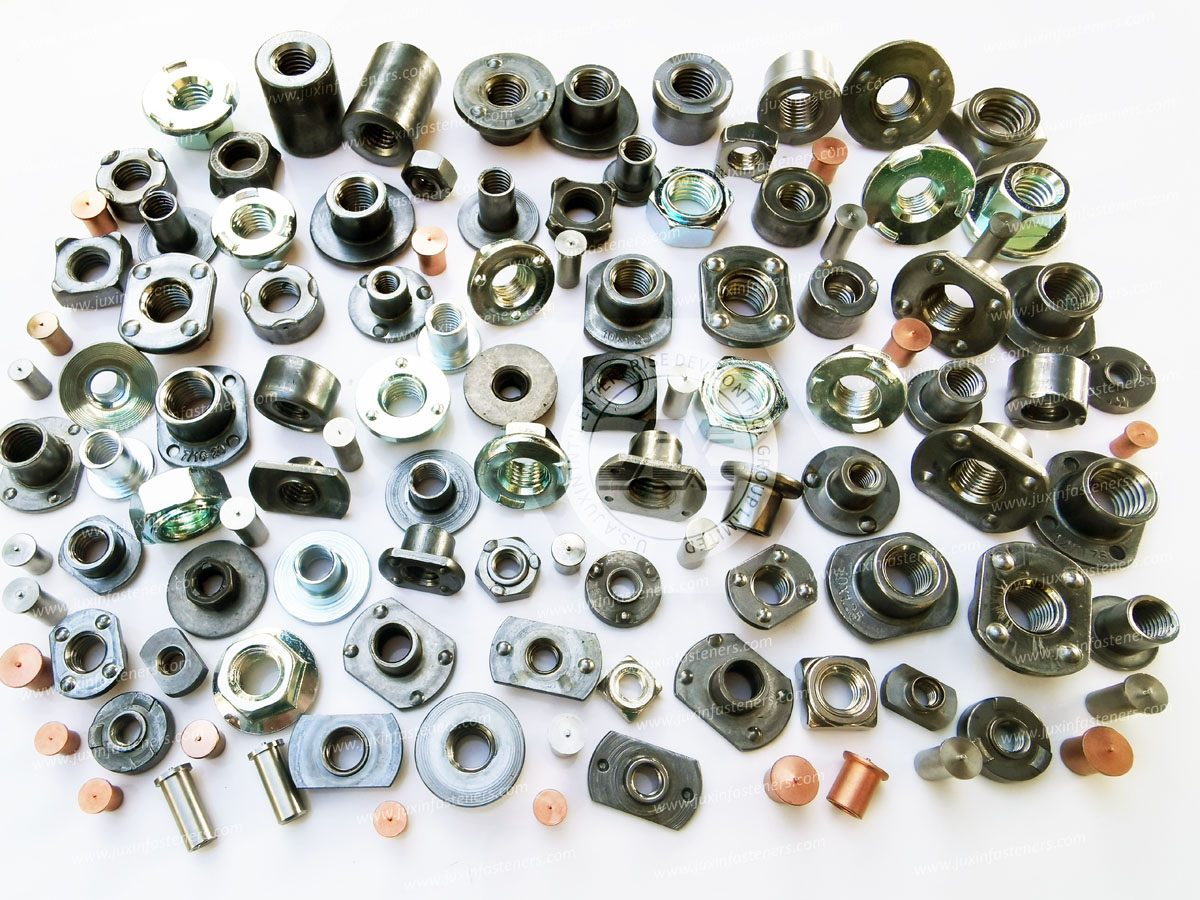
The term weld fasteners covers several different product families. The appropriate design depends on whether the assembly requires an internal thread, external thread, locating feature, or application-specific mounting geometry.
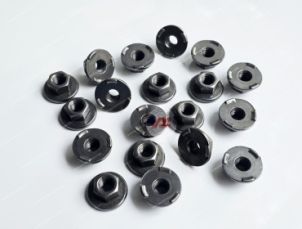
Weld nuts provide an internal threaded attachment point on sheet metal and fabricated components.
Common configurations include:
Projection weld nuts
Hexagonal weld nuts
Square weld nuts
Piloted weld nuts
Flanged weld nuts
Tab weld nuts
Custom weld nuts
Projection features concentrate the welding action at defined contact points and help establish a repeatable connection between the nut and the parent sheet.
Weld nuts are particularly useful when the production process allows the nut to be installed before subsequent assembly operations such as painting, coating, or final component installation.
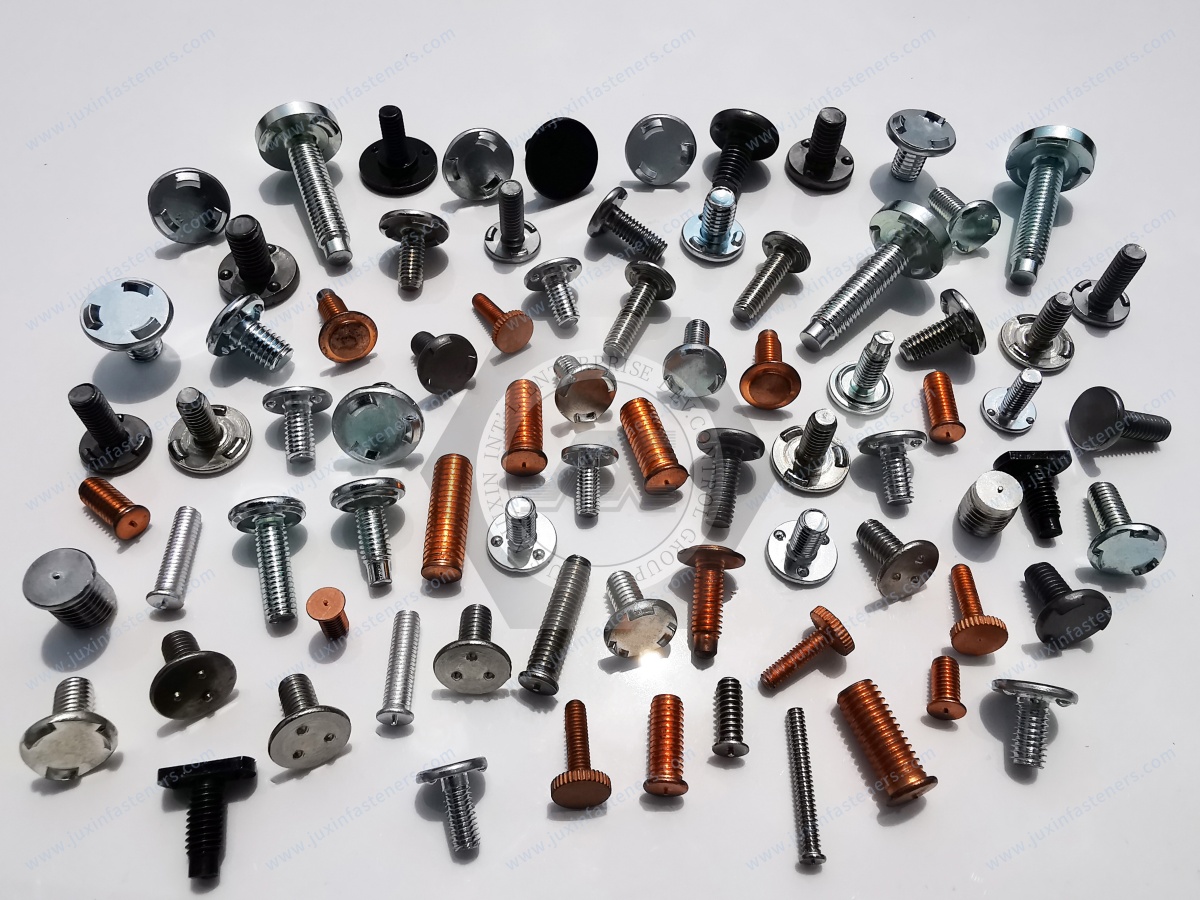
Weld studs provide an external threaded or mounting projection from a sheet metal or structural component.
Depending on the application and welding process, weld studs may be installed using processes such as capacitor discharge stud welding or drawn arc stud welding.
Typical applications include:
Bracket mounting
Component attachment
Cable and wire routing
Electrical equipment
Automotive assemblies
Fabricated machinery
Sheet metal structures
The stud design must be matched to the substrate, welding process, assembly loads, and available equipment.
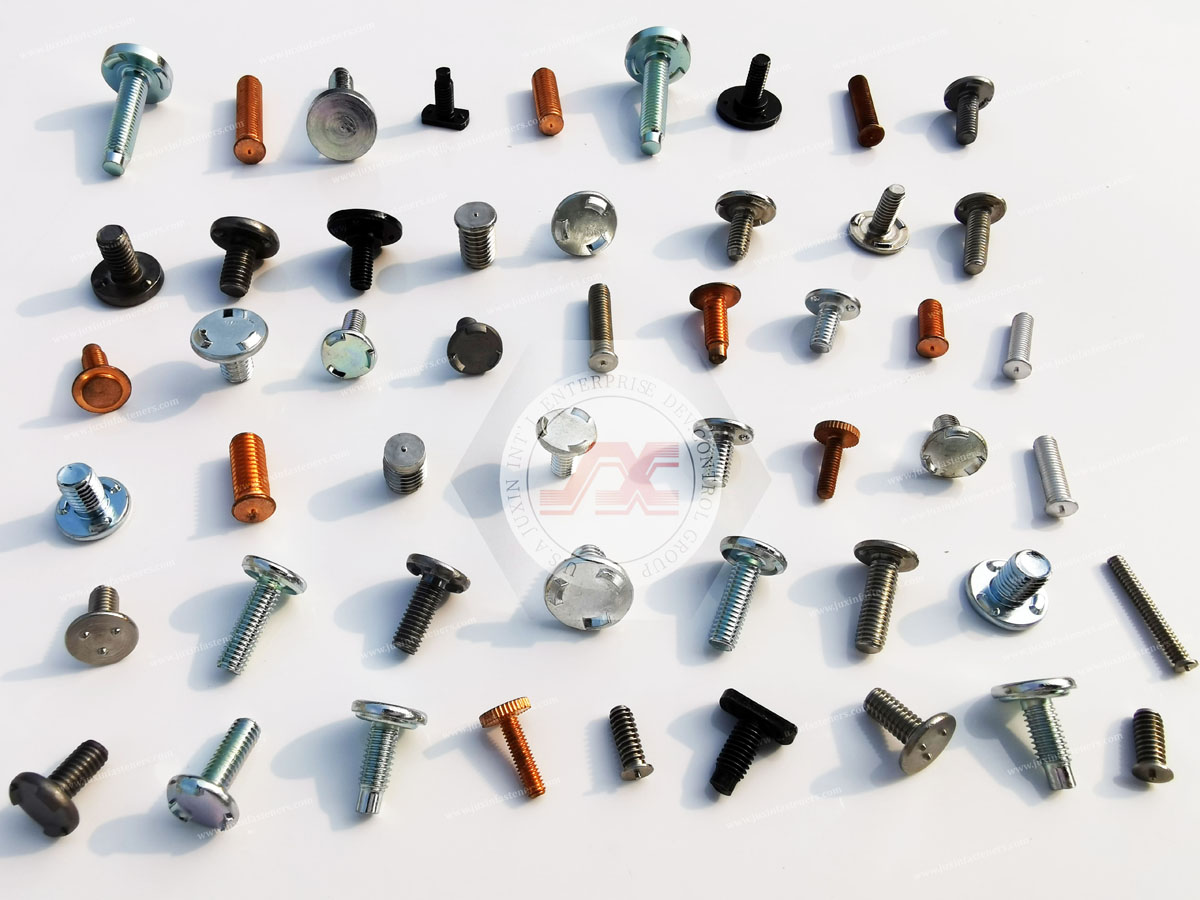
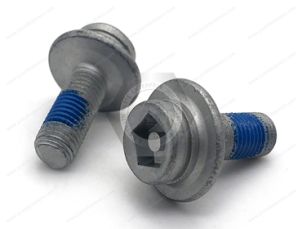
Weld screws combine a threaded shank with a head or flange designed for welding to a metal component.
They can be considered when the assembly requires a permanently attached threaded fastener while maintaining a specific head or mounting geometry.
Weld pins are non-threaded mounting or locating components that are permanently attached to the parent material.
Depending on their geometry, they may be used for:
Locating
Alignment
Pivoting
Bracket positioning
Component retention
Standard catalog designs do not always fit OEM component geometry.
Custom weld fasteners can be developed around requirements such as:
Non-standard dimensions
Special thread configurations
Custom flange geometry
Special projection arrangements
Restricted installation spaces
Unusual mounting surfaces
Specific material requirements
Application-specific assembly processes
For OEM projects, the component drawing and parent-material information are important starting points for evaluating a custom weld fastener.
Different weld fasteners use different welding methods, but the fundamental principle is to create a permanent joint between the fastener and the parent metal.
In resistance projection welding, engineered projections on the fastener concentrate electrical resistance and heat at defined contact locations.
As the welding process proceeds, the projections deform and form a welded connection with the sheet.
For weld studs, processes such as capacitor discharge welding and drawn arc welding use different energy delivery and heat-input characteristics.
The appropriate welding process depends on factors including:
Fastener geometry
Parent material
Sheet thickness
Surface condition
Required production rate
Equipment configuration
Weld location
Assembly design
Therefore, welding parameters should be established and validated for the actual fastener, substrate, equipment, and production process rather than treated as universal values.
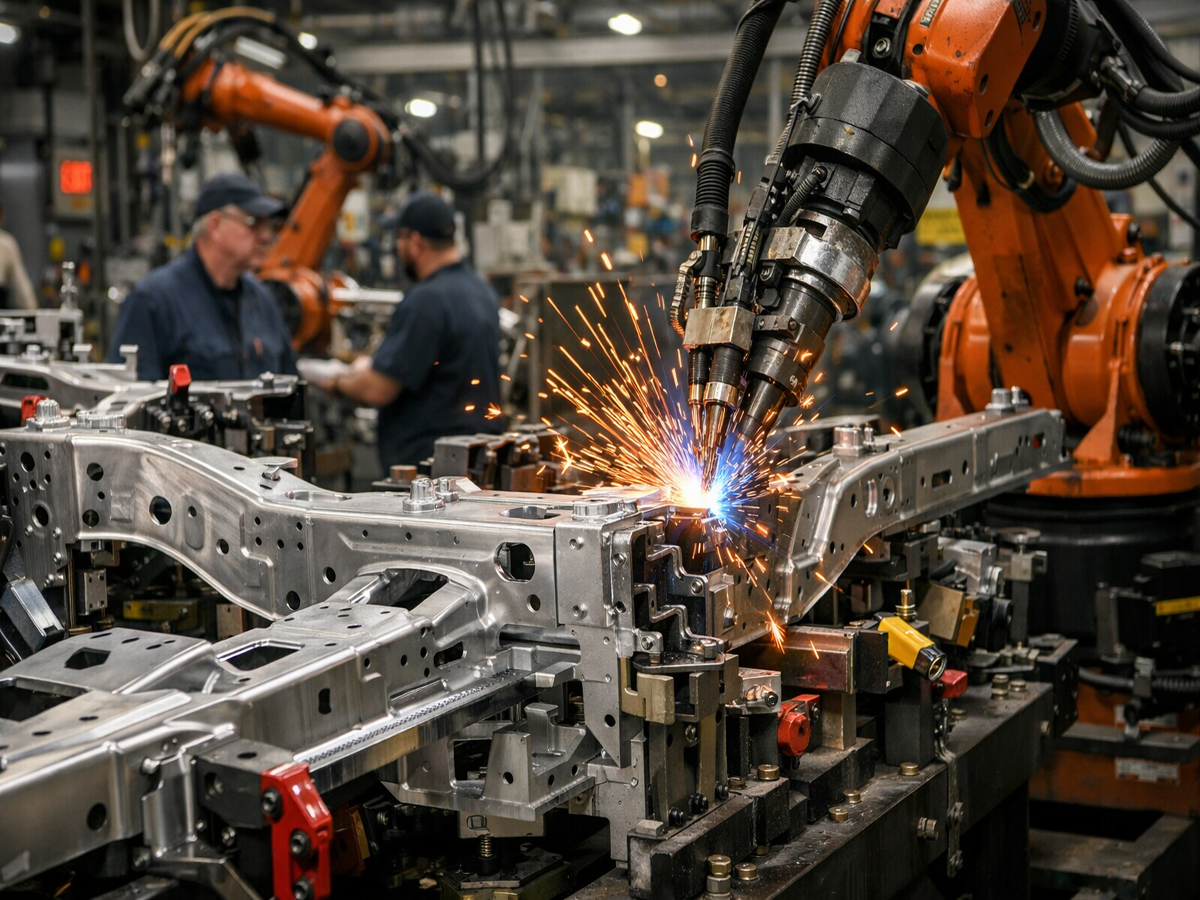
Weld fasteners are often selected when engineers need to integrate a permanent fastening point directly into a fabricated metal component.
Unlike removable mechanical fasteners installed during final assembly, weld fasteners become permanently attached to the parent component during fabrication.
This can simplify downstream assembly by creating a ready-to-use threaded or mounting location.
Thin sheet metal may not provide enough material for a conventional tapped thread to meet the requirements of a particular assembly.
A weld nut can provide the required threaded interface without requiring the sheet itself to contain the complete thread.
Weld nuts and weld studs can be integrated into production processes using dedicated welding equipment, fixtures, feeders, and automated cells.
This makes them suitable for production environments where repeatable positioning and efficient installation are important.
Depending on the component design, welding a fastening component to the sheet can eliminate some machining operations associated with producing a threaded or mounting feature directly in the parent material.
Weld fasteners can be positioned at locations where conventional through-bolting or tapping would be difficult to implement.
This is particularly useful for brackets, enclosures, frames, and fabricated assemblies.
Weld fasteners are not automatically the best solution for every sheet metal assembly.
The correct fastening technology depends on manufacturing sequence, access, substrate condition, thermal sensitivity, and assembly requirements.
| Evaluation Factor | Weld Fasteners | Self-Clinching Fasteners | Blind Rivet Nuts |
|---|---|---|---|
| Attachment method | Welding | Mechanical press installation | Mechanical blind installation |
| Thermal input | Yes | No | No |
| Installation access | Depends on welding method; projection weld nuts generally require electrode access from both sides | Press access is required | Designed for single-sided installation |
| Typical application timing | Often integrated during fabrication before finishing | Can be installed during fabrication or assembly | Often useful after the component is fabricated or coated |
| Threaded attachment | Weld nuts | Clinching nuts | Rivet nuts |
| External mounting point | Weld studs | Clinching studs | Generally internal thread |
| Coated substrate | Requires welding-process evaluation | Often suitable where substrate conditions allow clinching | Often useful for finished or enclosed components |
| Automation potential | High in suitable production environments | High | High |
| Main design consideration | Weldability, heat input, access, welding process | Substrate ductility, hardness, thickness, hole design | Material thickness, hole design, setting process, access |
The comparison should be based on the complete manufacturing route rather than on the fastener alone.
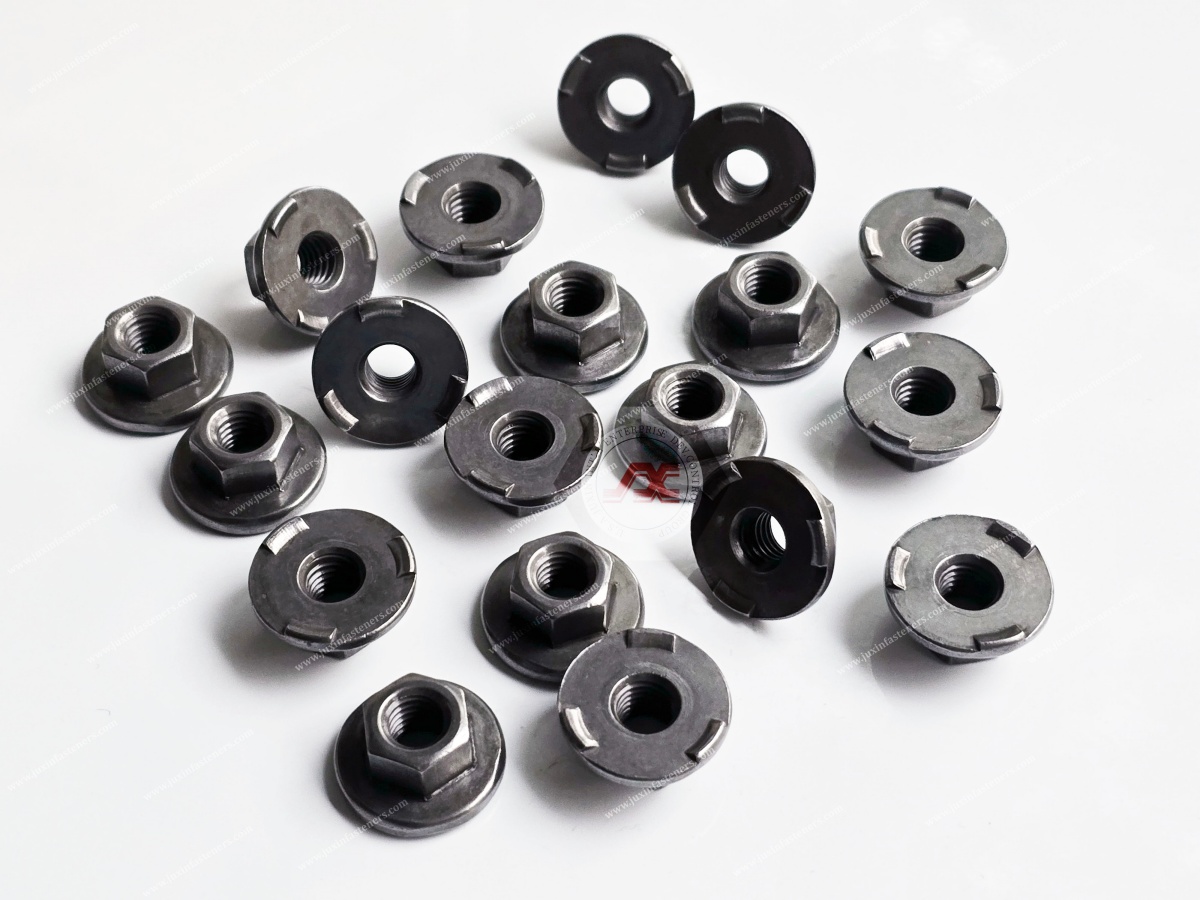
Weld nuts are generally worth evaluating when an assembly requires a permanent internal threaded attachment and the manufacturing process provides suitable welding access.
They can be particularly appropriate when:
The component is fabricated from weldable sheet metal
The nut can be installed during the fabrication process
Welding access is available
A permanent internal thread is required
The production volume justifies dedicated welding equipment or automation
The assembly sequence benefits from integrating the fastener before finishing
The final selection should consider the parent material, sheet thickness, hole configuration, weld nut geometry, welding process, coating, and downstream assembly.
Weld studs should be evaluated when the assembly requires a permanently attached external projection.
Typical reasons for selecting a weld stud include:
A bracket needs to slide over a fixed mounting point
A component needs to be retained from one side
Cable or wiring components require mounting points
An enclosure requires an integrated external mounting feature
The assembly design benefits from eliminating loose hardware
The welding process must be selected according to the stud design, parent material, thickness, production equipment, and required joint performance.
Projection weld nuts are one of the widely used weld nut configurations for fabricated sheet metal assemblies.
Their projections are designed to concentrate the welding action at defined locations.
A typical projection weld nut may incorporate:
Welding projections
Internal thread
Body or flange
Pilot or locating feature
The exact geometry varies by product design and applicable standard.
For example, standard projection weld nut families may be specified according to applicable dimensional standards such as DIN 929 or other relevant specifications. The governing standard should always be confirmed against the actual component drawing and project requirements.
Projection geometry influences how the welding current and heat are concentrated between the fastener and the parent sheet.
Engineers therefore need to consider:
Number and arrangement of projections
Projection geometry
Parent material
Sheet thickness
Welding equipment
Electrode configuration
Surface condition
Projection geometry should not be evaluated independently from the welding process.
Weld studs can be installed using different stud welding technologies.
Capacitor discharge welding delivers stored electrical energy through a rapid welding cycle.
This process is commonly considered for applications where controlled, localized welding and limited thermal influence are important.
The actual welding suitability depends on the stud, substrate, surface condition, equipment, and production requirements.
Drawn arc welding uses an electric arc to generate the heat required to form the welded connection between the stud and parent metal.
It can be suitable for applications requiring a different weld profile or welding approach from capacitor discharge processes.
Engineers should evaluate the actual material thickness, stud geometry, weld equipment, joint design, and required performance before selecting the process.
The parent metal is one of the first parameters to evaluate.
Common considerations include:
Carbon steel
Stainless steel
Aluminum and other weldable alloys
Surface-treated materials
Fastener material and welding compatibility should be considered together with the parent material and welding process.
Sheet thickness affects:
Weldability
Heat distribution
Projection behavior
Risk of distortion
Fastener positioning
Joint design
There is no single universal sheet-thickness limit for every weld fastener.
The appropriate range depends on the specific fastener geometry, material, and welding process.
For weld nuts and threaded weld studs, specify the required thread clearly.
This may include:
Metric thread
UNC
UNF
Thread diameter
Pitch
Thread class
Thread length
The thread requirement should be defined by the engineering drawing or applicable product specification.
For products such as piloted weld nuts, the relationship between the fastener pilot and the sheet hole is important for positioning.
The hole design should be evaluated together with:
Fastener geometry
Hole diameter
Sheet thickness
Welding process
Assembly tolerances
Do not assume that one hole size applies to every weld nut design.
Surface treatment can affect welding behavior.
Paint, heavy coatings, plating, oils, and other surface conditions may influence electrical contact and welding consistency.
The welding and finishing sequence should therefore be considered during design.
Access is a major difference between fastening technologies.
Projection weld nuts normally require appropriate access for the welding electrodes.
Some stud welding processes can be performed from one side of the parent component, depending on the equipment and application.
This can make welding technology an important consideration when designing enclosed or complex fabricated assemblies.
The fastener should be considered as part of the entire manufacturing route.
For example:
Sheet fabrication → weld fastener installation → cleaning / finishing → final assembly
may be appropriate for one product.
Another assembly may require:
Fabrication → coating → blind mechanical fastening
The correct choice depends on the production sequence.
Poor performance does not always originate from the fastener itself.
The complete joint should be evaluated.
Common issues may include:
Insufficient or inconsistent welding conditions can reduce the connection between the fastener and parent material.
Incorrect positioning can interfere with downstream assembly or create dimensional problems.
Welding spatter can contaminate exposed threads or nearby surfaces if the component design and welding process are not properly controlled.
Localized heat input can affect thin sheet metal, particularly where the component geometry provides limited structural support.
Surface coatings may influence electrical contact and welding consistency.
For piloted weld nuts, inappropriate hole geometry can affect positioning and welding conditions.
These issues should be evaluated through process trials and application-specific validation rather than relying on generic performance assumptions.
Weld fasteners are used across many fabricated metal products.
Potential applications include:
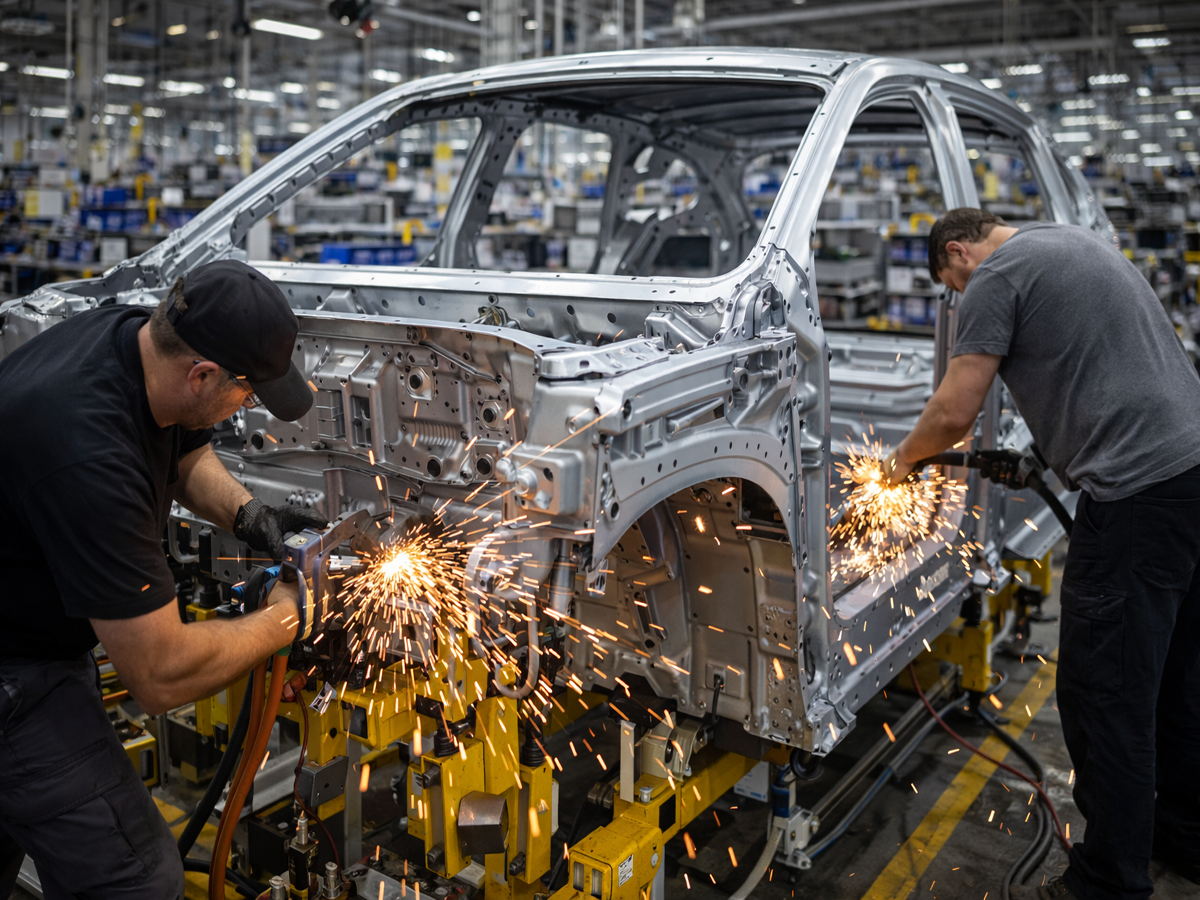
Body structures
Brackets
Seat structures
Chassis-related components
Battery enclosure components
Electrical mounting structures
Cable and routing brackets
The actual fastener design depends on the component material, production process, load environment, and OEM specifications.
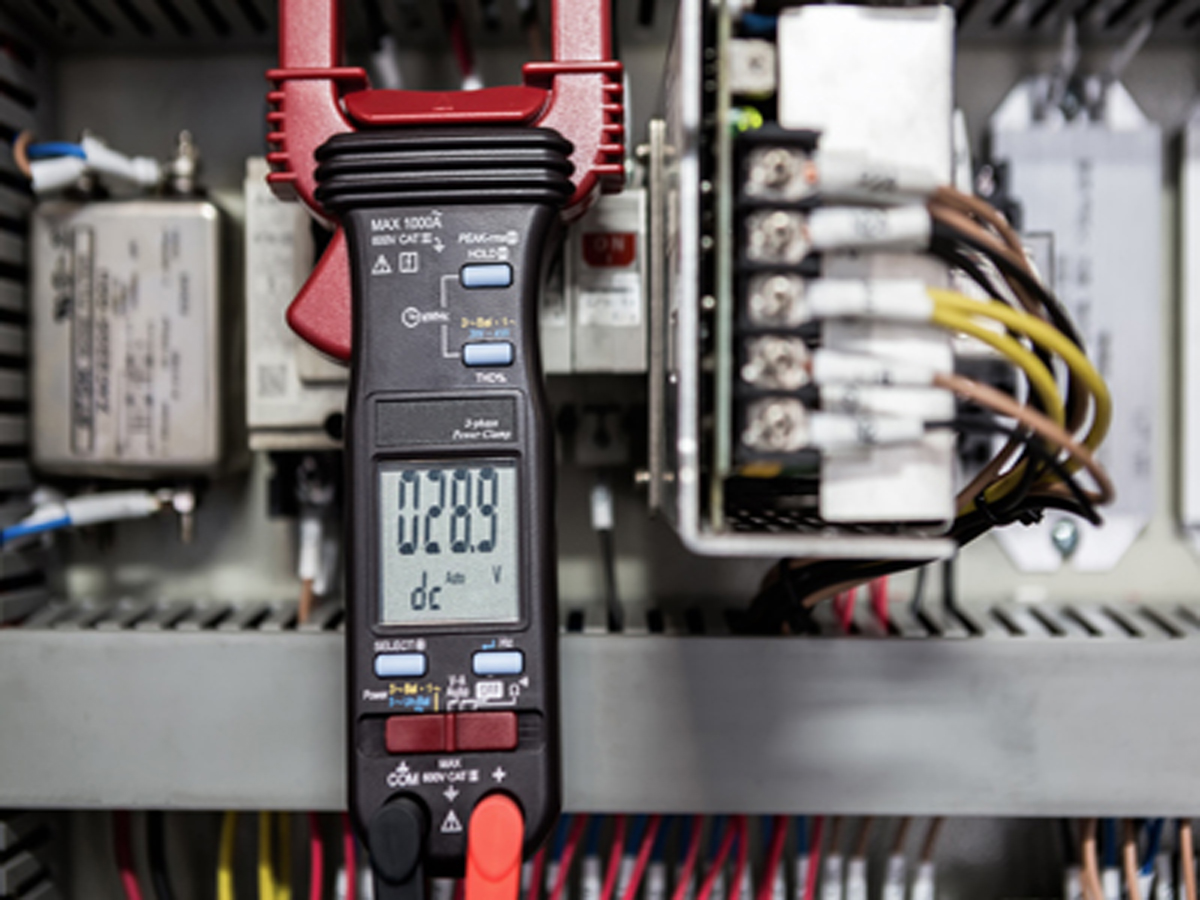
Weld nuts and weld studs can be used in:
Electrical cabinets
Control panels
Equipment housings
Telecom equipment
Power equipment
Internal mounting structures
Brackets and supports
For enclosure applications, the weld fastener itself should not be treated as automatically providing an IP, NEMA, EMC, or grounding rating. Those are system-level requirements that require appropriate design and validation.
Applications can include:
Machinery frames
Equipment panels
Brackets
Fabricated structures
HVAC equipment
Agricultural equipment
Industrial housings
The fastening solution should be selected according to the mechanical and manufacturing requirements of the complete assembly.
Standard weld nuts and weld studs cannot always satisfy the geometry or assembly requirements of an OEM component.
A custom weld fastener may be appropriate when the application requires:
Non-standard dimensions
Special thread configurations
Custom flange shapes
Special projection layouts
Restricted-clearance geometry
Special material requirements
Specific installation orientation
Integration with automated assembly equipment
For custom development, the most useful information is normally the engineering drawing and details of the parent component.
An OEM RFQ should ideally include:
2D engineering drawing
3D CAD model when available
Thread specification
Fastener material
Surface treatment
Parent sheet material
Sheet thickness
Hole specification
Welding process
Assembly position
Annual volume or estimated production quantity
Prototype requirements
Quality requirements
Packaging requirements
Delivery destination
The more complete the engineering information, the more accurately a manufacturer can evaluate manufacturability and quotation requirements.
Procurement teams should evaluate more than the unit price when sourcing weld fasteners.
Key supplier-evaluation factors include:
Can the supplier review the drawing and identify potential manufacturing or application issues?
Can the supplier produce the required weld nut, weld stud, or custom fastener geometry consistently?
Can the supplier provide the material information required by the project?
Can critical dimensions and threads be inspected according to the engineering drawing?
Can the required surface treatment be controlled and documented?
Can the supplier support the expected prototype-to-production transition?
Can the fasteners be packaged appropriately for manual, automated, or high-volume assembly?
For OEM projects, supplier selection should consider the complete technical and commercial requirement rather than comparing price alone.
A clear RFQ helps reduce quotation delays and technical misunderstandings.
Weld nut or weld stud
Part number
Engineering drawing
CAD model
Thread specification
Dimensions
Material
Surface treatment
Sheet material
Material grade
Sheet thickness
Hole dimensions
Surface condition
Welding location
Welding process
Installation orientation
Assembly sequence
Production volume
Prototype quantity
Packaging requirements
Dimensional inspection
Material documentation
Surface treatment requirements
Traceability requirements
Customer-specific quality documentation
A complete RFQ allows JUXIN FASTENERS to evaluate the fastening component in the context of the actual OEM application.
Before finalizing a weld fastener, engineers and procurement teams should confirm:
Is the parent material suitable for the selected welding process?
Is the sheet thickness compatible with the proposed design?
Is a weld nut or weld stud required?
Is the required thread clearly specified?
Is the hole geometry defined?
Is welding access available?
Has the welding process been considered?
Will surface treatment affect the welding process?
Does the fastener fit the assembly sequence?
Are downstream tolerances and alignment requirements understood?
Are inspection requirements defined?
Are production volumes known?
Are packaging and automation requirements known?
Does the supplier have the required engineering information?
Weld fasteners provide permanently attached fastening or mounting points on metal components. Common examples include weld nuts for internal threads and weld studs for external mounting points.
A weld nut provides an internal threaded hole after being welded to the parent component. A weld stud provides an external projecting fastening point.
They can be suitable for thin sheet metal, but the actual suitability depends on the fastener geometry, parent material, sheet thickness, welding process, equipment, and component design.
Projection weld nuts are attached through welding, while self-clinching nuts are mechanically installed through controlled press force. The better choice depends on the substrate, manufacturing sequence, thermal requirements, access, and assembly process.
They can be used in some coated-material applications, but the coating and welding sequence must be evaluated because surface conditions can affect electrical contact and welding consistency.
A detailed engineering drawing, thread specification, material, dimensions, parent sheet material and thickness, hole information, surface treatment, welding process, production quantity, and quality requirements are useful for an OEM review.
JUXIN FASTENERS can evaluate OEM requirements for custom weld nuts, weld studs, and other application-specific fastening components based on engineering drawings and project requirements.
Explore the related technical and product resources:
Weld Nuts for Sheet Metal
Projection Weld Nuts
Custom Weld Nuts for OEM Applications
Weld Studs for Sheet Metal
CD Weld Studs and Stud Welding
Custom Weld Studs
Self-Clinching Fasteners for Thin Sheet Metal
Blind Rivet Nuts for Sheet Metal
Custom OEM Fastener Manufacturing
Use these related pages to move from the general weld fastener topic into specific product, engineering, application, and sourcing requirements.
Selecting a weld fastener is an engineering decision involving the fastener, parent material, welding process, component geometry, manufacturing sequence, and final assembly.
JUXIN FASTENERS supports OEM and industrial sourcing requirements for weld nuts, weld studs, and custom fastening components.
For a technical review, send your engineering drawing and project requirements to:
Email: info@juxinfasteners.com
Include the fastener drawing, parent material, sheet thickness, welding process, required quantity, and any application-specific requirements available.
JUXIN FASTENERS — Precision Fastening Solutions Since 2003
 MORE NEWS
Contact Us
Tel.:
+86 020 8621 0320
+86 020 3121 6067
E-mail:
Technical Support:
Navigation
SEND INQUIREY