
Call Us
+86 136 6007 9809
Call Us
+86 136 6007 9809

Oct. 29, 2023
Surface treatment technology plays a critical role in modern fastener manufacturing. The correct coating selection directly affects corrosion resistance, service life, assembly performance, and reliability of fastening systems.
Traditional zinc plated fasteners have been widely used for decades due to their cost-effectiveness and reliable corrosion protection. However, with increasing requirements from industries such as automotive, electric vehicles, aerospace, rail transportation, and marine engineering, conventional zinc plating is often insufficient for harsh operating environments.
Zinc nickel alloy plating for fasteners has become an advanced alternative, offering significantly improved corrosion resistance, better wear performance, and enhanced durability.
At JUXIN FASTENERS, we provide professional zinc nickel plated fasteners and surface treatment solutions for global OEM manufacturers, including automotive bolts, screws, nuts, rivet nuts, threaded inserts, and custom fastening components.
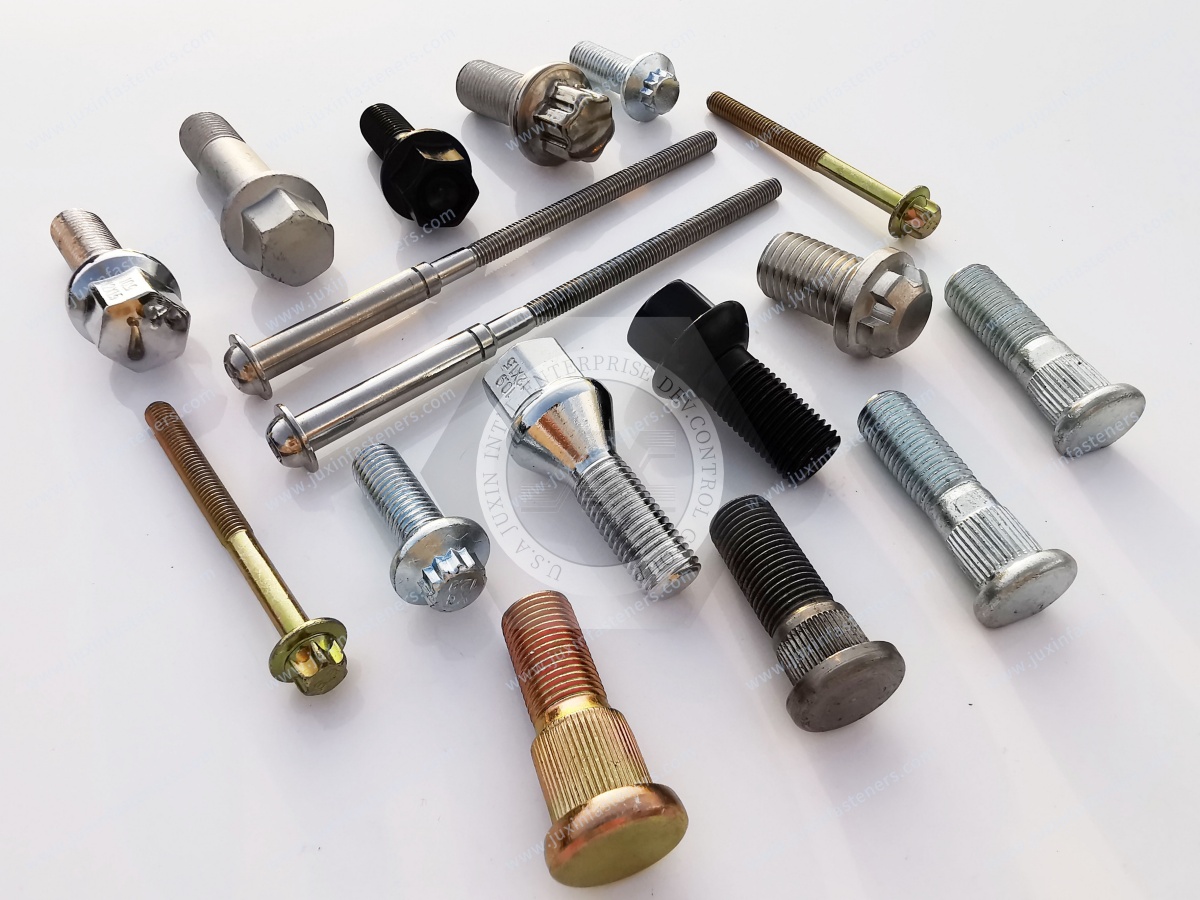
Zinc nickel alloy plating is an electrochemical surface treatment process that deposits a protective zinc-nickel alloy coating onto steel fasteners.
Unlike traditional zinc plating, which mainly consists of pure zinc, zinc nickel coating combines zinc and nickel elements to create a stronger protective layer.
Typical zinc nickel alloy composition:
Nickel content: approximately 8%–16%
Recommended performance range: around 13% nickel content
The controlled nickel content improves:
Corrosion resistance
Surface hardness
Wear resistance
Thermal stability
Coating durability
Because of these advantages, zinc nickel coated bolts, screws, and nuts are widely used in applications requiring long-term reliability.
Producing high-quality zinc nickel plated fasteners requires strict process control.
Before electroplating, fasteners undergo:
Degreasing
Cleaning
Acid pickling
Activation treatment
These processes remove:
Oil contamination
Oxide layers
Rust
Manufacturing residues
A clean metal surface ensures strong bonding between the steel substrate and zinc nickel coating.
During the electroplating process:
Zinc ions and nickel ions are deposited onto the fastener surface
A uniform alloy coating is created
Coating thickness is precisely controlled
Typical coating thickness:
5μm – 15μm
This range provides excellent corrosion protection while maintaining:
Thread accuracy
Assembly compatibility
Dimensional stability
After zinc nickel plating, additional passivation treatment improves corrosion resistance.
Available finishes include:
White zinc nickel
Black zinc nickel
Color zinc nickel
The passivation layer enhances:
Salt spray resistance
Surface stability
Environmental durability
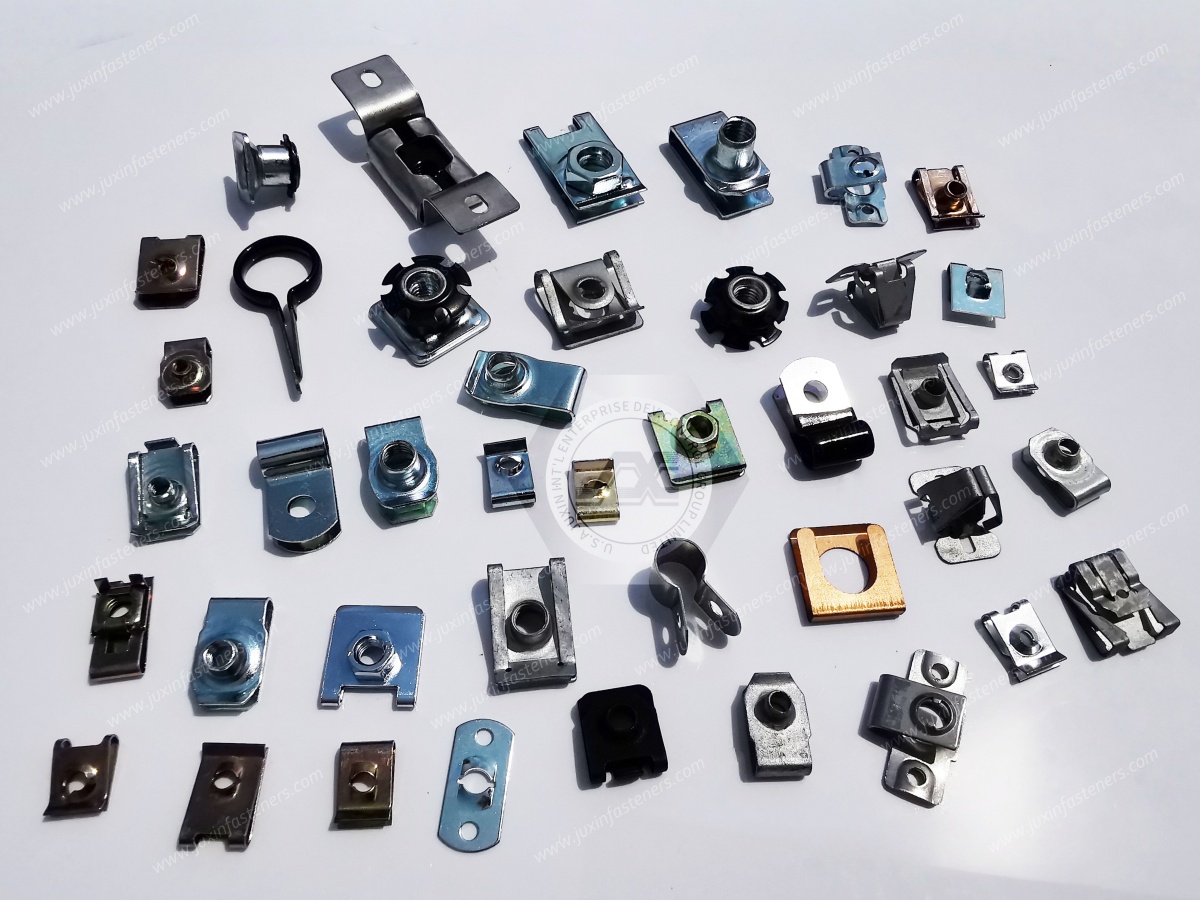
The biggest advantage of zinc nickel alloy coating is its superior corrosion protection.
Traditional zinc plating provides acceptable corrosion resistance for general applications. However, zinc nickel plating offers significantly improved performance.
Typical performance comparison:
| Performance | Zinc Plating | Zinc Nickel Alloy Plating |
|---|---|---|
| Corrosion Protection | Standard | Excellent |
| Salt Spray Resistance | Around 120–240 hours | 1000+ hours possible |
| Harsh Environment Performance | Limited | High |
| Automotive Applications | General parts | Safety-critical components |
| Marine Environment | Limited | Suitable |
Zinc nickel alloy coatings can provide 4–8 times higher corrosion resistance compared with conventional zinc plating.
This makes them ideal for:
Automotive chassis fasteners
EV battery structures
Marine equipment
Outdoor industrial systems
Zinc nickel coatings have higher hardness compared with pure zinc coatings.
Advantages include:
Better resistance against abrasion
Reduced coating damage during assembly
Improved thread durability
Longer fastener service life
For applications involving repeated installation, vibration, and mechanical stress, zinc nickel plated fasteners provide better reliability.
Zinc nickel alloy plating maintains stable performance under temperature changes.
Typical operating temperature range:
-60°C to +250°C
Applications include:
Engine compartments
Industrial machinery
Automotive powertrain systems
High-temperature equipment
High-strength fasteners require careful surface treatment because hydrogen embrittlement may cause delayed failure.
Compared with traditional zinc electroplating, zinc nickel alloy plating has:
Lower hydrogen absorption risk
Better suitability for high-strength bolts
Improved reliability for critical assemblies
Suitable products include:
Grade 10.9 bolts
Grade 12.9 screws
Automotive structural fasteners
Zinc plated fasteners typically provide:
Bright appearance
White zinc finish
Yellow zinc finish
Blue zinc finish
Zinc nickel plated fasteners may have:
Slightly darker appearance
Gray or black finish
Less bright passivation color
Although the appearance differs, zinc nickel coating focuses primarily on:
Performance
Corrosion resistance
Long-term durability
For engineering applications, functional performance is usually more important than appearance.
Automotive manufacturers increasingly use zinc nickel coated fasteners due to higher durability requirements.
Applications include:
Vehicle chassis bolts
Suspension fasteners
Brake system components
Engine mounting bolts
EV battery pack fasteners
Body structure connections
Benefits:
✔ High corrosion resistance
✔ Excellent vibration resistance
✔ Long service life
✔ Suitable for high-strength automotive fasteners
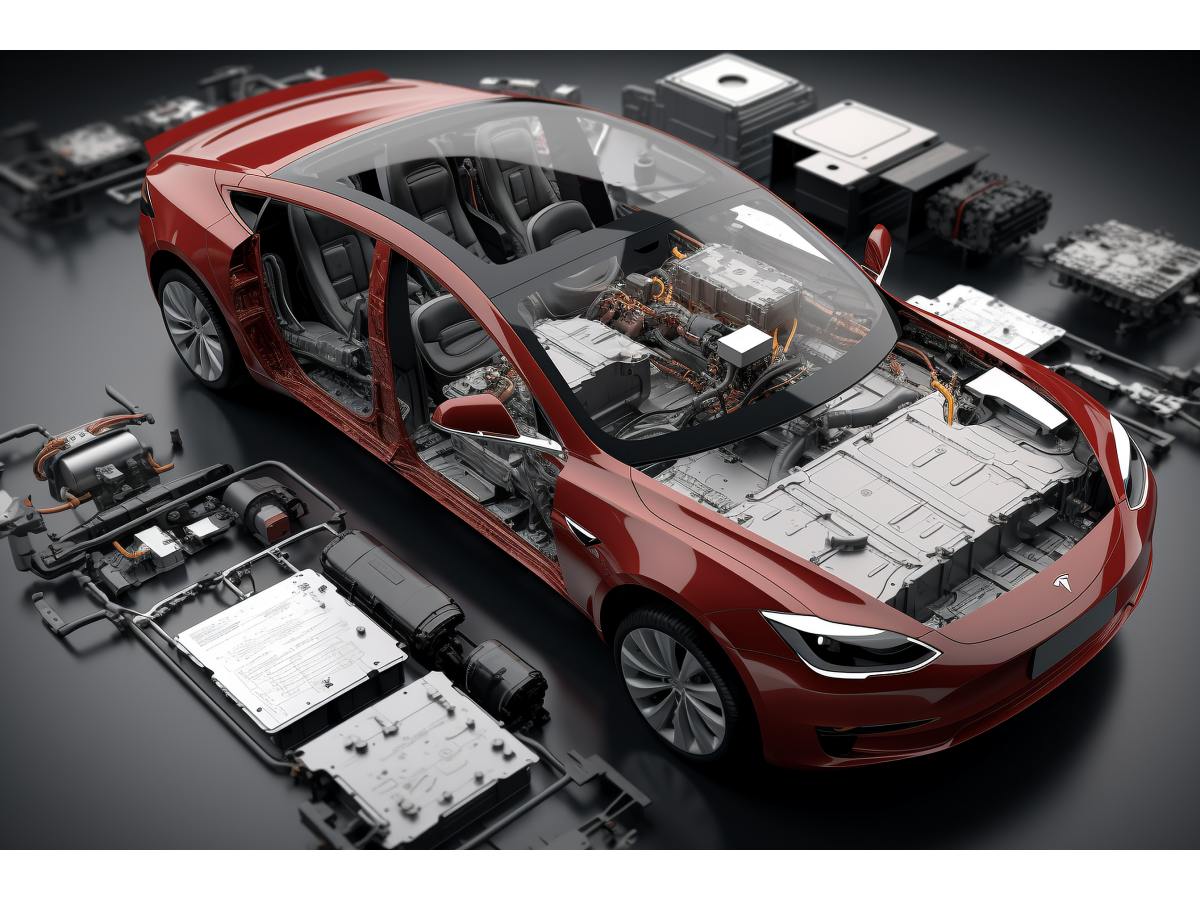
Electric vehicles require fasteners that can withstand:
Moisture exposure
Temperature changes
Long service cycles
Zinc nickel plated fasteners are suitable for:
Battery tray assemblies
Motor mounting systems
Charging equipment
Structural EV components
Marine environments create severe corrosion challenges due to:
Saltwater
Humidity
Chemical exposure
Zinc nickel alloy fasteners provide:
Enhanced salt spray resistance
Long-term protection
Improved reliability
Used in:
Shipbuilding
Offshore equipment
Marine machinery
Railway systems require durable fastening components capable of handling:
Outdoor exposure
Vibration
Temperature variation
Applications include:
Railway equipment
Transportation infrastructure
Structural connections
Industrial applications require fasteners that maintain performance under:
Continuous operation
Mechanical vibration
Industrial environments
Zinc nickel plated fasteners are used in:
Automation equipment
Robotics
Manufacturing machinery
Hydraulic systems
One disadvantage of zinc nickel plating is the higher production cost.
Reasons include:
Nickel material cost
More complex process control
Additional quality requirements
However, the higher initial investment provides:
Longer service life
Reduced maintenance
Better reliability
Lower lifecycle cost
For critical applications, zinc nickel coating is often the more economical long-term solution.
Engineers should consider:
Choose zinc nickel plating when fasteners face:
High humidity
Salt spray
Outdoor exposure
Chemical environments
Zinc nickel coating is recommended for:
High-strength fasteners
Safety-related components
Long-life assemblies
Zinc plating remains suitable for:
General industrial applications
Indoor equipment
Low-corrosion environments
JUXIN FASTENERS specializes in industrial fastening solutions for global OEM customers.
Our capabilities include:
✔ Over 20 years fastener manufacturing experience
✔ ISO9001 quality management system
✔ Advanced surface treatment solutions
✔ Custom fasteners based on engineering drawings
✔ Automotive and industrial OEM support
We supply:
Zinc nickel plated bolts
Zinc nickel plated screws
Zinc nickel plated nuts
High-strength coated fasteners
Custom corrosion-resistant fasteners
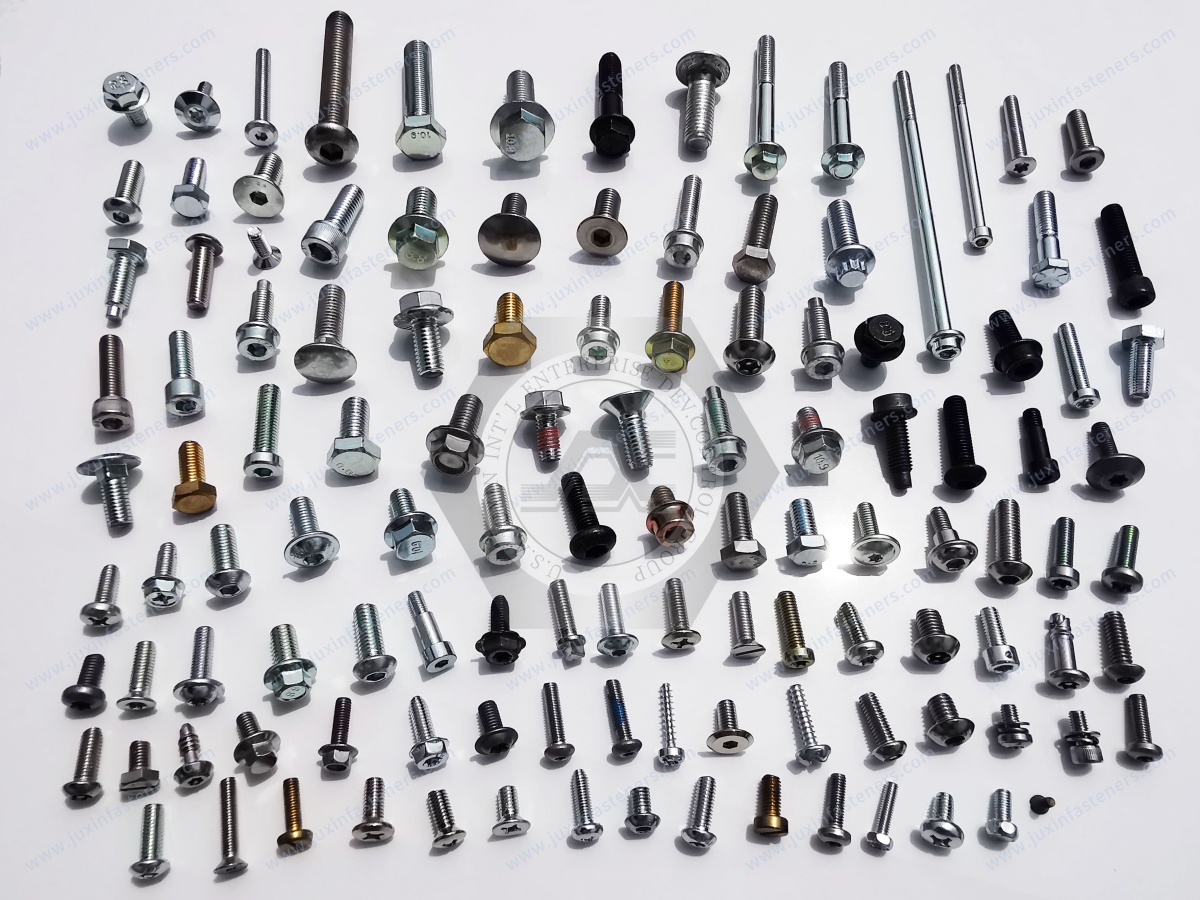
If you need reliable zinc nickel plated fasteners for automotive, aerospace, rail, marine, or industrial applications, JUXIN FASTENERS provides professional technical support and customized manufacturing solutions.
Contact our engineering team for:
Surface treatment recommendation
Fastener selection support
OEM customization
Bulk quotation
Email: info@juxinfasteners.com
Website: www.juxinfasteners.com
 MORE NEWS
Sep. 25, 2026
Sep. 25, 2026
Sep. 25, 2026
Contact Us
Tel.:
+86 020 8621 0320
+86 020 3121 6067
E-mail:
Technical Support:
Navigation
SEND INQUIREY