
Call Us
+86 136 6007 9809
Call Us
+86 136 6007 9809

Aug. 11, 2026
Should you specify conventional zinc plating or zinc-nickel coating for an engineered fastener?
The answer is not simply:
Zinc plating for low cost and zinc-nickel for high performance.
That rule is too broad for OEM fastener design.
The correct surface treatment depends on the complete application:
Fastener Material → Mechanical Properties → Service Environment → Corrosion Requirement → Coating System
→ Friction → Thread Fit → Installation → Validation → Total Installed Cost
Conventional zinc plating can be an efficient and technically appropriate solution for many industrial fasteners.
Zinc-nickel can provide substantially higher corrosion performance in appropriately engineered coating systems and is widely considered for demanding automotive,
transportation, electrical, and industrial applications.
But zinc-nickel is not automatically the correct upgrade for every zinc-plated fastener.
The key engineering principle is:
Higher coating performance ≠ automatically better joint design.
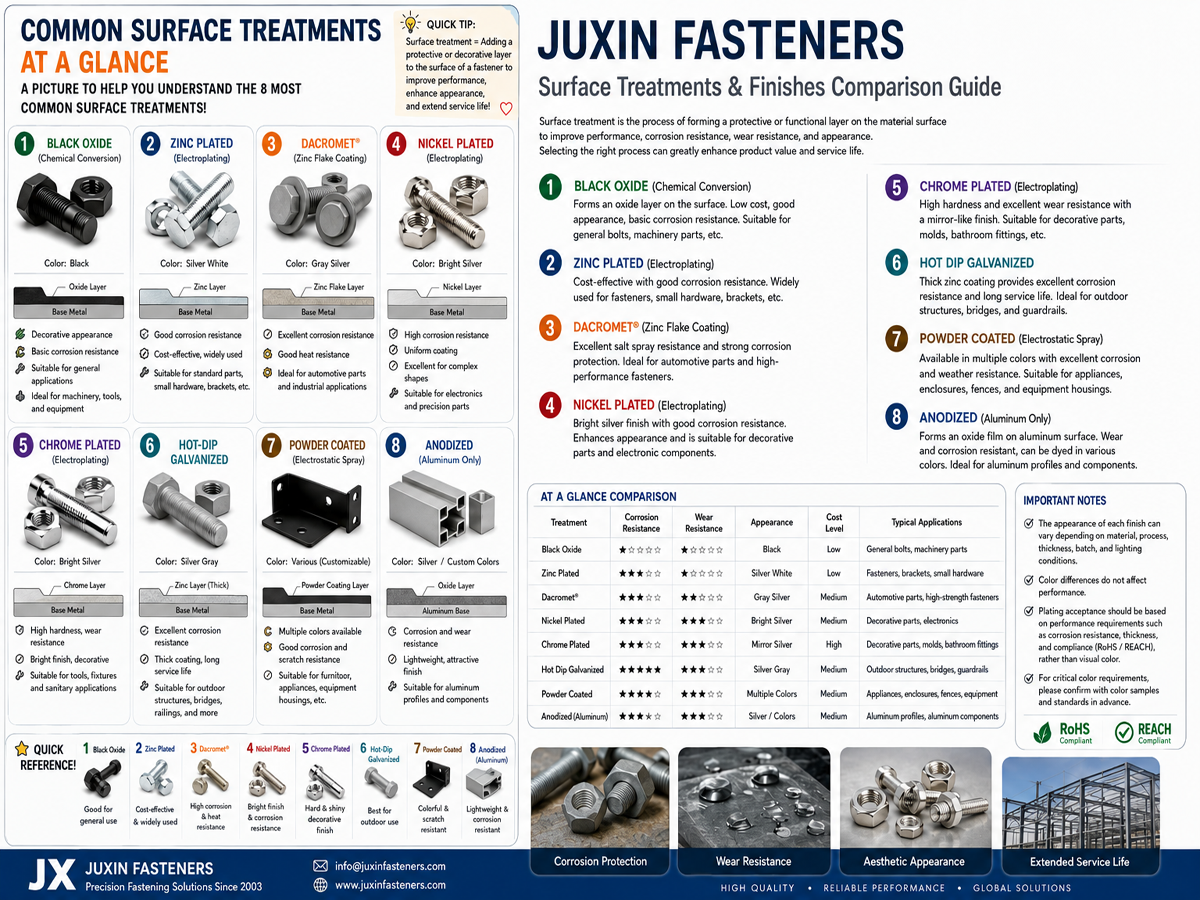
This guide provides a practical decision framework for design engineers, mechanical engineers, quality engineers, procurement managers,
supplier-development teams, and strategic sourcing professionals deciding between zinc plating and zinc-nickel coated fasteners.
Choose the coating based on the required performance of the finished fastener—not on color, coating reputation, or unit price alone.
Conventional zinc plating may be appropriate when:
The required corrosion performance can be achieved
The service environment is compatible
The applicable OEM or customer specification permits it
Friction requirements can be controlled
Dimensional requirements can be maintained
Cost efficiency is important
Zinc-nickel may be appropriate when:
More demanding corrosion performance is required
Chloride exposure is significant
Automotive or transportation specifications require it
Longer maintenance intervals increase corrosion risk
A qualified Zn-Ni coating system is specified
Friction and installation behavior can be properly controlled
But before making the decision, engineers should evaluate several variables that a simple zinc-vs.-zinc-nickel comparison table normally misses.
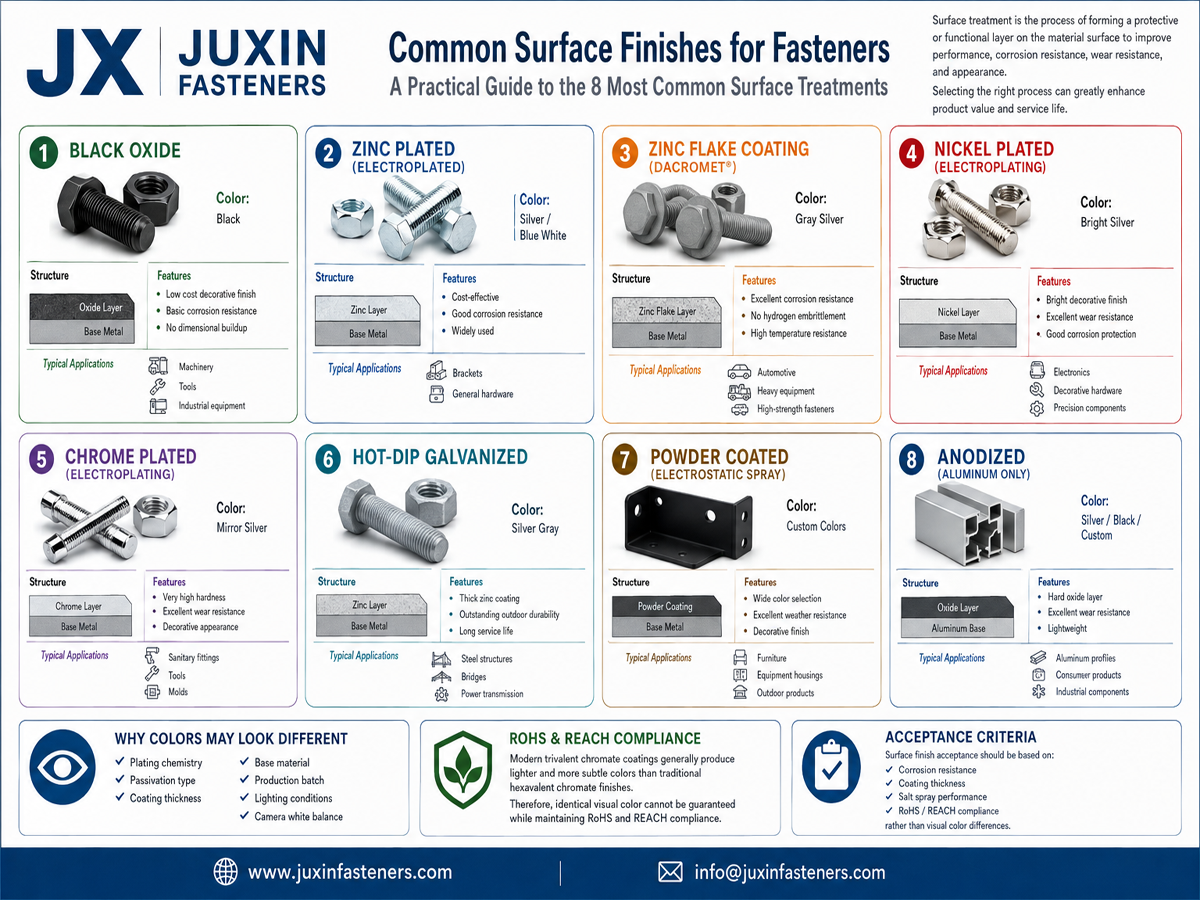
Conventional electroplated zinc and zinc-nickel are both metallic coating systems, but they are not identical.
Electroplated zinc uses zinc as the principal metallic deposit over a steel fastener.
A complete system may include:
Steel Substrate → Zinc Deposit → Passivation → Sealer / Topcoat
Zinc-nickel electroplating deposits a zinc-nickel alloy.
A complete system may include:
Steel Substrate → Zinc-Nickel Alloy Deposit → Passivation → Sealer / Topcoat
This distinction matters because the final performance is not determined by the metallic deposit alone.
Passivation, topcoat, thickness, friction, substrate, geometry, and process control can all influence the finished component.
Therefore:
Coating name ≠ complete coating specification.
| Engineering Question | Zinc Plating | Zinc-Nickel |
|---|---|---|
| General industrial corrosion protection | Often suitable | May be unnecessary unless required |
| Demanding corrosion environment | Depends on complete system | Frequently considered |
| Chloride / road-salt exposure | Application-dependent | Often considered for demanding requirements |
| Automotive OEM application | Widely used where specified | Widely used where higher corrosion performance is specified |
| Indoor equipment | Often suitable | May be over-specified |
| Coating cost | Generally lower | Generally higher |
| Friction control | Must be specified where critical | Must be specified where critical |
| Thread-fit impact | Thickness must be controlled | Thickness must be controlled |
| High-strength steel hydrogen risk | Must be evaluated | Must also be evaluated |
| Cosmetic appearance | System-dependent | System-dependent |
| RoHS / restricted substances | Depends on complete chemistry and documentation | Depends on complete chemistry and documentation |
| Best choice | Depends on application | Depends on application |
This table should be treated as a decision starting point—not a substitute for the actual drawing and application requirements.
This should usually be one of the first questions.
Do not begin with:
"Which coating has the highest salt spray number?"
Begin with:
"What corrosion environment will this joint actually experience?"
Consider:
Indoor or outdoor service
Humidity
Condensation
Chloride exposure
Road salt
Chemical contamination
Wet/dry cycling
Temperature
Cleaning processes
Coating damage during assembly
Maintenance interval
Required service life
An indoor electrical enclosure and an underbody automotive assembly should not automatically use the same coating strategy.
Likewise, not every outdoor fastener requires zinc-nickel.
The actual environment should drive the requirement.
Fastener coating specifications may use standardized laboratory corrosion tests such as ISO 9227 or ASTM B117 where applicable.
But a meaningful specification requires more than a number of hours.
It should identify:
Test method
Test duration
Condition of the tested component
Acceptance criteria
Definition of coating corrosion where applicable
Definition of substrate corrosion where applicable
Applicable customer or OEM specification
This is why statements such as:
"Standard zinc = 48–120 hours"
and
"Zinc-nickel = 720–1000+ hours"
should not be treated as universal engineering properties.
Different qualified coating systems can have different performance requirements.
This distinction is critical.
Laboratory corrosion testing can support:
Supplier qualification
Coating comparison
Process monitoring
Production acceptance
But:
Salt spray hours ≠ field service life.
A zinc-nickel coating that meets a longer laboratory exposure requirement cannot automatically be described as lasting a corresponding multiple of years in service.
Actual field conditions include variables that continuous laboratory salt spray does not reproduce directly.
Therefore:
Higher salt spray number ≠ proportional increase in real-world service life.
One of the most useful questions for design engineers is:
What failure mode are we trying to prevent by changing from zinc to zinc-nickel?
Possible answers include:
Premature corrosion
OEM specification change
Increased chloride exposure
Longer maintenance interval
Field corrosion complaint
New vehicle platform requirement
Customer-specific coating requirement
If there is no defined functional reason for the upgrade, zinc-nickel may simply increase cost.
For many industrial applications, a properly specified conventional zinc system may already satisfy the requirement.
This leads to another important principle:
Do not solve a specification problem by automatically specifying the highest-performance coating available.
Engineering optimization means selecting sufficient performance with controlled risk—not maximizing every specification.
The same coating decision cannot be applied blindly to every steel fastener.
Engineers should identify:
Carbon steel
Alloy steel
Mechanical property class
Hardness
Heat treatment
Residual stress
Fastener geometry
This becomes especially important for high-strength bolts and screws.
Why?
Because both conventional zinc and zinc-nickel are commonly applied through electrolytic processes,
and susceptible high-strength steel components require consideration of hydrogen-related manufacturing risks.
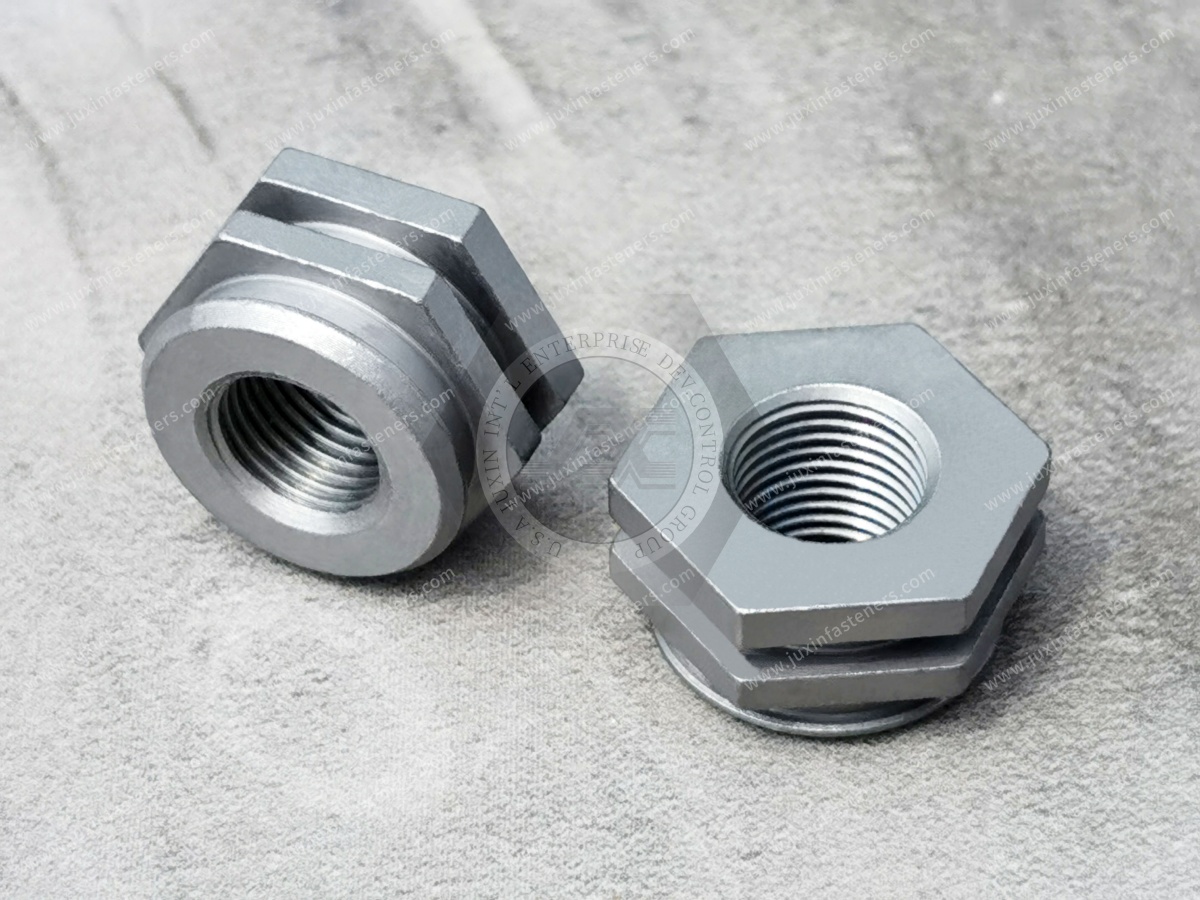
This is an important distinction.
Zinc-nickel can provide strong corrosion performance, but electroplated zinc-nickel should not be described as automatically eliminating hydrogen embrittlement risk.
Potential hydrogen introduction may occur during processes such as:
Cleaning
Acid treatment
Pickling where applicable
Electroplating
Susceptibility depends on:
Material
Hardness
Strength
Heat treatment
Residual stress
Applied stress
Geometry
Manufacturing process
Applicable standards, customer requirements, process controls, and post-treatment requirements should therefore be reviewed for susceptible high-strength fasteners.
Better corrosion resistance ≠ lower hydrogen risk by definition.
For torque-controlled joints, this may be just as important as corrosion.
A coating system affects sliding behavior at the thread and bearing interfaces.
That means changing from zinc to zinc-nickel can change the relationship between tightening torque and bolt preload.
The core engineering principles are:
Torque ≠ Preload.
Same torque + different friction ≠ same preload.
A zinc-plated bolt and zinc-nickel coated bolt may have identical:
Dimensions
Material
Property class
Thread
but behave differently during tightening if their friction characteristics differ.
The difference may come from:
Passivation
Sealer
Topcoat
Lubricant
Mating surface
Surface condition
Therefore, an existing tightening torque should not automatically be transferred to a new coating system without evaluating the joint requirements.
Suppose a new zinc-nickel coating system has lower friction than the original zinc finish.
If the same tightening torque is used, more of the applied torque may contribute to bolt tension.
The resulting preload may therefore increase.
Depending on the joint, excessive preload can contribute to:
Bolt yielding
Thread damage
Mating-component damage
Joint distortion
Conversely, excessive friction may produce insufficient preload.
The objective is not the lowest possible friction.
It is:
Controlled friction compatible with the validated tightening process.
Every coating occupies dimensional space.
For threaded fasteners, this matters.
Potential issues include:
Tight nut engagement
Thread-gauge failure
Increased installation torque
Coating damage during assembly
Loss of required clearance
Engineers should evaluate:
Pre-Coating Thread Geometry → Coating Build → Final Thread Fit → Assembly Performance
This is particularly important for:
Small threads
Tight tolerances
Precision components
Multi-layer surface systems
Custom fasteners
A coating that passes corrosion testing but causes assembly problems is not a successful coating specification.
Conventional zinc can be produced with different passivation and post-treatment appearances, including variations commonly described as:
Clear
Silver
Blue
Yellow
Black
Zinc-nickel systems can also have different appearances depending on passivation and topcoat.
Do not identify the coating by appearance.
Same color ≠ same coating.
Different color ≠ automatically different functional performance.
If appearance is important, specify it separately using:
Approved master sample
Color requirement
Gloss requirement where applicable
Visual acceptance criteria
Controlled inspection conditions
Cosmetic control and functional coating control should remain separate.
RoHS, REACH, OEM restricted-substance requirements,
and customer-specific environmental specifications may affect the selected coating chemistry.
However:
RoHS compliance ≠ REACH compliance.
And:
Zinc-nickel ≠ automatically compliant with every restricted-substance requirement.
Compliance depends on the complete coating chemistry and applicable documentation.
The supplier should understand:
Applicable regulatory requirement
Customer-specific restricted-substance specification
Required declarations
Required material/process documentation
Appearance cannot prove compliance.
Zinc and zinc-nickel coated fasteners are used extensively in:
Electrical enclosures
Industrial controls
Telecom cabinets
Electronic equipment
Automotive electrical systems
But a corrosion-resistant metallic coating does not automatically qualify a fastener as an electrical connection.
Remember:
Mechanical fastening ≠ electrical safety.
Metal-to-metal contact ≠ qualified electrical bond.
Coated metal fastener ≠ qualified grounding connection.
Where grounding, bonding, conductivity, or contact resistance matters, the electrical interface must be designed and validated separately.
The fastener coating is only one part of the corrosion system.
A zinc or zinc-nickel coated steel fastener may be assembled into:
Carbon steel
Coated sheet steel
Aluminum
Stainless steel
Copper-containing components
Mixed-material structures
Galvanic interaction may become relevant in the presence of an electrolyte.
The complete joint should therefore be evaluated.
Corrosion-resistant fastener ≠ corrosion-resistant assembly.
Conventional zinc plating remains highly useful for:
Industrial machinery
Equipment covers
Frames
Furniture hardware
Electrical enclosures
Appliances
General OEM assemblies
Indoor equipment
If the required corrosion and installation performance can be achieved with conventional zinc, there may be no engineering reason to move to zinc-nickel.
This is especially important in high-volume sourcing.
A small unnecessary coating-cost increase multiplied across millions of fasteners can create significant annual cost without improving the actual product.
Automotive environments can expose fasteners to combinations of:
Humidity
Condensation
Road contaminants
Chlorides
Thermal cycling
Vibration
Automated assembly
Depending on location and OEM requirements, engineers may evaluate zinc-nickel for selected:
Automotive bolts
Automotive nuts
Weld nuts
Studs
Body fasteners
Equipment mounting fasteners
Underbody-related components
Custom cold-formed fasteners
But:
Zinc-nickel coating ≠ automatic automotive qualification.
The finished component still needs to meet the applicable OEM drawing, material, mechanical, coating, friction, dimensional, and validation requirements.
Electric vehicles introduce demanding environmental and assembly requirements, but "EV fastener" is too broad to determine the coating.
Selected coated fasteners may be used in:
Battery enclosure structures
Thermal-management equipment
Brackets
Covers
Electrical equipment housings
Body structures
Underbody equipment
Auxiliary assemblies
However:
Corrosion-resistant fastener ≠ battery-system safety qualification.
Mechanical fastening ≠ electrical safety.
Zinc-nickel coating ≠ automatic high-voltage application qualification.
Application-specific validation remains necessary.
It is tempting to apply the rule:
Indoor = zinc
Outdoor = zinc-nickel
That is too simplistic.
Some outdoor equipment may be sufficiently protected from direct contamination,
while some indoor industrial equipment may experience severe humidity, chemicals, or cleaning agents.
Instead, evaluate:
Actual exposure
Chloride level
Wet/dry cycles
Chemicals
Temperature
Maintenance
Required service interval
Environment severity—not the word "outdoor"—should drive coating selection.
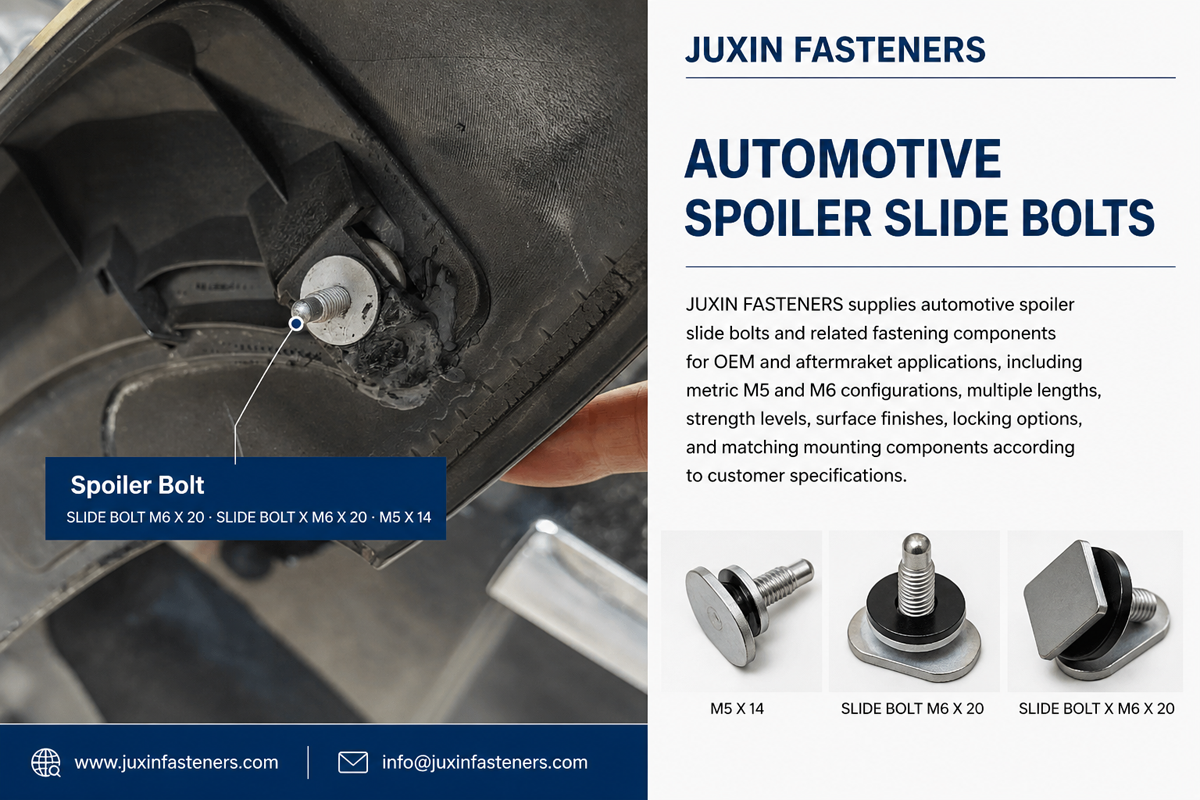
Railway applications range from interior equipment to safety-critical structural systems.
Depending on the project specification, zinc or zinc-nickel coated fasteners may be evaluated for selected:
Interior equipment
Lighting assemblies
Electrical cabinets
HVAC equipment
Equipment brackets
Secondary supporting structures
However, running gear, braking, crash structures, and primary load-bearing systems require formal OEM and project-specific qualification.
Surface coating performance ≠ railway safety qualification.
If the application requires demanding corrosion performance—especially on high-strength steel fasteners—zinc-nickel may not be the only candidate.
Zinc flake systems may also be considered.
| Selection Question | Zinc-Nickel | Zinc Flake |
|---|---|---|
| Typical process route | Electrolytic deposition | Typically non-electrolytic coating application |
| High corrosion performance | Possible with qualified system | Possible with qualified system |
| Friction control | Passivation/topcoat dependent | Often engineered through coating/topcoat |
| High-strength steel | Hydrogen risk from electroplating route requires evaluation | Can avoid electrolytic deposition, but complete manufacturing route still matters |
| Thread fit | Must be controlled | Must be controlled |
| Automotive use | Common | Common |
| Correct choice | Application-specific | Application-specific |
Neither should be selected from a marketing claim alone.
Another alternative is to change the base material rather than the coating.
A zinc-nickel coated steel fastener and a stainless steel fastener represent different engineering strategies.
Selection may depend on:
Required strength
Chloride exposure
Chemicals
Temperature
Galling risk
Galvanic interaction
Cost
Maintenance
OEM specification
Remember:
Stainless steel ≠ corrosion-proof.
And:
316 stainless steel ≠ automatically better for every joint.
Material and coating should be selected as part of the complete assembly.
Instead of choosing zinc or zinc-nickel from a catalog, engineers can use five decision gates.
Can the proposed coating satisfy the actual corrosion environment?
If no, reject it.
Is the coating process compatible with the fastener material, strength, heat treatment, and hydrogen-risk requirements?
If no, reject or redesign the process.
Does the coating provide acceptable:
Friction
Torque-preload behavior
Thread fit
Installation consistency?
If no, modify or reject it.
Does the complete system satisfy:
Applicable standards
Restricted-substance requirements
OEM specifications
Documentation requirements?
If no, reject it.
If multiple coating systems satisfy Gates 1–4, compare:
Part cost
Process stability
Supplier availability
Inspection requirements
Rework risk
Supply risk
Lifecycle cost
Only after the engineering gates are satisfied should price determine the preferred option.
| Failure / Problem | Possible Cause | Engineering Response |
|---|---|---|
| Early corrosion | Coating under-specified for environment | Review corrosion requirement and coating system |
| Excessive coating cost | Zinc-nickel specified without functional need | Reassess actual environment and performance requirement |
| Bolt preload changes after coating conversion | Friction changed | Perform friction or torque-tension evaluation |
| Thread becomes tight | Coating thickness affects fit | Review thickness and thread allowance |
| High-strength bolt experiences delayed brittle failure | Possible hydrogen-related issue among other causes | Review material, process, heat treatment, preload and service loading |
| Part passes salt spray but fails in service | Laboratory test does not represent field environment | Reassess service conditions |
| Coating appears different | Passivation/topcoat/process variation | Determine whether appearance is controlled |
| Aluminum mating component corrodes | Possible galvanic interaction | Evaluate complete joint materials |
| New supplier part looks identical but behaves differently | Functional coating parameters differ | Perform second-source qualification |
A zinc-to-zinc-nickel conversion should not be managed by simply changing one line on the purchase order.
Review:
Fastener material
Mechanical property class
Mating component
Installation torque
Target preload
Service environment
Thickness
Passivation
Sealer/topcoat
Friction
Corrosion requirement
Applicable specification
Alloy requirement where applicable
Thickness
Passivation
Sealer/topcoat
Friction
Corrosion performance
Thread fit
Gauge condition
Critical dimensions
Corrosion
Friction
Torque-tension
Functional assembly
Customer approval where required
This is why:
Coating substitution can be an engineering change.
When sourcing an alternative zinc or zinc-nickel fastener supplier, compare:
Drawing + Revision + Base Material + Mechanical Properties + Heat Treatment + Thread + Geometry + Surface Preparation
+ Coating System + Coating Thickness + Passivation + Sealer / Topcoat + Friction + Corrosion Requirement + Installation Behavior + Functional Testing + Documentation + Change Control
If appearance is critical, add:
Approved Color + Gloss + Master Sample + Visual Inspection Conditions
The core principle is:
Same dimensions ≠ functional equivalence.
Same color ≠ coating equivalence.
Same salt spray claim ≠ functional equivalence.
Conventional zinc plating normally has a lower coating cost than zinc-nickel.
That does not automatically make zinc cheaper at system level.
Likewise, zinc-nickel's higher corrosion performance does not automatically make it more economical.
Procurement should evaluate:
Total Installed Cost = Part Price + Installation + Tooling + Inspection + Rework + Scrap
+ Downtime + Maintenance + Logistics + Warranty Risk + Supply Risk
Consider two opposite cases.
Lower part price may be offset by:
Corrosion failures
Maintenance
Replacement
Warranty
Customer complaints
The application receives no meaningful additional functional benefit, but every fastener costs more.
Both cases are poor sourcing decisions.
The correct goal is:
Required engineering performance at the lowest controlled total installed cost.
Procurement and supplier-development teams should ask:
What coating specification is being quoted?
Is it conventional zinc or zinc-nickel?
What coating thickness is required?
Is zinc-nickel alloy composition controlled where applicable?
What passivation is specified?
Is a sealer or topcoat required?
What corrosion test applies?
What constitutes test failure?
Is friction controlled?
Is torque-tension testing required?
Are threads gauged after coating?
Are hydrogen embrittlement controls required?
What restricted-substance requirements apply?
Is appearance controlled?
What documentation is required?
How are process changes controlled?
A quotation that says only:
"Zn-Ni, 1,000-hour salt spray"
does not necessarily contain enough information to qualify an engineered fastener.
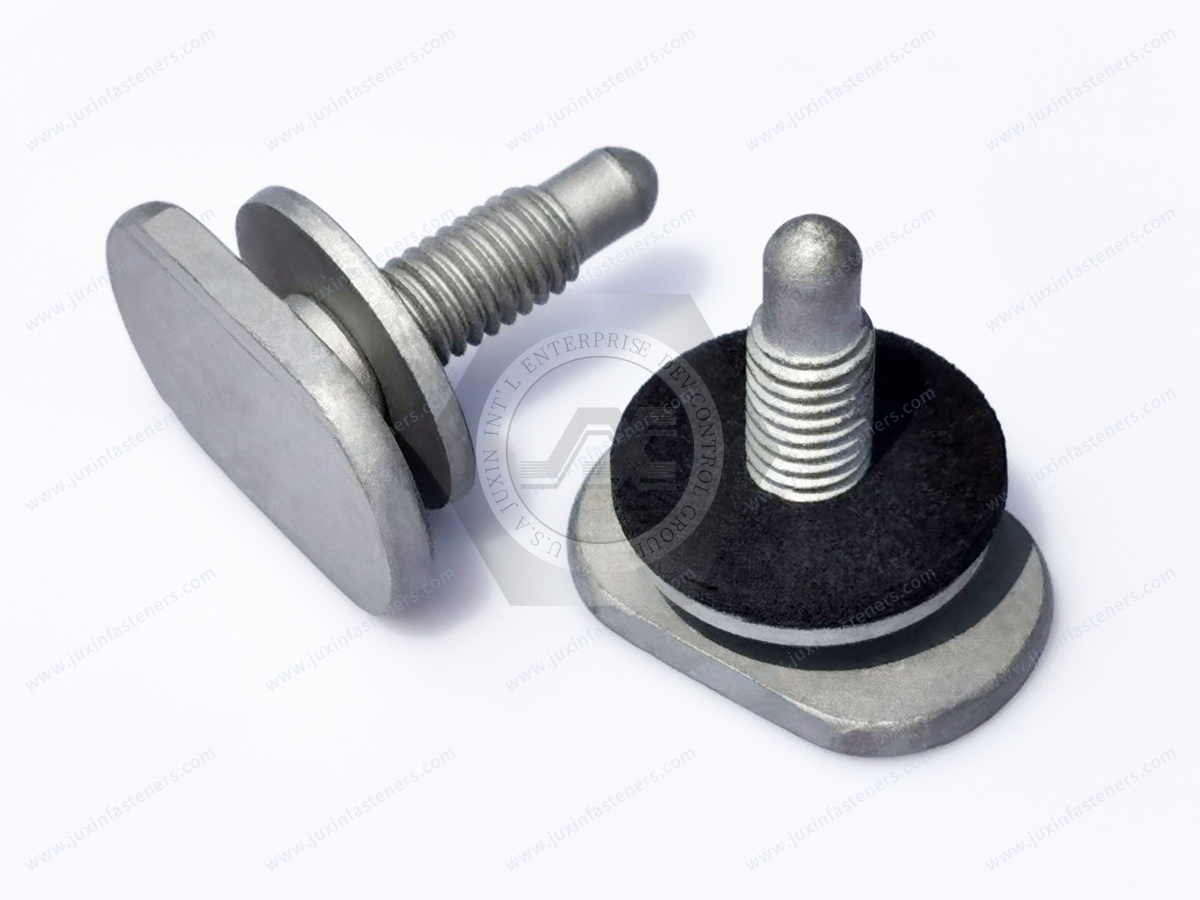
JUXIN FASTENERS supports standard and drawing-based fasteners with application-specific surface-treatment requirements, including:
Zinc plated bolts
Zinc plated screws
Zinc plated nuts
Zinc plated washers
Zinc plated weld nuts
Zinc-nickel coated bolts
Zinc-nickel coated screws
Zinc-nickel coated nuts
Zinc-nickel coated weld nuts
Zinc-nickel coated studs
Zinc flake coated fasteners
High-strength bolts and nuts
Automotive fasteners
Electrical-equipment fasteners
Weld nuts
Weld studs
Custom cold-formed fasteners
CNC secondary-machined components
Drawing-based OEM fasteners
Second-source fastener development
For coating conversions and new projects, surface treatment should be reviewed together with base material, mechanical properties,
heat treatment, thread geometry, coating thickness, passivation, friction, corrosion performance, mating components,
installation conditions, and customer-specific requirements.
Neither is universally better. Zinc plating can be technically and commercially appropriate for many applications,
while zinc-nickel may be preferred where more demanding corrosion performance or specific OEM requirements apply.
Properly engineered zinc-nickel systems can provide substantially higher corrosion performance than many conventional zinc systems,
but actual performance depends on the complete coating specification and test conditions.
No. Those numbers should not be treated as inherent properties of every zinc-nickel coating.
The required test performance must be defined by the applicable coating or customer specification.
Do not use one generic nickel-content range as a substitute for the applicable coating specification.
Where alloy composition matters, define and verify it according to the relevant specification or qualified coating system.
Do not assume so. The coating, passivation, sealer, or topcoat may change friction and therefore the torque-to-preload relationship.
No. Electroplated zinc-nickel still requires hydrogen-risk consideration for susceptible high-strength steel fasteners.
No. The actual corrosion environment and required performance should determine the coating.
Yes, zinc-nickel is used in many automotive applications,
but the complete fastener still requires qualification to the applicable OEM and application-specific requirements.
Not alone. Also evaluate friction, thread fit, base material, strength, hydrogen risk, installation behavior,
field environment, compliance, and total cost.
The coating chemistry, process control, performance requirements, and qualification can make zinc-nickel more expensive.
The relevant question is whether the application requires the additional performance.
Make sure both suppliers are quoting the same drawing revision, material, coating specification, thickness, passivation,
topcoat, friction, corrosion requirement, testing, documentation, and annual volume.
A sample is useful for dimensional and visual reference, but it cannot fully communicate coating chemistry, thickness,
friction, corrosion requirements, or process controls. Provide the drawing and coating specification whenever possible.
Review corrosion requirements, friction, installation torque, thread fit, hydrogen-risk controls, compliance requirements,
application validation, cost impact, and customer approval requirements.
JUXIN FASTENERS can evaluate drawing-based second-source projects by reviewing the existing fastener, material,
mechanical requirements, coating specification, corrosion and friction requirements, application conditions, and qualification requirements.
For accurate technical and commercial evaluation, provide:
2D drawing
3D model if available
Part number
Drawing revision
Application
Fastener type
Thread size and pitch
Base material
Material grade
Mechanical property class
Heat treatment
Existing surface treatment
Required coating type
Applicable coating standard or OEM specification
Zinc-nickel alloy requirement where applicable
Coating thickness
Passivation
Sealer or topcoat
Color requirement
Approved appearance sample if applicable
Corrosion test method
Required test duration
Corrosion acceptance criteria
Friction requirement
Torque-tension requirement where applicable
Installation torque
Target preload where applicable
Thread-gauge requirement after coating
Mating material
Mating surface treatment
Operating environment
Chloride exposure
Chemical exposure
Operating temperature
Restricted-substance requirements
Hydrogen embrittlement requirements where applicable
Functional testing
PPAP or customer-specific documentation requirements where applicable
Annual volume
Existing approved sample for second-source development where available
For a zinc-to-zinc-nickel conversion, also explain why the coating change is being considered.
This allows the supplier to evaluate the actual engineering objective rather than simply quote a more expensive surface finish.
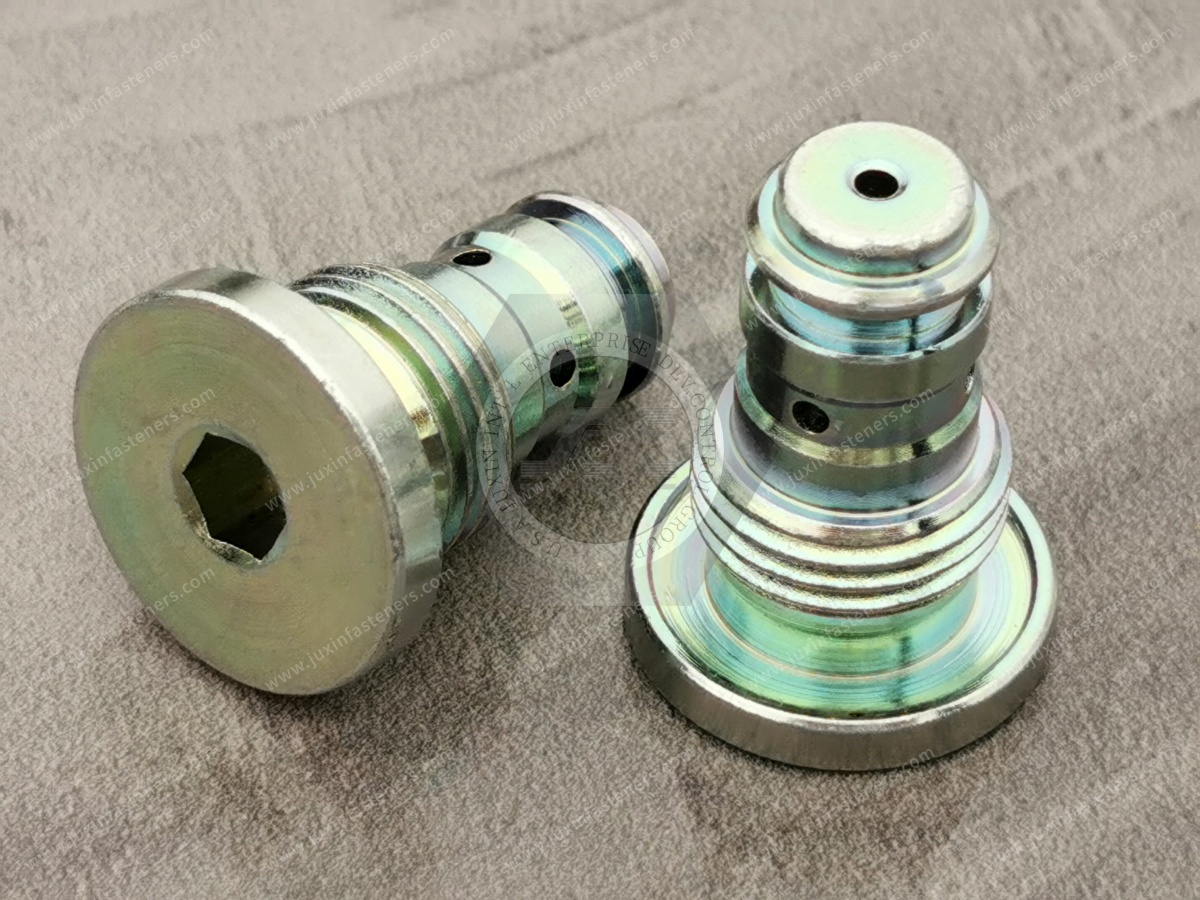
This page should connect internally with existing JUXIN FASTENERS resources covering:
Fastener surface finish selection
Zinc plating color variation
Trivalent vs. hexavalent chromate
Zinc-nickel coating engineering
Zinc flake coated fasteners
PTFE coated fasteners
Torque, friction and preload
Hydrogen embrittlement in high-strength fasteners
Corrosion-resistant fastener selection
Stainless steel fastener selection
Automotive fasteners
EV fastening solutions
Custom OEM fasteners
Second-source fastener qualification
Use the existing indexed JUXIN FASTENERS URL when implementing each internal link.
The intended content path is:
Fastener Surface Finish → Zinc vs. Zinc-Nickel Decision → Corrosion & Friction
→ Application Validation → Supplier Qualification → Second Source → RFQ
The zinc-versus-zinc-nickel decision should not end with:
"Zinc-nickel has better corrosion resistance, so use zinc-nickel."
That ignores the rest of the fastening system.
A more reliable engineering path is:
Application → Environment → Base Material → Mechanical Properties → Corrosion Requirement → Hydrogen Risk
→ Coating System → Thickness → Friction → Thread Fit → Installation → Validation → Total Installed Cost
For design engineers, this prevents over-specification and unintended joint-performance changes.
For procurement and supplier-development teams, it creates a technically comparable RFQ and makes second-source qualification more reliable.
Conventional zinc plating remains a valuable and cost-effective solution where it satisfies the engineering requirement.
Zinc-nickel becomes valuable when its additional performance solves a real application problem or satisfies a defined OEM specification.
The objective is not to select the coating with the highest advertised performance.
It is to select the coating that provides the required performance, installation behavior, compliance, manufacturing stability,
and lifecycle economics for the actual joint.
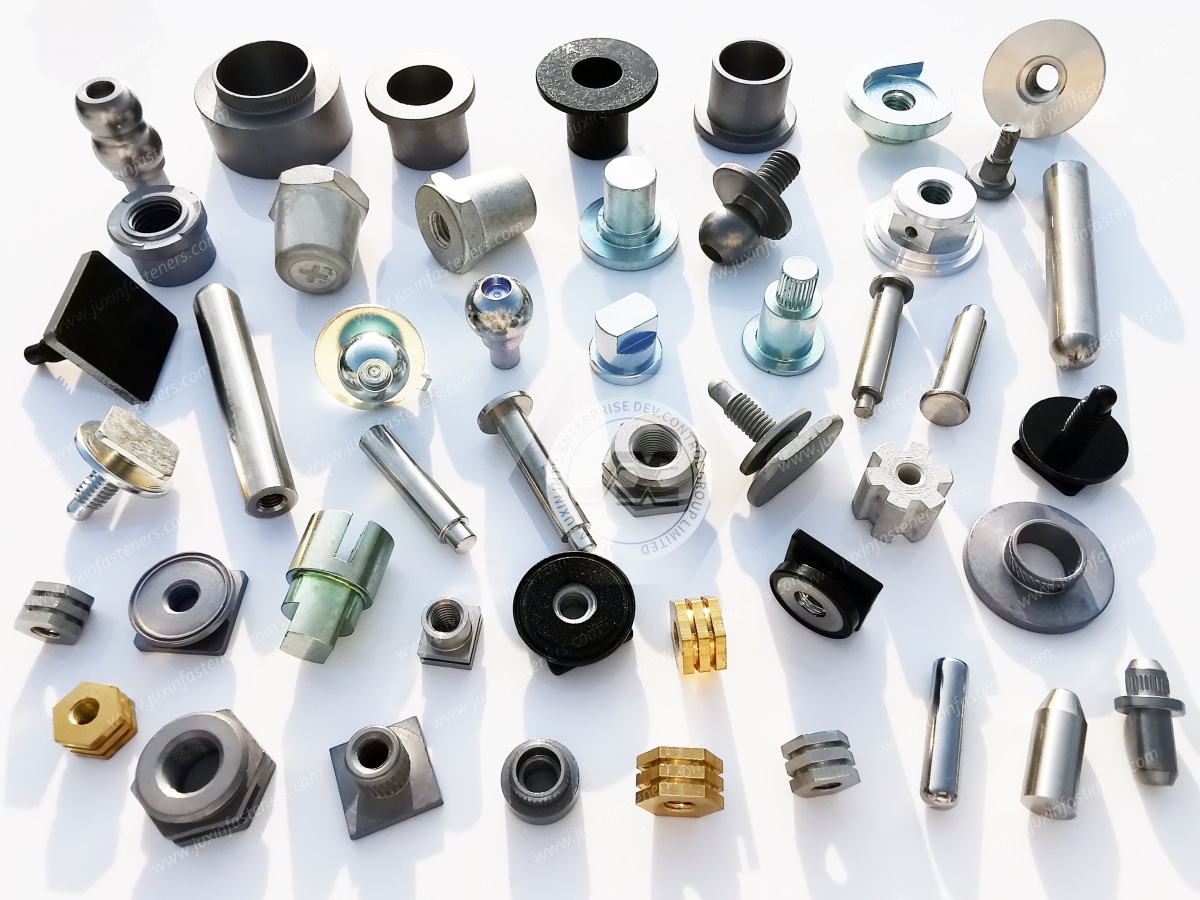
JUXIN FASTENERS supports OEM, Tier-1, Tier-2, and industrial manufacturers with zinc plated fasteners, zinc-nickel coated fasteners,
zinc flake coated fasteners, high-strength fasteners, automotive fasteners, weld nuts, weld studs, custom cold-formed components,
CNC secondary-machined components, and drawing-based second-source development.
For a new coating selection, zinc-to-zinc-nickel conversion, corrosion issue, cost-reduction project, or alternative-source qualification,
send your drawing, revision, material and mechanical requirements, coating specification, application environment,
corrosion and friction requirements, installation conditions, and annual volume for technical review.
JUXIN FASTENERS
Email: info@juxinfasteners.com
Website: www.juxinfasteners.com
Contact Us
Tel.:
+86 020 8621 0320
+86 020 3121 6067
E-mail:
Technical Support:
Navigation
SEND INQUIREY



