
Call Us
+86 136 6007 9809
Call Us
+86 136 6007 9809

Aug. 12, 2026
304 vs 316 Stainless Steel Fasteners: How to Choose the Right Material for Industrial Applications
OEM Engineering Guide to A2/A4 Grades, Corrosion Resistance, Mechanical Properties, Fastening System Design and Industrial Procurement
Selecting between 304 and 316 stainless steel fasteners is not simply a question of choosing a lower-cost or higher-cost corrosion-resistant material.
For industrial OEM manufacturers, the correct material must be compatible with the entire fastening system.
That system may include a screw, bolt, nut, washer, blind rivet nut, self-clinching fastener, welded component, threaded insert or custom machined part.
Each component may experience different mechanical loads, environmental exposure, manufacturing processes and installation conditions.
A suitable stainless steel fastener specification must therefore consider:
Material grade and chemical composition
Mechanical property class
General and localized corrosion resistance
Chloride and chemical exposure
Mating materials
Joint geometry and load distribution
Thread engagement
Installation and production processes
Surface condition and passivation
Inspection requirements
Material traceability
Total lifecycle cost
For example, 316 stainless steel may be a better material candidate than 304 for certain coastal equipment installations.
However, changing only the screw to 316 may not solve corrosion problems if the joint contains incompatible aluminum components,
trapped moisture or an unsuitable washer arrangement.
Likewise, changing from 304 to 316 does not automatically increase mechanical strength.
This guide explains how to select stainless steel materials for complete industrial fastening assemblies, with practical considerations for design engineers, manufacturing engineers, production managers, supplier development teams and global procurement departments.
Juxin Fasteners supports OEM customers with stainless steel fastening components and drawing-based industrial solutions.
What Is Stainless Steel and Why Does Material Grade Matter?
Stainless steels are iron-based alloys containing chromium and other elements that provide corrosion resistance under suitable conditions.
Chromium supports the formation of a protective passive surface film.
The stability of this film depends on:
Alloy composition
Surface condition
Temperature
Moisture
Chloride concentration
Chemical exposure
Oxygen availability
Joint geometry
Stainless steel is not immune to corrosion.
Its performance must be evaluated against the actual operating environment.
For many industrial fasteners, the two most familiar austenitic stainless steel materials are 304 and 316.
Other stainless steel families, including martensitic, ferritic and duplex grades, may be used when specific hardness, strength or corrosion requirements justify them.
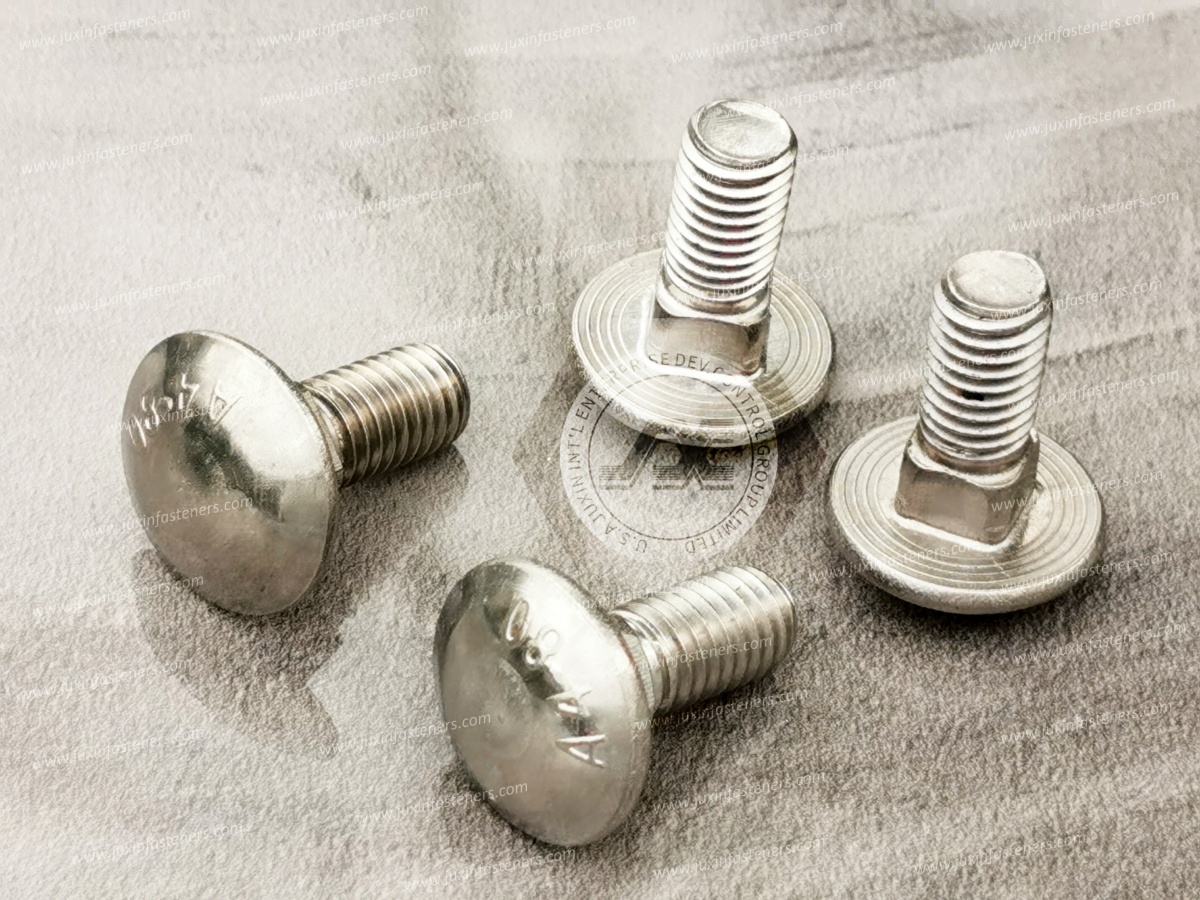
304 Stainless Steel Fasteners: General Industrial Applications
304 stainless steel is widely used for industrial fastening components requiring a combination of corrosion resistance, formability and manufacturing practicality.
Typical 304-type applications include:
Industrial machinery
Indoor electrical cabinets
Automation equipment
Electronic equipment housings
Noncritical automotive accessories
General equipment brackets
Selected outdoor assemblies
Advantages of 304 Stainless Steel
General Corrosion Resistance
304 provides useful corrosion resistance in many indoor and moderately exposed environments.
Manufacturing Flexibility
304 is suitable for a range of manufacturing methods, depending on the component design and material condition.
These may include:
Cold forming
Thread rolling
Machining
Selected welding processes
Manufacturing feasibility depends on component geometry, tooling and the specified material condition.
Material Cost
304 is often less expensive than 316.
Where the application does not require the additional localized corrosion resistance of 316, 304 can provide a more economical material choice.
Limitations of 304 Stainless Steel
304 may be vulnerable to localized corrosion in chloride-containing or otherwise aggressive environments.
Engineers should evaluate:
Coastal exposure
Deicing salts
Cleaning chemicals
Standing water
Enclosed crevices
Elevated temperature
Engineering Example: Indoor Electrical Cabinet
An indoor control cabinet operates in a relatively dry, controlled environment.
If the specified mechanical properties and corrosion requirements are satisfied, 304 stainless steel fastening components may be sufficient.
Selecting 316 without a defined environmental benefit may increase procurement cost unnecessarily.
316 Stainless Steel Fasteners: Corrosion-Resistant Solutions for More Demanding Environments
316 stainless steel contains molybdenum, which generally improves resistance to certain forms of localized corrosion compared with 304.
This is particularly relevant in many chloride-containing environments.
Potential applications include:
Coastal industrial equipment
Marine-related auxiliary hardware
Outdoor electrical enclosures
Selected chemical-processing equipment
Food-processing machinery
Industrial washdown equipment
Certain liquid-cooling equipment accessories
Advantages of 316 Stainless Steel
Improved Resistance to Chloride-Related Pitting
316 generally provides improved resistance to localized pitting corrosion compared with 304 under many comparable conditions.
Improved Performance in Selected Chemical Environments
316 may provide better resistance to certain chemicals.
However, chemical compatibility must be checked for the actual substance, concentration and temperature.
Potential Lifecycle Benefits
Where corrosion is the principal failure risk, 316 may reduce maintenance or replacement requirements compared with an unsuitable 304 design.
These benefits must be evaluated rather than assumed.
Limitations of 316 Stainless Steel
316 is not universally suitable for:
Continuous seawater immersion
Stagnant chloride solutions
Highly concentrated chloride environments
All chemical-processing conditions
Every elevated-temperature application
316 can still experience pitting, crevice corrosion, galvanic corrosion and stress corrosion cracking.
Engineering Example: Coastal Electrical Enclosure
An electrical enclosure is installed near the coast and exposed to airborne salt deposits.
316 may be preferred for evaluation over 304.
However, the complete design must also consider drainage, washer geometry, aluminum contact surfaces and maintenance requirements.
304 vs 316 Stainless Steel Fasteners: Engineering Comparison
| Engineering factor | 304 stainless steel | 316 stainless steel |
|---|---|---|
| Material family | Austenitic | Austenitic |
| Molybdenum addition | Not normally intentional | Present |
| General corrosion resistance | Good in many environments | Good in many environments |
| Chloride-related pitting resistance | More limited in many comparable conditions | Generally improved |
| Crevice corrosion | Possible | Possible |
| Galvanic corrosion concerns | Relevant in mixed-metal assemblies | Relevant in mixed-metal assemblies |
| General indoor equipment | Frequently suitable | Frequently suitable |
| Coastal equipment | Requires careful evaluation | Often preferred for evaluation |
| Continuous seawater exposure | Not a default selection | Not automatically suitable |
| Mechanical strength | Depends on product and property class | Depends on product and property class |
| Thread galling | Possible | Possible |
| Material cost | Often lower | Often higher |
| Selection basis | Verified environment and performance | Verified environment and performance |
Important Conclusion
316 is not automatically stronger than 304.
Its principal advantage in this comparison is improved resistance to certain corrosive environments.
What About 316L Stainless Steel Fasteners?
316L is a low-carbon variant of 316 stainless steel.
The reduced carbon content is relevant to certain manufacturing and corrosion considerations, particularly where welding or thermal exposure could otherwise contribute to sensitization.
However, 316L should not be presented as universally more corrosion-resistant than 316 in every environment.
For OEM fasteners, engineers should distinguish between:
316 material requirements
316L material requirements
A4 fastener grade requirements
Mechanical property class
Component manufacturing process
A drawing that specifies 316L must be reviewed against the actual material and component requirements.
304, 316 and 316L: Why Material Names Alone Are Not Enough
An industrial fastener may be identified using several specification systems.
Examples include:
304 stainless steel
316 stainless steel
316L stainless steel
A2 stainless steel fastener
A4 stainless steel fastener
A2-70
A4-70
A4-80
These designations are related, but they do not all describe the same information.
A material designation primarily identifies an alloy specification.
A fastener property designation also establishes mechanical requirements under an applicable standard.
A2 vs A4 Stainless Steel Fasteners
A2 is commonly associated with 304-type austenitic stainless steels.
A4 is commonly associated with molybdenum-bearing 316-type austenitic stainless steels.
However, an A2 or A4 designation should not automatically be treated as an exact chemical composition certificate for one specific alloy.
A2-70 vs A4-70
A2-70 identifies an A2 stainless steel fastener with property class 70.
A4-70 identifies an A4 stainless steel fastener with property class 70.
For applicable fasteners, class 70 corresponds to a specified minimum tensile strength level of 700 MPa.
The two grades may have different corrosion characteristics while sharing the same nominal tensile strength class.
A4-80
A4-80 identifies an A4 stainless steel fastener with property class 80.
It should not be assumed that every 316 stainless steel fastener is A4-80.
The property class must be specified and verified.
Engineering Rule
Material grade, fastener geometry and mechanical property class must be checked independently.
International Standards for Stainless Steel Fastener Selection
The correct standard depends on the component type.
ISO 3506-1:2020
Applies to specified corrosion-resistant stainless steel bolts, screws and studs within its scope.
It defines relevant mechanical and physical properties.
It does not independently establish joint torque/preload behavior, fatigue resistance, shear strength or weldability.
ISO 3506-2
Applies to specified corrosion-resistant stainless steel nuts within its scope.
ISO 3506-3:2025
Applies to specified stainless steel set screws and similar fasteners not under tensile stress.
ISO 3506-4:2025
Applies to specified stainless steel tapping screws.
ISO 3506-6:2020
Provides guidance on the selection of stainless steels and nickel alloys for fasteners.
ISO 3506-7:2024
Applies to specified stainless steel flat washers.
ISO 261 and ISO 965
Relevant to ISO metric thread dimensions and tolerances.
ASME B1.1
Relevant to Unified inch screw threads, including UNC and UNF.
ASTM F593 and ASTM F594
Relevant to specified stainless steel externally threaded fasteners and nuts within their respective scopes.
ASTM A967/A967M
Relevant to chemical passivation treatments for stainless steel parts.
ISO 9227 and ASTM B117
Define salt spray test methods.
Salt spray test results do not directly establish actual outdoor service life.
Standards Selection Principle
An OEM drawing may need separate specifications for:
Material composition
Mechanical properties
Thread system
Product geometry
Surface treatment
Functional testing
Inspection
Do not apply the standard for one fastener family automatically to another.
Mechanical Strength: Can Stainless Steel Replace High-Strength Carbon Steel Fasteners?
Not automatically.
A stainless steel fastener may provide improved corrosion resistance while having different mechanical properties from a carbon steel or alloy steel fastener.
For example, replacing a class 10.9 alloy steel bolt with an A4-70 stainless steel bolt solely to improve corrosion resistance may reduce the available mechanical capacity.
A material substitution must consider:
Tensile loading
Yield-related properties
Required preload
Joint stiffness
Fatigue
Shear loading
Thread stripping
Temperature
Service environment
OEM Engineering Insight
Corrosion resistance and mechanical strength are separate design requirements.
A suitable solution may involve:
Selecting an appropriate stainless steel property class
Retaining a high-strength steel fastener with a qualified protective coating
Redesigning the joint
Evaluating another suitable alloy
The final choice must be validated against the actual application.
Corrosion Failure Modes in Stainless Steel Fastening Systems
Pitting Corrosion
Pitting is localized corrosion that can develop when the passive surface film is disrupted.
Chloride-containing environments are a common concern.
Crevice Corrosion
Crevice corrosion can occur where stagnant moisture and aggressive species accumulate.
Potential locations include:
Under bolt heads
Under washers
Between overlapping sheets
Inside poorly drained joints
Galvanic Corrosion
Galvanic corrosion may occur when dissimilar metals are electrically connected in a conductive environment.
For example, a stainless steel fastener installed into aluminum equipment may create corrosion concerns for the aluminum component.
The severity depends on factors including:
Material combination
Electrolyte exposure
Exposed surface areas
Coatings
Joint geometry
Stress Corrosion Cracking
Certain stainless steels can experience stress corrosion cracking under particular combinations of stress, temperature and environmental conditions.
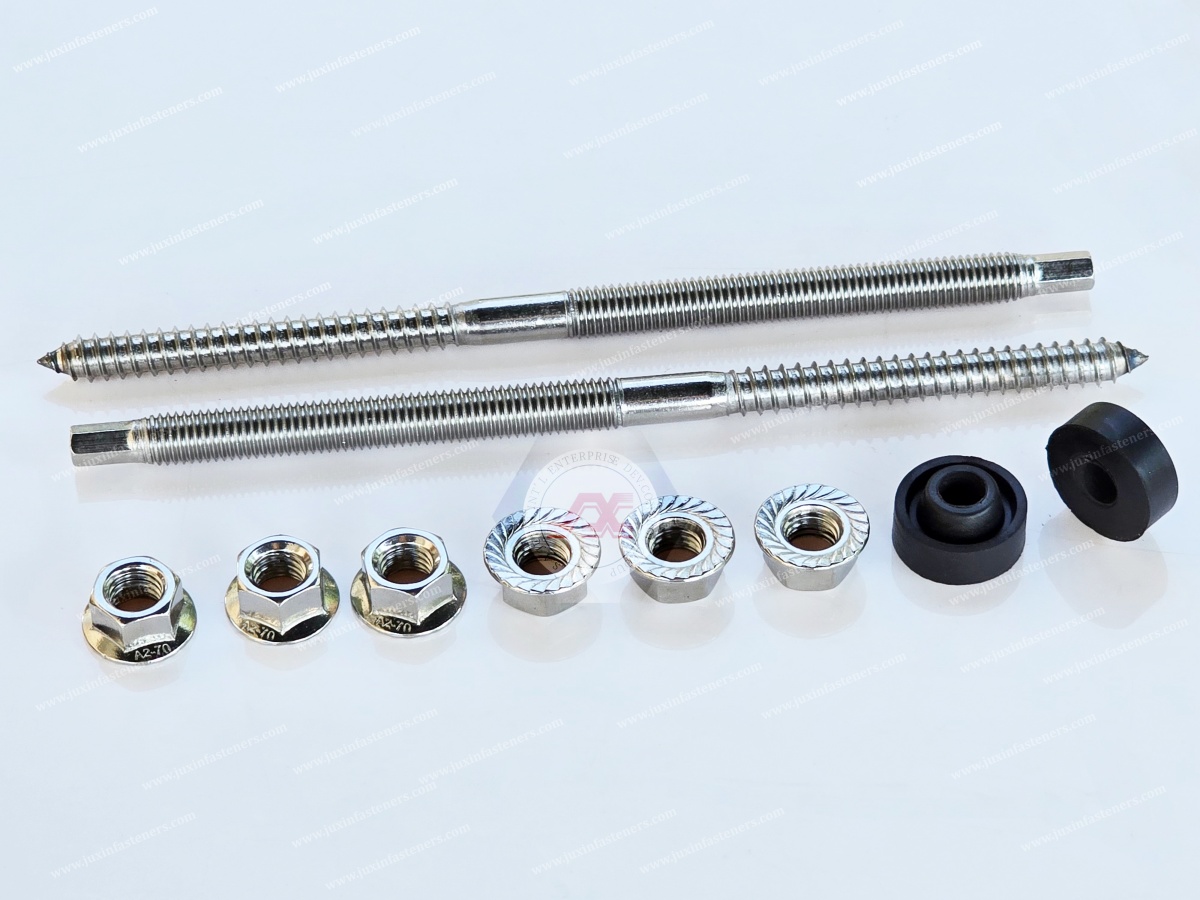
Engineering Information Gain: Why Upgrading Only the Screw May Fail
Consider an outdoor aluminum equipment housing.
The assembly contains:
Stainless steel screws
Aluminum panels
Stainless steel washers
Moisture-exposed contact surfaces
Changing the screws from 304 to 316 may improve the screws' resistance to some corrosion conditions.
However, it does not automatically protect the aluminum panel from galvanic corrosion.
The correct engineering response may require:
Material compatibility review
Isolation measures
Suitable coatings
Drainage improvements
Joint redesign
Environmental validation
The complete fastening system determines reliability.
Thread Galling in Stainless Steel Fasteners
Thread galling is another important limitation of stainless steel assemblies.
It can occur when contacting metal surfaces experience adhesive damage during sliding.
Potential consequences include:
Seized threads
Damaged nuts and bolts
Installation rejection
Difficult maintenance
Production interruptions
Risk factors include:
Similar mating materials
High contact pressure
Surface roughness
Damaged threads
Inadequate lubrication
Uncontrolled tightening
Possible Risk Reduction Measures
Suitable material pairing
Thread quality control
Appropriate lubrication
Validated tightening procedures
Suitable surface treatments
Controlled assembly equipment
Lubrication and coatings may change the relationship between tightening torque and preload.
They must therefore be considered in the complete assembly specification.
Material Selection for Different Stainless Steel Fastener Families
The correct material cannot be chosen independently of the fastener's geometry and manufacturing process.
Stainless Steel Screws and Bolts
Important requirements include:
Mechanical property class
Thread specification
Head geometry
Corrosion exposure
Installation torque
Mating component strength
Stainless Steel Nuts
Important requirements include:
Internal thread quality
Mechanical loadability
Mating bolt compatibility
Galling
Locking performance where applicable
Stainless Steel Nylon Insert Lock Nuts
Important requirements include:
Stainless steel body grade
Nylon insert suitability
Operating temperature
Prevailing torque
Reuse requirements
Chemical compatibility
A stainless steel nut body does not eliminate the temperature limitations of its nonmetallic locking insert.
Stainless Steel Blind Rivet Nuts
Important requirements include:
Body material
Head and body configuration
Grip range
Sheet thickness
Installation force
Hole geometry
Anti-rotation performance
Pull-out and torque resistance
Stainless Steel Self-Clinching Fasteners
Important requirements include:
Sheet hardness
Sheet thickness
Hole dimensions
Installation force
Push-out resistance
Torque-out resistance
Material compatibility
Stainless Steel Threaded Inserts
Important requirements include:
Parent material
Insert geometry
Installation method
Pull-out resistance
Torque resistance
Corrosion environment
Custom Stainless Steel Machined Components
Important requirements include:
Material grade
Machining characteristics
Dimensional tolerances
Surface condition
Thread quality
Inspection requirements
Important Manufacturing Principle
A material suitable for a machined threaded component is not automatically suitable for every cold-formed, welded or self-clinching design.
Manufacturing feasibility must be evaluated separately.
Automotive and EV Fastening Solutions
Automotive and EV equipment require controlled fastening performance under mechanical and environmental loading.
Potential Applications
Electronic module housings
Auxiliary battery enclosure accessories
Cable-management brackets
Interior equipment
Thermal-management supports
Noncritical mechanical covers
Engineering Challenges
Vibration
Temperature cycling
Mixed materials
Corrosion
Production consistency
Potential Solutions
A2 or A4 stainless steel threaded components
Stainless steel nylon insert lock nuts
Selected stainless steel blind rivet nuts
Threaded inserts
Custom fasteners
Material Selection Insight
304 may be suitable for protected interior assemblies.
316 may be evaluated where the environment creates a stronger corrosion requirement.
Safety-critical connections require OEM-specific validation and approval.
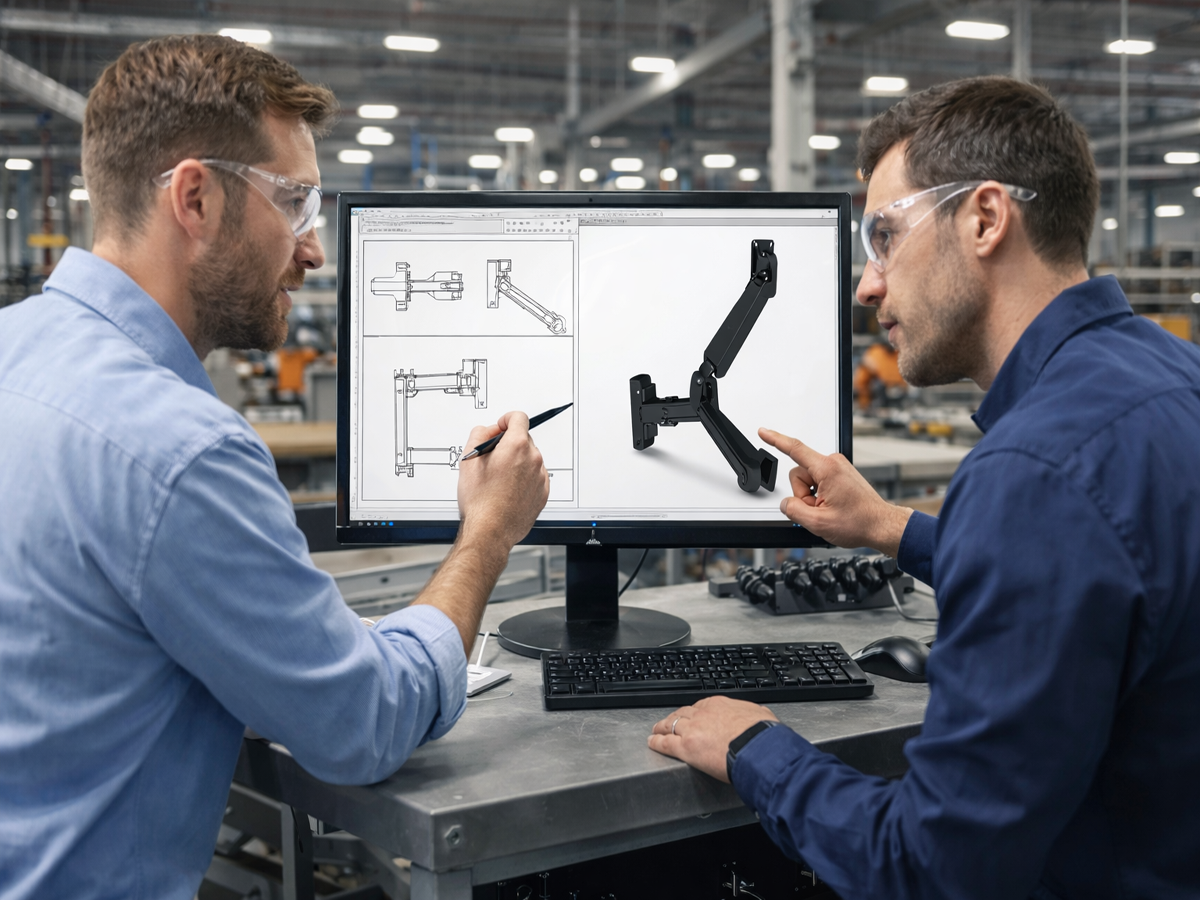
AI Data Centers and Server Infrastructure
AI data centers use large numbers of mechanical fastening interfaces in equipment racks, cooling infrastructure and power distribution systems.
Potential Applications
Server cabinet accessories
Equipment mounting brackets
Cable-management hardware
Fan assembly supports
Electrical cabinet components
Engineering Challenges
Assembly efficiency
Service access
Vibration
Electrical bonding
Mixed materials
Maintenance
Potential Solutions
Stainless steel machine screws
Cage nuts
Self-clinching nuts
Self-clinching standoffs
Selected threaded inserts
Material Selection Insight
For many controlled indoor installations, 304 may be sufficient if stainless steel is required.
316 should be justified by actual corrosion exposure rather than selected automatically.
Liquid Cooling and Thermal Management
Liquid cooling systems may expose fastening components to condensation, coolant leakage or aggressive service environments.
Potential Applications
Pump mounting brackets
Heat exchanger accessories
Cooling equipment covers
Mechanical supports
Auxiliary equipment housings
Engineering Challenges
Condensation
Temperature cycling
Galvanic corrosion
Vibration
Serviceability
Potential Solutions
304 stainless steel fasteners for suitable environments
316 stainless steel fasteners where justified
Stainless steel blind rivet nuts
Custom threaded components
Engineering Limitation
A corrosion-resistant fastener does not establish pressure containment or leak-tightness.
Industrial Electrical Equipment and Power Distribution
Industrial electrical equipment frequently uses sheet-metal enclosures and modular assemblies.
Potential Applications
Electrical cabinets
Power distribution enclosures
Equipment covers
Mounting brackets
Auxiliary hardware
Engineering Challenges
Thin sheet-metal construction
Thread engagement
Electrical bonding
Corrosion
Assembly efficiency
Potential Solutions
Stainless steel machine screws
Self-clinching nuts
Blind rivet nuts
Cage nuts
Welded threaded components
Selection Insight
The fastening architecture may be more important than simply changing material.
Electrical grounding and bonding requirements must be evaluated independently.
Semiconductor and Precision Equipment
Semiconductor and precision equipment may require strict control of materials, geometry and surface condition.
Potential Applications
Instrument housings
Sensor brackets
Mechanical fixtures
Equipment covers
Precision spacers
Engineering Challenges
Dimensional accuracy
Surface cleanliness
Particle generation
Corrosion
Repeatability
Potential Solutions
Stainless steel precision screws
Stainless steel standoffs
CNC machined threaded components
Selected threaded inserts
Cleanroom compatibility must be established for the actual process environment.
HVAC and Ventilation Equipment
HVAC equipment may experience condensation, vibration and outdoor exposure.
Potential Applications
Fan brackets
Ventilation equipment
Outdoor units
Equipment panels
Auxiliary mounting hardware
Engineering Challenges
Moisture
Corrosion
Vibration
Sheet-metal assembly
Maintenance
Potential Solutions
304 stainless steel screws
316 stainless steel components for suitable coastal applications
Stainless steel rivet nuts
Locking nuts
Clip-on nuts
Solar and Outdoor Energy Equipment
Solar and outdoor energy equipment may experience long-term atmospheric exposure.
Potential Applications
Auxiliary mounting hardware
Electrical enclosures
Cable-management components
Serviceable equipment brackets
Engineering Challenges
Atmospheric corrosion
Temperature cycling
Mixed materials
Maintenance access
Potential Solutions
304 or 316 stainless steel components may be considered depending on site exposure and engineering requirements.
Primary structural mounting systems require project-specific design and approval.
Food-Processing Machinery
Food-processing equipment may require corrosion-resistant fastening components.
Potential Applications
Packaging machinery
External machine frames
Equipment covers
Mechanical accessories
Engineering Challenges
Cleaning chemicals
Washdown
Surface contamination
Crevice corrosion
Maintenance
Potential Solutions
304 stainless steel components
316 stainless steel components where justified
Passivated components
Custom threaded parts
Material selection alone does not establish food-contact compliance.
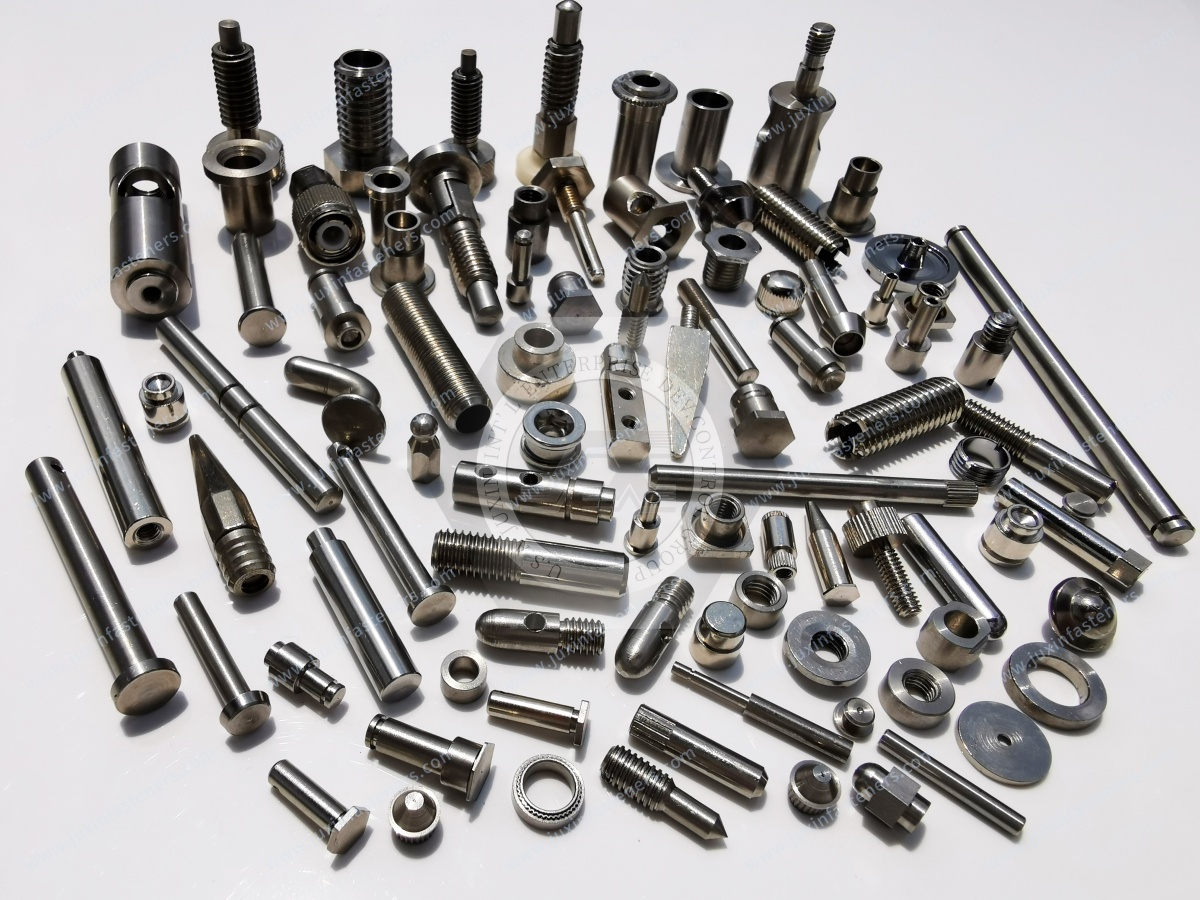
Medical and Laboratory Equipment
Medical and laboratory equipment may require precise, corrosion-resistant components.
Potential Applications
Laboratory instrument frames
Equipment housings
Noncritical mechanical accessories
Precision fixtures
Engineering Challenges
Cleaning
Corrosion
Surface condition
Dimensional consistency
Traceability
Potential Solutions
Stainless steel machine screws
Precision threaded components
Custom machined spacers
Selected passivated components
Specific medical-device regulatory requirements must be addressed separately.
Marine and Coastal Equipment
Marine-related equipment may experience airborne salt, condensation, splash exposure and trapped moisture.
Potential Applications
Coastal electrical enclosures
Instrument brackets
Auxiliary marine equipment
Service panels
Engineering Challenges
Chloride pitting
Crevice corrosion
Galvanic corrosion
Difficult maintenance
Potential Solutions
316 stainless steel is often a stronger candidate than 304 for evaluation in chloride-containing environments.
However, severe marine exposure may require alternative alloys or redesigned connections.
Important Limitation
316 stainless steel is not universally suitable for continuous seawater immersion.
Industrial Machinery and Automation
Industrial machinery requires reliable mechanical fastening and efficient assembly.
Potential Applications
Equipment housings
Sensor mounts
Mechanical brackets
Automation fixtures
Service panels
Engineering Challenges
Cyclic loading
Vibration
Maintenance
Production efficiency
Thread wear
Potential Solutions
Stainless steel screws
Locking nuts
Threaded inserts
CNC machined components
High-load connections require verification of the actual mechanical property class.
Industry Material Selection Matrix
| Industrial application | Main requirement | Material selection approach |
|---|---|---|
| Indoor electrical cabinet | General corrosion resistance | Evaluate 304/A2 |
| Coastal equipment enclosure | Chloride exposure | Evaluate 316/A4 |
| AI server cabinet | Assembly and maintenance | Select suitable fastener system; 304 often sufficient where stainless is needed |
| Liquid cooling accessory | Moisture and mixed metals | Evaluate exposure and galvanic compatibility |
| EV auxiliary enclosure | Vibration and corrosion | Validate material and joint design |
| Semiconductor equipment | Precision and cleanliness | Specify material and surface condition |
| HVAC outdoor unit | Moisture and vibration | Evaluate 304 or 316 by location |
| Solar accessory hardware | Outdoor exposure | Select by site conditions and design |
| Food-processing machinery | Cleaning chemicals | Evaluate 304 or 316 against chemicals |
| Coastal instrument bracket | Chloride deposits | Consider 316 and drainage |
| Industrial automation | Mechanical loading | Confirm property class and joint performance |
| Thin sheet-metal assembly | Internal thread strength | Evaluate rivet nuts or self-clinching fasteners |
Surface Treatments and Corrosion Protection
Stainless steel often relies on its passive surface condition for corrosion resistance.
Additional surface treatments may be specified for particular requirements.
Passivation
Passivation can help remove certain surface contaminants and support corrosion resistance.
The process should follow an appropriate specification when required.
PTFE-Containing Coatings
Selected coatings may reduce friction or modify assembly behavior.
However, no coating should be assumed to completely prevent galling.
Black Surface Finishes
Black finishes may be selected for appearance or reduced reflection.
Corrosion resistance and coating durability require verification.
Salt Spray Testing
ISO 9227 and ASTM B117 provide laboratory salt spray test methods.
Test duration should not be presented as a direct prediction of field service life.
Manufacturing Engineering: Selecting Material for Reliable Production
For manufacturing engineers and production managers, material selection affects production performance as well as service life.
Cold Forming
Material condition and geometry affect forming feasibility.
Machining
Different stainless steel grades may exhibit different machining behavior.
Thread Rolling
Material condition, thread geometry and tooling affect process capability.
Welding
Weldability and corrosion behavior must be evaluated for the specified component.
Assembly
Galling, friction and thread quality may influence installation consistency.
Inspection
Material identity, dimensional requirements and mechanical performance must be controlled.
Production Insight
A material change from 304 to 316 may affect manufacturing cost, tooling, production efficiency and procurement lead time.
It should be evaluated before mass-production approval.
Common Failure Modes and Corrective Actions
| Failure mode | Potential cause | Engineering response |
|---|---|---|
| Pitting corrosion | Chloride exposure | Review grade and environment |
| Crevice corrosion | Trapped moisture | Improve drainage and joint geometry |
| Galvanic corrosion | Mixed metals and electrolyte | Review material pairing and isolation |
| Thread galling | Adhesive wear | Review mating materials and assembly |
| Thread stripping | Insufficient engagement | Redesign thread or use insert |
| Fastener fracture | Inadequate mechanical capacity | Review property class and loading |
| Fatigue failure | Cyclic loading and joint movement | Review preload and joint stiffness |
| Corrosion at contact surface | Surface contamination or crevice | Review finish and geometry |
| Installation inconsistency | Friction or process variation | Validate assembly procedure |
| Premature replacement | Incorrect environmental selection | Review lifecycle requirements |
OEM Procurement: How to Qualify a Stainless Steel Fastener Supplier
Purchasing and supplier development teams should evaluate more than quoted unit price.
Material Verification
Confirm the exact specified grade.
Mechanical Requirements
Confirm the applicable fastener property class.
Drawing Conformity
Review:
Dimensions
Thread specifications
Tolerances
Geometry
Surface condition
Manufacturing Feasibility
Confirm that the supplier can manufacture the required component using a suitable process.
Quality Documentation
Depending on the project, request:
Material certificates
Inspection reports
Mechanical test reports
Surface treatment records
Lot traceability
Supply Chain Considerations
Evaluate:
MOQ
Prototype requirements
Production quantities
Lead time
Packaging
Delivery requirements
Change control
Long-term supply continuity
Supplier Qualification Insight
A supplier listing 316 stainless steel does not automatically establish conformity with an A4-70 drawing or a specific OEM material requirement.
The actual component must be qualified.
Material Substitution and Second-Source Approval
OEM manufacturers may seek alternative suppliers or material substitutions to reduce cost and supply risk.
However, substitutions should follow a controlled process.
Review the Original Drawing
Identify all material, dimensional and mechanical requirements.
Compare Candidate Materials
Review corrosion behavior, strength, manufacturing compatibility and cost.
Review the Complete Joint
Consider mating components, washers, coatings and installation procedures.
Perform Required Validation
The OEM may require corrosion testing, mechanical testing or assembly trials.
Approve Changes Before Production
Material or supplier substitutions should not be implemented without the required customer authorization.
Commercial Insight
A lower quoted unit price does not necessarily represent a lower total cost if the substitution increases inspection, maintenance, assembly or failure costs.
304 vs 316 Stainless Steel Fasteners: Total Cost of Ownership
Material cost is only one component of procurement cost.
A practical evaluation may include:
Fastener unit price
Manufacturing cost
Surface treatment cost
Installation cost
Inspection cost
Maintenance cost
Replacement cost
Failure risk
Supplier reliability
Scenario: Indoor Industrial Cabinet
If 304 meets all requirements, selecting 316 may create unnecessary material cost.
Scenario: Coastal Equipment
If 304 presents unacceptable corrosion risk, 316 may provide lifecycle value.
Scenario: Stainless Steel Assembly with Galling
Changing material grade alone may not solve the problem.
Assembly design and friction control may be more important.
Scenario: Thin Sheet-Metal Connection
A stainless steel blind rivet nut or self-clinching component may provide a more effective solution than changing the screw material.
Juxin Fasteners: Stainless Steel Fastening Solutions for OEM Manufacturers
Juxin Fasteners supports industrial customers requiring corrosion-resistant fastening components and drawing-based engineering review.
Relevant product families include:
Stainless Steel Screws and Threaded Components
Machine screws
Selected hex head screws
Socket screws
Custom threaded parts
Stainless Steel Nuts
Nylon insert lock nuts
Selected all-metal locking nuts
Flange locking nuts
Custom nuts
Stainless Steel Blind Rivet Nuts
Round body
Knurled body
Half-hexagonal body
Full-hexagonal body
Open-end designs
Closed-end designs
Sheet-Metal Fasteners
Selected self-clinching components
Cage nuts
Clip-on nuts
Related threaded fastening hardware
Threaded Inserts
Stainless steel threaded inserts
Brass threaded inserts
Thread repair inserts
Inserts for plastic components
Custom Machined Components
Spacers
Standoffs
Threaded components
Drawing-based CNC machined parts
Specific grades, dimensions, coatings, production methods, inspection requirements and availability must be confirmed for each project.
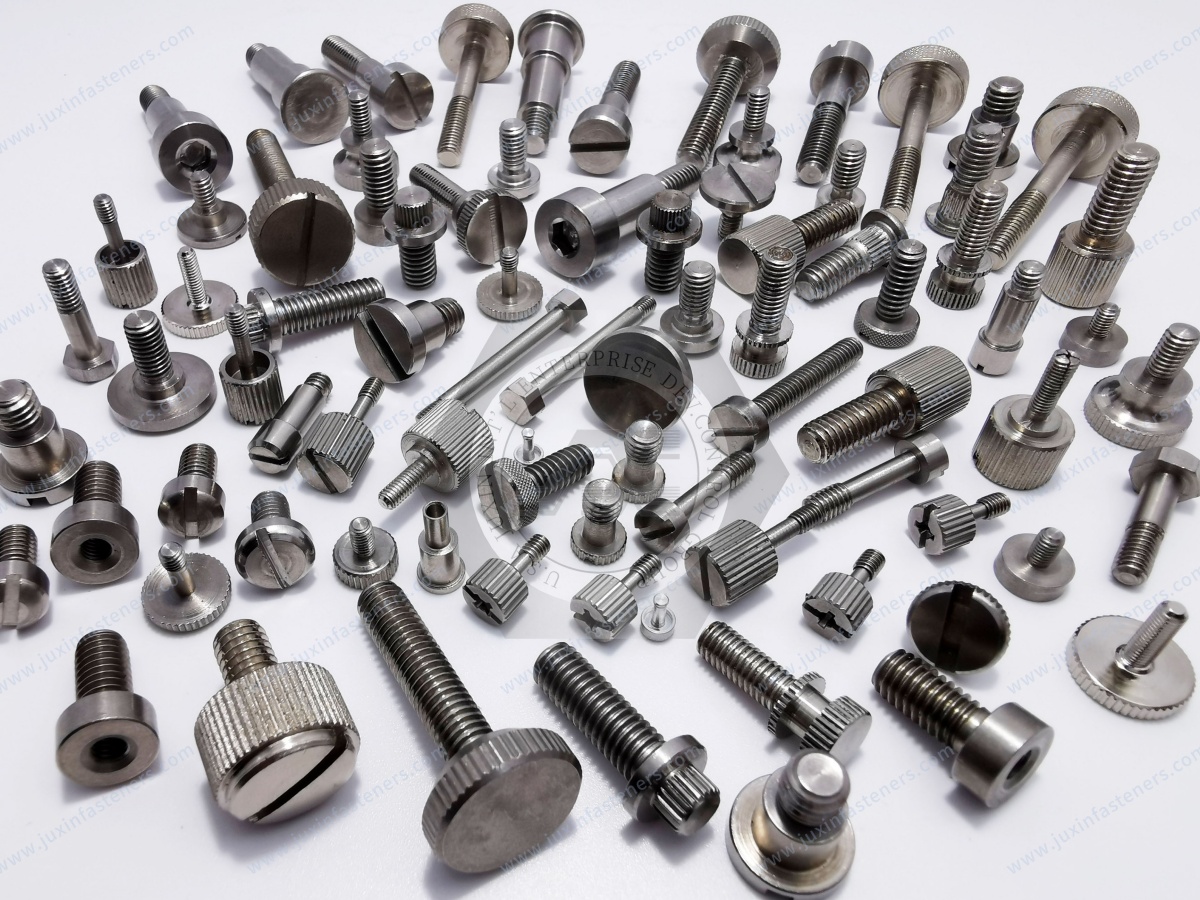
Frequently Asked Questions
What is the main difference between 304 and 316 stainless steel fasteners?
316 contains molybdenum and generally provides improved resistance to certain chloride-related localized corrosion conditions compared with 304.
Is 316 always better than 304?
No. 304 may be the more economical and technically sufficient choice for many industrial applications.
Is A2 the same as 304?
A2 is commonly associated with 304-type stainless steels, but it is a fastener grade designation rather than one exact material identity.
Is A4 the same as 316?
A4 is commonly associated with molybdenum-bearing 316-type stainless steels. The exact material and fastener requirements should be verified.
Is 316L better than 316?
316L has a lower carbon content and may be preferred for certain manufacturing or corrosion considerations. It is not universally superior for every application.
Is A4-70 stronger than A2-70?
Not solely because it is A4. Both are property class 70 fasteners within the applicable standard.
Can 316 stainless steel fasteners rust?
Yes. They can experience localized or other forms of corrosion under unfavorable conditions.
Can 316 stainless steel be used in seawater?
Suitability depends on the exact environment and joint design. Continuous seawater exposure requires careful engineering evaluation.
Can stainless steel fasteners be used with aluminum?
Yes, in suitable designs, but galvanic corrosion and mechanical compatibility must be considered.
Why do stainless steel nuts and bolts seize?
Thread galling, damaged threads, friction and unsuitable tightening conditions can contribute to seizure.
Do stainless steel fasteners need passivation?
Not every component requires an additional passivation treatment. The need depends on the manufacturing condition and application specification.
Can A4-70 replace class 10.9 steel fasteners?
Not automatically. The mechanical requirements and complete joint design must be reviewed.
Which material is suitable for stainless steel blind rivet nuts?
304 or 316 may be considered depending on the environment, installation requirements and product design.
Is 316 required for solar equipment?
Not universally. Material selection depends on exposure, structural requirements and project specifications.
Can Juxin Fasteners support custom stainless steel components?
Juxin Fasteners accepts OEM drawing-based inquiries for technical and manufacturing feasibility review.
OEM Stainless Steel Fastener RFQ Checklist
For accurate technical review and quotation, please provide:
Product Information
Product type
Applicable standard
2D drawing
3D model if available
Dimensions
Tolerances
Thread specification
Material Information
304, 316, 316L or another specified material
A2/A4 grade where applicable
Mechanical property class
Material certificate requirements
Application Information
Industry
Operating environment
Temperature
Chemical exposure
Chloride exposure
Mechanical loading
Vibration
Mating materials
Assembly process
Surface Requirements
Passivation
Coating
Appearance
Corrosion acceptance criteria
Quality Requirements
Dimensional inspection
Thread inspection
Material verification
Mechanical testing
Functional testing
Traceability
Commercial Requirements
Sample quantity
Initial order quantity
Annual forecast
MOQ expectations
Target lead time
Packaging
Delivery destination
Request an OEM Stainless Steel Fastener Quotation
Juxin Fasteners supports international OEM manufacturers, design engineers, mechanical engineers, structural engineers,
manufacturing engineers, production managers, purchasing specialists, procurement managers and supplier development teams.
Whether your project requires 304 stainless steel fasteners, 316 corrosion-resistant components, stainless steel blind rivet nuts, locking nuts, threaded inserts or customized fastening parts, material selection should begin with the complete application requirements.
Send your drawings, material specifications, operating conditions and purchasing quantities for technical review and quotation.
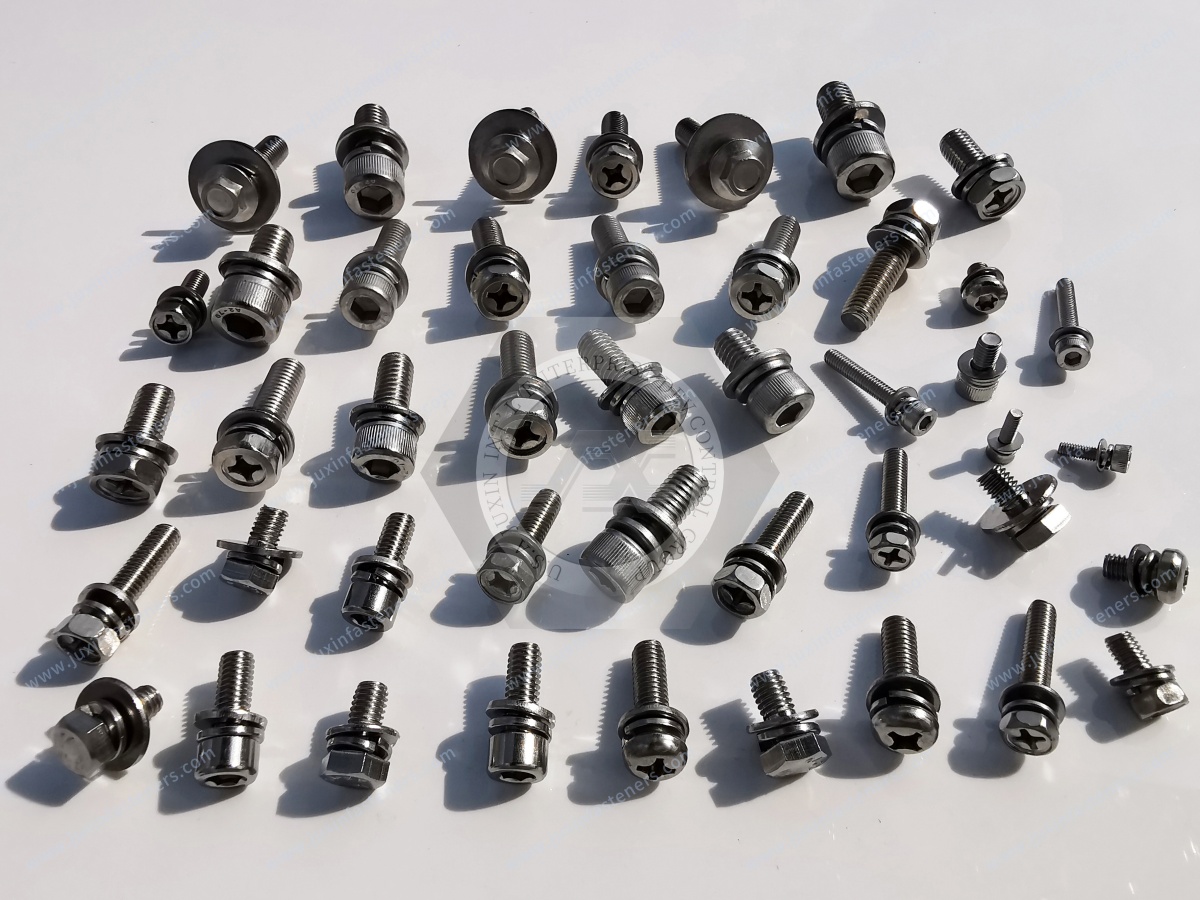
Company: Juxin Fasteners
Website: https://www.juxinfasteners.com/
Email: info@juxinfasteners.com
The right stainless steel fastener material is the one that meets the joint's corrosion, mechanical,
manufacturing and lifecycle requirements—not simply the one with the higher alloy content.
Contact Us
Tel.:
+86 020 8621 0320
+86 020 3121 6067
E-mail:
Technical Support:
Navigation
SEND INQUIREY



