
Call Us
+86 136 6007 9809
Call Us
+86 136 6007 9809

Aug. 12, 2026
High Strength Bolts Selection Guide: Grade 8, Class 10.9 and Heavy-Duty Fastener Solutions
Engineering Guide to SAE Grade 8 vs ISO Class 10.9 and 12.9, Bolt Preload, Fatigue, Corrosion Protection and OEM Production
High-strength bolts are essential mechanical fastening components in industrial assemblies exposed to significant loads, vibration, repeated stress and demanding operating conditions.
They are used in automotive equipment, industrial machinery, construction machinery, heavy equipment, electric vehicle systems, power equipment and many other engineered products.
However, selecting a high-strength bolt is not simply a matter of choosing the highest tensile strength.
A reliable bolted joint depends on the interaction between the bolt, nut, washer, mating components, preload, external loading and installation process.
The correct selection must consider:
Applicable fastener standard
Mechanical property class or grade
Thread diameter and pitch
Tensile stress area
Proof load and tensile strength
Required clamp load
Joint stiffness
Fatigue and vibration
Head and bearing geometry
Thread engagement
Surface treatment
Hydrogen embrittlement risk
Tightening method
Quality control
Production and procurement requirements
A bolt with a higher strength rating may still fail if the joint loses preload, the threads strip, the mating material yields or the selected coating introduces an unacceptable manufacturing risk.
Juxin Fasteners supports industrial OEM customers with drawing-based high-strength fastening requirements,
selected hex and flange bolt configurations, locking nuts, weld studs and customized threaded components.
This guide explains how engineers, production teams and purchasing departments can evaluate high-strength bolted connections for real manufacturing applications.
What Are High-Strength Bolts?
High-strength bolts are externally threaded fasteners manufactured to specified mechanical property requirements.
They are commonly made from suitable carbon or alloy steels and may undergo controlled heat treatment to achieve the required mechanical properties.
Depending on the specification, relevant properties include:
Tensile strength
Yield-related strength
Proof load
Hardness
Ductility
Toughness
Decarburization limits
Manufacturing and inspection requirements
High-strength bolts are not automatically suitable for every demanding application.
Their performance depends on the complete connection.
Why High Strength Does Not Automatically Mean High Fatigue Resistance
A higher-strength material can provide greater tensile capacity.
However, fatigue performance depends on additional factors:
Stress concentration
Thread geometry
Surface condition
Residual stress
Joint preload
External load variation
Joint stiffness
Corrosion
Installation damage
The highest available strength grade is not always the most appropriate or economical selection.
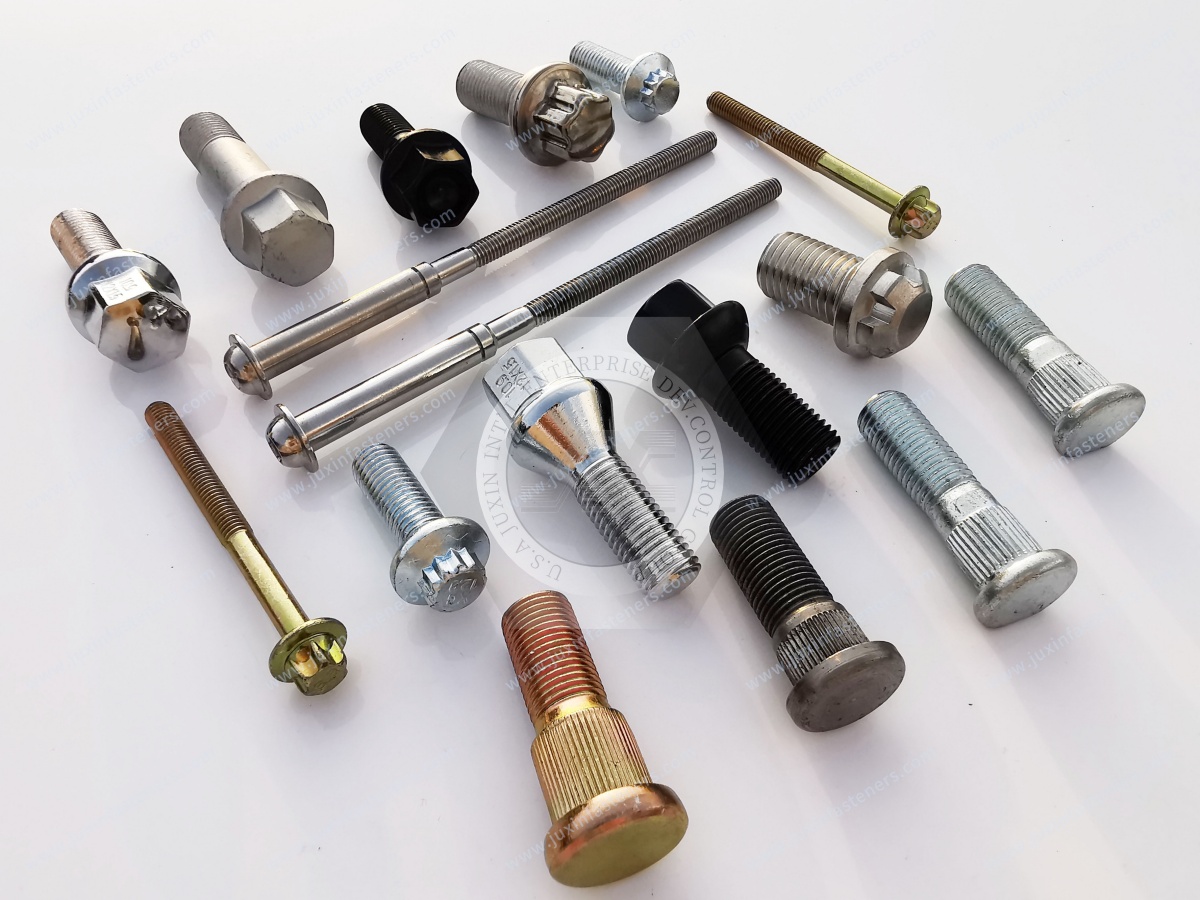
SAE Grade 8 vs ISO Class 10.9: Understanding the Difference
SAE Grade 8 and ISO Class 10.9 are frequently compared in international industrial procurement.
They represent high-strength steel fastener specifications from different systems.
However, they are not interchangeable designations.
SAE J429 Grade 8 Bolts
SAE Grade 8 is a North American fastener grade defined under SAE J429 for applicable externally threaded fasteners.
Grade 8 bolts are commonly used in:
Automotive equipment
Heavy machinery
Industrial mechanical assemblies
Serviceable equipment
Selected high-load applications
A conventional SAE Grade 8 hex-head bolt commonly carries six radial grade marks.
Grade identification must still be verified against the applicable product specification and purchasing requirements.
ISO Class 10.9 Bolts
ISO Class 10.9 is a metric property class specified under ISO 898-1 for applicable carbon and alloy steel bolts, screws and studs.
Class 10.9 fasteners are widely used in:
Automotive manufacturing
Industrial machinery
Equipment frames
Mechanical brackets
Powertrain-related equipment
OEM assemblies
Critical Engineering Difference
SAE Grade 8 and ISO Class 10.9 have broadly comparable high-strength performance levels, but their specifications differ.
They may have different:
Thread systems
Dimensional requirements
Mechanical acceptance criteria
Marking requirements
Inspection requirements
Associated product standards
A substitution must be reviewed against the complete drawing and assembly requirements.
SAE Grade 8 vs ISO Class 10.9 Comparison
| Selection factor | SAE Grade 8 | ISO Class 10.9 |
|---|---|---|
| Principal standard | SAE J429 | ISO 898-1 |
| Typical thread system | Unified inch | ISO metric |
| Typical minimum tensile strength | 150 ksi for common covered sizes | 1,040 MPa for applicable standard full-size fasteners |
| Typical minimum yield-related strength | Depends on SAE J429 size and requirements | Specified by ISO 898-1 |
| Common applications | North American industrial machinery and automotive equipment | International metric industrial and automotive equipment |
| Identification | SAE grade markings as applicable | Property class marking as applicable |
| Direct interchangeability | No | No |
The values above are general references for specified products, not a substitute for checking the exact standard, size, geometry and applicable test requirements.
Important Thread Compatibility Rule
A 3/8-16 UNC Grade 8 bolt is not interchangeable with an M10 × 1.5 Class 10.9 bolt.
Their diameters and thread forms may appear similar, but the thread systems differ.
Do not substitute metric, UNC, UNF, BSW or BSF fasteners based only on approximate dimensional similarity.
ISO Property Classes 8.8, 10.9 and 12.9
ISO 898-1 defines mechanical and physical property requirements for specified carbon and alloy steel bolts, screws and studs.
Common industrial property classes include:
8.8
10.9
12.9
Class 8.8
Frequently used in general machinery and industrial equipment where its specified mechanical properties are sufficient.
Class 10.9
Frequently selected for higher-load applications requiring greater tensile and proof-load capability than class 8.8.
Class 12.9
Used for selected demanding applications where high mechanical strength is required and the component geometry,
operating environment and assembly process are suitable.
Important Distinction
Class 12.9 should not automatically be described as superior to class 10.9 in every engineering application.
Its suitability must be assessed against:
Fatigue requirements
Environmental exposure
Hydrogen embrittlement risk
Joint geometry
Installation process
Temperature
Toughness and failure consequences
ISO Strength Class Comparison
| Property class | Nominal tensile strength designation | Typical selection consideration |
|---|---|---|
| 8.8 | 800 MPa nominal class designation | General industrial machinery |
| 10.9 | 1,000 MPa nominal class designation | Higher-load industrial assemblies |
| 12.9 | 1,200 MPa nominal class designation | Selected high-strength applications |
The designation values are not substitutes for the applicable minimum tensile strength, proof stress and other requirements specified in ISO 898-1.
Actual acceptance values depend on the standard's provisions and the applicable fastener.
International Standards for High-Strength Bolts
ISO 898-1:2013
Defines mechanical and physical properties of applicable carbon and alloy steel bolts, screws and studs.
The standard addresses specified ISO metric coarse and fine threads within its scope.
It does not independently define:
Fatigue resistance
Corrosion resistance
Shear strength
Weldability
Torque–clamp force performance
These characteristics require separate engineering evaluation or applicable specifications.
ISO 898-2
Defines relevant mechanical property requirements for specified nuts made from carbon steel and alloy steel.
ISO 16047
Provides a method for torque/clamp-force testing of threaded fasteners.
ISO 4042
Relevant to electroplated coating systems for fasteners, including considerations associated with hydrogen embrittlement.
ISO 10683
Relevant to non-electrolytically applied zinc flake coating systems for fasteners.
ISO 261 and ISO 965
Relevant to metric thread dimensions and tolerances.
SAE J429
Relevant to specified externally threaded mechanical fasteners in the North American system.
ASME B1.1
Relevant to Unified inch screw threads.
ASTM F3125/F3125M
Relevant to specified high-strength structural steel bolts and assemblies.
ASTM F3125 Is Not the Same as SAE Grade 8
ASTM F3125 includes structural bolting grades such as A325 and A490.
These structural grades have product, geometry, inspection and assembly requirements that differ from ordinary SAE J429 mechanical bolts.
Even when nominal strength levels are comparable, SAE Grade 8 cannot automatically replace ASTM F3125 Grade A490.
Engineering and Procurement Rule
Always specify the exact product standard.
Do not purchase a generic “high-strength bolt” as a substitute for a drawing that requires a particular structural bolting specification.
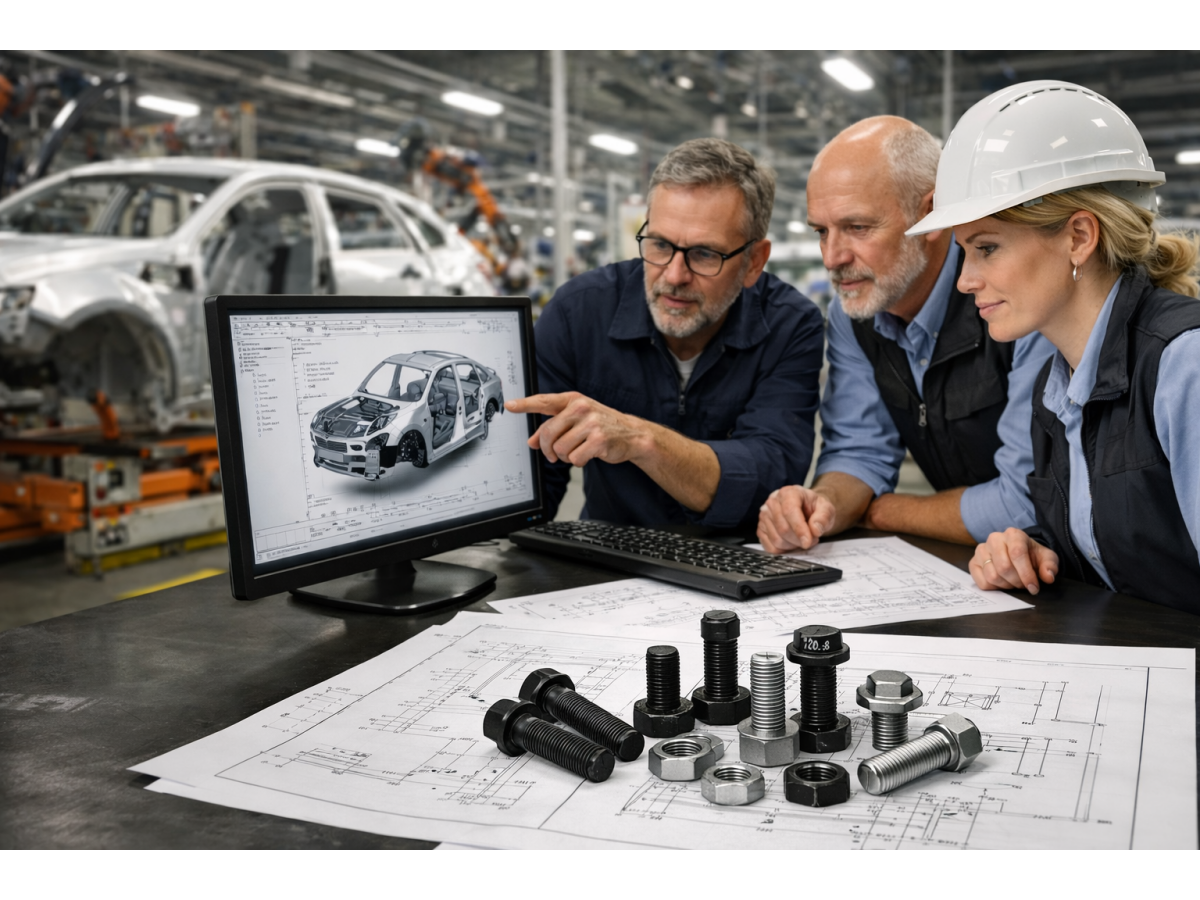
High-Strength Mechanical Bolts vs Structural Bolting Assemblies
The term “structural bolt” has a specific meaning in regulated structural steel applications.
Mechanical equipment bolts and structural bolting assemblies may differ in:
Product dimensions
Head geometry
Nut requirements
Washer requirements
Surface condition
Pretensioning methods
Inspection
Installation acceptance
Documentation
For bridges, buildings and other regulated structures, the applicable project specifications and structural engineering requirements control the selection.
A conventional industrial Grade 8 bolt should not be marketed as an approved replacement for a specified structural bolting assembly.
How to Select a High-Strength Bolt Based on Load
Tensile Loading
Tensile loading acts along the bolt axis.
Engineers should evaluate:
Applied tensile force
Bolt tensile stress area
Proof load
Yield-related capacity
Required safety margin
Joint separation risk
Shear Loading
Shear loading acts transverse to the bolt axis.
The connection design should consider:
Bolt shear plane
Thread location relative to the shear plane
Bearing stress
Joint geometry
Slip resistance where relevant
Mating material strength
Fatigue Loading
Fatigue loading results from repeated stress cycles.
Relevant factors include:
Bolt preload
Joint stiffness
External load variation
Thread stress concentration
Surface condition
Corrosion
Assembly consistency
Impact and Shock Loading
Shock loading may require additional consideration of:
Material toughness
Dynamic load amplification
Joint movement
Service temperature
Failure consequences
Engineering Insight
Selecting a higher property class does not compensate for an inadequate connection design.
Bolt Tensile Stress Area and Proof Load
A bolt's nominal diameter is not the same as its effective tensile stress area.
For threaded fasteners, the tensile stress area is smaller than the area calculated using the full nominal diameter.
This distinction matters when estimating axial load capacity.
For a specified bolt, a simplified proof-load relationship is:
Proof load = Tensile stress area × Specified proof stress
The correct values must be taken from the applicable standard and thread geometry.
Why This Matters in OEM Design
Two bolts with similar outside diameters may have different tensile stress areas because of different thread pitches.
Their load capacities cannot be assumed identical.
Bolt Preload: The Foundation of Reliable Bolted Joints
Bolt preload is the tensile force introduced into a bolt during tightening.
The corresponding compressive force helps clamp the connected components together.
In many bolted joints, adequate preload contributes to:
Joint stability
Reduced separation risk
Reduced relative movement
Improved fatigue behavior under suitable conditions
Resistance to certain loosening mechanisms
However, preload must be controlled.
Insufficient Preload
May contribute to:
Joint separation
Relative movement
Loosening
Fatigue damage
Leakage in applicable sealing joints
Excessive Preload
May contribute to:
Bolt yielding
Thread stripping
Crushing of mating materials
Joint distortion
Fastener fracture
Critical Engineering Principle
A high-strength bolt is not automatically a high-preload joint.
The achieved preload depends on the installation process and joint design.
Tightening Torque vs Clamp Load
Applied tightening torque is not equivalent to bolt preload.
A significant portion of tightening torque is consumed by friction in:
Mating threads
Bearing surfaces
The resulting clamp load depends on:
Surface condition
Coating
Lubrication
Thread geometry
Washer condition
Installation tooling
Joint configuration
A simplified engineering relationship is often expressed as:
T = K × F × d
Where:
T = Applied tightening torque
K = Torque coefficient representing the combined friction behavior
F = Target preload
d = Nominal bolt diameter
This relationship is an approximation, not a universal torque specification.
The coefficient K must not be assumed constant across different coating systems, lubricants, materials or production conditions.
Production Engineering Insight
If a manufacturer changes from zinc plating to zinc-nickel or zinc flake coating, the tightening process may need revalidation.
The same torque setting may produce a different clamp load.
ISO 16047 and Assembly Validation
For applications requiring controlled torque/clamp-force performance, ISO 16047 provides a relevant test method.
OEM manufacturers may use appropriate testing to evaluate:
Thread friction
Bearing friction
Torque coefficient
Clamp-load behavior
Coating-related variation
Actual testing requirements depend on the joint and customer specification.
Vibration Resistance: Why High-Strength Bolts Can Still Loosen
Vibration and transverse joint movement can contribute to self-loosening.
High tensile strength alone does not prevent this mechanism.
Potential contributing factors include:
Insufficient preload
Joint slip
Embedment or settling
Soft mating materials
Thermal cycling
Repeated transverse loading
Incorrect locking strategy
Possible Engineering Solutions
Depending on the application, engineers may consider:
Correct preload
Improved joint stiffness
Suitable bearing surfaces
Nylon insert lock nuts
All-metal prevailing torque lock nuts
Flange locking nuts
Approved thread-locking features
Other validated mechanical locking systems
Important Limitation
No single locking feature should be described as universally preventing loosening under all vibration conditions.
Juxin Fasteners Related Products
Relevant fastening components include:
DIN 985-type nylon insert lock nuts
Selected all-metal prevailing torque lock nuts
Flange locking nuts
Customized threaded components
The locking mechanism must be matched to temperature, preload, vibration, reuse and application requirements.
High-Strength Hex Bolts
Hex-head bolts are widely used in industrial mechanical assemblies.
Potential advantages include:
Familiar installation tooling
Accessible wrenching surfaces
Serviceability
Broad dimensional configurations
Engineering Considerations
Head dimensions
Wrench clearance
Bearing area
Bolt length
Thread length
Mechanical property class
Mating nut compatibility
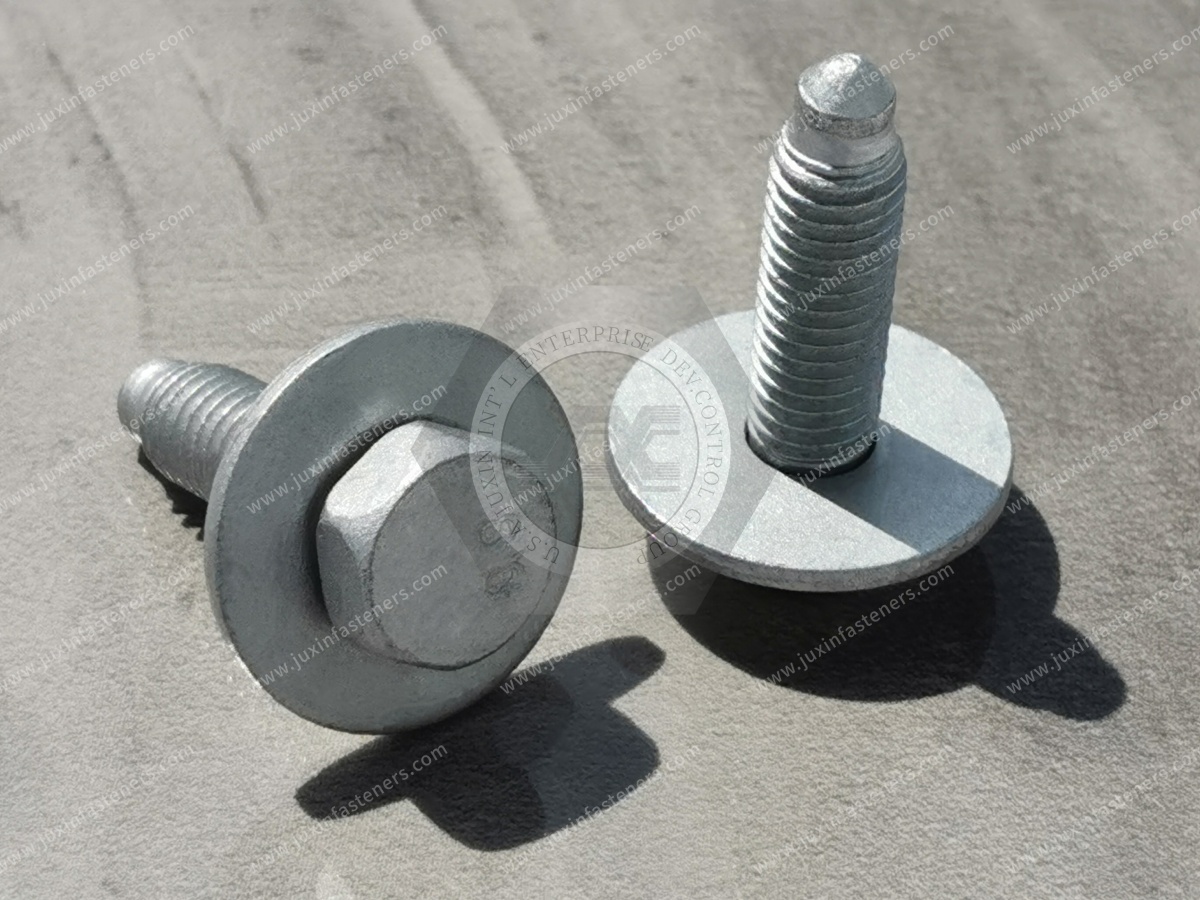
High-Strength Flange Bolts
Flange bolts incorporate an enlarged bearing surface beneath the head.
Potential benefits include:
Reduced handling of separate washers in suitable designs
Larger bearing area
Potential assembly simplification
Engineering Limitation
A flange head does not automatically replace a hardened washer, locking washer or specialized bearing arrangement required by a particular joint.
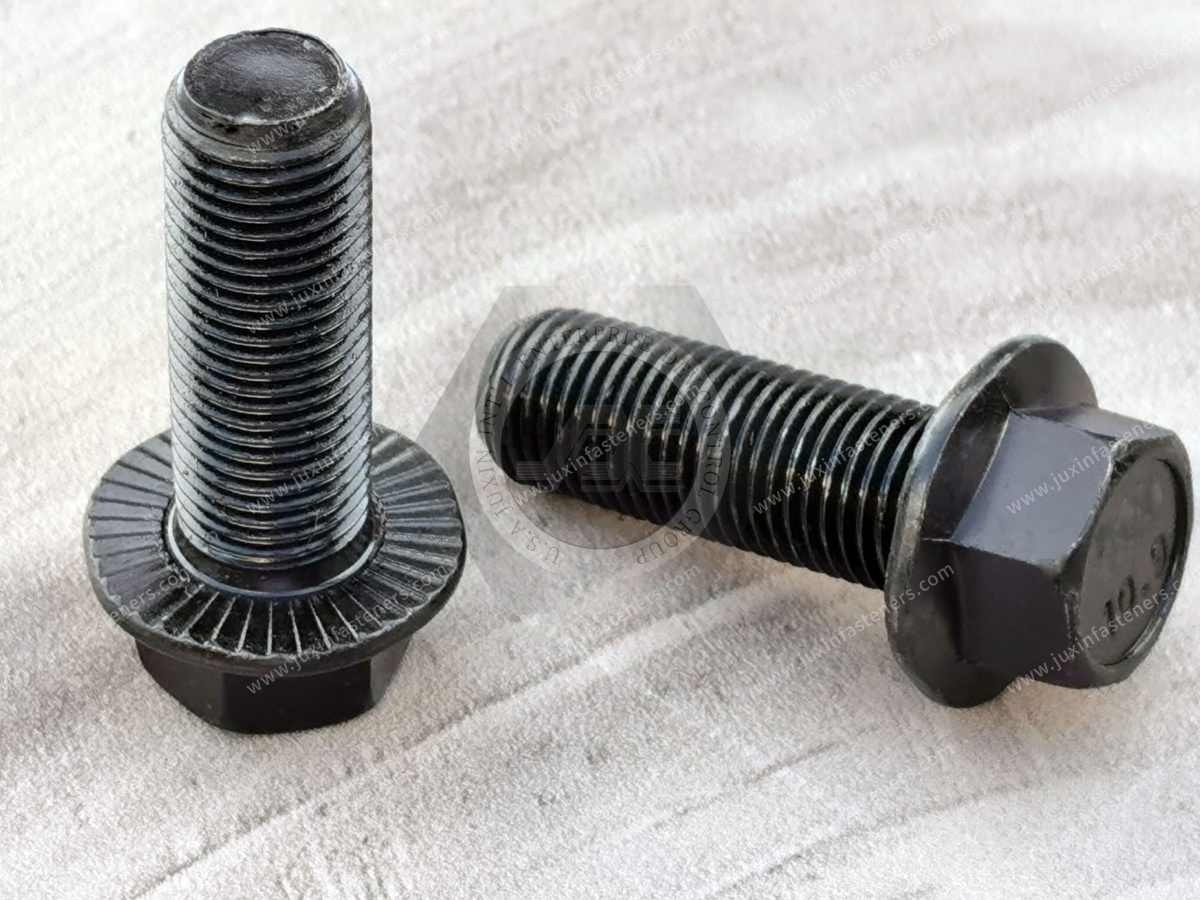
Serrated Flange Designs
Serrated bearing surfaces may be used for certain locking applications.
However, they can affect:
Surface damage
Coating integrity
Bearing friction
Reuse
Electrical contact
The joint must be evaluated accordingly.
High-Strength Bolt Thread Design and Engagement
Thread selection affects:
Load transfer
Assembly compatibility
Fatigue behavior
Manufacturing feasibility
Maintenance
Metric Coarse Threads
Examples include:
M6 × 1.0
M8 × 1.25
M10 × 1.5
M12 × 1.75
M16 × 2.0
M20 × 2.5
Metric Fine Threads
Examples include:
M10 × 1.25
M12 × 1.5
M16 × 1.5
M20 × 1.5
Unified Inch Threads
Examples include:
1/4-20 UNC
5/16-18 UNC
3/8-16 UNC
3/8-24 UNF
1/2-13 UNC
1/2-20 UNF
These examples are thread designations, not a declaration that every combination is stocked or manufactured by Juxin Fasteners.
Thread Engagement
Adequate engagement is required to transfer load into the nut or tapped component.
The required engagement depends on:
Bolt strength
Internal thread strength
Parent material
Thread geometry
Loading
Joint design
A high-strength bolt installed into a lower-strength aluminum component may fail by internal thread stripping before the bolt reaches its tensile capacity.
Engineering Solution
Possible options include:
Increasing engagement length
Redesigning the joint
Using a suitable nut
Using a threaded insert
Changing the parent material
High-Strength Bolt Surface Treatments
Corrosion protection is important in automotive, machinery and outdoor industrial applications.
However, high-strength fasteners require particular care because some coating processes can introduce hydrogen embrittlement risk.
Zinc Electroplating
Zinc plating is widely used for corrosion protection.
Potential advantages include:
Economical surface protection
Familiar industrial processing
Suitable appearance
Engineering Limitation
For susceptible high-strength steel fasteners, electroplating and associated acid cleaning can introduce hydrogen.
The coating process must be evaluated against the material strength, hardness and application requirements.
Zinc-Nickel Plating
Zinc-nickel coating systems may provide improved corrosion resistance compared with conventional zinc plating when appropriately specified.
Relevant considerations include:
Coating thickness
Corrosion requirements
Friction behavior
Thread fit
Hydrogen embrittlement controls
Customer specifications
Zinc Flake Coatings
Non-electrolytically applied zinc flake coating systems may be considered for selected high-strength fasteners.
Relevant requirements may be specified using ISO 10683.
Potential benefits depend on the actual coating system and application.
Black Oxide
Black oxide may be used for selected industrial fasteners where appearance and dimensional considerations are relevant.
It should not be assumed to provide the same corrosion protection as a qualified zinc-based coating.
Specialized Low-Friction Coatings
Selected coatings may modify friction behavior.
However, friction changes must be considered in tightening validation.
Coating Selection Rule
Do not choose a coating based only on corrosion test hours.
Evaluate the complete combination of:
Fastener strength
Coating process
Hydrogen embrittlement risk
Corrosion exposure
Friction requirements
Thread fit
Temperature
Customer approval
Hydrogen Embrittlement in High-Strength Bolts
Hydrogen embrittlement is a critical engineering concern for certain high-strength steel fasteners.
Hydrogen may enter susceptible steel during manufacturing or service.
Potential sources include:
Acid cleaning
Pickling
Electroplating
Certain corrosion processes
Under unfavorable conditions, hydrogen can contribute to delayed brittle fracture.
Why the Risk Matters
A fastener may appear acceptable during initial installation but fail later under sustained tensile loading.
Potential Risk Controls
Depending on the application:
Select suitable materials and hardness
Avoid unnecessary hydrogen-generating processes
Use qualified coating processes
Apply appropriate process controls
Use hydrogen-relief treatment where specified
Consider alternative coating systems
Verify relevant acceptance requirements
Important Limitation
Post-plating baking may reduce hydrogen embrittlement risk but cannot guarantee complete elimination of that risk.
For safety-critical applications, the entire material and coating process must be qualified.
Engineering Information Gain: The Hidden Cost of Changing Coatings
Consider an OEM assembly using class 10.9 bolts.
The purchasing team proposes changing the coating to improve corrosion resistance.
Before approval, the engineering team should verify:
Whether the new coating changes friction
Whether the coating process creates hydrogen embrittlement concerns
Whether thread tolerances remain acceptable
Whether the existing tightening torque remains valid
Whether the coating affects mating nuts and washers
Whether additional validation is required
A coating change is not necessarily a cosmetic change.
It may affect the performance of the complete bolted connection.
High-Strength Bolt Installation and Production Control
Manufacturing engineers and production managers must ensure that the specified bolt can be installed consistently.
Tooling Selection
Evaluate:
Wrench or socket access
Drive geometry
Tool capacity
Calibration
Assembly ergonomics
Torque Control
The tightening procedure should be validated for the actual joint.
Preload Verification
Where required, use an appropriate verification method.
Thread Starting
Cross-threading and misalignment can damage components and reduce assembly reliability.
Washer and Nut Compatibility
Mating components must be selected according to the joint requirements.
Process Documentation
Production instructions should identify:
Fastener specification
Coating condition
Lubrication condition
Tightening method
Acceptance criteria
Rework requirements
Production Manager Insight
The lowest-price bolt may not provide the lowest assembly cost.
A bolt that causes inconsistent tightening, damaged threads or repeated production stoppages can increase total manufacturing cost.
High-Strength Bolt Installation Inspection
Inspection may include:
Product identification
Thread condition
Surface condition
Coating conformity
Tool calibration
Tightening records
Required functional verification
The correct inspection method depends on the applicable product and joint specification.
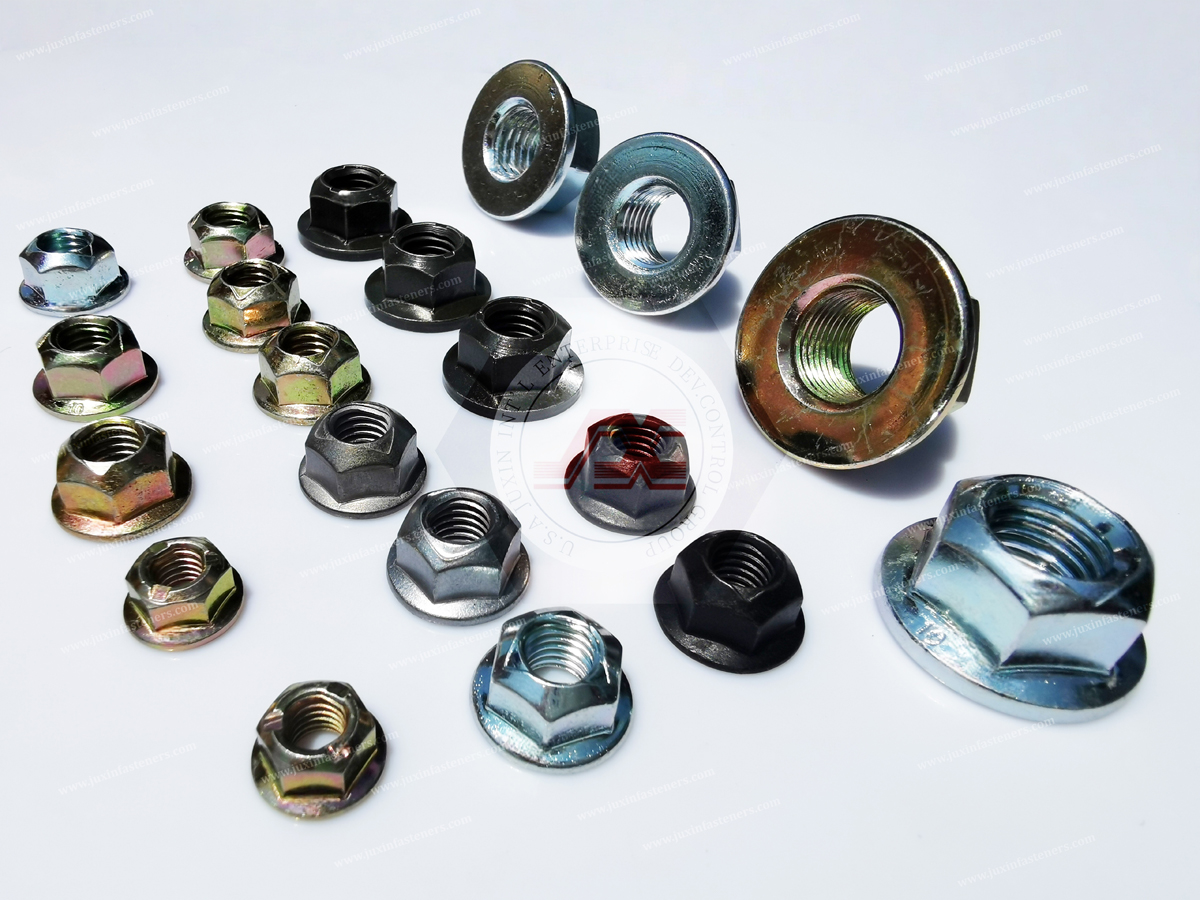
Automotive and EV High-Strength Fastening Solutions
Automotive and EV assemblies may require high-strength fasteners for specified mechanical connections.
Potential Applications
Powertrain-related brackets
Motor mounting accessories
Mechanical supports
Equipment housings
Selected battery enclosure hardware
Auxiliary structural components
Engineering Challenges
Vibration
Cyclic loading
Temperature changes
Corrosion
Tightening consistency
Traceability
Potential Solutions
Specified class 10.9 bolts
SAE Grade 8 bolts for suitable inch-thread designs
Approved flange bolts
Compatible locking nuts
Drawing-based custom fasteners
Important Limitation
Suspension, steering, braking, restraint systems, high-voltage battery safety structures and other safety-critical assemblies require specific OEM validation and approval.
Heavy Construction Equipment
Heavy equipment such as excavators, loaders and industrial lifting machinery may use high-strength mechanical fasteners in selected assemblies.
Engineering Challenges
Shock loading
Vibration
Contamination
Maintenance
High mechanical loads
Potential Solutions
High-strength hex bolts
Specified flange bolts
Suitable locking nuts
Custom threaded components
Engineering Insight
A high-strength bolt must be selected based on the actual joint loads and service conditions.
Higher strength alone does not establish impact toughness or fatigue performance.
Industrial Machinery and Manufacturing Equipment
Industrial machinery includes motors, pumps, gearboxes, conveyors and automated equipment.
Potential Applications
Motor mounting
Gearbox accessories
Machine frames
Mechanical brackets
Equipment supports
Engineering Challenges
Vibration
Cyclic loading
Maintenance
Alignment
Tightening access
Potential Solutions
Class 8.8 or 10.9 bolts where suitable
SAE Grade 8 bolts for specified inch-thread applications
Flange bolts
Prevailing torque locking nuts
Custom threaded components
Engineering Insight
In many machinery applications, a correctly designed class 8.8 joint may perform better than an improperly installed class 12.9 joint.
AI Data Center Power Infrastructure
AI data centers contain power distribution cabinets, UPS equipment, electrical enclosures and mechanical support systems.
Potential Applications
Equipment mounting brackets
Mechanical supports
Cabinet frames
Power equipment accessories
Cooling equipment brackets
Engineering Challenges
Vibration
Maintenance access
Assembly efficiency
Mixed materials
Corrosion
Electrical bonding
Potential Solutions
Appropriately specified mechanical bolts
Locking nuts
Self-clinching fasteners
Cage nuts
Custom machined threaded components
Engineering Limitation
High-strength bolts are not automatically required for every server cabinet or electrical enclosure.
Material and strength should be selected according to the actual load and equipment design.
Liquid Cooling and Thermal Management Equipment
Liquid cooling equipment may use bolted connections in pumps, brackets, mechanical supports and serviceable assemblies.
Engineering Challenges
Temperature cycling
Vibration
Condensation
Corrosion
Maintenance
Potential Solutions
Specified high-strength bolts for appropriate mechanical supports
Corrosion-resistant fastening components
Locking nuts
Custom threaded parts
Important Limitation
A high-strength bolt alone does not establish pressure containment or leak-tightness.
Power Electronics and Industrial Electrical Equipment
Power conversion equipment, industrial electrical cabinets and related mechanical assemblies require reliable fastening.
Potential Applications
Equipment mounting
Mechanical brackets
Power module accessories
Auxiliary frames
Service panels
Engineering Challenges
Thermal expansion
Vibration
Restricted space
Electrical bonding
Assembly consistency
Potential Solutions
Appropriately specified steel bolts
Flange bolts
Locking nuts
Self-clinching components
Custom threaded fasteners
Electrical insulation and bonding requirements must be separately evaluated.
Renewable Energy and Outdoor Equipment
Renewable energy equipment may require corrosion-resistant mechanical connections.
Potential Applications
Auxiliary solar equipment brackets
Outdoor enclosures
Mechanical accessories
Maintenance hardware
Engineering Challenges
Atmospheric corrosion
Temperature cycling
Vibration
Maintenance access
Potential Solutions
Qualified coated steel fasteners
Appropriate locking components
Customer-specified custom hardware
Important Structural Distinction
Wind turbine primary connections, solar primary structural mounting systems and other regulated structural applications require project-specific standards, installation methods and engineering approval.
Generic Grade 8 or class 10.9 bolts must not be assumed suitable.
High-Strength Bolt Selection by Industry
| Application | Main engineering concern | Selection approach |
|---|---|---|
| Automotive mechanical bracket | Dynamic loading | Validate class 10.9 or specified alternative |
| North American heavy equipment | High mechanical load | Evaluate SAE Grade 8 where specified |
| Industrial motor mounting | Vibration | Select bolt and preload together |
| Gearbox assembly | Cyclic loading | Evaluate joint stiffness and fatigue |
| EV auxiliary support | Load and corrosion | Review grade, coating and installation |
| Power equipment bracket | Mechanical load and access | Specify appropriate mechanical bolt |
| Liquid cooling pump mount | Vibration and moisture | Validate strength and corrosion protection |
| Outdoor industrial machinery | Corrosion and fatigue | Review coating and embrittlement risk |
| Structural steel connection | Regulated structural requirements | Use applicable structural bolting specification |
| Precision machinery | Geometry and assembly | Evaluate appropriate property class and head design |
Common High-Strength Bolt Failures
Bolt Fracture
Possible causes:
Excessive tensile load
Over-tightening
Fatigue
Hydrogen embrittlement
Inappropriate material selection
Thread Stripping
Possible causes:
Insufficient engagement
Weak mating material
Incorrect thread pairing
Excessive tightening
Joint Loosening
Possible causes:
Inadequate preload
Joint slip
Embedment
Vibration
Thermal cycling
Corrosion Damage
Possible causes:
Inadequate coating
Aggressive environment
Damaged surface protection
Galvanic effects
Fatigue Failure
Possible causes:
Repeated stress
Joint separation
Inadequate preload
Stress concentration
Corrosion
Delayed Brittle Fracture
Possible causes may include hydrogen embrittlement in susceptible high-strength fasteners.
Failure Analysis Principle
Do not automatically respond to bolt failure by specifying a higher strength grade.
First identify the actual failure mechanism.
Failure Analysis and Corrective Action Matrix
| Failure | Potential cause | Engineering response |
|---|---|---|
| Bolt fracture | Overload | Review joint load and bolt capacity |
| Fatigue cracking | Cyclic loading | Review preload and joint stiffness |
| Thread stripping | Insufficient thread strength | Review engagement and mating material |
| Self-loosening | Joint slip or inadequate preload | Review tightening and locking strategy |
| Coating corrosion | Unsuitable protection | Review environment and coating |
| Delayed brittle fracture | Hydrogen embrittlement | Review material and coating process |
| Inconsistent clamp load | Friction variation | Validate torque–clamp force behavior |
| Assembly damage | Tooling or alignment | Improve production process |
| Joint settlement | Mating surface deformation | Review bearing surfaces and preload loss |
High-Strength Bolt Supplier Qualification
For procurement and supplier development teams, qualification should include technical and commercial criteria.
Product Standard
Confirm whether the drawing requires:
SAE J429
ISO 898-1
ASTM F3125
Another specified product standard
Mechanical Properties
Verify:
Tensile requirements
Proof-load requirements
Hardness
Applicable mechanical test results
Dimensions and Threads
Verify:
Diameter
Length
Head geometry
Thread pitch
Thread tolerance
Thread length
Critical dimensions
Material and Heat Treatment
Review the applicable material and heat-treatment requirements.
Coating and Surface Condition
Verify:
Coating type
Thickness
Corrosion requirements
Friction requirements
Hydrogen embrittlement controls where applicable
Quality Documentation
Depending on the OEM specification, request:
Material certificates
Mechanical test reports
Dimensional inspection reports
Coating inspection records
Lot traceability
Customer-specific documentation
Production Capability
Confirm the feasibility of:
Standard or custom geometry
Required quantities
Prototype and production stages
Inspection requirements
Packaging
Lead time
Commercial Requirements
Evaluate:
MOQ
Unit price
Annual forecast
Tooling requirements
Delivery schedule
Change control
Supply continuity
Supplier Qualification Insight
A supplier should not be approved solely because it offers “Grade 8” or “10.9” bolts.
The actual component must conform to the complete specification.
Material Substitution and Second-Source Qualification
OEM purchasing teams may consider alternative fastener suppliers to reduce supply risk.
However, controlled substitutions are essential.
Review the Original Drawing
Identify:
Product standard
Grade or property class
Thread system
Geometry
Coating
Testing
Special requirements
Compare Candidate Products
Check both mechanical properties and dimensional compatibility.
Review the Joint
Confirm the mating nut, washer, parent material and tightening procedure.
Validate Changes
Perform required tests or assembly trials.
Obtain Approval
Do not implement substitutions without the required OEM authorization.
Critical Example
An SAE Grade 8 bolt should not be substituted for an ASTM F3125 Grade A490 structural bolt solely because both have comparable nominal tensile strength.
Cost Optimization: Total Installed Cost
Fastener cost should be evaluated beyond the quoted unit price.
Consider:
Bolt cost
Nut and washer cost
Coating cost
Inspection cost
Assembly time
Tooling
Rework
Maintenance
Failure consequences
Supply continuity
Scenario: Changing Coating
A lower-cost coating may increase corrosion risk or require a different tightening process.
Scenario: Changing Strength Grade
A higher property class may increase material and manufacturing cost without improving the joint's actual performance.
Scenario: Changing Head Geometry
A flange bolt may reduce component handling in a suitable design but still requires bearing and friction validation.
Scenario: Changing Supplier
A lower price may not compensate for inconsistent dimensions, missing documentation or unstable delivery.
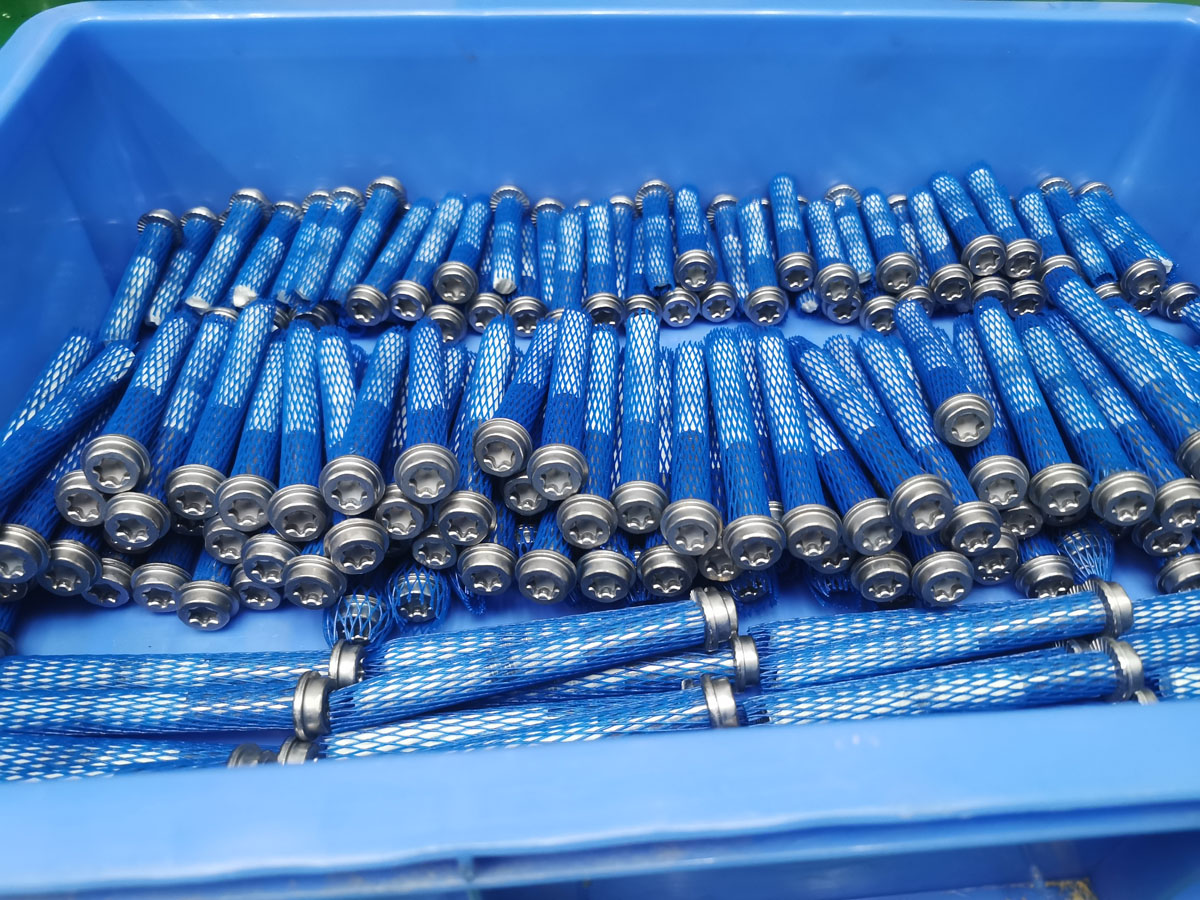
Juxin Fasteners: High-Strength Bolts and Related OEM Fastening Solutions
Juxin Fasteners supports global industrial customers with engineering review and drawing-based fastening inquiries.
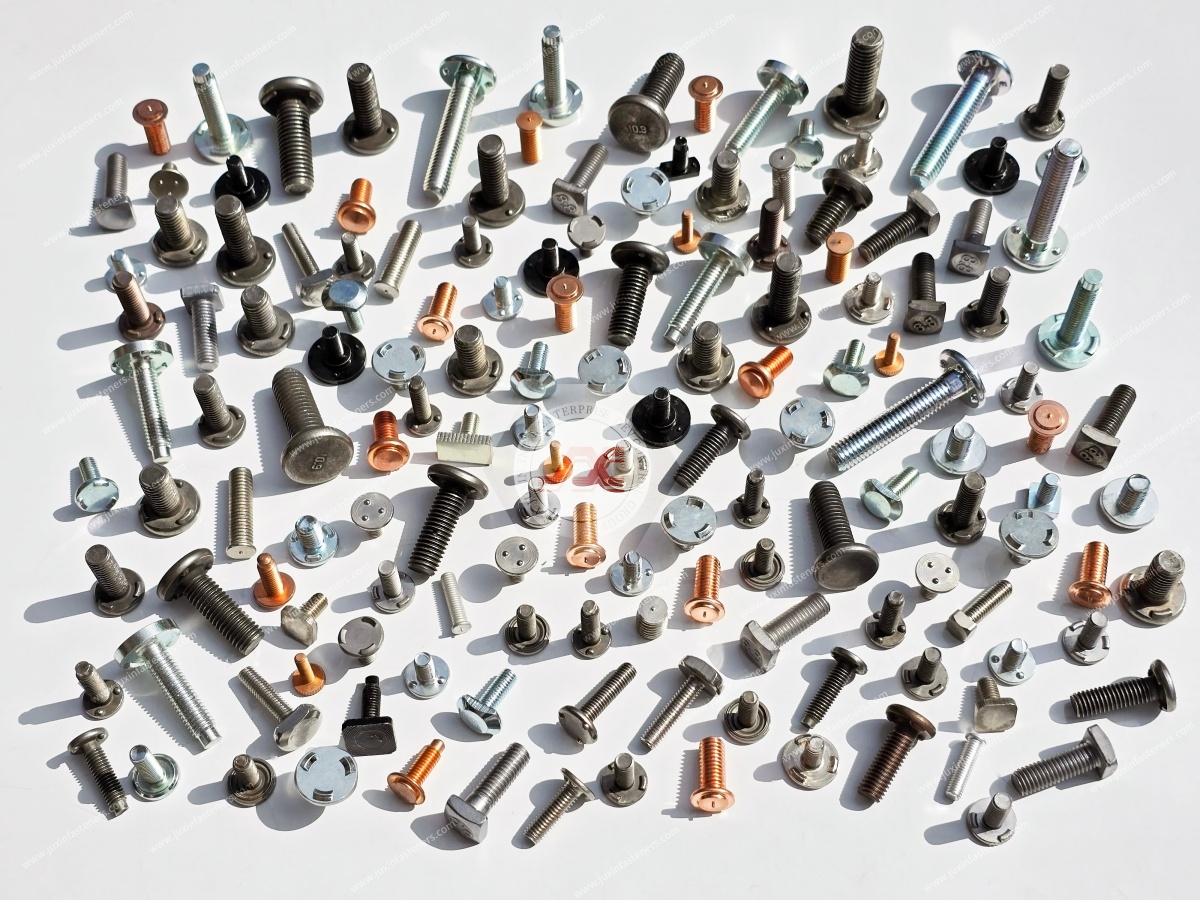
Relevant product families include:
High-Strength Threaded Fasteners
Selected high-strength hex bolts
Selected flange bolts
Customer-specified threaded fasteners
Drawing-based custom bolts and screws
Locking Nuts
Nylon insert lock nuts
All-metal prevailing torque lock nuts
Flange locking nuts
Customized locking nuts
Welded Fasteners
Selected weld studs
Weld nuts
Drawing-based welded fastening components
Sheet-Metal Fasteners
Blind rivet nuts
Self-clinching nuts
Self-clinching studs
Self-clinching standoffs
Cage nuts
Threaded Inserts and Machined Components
Thread repair inserts
Threaded inserts for plastics
CNC machined spacers
Standoffs
Custom threaded parts
Specific grades, dimensions, coatings, manufacturing processes, testing requirements and supply feasibility must be confirmed for each project.
Frequently Asked Questions
What is the difference between Grade 8 and Class 10.9 bolts?
SAE Grade 8 and ISO Class 10.9 belong to different standards systems. They have broadly comparable high-strength characteristics but are not automatically interchangeable.
Is SAE Grade 8 the same as ISO Class 8.8?
No. Similar numbering does not indicate equivalence. SAE Grade 8 is generally closer in strength level to ISO Class 10.9.
Is Class 12.9 always better than Class 10.9?
No. Class 12.9 provides a higher specified strength level, but fatigue, environment, toughness and joint design may make another grade more suitable.
Can Grade 8 bolts replace ASTM A490 structural bolts?
Not automatically. ASTM structural bolting specifications include additional dimensional, quality and assembly requirements.
Do high-strength bolts resist vibration automatically?
No. Resistance to loosening depends on the complete joint, including preload, stiffness and locking strategy.
How should bolt tightening torque be selected?
Torque should be based on the actual fastener, coating, lubrication, joint design and validated installation requirements.
Does a higher tightening torque always create a better joint?
No. Excessive tightening can damage the bolt or mating components.
Can high-strength bolts be zinc plated?
Some high-strength fasteners may use specified zinc coating systems, but the material and process must be evaluated for hydrogen embrittlement and other requirements.
What is hydrogen embrittlement?
It is a mechanism in which hydrogen can contribute to brittle failure of susceptible materials under unfavorable conditions.
Does baking completely eliminate hydrogen embrittlement risk?
No. Appropriate treatment may reduce risk but cannot guarantee its complete elimination.
Are zinc-nickel coatings suitable for high-strength bolts?
They may be suitable for certain applications, subject to the coating process, fastener strength, friction requirements and customer approval.
Can zinc flake coatings be used for high-strength fasteners?
Yes, where the specified coating system and application requirements are compatible.
What is the difference between a high-strength bolt and a structural bolt?
A structural bolt is specified under applicable structural bolting standards and may have additional dimensional, installation and inspection requirements.
What causes high-strength bolt fatigue failure?
Potential contributors include cyclic loading, stress concentration, joint separation, inadequate preload and corrosion.
Can high-strength bolts be used with aluminum components?
Yes, in suitable designs, but thread stripping, bearing stress, preload loss and galvanic corrosion may require evaluation.
What documents should an OEM request from a high-strength bolt supplier?
Requirements may include material certificates, mechanical test reports, dimensional inspection, coating documentation and traceability.
Can Juxin Fasteners support customized high-strength bolts?
Juxin Fasteners accepts drawing-based high-strength fastening inquiries for technical and production feasibility review.
OEM High-Strength Bolt RFQ Checklist
For an accurate quotation, provide:
Product Definition
2D drawing
3D model where available
Product standard
Bolt head type
Nominal diameter
Length
Thread length
Thread pitch
Critical dimensions
Tolerances
Mechanical Requirements
SAE grade or ISO property class
Required tensile properties
Proof-load requirements
Hardness requirements
Special mechanical tests
Fatigue or dynamic loading requirements
Thread and Joint Requirements
Metric, UNC or UNF
Mating nut
Washer requirements
Parent material
Thread engagement
Required preload
Tightening procedure
Material and Surface Requirements
Material specification
Heat-treatment requirements
Coating type
Coating thickness
Corrosion requirements
Friction requirements
Hydrogen embrittlement controls
Quality Requirements
Dimensional inspection
Thread gauging
Mechanical testing
Coating inspection
Material documentation
Lot traceability
Customer-specific acceptance criteria
Commercial Requirements
Prototype quantity
Initial order quantity
Annual forecast
MOQ expectations
Target lead time
Packaging
Delivery destination
Request a High-Strength Bolt or Custom OEM Fastener Quotation
Juxin Fasteners welcomes inquiries from industrial OEM manufacturers, mechanical engineers, structural engineers, design engineers, manufacturing engineers, production managers, purchasing specialists, procurement managers, supplier development teams and supply chain managers.
Whether your project requires SAE Grade 8 bolts, ISO Class 10.9 threaded fasteners, selected Class 12.9 components, locking nuts,
weld studs or customized mechanical fastening solutions, the correct selection begins with the actual engineering requirements.
Send your drawings, mechanical specifications, coating requirements, application conditions and purchasing quantities for technical review and quotation.
Company: Juxin Fasteners
Website: https://www.juxinfasteners.com/
Email: info@juxinfasteners.com
A reliable high-strength bolted joint is defined not only by the bolt's strength grade, but by the complete connection design, preload, manufacturing process, corrosion protection and verified assembly performance.
Contact Us
Tel.:
+86 020 8621 0320
+86 020 3121 6067
E-mail:
Technical Support:
Navigation
SEND INQUIREY



