
Call Us
+86 136 6007 9809
Call Us
+86 136 6007 9809

Jun. 27, 2024
Anti-Loosening Fasteners: Vibration-Resistant Lock Nuts, Bolts and OEM Joint Design
Industrial threaded joints are frequently exposed to vibration, shock loading, thermal cycling and repeated operating loads.
Under certain conditions, these influences can cause unwanted fastener rotation, loss of preload or progressive joint movement.
Anti-loosening fasteners are designed to provide resistance to threaded rotation or incorporate a mechanical retention feature.
Common solutions include nylon insert lock nuts, all-metal prevailing torque nuts, serrated flange fasteners, safety-wire bolts, castle nuts with cotter pins and threadlocking compounds.
However, no single locking method is suitable for every joint.
For design and mechanical engineers, the main challenge is understanding the mechanism responsible for loosening and selecting a compatible locking solution.
For manufacturing engineers and production managers, the selected fastener must also support repeatable installation, controlled tightening, practical inspection and reliable production throughput.
For procurement specialists, purchasing managers and supplier development teams, correct locking specifications are essential for comparing products,
evaluating substitutions and maintaining consistent OEM supply.
JUXIN FASTENERS supplies industrial locking nuts, high-strength fasteners and drawing-based custom fastening components for international OEM applications.
This guide explains the principal anti-loosening mechanisms, their limitations and practical selection criteria.
What Are Anti-Loosening Fasteners?
Anti-loosening fasteners are threaded components or fastening arrangements designed to resist unwanted rotation or provide another specified form of mechanical retention.
Their function may be achieved through:
Prevailing torque
Mechanical interference
Positive mechanical locking
Adhesive bonding
Engineered bearing-surface interaction
Important Engineering Distinction
Resistance to threaded rotation and retention of bolt preload are related but different functions.
A locking nut may resist rotation even when the joint has already lost some of its original clamping force.
Likewise, a joint can lose preload through embedment, relaxation or material creep without substantial fastener rotation.
Therefore, the complete joint must be evaluated.
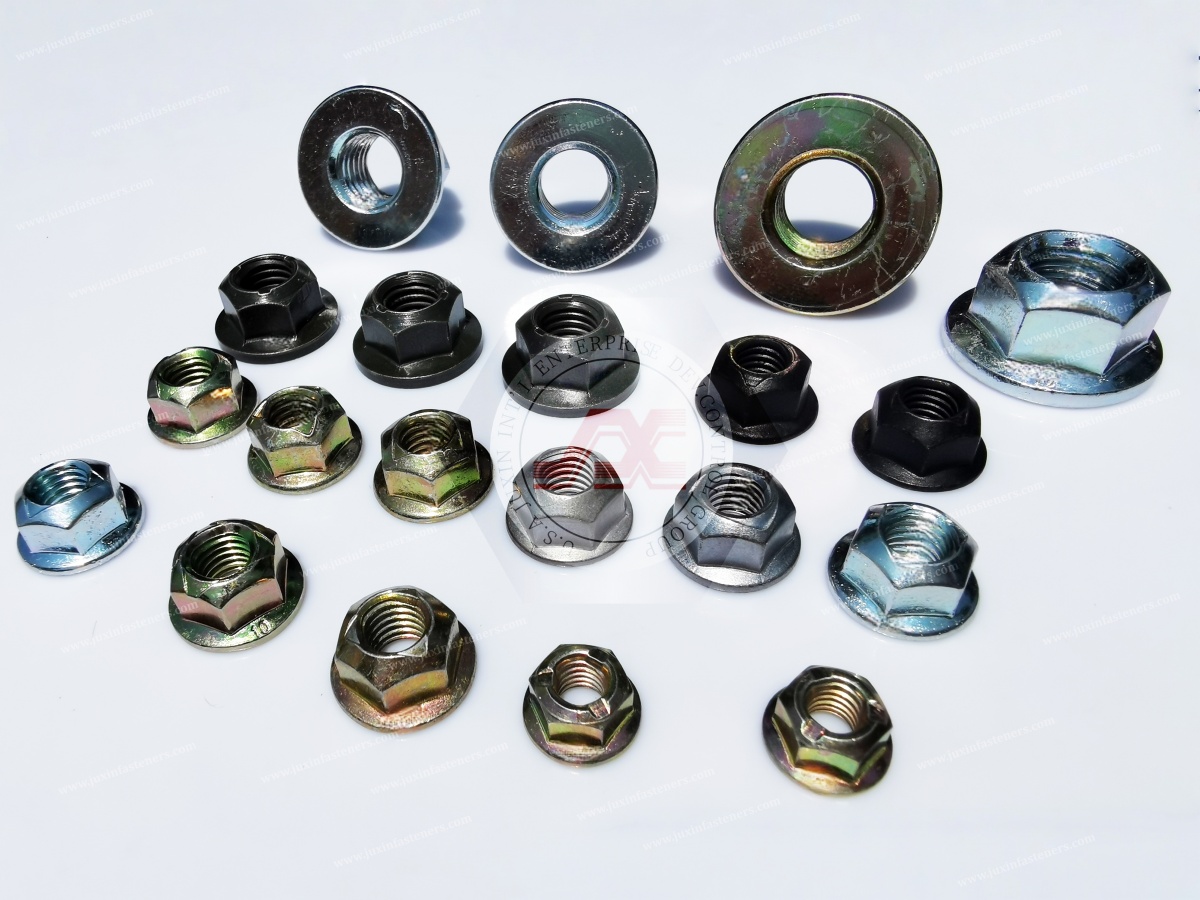
Why Do Bolts and Nuts Loosen Under Vibration?
Self-loosening can occur when relative movement develops between connected components.
Transverse loading is particularly important in many bolted joints.
Potential Causes
Insufficient initial preload
Joint slip under transverse loading
Surface embedment
Material creep
Thermal expansion differences
Incorrect tightening
Inappropriate locking arrangements
Repeated dynamic loading
Rotational Self-Loosening
Under certain conditions, transverse joint movement can cause incremental relative rotation of threaded components.
This may progressively reduce clamping force.
Non-Rotational Preload Loss
Clamping force may also decrease without significant fastener rotation.
Examples include:
Compression of soft components
Surface settling
Polymer creep
Gasket relaxation
Thermal effects
Engineering Principle
An anti-rotation feature cannot automatically prevent every form of preload loss.
Four Main Anti-Loosening Approaches
Industrial locking methods can be grouped into four broad categories.
| Locking approach | Typical products | Primary mechanism |
|---|---|---|
| Prevailing torque | Nylon insert and all-metal lock nuts | Resistance to relative thread rotation |
| Positive mechanical locking | Safety wire, castle nuts and cotter pins | Physical restraint against rotation |
| Bearing-surface locking | Serrated flange fasteners | Contact-interface resistance |
| Adhesive locking | Threadlocking compounds and suitable pre-applied systems | Bonding between mating threads |
These mechanisms are not interchangeable.
Prevailing Torque Lock Nuts
Prevailing torque lock nuts generate resistance to rotation through an interference or friction mechanism.
The resistance is present during at least part of the installation process independently of the final joint clamping force.
Common designs include:
Nylon insert lock nuts
All-metal distorted-thread lock nuts
Selected metal insert lock nuts
Drawing-specific prevailing torque nuts
Why Prevailing Torque Matters
The locking mechanism can resist unwanted nut rotation.
However, the specified installation torque must account for the torque required to overcome the locking feature.
Installation Torque vs. Preload
A prevailing torque nut consumes some applied torque before that torque contributes to developing the required joint preload.
Therefore, applying the same total torque used for a conventional free-spinning nut may not produce the same preload.
The tightening process should be established for the actual locking nut and joint.
Relevant International Standard
ISO 2320 provides requirements for prevailing torque type steel nuts within its specified scope.
The applicable nut design, size, property class and test requirements must be confirmed.
Nylon Insert Lock Nuts
Nylon insert lock nuts use a polymer insert that interferes with the mating external thread.
As the bolt engages the insert, the polymer deforms and provides resistance to relative rotation.
Common search terms include:
Nylon insert lock nuts
Nylon lock nuts
Nyloc-type nuts
DIN 985 lock nuts
ISO 10511 prevailing torque nuts
DIN 985 is a traditional product designation, while ISO 10511 applies to specified prevailing torque type hexagon thin nuts with non-metallic inserts.
The exact dimensional and mechanical requirements must be checked before substitution.
Potential Advantages
Integrated locking feature
No separate cotter pin
Familiar installation method
Suitability for many general industrial assemblies
Temperature Limitations
The service temperature depends on the actual polymer insert, nut design and operating environment.
A single universal temperature range should not be assigned to every nylon insert lock nut.
Chemical Compatibility
Exposure to oils, cleaning chemicals, solvents and other substances should be evaluated.
Thread Engagement
The bolt must engage the locking insert as required by the applicable product specification and joint design.
Reuse
A nylon insert nut should not automatically be treated as reusable indefinitely.
Its prevailing torque may change after installation and removal.
Reuse must follow the applicable specification and acceptance criteria.
Typical Applications
Industrial machinery
Automotive auxiliary equipment
Electrical equipment
General mechanical assemblies
Selected HVAC equipment
All-Metal Prevailing Torque Lock Nuts
All-metal prevailing torque nuts use a metal locking feature to create interference with the mating thread.
Depending on the design, this may involve controlled deformation of the nut thread or a separate metal locking element.
Common Product Configurations
All-metal hex lock nuts
All-metal flange lock nuts
Distorted-thread lock nuts
Selected metal insert lock nuts
Potential Advantages
No polymer insert
Suitability for selected elevated-temperature applications
Integrated prevailing torque mechanism
Compatibility with specified industrial fastening systems
Important Limitations
Not all all-metal lock nuts have identical:
Temperature capabilities
Prevailing torque requirements
Reuse characteristics
Coating compatibility
Installation torque behavior
These properties depend on the specific product.
High-Temperature Selection
An all-metal locking design may be considered when a polymer insert is unsuitable.
However, the operating temperature must still be compatible with the nut material, bolt material, coating and joint.
Galling and Lubrication
Some material combinations, particularly certain stainless steel threaded assemblies, may be susceptible to galling.
Lubrication or coating requirements should be established by the approved assembly specification.
Fuji-Style and Flange Prevailing Torque Nuts
Some all-metal flange lock nuts incorporate a prevailing torque mechanism and an integrated bearing flange.
These products should be distinguished from ordinary serrated flange nuts that rely primarily on bearing-surface interaction.
A flange does not by itself establish prevailing torque performance.
JUXIN FASTENERS supports inquiries for selected all-metal flange locking nut configurations, subject to dimensional and technical confirmation.
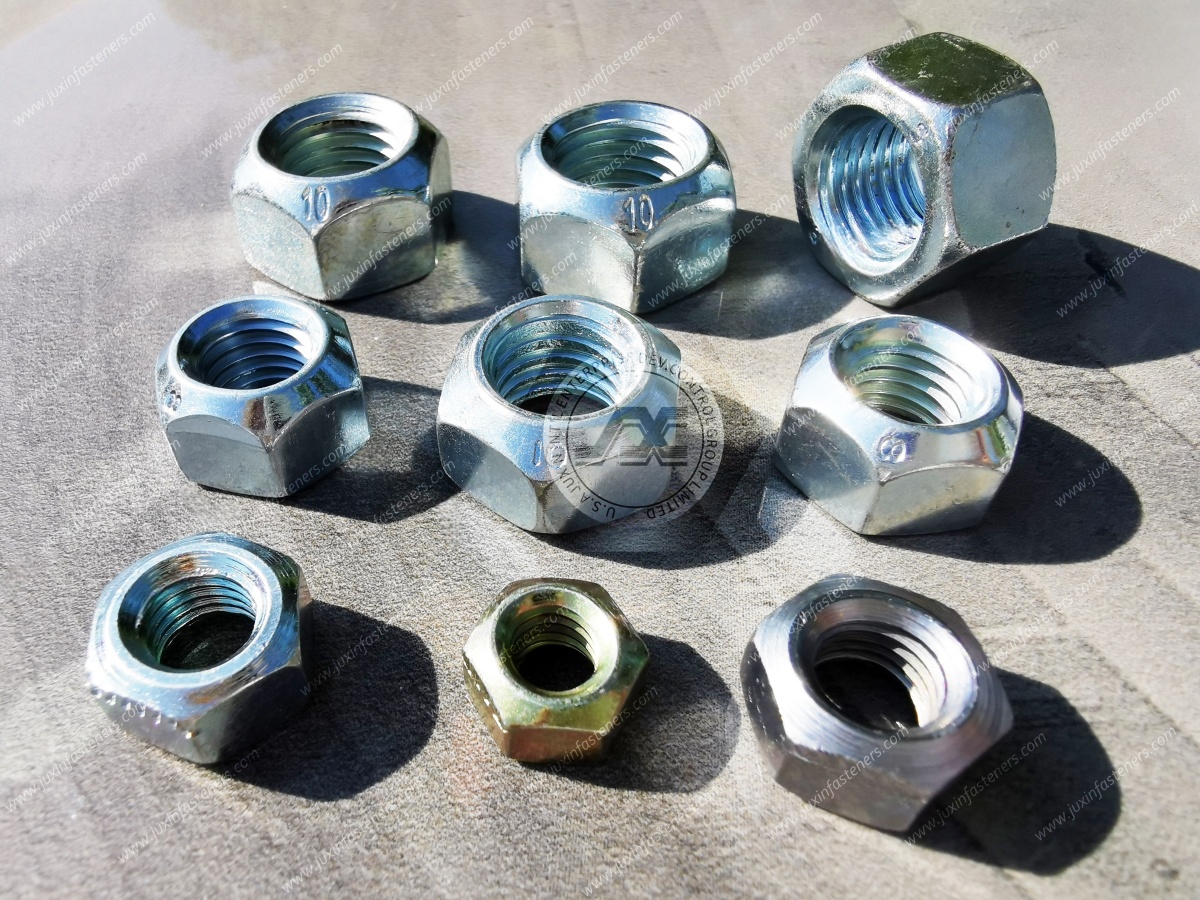
Serrated Flange Bolts and Nuts
Serrated flange fasteners incorporate teeth or serrations on the underhead or under-nut bearing surface.
The serrations may interact with the mating surface to increase resistance to relative rotation.
Potential Advantages
Integrated bearing-surface feature
No separate locking washer in some approved designs
Compatibility with suitable industrial assemblies
Engineering Limitations
Serrations may:
Mark or damage mating surfaces
Disturb protective coatings
Change tightening friction
Be unsuitable for some soft materials
Can Serrated Flange Fasteners Be Used With Washers?
The answer depends on the approved joint design.
A conventional flat washer may prevent the serrations from engaging the intended mating surface.
Therefore, washers should not be added or removed without evaluating the locking mechanism.
Are Serrated Flange Fasteners Self-Locking?
They may provide resistance at the bearing interface, but they should not automatically be described as equivalent to a prevailing torque nut.
The actual locking performance depends on the complete joint.
Positive Mechanical Locking: Safety Wire and Cotter Pins
Positive mechanical locking uses a physical feature to restrain rotation.
Common examples include:
Drilled-head bolts with safety wire
Castle nuts with cotter pins
Slotted nuts with cotter pins
Lock plates
Other approved mechanical retention devices
Drilled-Head Bolts and Safety Wire
A drilled-head bolt may be installed with safety wire according to an approved procedure.
The wire is arranged to resist loosening rotation.
Important Limitation
Safety wire does not automatically preserve the original preload.
It primarily provides mechanical rotation restraint.
Castle Nuts and Cotter Pins
Castle nuts or slotted nuts may be used with a drilled bolt shank and suitable cotter pin.
The pin restricts nut rotation beyond the permitted movement.
Engineering Requirements
Correct nut geometry
Correct drilled-hole location
Suitable cotter pin
Approved installation procedure
Appropriate inspection
Safety-Critical Applications
Mechanical locking systems used in aerospace, transportation or other safety-critical equipment must comply with the applicable approved specifications.
A general industrial drilled bolt or castle nut is not automatically qualified for such applications.
Threadlocking Adhesives and Pre-Applied Locking Systems
Threadlocking adhesives are used to resist unwanted threaded rotation through bonding or other specified mechanisms.
Anaerobic threadlockers are one common category.
How Anaerobic Threadlockers Work
Suitable anaerobic adhesives cure under specified conditions within the assembled threaded joint.
Cure behavior depends on:
Adhesive formulation
Mating materials
Surface condition
Temperature
Thread geometry
Assembly process
Pre-Applied Threadlocking Products
Some screws and bolts are supplied with a pre-applied locking compound or patch.
Not all pre-applied products are anaerobic adhesives.
Some use different materials and locking mechanisms.
Important Selection Requirements
Approved product type
Temperature range
Chemical exposure
Required breakaway torque
Cure conditions, where applicable
Reuse restrictions
Assembly sequence
Thread Sealing
Some threadlocking products may also provide sealing performance under specified conditions.
However, sealing should not be assumed for every locking adhesive or patch.
Maintenance and Removal
Some locking compounds require particular disassembly procedures.
Heating, cleaning or replacement may be required depending on the product and application.
Wedge-Locking Systems
Certain engineered wedge-locking systems use mating wedge geometries to resist loosening under specified loading conditions.
These may be incorporated into specialized washers or other designed locking components.
Important Engineering Distinction
Wedge-locking systems should not be confused with ordinary serrated flange nuts or prevailing torque nuts.
The geometry and operating mechanism depend on the actual product.
Supplier Qualification
A specific wedge-locking product should only be selected after reviewing its applicable specification and validated performance.
JUXIN FASTENERS can review relevant OEM fastening inquiries, but specialized wedge-locking product availability must be confirmed separately.
How to Choose an Anti-Loosening Fastener
The selection process should begin with the joint's operating conditions.
Step 1: Identify the Loosening Mechanism
Determine whether the concern is:
Rotational self-loosening
Preload relaxation
Transverse joint slip
Thermal cycling
Repeated disassembly
A combination of these effects
Step 2: Define the Operating Environment
Review:
Temperature
Vibration
Shock
Moisture
Corrosion
Chemical exposure
Maintenance frequency
Step 3: Determine the Required Locking Function
Choose between:
Prevailing torque
Positive mechanical locking
Bearing-surface locking
Adhesive locking
A qualified combination of methods
Step 4: Verify the Thread and Mechanical Properties
Confirm:
Thread diameter
Thread pitch
Thread tolerance
Bolt property class
Nut property class
Material compatibility
Metric, UNC, UNF, BSW and BSF thread systems are not interchangeable.
Step 5: Establish the Tightening Process
The locking mechanism may affect the relationship between applied torque and achieved preload.
Step 6: Define Inspection and Reuse Requirements
The quality plan should identify how locking performance is evaluated.
Step 7: Confirm the OEM Purchasing Specification
The approved drawing or product standard should define the complete fastener.
Anti-Loosening Fastener Selection Matrix
| Application requirement | Potential locking solution | Main verification |
|---|---|---|
| General industrial vibration | Nylon insert lock nut | Temperature and prevailing torque |
| Elevated-temperature equipment | Suitable all-metal lock nut | Material and temperature capability |
| Positive mechanical restraint | Safety wire or cotter pin | Approved geometry and installation |
| Suitable coated metal contact surface | Serrated flange fastener | Surface compatibility and friction |
| Limited access for separate locking parts | Pre-applied locking screw | Product-specific locking behavior |
| Repeated maintenance | Qualified reusable locking arrangement | Residual locking performance |
| Safety-critical equipment | Approved application-specific system | Qualification and traceability |
Prevailing Torque and Tightening Control
Prevailing torque is an important characteristic of many self-locking nuts.
Why It Matters
The locking feature produces rotational resistance.
This resistance influences the total torque applied during assembly.
Installation Torque
The total applied torque includes contributions from:
Thread friction
Bearing-surface friction
Prevailing torque
Joint loading
Engineering Limitation
A universal tightening torque cannot be assigned to all prevailing torque nuts.
Production Consideration
Manufacturing engineers should establish a tightening procedure compatible with the actual nut, bolt, coating and joint.
Inspection Consideration
Where required, prevailing torque testing should follow the applicable product standard or approved specification.
Reuse and Residual Prevailing Torque
Locking performance may change after repeated installation and removal.
Potential influences include:
Polymer deformation
Metal locking-feature deformation
Thread wear
Coating changes
Contamination
Engineering Recommendation
Reuse should be based on the applicable specification and actual acceptance criteria.
Do not assume that a locking nut remains suitable simply because it can still be threaded onto a bolt.
Temperature Selection: Nylon vs. All-Metal Lock Nuts
Temperature is a major selection factor.
Nylon Insert Lock Nuts
The insert material may limit service temperature.
The actual limit depends on the product.
All-Metal Lock Nuts
An all-metal design may be considered for higher-temperature applications.
However, the entire fastener assembly must be evaluated.
Thermal Cycling
Repeated heating and cooling may influence:
Joint preload
Material expansion
Coating behavior
Locking-feature performance
Material Selection
Suitable carbon steel, alloy steel or stainless steel grades should be selected according to the application.
Coatings and Corrosion Protection
Potential surface treatments include:
Zinc plating
Zinc-nickel coating
Zinc-flake coating
Black oxide
Phosphate coating
Other drawing-specified finishes
Coating Selection Factors
Corrosion environment
Thread fit
Friction
Temperature
Material compatibility
Mechanical property class
Hydrogen Embrittlement
Certain high-strength steel fasteners may require additional attention to hydrogen embrittlement risks.
The coating process must be appropriate for the fastener.
Coating Changes and Locking Performance
A coating change may alter thread friction and prevailing torque behavior.
Therefore, an approved locking nut should not be replaced with a differently coated version without technical review.
Automotive and EV Applications
Automotive equipment may experience vibration, shock loading and thermal cycling.
Potential applications include:
Auxiliary engine equipment
Equipment mounting brackets
Transmission-related accessories
EV battery equipment supports
Automotive electrical modules
Potential Locking Solutions
Nylon insert lock nuts
All-metal prevailing torque nuts
Suitable flange locking nuts
Approved mechanical locking systems
Engineering Considerations
Temperature
Vibration
Joint preload
Corrosion
Assembly speed
Maintenance requirements
Safety-Critical Limitation
Braking, steering, suspension and other safety-critical automotive systems require application-specific qualification.
A general industrial locking nut should not automatically be substituted.
Heavy Machinery and Construction Equipment
Heavy equipment may experience shock, vibration and demanding environmental exposure.
Potential applications include:
Excavators
Loaders
Mining machinery
Agricultural equipment
Industrial gearboxes
Potential Solutions
All-metal prevailing torque nuts
Suitable high-strength locking fasteners
Approved positive mechanical locking systems
Engineering Priorities
Joint loading
Mechanical properties
Temperature
Corrosion protection
Tightening procedure
Maintenance access
Rail Transit Equipment
Rail equipment may require fastening systems suitable for repeated vibration and dynamic loading.
Potential applications include:
Auxiliary mechanical equipment
Equipment mounting structures
Electrical equipment supports
Maintenance assemblies
Selection Considerations
Vibration
Fatigue
Preload
Corrosion
Traceability
Project-specific qualification
Important Limitation
A general-purpose locking fastener is not automatically approved for safety-critical rail connections.
Industrial Automation and Robotics
Automation equipment may contain compact assemblies and repeatedly moving components.
Potential applications include:
Robotics equipment
Sensor brackets
Industrial motors
Production machinery
Mechanical fixtures
Production Requirements
Consistent installation torque
Tool compatibility
Assembly cycle time
Reliable fastener feeding
Inspection efficiency
Engineering Consideration
A locking feature that increases rotational resistance may also increase the demands placed on automated installation equipment.
Electrical Cabinets and Power Equipment
Electrical equipment may require suitable locking fasteners for mechanical supports.
Potential applications include:
Electrical cabinets
Power distribution equipment
UPS equipment
Control panels
Industrial enclosures
Engineering Considerations
Sheet metal thickness
Thread engagement
Electrical clearance
Vibration
Corrosion
Maintenance
Alternative Fastening Components
Depending on the assembly, suitable alternatives may include:
Self-clinching nuts
Weld nuts
Blind rivet nuts
Cage nuts
Clip-on nuts
JUXIN FASTENERS supplies these industrial fastening categories for suitable applications.
HVAC and Cooling Equipment
HVAC equipment may experience vibration from motors, fans and compressors.
Potential applications include:
Fan equipment
Control housings
Sensor mounting
Auxiliary brackets
Mechanical covers
Selection Factors
Vibration
Moisture
Temperature
Corrosion
Maintenance frequency
Energy and Power Equipment
Energy equipment may operate under cyclic loading and environmental exposure.
Potential applications include:
Industrial generators
Wind equipment auxiliary assemblies
Power conversion equipment
Mechanical supports
Electrical infrastructure
Engineering Considerations
Dynamic loading
Temperature
Corrosion
Maintenance access
Application-specific qualification
Aerospace and Precision Equipment
Aerospace-related equipment may use specialized locking systems.
Potential applications include:
Approved auxiliary assemblies
Instrumentation
Ground support equipment
Precision mechanical systems
Potential Locking Methods
Approved safety-wire arrangements
Specified prevailing torque nuts
Application-specific locking components
Critical Limitation
A general industrial locking fastener is not automatically qualified for flight-critical aerospace use.
The applicable approved product specification, traceability and installation requirements must govern selection.
Industry Application Matrix
| Industry | Potential solution | Main selection concern |
|---|---|---|
| Automotive | Nylon or all-metal lock nuts | Vibration and temperature |
| EV equipment | Prevailing torque locking nuts | Thermal cycling and assembly |
| Heavy machinery | All-metal locking nuts | Shock and dynamic loading |
| Rail equipment | Approved locking systems | Qualification and vibration |
| Industrial automation | Suitable locking nuts | Installation repeatability |
| Robotics | Compact locking fasteners | Tool access and movement |
| Electrical cabinets | Lock nuts or engineered threaded attachments | Sheet metal and maintenance |
| HVAC | Suitable vibration-resistant fasteners | Moisture and temperature |
| Energy equipment | Application-specific locking arrangements | Dynamic loading and environment |
| Aerospace-related equipment | Approved mechanical locking systems | Qualification and traceability |
Production Engineering: Anti-Loosening Fasteners in Mass Assembly
For production managers, the locking mechanism must be compatible with the manufacturing process.
Assembly Speed
Prevailing torque fasteners may require different installation settings from conventional nuts.
Tool Selection
The tool must accommodate the required installation torque and joint geometry.
Fastener Feeding
Automated systems should be evaluated for compatibility with the locking nut design.
Tightening Repeatability
Coating variation, thread condition and locking-feature consistency may influence assembly results.
Inspection
Relevant inspection characteristics may include:
Thread dimensions
Locking-feature geometry
Material
Coating
Prevailing torque, where specified
Final assembly requirements
Rework
The quality plan should define when a locking fastener must be replaced.
Production Decision Matrix
| Production issue | Potential cause | Engineering response |
|---|---|---|
| High installation torque | Prevailing torque mechanism | Validate tool and tightening process |
| Variable locking performance | Locking-feature or coating variation | Define acceptance criteria |
| Damaged threads | Incorrect engagement or installation | Verify thread compatibility |
| Reduced preload | Joint relaxation or tightening variation | Review complete joint |
| Surface damage | Serrated bearing contact | Evaluate mating material |
| Difficult disassembly | Adhesive or locking interference | Define maintenance procedure |
| Reuse uncertainty | Locking feature degradation | Apply specified reuse criteria |
Common Anti-Loosening Fastener Failure Risks
Loss of Preload
May occur due to joint relaxation or insufficient tightening.
Rotational Loosening
May occur under dynamic loading when the joint permits relative movement.
Locking Feature Damage
May result from incorrect installation or repeated reuse.
Thread Galling
May occur with certain material combinations.
Coating Damage
May reduce corrosion protection or alter friction.
Temperature-Related Degradation
May affect polymer inserts, coatings or adhesive systems.
Incorrect Locking Method
May provide insufficient resistance for the actual operating conditions.
Engineering Recommendation
The locking method should be selected according to the mechanism of failure and validated within the complete joint.
OEM Supplier Qualification for Locking Fasteners
A complete RFQ should include:
| Requirement | Information to provide |
|---|---|
| Product type | Nylon insert, all-metal, flange locking or other |
| Standard | Applicable DIN, ISO or approved drawing |
| Thread | Exact diameter and pitch |
| Dimensions | Required nut or bolt geometry |
| Material | Approved specification |
| Mechanical properties | Required property class |
| Locking mechanism | Required design |
| Prevailing torque | Acceptance requirements, where applicable |
| Coating | Surface treatment |
| Temperature | Operating conditions |
| Application | Equipment and loading |
| Inspection | Required test and acceptance criteria |
| Samples | Prototype or approval quantity |
| Quantity | Batch and annual purchasing volume |
| Delivery | Target schedule |
Supplier Substitution Considerations
A replacement locking nut should be evaluated for:
Dimensional compatibility
Mechanical properties
Prevailing torque requirements
Temperature limits
Coating
Reuse criteria
Tightening behavior
Application approval
Total Installed Cost
Procurement teams should consider:
Fastener price
Assembly labor
Tooling
Inspection
Rework
Maintenance
Inventory
Supplier qualification
The lowest unit price may not provide the lowest total installed cost.
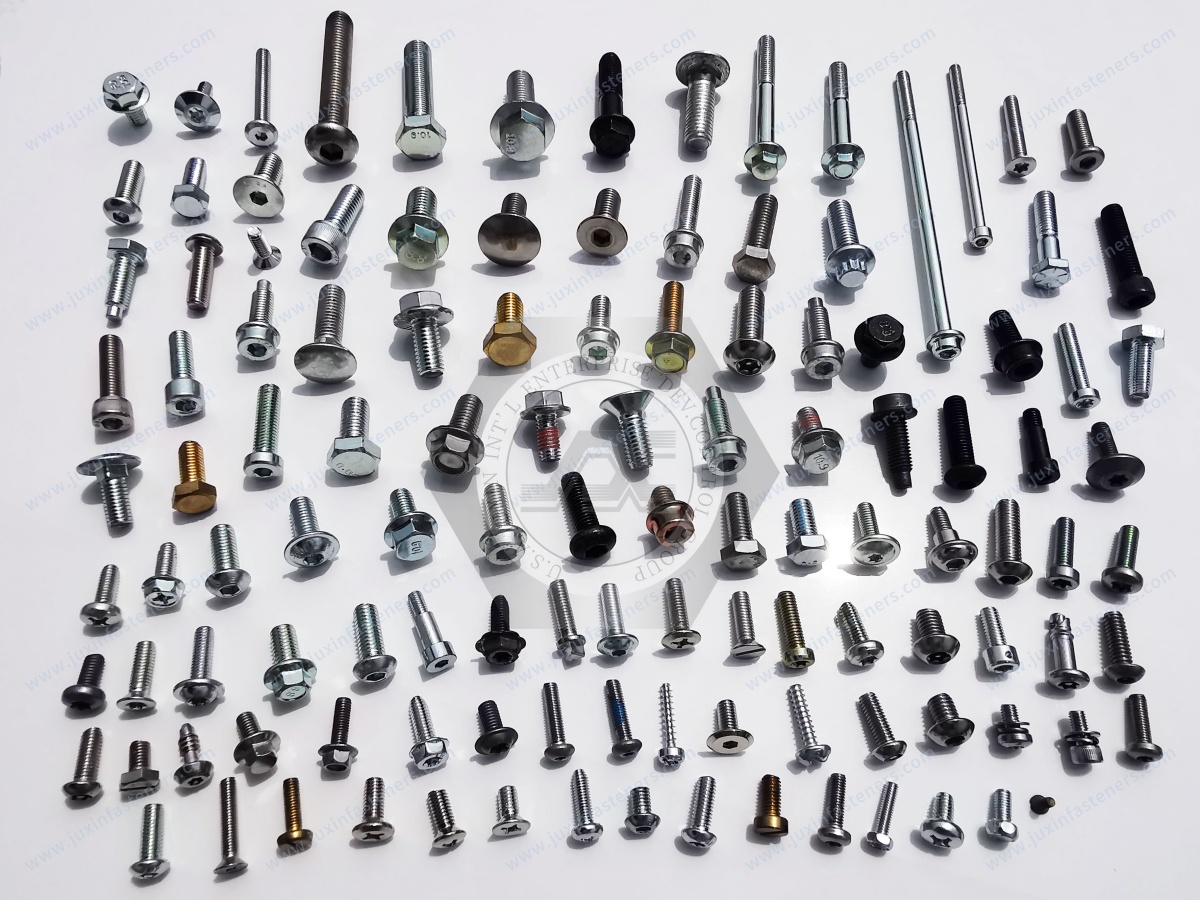
Frequently Asked Questions
What are anti-loosening fasteners?
They are fastening components or arrangements designed to resist unwanted threaded rotation or provide specified mechanical retention.
Do locking nuts prevent all preload loss?
No. Preload can decrease through mechanisms such as relaxation, creep or surface embedment without substantial rotation.
What is the difference between nylon insert and all-metal lock nuts?
Nylon insert nuts use a polymer locking element, while all-metal designs use a metal locking feature.
Are all-metal lock nuts always suitable for high temperatures?
No. Temperature suitability depends on the complete product and application.
Can nylon insert lock nuts be reused?
Only when the applicable specification and acceptance criteria permit reuse.
Do serrated flange bolts prevent vibration loosening?
Not automatically. Their performance depends on the complete joint and mating surface.
Are pre-applied threadlocking screws reusable?
Reuse depends on the specific locking material and product requirements.
What is prevailing torque?
It is rotational resistance generated by a locking feature independently of the final clamping load.
Can safety wire maintain bolt preload?
Safety wire primarily restrains rotation. It does not automatically preserve preload.
Can JUXIN FASTENERS review custom locking fastener drawings?
Yes. Drawing-based inquiries can be reviewed for dimensions, materials, locking features, coatings and quotation requirements.
JUXIN FASTENERS: Industrial Anti-Loosening Fasteners and OEM Locking Solutions
JUXIN FASTENERS supplies industrial fastening products and supports drawing-based OEM inquiries for international manufacturers.
Relevant product categories include:
DIN 985 nylon insert lock nuts
Stainless steel nylon insert lock nuts
Carbon steel nylon insert lock nuts
All-metal prevailing torque nuts
All-metal flange locking nuts
Selected serrated flange nuts
High-strength industrial bolts
Drawing-specific locking fasteners
Custom threaded components
CNC-machined fastening parts
Specific dimensions, materials, locking performance, coatings, inspection requirements, MOQ and lead time are confirmed during project review.
Request an Anti-Loosening Fastener Engineering Review and OEM RFQ
Are you sourcing locking nuts, vibration-resistant fasteners or customized threaded components for automotive equipment,
EV systems, industrial machinery, rail equipment, electrical cabinets, HVAC, robotics or energy equipment?
JUXIN FASTENERS welcomes inquiries from design engineers, mechanical engineers, structural engineers, manufacturing engineers,
production managers, procurement specialists, purchasing managers, supplier development teams and supply chain managers.
For an efficient technical and commercial review, please provide:
2D drawing or applicable standard + locking fastener type + thread designation + dimensions + material + mechanical property class
+ locking requirements + coating + operating temperature + application + inspection requirements + sample quantity + annual purchasing volume + target delivery schedule
Our team can review your requirements, discuss suitable locking options, confirm sample arrangements and provide quotation information.
Company: JUXIN FASTENERS
Website: https://www.juxinfasteners.com/
Email: info@juxinfasteners.com
Send your anti-loosening fastener drawings and RFQ to JUXIN FASTENERS for technical evaluation and quotation.
Contact Us
Tel.:
+86 020 8621 0320
+86 020 3121 6067
E-mail:
Technical Support:
Navigation
SEND INQUIREY



