
Call Us
+86 136 6007 9809
Call Us
+86 136 6007 9809

Jun. 27, 2024
Hexagon head bolts and hexagonal flange bolts are two of the most commonly used industrial fasteners worldwide. Although both products feature a six-sided hexagonal head and are tightened using standard wrenches, their structures, performance characteristics, and application scenarios are different.
Selecting the correct bolt type is essential for achieving:
Reliable mechanical connections
Proper preload control
Vibration resistance
Long service life
Safe equipment operation
Juxin Fasteners manufactures and supplies OEM hex bolts, hex flange bolts, DIN standard bolts, and customized industrial fastening solutions for global customers in automotive, machinery, construction, energy, transportation, and industrial manufacturing industries.
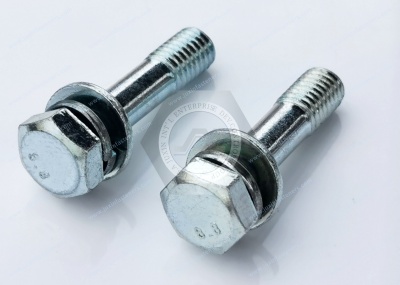
Hexagon head bolts, also known as hex bolts or hex head screws, are traditional fastening components consisting of:
Hexagonal head
Threaded shank
Optional partial thread or full thread design
Common standards include:
DIN 931 Hexagon Head Bolts (Partial Thread)
DIN 933 Full Thread Hex Bolts
ISO 4014
ISO 4017
The hexagonal head allows easy installation with common tools such as:
Open-end wrenches
Socket wrenches
Torque tools
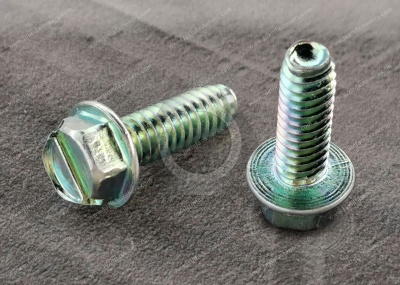
Hex flange bolts, also called hexagonal flange face bolts, flange head bolts, or DIN 6921 flange bolts, combine:
Hexagonal head
Integrated flange face
Threaded shaft
The flange underneath the head functions as a built-in washer, increasing the contact area between the bolt and the connected surface.
This design improves:
Load distribution
Clamping stability
Anti-loosening performance
Assembly efficiency
Traditional hex bolts have:
Smaller bearing surface
Separate washer usually required
Flexible use in different structures
Typical structure:
Hex Head + Threaded Shaft + Nut/Washer
Advantages:
Easy replacement
Wide compatibility
Suitable for general mechanical fastening
Hex flange bolts include an integrated flange.
Typical structure:
Hex Head + Flange Face + Threaded Shaft
Advantages:
Larger support area
Reduced surface pressure
Improved joint stability
Fewer assembly components
| Feature | Hexagon Head Bolts | Hex Flange Bolts |
|---|---|---|
| Head Design | Standard Hex Head | Hex Head with Integrated Flange |
| Bearing Surface | Smaller | Larger |
| Washer Requirement | Usually Required | Often Not Required |
| Installation | Standard Tools | Standard Tools |
| Anti-Loosening | Good | Better |
| Vibration Resistance | General | Higher |
| Application | General Mechanical Connections | High Load & Vibration Applications |
Hex flange bolts provide a larger support area under the bolt head.
This allows:
Higher preload
Better pressure distribution
Reduced deformation of connected parts
For applications requiring strong and stable joints, hex flange bolts are often preferred.
Mechanical equipment often experiences continuous vibration.
Hex flange bolts provide improved resistance against loosening because:
The flange increases friction contact
The joint surface is more stable
The load is distributed more evenly
Typical applications:
Automotive engines
Heavy machinery
Railway equipment
Construction equipment
Hexagon head bolts are mainly used for structural fastening.
Hex flange bolts are more suitable for applications requiring improved sealing performance.
Examples:
Pipeline connections
Oil and gas equipment
Hydraulic systems
Industrial machinery
The flange helps create a more stable contact surface and reduces leakage risks in certain assemblies.
Hex bolts are widely used in general mechanical and structural connections.
Applications include:
Machine frames
Mechanical assemblies
Equipment maintenance
Steel components
Support structures
Industrial buildings
Rail equipment
Transportation structures
Mechanical systems
Hex bolts are suitable where:
Easy replacement is required
Standard fastening solutions are preferred
Assembly conditions are normal
Hex flange bolts are widely used in automotive systems because of their excellent vibration resistance.
Applications:
Engine components
Suspension systems
Chassis assemblies
Transmission systems
EV battery structures
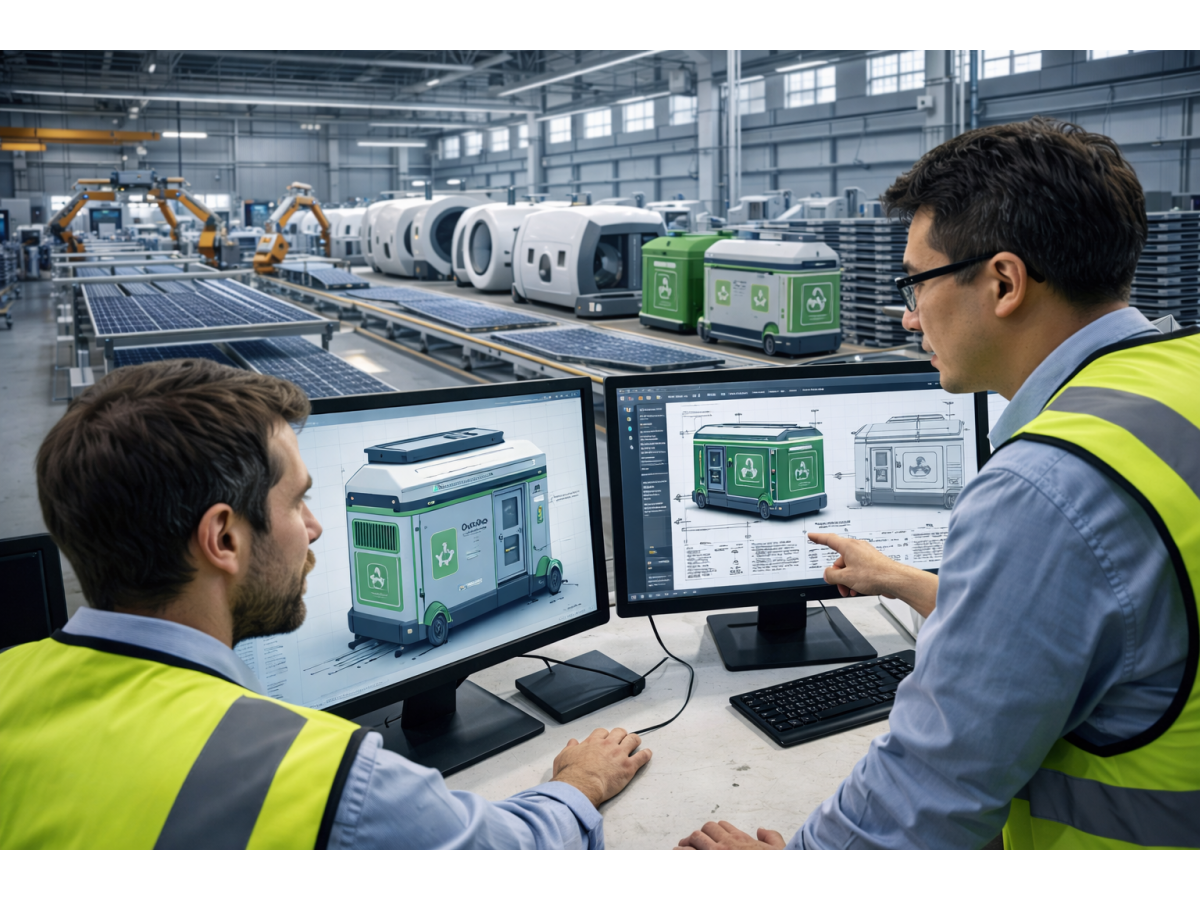
Heavy equipment requires bolts that can withstand high loads and vibration.
Applications:
Excavators
Cranes
Loaders
Mining equipment
High-strength flange bolts provide reliable fastening under demanding working conditions.
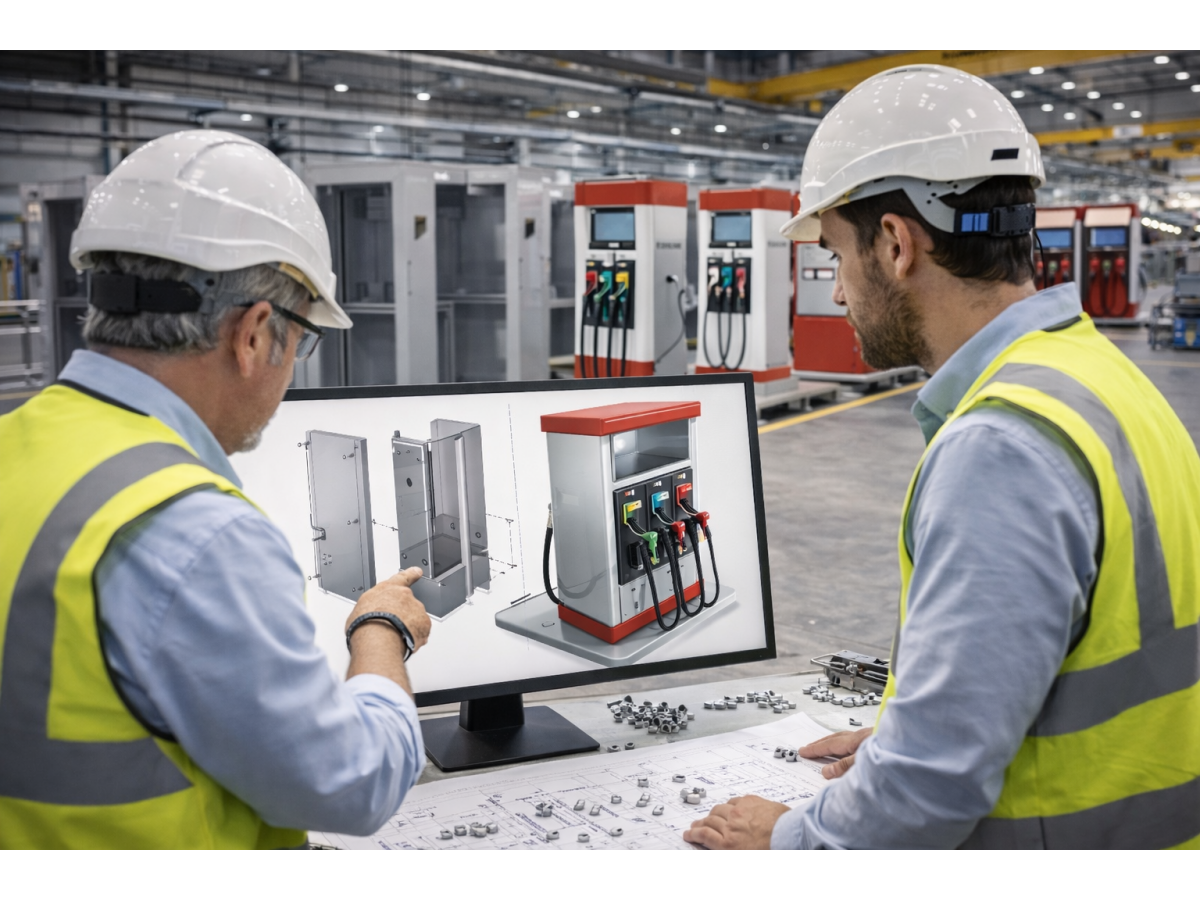
Hex flange bolts are commonly selected for applications requiring stable connections.
Applications:
Pipeline systems
Pressure equipment
Industrial valves
Energy equipment
Marine environments require corrosion-resistant fastening solutions.
Applications:
Ship machinery
Offshore equipment
Marine structures
Stainless steel and coated flange bolts provide improved corrosion protection.
Both bolt types are available in similar material options depending on application requirements.
Common materials:
Low Carbon Steel
Medium Carbon Steel
Alloy Steel
Advantages:
High strength
Good machinability
Cost-effective
Applications:
General machinery
Automotive components
Industrial equipment
Common materials:
SCM435
40Cr
35CrMo
Advantages:
Higher tensile strength
Better fatigue resistance
Suitable for heavy loads
Applications:
High-strength flange bolts
Construction equipment
Automotive systems
Materials:
Stainless Steel 304
Stainless Steel 316
Advantages:
Corrosion resistance
Suitable for harsh environments
Applications:
Marine equipment
Food machinery
Chemical equipment
Correct bolt selection depends on the application environment.
General mechanical fastening is required
Components need frequent replacement
Standard assembly is preferred
Separate washers are acceptable
Typical applications:
Machinery
Steel structures
General equipment
Higher preload is required
Vibration resistance is important
Installation efficiency matters
Larger bearing surface is needed
Typical applications:
Automotive
Heavy machinery
Industrial equipment
Energy systems
The bolt diameter and length must match the actual assembly requirements.
Consider:
Material thickness
Thread engagement length
Load requirements
Proper torque ensures:
Correct preload
Stable connection
Reduced risk of failure
Over-tightening may cause:
Thread damage
Component deformation
Bolt fracture
The complete fastening system should consider:
Bolt grade
Nut strength
Surface treatment
Application environment
Juxin Fasteners provides professional industrial bolt solutions for international OEM customers.
Our product range includes:
Hexagon head bolts
Hex flange bolts
DIN 6921 flange bolts
High-strength bolts
Stainless steel bolts
Customized bolts
Including:
Cold forging
Thread rolling
CNC machining
Heat treatment
Surface finishing
We provide:
Material inspection
Dimensional inspection
Thread inspection
Mechanical testing
Coating inspection
Support:
Customer drawings
Special dimensions
OEM production
Custom surface treatments
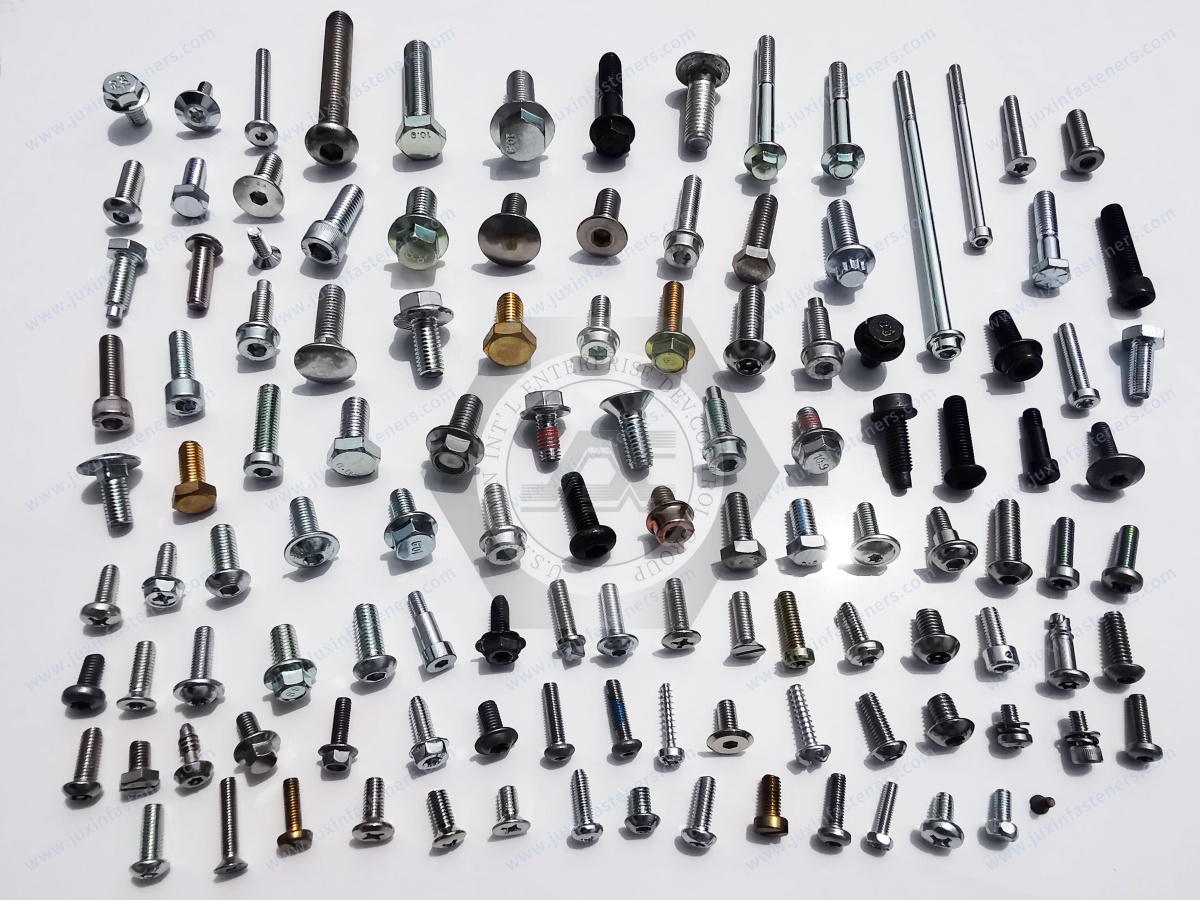
Looking for a reliable supplier of hexagon head bolts, hex flange bolts, DIN 6921 flange bolts, or customized industrial fasteners?
Juxin Fasteners provides professional fastening solutions for automotive, machinery, construction, energy, and industrial applications.
Email: info@juxinfasteners.com
Website: https://www.juxinfasteners.com
Contact our engineering team for customized OEM bolt solutions based on your technical requirements.
 MORE NEWS
Sep. 27, 2026
Sep. 27, 2026
Sep. 27, 2026
Contact Us
Tel.:
+86 020 8621 0320
+86 020 3121 6067
E-mail:
Technical Support:
Navigation
SEND INQUIREY