
Call Us
+86 136 6007 9809
Call Us
+86 136 6007 9809

Aug. 14, 2026
ATM Cabinet Anchoring Solutions: M20 Anchor Screws for Secure Equipment Installation
Engineering Guide to ATM Floor Fixing, Concrete Anchoring, M20 Threaded Fasteners and OEM Equipment Mounting Systems
ATM cabinets, banking equipment enclosures and self-service terminals require fastening systems that match their actual installation conditions.
Although an anchor screw or bolt may appear to be a relatively small component, it forms part of the mechanical connection between the equipment and its supporting structure.
For ATM installations, that connection may need to address equipment stability, service access, environmental exposure, structural loading and, where applicable, security-related anchoring requirements.
Selecting an M20 anchor screw is therefore not simply a matter of matching the thread diameter to a mounting hole.
Engineers must evaluate:
Equipment weight and center of gravity
Cabinet and base plate geometry
Anchor type and installation method
Supporting material and concrete condition
Tension, shear and overturning loads
Anchor spacing and edge distance
Effective embedment depth
Installation torque or other setting requirements
Corrosion protection
Inspection and installation documentation
Applicable equipment and anchoring standards
OEM production and procurement requirements
Juxin Fasteners supplies industrial fastening components and supports drawing-based inquiries for M20 threaded fasteners, anchor-related hardware and customized equipment mounting components.
This guide explains how engineering, manufacturing, installation and procurement teams can evaluate fastening solutions for ATM cabinets and related industrial equipment.
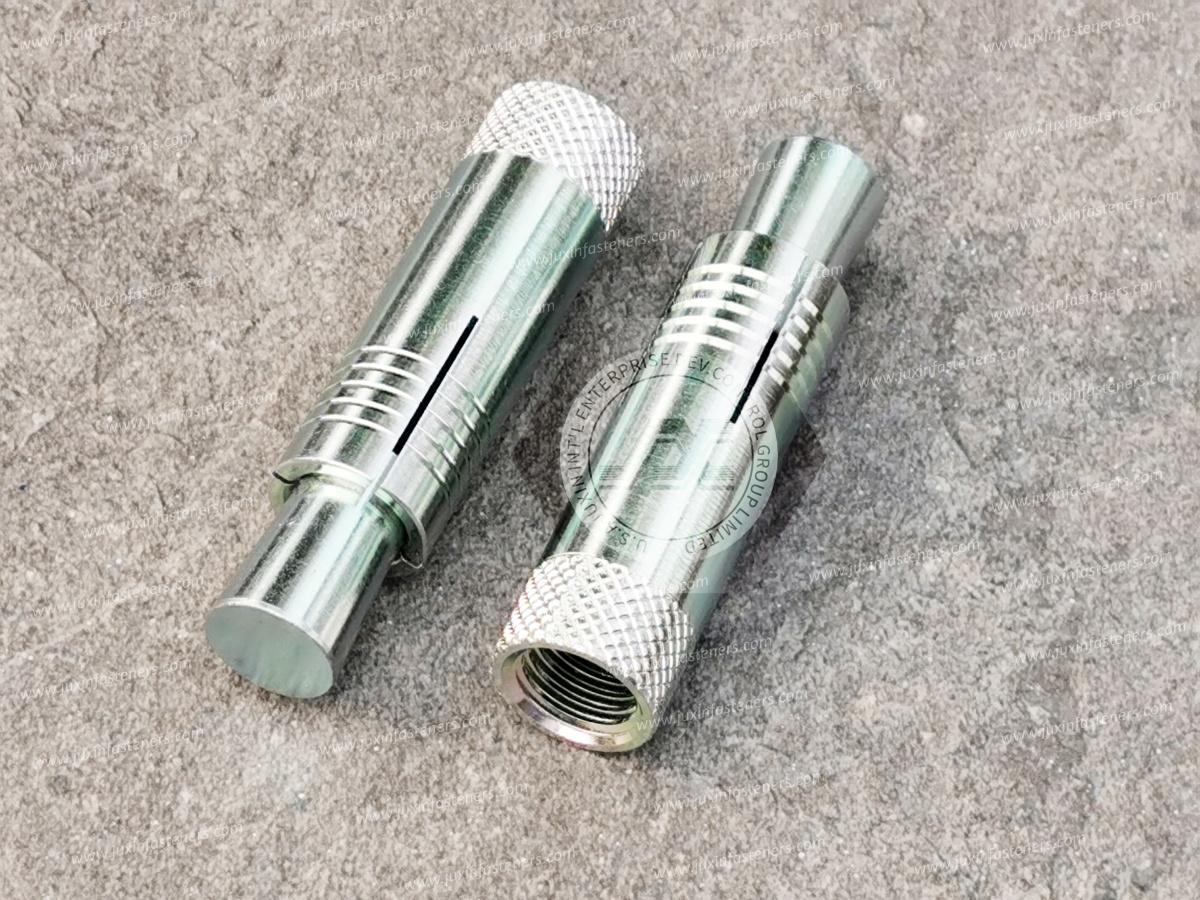
What Is ATM Cabinet Anchoring?
ATM cabinet anchoring is the process of securing an automated teller machine, its cabinet, base or associated equipment structure to an approved supporting surface.
The installation may involve:
Cabinet mounting holes
Steel base plates
Mechanical anchors
Concrete screw anchors
Threaded anchor rods
Nuts and washers
Spacers or leveling components
Concrete foundations or other engineered supporting structures
The exact configuration depends on the equipment design and site conditions.
ATM Cabinet Fixing vs ATM Safe Anchoring
These terms are related but should not be treated as identical.
ATM Cabinet Fixing
May refer to mechanical attachment of the external equipment cabinet or associated enclosure.
Its engineering requirements depend on the equipment design and intended use.
ATM Safe Anchoring
Refers to anchoring the security-rated safe or cash-protection enclosure within an ATM system.
Where the equipment is subject to a burglary-resistance standard, the anchoring system may form part of the tested security configuration.
Critical Engineering Distinction
A fastener that is mechanically adequate for a general equipment cabinet is not automatically suitable for a security-rated ATM safe.
The complete approved installation system must be followed.
Why ATM Anchoring Requires More Than a Large Bolt
An ATM cabinet can impose several types of load on its mounting system.
These may include:
Permanent equipment weight
Forces from opening service doors
Maintenance-related loading
Accidental impacts
Environmental actions
Overturning effects
Site-specific security loading requirements
The actual design loads must be established by the equipment manufacturer or responsible engineer.
A larger bolt diameter does not automatically provide a higher verified anchoring capacity.
The supporting material and anchoring mechanism are equally important.
What Are M20 Anchor Screws?
The term “M20 anchor screw” is used in industrial purchasing for certain large-diameter threaded anchoring components.
However, the terminology can describe different products.
An M20 designation identifies a nominal metric thread diameter of 20 mm.
For a standard ISO metric coarse thread, the usual designation is M20 × 2.5.
This does not specify:
Overall fastener length
Head design
Anchor mechanism
Effective embedment depth
Drilled hole diameter
Installation torque
Steel property class
Corrosion resistance
Approved base material
Anchor load resistance
All these characteristics must be determined from the actual product specification.
M20 Anchor Screw vs M20 Anchor Bolt
An anchor bolt may be a cast-in or post-installed fastening component.
A concrete screw anchor develops resistance through engagement with the concrete along a specially designed thread.
A mechanical expansion anchor uses an expansion mechanism to transfer load into the base material.
A threaded rod may form part of an approved bonded anchoring system.
These products are not automatically interchangeable.
Important Product Qualification Rule
A conventional M20 threaded bolt is not automatically a qualified M20 concrete anchor.
If a project requires verified anchoring resistance, the actual anchor system must have suitable technical evidence for the specified application.
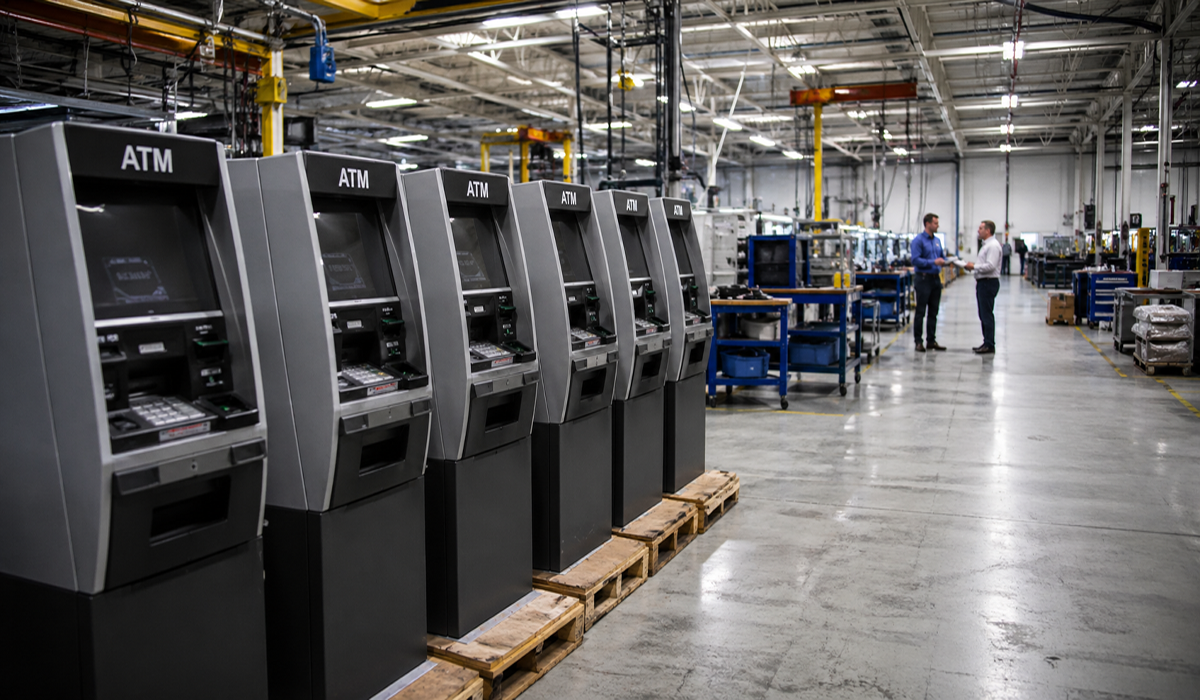
Common Types of Equipment Anchoring Systems
Mechanical Expansion Anchors
Mechanical expansion anchors transfer load into the base material through an expansion mechanism.
Examples include selected wedge and sleeve anchor designs.
Their suitability depends on the specific product and approved conditions.
Concrete Screw Anchors
Concrete screw anchors use specially designed threads that engage with the concrete.
Their installation and performance requirements differ from those of ordinary machine screws.
Bonded Anchors
Bonded anchoring systems use a specified adhesive or resin system together with a compatible anchor rod or reinforcing element.
Performance depends on the complete qualified system, including hole preparation and curing requirements.
Cast-In Anchor Bolts
Cast-in anchors are positioned before concrete placement.
Their design, placement and installation differ from post-installed anchors.
Custom Threaded Mounting Components
Custom bolts, studs, threaded rods, nuts, spacers and other hardware may be used in an engineered mounting assembly.
These components can support the connection, but they should not be represented as independently approved concrete anchors without the necessary evaluation.
Comparison of Anchoring Methods
| Anchoring method | General mechanism | Main engineering considerations |
|---|---|---|
| Mechanical expansion anchor | Expansion against the base material | Concrete condition, edge distance, spacing, installation torque |
| Concrete screw anchor | Thread engagement with concrete | Approved hole preparation, embedment, installation requirements |
| Bonded anchor system | Adhesive bond and load transfer | Hole cleaning, cure time, temperature, approved components |
| Cast-in anchor bolt | Embedded mechanical anchorage | Positioning, concrete design, construction coordination |
| Custom threaded mounting bolt | Mechanical connection within a designed assembly | Thread engagement, strength, mating hardware and mounting geometry |
The correct selection depends on the project specification and the anchor manufacturer's technical documentation.
Concrete Anchoring: Why Base Material Matters
Concrete anchoring performance is influenced by the condition and geometry of the base material.
Engineers should consider:
Concrete strength
Cracked or uncracked concrete
Slab thickness
Reinforcement location
Anchor edge distance
Anchor spacing
Installation location
Expected loading
Environmental exposure
Cracked vs Uncracked Concrete
Cracks can change the way an anchor transfers load into the concrete.
An anchor approved only for uncracked concrete should not automatically be used where cracked-concrete performance is required.
For many engineering applications, cracked concrete must be considered unless the design basis justifies otherwise.
Thin Concrete Slabs
A slab may be unsuitable for a particular anchor even when the anchor diameter appears adequate.
Insufficient concrete thickness can increase the risk of:
Splitting
Concrete breakout
Rear-face damage
Inadequate embedment
Installation Near Slab Edges
Anchors placed near concrete edges may have reduced resistance or greater installation-related splitting risk.
Engineering Rule
Use the minimum edge distance, spacing and concrete thickness requirements from the actual approved anchor system.
Do not apply generic values based solely on M20 thread diameter.
Understanding Anchor Loads
Tension
Tensile force acts approximately along the anchor axis.
It may arise from overturning or other uplift effects.
Shear
Shear force acts approximately parallel to the supporting surface.
It may arise from lateral loads or equipment movement.
Combined Tension and Shear
ATM mounting systems may experience combinations of these forces.
The design must evaluate the applicable interaction requirements.
Overturning Moment
An overturning moment can increase tension in some anchors while increasing compression elsewhere in the base.
Eccentric Loading
The equipment center of gravity, base geometry and load application points can create unequal anchor forces.
Engineering Insight
A cabinet with four mounting holes does not necessarily distribute all loads equally among four anchors.
Anchor group behavior depends on stiffness, geometry and load direction.
Common Concrete Anchor Failure Modes
Potential failure mechanisms include:
Anchor steel failure
Concrete cone breakout
Anchor pullout
Concrete splitting
Concrete edge breakout
Pryout under shear
Failure of the cabinet mounting plate
Failure of associated nuts or washers
The governing failure mode is not necessarily the tensile strength of the M20 threaded component.
Concrete Breakout
A portion of the concrete may fracture around an anchor when the applied load exceeds the relevant resistance.
Anchor Pullout
An anchor may lose its engagement with the base material.
Steel Failure
The anchor steel may fracture under excessive loading.
Base Plate Failure
A cabinet mounting plate may bend, tear or deform before the anchor itself fails.
Engineering Information Gain
A fastening system must be evaluated as a load path:
Equipment cabinet → mounting plate → anchor hardware → anchoring mechanism → supporting structure.
If any element is inadequate, increasing the bolt diameter alone may not solve the problem.
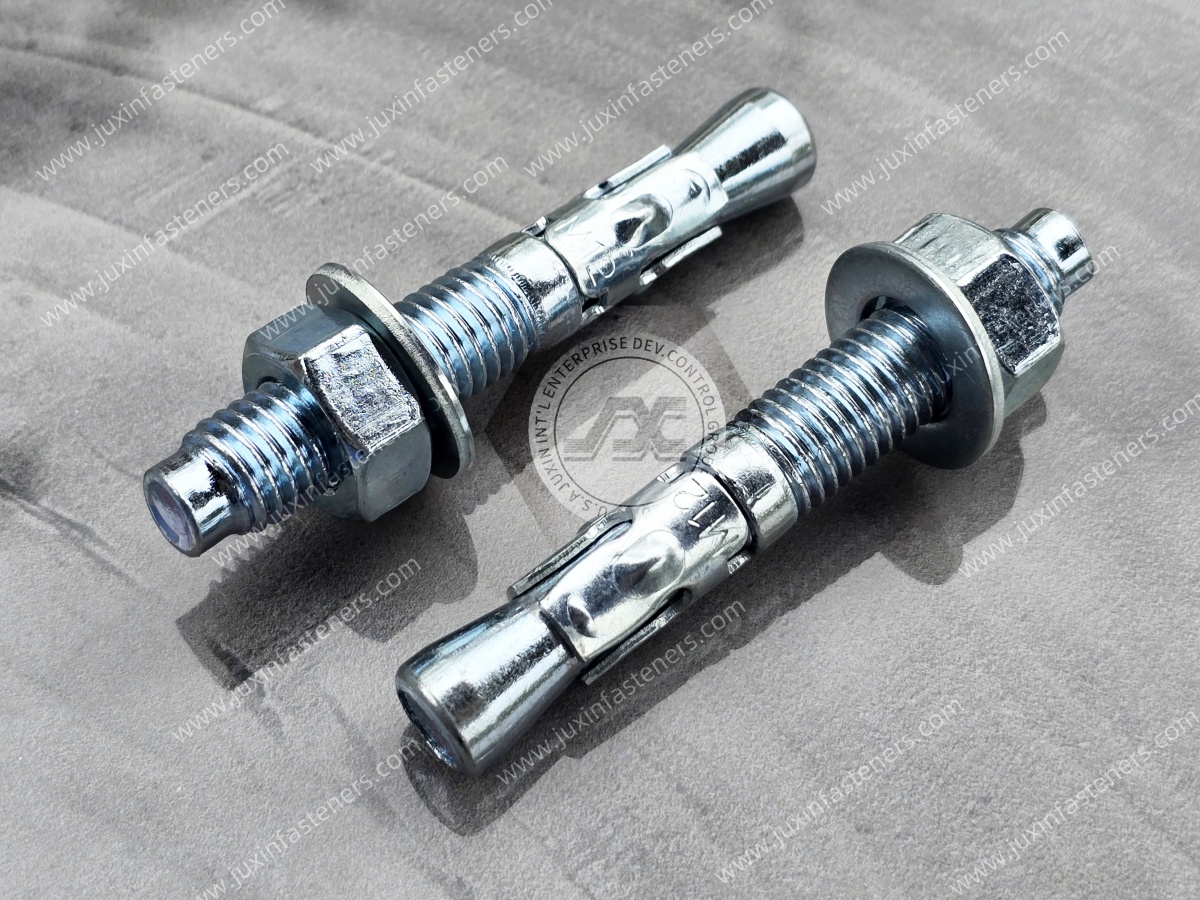
M20 Anchor Thread and Dimensional Specification
A properly prepared OEM drawing should identify more than the nominal M20 thread.
Relevant information may include:
Thread designation
Thread tolerance
Overall length
Threaded length
Head or drive geometry
Shank geometry
Washer arrangement
Nut specification
Material
Mechanical properties
Surface finish
Installation requirements
Metric Thread Example
M20 × 2.5 identifies a nominal 20 mm metric thread with a 2.5 mm pitch.
Other thread pitches may be specified where appropriate.
The correct pitch must be confirmed from the drawing.
Inch Thread Considerations
Some North American equipment uses Unified inch threads.
An M20 thread must not be treated as interchangeable with a nearby UNC or UNF size.
Even when diameters appear similar, thread geometry and pitch differ.
Thread Engagement
The required thread engagement depends on the materials, thread geometry and mechanical requirements.
A steel bolt engaging a lower-strength material may require different design considerations from a steel bolt and compatible steel nut.
Equipment Mounting Plate Design
The cabinet base plate is an essential part of the anchoring system.
Engineers should evaluate:
Plate thickness
Material grade
Hole diameter
Hole position
Hole spacing
Local stiffness
Washer bearing area
Welded connections
Surface coating
Installation clearance
Oversized Mounting Holes
Oversized holes may provide installation tolerance, but they can affect bearing behavior and load transfer.
The design must specify suitable washers, plates or other approved details where required.
Thin Cabinet Bases
A thin mounting plate may deform locally around the anchor.
This can affect clamp load and connection stiffness.
Access to Fasteners
ATM cabinets may restrict tool access after equipment installation.
The design should account for:
Socket clearance
Tool approach
Door and service-panel geometry
Anchor positioning
Installation sequence
Production Engineering Insight
A technically suitable anchor may still create costly installation delays if the cabinet mounting holes are difficult to access or poorly aligned.
Corrosion Protection for ATM Anchoring Hardware
ATM installations may be located indoors, outdoors or in partially sheltered environments.
The corrosion environment should be established before selecting the fastener material and coating.
Carbon Steel Fasteners
Carbon steel components may use appropriate protective coatings.
Possible options include:
Zinc plating
Zinc-nickel plating
Other customer-specified protective systems
Stainless Steel Components
Stainless steel may be suitable for selected environments.
However, stainless steel grades differ in mechanical properties and corrosion behavior.
A stainless steel replacement should not be assumed to provide the same mechanical performance as a specified high-strength carbon steel component.
Outdoor ATM Installations
Outdoor installations may involve:
Rainwater
Condensation
Atmospheric pollution
Deicing salts
Coastal exposure
Temperature changes
Galvanic Corrosion
Contact between dissimilar metals in the presence of an electrolyte may contribute to galvanic corrosion.
The complete mounting assembly should be reviewed.
Coating Selection and Installation
A coating can affect:
Thread friction
Nut tightening
Installation torque
Thread fit
Corrosion resistance
For qualified anchoring systems, coating and component substitutions must comply with the applicable approval.
Hydrogen Embrittlement Considerations
Certain high-strength steel fasteners may be susceptible to hydrogen embrittlement associated with manufacturing or service conditions.
Material hardness, coating process and application requirements should be evaluated.
International Standards for ATM and Concrete Anchoring
EN 1992-4
EN 1992-4 provides European design rules for fastenings used in concrete.
It addresses relevant concrete anchoring design conditions, including tension, shear and other failure modes.
Its use must be coordinated with the actual anchor's approved technical characteristics.
European Technical Assessment (ETA)
An ETA may provide assessed performance information for a specific anchoring product.
The ETA and associated documentation may identify:
Approved base material
Anchor dimensions
Installation conditions
Relevant resistance values
Edge distance
Spacing
Minimum member thickness
Intended use conditions
Not every generic M20 threaded component has an ETA.
ACI 318 Chapter 17
ACI 318 Chapter 17 provides provisions for anchoring to concrete in applicable North American structural design contexts.
The governing edition depends on the adopted code and project requirements.
ICC-ES AC193
ICC-ES AC193 provides acceptance criteria for evaluating certain mechanical anchors in concrete.
An evaluation report may be relevant when the project requires evidence of product performance under applicable conditions.
EN 1143-1
EN 1143-1 addresses burglary resistance of specified secure storage units, including ATM safes.
For applicable ATM safe configurations, the anchoring system may be part of the tested security arrangement.
Important Distinction
EN 1143-1 is not a general dimensional standard for M20 screws.
Compliance of a complete ATM safe does not automatically establish certification of every individual fastener.
ISO Metric Thread Standards
Applicable ISO metric thread standards may be relevant to the threaded component's geometry and tolerance.
However, thread conformity alone does not establish concrete anchoring resistance.
Security-Rated ATM Anchoring
Some ATM installations require more than ordinary equipment stability.
For security-rated systems, the installation may need to follow:
ATM safe manufacturer's instructions
Approved mounting configuration
Specified anchoring components
Required base construction
Security certification conditions
Installation documentation
Site approval procedures
Why This Matters
A replacement anchor that appears dimensionally similar may not preserve the approved security configuration.
Engineering and Procurement Rule
Do not substitute a different M20 fastener in a security-rated ATM installation without confirming the equipment manufacturer's requirements and any applicable certification conditions.
Installation Documentation
Depending on the project, documentation may include:
Approved installation drawing
Base construction details
Anchor product identification
Installation records
Inspection results
Installer confirmation
Site acceptance records
These documents can be important for OEM quality management and installation traceability.
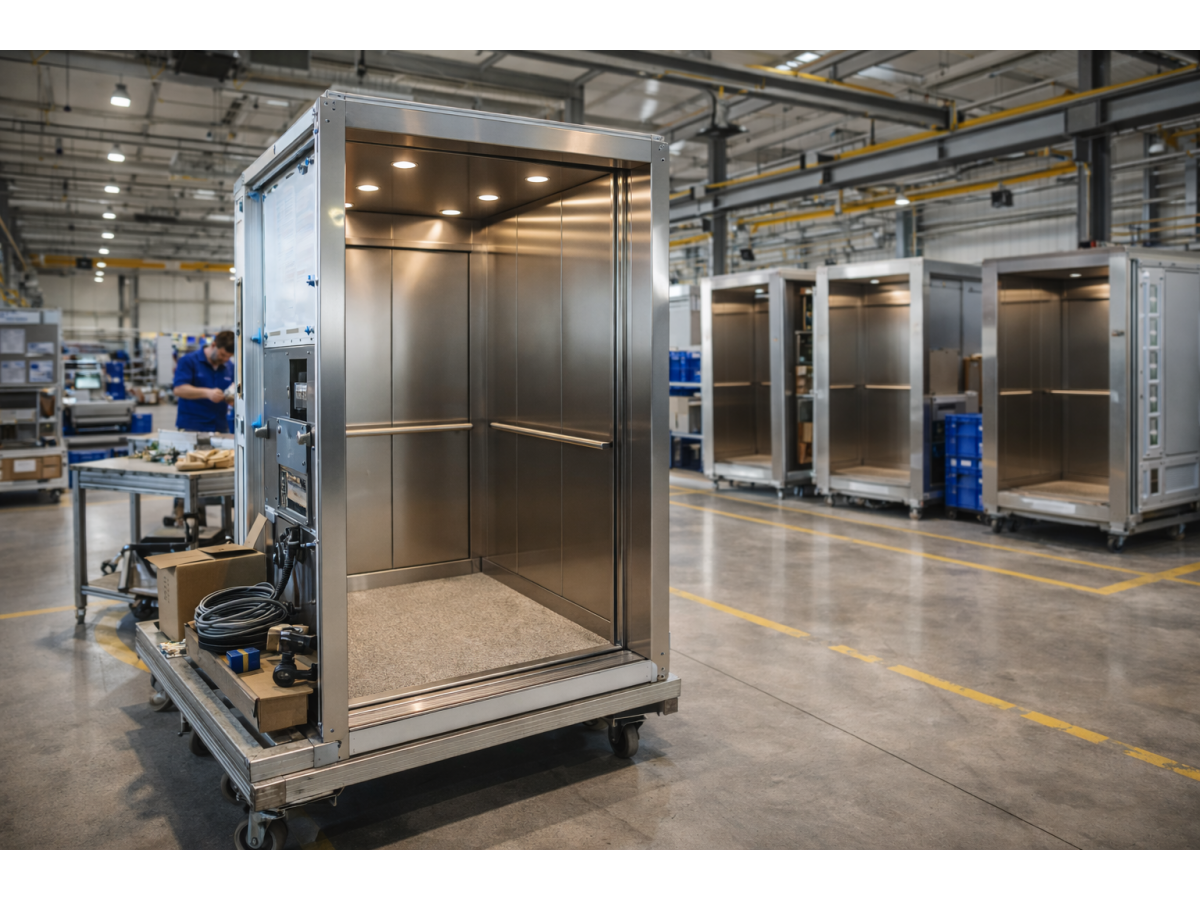
ATM Anchor Installation Process
The installation procedure must follow the specific approved anchor system.
A typical engineering-controlled workflow includes the following considerations.
Confirm the Supporting Structure
Verify the base material, concrete condition and relevant dimensions.
Check the Approved Drawing
Confirm the anchor positions and mounting-hole geometry.
Verify Anchor Identification
Confirm the correct product, size, material and surface condition.
Prepare the Installation Location
Follow the specified hole preparation and installation procedure.
Install the Anchor
Use the method required for the selected anchoring system.
Apply the Required Setting Procedure
Some anchors require controlled tightening torque.
Others may require a different setting method.
Inspect the Connection
Check the relevant installation and acceptance criteria.
Record the Installation
Maintain the documentation required by the OEM, installer or project specification.
Why There Is No Universal M20 Installation Torque
The required installation torque depends on the actual anchor design.
A torque-controlled expansion anchor may use tightening to activate its expansion mechanism.
A concrete screw anchor may have different installation requirements.
A bonded anchor system has separate curing and setting considerations.
Therefore, specifying one torque value for every M20 anchor would be technically incorrect.
Why Drilled Hole Diameter Cannot Be Assumed from M20
An M20 threaded designation does not determine the drilled hole diameter for every anchoring system.
The hole diameter must be taken from the specific anchor manufacturer's approved instructions.
Why Embedment Depth Matters
Effective embedment depth influences the way load transfers into the supporting material.
The required depth depends on the selected anchor and the design conditions.
A longer fastener does not automatically provide a greater verified load resistance.
Common ATM Anchoring Installation Failures
Incorrect Anchor Type
A fastener is selected without confirming its suitability for the supporting material.
Insufficient Embedment
The anchor does not meet the required installation depth.
Incorrect Hole Preparation
Drilling or cleaning does not comply with the product instructions.
Insufficient Edge Distance
The anchor is positioned too close to the slab edge.
Incorrect Spacing
The anchor group does not meet the applicable design requirements.
Wrong Installation Torque
The installation procedure does not match the anchor product.
Base Plate Deformation
The mounting plate is insufficiently stiff.
Coating Damage
Installation damages the protective finish.
Unapproved Substitution
A different anchor is installed without verifying compatibility or approval.
Missing Installation Records
The installation cannot be adequately traced or verified.
ATM Anchoring Failure Analysis Matrix
| Observed problem | Possible cause | Engineering investigation |
|---|---|---|
| Anchor pulls out | Inadequate engagement or wrong product | Review anchor qualification and installation |
| Concrete cracking | Edge distance, spacing or installation effects | Review concrete geometry and anchor design |
| Cabinet movement | Insufficient connection stiffness | Review base plate and load path |
| Bolt or rod fracture | Excessive steel stress | Review loads and component properties |
| Mounting plate bends | Insufficient plate stiffness | Review plate thickness and geometry |
| Installation torque inconsistent | Product or process variation | Review approved installation method |
| Corrosion develops | Unsuitable protection | Review environmental exposure and coating |
| Installation takes too long | Poor access or hole alignment | Review cabinet and process design |
| Security approval questioned | Unapproved hardware substitution | Review original certified configuration |
Beyond ATM Cabinets: Industrial Equipment Anchoring
The same engineering principles apply to other fixed equipment installations.
Self-Service Kiosks
Potential applications include:
Payment terminals
Ticketing machines
Vending machines
Access-control kiosks
Automated service equipment
Engineering concerns include equipment stability, mounting geometry, service access and site conditions.
Electrical Cabinets and Power Equipment
Potential applications include:
Power distribution cabinets
Control enclosures
UPS equipment
Industrial electrical equipment
Mechanical support structures
The required anchor type depends on the equipment loads and installation environment.
AI Data Center Infrastructure
Data center equipment may require floor-mounted mechanical supports and selected anchoring hardware.
Potential applications include:
Auxiliary power equipment
Mechanical equipment supports
Cooling equipment
Selected electrical enclosures
Not every cabinet or rack requires M20 anchoring.
The anchor size must be determined by the actual design.
Industrial Machinery
Industrial machinery may require floor anchoring for stability and alignment.
Engineering concerns include:
Static and dynamic loading
Vibration
Alignment
Foundation stiffness
Maintenance access
Rail Transit Equipment
Station equipment, auxiliary cabinets and service installations may use engineered anchoring systems.
Applicable railway and project-specific requirements must be reviewed.
Automotive Manufacturing Equipment
Production fixtures, machinery and auxiliary equipment may require mechanical anchoring.
The selection depends on the equipment loads and installation design.
Infrastructure Equipment
Outdoor cabinets, control systems and auxiliary installations may require approved anchor systems.
Relevant structural and environmental requirements must be established for each project.
Industry Application Matrix
| Application | Main engineering concern | Fastening approach |
|---|---|---|
| ATM cabinet | Equipment stability and mounting integrity | Approved cabinet anchoring system |
| Security-rated ATM safe | Certified security configuration | Manufacturer-approved anchoring assembly |
| Self-service kiosk | Base stability and service access | Application-specific anchor hardware |
| Electrical cabinet | Mechanical loading and enclosure geometry | Suitable mounting and anchoring components |
| Industrial machine | Dynamic loading and alignment | Engineered machinery anchoring |
| UPS or power equipment | Equipment stability and maintenance | Drawing-specified anchoring system |
| Cooling equipment | Vibration and environmental exposure | Suitable equipment mounting hardware |
| Railway station equipment | Installation reliability and traceability | Project-approved fastening components |
| Outdoor control enclosure | Corrosion and structural loading | Environment-compatible anchor system |
OEM Manufacturing and Custom Fastener Development
Standard anchoring products may meet some equipment installation requirements.
Other projects may require custom threaded hardware or associated mounting components.
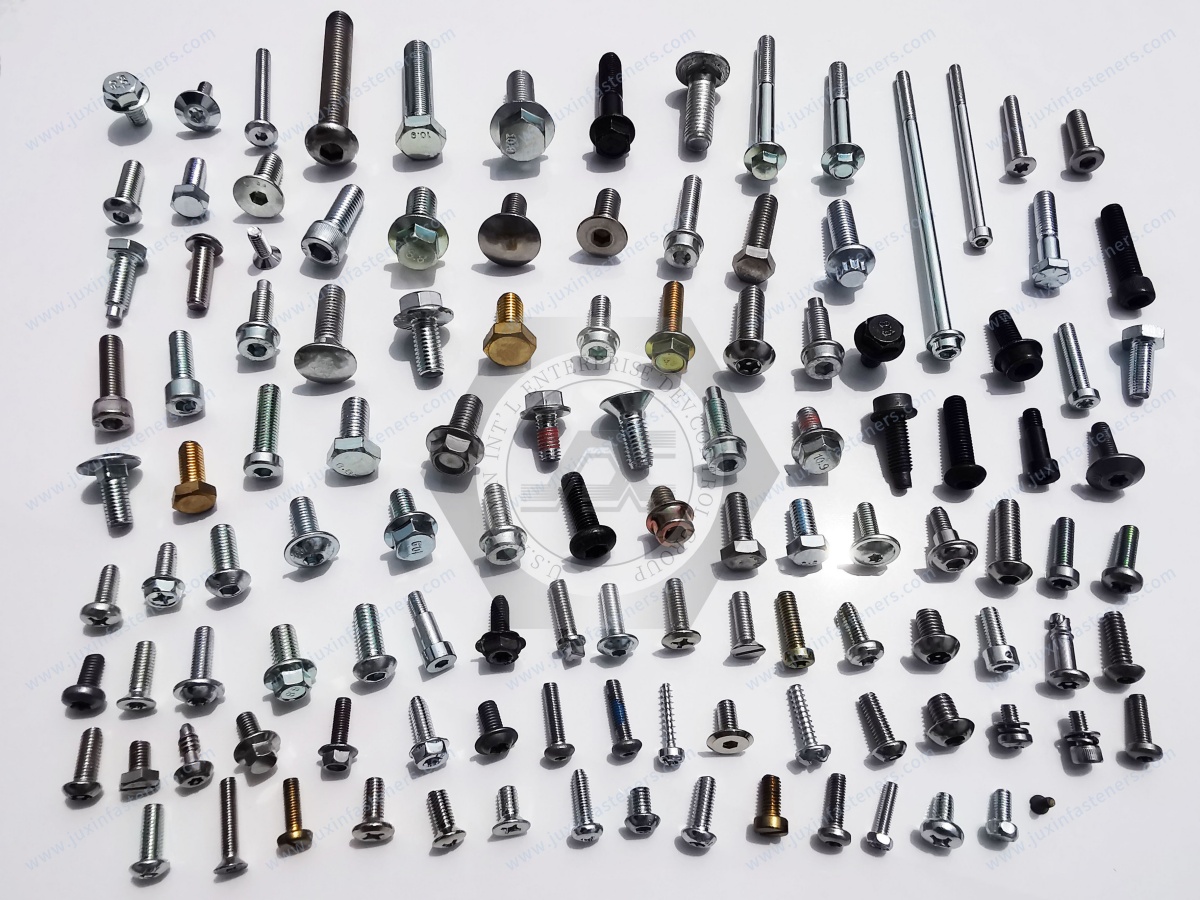
Juxin Fasteners supports inquiries involving:
Customer-specified M20 threaded components
Custom bolt dimensions
Special threaded lengths
Custom studs
CNC machined mounting components
Spacers and standoffs
Nuts and related fastening hardware
Customer-specified materials
Surface treatments
Drawing-based inspection requirements
Specific manufacturing processes and product configurations must be confirmed for each project.
Important Qualification Boundary
Custom manufacturing capability does not automatically mean that a newly designed concrete anchor has been tested, evaluated or approved for structural or security use.
Where anchor qualification is required, the relevant engineering and testing evidence must be established.
Manufacturing Considerations
Depending on the component, manufacturing may involve:
Material preparation
Forming
Machining
Thread production
Heat treatment where required
Surface finishing
Inspection
Packaging
The actual process depends on the drawing and product requirements.
Dimensional Quality Control
Relevant checks may include:
Overall length
Thread dimensions
Thread gauges
Critical diameters
Head geometry
Surface condition
Drawing tolerances
Mechanical Verification
Where specified, testing may address:
Material properties
Hardness
Tensile properties
Other customer-defined requirements
Surface Inspection
Relevant checks may include:
Coating condition
Coating thickness
Corrosion-related requirements
Surface defects
Documentation
OEM customers may require:
Material documentation
Dimensional reports
Inspection records
Lot identification
Customer-specific quality records
Actual documentation availability must be agreed upon for the order.
Production Manager Considerations
For repeated ATM cabinet assembly or installation programs, consistency matters.
Production teams should evaluate:
Hole-position tolerance
Fastener dimensional consistency
Packaging by installation set
Part identification
Installation-tool compatibility
Assembly instructions
Rework procedures
Traceability
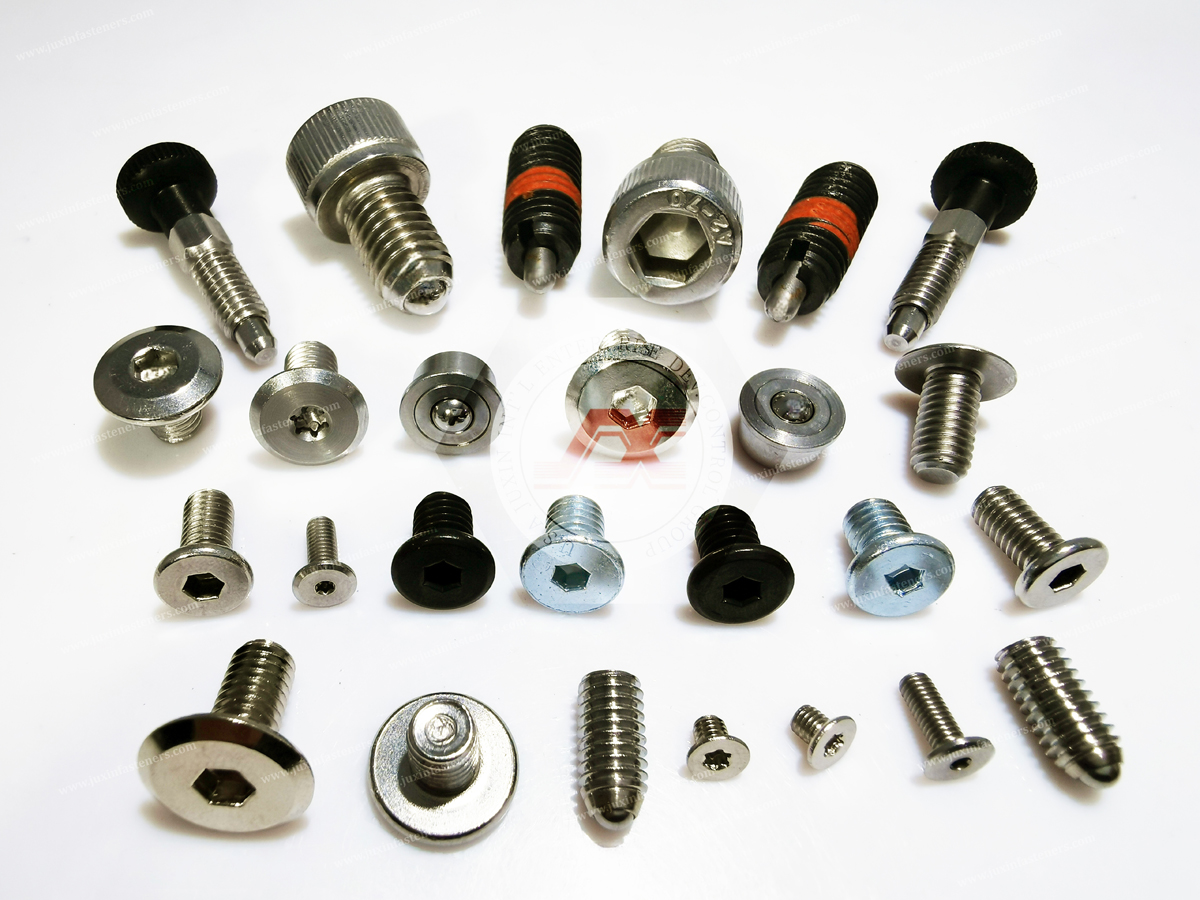
Engineering Information Gain: Packaging as an Installation-Control Tool
For multi-site equipment installations, packaging may be designed around a complete approved installation set.
For example, a project-specific kit may contain the required number of identified threaded components, compatible nuts and washers, and installation documentation.
Such a kit must reflect the approved equipment design.
It should not mix unverified components from different anchor systems.
Why This Matters
Consistent packaging and identification can help reduce picking errors, missing components and installation delays.
Procurement and Supplier Development Considerations
Purchasing teams should evaluate more than the unit price of an M20 component.
Product Conformity
Does the supplied product match the exact drawing and specification?
Anchor Qualification
If the product is intended as a concrete anchor, is the required performance evidence available?
Material and Coating
Are the material and surface treatment suitable for the specified application?
Manufacturing Consistency
Can the supplier maintain the required dimensions and quality across orders?
Documentation
Are the specified inspection and traceability records available?
Commercial Requirements
Can the supplier support the agreed:
MOQ
Sample quantity
Production quantity
Delivery schedule
Packaging requirements
Change-control process
Supply Chain Risk
Can alternate suppliers or component changes be evaluated without compromising the approved installation system?
Total Installed Cost
The lowest-priced anchor component is not necessarily the most economical option.
Total cost may include:
Fastener price
Installation labor
Tooling
Hole preparation
Inspection
Rework
Packaging
Maintenance
Failure risk
Project delays
OEM Cost Optimization Insight
Standardizing an approved mounting configuration across equipment models may reduce purchasing complexity.
However, standardization should not override differences in cabinet geometry, loads, foundations or security requirements.
Juxin Fasteners: Equipment Anchoring and OEM Fastening Support
With more than 20 years of industrial fastening experience, Juxin Fasteners supports global OEM and industrial purchasing projects.
Relevant areas include:
Custom Threaded Fasteners
Drawing-based bolts
Threaded studs
Selected M20 threaded components
Custom fastening hardware
CNC Machined Components
Spacers
Standoffs
Custom threaded parts
Special mounting components
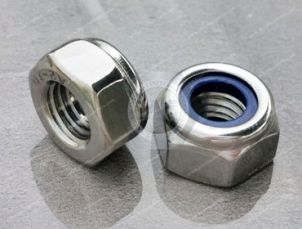
Industrial Nuts and Related Fasteners
Hex nuts
Locking nuts
Flange nuts
Customer-specified fastening components
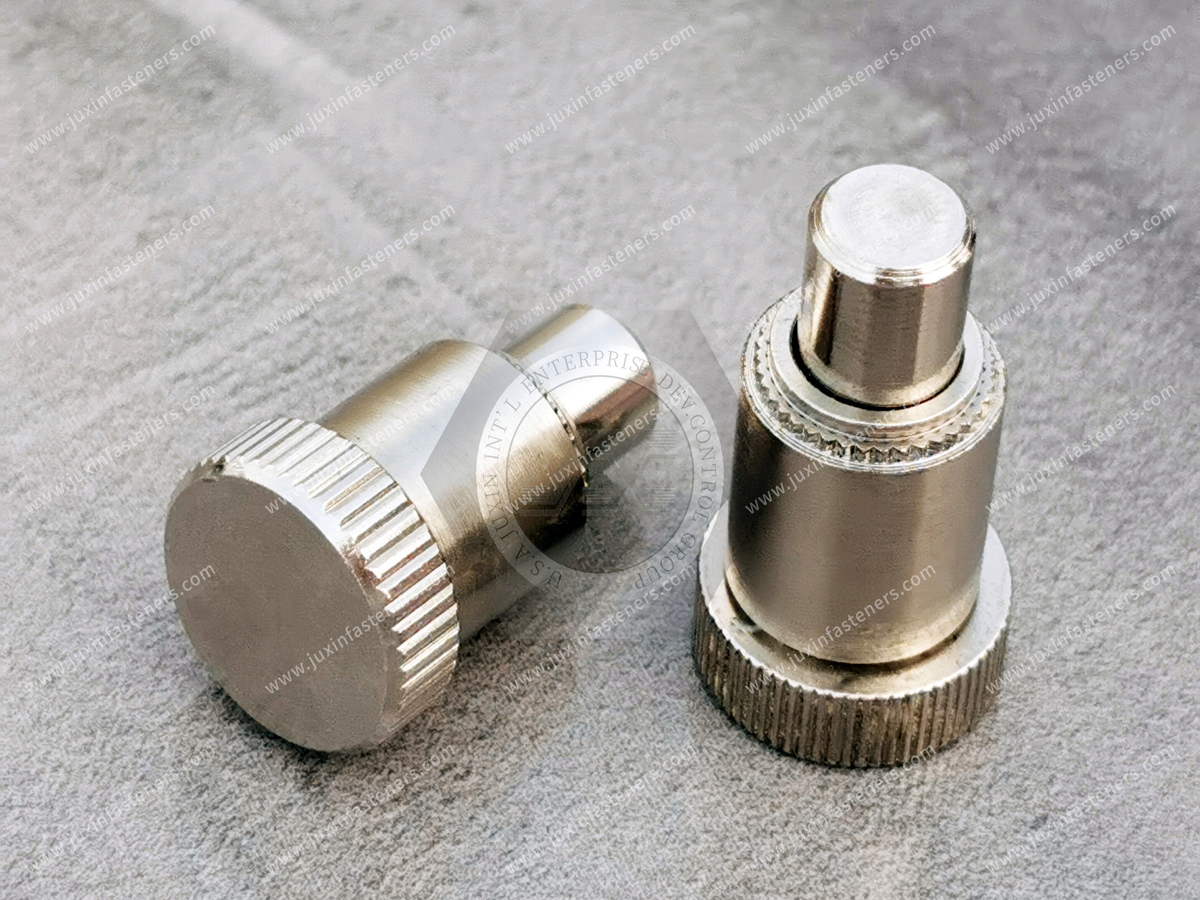
Sheet-Metal Equipment Fasteners
Self-clinching nuts
Self-clinching studs
Self-clinching standoffs
Blind rivet nuts
Cage nuts
These products may be relevant to ATM cabinet fabrication, internal enclosure assembly or auxiliary mounting systems.
They should not be confused with qualified concrete anchoring systems unless the specific product is designed and approved for that use.
Frequently Asked Questions
What is an M20 anchor screw?
The term generally refers to an anchoring-related threaded component with a nominal 20 mm metric thread.
The exact anchoring mechanism and performance depend on the product design.
Is M20 × 2.5 a standard thread?
M20 × 2.5 is a common ISO metric coarse thread designation. It does not specify the anchor's overall dimensions or load capacity.
Can any M20 bolt be used to anchor an ATM?
No. The component must be suitable for the actual mounting system, supporting structure and applicable engineering requirements.
Does an M20 anchor guarantee ATM security?
No. ATM security depends on the complete equipment, anchoring configuration, installation and applicable security requirements.
What is the difference between an anchor bolt and a concrete screw?
They may use different anchoring mechanisms. A concrete screw relies on specially designed thread engagement with concrete,
while other anchor bolts may use expansion, bonding or cast-in anchorage.
How deep should an M20 anchor be installed?
The required depth depends on the exact anchor product, supporting material and design conditions.
There is no universal depth for all M20 anchors.
What installation torque should be used for an M20 anchor?
Use the installation procedure specified for the particular approved anchor. A universal M20 torque value would be inappropriate.
Can M20 anchors be installed in cracked concrete?
Only where the selected anchor system is suitable and approved for the relevant cracked-concrete conditions.
What is EN 1992-4?
It provides European design rules for fastenings used in concrete.
What is EN 1143-1?
It addresses burglary resistance for specified secure storage units, including ATM safes.
Applicable anchoring requirements depend on the tested equipment configuration.
Are ATM cabinet anchors and ATM safe anchors the same?
Not necessarily. Cabinet mounting and security-rated safe anchoring may have different requirements.
Can stainless steel replace a coated carbon steel anchor?
Not automatically. Mechanical properties, corrosion behavior and product approval must be reviewed.
Can Juxin Fasteners support custom M20 threaded components?
Juxin Fasteners accepts drawing-based inquiries for M20 threaded fasteners and related OEM mounting components, subject to technical and manufacturing feasibility.
What information is required for an ATM anchor RFQ?
Provide the drawing, anchor type, installation requirements, material, coating, quantities and any required product evaluation or security documentation.
OEM ATM Cabinet Anchoring RFQ Checklist
For an accurate technical review and quotation, provide the following information.
Equipment Information
ATM or equipment model
Cabinet dimensions
Equipment weight
Mounting configuration
Base plate drawing
Number and position of mounting holes
Fastener Information
Product name
Anchor type
2D drawing
3D model where available
Thread designation
Overall length
Threaded length
Critical dimensions
Material
Mechanical properties
Surface treatment
Supporting Structure
Base material
Concrete strength where relevant
Cracked or uncracked concrete condition
Slab thickness
Edge distance
Anchor spacing
Installation location
Mechanical Requirements
Design tension loads
Design shear loads
Overturning effects
Required service conditions
Applicable design standard
Anchor qualification requirements
Installation Requirements
Approved anchor product or system
Drilling requirements
Embedment depth
Installation procedure
Setting or tightening requirements
Tooling access
Inspection criteria
Security and Compliance Requirements
ATM safe certification requirements where applicable
Manufacturer-approved anchoring configuration
Installation documentation
Required technical approvals
Customer-specific compliance requirements
Quality Requirements
Dimensional inspection
Thread inspection
Material verification
Mechanical testing where specified
Coating inspection
Lot traceability
Inspection reports
Commercial Requirements
Prototype or sample quantity
Initial production quantity
Annual forecast
MOQ expectations
Required lead time
Packaging requirements
Delivery destination
Request an ATM Cabinet Anchoring or M20 Fastener Quotation
Juxin Fasteners welcomes inquiries from ATM manufacturers, banking equipment OEMs, kiosk manufacturers, industrial enclosure suppliers,
mechanical engineers, structural engineers, manufacturing engineers, production managers, procurement specialists and supply chain development teams.
Whether your project requires a custom M20 threaded component, special mounting bolt, machined spacer,
locking nut or other equipment fastening hardware, the selection should begin with the actual drawing and installation requirements.
For qualified concrete anchors or security-rated ATM anchoring systems,
please include the required technical approvals and equipment manufacturer's installation specifications so that the product scope can be evaluated correctly.
Send your drawings, material requirements, surface treatment specifications, quantities and delivery expectations for technical review and quotation.
Company: Juxin Fasteners
Website: https://www.juxinfasteners.com/
Email: info@juxinfasteners.com
Secure equipment installation depends on the complete fastening system: the equipment, mounting plate, anchor,
supporting structure, installation procedure and verified application requirements.
 MORE NEWS


Oct. 13, 2026
Contact Us
Tel.:
+86 020 8621 0320
+86 020 3121 6067
E-mail:
Technical Support:
Navigation
SEND INQUIREY