
Call Us
+86 136 6007 9809
Call Us
+86 136 6007 9809

Aug. 12, 2026
Thread Locking Fasteners Solutions: How to Prevent Bolt Loosening Under Vibration
Engineering Solutions for Vibration Resistant Bolted Connections
Bolt loosening is one of the most common causes of mechanical connection failure in industrial applications.
When equipment operates under continuous vibration, shock loads, or repeated movement, standard threaded fasteners may gradually lose clamping force, resulting in:
Loose connections
Increased maintenance costs
Equipment downtime
Safety risks
Premature component failure
Selecting the correct thread locking fasteners is essential for maintaining connection reliability.
Juxin Fasteners provides professional anti-loosening fastening solutions, including:
Nylon Insert Lock Nuts
All Metal Lock Nuts
Thread Locking Screws
Serrated Flange Nuts
Locking Bolts
Custom OEM Fasteners
Our products are widely used in:
Automotive manufacturing
EV systems
Industrial machinery
Railway equipment
Construction equipment
Electrical systems
For engineering support and customized fastening solutions:
Email: info@juxinfasteners.com
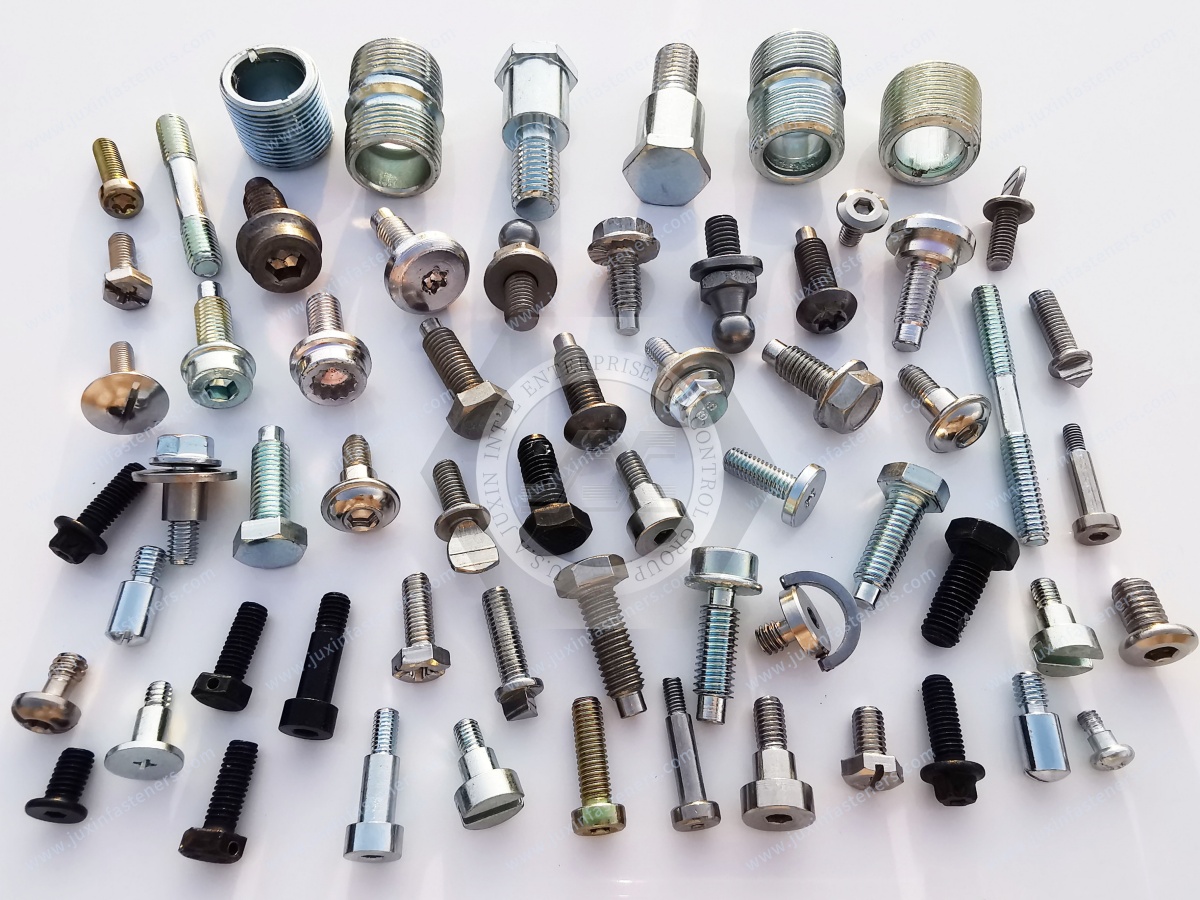
Why Do Bolts and Nuts Become Loose?
A threaded connection works by generating clamping force between assembled components.
During operation, external forces may reduce this clamping force.
Common causes include:
1. Vibration and Dynamic Loads
Applications such as:
Motors
Engines
Pumps
Vehicles
Machinery
generate continuous vibration.
Over time, vibration may cause relative movement between threaded components and reduce tightening force.
2. Shock Loading
Sudden impact forces can cause temporary separation between connected parts.
Examples:
Construction machinery
Mining equipment
Heavy vehicles
3. Incorrect Installation Torque
Insufficient tightening torque may cause:
Poor clamping force
Premature loosening
Excessive torque may cause:
Thread damage
Fastener failure
Proper torque control is essential.
4. Thermal Expansion and Contraction
Temperature changes may affect:
Bolt preload
Material expansion
Connection stability
High-temperature applications require suitable materials and locking solutions.
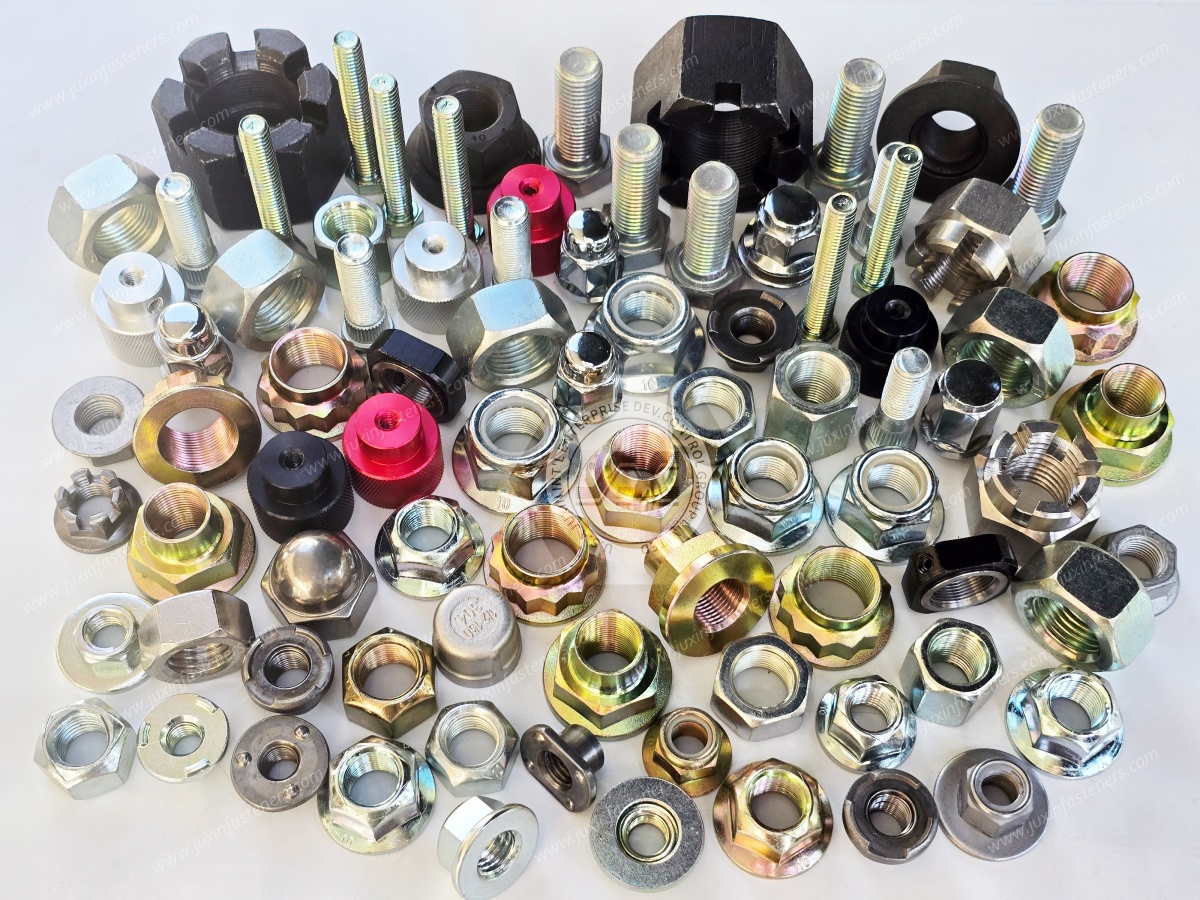
What Are Thread Locking Fasteners?
Thread locking fasteners are designed to prevent threaded connections from loosening during operation.
They improve connection reliability through:
Increased friction
Mechanical locking
Improved preload retention
Common solutions include:
Lock nuts
Thread locking screws
Flange nuts
Thread coatings
Mechanical locking systems
Types of Thread Locking Fasteners
1. Nylon Insert Lock Nuts
Nylon insert lock nuts are one of the most widely used anti-loosening solutions.
A nylon ring inside the nut creates additional friction against the bolt thread.
Advantages:
Reliable locking performance
Easy installation
Reusable in many applications
Cost-effective
Applications:
Automotive components
Electrical equipment
Machinery
General industrial assemblies
Common standards:
DIN 985
ISO 10511
2. All Metal Lock Nuts
All metal lock nuts provide higher temperature resistance compared with nylon insert lock nuts.
Advantages:
High temperature capability
Strong vibration resistance
Suitable for harsh environments
Applications:
Engines
Exhaust systems
Heavy machinery
Industrial equipment
Recommended where temperatures exceed the limits of nylon inserts.
3. Thread Locking Screws
Thread locking screws use special locking patches applied to the threads.
The coating increases friction between male and female threads.
Advantages:
Prevents loosening
Reduces maintenance
Suitable for automated assembly
Applications:
Motors
Pumps
Automotive electronics
Industrial machines
4. Serrated Flange Nuts
Serrated flange nuts use a toothed flange surface to create mechanical resistance against loosening.
Advantages:
Integrated washer function
Increased bearing surface
Improved vibration resistance
Applications:
Automotive assemblies
Sheet metal structures
Electrical equipment
5. Thread Locking Adhesives
Chemical thread lockers are applied directly to threads.
Benefits:
Fills thread gaps
Prevents vibration loosening
Seals against moisture
Suitable for:
Permanent assemblies
Precision machinery
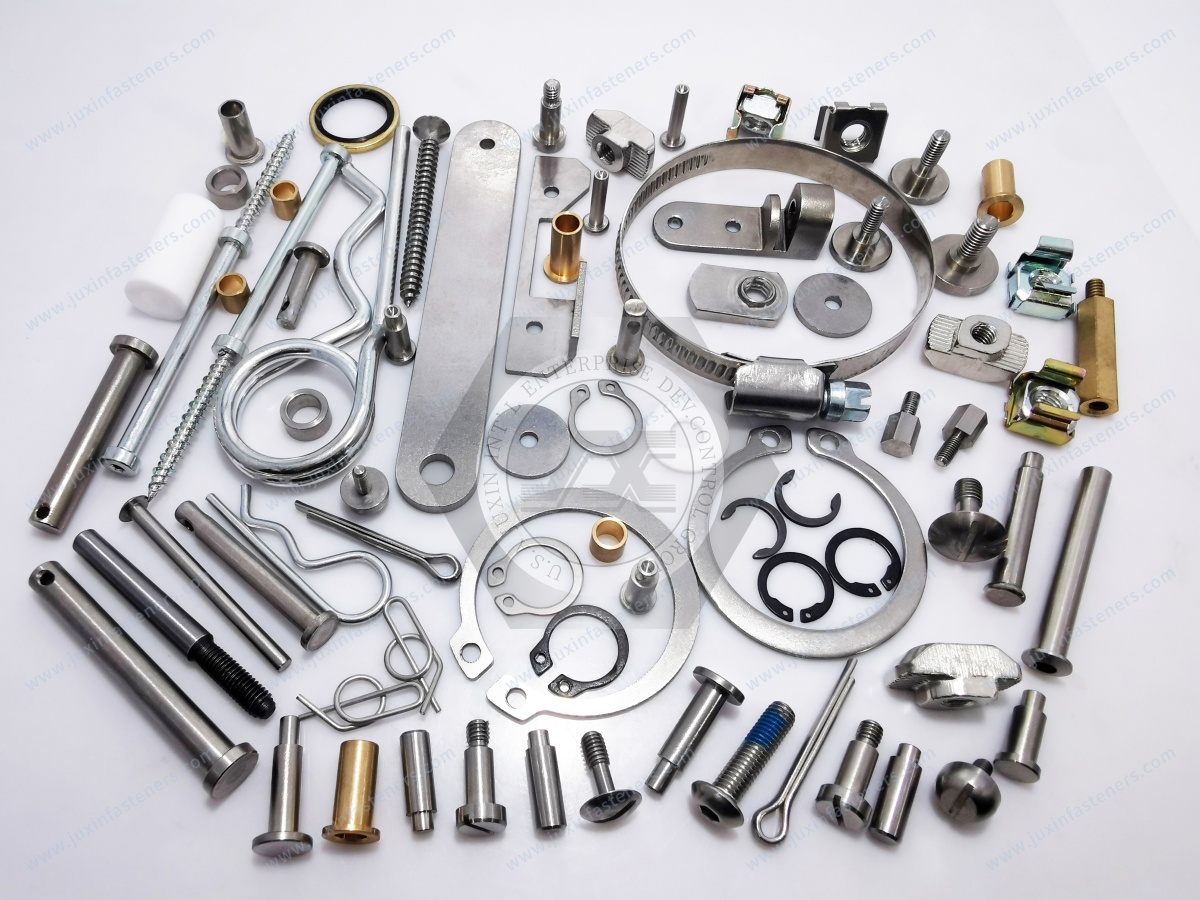
How to Select the Right Anti-Loosening Solution?
1. Consider Vibration Level
Different applications require different locking methods.
Low Vibration
Suitable:
Standard nuts
Flange nuts
Applications:
General equipment
Medium Vibration
Recommended:
Nylon insert lock nuts
Serrated flange nuts
Applications:
Automotive components
Electrical equipment
High Vibration
Recommended:
All metal lock nuts
Thread locking screws
Mechanical locking systems
Applications:
Heavy machinery
Engines
Railway systems
2. Consider Temperature Requirements
Temperature affects locking performance.
Nylon Insert Lock Nuts
Suitable for:
Normal industrial environments
Moderate temperatures
All Metal Lock Nuts
Suitable for:
High-temperature environments
Engines
Industrial equipment
3. Consider Maintenance Requirements
Some applications require frequent disassembly.
Recommended:
Nylon insert lock nuts
Thread locking screws
For permanent assemblies:
Thread locking adhesive
Mechanical locking systems
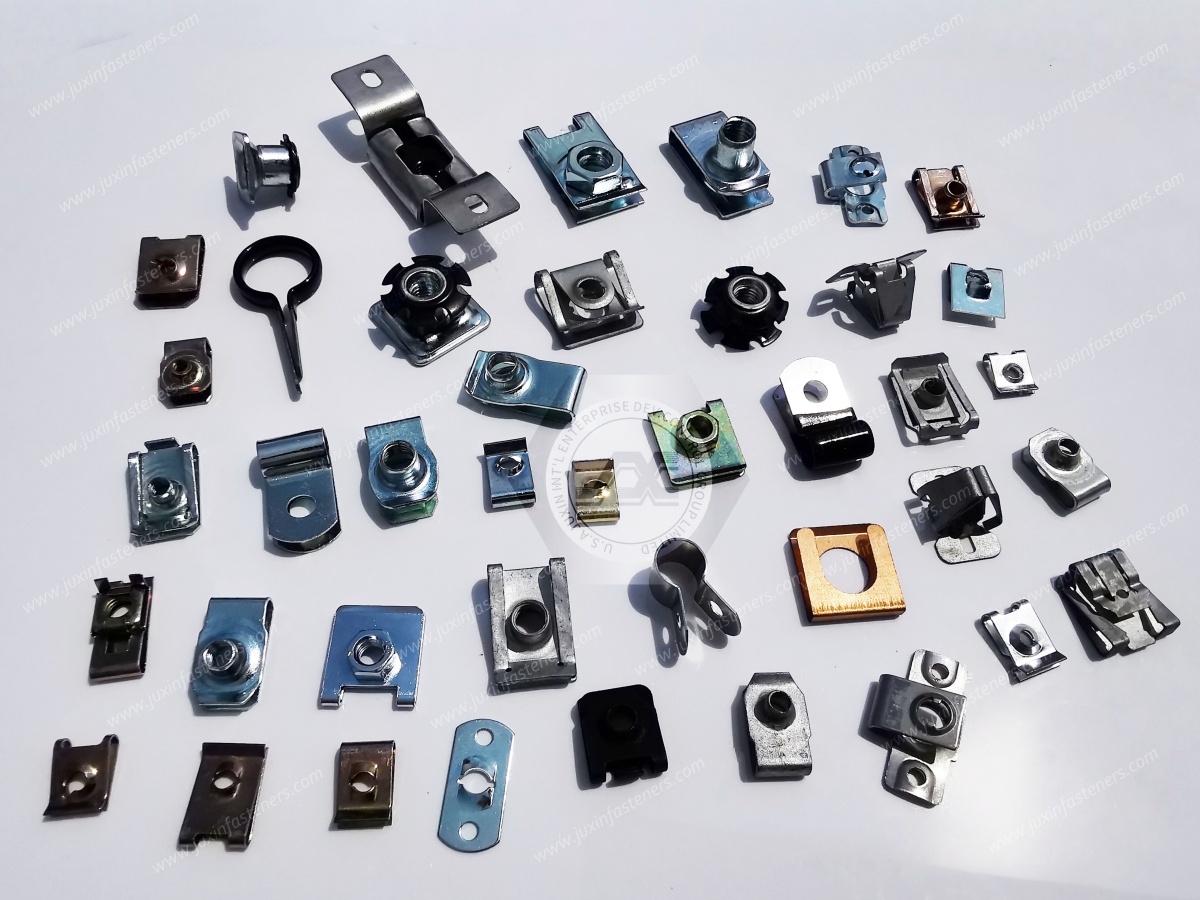
Thread Locking Fastener Applications
Automotive Industry
Vehicles experience continuous vibration during operation.
Applications:
Suspension systems
Engine components
Battery assemblies
Electronic modules
Recommended:
Nylon lock nuts
Thread locking screws
Flange nuts
Electric Vehicle (EV) Manufacturing
EV systems require reliable fastening solutions.
Applications:
Battery packs
Motor assemblies
Electronic control systems
Requirements:
Vibration resistance
Long service life
Corrosion protection
Recommended:
Locking nuts
Stainless steel fasteners
Thread locking solutions
Industrial Machinery
Industrial equipment operates under continuous mechanical stress.
Applications:
Motors
Pumps
Automation equipment
Production lines
Recommended:
All metal lock nuts
High strength bolts
Thread locking screws
Railway and Transportation Equipment
Transportation systems require high reliability.
Applications:
Rail components
Vehicle structures
Mechanical assemblies
Recommended:
Vibration-resistant fasteners
High strength locking solutions
Electrical and Telecom Equipment
Electrical equipment requires secure connections with easy maintenance.
Applications:
Control cabinets
Telecom cabinets
Power equipment
Recommended:
Nylon insert lock nuts
Stainless steel screws
Why Choose Juxin Fasteners for Locking Solutions?
Juxin Fasteners provides complete anti-loosening fastening solutions for global OEM customers.
Our product range includes:
Locking Fastener Products
DIN985 Nylon Insert Lock Nuts
All Metal Lock Nuts
Flange Lock Nuts
Thread Locking Screws
Custom Locking Fasteners
Manufacturing Capability
Supporting:
OEM drawings
Custom specifications
Large-volume production
Special materials
Material Options
Available:
Carbon steel
Stainless steel
Alloy steel
Brass
Surface Treatment Options
Including:
Zinc plating
Zinc-Nickel coating
Black oxide
Nickel plating
Passivation
Quality Control
Inspection includes:
Thread inspection
Torque testing
Locking performance testing
Dimensional inspection
Surface inspection
Conclusion
Preventing bolt loosening is critical for improving product safety, reliability, and service life.
The correct thread locking fastener solution depends on:
Vibration conditions
Temperature environment
Maintenance requirements
Load conditions
From nylon insert lock nuts to all-metal locking fasteners and thread locking screws, Juxin Fasteners provides reliable solutions for demanding industrial applications.
As a professional OEM fastener manufacturer, Juxin supplies customized locking fasteners, screws, bolts, and nuts for global industries.
Contact our engineering team for your fastening project.
Email: info@juxinfasteners.com
 MORE NEWS
Sep. 27, 2026
Sep. 27, 2026
Sep. 27, 2026
Contact Us
Tel.:
+86 020 8621 0320
+86 020 3121 6067
E-mail:
Technical Support:
Navigation
SEND INQUIREY