
Call Us
+86 136 6007 9809
Call Us
+86 136 6007 9809

Aug. 13, 2024
Automotive fasteners are critical components that directly affect vehicle safety, reliability, and long-term performance. Although fasteners represent a small percentage of a vehicle's total weight and cost, their failure can lead to serious consequences, including component damage, vehicle malfunction, and safety risks.
In modern automotive manufacturing, high-strength automotive fasteners, including bolts, screws, nuts, and precision fastening components, must meet strict requirements for:
Mechanical strength
Fatigue resistance
Corrosion resistance
Dimensional accuracy
Torque consistency
Long-term durability
This article explains the most common causes of automotive fastener failure, including delayed fracture, fatigue fracture, low-quality materials, and improper fastening processes. It also provides engineering solutions for selecting reliable fasteners for automotive and electric vehicle (EV) applications.
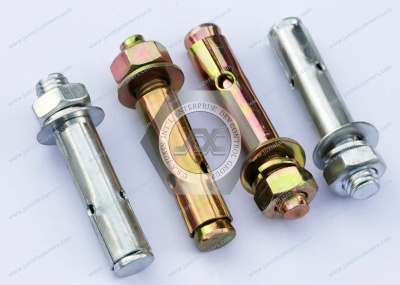
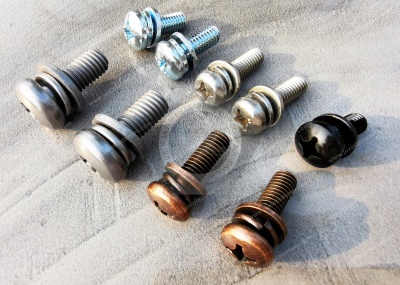
Automotive fasteners can generally be classified into three categories based on their safety importance.
Safety-critical fasteners are components where failure may result in severe vehicle failure or safety hazards.
Typical applications:
Brake systems
Steering systems
Suspension systems
Wheel assemblies
Battery pack structural connections
These fasteners require:
High-strength materials
Strict dimensional control
Advanced quality inspection
Traceability documentation
Critical fasteners are components where failure may cause major vehicle performance issues.
Examples include:
Engine components
Transmission systems
Chassis structures
Motor assemblies
Electric vehicle components
These applications usually require:
Grade 8.8 fasteners
Grade 10.9 fasteners
Grade 12.9 fasteners
Stainless steel or coated corrosion-resistant fasteners
General fasteners are used for non-safety-related applications where failure may only affect appearance or minor functions.
Examples:
Interior components
Covers
Brackets
Panels
Electrical housings
The main failure modes of automotive fasteners include:
Delayed fracture
Fatigue fracture
Corrosion-related failure
Poor-quality fasteners
Incorrect fastening installation
Understanding these failure mechanisms helps engineers select the correct fastening solution.
Delayed fracture is a sudden brittle failure that occurs after a fastener has been under static or low-level stress for a period of time.
Unlike immediate overload failure, delayed fracture may occur:
Months after installation
Years after vehicle operation
Without obvious warning signs
This phenomenon commonly affects:
High-strength bolts
Studs
Threaded automotive fasteners
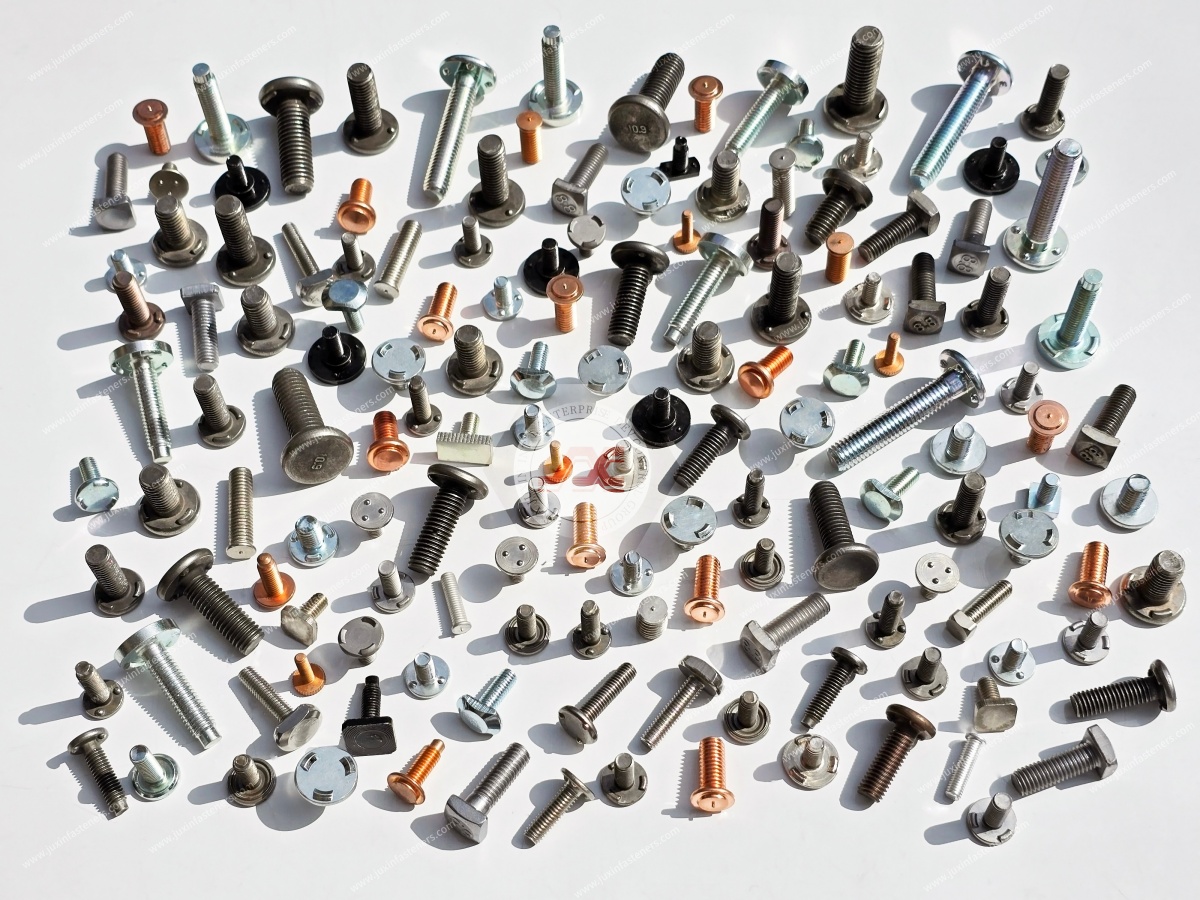
One of the primary causes of delayed fracture is hydrogen embrittlement.
Hydrogen can enter steel during:
Acid pickling
Electroplating
Surface treatment
Corrosion exposure
When hydrogen accumulates inside high-strength steel, it reduces ductility and creates internal stress concentration points.
High-strength fasteners are more sensitive to hydrogen embrittlement.
Fasteners with:
Tensile strength above 900 MPa
Hardness above approximately 31 HRC
require careful manufacturing control.
Prevention methods include:
Proper heat treatment
Hydrogen relief baking after plating
Controlled surface treatment
Material selection optimization
Fatigue failure is one of the most common failure modes in automotive fasteners.
Studies show that fatigue fracture represents a significant percentage of threaded fastener failures, especially under repeated dynamic loading.
Automotive vehicles experience continuous vibration and cyclic loads from:
Road conditions
Engine operation
Suspension movement
Motor vibration
Thermal expansion
These repeated stresses can initiate cracks at stress concentration areas.
Common fatigue initiation points include:
Thread roots
Bolt head transition areas
Fillet radius areas
Surface defects
Examples:
Forging cracks
Surface scratches
Welding defects
Non-metallic inclusions
Improper heat treatment
Threaded fasteners naturally contain stress concentration areas.
Improving fatigue resistance requires:
Optimized thread design
Improved surface quality
Proper preload control
Shot peening treatment
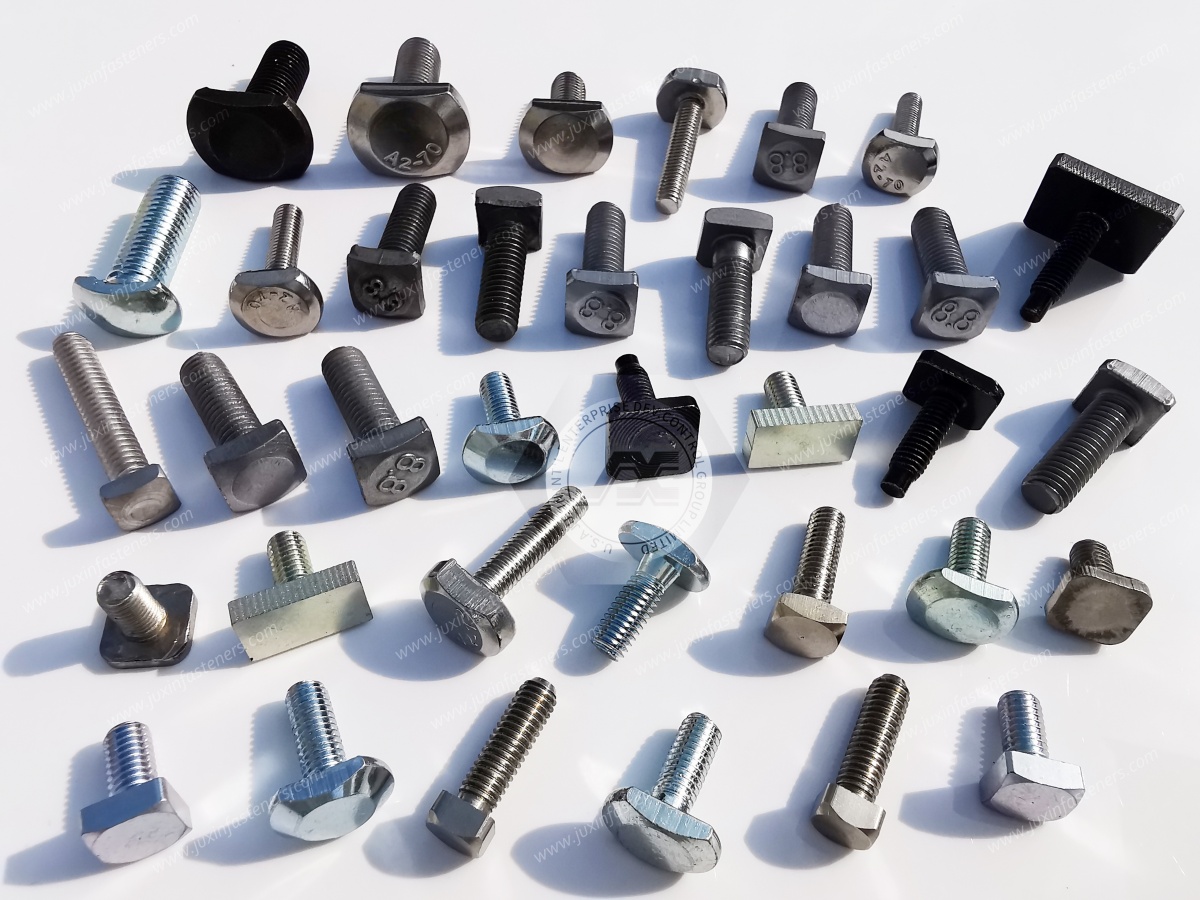
For demanding automotive applications, JUXIN FASTENERS supplies high-performance fastening solutions including:
Advantages:
High tensile strength
Excellent fatigue resistance
Compact head design
Suitable for limited installation spaces
Common grades:
Grade 8.8
Grade 10.9
Grade 12.9
Applications:
Automotive suspension systems
Mechanical assemblies
EV components
Industrial equipment
Designed for applications with limited clearance.
Features:
Reduced head height
High strength alloy steel construction
Space-saving design
Applications:
Automotive electronics
Compact mechanical assemblies
Battery systems
Advantages:
Integrated flange design
Improved load distribution
Eliminates separate washers
Improved assembly efficiency
Applications:
Automotive brackets
Chassis components
Sheet metal assemblies
For corrosion-sensitive applications:
Materials include:
304 stainless steel
316 stainless steel
18-8 stainless steel
Advantages:
Excellent corrosion resistance
Good chemical resistance
Long service life
Applications:
EV systems
Battery housings
Automotive electronics
Outdoor vehicle components
Counterfeit and low-quality fasteners remain a serious concern in global manufacturing.
Substandard fasteners may have problems including:
Incorrect material grade
Insufficient heat treatment
Poor dimensional accuracy
Incorrect hardness
Inconsistent mechanical properties
Lack of traceability
These issues can cause unexpected failures even when the original design is correct.
Reliable automotive fasteners require:
Verification of:
Raw material certificates
Chemical composition
Mechanical properties
Proper processes include:
Quenching and tempering
Carburizing
Stress relieving
Critical measurements:
Thread accuracy
Head dimensions
Surface defects
Coating thickness
Testing methods include:
Tensile testing
Hardness testing
Torque testing
Salt spray testing
Fatigue testing
Even high-quality fasteners can fail if installed incorrectly.
Common installation problems include:
Incorrect tightening torque
Insufficient preload
Over-tightening
Wrong fastener replacement
Improper tools
Correct tightening ensures:
Stable clamping force
Resistance to vibration loosening
Proper load distribution
Automotive manufacturers commonly use:
Torque-controlled tools
Angle tightening methods
Automated assembly systems
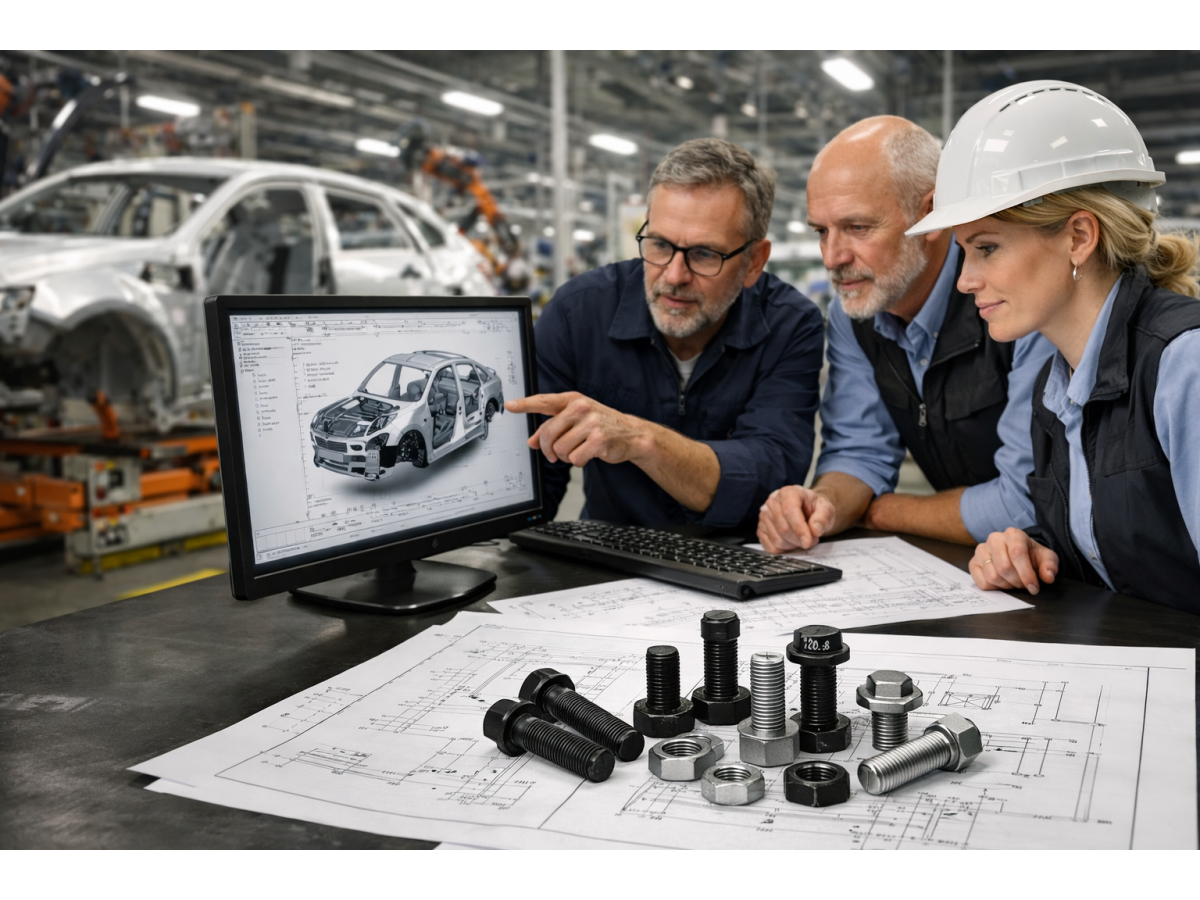
EV applications require reliable fastening solutions for:
Battery packs
Motor assemblies
Electrical systems
Structural components
Recommended fasteners:
High-strength alloy steel screws
Zinc-nickel coated bolts
Stainless steel fasteners
Applications:
Suspension systems
Steering components
Brake assemblies
Recommended:
Grade 10.9 bolts
Grade 12.9 socket head screws
Applications:
Control modules
Sensors
Electrical housings
Recommended:
Stainless steel screws
Precision machine screws
Small custom fasteners
Applications:
Trim panels
Brackets
Covers
Recommended:
Self-tapping screws
Thread-forming screws
Sheet metal fasteners
Professional automotive fasteners commonly comply with:
ISO 898-1
ISO 3506
DIN standards
ASTM A574
ASTM F593
SAE standards
IATF 16949 quality requirements
These standards ensure:
Consistent mechanical performance
Reliable production quality
Global compatibility
JUXIN FASTENERS provides customized fastening solutions for global automotive and industrial manufacturers.
Our automotive fastener products include:
High Strength Socket Head Screws
Automotive Bolts
Flange Screws
Alloy Steel Fasteners
Stainless Steel Fasteners
EV Battery Fasteners
Weld Nuts
Rivet Nuts
Thread Insert Nuts
Custom OEM Fasteners
We support applications in:
Automotive Manufacturing
Electric Vehicles (EV)
Battery Systems
Automotive Electronics
Industrial Machinery
Automation Equipment
New Energy Equipment
Our manufacturing capabilities include:
Cold heading production
Thread rolling
CNC machining
Heat treatment control
Surface coating management
100% inspection solutions
We help customers reduce fastener failure risks through engineering support, material selection, and reliable quality control.
The main causes include fatigue fracture, hydrogen embrittlement, corrosion, poor material quality, improper installation, and incorrect fastener selection.
Not always. Higher-strength fasteners require proper application design, surface treatment, and installation control to avoid hydrogen embrittlement and fatigue issues.
EV battery systems commonly use high-strength alloy steel screws, stainless steel fasteners, and corrosion-resistant coated fasteners depending on the application requirements.
Reliability can be improved through:
Correct material selection
Controlled manufacturing
Proper heat treatment
Surface protection
Torque management
Quality inspection
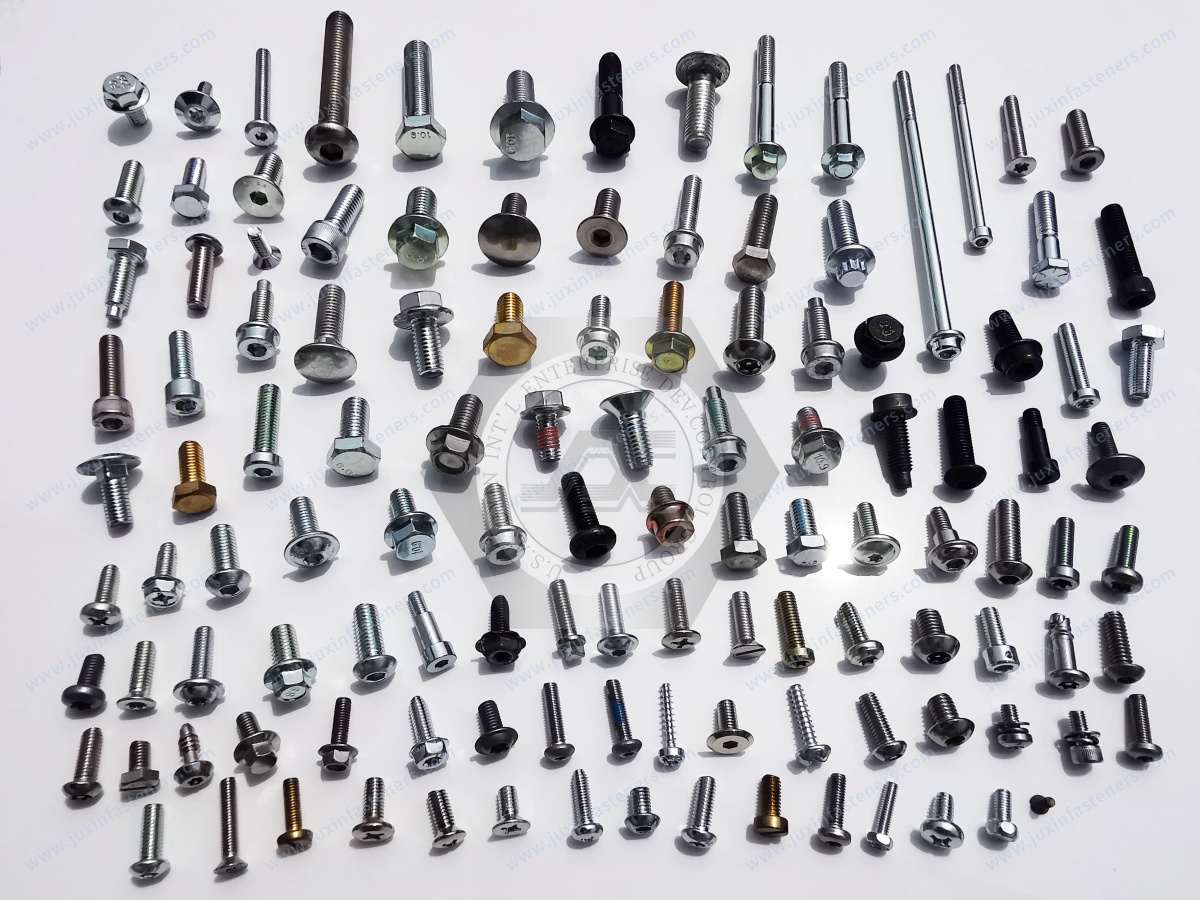
JUXIN FASTENERS provides high-strength automotive fasteners and OEM fastening solutions designed for demanding vehicle applications.
From prototype development to mass production, our engineering team supports customers with material selection, customized designs, and quality-controlled manufacturing.
Email: info@juxinfasteners.com
Website: https://www.juxinfasteners.com
 MORE NEWS
Sep. 27, 2026
Sep. 27, 2026
Sep. 27, 2026
Contact Us
Tel.:
+86 020 8621 0320
+86 020 3121 6067
E-mail:
Technical Support:
Navigation
SEND INQUIREY