
Call Us
+86 136 6007 9809
Call Us
+86 136 6007 9809

Aug. 13, 2024
Automotive fasteners are small but highly critical components that directly influence vehicle safety, durability, and structural performance. With the rapid development of electric vehicles (EV), lightweight automotive structures, and intelligent manufacturing, the requirements for high-strength automotive fasteners continue to increase.
Modern automotive fastening systems must provide:
High tensile strength
Excellent fatigue resistance
Stable preload performance
Corrosion resistance
Precise dimensional accuracy
Long-term reliability under vibration and temperature changes
The performance of automotive fasteners depends not only on the material selection but also on advanced manufacturing processes, including:
Cold heading
Thread rolling
Heat treatment
Surface treatment
Quality inspection
Torque control
This article explains the key materials, manufacturing technologies, and engineering considerations for producing reliable automotive screws, bolts, and precision fasteners.
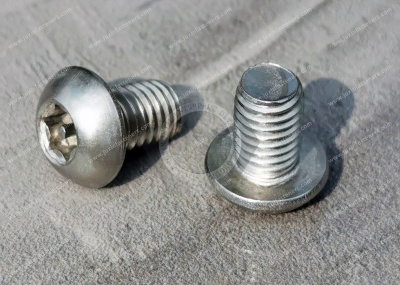
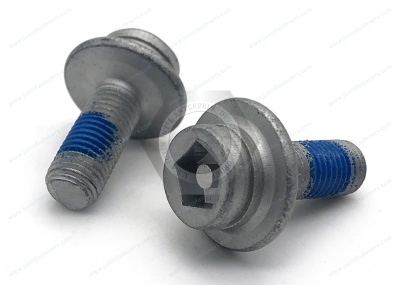
A threaded connection works by generating axial clamping force between assembled components.
The reliability of a bolted joint depends on controlling:
Bolt preload force
Friction coefficient
Thread engagement
Material strength
Tightening process accuracy
A properly designed automotive fastener must maintain sufficient clamping force throughout the vehicle lifetime despite:
Engine vibration
Road impact
Thermal cycling
Mechanical stress
Environmental exposure
Incorrect material selection or manufacturing defects can result in:
Loosening
Fatigue fracture
Delayed fracture
Loss of structural integrity
Medium carbon steel is one of the most commonly used materials for high-strength automotive bolts and screws.
Typical materials include:
35CrMo
40Cr
42CrMo
10B21 carbon steel
Advantages:
Excellent strength after heat treatment
Good toughness
Suitable for mass production
Cost-effective
Applications:
Engine components
Chassis systems
Suspension systems
Transmission assemblies
For high-performance applications requiring superior mechanical properties, alloy steel fasteners are widely used.
Common grades:
Grade 8.8
Grade 10.9
Grade 12.9
Advantages:
High tensile strength
Excellent fatigue resistance
High load capacity
Improved durability
Typical applications:
Automotive suspension systems
Steering components
Engine mounting systems
EV structural assemblies
Stainless steel fasteners are selected when corrosion resistance is a priority.
Common materials:
304 stainless steel (18-8)
316 stainless steel
316L stainless steel
Advantages:
Excellent corrosion resistance
Good chemical resistance
Long service life
Attractive appearance
Applications:
Automotive electronics
Battery systems
Exterior components
Marine vehicles
EV charging equipment
Heat treatment is one of the most important processes determining the mechanical performance of automotive fasteners.
The purpose of heat treatment is to achieve:
Higher tensile strength
Improved toughness
Better fatigue resistance
Reduced brittleness
Stable mechanical properties
Common heat treatment processes include:
This process creates a tempered martensitic structure.
Benefits:
Increased hardness
Improved strength
Better impact resistance
Commonly used for:
Grade 8.8 bolts
Grade 10.9 bolts
Grade 12.9 screws
Carburizing improves surface hardness while maintaining a tough core.
Advantages:
Wear resistance
High surface strength
Improved fatigue performance
Applications:
Automotive gears
Transmission fasteners
High-load components
Advanced steel production technology focuses on improving grain structure to enhance mechanical properties.
Fine grain structures provide:
Higher tensile strength
Better toughness
Improved fatigue resistance
Reduced fracture sensitivity
Modern alloy steels use elements such as:
Niobium (Nb)
Vanadium (V)
Chromium (Cr)
Molybdenum (Mo)
to optimize microstructure.
Cold heading is the primary manufacturing process for high-volume automotive screws and bolts.
Advantages:
High production efficiency
Excellent dimensional accuracy
Improved material utilization
Stronger fiber flow structure
Typical products:
Hex bolts
Socket head screws
Flange screws
Automotive special fasteners
Thread rolling forms threads through controlled material deformation instead of cutting.
Benefits:
Stronger thread structure
Improved fatigue resistance
Better surface finish
Higher production efficiency
Thread rolling improves:
Thread strength
Load-bearing capacity
Resistance to vibration loosening
CNC machining is used for complex or customized automotive fasteners.
Applications:
Non-standard screws
Precision shoulder screws
Special automotive components
Advantages:
Complex geometries
Tight tolerances
Custom designs
Surface treatment improves corrosion resistance and service life.
Common treatments include:
Advantages:
Cost-effective corrosion protection
Suitable for general automotive applications
Advantages:
Higher corrosion resistance
Suitable for EV and automotive applications
Better performance in harsh environments
Advantages:
Decorative black appearance
Reduced light corrosion resistance
Common for indoor machinery
Used for stainless steel fasteners.
Benefits:
Removes free iron contamination
Improves corrosion resistance
Enhances surface stability
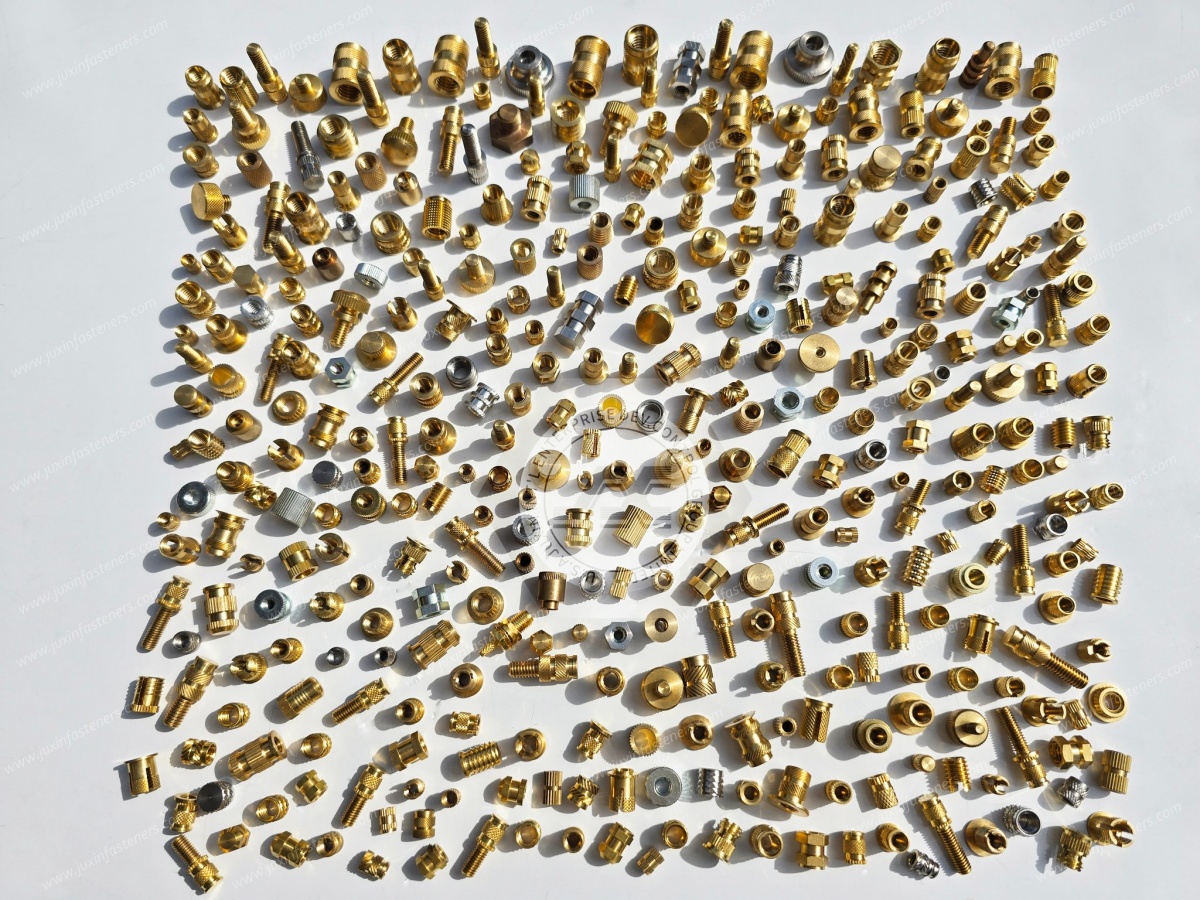
JUXIN FASTENERS provides a wide range of engineered fastening solutions for automotive applications.
Features:
High tensile strength
Compact design
Excellent fatigue performance
Available grades:
Grade 8.8
Grade 10.9
Grade 12.9
Applications:
Automotive structures
Machinery assemblies
EV components
Advantages:
Integrated flange design
Improved load distribution
Eliminates separate washers
Applications:
Automotive brackets
Sheet metal assemblies
Chassis components
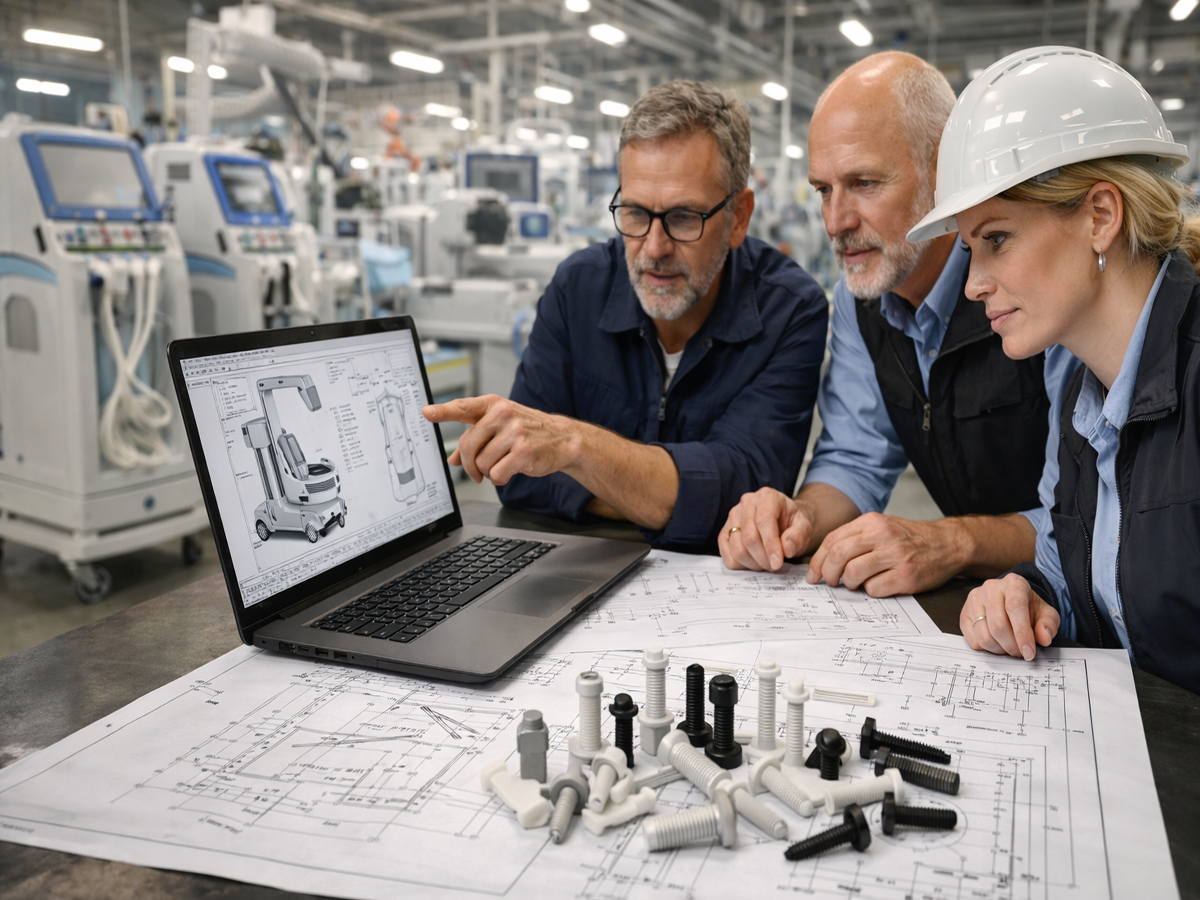
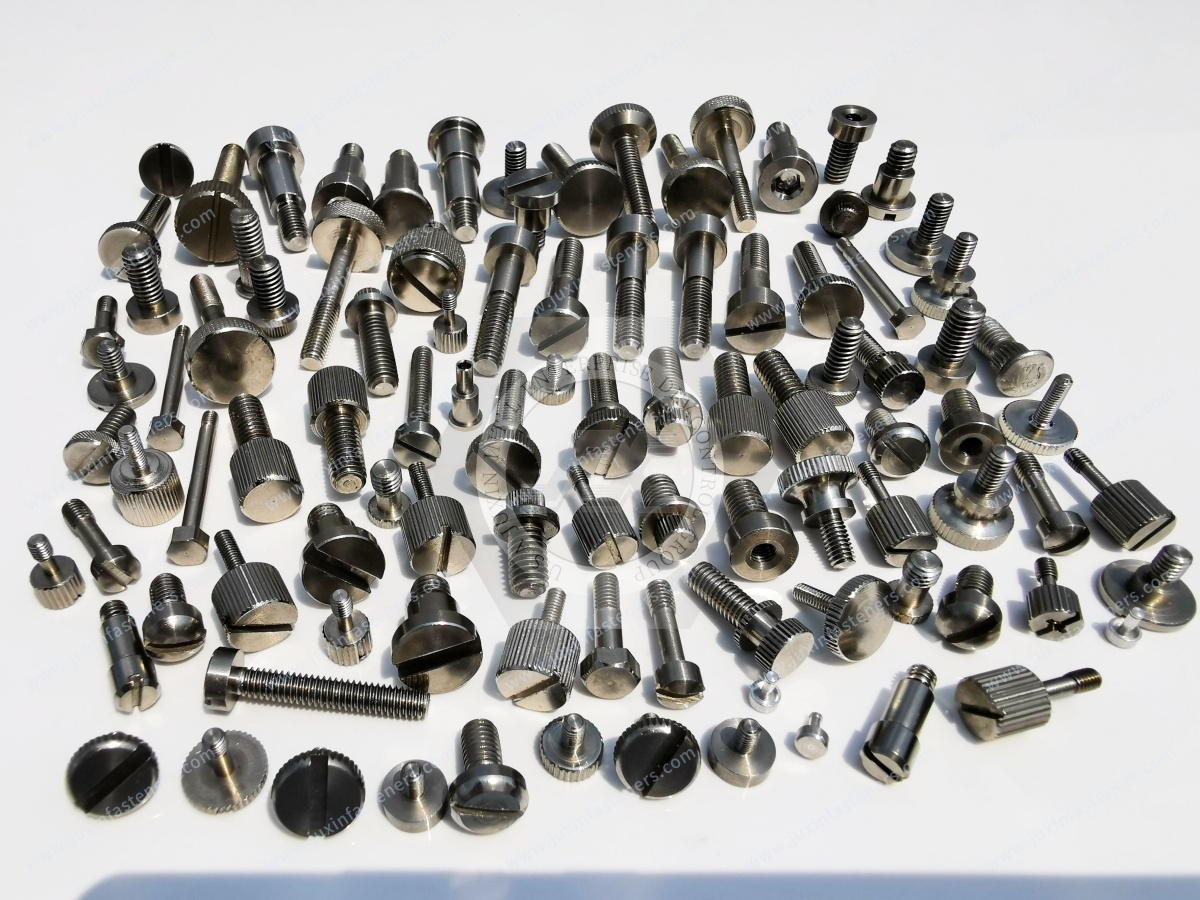
Shoulder screws are precision fasteners designed for applications requiring accurate positioning and movement.
Features:
Precision shoulder diameter
High strength alloy steel
Excellent dimensional stability
Applications:
Automotive tooling
Punch and die systems
Mechanical pivot assemblies
Designed with O-ring sealing systems.
Advantages:
Prevent fluid leakage
Block contamination
Suitable for harsh environments
Applications:
Hydraulic systems
Automotive equipment
EV cooling systems
Reliable automotive fasteners require strict control of:
Including:
Chemical composition
Grain structure
Raw material certification
Monitoring:
Temperature accuracy
Cooling rate
Hardness consistency
Checking:
Thread accuracy
Head dimensions
Surface defects
Including:
Tensile testing
Hardness testing
Torque testing
Fatigue testing
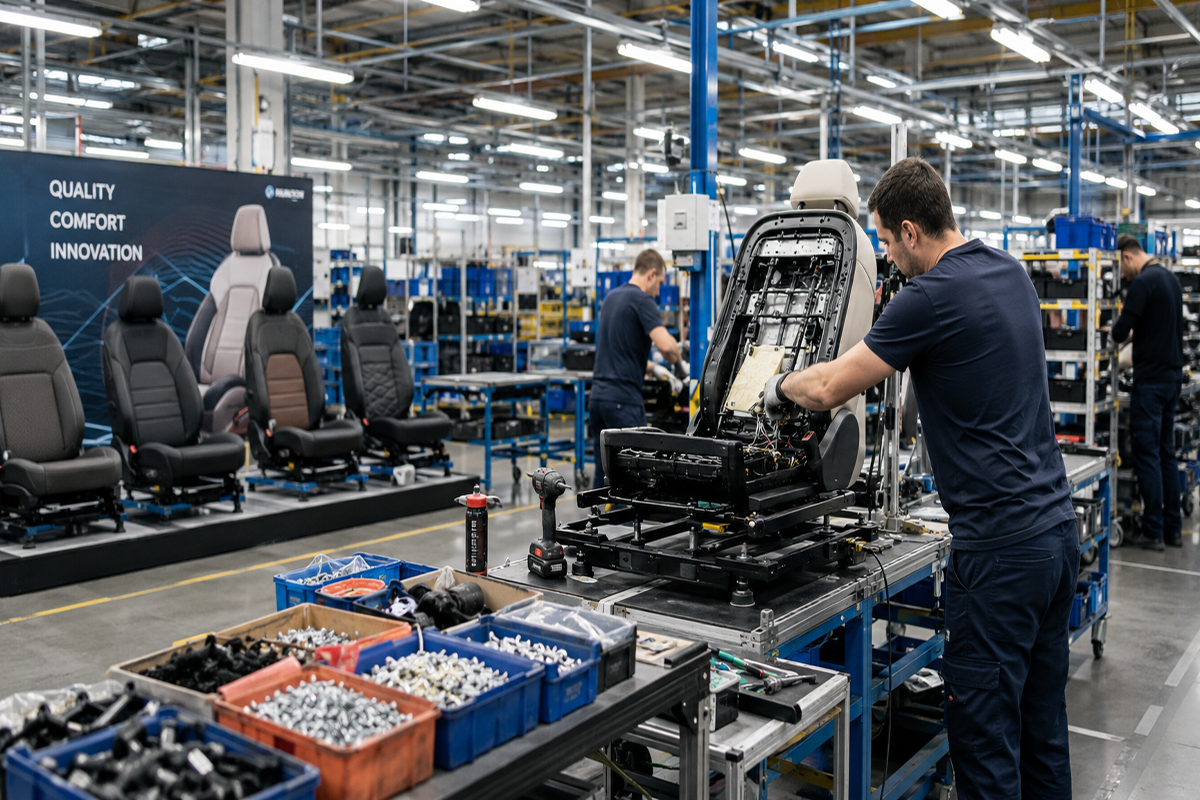
Fasteners are essential for:
Battery pack assemblies
Motor systems
Electrical modules
Structural components
Recommended solutions:
High-strength alloy steel screws
Zinc-nickel coated fasteners
Stainless steel fasteners
Applications:
Suspension
Steering
Brake systems
Requirements:
High fatigue resistance
Stable preload
Excellent mechanical strength
Applications:
Sensors
Controllers
Electrical housings
Recommended:
Stainless steel screws
Precision machine screws
Custom fasteners
Applications:
Assembly lines
Fixtures
Automation equipment
Recommended:
Shoulder screws
Socket head screws
Custom OEM fasteners
Professional automotive fasteners commonly comply with:
ISO 898-1
ISO 3506
DIN 912
DIN 931
DIN 933
ASTM A574
SAE J429
IATF 16949 quality requirements
These standards ensure:
Reliable mechanical performance
Consistent production quality
Global compatibility
JUXIN FASTENERS specializes in manufacturing high-strength automotive fasteners and OEM fastening solutions for global customers.
Our products include:
Automotive Screws
High Strength Bolts
Socket Head Cap Screws
Flange Screws
Shoulder Screws
Stainless Steel Fasteners
EV Battery Fasteners
Weld Nuts
Rivet Nuts
Thread Insert Nuts
Custom Precision Fasteners
We support industries including:
Automotive Manufacturing
Electric Vehicles (EV)
Battery Systems
Industrial Automation
Machinery Manufacturing
Electronics Equipment
Renewable Energy
Our manufacturing capabilities include:
Cold heading production
Thread rolling
CNC machining
Heat treatment control
Surface coating management
Precision inspection
Through strict process control and engineering expertise, JUXIN FASTENERS helps customers achieve reliable, durable, and cost-effective fastening solutions.
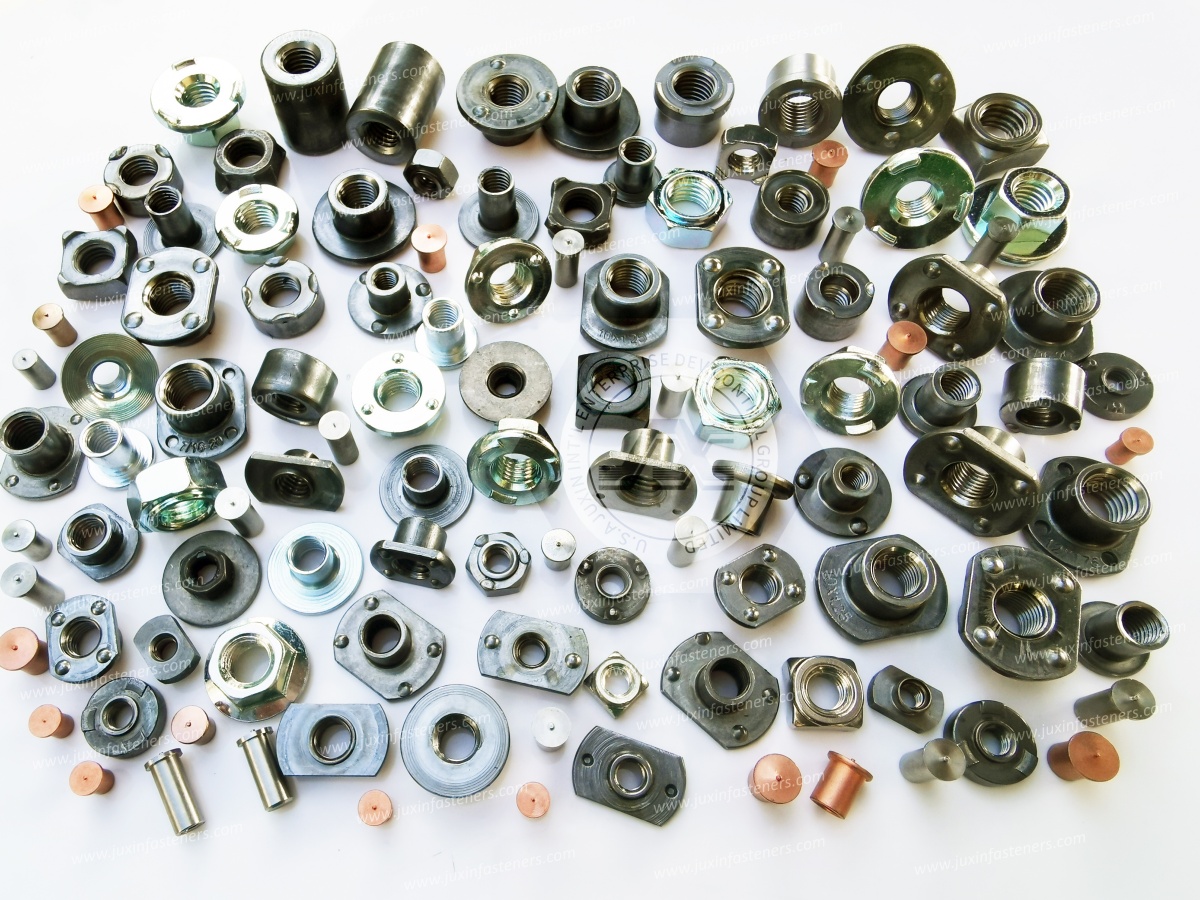
Common materials include carbon steel, alloy steel, stainless steel, and special alloys depending on strength and environmental requirements.
Heat treatment improves strength, toughness, fatigue resistance, and long-term reliability.
High-strength grades such as Grade 12.9 alloy steel fasteners provide extremely high tensile strength for demanding applications.
Common solutions include zinc plating, zinc-nickel coating, black oxide, and stainless steel material selection.
For high-quality automotive fasteners, EV fastening solutions, and custom OEM screws, JUXIN FASTENERS provides engineering support from material selection to mass production.
Our team can assist with:
Fastener design optimization
Material selection
Surface treatment recommendations
Custom production requirements
Email: info@juxinfasteners.com
Website: https://www.juxinfasteners.com
 MORE NEWS
Sep. 27, 2026
Sep. 27, 2026
Sep. 27, 2026
Contact Us
Tel.:
+86 020 8621 0320
+86 020 3121 6067
E-mail:
Technical Support:
Navigation
SEND INQUIREY