
Call Us
+86 136 6007 9809
Call Us
+86 136 6007 9809

Jun. 21, 2024
Automotive fasteners are critical components that ensure the structural integrity, safety, and reliability of vehicles. Although fasteners are relatively small compared with other automotive components, their performance directly affects vehicle durability, assembly reliability, and driving safety.
The correct selection of automotive fastener materials is one of the most important factors in fastener design and manufacturing. Material properties such as tensile strength, hardness, toughness, fatigue resistance, corrosion resistance, and cold forming performance determine whether a fastener can withstand complex automotive operating conditions.
As a professional OEM automotive fastener manufacturer, Juxin Fasteners provides customized fastening solutions using advanced materials, precision manufacturing processes, and strict quality control systems to support automotive OEMs, Tier 1 suppliers, and engineering companies worldwide.
Email: info@juxinfasteners.com
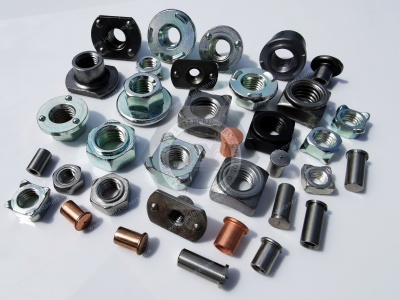
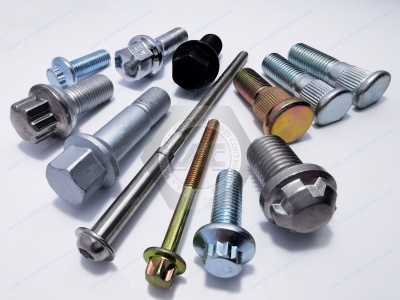
Automotive fasteners are widely used in critical vehicle systems, including:
Engine assemblies
Battery packs for electric vehicles (EV)
Chassis and suspension systems
Steering systems
Brake systems
Automotive interiors
Seat structures
Body-in-white assemblies
Thermal management systems
Different applications require different material characteristics.
For example:
Suspension bolts require high tensile strength and fatigue resistance.
Battery pack fasteners require excellent corrosion resistance.
Engine fasteners require high-temperature performance.
Interior fasteners require lightweight and corrosion-resistant solutions.
Selecting unsuitable materials may lead to:
Bolt fracture
Thread damage
Fatigue failure
Hydrogen embrittlement
Corrosion failure
Reduced service life
Therefore, automotive manufacturers must carefully evaluate material composition, manufacturing process, and surface treatment when selecting fasteners.
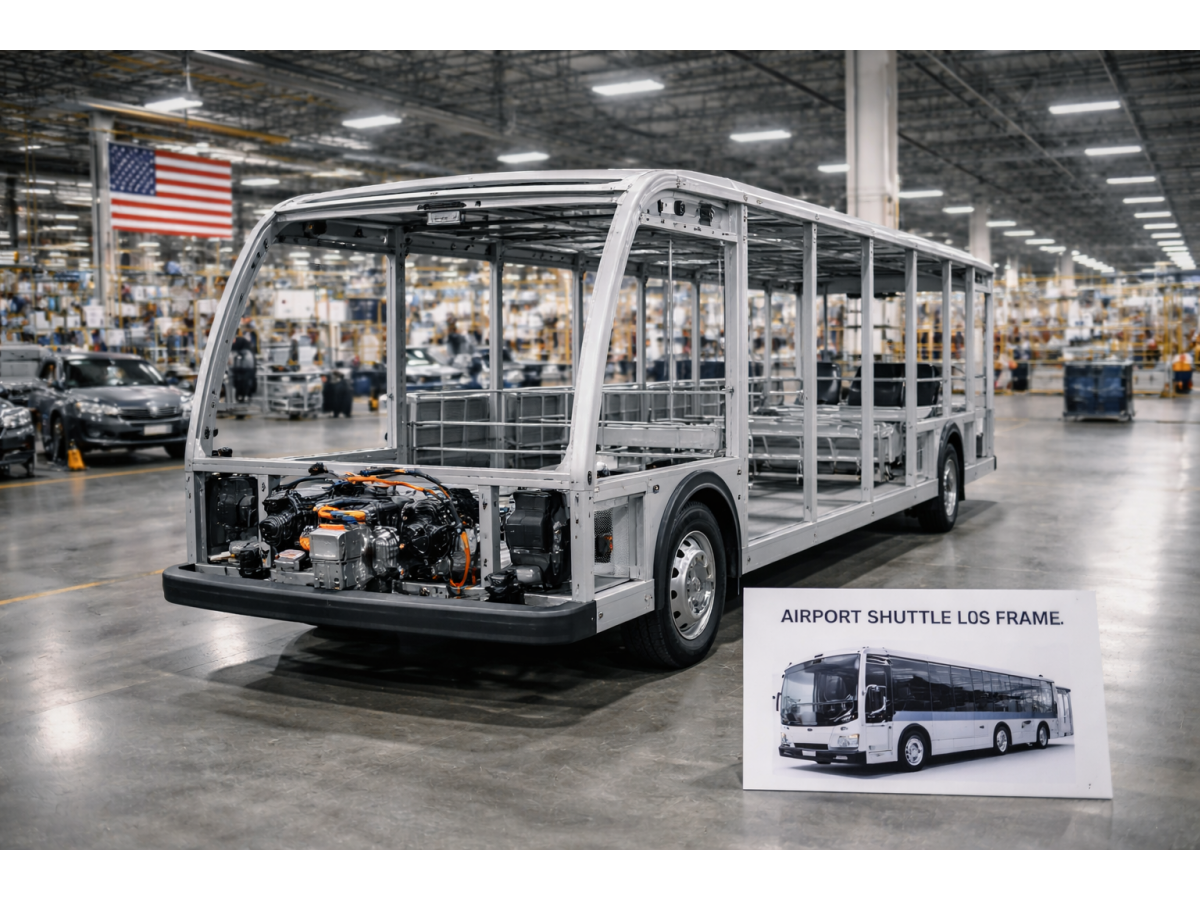
Carbon steel is one of the most widely used materials for automotive fasteners due to its excellent balance between strength, machinability, and cost efficiency.
Carbon steel classification:
Carbon content:
C ≤ 0.25%
Typical applications:
Standard screws
Clips
Brackets
Sheet metal fasteners
Advantages:
Excellent cold forming performance
Good weldability
Cost-effective
Carbon content:
0.25% < C ≤ 0.60%
Used for:
Automotive bolts
Flange bolts
Structural fasteners
After heat treatment, medium carbon steel can achieve higher mechanical strength.
Carbon content:
C ≥ 0.60%
Used for:
Springs
Elastic components
High wear resistance applications
Cold heading steel is the primary raw material for mass-produced automotive fasteners.
The cold heading process allows manufacturers to produce:
Hex bolts
Flange bolts
Nuts
Screws
Studs
Special automotive fasteners
without excessive machining, improving production efficiency and reducing material waste.
High-quality cold heading steel must provide:
Excellent plastic deformation ability
No cracking during forming
Stable mechanical properties
Good heat treatment response
Common international standards include:
ISO 4954 Cold Heading and Cold Extrusion Steel
SAE J403 Carbon Steel Chemical Composition
SAE J404 Alloy Steel Specifications
DIN 1654 Cold Heading Steel
JIS G3507 Cold Heading Carbon Steel
For high-performance automotive applications, alloy steel is widely used because of its superior mechanical properties.
Common alloy elements include:
Benefits:
Improves hardenability
Enhances wear resistance
Improves corrosion resistance
Increases high-temperature strength
Benefits:
Improves toughness
Enhances low-temperature performance
Maintains strength without reducing ductility
Benefits:
Improves heat resistance
Enhances fatigue performance
Improves hardenability
Benefits:
Grain refinement
Increased toughness
Improved creep resistance
Standard:
JIS G3507
Applications:
Grade 8.8 bolts
Flange bolts
Automotive screws
Advantages:
Excellent cold forming performance
Stable mechanical properties
Standard:
SAE J403
Applications:
8.8–10.9 grade automotive fasteners
Advantages:
Good hardenability
Excellent cold heading performance
Cost-effective alternative for high-strength fasteners
Standard:
JIS G4053
Equivalent:
35CrMo
42CrMo
Applications:
Grade 10.9 bolts
Grade 12.9 high-strength screws
Engine fasteners
Suspension fasteners
Advantages:
High tensile strength
Excellent fatigue resistance
Good toughness after heat treatment
Applications:
Grade 10.9 automotive structural bolts
Advantages:
High strength
Good cold forming ability
Improved reliability
Applications:
Grade 12.9 high-strength automotive fasteners
Advantages:
Excellent mechanical performance
Suitable for demanding applications
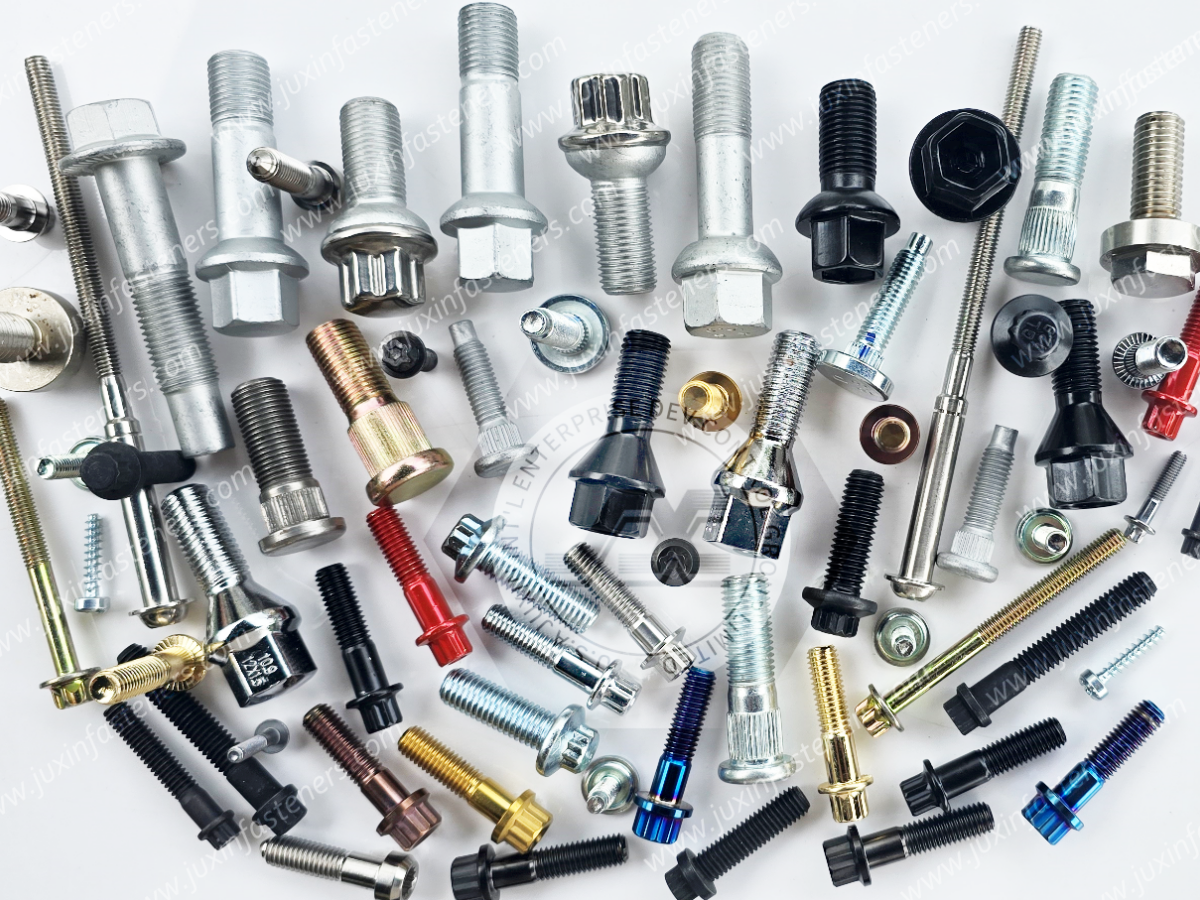
Modern vehicles require lightweight structures while maintaining safety performance.
Therefore, high-strength fasteners such as:
Applications:
General vehicle assemblies
Machinery fastening
Automotive brackets
Applications:
Suspension systems
Chassis components
Engine mounting systems
Battery structures
Properties:
High tensile strength
Improved fatigue resistance
Reliable preload performance
Applications:
High-performance automotive systems
Heavy-load fastening applications
Properties:
Extremely high strength
Excellent wear resistance
For environments requiring excellent corrosion resistance, stainless steel fasteners are widely applied.
Common materials:
Advantages:
Good corrosion resistance
Excellent appearance
Suitable for general automotive applications
Advantages:
Superior salt spray resistance
Excellent chemical resistance
Applications:
EV battery systems
Marine vehicles
Outdoor automotive components
Material selection alone cannot guarantee long-term durability.
Automotive fasteners require advanced surface protection:
Suitable for:
General automotive fasteners
Indoor applications
Advantages:
Economical corrosion protection
Recommended for:
Electric vehicles
Battery packs
Chassis systems
Advantages:
Excellent corrosion resistance
RoHS compliant
High salt spray performance
Applications:
High-strength automotive bolts
Advantages:
Excellent corrosion resistance
Reduced hydrogen embrittlement risk
Advantages:
Low friction
Anti-seizing performance
Improved assembly reliability
Applications:
Dry environments
Precision mechanical components
Juxin Fasteners controls the complete production process:
Testing includes:
Chemical composition analysis
Material certification verification
Hardness testing
Processes:
Multi-station cold forging
Precision forming
Material utilization optimization
Advantages:
Improved thread strength
Better fatigue resistance
Higher surface hardness
Including:
Quenching
Tempering
Carburizing
Stress relieving
Options:
Zinc plating
Zinc-nickel plating
Zinc flake coating
Dacromet
PTFE coating
Testing:
Tensile strength testing
Torque testing
Hardness testing
Salt spray testing
Thread inspection
Metallographic analysis
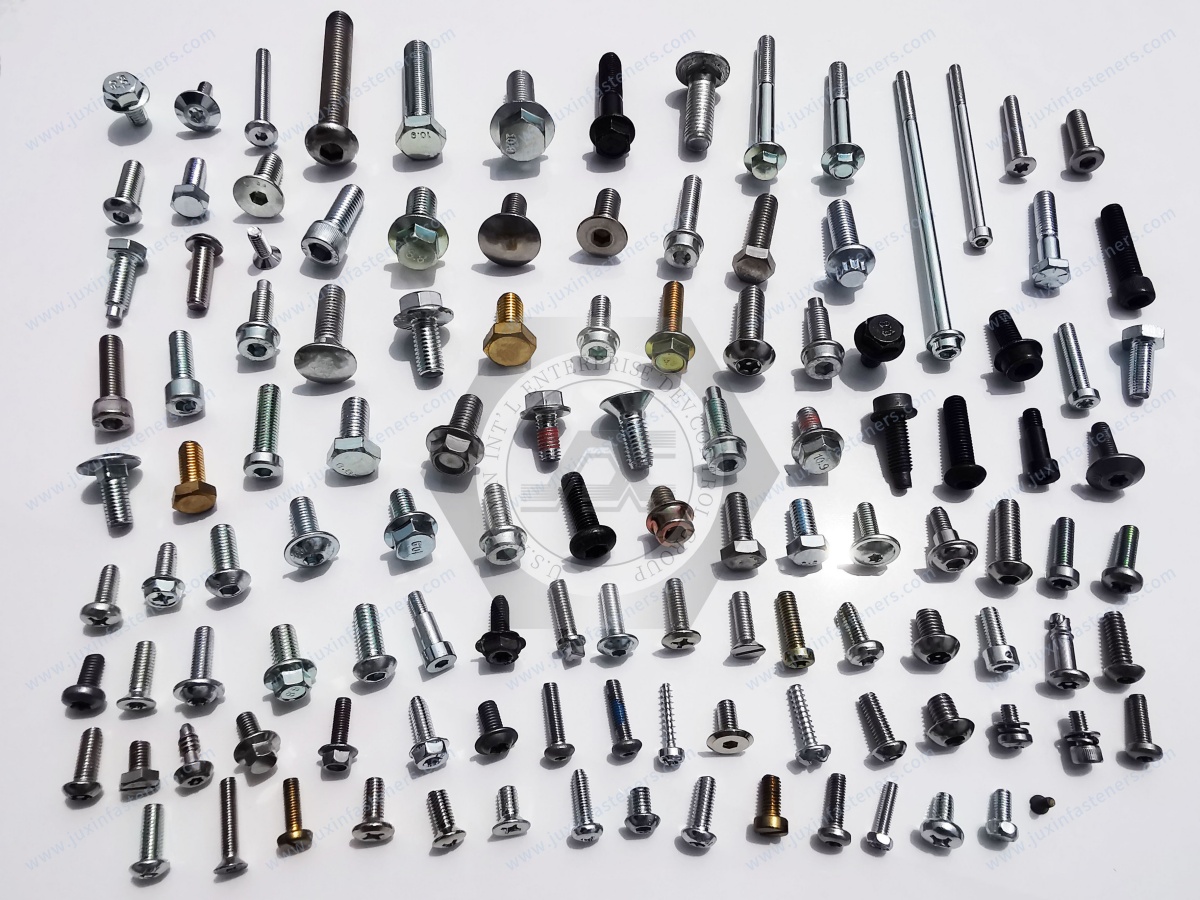
Cold heading performance is a key quality indicator.
The test evaluates:
Crack resistance
Plastic deformation ability
Material reliability
According to:
YB/T5293 Metal Material Upsetting Test Method
High-quality cold heading steel should achieve:
No cracks
Stable deformation
Consistent mechanical properties
Juxin Fasteners specializes in:
Custom automotive fasteners
OEM bolts and screws
High-strength automotive bolts
Cold heading fasteners
EV battery fasteners
Stainless steel fasteners
Zinc-nickel coated fasteners
Non-standard automotive fasteners
Our solutions support:
Automotive manufacturers
Electric vehicle companies
Battery manufacturers
Tier 1 suppliers
Mechanical engineering companies
With advanced manufacturing capabilities and strict quality management, Juxin Fasteners delivers reliable fastening solutions for global automotive industries.
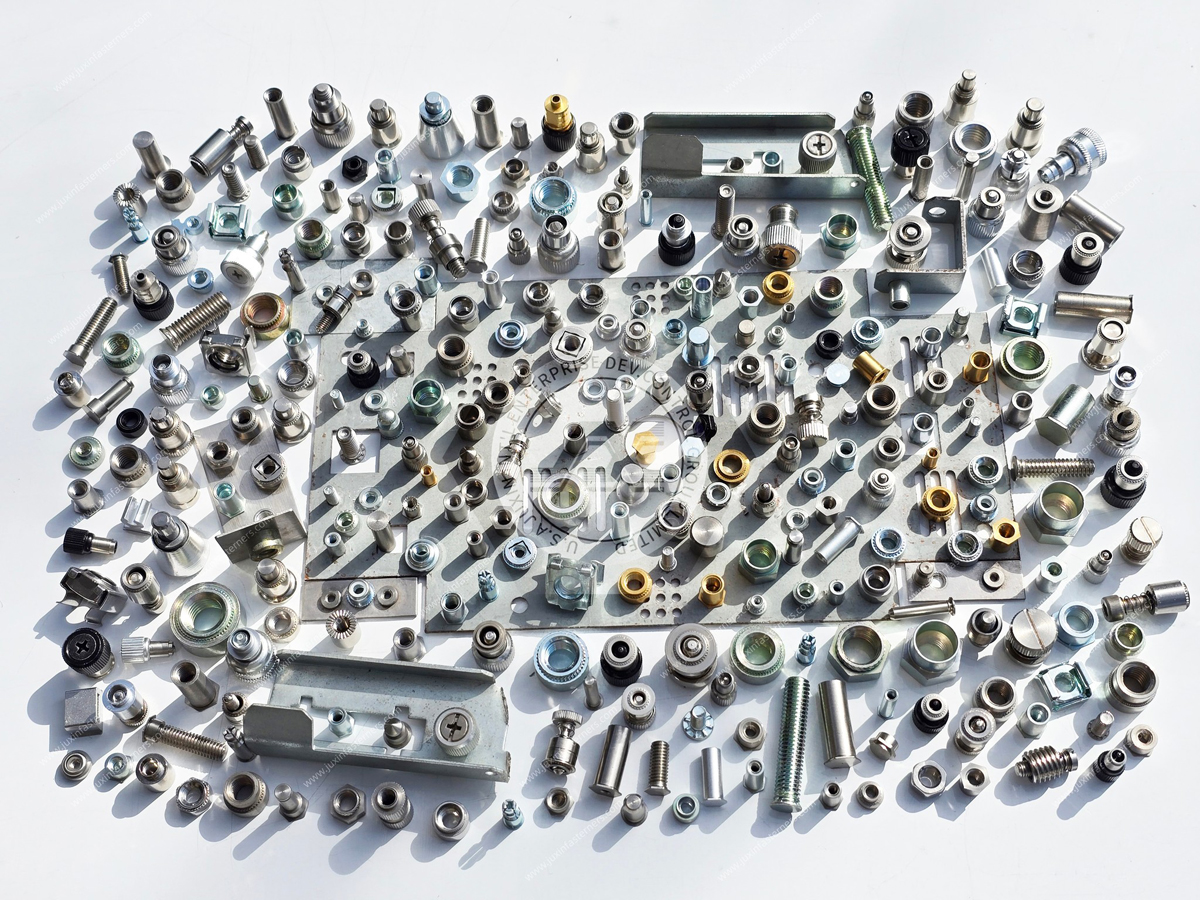
Contact Juxin Fasteners for OEM automotive fastening solutions.
Email: info@juxinfasteners.com
Website:
https://www.juxinfasteners.com
Juxin Fasteners — Reliable Fastening Solutions for Automotive and Industrial Applications.
 MORE NEWS
Sep. 27, 2026
Sep. 27, 2026
Sep. 27, 2026
Contact Us
Tel.:
+86 020 8621 0320
+86 020 3121 6067
E-mail:
Technical Support:
Navigation
SEND INQUIREY