
Call Us
+86 136 6007 9809
Call Us
+86 136 6007 9809

Jun. 13, 2024
Automotive fasteners are critical connection components that directly influence vehicle safety, durability, and long-term reliability. During vehicle operation, fasteners are exposed to harsh environments including moisture, road salt, temperature variations, chemicals, and mechanical vibration.
Components such as:
Automotive bolts
Flange screws
Pipe clamps
Elastic clips
Weld nuts
Threaded inserts
Structural fasteners
must maintain stable mechanical performance while resisting corrosion throughout the vehicle service life.
With the rapid development of electric vehicles (EV), lightweight vehicle structures, and new automotive technologies, traditional surface treatment methods are facing higher requirements for:
Corrosion resistance
Environmental compliance
Friction coefficient control
Electrical conductivity
Hydrogen embrittlement prevention
Assembly consistency
Juxin Fasteners provides advanced automotive fastener surface treatment solutions, including zinc-nickel plating, zinc-aluminum flake coating (Geomet/Dacromet alternative), black oxide coating, zinc plating, phosphating, and electrophoretic coating technologies for global automotive OEM and Tier suppliers.
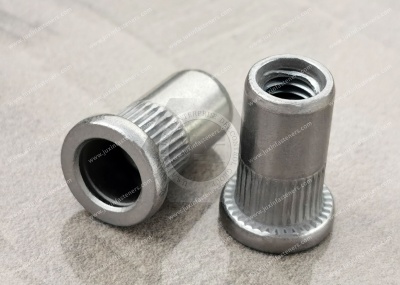
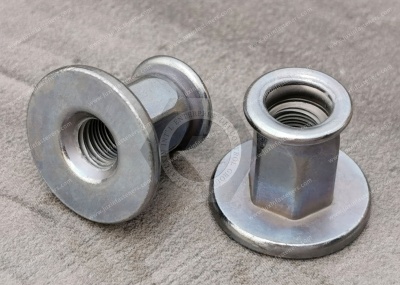
Automotive fasteners often operate in extremely demanding conditions.
Typical corrosion environments include:
Road salt exposure
Humidity and water spray
Temperature cycling
Battery system environments
Chemical contamination
Corrosion can cause:
Reduced fastener strength
Increased friction during assembly
Thread seizure
Difficulty during maintenance
Premature component failure
For safety-critical applications such as chassis systems, battery packs, and suspension assemblies, corrosion protection is an essential engineering requirement.
Modern automotive manufacturers require surface coatings that provide:
Fasteners must pass strict corrosion testing requirements, including salt spray testing according to international standards.
The friction coefficient directly affects:
Tightening torque
Clamping force
Assembly consistency
A stable coefficient of friction ensures reliable fastening performance in automated automotive production lines.
Due to restrictions on hexavalent chromium (Cr6+) substances, automotive fastener coatings must comply with:
RoHS requirements
REACH regulations
OEM environmental standards
Modern coating technologies are moving toward chromium-free and environmentally friendly solutions.
Zinc-nickel alloy coating is one of the most widely used premium surface treatments for automotive fasteners.
Compared with traditional zinc plating, zinc-nickel coating provides:
Higher corrosion resistance
Better temperature stability
Improved chemical resistance
Longer service life
Applications include:
EV battery pack fasteners
Automotive chassis bolts
Suspension components
Engine fasteners
Structural connection parts
Advantages:
✔ Excellent salt spray performance
✔ Suitable for harsh environments
✔ Reduced coating thickness compared with traditional systems
✔ Compatible with automotive assembly requirements
Zinc-nickel coated fasteners are increasingly used in new energy vehicles where long-term corrosion protection is critical.
Traditional Dacromet coatings provided excellent corrosion resistance but contained hexavalent chromium.
Modern automotive manufacturers increasingly use Geomet zinc-aluminum flake coatings as a chromium-free alternative.
The coating structure consists of overlapping zinc and aluminum flakes bonded together by inorganic compounds, creating a protective barrier layer.
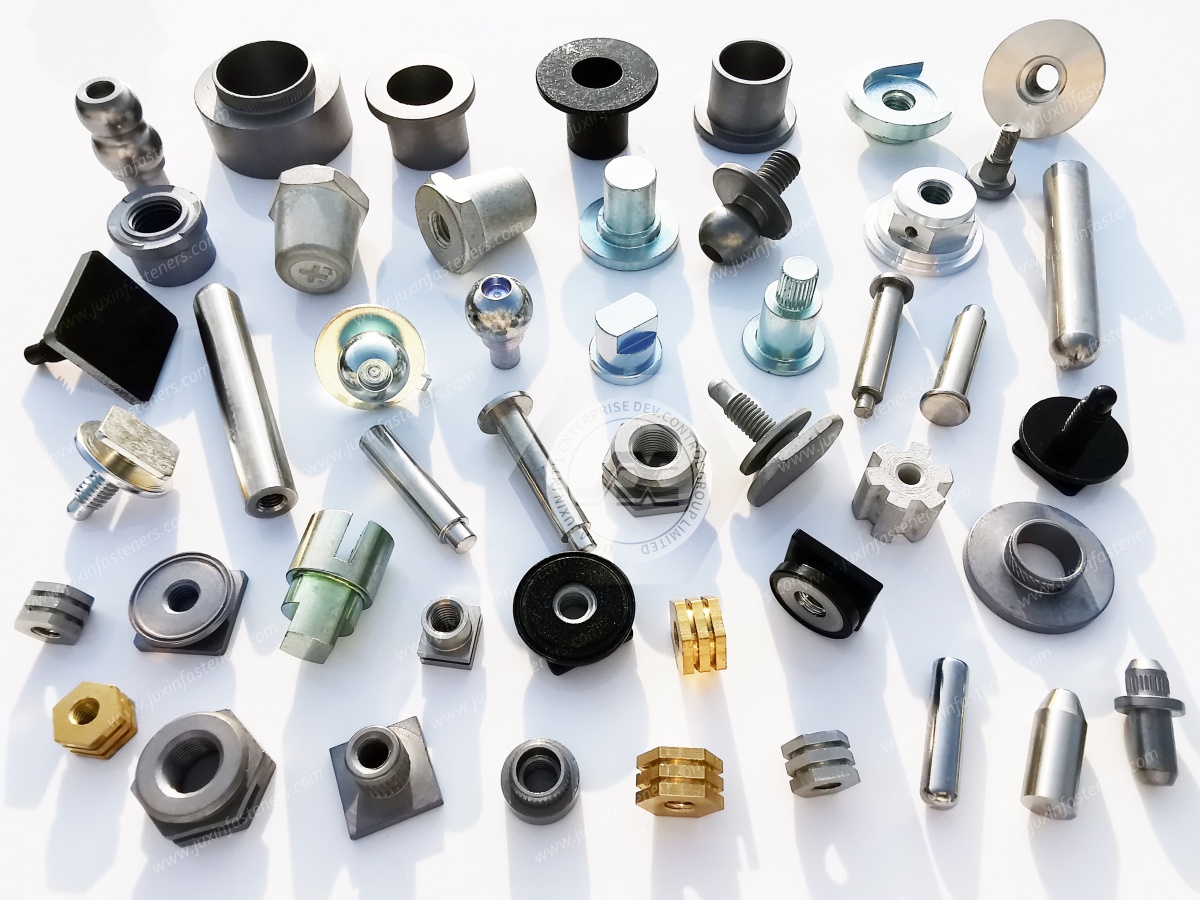
With a coating thickness of approximately 6–8 μm, zinc-aluminum flake coating can achieve excellent corrosion protection.
Benefits:
High salt spray resistance
Thin coating thickness
Excellent edge protection
Suitable for complex fastener geometries
Unlike electrolytic plating processes, zinc-aluminum flake coating does not generate hydrogen during processing.
This reduces the risk of:
Delayed fracture
Hydrogen embrittlement
High-strength bolt failure
Especially suitable for:
Grade 10.9 bolts
Grade 12.9 screws
High-strength automotive fasteners
Modern zinc-aluminum coating systems provide:
Chromium-free technology
Water-based processing
Reduced environmental emissions
No harmful wastewater generation
This meets the increasing environmental requirements of global automotive manufacturers.
In automotive assembly, controlling the friction coefficient is essential.
The same tightening torque can create different clamping forces depending on friction variation.
To improve assembly consistency, zinc-aluminum coatings are often combined with lubricating topcoats.
Typical friction coefficient ranges according to ISO 16047 testing:
| Top Coat Type | Friction Coefficient Range |
|---|---|
| PLUS XL | 0.06 – 0.09 |
| PLUS L | 0.08 – 0.14 |
| PLUS VL | 0.09 – 0.14 |
| PLUS ML | 0.10 – 0.16 |
| PLUS M | 0.12 – 0.18 |
These controlled friction systems are widely used for:
Automotive production lines
Automated tightening systems
High-volume vehicle manufacturing
Electrophoretic coating (E-coating) is another advanced corrosion protection technology used in automotive components.
The principle is based on electrically charged coating particles moving toward the opposite electrode.
Benefits include:
Uniform coating thickness
Excellent adhesion
High corrosion resistance
Environmentally friendly water-based process
Compared with traditional plating and passivation processes, electrophoretic coating provides significantly improved corrosion resistance.
Typical salt spray performance:
| Coating System | Salt Spray Resistance |
|---|---|
| Zinc phosphating + anodic electrophoresis | 120 hours |
| Zinc phosphating + cathodic electrophoresis | 200–300 hours |
| Zinc phosphating + zinc-rich primer + cathodic electrophoresis | 1000–1500 hours |
| Electroplating + cathodic electrophoresis + top coating | 500–1000 hours |
Electrophoretic coating technology provides:
Water-based coating materials
Reduced VOC emissions
Lower energy consumption
Recycling of coating materials
Reduced heavy metal emissions
It supports the automotive industry's transition toward greener manufacturing.
Surface-treated fasteners are widely used in:
Vehicle chassis systems
Suspension systems
Steering systems
Brake assemblies
Body structures
Recommended solutions:
Zinc-nickel plated bolts
Geomet coated screws
High-strength flange bolts
Thread-locking fasteners
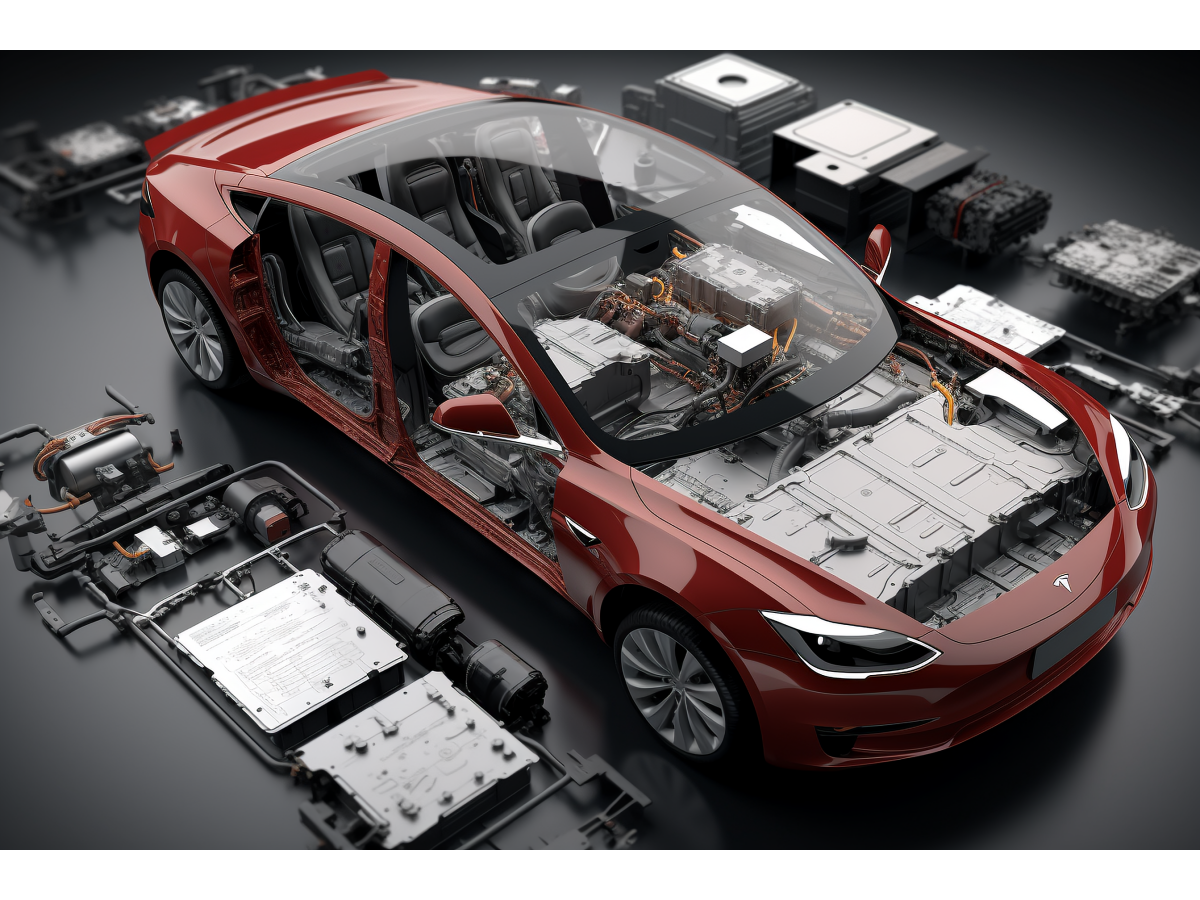
Electric vehicles require advanced corrosion protection due to battery systems and lightweight aluminum structures.
Applications:
Battery packs
Battery trays
Motor systems
Electrical enclosures
Recommended solutions:
Zinc-nickel coated fasteners
Chromium-free zinc-aluminum coatings
Corrosion-resistant inserts
High-performance coated fasteners are also used in:
Railway equipment
Construction machinery
Automation equipment
Heavy industrial systems
These industries require:
Long service life
High corrosion resistance
Reliable mechanical performance
Juxin Fasteners provides complete OEM fastener manufacturing and surface treatment solutions.
Our capabilities include:
Cold heading
Thread rolling
CNC machining
Heat treatment
Zinc plating
Zinc-nickel plating
Zinc-aluminum flake coating
Black oxide treatment
Phosphating
Customized coating solutions
Quality inspection includes:
Salt spray testing
Coating thickness measurement
Torque and friction testing
Hardness testing
Dimensional inspection
We support automotive OEMs, Tier 1 suppliers, and industrial manufacturers with customized fastening solutions.
The future of automotive fasteners will focus on:
Green surface treatment technologies
Chromium-free coatings
Intelligent manufacturing processes
Lightweight vehicle applications
Higher corrosion resistance requirements
With the growth of electric vehicles and advanced automotive structures, surface protection technology will continue to play a critical role in improving vehicle reliability and safety.
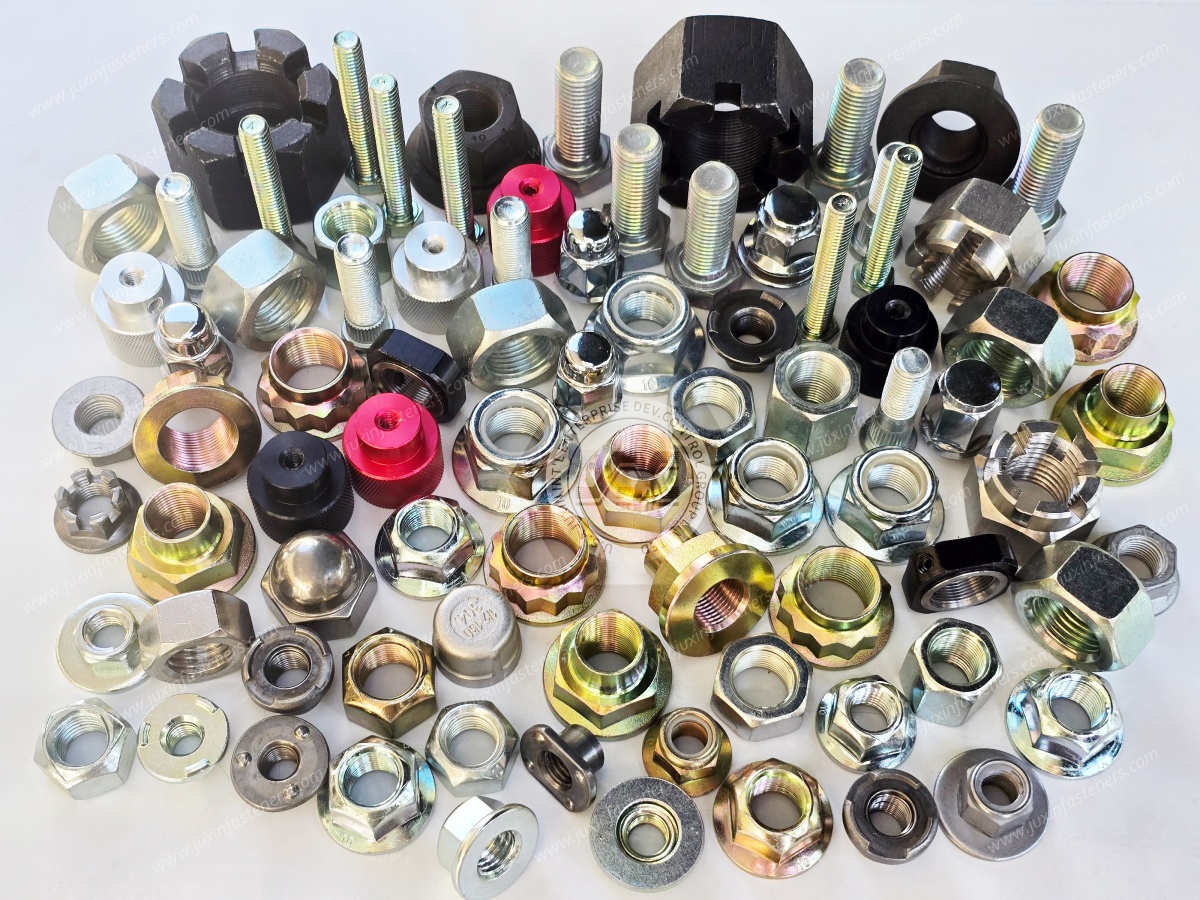
Looking for corrosion-resistant automotive fasteners or customized surface coating solutions?
Juxin Fasteners provides OEM fastening solutions for automotive, EV, and industrial applications.
Email: info@juxinfasteners.com
Website:
https://www.juxinfasteners.com
 MORE NEWS
Sep. 27, 2026
Sep. 27, 2026
Sep. 27, 2026
Contact Us
Tel.:
+86 020 8621 0320
+86 020 3121 6067
E-mail:
Technical Support:
Navigation
SEND INQUIREY