
Call Us
+86 136 6007 9809
Call Us
+86 136 6007 9809

Jun. 13, 2024
Automotive fasteners are critical safety components that directly affect vehicle reliability, structural integrity, and service life. With the continuous development of electric vehicles, lightweight vehicle structures, and high-performance automotive systems, modern automotive fasteners are required to withstand increasingly severe operating conditions.
High-strength automotive bolts, screws, nuts, and customized fastening components are exposed to:
Continuous vibration and impact loads
Extreme temperature variations
High tensile preload forces
Alternating dynamic loads
Corrosion environments
Long-term fatigue stress
During vehicle operation, fasteners experience not only axial tensile loads but also transverse shear forces, bending stresses, and repeated cyclic loading. These conditions make fatigue resistance and heat treatment quality essential factors in automotive fastener manufacturing.
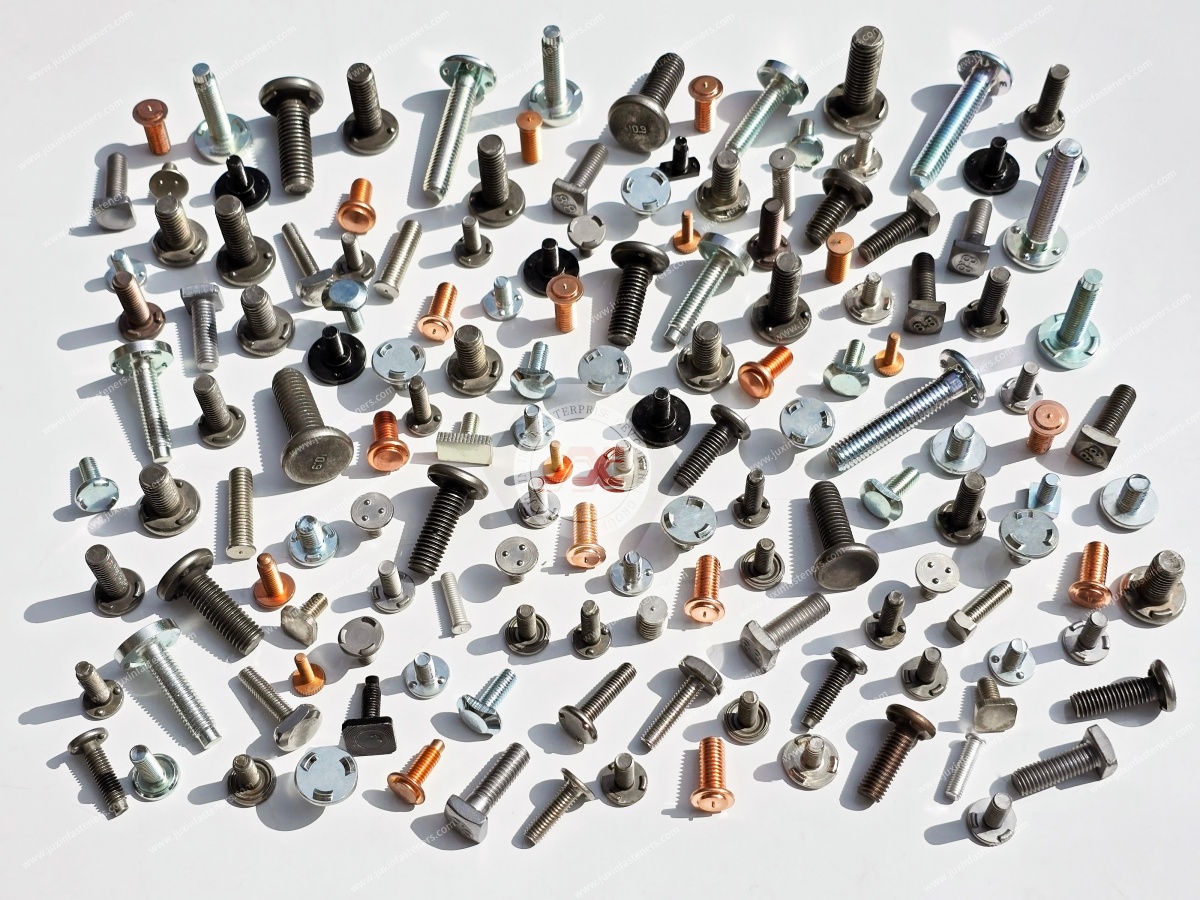
Juxin Fasteners provides professional OEM automotive fastener solutions, including high-strength bolts, alloy steel screws, shoulder screws, thread-locking fasteners, weld nuts, threaded inserts, and customized fasteners engineered for automotive and industrial applications.
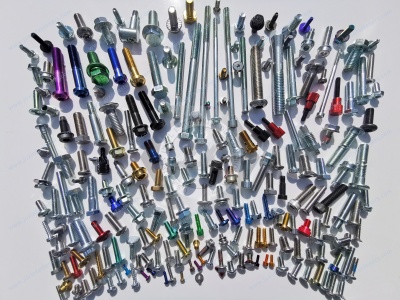
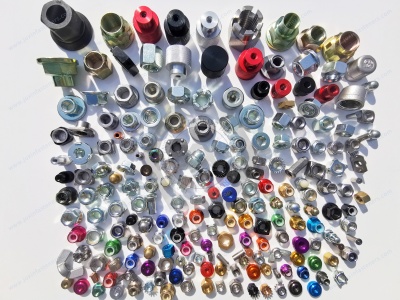
Heat treatment is one of the most important processes for improving the mechanical performance of automotive fasteners.
For high-strength fasteners above Grade 10.9, Class 12.9, and similar performance levels, the quenching process determines:
Hardness distribution
Hardened layer depth
Martensitic structure formation
Tensile strength
Fatigue resistance
Impact toughness
An optimized quenching process ensures that the entire bolt cross-section obtains a uniform microstructure, preventing premature failure caused by weak internal areas.
Improper heat treatment may result in:
Insufficient hardness
Uneven microstructure
Soft spots
Reduced yield strength
Fatigue crack initiation
Bolt fracture during service
The selection of an appropriate quenching medium is critical for achieving the required mechanical properties of automotive fasteners.
Common quenching mediums include:
Quenching oil
Rapid quenching oil
PAG polymer quenching solution
Water-based cooling systems
Different materials, bolt sizes, and strength requirements require different cooling characteristics.
Quenching oil is widely used for alloy steel automotive fasteners because it provides controlled cooling performance.
The main function of quenching oil is:
Rapidly remove heat from heated steel fasteners
Promote martensitic transformation
Achieve high hardness
Reduce deformation and cracking risks
A suitable quenching oil has specific cooling characteristics:
Faster cooling during the high-temperature stage
Controlled cooling during the low-temperature stage
This balance helps high-strength fasteners achieve:
Deep hardened layers
Uniform hardness distribution
Reduced thermal stress
Improved fatigue performance
Quenching oil is especially suitable for:
10.9 grade automotive bolts
12.9 grade alloy steel screws
High-strength flange bolts
Chassis fasteners
Suspension system fasteners
For continuous mesh belt furnace production lines, rapid quenching oil can significantly improve hardenability and production consistency.
Rapid quenching oil helps automotive fasteners achieve:
Faster cooling at high temperatures
Improved martensitic transformation
Increased hardened depth
Better mechanical consistency
It is suitable for materials including:
10B33 steel
45 steel
10B28 steel
SWRCH35K
42CrMo alloy steel
Applications include:
Automotive bolts
Engine fasteners
Transmission fasteners
Battery pack structural fasteners
During long-term operation, quenching oil performance can change due to:
Thermal oxidation
Polymerization reactions
Contamination
Water absorption
Additive degradation
These changes may affect:
Cooling speed
Hardness consistency
Surface brightness
Crack resistance
Professional fastener manufacturers regularly monitor quenching oil parameters, including:
Flash point
Viscosity
Acid value
Oxidation resistance
Residual carbon
Ash content
Sludge level
Cooling curve characteristics
By controlling quenching medium stability, manufacturers can reduce:
Rework rates
Scrap costs
Heat treatment defects
For larger size bolts or special alloy steel fasteners, PAG polymer quenching agents provide adjustable cooling performance.
Compared with traditional quenching oil, PAG systems offer:
Adjustable cooling rate
Lower cracking risk
Better dimensional control
Wide material compatibility
By controlling PAG concentration, manufacturers can optimize cooling behavior around the martensitic transformation zone.
Applications include:
Large automotive structural bolts
Heavy equipment fasteners
Railway fastening systems
Industrial machinery bolts
The hardenability of fastener materials directly affects their final performance.
When hardenability is insufficient:
The bolt core may not fully transform into martensite
Internal strength decreases
Yield strength becomes inconsistent
Fatigue resistance is reduced
Metallographic inspection may reveal:
Ferrite structures
Reticular ferrite
Uneven microstructure
Increasing hardenability can be achieved through:
Optimizing alloy composition
Improving quenching temperature control
Selecting higher-performance quenching mediums
A properly designed heat treatment process ensures the fastener achieves a uniform hardened structure throughout the cross-section.
Heat treatment is not the only factor influencing automotive bolt reliability.
Thread manufacturing quality is equally important.
During thread rolling, improper forming conditions may create:
Thread folding defects
Material flow problems
Chip accumulation
Stress concentration areas
These defects can become starting points for fatigue cracks.
To improve thread fatigue performance, manufacturers must control:
Thread rolling parameters
Surface quality
Lubrication conditions
Dimensional accuracy
Using advanced thread forming lubricants helps:
Reduce friction
Prevent chip buildup
Improve thread surface quality
Extend bolt fatigue life
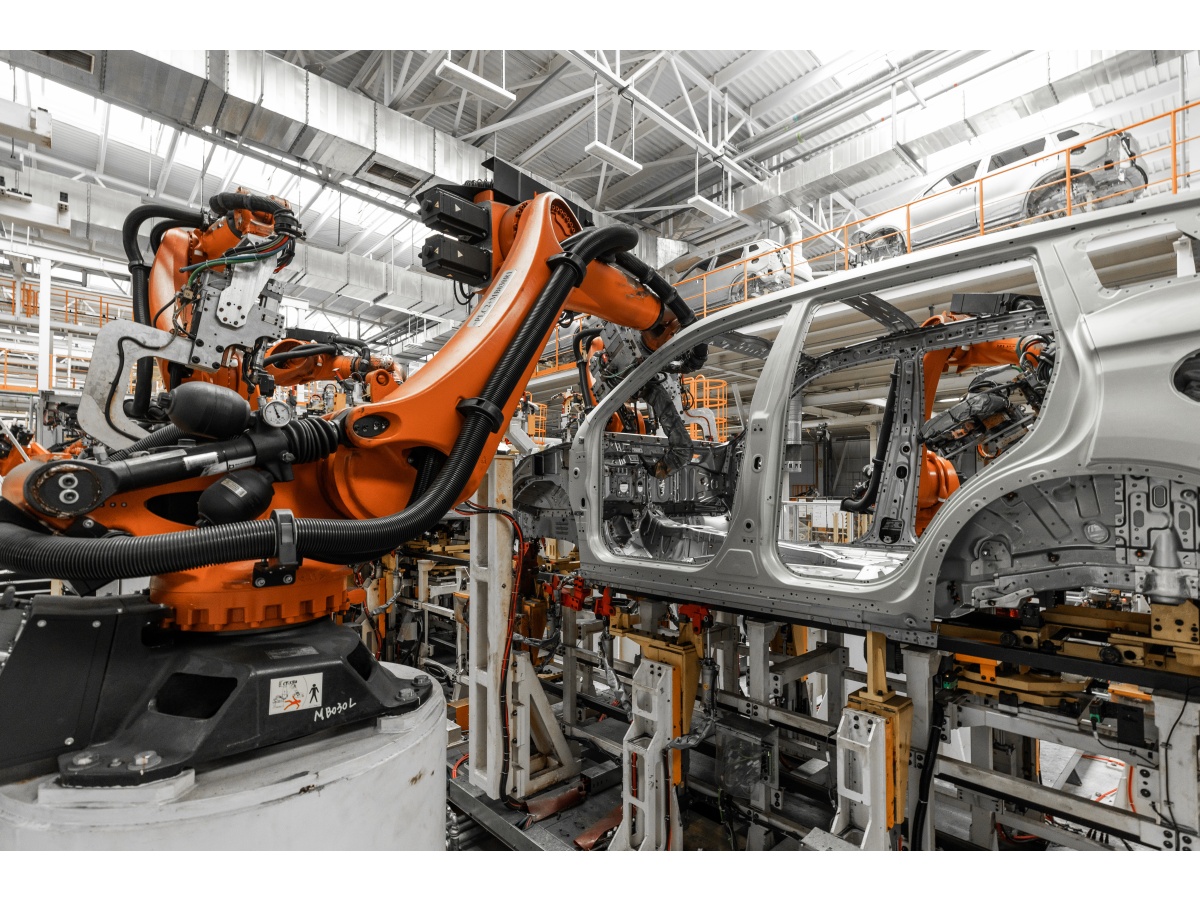
Juxin Fasteners provides engineered fastening solutions for multiple industries:
Applications:
Vehicle chassis systems
Suspension assemblies
Steering components
Brake systems
Powertrain assemblies
Products:
High-strength bolts
Alloy steel screws
Flange bolts
Shoulder screws
Thread-locking screws
EV manufacturers require fasteners with:
High strength
Corrosion resistance
Long service life
Lightweight compatibility
Applications:
Battery trays
Battery modules
Aluminum structures
Electrical enclosures
Solutions:
Zinc-Nickel coated fasteners
High-strength structural bolts
Customized inserts
Special OEM fasteners
High-performance heat-treated fasteners are also used in:
Railway equipment
Construction machinery
Automation systems
Heavy industrial equipment
These applications require:
High fatigue resistance
Impact durability
Reliable fastening performance
Juxin Fasteners provides complete OEM fastener manufacturing services, including:
Cold heading
Thread rolling
CNC machining
Heat treatment
Quenching and tempering
Surface treatment
Precision inspection
Quality testing includes:
Tensile strength testing
Hardness testing
Metallographic analysis
Thread inspection
Salt spray corrosion testing
Dimensional inspection
We support global automotive manufacturers and industrial customers with customized fastening solutions based on drawings, samples, and technical requirements.
✔ Professional automotive fastener manufacturing experience
✔ Advanced heat treatment and quenching technology
✔ High-strength alloy steel fastener capability
✔ OEM customization from prototype to mass production
✔ Corrosion-resistant coating solutions
✔ Support for EV and automotive applications
Whether you need automotive bolts, high-strength screws, alloy steel shoulder screws, thread-locking fasteners, or customized OEM fasteners, Juxin Fasteners delivers reliable fastening solutions engineered for demanding applications.
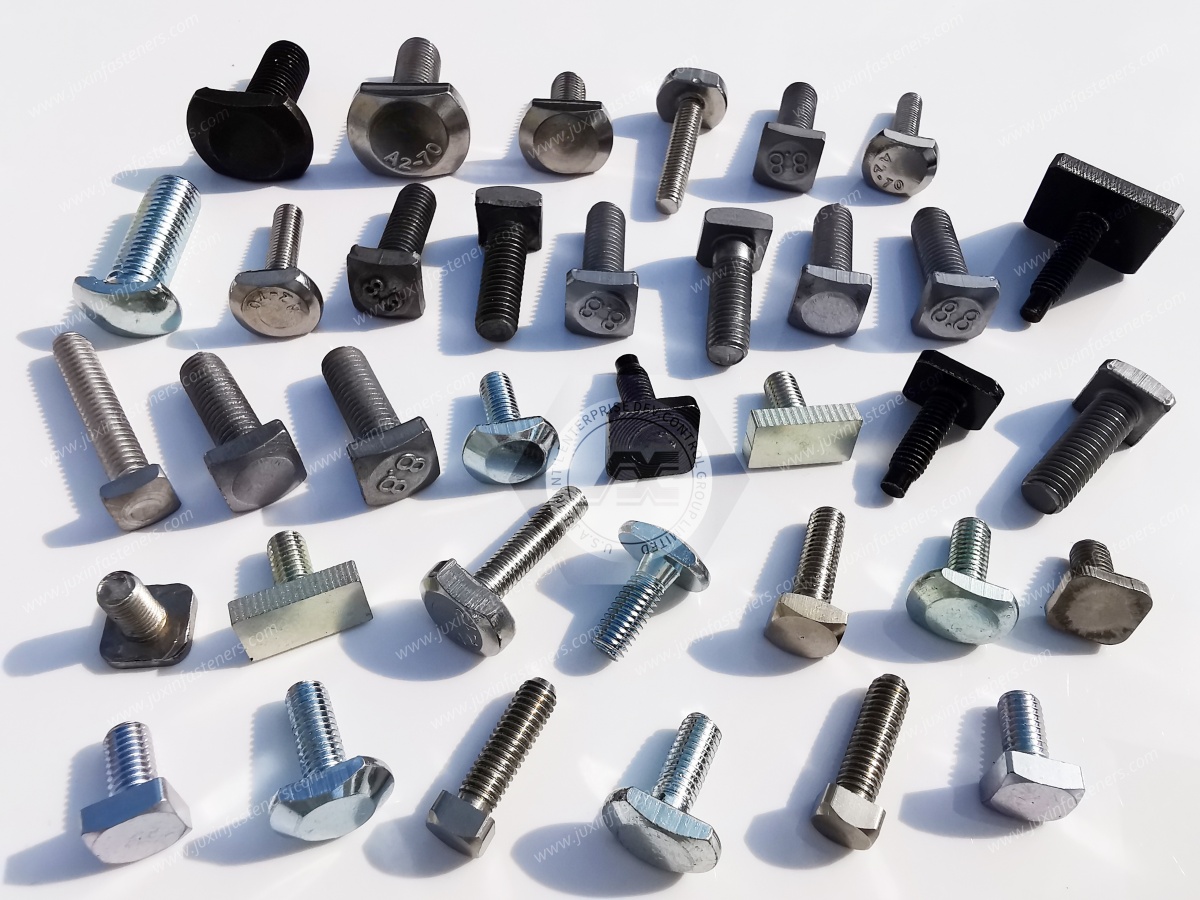
Need high-performance automotive fasteners or customized heat-treated fastening solutions?
Email: info@juxinfasteners.com
Website:
https://www.juxinfasteners.com
 MORE NEWS
Sep. 27, 2026
Sep. 27, 2026
Sep. 27, 2026
Contact Us
Tel.:
+86 020 8621 0320
+86 020 3121 6067
E-mail:
Technical Support:
Navigation
SEND INQUIREY